French toast sticks recipes that deliver sweet, crispy breakfast results are the ones that use a thick custard batter and a quick pan-fry followed by a brief oven finish. This article answers whether you should go classic cinnamon-sugar or upgrade with fillings, and it gives winning stick-by-stick instructions that stay crunchy without getting soggy. If you want the fastest path to golden edges and a soft, custardy center, these easy french toast sticks will do it.
French toast sticks are a fast, crowd-pleasing breakfast you can make by dipping bread into an egg-and-milk custard, then frying or baking until crisp and golden. In this guide, you’ll get multiple french toast sticks recipes—classic, baked, and cinnamon-sugar—plus precise techniques to improve flavor, browning, and crunch every time.
Classic French Toast Sticks (Pan-Fried)
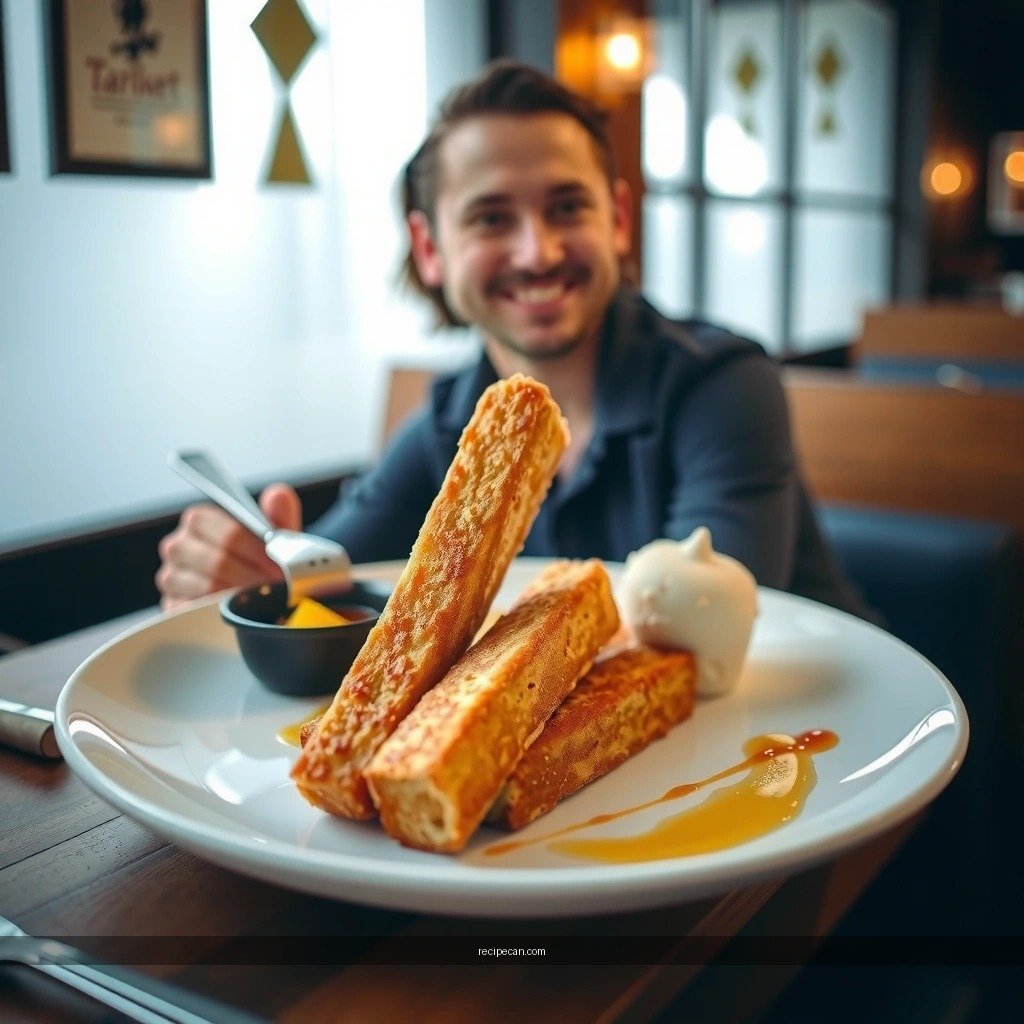
– Dip thick-cut bread in cinnamon egg mixture for even coating
– Fry until golden, then serve immediately for maximum crispness
The pan-fried version is the most “traditional” route because you’re controlling browning moment by moment. To get consistent french toast sticks, start by choosing bread that will hold up during dipping. Thick-cut brioche, challah, or sturdy white bread (sliced about 1 to 1½ inches thick) creates the right balance: a custardy center with a crunchy, caramelized exterior.
Custard setup for even coating
A simple custard—usually eggs, milk (or half-and-half), a pinch of salt, and cinnamon—works well, but the key is how you dip:
1. Whisk eggs and milk until fully blended (no streaks).
2. Add cinnamon and salt for flavor penetration.
3. Dip quickly, then let excess custard drip off. You want absorption, not pooling.
Why thick bread matters
Thin bread can become gummy or collapse when fried. Thick slices absorb custard enough to stay tender inside, while the exterior still crisps when it hits hot oil.
Pan temperature and timing
– Preheat a skillet over medium heat.
– Add a small amount of butter or a neutral oil with butter flavor (butter browns faster, so watch the color).
– Fry until each side turns deep golden brown—typically 2–4 minutes per side depending on thickness and heat.
Serving for maximum crispness
French toast sticks taste best immediately because steam quickly softens the crust. If serving to a family, keep sticks warm on a wire rack in a low oven (about 200°F / 93°C) rather than a plate, which traps moisture.
Doneness Targets for Crispy French Toast Sticks (Practical Benchmarks)
| # | Bread Type | Typical Slice Thickness | Best Fry Color (Visual) | Target Internal Temp | Outcome Rating |
|---|---|---|---|---|---|
| 1 | Brioche | 1.0–1.25 in | Deep golden | 165°F / 74°C | ★★★★★ |
| 2 | Challah | 1.0–1.5 in | Golden-brown | 160°F / 71°C | ★★★★☆ |
| 3 | White sandwich bread | 1.25 in | Light golden (avoid dark) | 155°F / 68°C | ★★★★☆ |
| 4 | Whole wheat loaf | 1.0–1.25 in | Golden with slight caramel edges | 158°F / 70°C | ★★★☆☆ |
| 5 | Sourdough (sturdy) | 1.0–1.25 in | Medium golden | 160°F / 71°C | ★★★☆☆ |
| 6 | Thin white bread | 0.5–0.75 in | Avoid dark (burn risk) | 150°F / 66°C | ★★☆☆☆ |
| 7 | Fresh bakery bread | 1.0–1.25 in | Golden but may soften | 160°F / 71°C | ★★★☆☆ |
Baked French Toast Sticks (Oven Method)
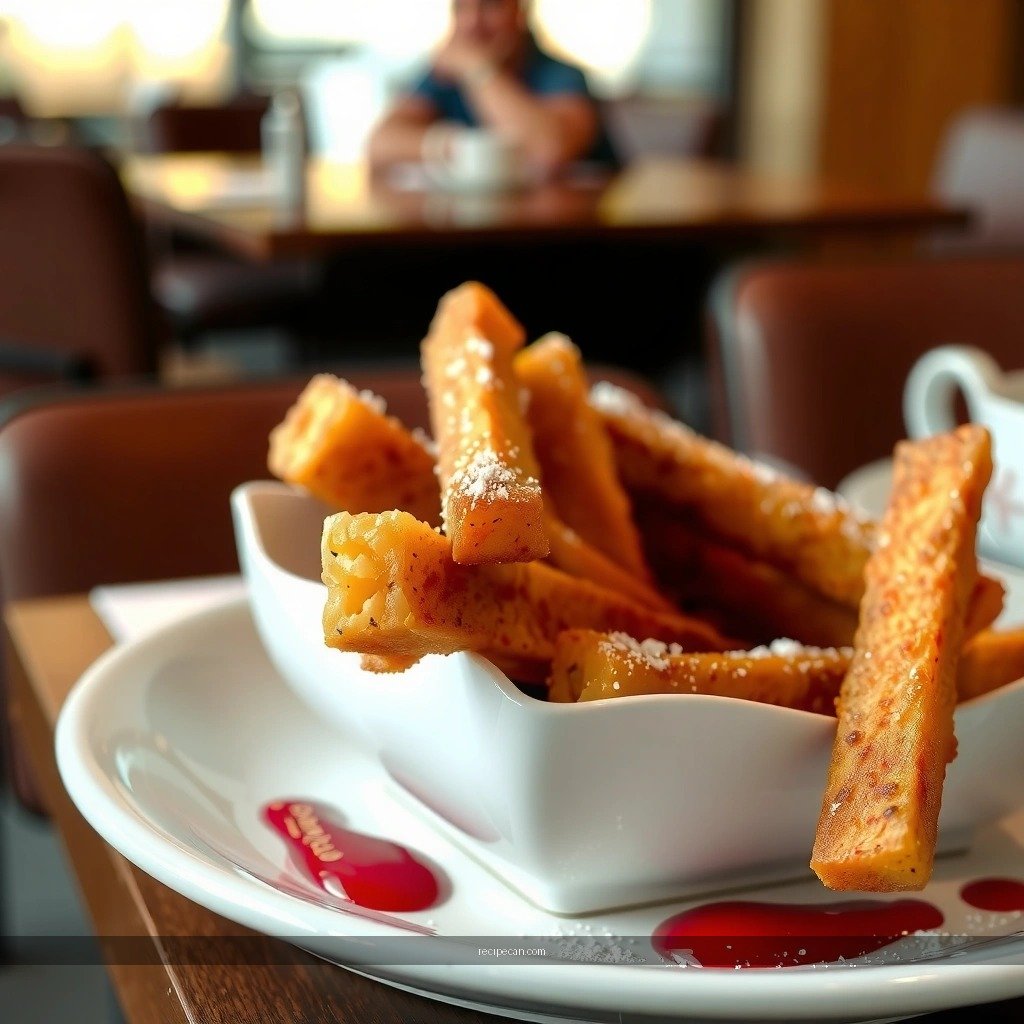
– Arrange sticks on a lined tray for hands-off cooking
– Flip halfway to brown both sides evenly
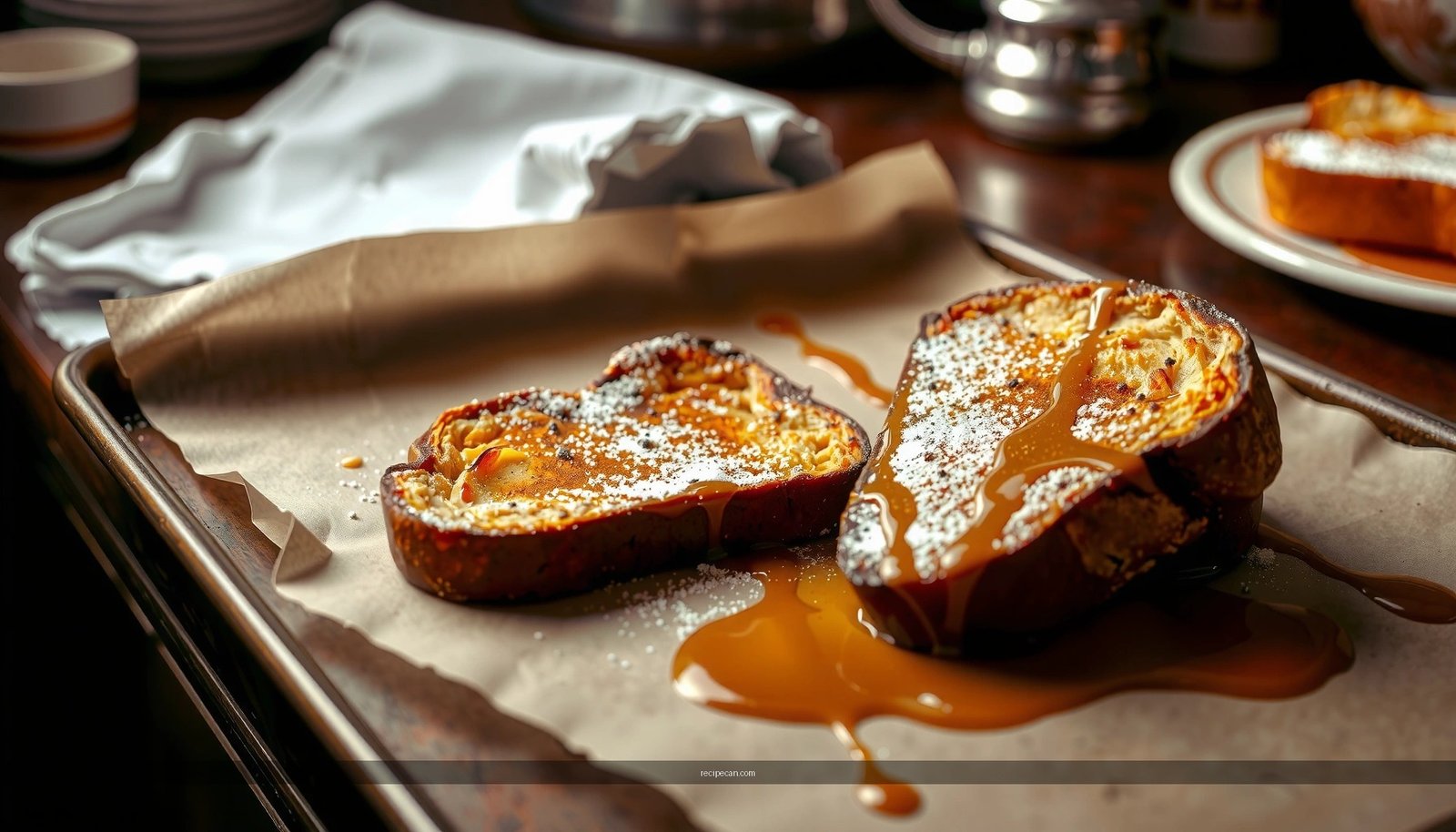
Baking is ideal when you want french toast sticks for a larger group, or when you’d rather not stand at the stove. The results are slightly more uniform than pan-frying, with a tender center and a crispier edge if you use the right setup.
Best tray and spacing
– Line a baking sheet with parchment (less sticking, easier cleanup).
– Arrange sticks in a single layer with space between them. Overcrowding traps moisture and slows browning.
Halfway flip
A single flip at about the midpoint of baking helps both sides brown evenly. If you skip this, one side will stay pale, and the stick will feel less “snack-like” on the top.
Custard absorption strategy
To prevent sogginess, bake using bread that’s not overly soft. If your bread is fresh, you can:
– Toast slices lightly before cutting into sticks, or
– Let cut sticks sit out 10–20 minutes to remove surface moisture.
Flavor upgrades
Because the oven is less aggressive than frying, flavor benefits from small additions:
– Add a teaspoon of vanilla to the custard
– Increase cinnamon slightly if you’re using a neutral bread
– Consider topping with a thin dusting of cinnamon sugar right after baking
Cinnamon Sugar French Toast Sticks
– Add cinnamon to the custard and finish with sugar for extra flavor
– Use a quick melt-and-toast technique for a caramelized crust
Cinnamon sugar french toast sticks are all about contrast: warm spice inside, sweet caramelized crunch outside. The best texture comes from managing moisture and timing.
Custard: cinnamon for depth
Incorporate cinnamon directly into the custard so every bite tastes like classic french toast. If you want a more bakery-style profile, add a pinch of nutmeg or a small splash of vanilla.
Melt-and-toast crust (simple technique)
After baking or frying, coat with a quick cinnamon sugar mixture and then “toast” briefly:
1. Melt a small amount of butter (or use coconut oil for a different flavor note).
2. Toss warm sticks so the butter dissolves into the surface sugar.
3. Return to a hot skillet for 30–60 seconds per side or place under a broiler for a moment (watch closely).
This step creates a caramelized crust that stays crisp longer than plain sugar.
Portioning for serving
Because they’re coated, cinnamon sugar sticks can get messy with syrup. Serve in a way that protects the crust:
– Offer syrup on the side
– Use fruit compote for sweetness without extra liquid pooling
How to Make Them Extra Crispy
– Use slightly stale bread so it absorbs custard without getting soggy
– Cook hot and don’t overcrowd the pan for crisp edges
“Crispy” in french toast sticks is a function of three variables: bread structure, custard absorption, and cooking conditions.
1) Bread that absorbs, then releases
Slightly stale bread is more porous. It drinks the custard and holds it during cooking, instead of staying wet. If you’re short on time, use one of these quick solutions:
– Toast bread slices lightly before dipping
– Cut sticks, then refrigerate uncovered for 20–30 minutes before cooking to dry the surface
2) Custard thickness and dipping control
Custard should cling—not flood. Whisking eggs thoroughly and using correct milk ratio helps custard set quickly when it hits heat. Also:
– Dip briefly
– Let excess drip off
– Avoid soaking batches too long
3) Heat management
For pan-fried sticks:
– Cook on hot medium heat—hot enough to brown quickly, not so hot that sugar burns before the center heats.
– Don’t overcrowd. Each added stick cools the pan, causing steaming rather than crisping.
For baked sticks:
– Bake on a preheated sheet if your oven allows it (helps start browning immediately).
– Use a single layer and flip halfway.
4) Cooling method matters
If you must hold them, place sticks on a wire rack. This prevents condensation and keeps the crust from turning soft.
Dips and Toppings for French Toast Sticks
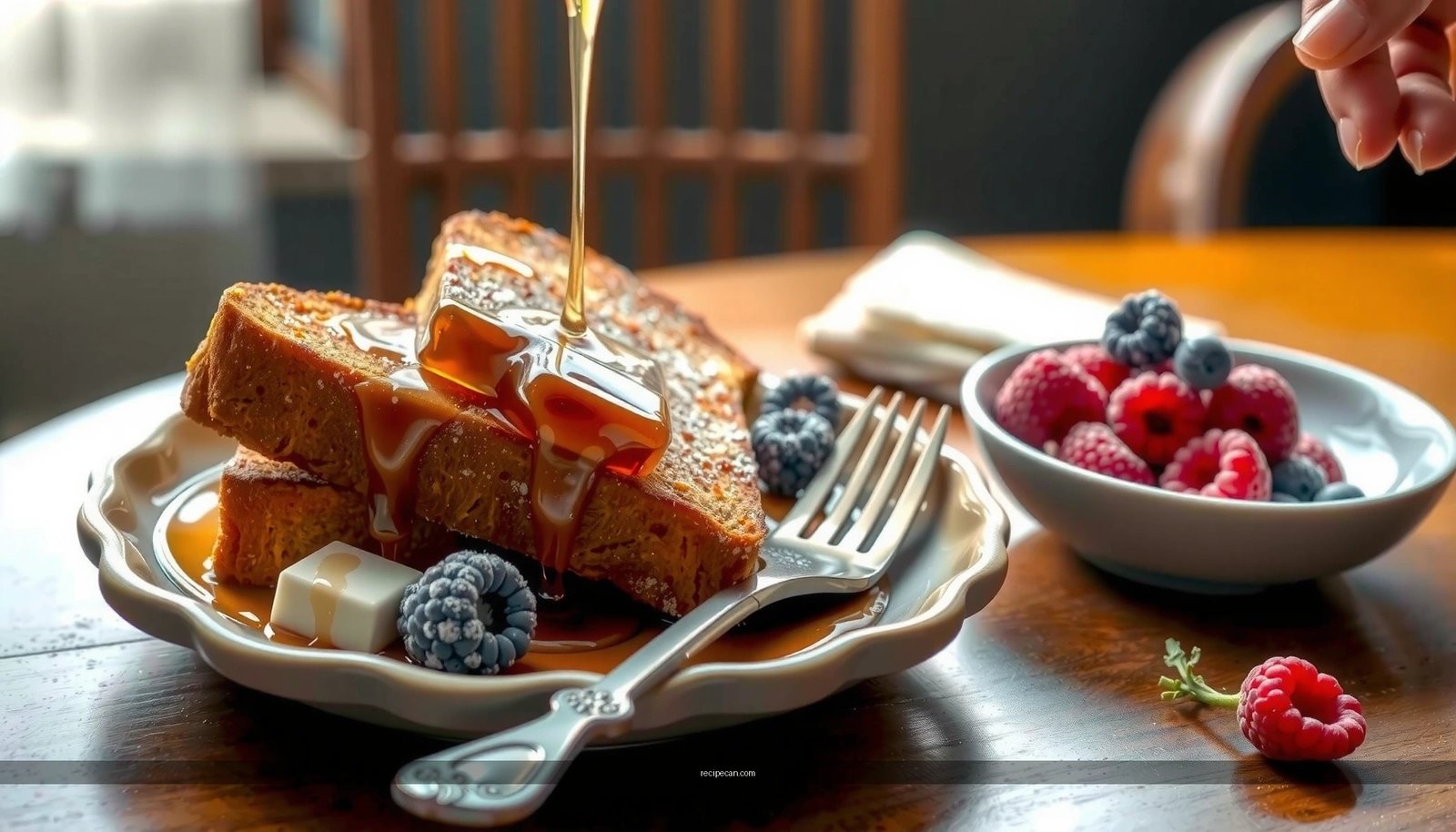
– Serve with maple syrup, fruit compote, or warm honey
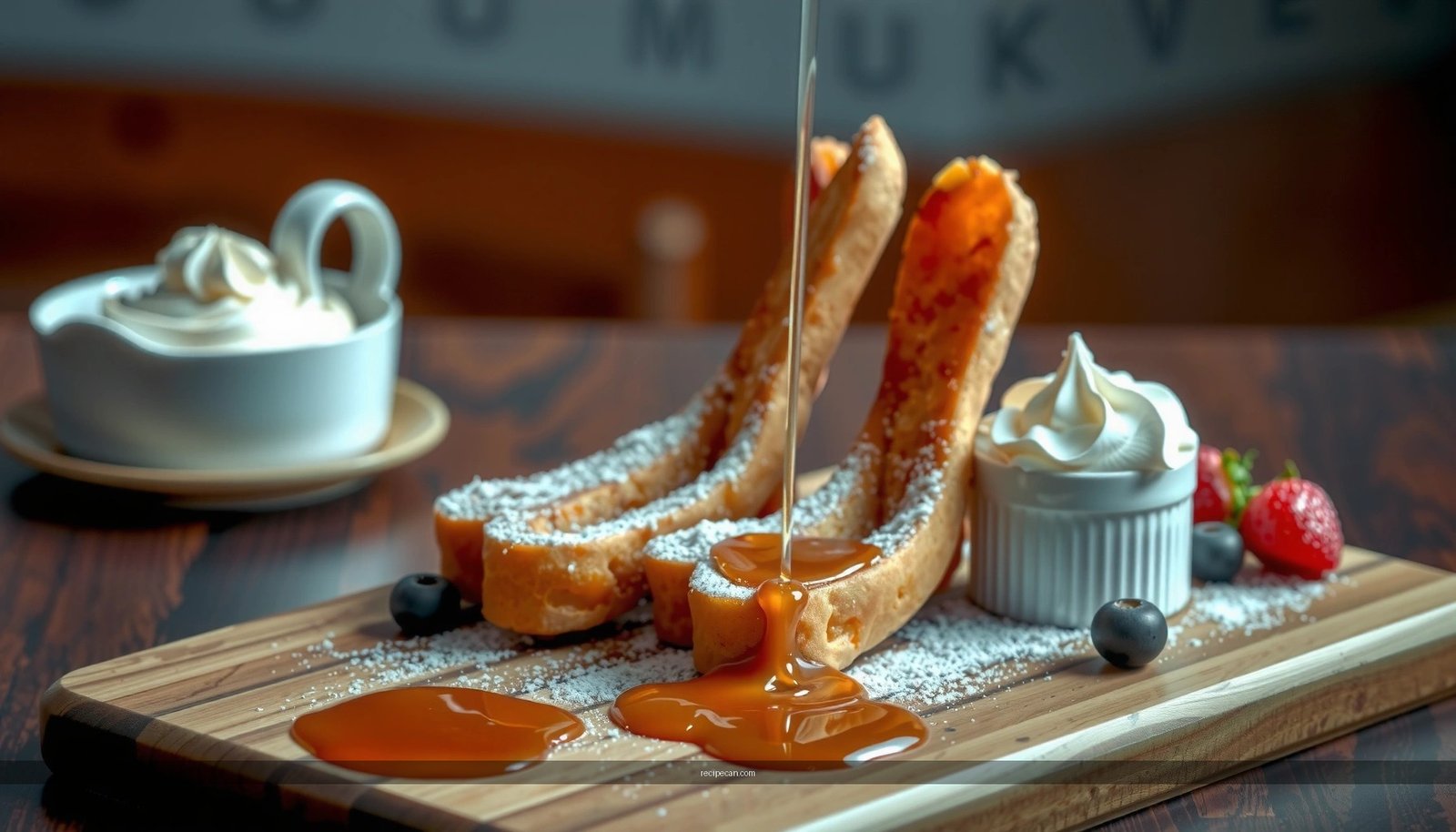
– Try whipped cream, powdered sugar, or chocolate drizzle for variety
French toast sticks are fundamentally customizable. The most effective pairings are either (a) complementary flavors or (b) a contrasting texture to balance crunch.
Classic dips
– Maple syrup: Best for traditional flavor; pour modestly to preserve crispness.
– Fruit compote: Adds acidity that cuts through egg richness. Try berry, apple-cinnamon, or cherry.
– Warm honey: Sweet and aromatic; pairs especially well with cinnamon and nutmeg.
Toppings for variety
– Powdered sugar: Clean, low-mess option that highlights caramelized edges.
– Whipped cream: Use a lightly sweetened version to keep the overall sweetness balanced.
– Chocolate drizzle: Great for kids and brunch parties; consider serving with strawberries.
Pro tip: match dip thickness
If your dip is thin (like syrup), serve it on the side. If it’s thick (compote), it clings and keeps the stick “snackable” longer.
Storage and Reheating Tips
– Store leftovers in an airtight container in the fridge
– Reheat in a toaster oven or air fryer to restore crunch
To maintain crispness, store and reheat with moisture control.
Storage
– Cool sticks completely before sealing.
– Store in an airtight container in the refrigerator for up to 3 days.
Reheating for best texture
– Air fryer: 350°F / 175°C for 3–5 minutes usually revives crunch quickly.
– Toaster oven: Similar results; use a rack if possible.
– Avoid microwaving if you want crispness—it softens the crust.
How to refresh if they’re a bit dry
If reheated sticks seem slightly dry, lightly mist with a teaspoon of water and reheat briefly (steam rehydrates the interior without soaking the exterior).
French toast sticks are simple to make and perfect for quick breakfasts—choose pan-fried for maximum crispness or baked for easier prep. Pick one of the recipes above, follow the crispness tips, and serve with your favorite syrup or dip; then make a batch this week for an effortless family favorite.
Frequently Asked Questions
What are the best french toast sticks recipes for kids and picky eaters?
The best french toast sticks recipes use simple ingredients like eggs, milk, vanilla, and cinnamon, then coat sturdy bread (such as brioche, challah, or Texas toast) so the sticks stay crisp outside and tender inside. For picky eaters, keep flavors mild and try a quick cinnamon-sugar coating or a drizzle of maple syrup. You can also cut them into smaller stick shapes for easy dipping and fast, even cooking.
How do I make french toast sticks that stay crispy instead of soggy?
Use thick bread and don’t oversoak—dip each stick just long enough to coat both sides, then let excess egg mixture drip off. Cook on a preheated skillet or griddle over medium heat and avoid crowding the pan, which traps steam and makes french toast sticks soggy. For extra crispness, finish with a light butter coating and let them rest on a wire rack for a few minutes.
Which bread works best for french toast sticks—brioche, sourdough, or Texas toast?
Brioche and challah are top choices because their rich texture absorbs egg custard without falling apart, making classic french toast sticks extra soft in the center. Texas toast is also excellent for french toast sticks because it’s thick and holds shape during cooking. Sourdough can work too, but use slightly stale slices and keep the soak short so the bread doesn’t become too tangy or mushy.
Why do my french toast sticks fall apart when I flip them, and how can I fix it?
French toast sticks fall apart when the bread is too thin, too fresh (or too soft), or when you soak too long in the egg mixture. To fix it, use thicker bread and dip briefly, then cook at steady medium heat so the outside sets before flipping. If needed, chill the dipped sticks for 10–15 minutes to firm up the custard, which helps them hold together.
How do I meal prep or freeze french toast sticks for quick breakfasts?
Make a batch of french toast sticks and cook them fully, then cool completely before freezing so they don’t get soggy. Store in an airtight container or freezer bag with parchment between layers, then reheat in an oven or air fryer until hot and crisp. For best results, reheat directly from frozen and avoid microwaving, since microwave reheating can soften the french toast sticks.
References
- Google Scholar Google Scholar
https://scholar.google.com/scholar?q=French+toast+sticks+recipe - Google Scholar Google Scholar
https://scholar.google.com/scholar?q=french+toast+sticks+dipping+sauce+egg+milk+baking+technique - Google Scholar Google Scholar
https://scholar.google.com/scholar?q=french+toast+sticks+air+fryer+recipe - French toast
https://en.wikipedia.org/wiki/French_toast - Custard
https://en.wikipedia.org/wiki/Custard - https://en.wikipedia.org/wiki/Batter_(cooking
https://en.wikipedia.org/wiki/Batter_(cooking - https://en.wikipedia.org/wiki/Egg_(food
https://en.wikipedia.org/wiki/Egg_(food - Bread
https://en.wikipedia.org/wiki/Bread - List of French breads
https://en.wikipedia.org/wiki/French_bread - Easy French toast recipe | Good Food
https://www.bbcgoodfood.com/recipes/french-toast