Get the French toast recipe with heavy cream that delivers the fluffy, rich texture you want every time—no soggy centers, no bland flavor. This version soaks bread just long enough to create a custardy interior, then cooks up crisp, golden edges. If you’re comparing methods, this is the clear winner when you want the creamiest results with minimal effort.
French toast turns out fluffy and restaurant-style when you soak sturdy bread in a well-mixed heavy-cream custard and cook it on the right heat until both sides are deeply golden. In this guide, you’ll get the exact ingredients, bread choices, custard method, soaking timing, and pan-frying technique that produce crisp edges and a soft, creamy center—without sogginess.
Essential Ingredients for French Toast With Heavy Cream
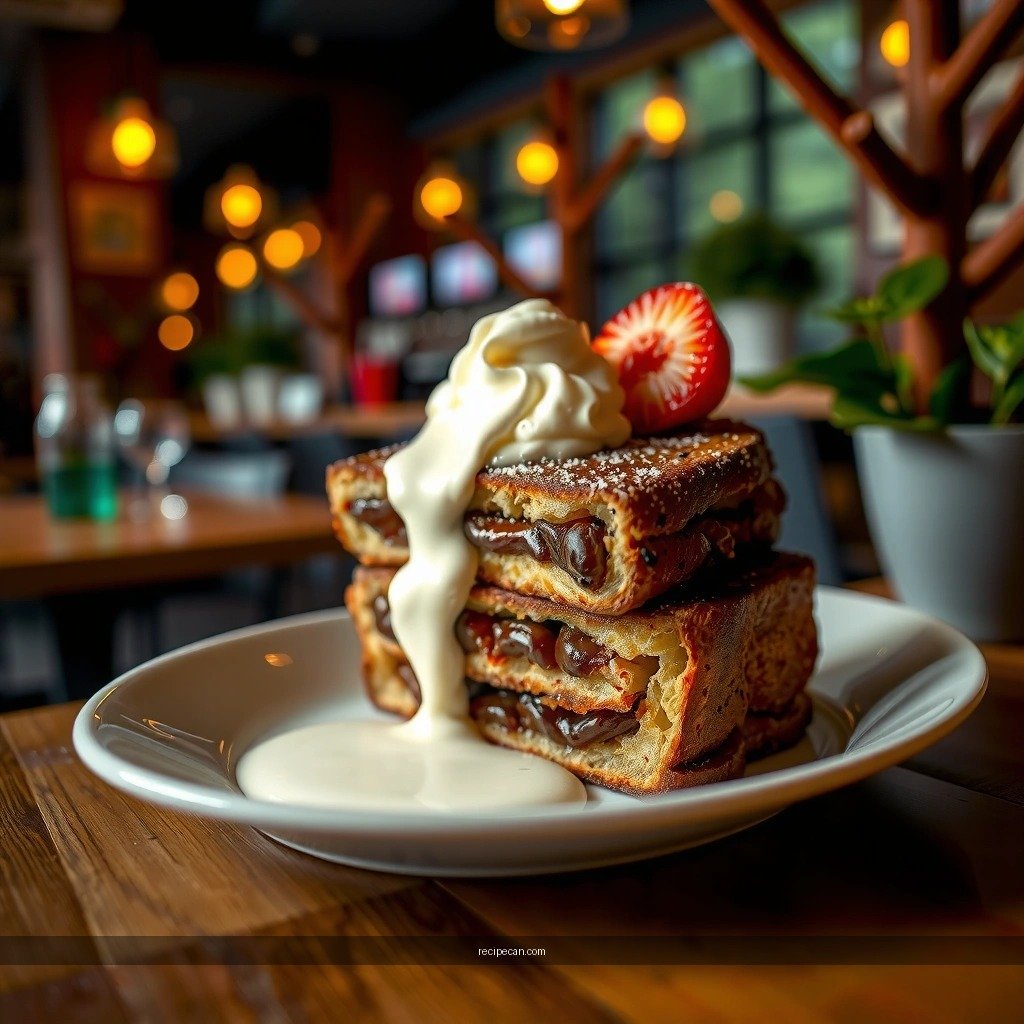
Heavy cream is the “engine” behind rich, creamy french toast. It adds fat for tenderness, creates a custard-like texture, and helps the exterior brown evenly while the inside stays silky.
Core ingredients (and what they do):
– Heavy cream for rich, custardy texture
– Use full-fat heavy cream for the best flavor and the most stable custard.
– Eggs for structure
– Eggs coagulate during cooking, setting the custard so the center stays creamy instead of turning watery.
– Vanilla for warm, aromatic sweetness
– Adds bakery-style flavor without making the custard overly sugary.
– Cinnamon for classic “French toast” warmth
– Ground cinnamon complements the caramelization you create in the pan.
– A pinch of salt for balance
– Salt sharpens sweetness and makes the custard taste more complete.
Helpful add-ons (optional but highly effective):
– Sugar (1–2 teaspoons) if you like a sweeter, more caramelized crust. If you prefer, use toppings for sweetness and keep the custard unsweetened.
– Nutmeg (a small pinch) for an extra layer of warmth that pairs especially well with berries.
To support consistent browning, use ingredients at near room temperature when possible (especially eggs). Cold ingredients can slightly slow custard set time and make timing harder.
Heavy Cream Custard: Consistency vs. Soak Time (Practical Ranges)
| # | Custard soak target | Best for bread | Soak time per side | Expected texture result | Repeatability |
|---|---|---|---|---|---|
| 1 | Quick saturation | Challah, brioche | 20–25 sec | Custardy center, no pooling | ★★★★★ |
| 2 | Balanced soak | White sourdough, thick-sliced | 30–45 sec | Fluffy interior, moderate richness | ★★★★☆ |
| 3 | Deep soak (use carefully) | Very thick brioche | 50–60 sec | Creamy center, higher risk of soggy edges | ★★★☆☆ |
| 4 | Too short (under-custarded) | Any bread | 10–15 sec | Dry center, less flavor | ★★☆☆☆ |
| 5 | Soggy risk threshold | Thin sandwich bread | >60 sec | Gummy edges, wet pooling | ★☆☆☆☆ |
| 6 | Rest before cooking | Any thick slice | 2–3 min | Even custard set, less drip | ★★★★☆ |
| 7 | Custard thickness control | If bread browns fast | +1 egg yolk | Softer center, richer bite | ★★★★☆ |
Best Bread to Use (And Why It Matters)
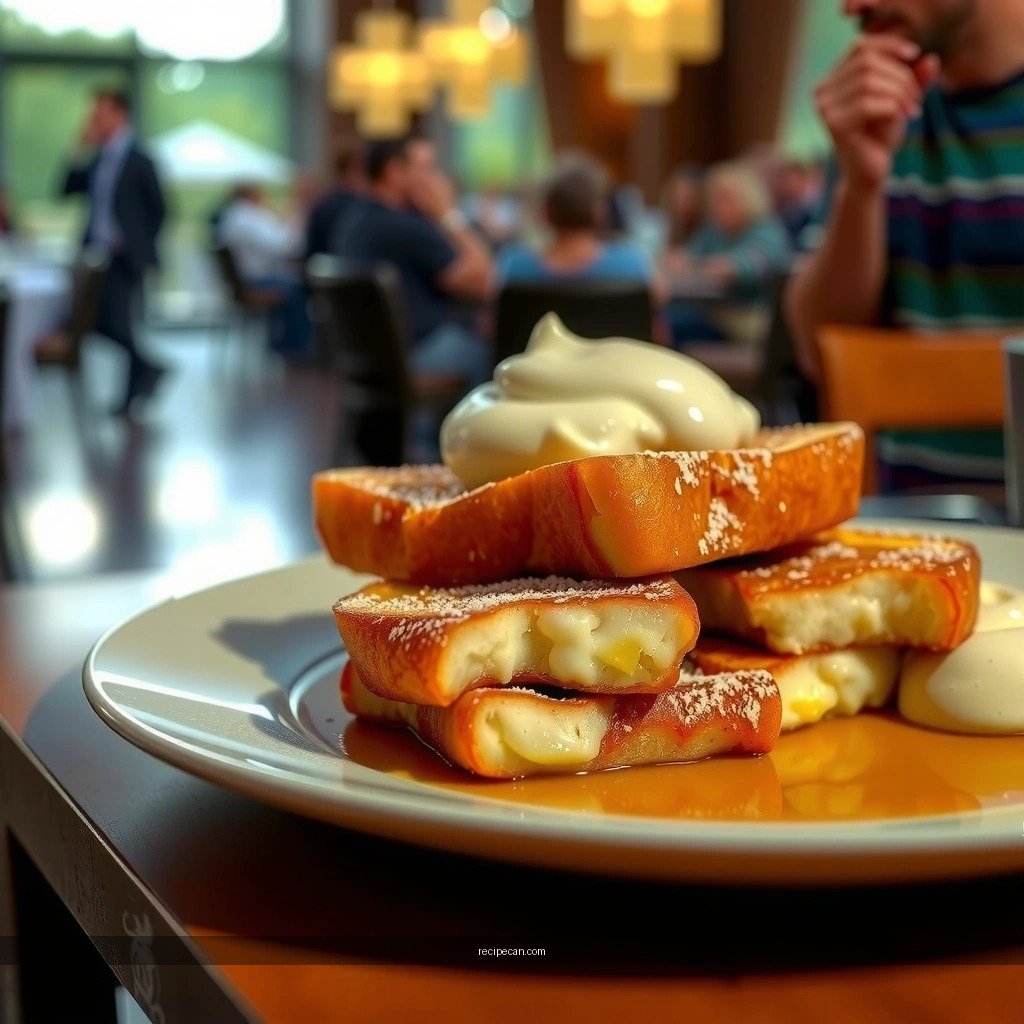
The bread is not a small detail—it determines whether your french toast is fluffy or fragile. Heavy cream custard needs a bread that can absorb moisture without collapsing.
Top choices:
– Brioche
– Rich, tender crumb; great for a custardy interior and golden crust.
– Challah
– Slight sweetness and a sturdy structure; absorbs cream well while holding shape.
– Thick-cut sourdough (white or classic)
– Offers a more “artisan” flavor and a pleasantly chewy center.
Why day-old bread works best
– Day-old bread has lower moisture and more air pockets, so it absorbs custard evenly.
– Fresh bread is more hydrated and can break down quickly, leading to soggy centers or a gummy texture.
– If you only have fresh bread, you can still salvage it by drying slices for 10–15 minutes in a 300°F (150°C) oven or toasting them lightly before soaking.
Cut thickness guidelines
– For maximum fluff: aim for 3/4-inch (about 2 cm) slices.
– Thinner slices cook faster and absorb more quickly, increasing the risk of over-soaking.
Make the Heavy Cream Custard
Creating the custard is where the “easy” part meets the quality part: you’re building a stable egg-and-cream emulsion that coats each slice and sets during cooking.
Custard method (the reliable approach):
1. Whisk heavy cream and eggs until fully combined.
– Mix vigorously enough to remove streaks of egg.
2. Add vanilla, cinnamon, and salt.
– Stir until the color and seasoning are uniform.
3. Optional for better caramelization: add a small amount of sugar.
4. If the custard looks very thin, increase thickness by adding an extra yolk or using slightly more cream-to-egg ratio in the next batch.
Analytical tip: balance thickness and absorption
– A thicker custard coats bread better and stays creamy in the center.
– Too thin = more liquid pooling in the pan.
– Too thick = can leave custard pockets that don’t cook evenly. Whisking until smooth prevents lumps and helps the custard set consistently.
Food safety and workflow
– Use a shallow bowl so each side is easily coated.
– Don’t reuse custard that has touched raw bread juices unless you boil it thoroughly. For best practice, discard after soaking.
Soak and Cook for Perfect Texture
Fluffy french toast is largely a timing and temperature discipline. Soak just enough for absorption, then cook until the egg custard sets and the exterior caramelizes.
Soaking (how to avoid sogginess)
– Brief soak, controlled saturation: Place bread in the custard for 20–45 seconds per side depending on thickness.
– Lift and let excess custard drip off for a few seconds.
– If you want extra control, let the soaked slices rest 2–3 minutes so the custard fully penetrates before the pan hits it.
Cooking method (pan-frying for crisp edges + soft center)
– Heat a skillet (nonstick or cast iron) over medium heat.
– Add butter or a mix of butter + a small amount of neutral oil.
– Butter provides flavor; oil raises the smoke point.
– Cook until deep golden, then flip carefully:
– First side: typically 2–4 minutes depending on thickness
– Second side: typically 2–3 minutes
– Avoid rushing: low heat can leave a raw egg interior; high heat can brown the outside before the custard sets.
Flip strategy
– Flip once you see a stable crust and the edges look set—not when the surface still looks wet.
– Use a wide spatula to prevent tearing brioche or challah.
Batch cooking note
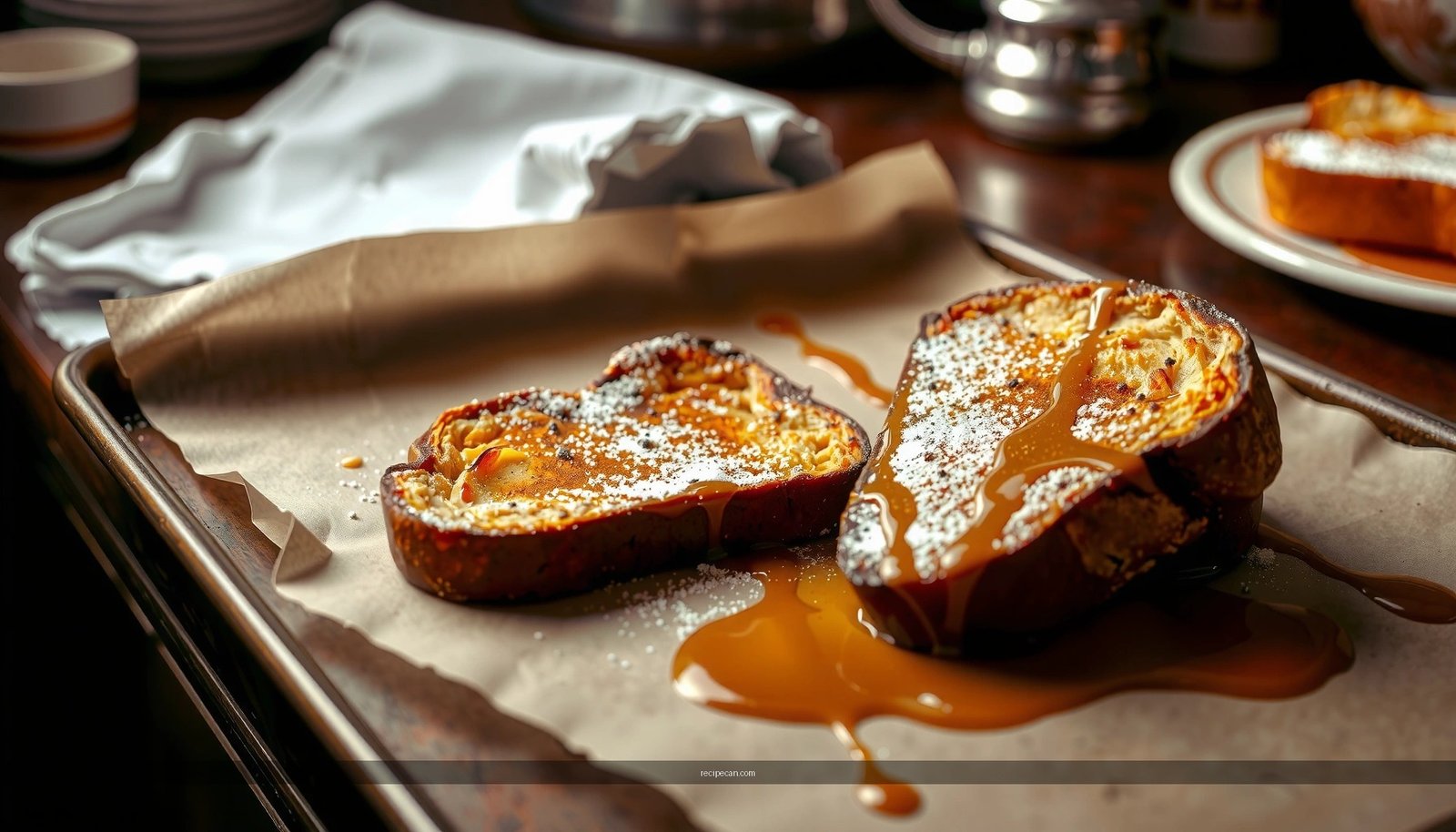
– Keep cooked slices warm in a 200°F (95°C) oven on a wire rack (not a plate) so the crust stays crisp.
Toppings and Serving Ideas
Heavy cream french toast tastes best when toppings complement, not overwhelm, the custard richness. Think in layers: sweetness, acidity, crunch, and temperature.
Classic, high-success pairings
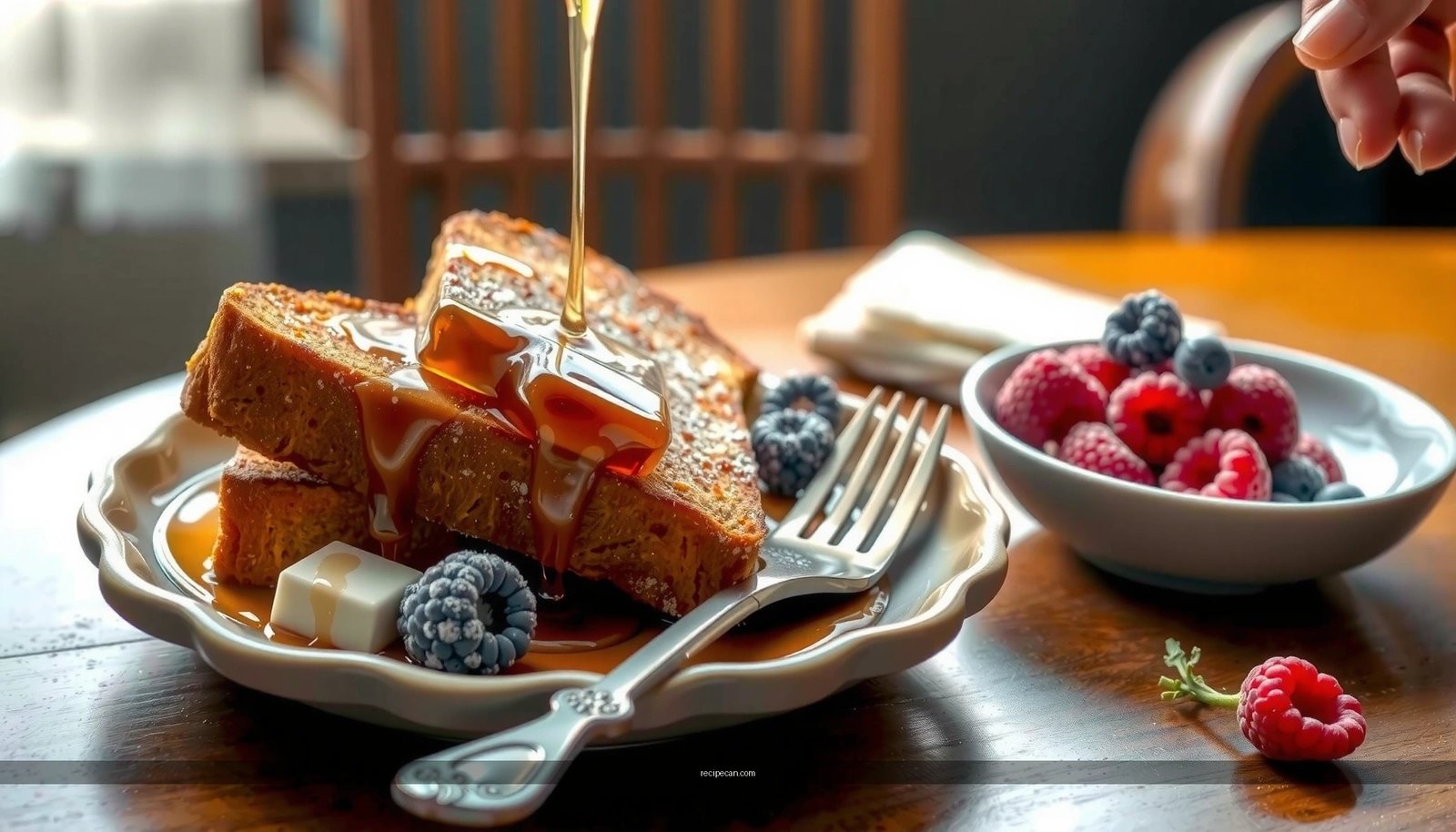
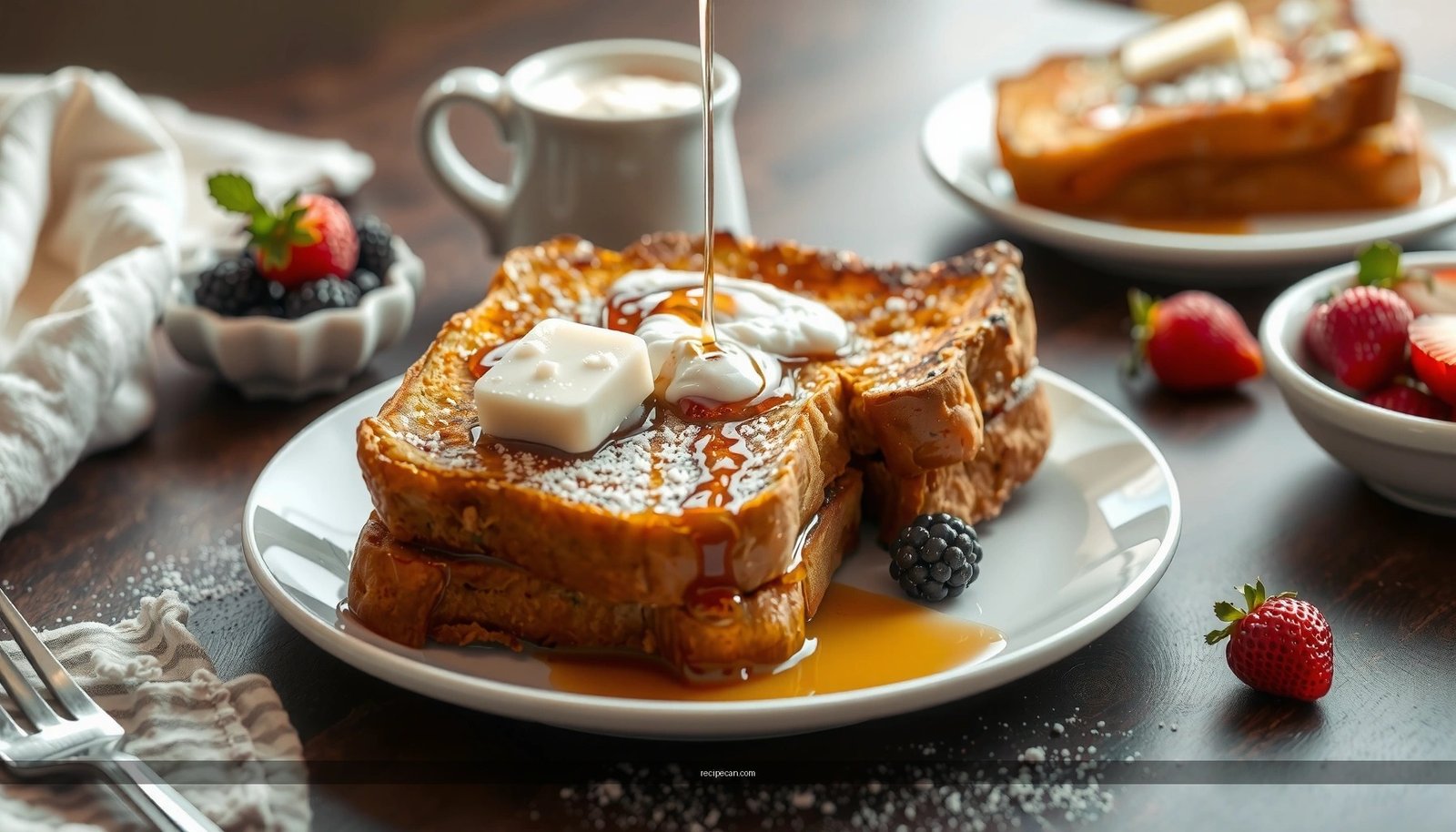
– Maple syrup + fresh berries
– Syrup adds caramel sweetness; berries cut richness and brighten flavor.
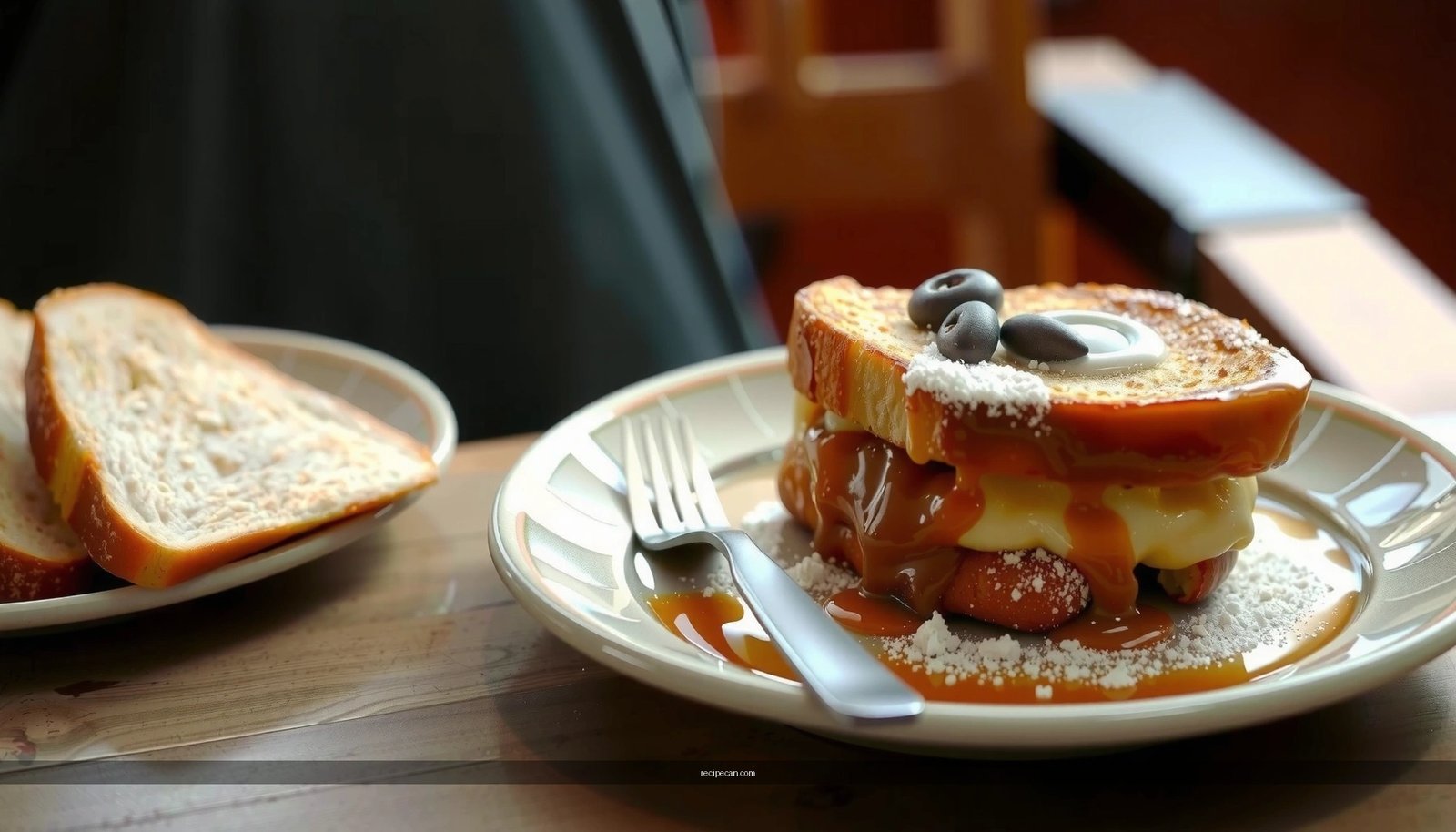
– Powdered sugar (light dusting)
– Works well when syrup is optional—great for a cleaner, bakery-style presentation.
Upgrade options (choose one “rich” and one “bright”)
– Whipped cream for extra indulgence
– Toasted nuts (pecans or sliced almonds) for crunch
– Bananas (quickly warmed in a pan with a touch of butter) for a soft, fragrant finish
Professional presentation tip
– Serve immediately: french toast is at peak crispness for the first few minutes after cooking.
– If serving a group, hold in the oven briefly, then plate with fresh berries and warm syrup right before it hits the table.
Troubleshooting Common French Toast Problems
Even great recipes can go sideways—usually due to soak time, heat, or bread selection. Here are the most common failure modes and how to correct them.
– Too soggy?
– Reduce soak time (aim closer to 20–25 seconds per side for thick brioche/challah).
– Use thicker slices and ensure bread is day-old.
– Cook on medium heat and let the first side brown fully before flipping.
– Too dark outside, raw inside?
– Lower the heat slightly (medium-low can be ideal for very thick slices).
– Cook longer and flip only when the exterior is set.
– If the pan runs hot, give it a short cool-down between batches.
Other practical fixes
– Custard won’t set / feels eggy:
– Increase cooking time and ensure the pan isn’t too cool.
– Make sure you whisk eggs thoroughly before adding bread.
– Burnt butter flavor:
– Lower heat and consider using a butter-oil blend.
– Custard leaking during cooking:
– Let slices rest 2–3 minutes after soaking so absorption catches up.
With heavy cream in the custard, this french toast recipe delivers rich flavor, crisp edges, and a tender center. Follow the bread, soak, and cooking tips above, then serve immediately with your favorite toppings—make a batch this morning and enjoy!
Frequently Asked Questions
What is the best french toast recipe with heavy cream for thick, custardy slices?
Use a custard base of heavy cream, eggs, milk, vanilla, and a pinch of salt, whisked until smooth. For thick, custardy french toast, soak bread longer (about 20–30 minutes for hearty slices) so the custard penetrates without making it soggy. Choose a sturdy bread like brioche, challah, or thick-cut sourdough for the best texture and rich flavor from the heavy cream.
How do I make french toast with heavy cream without it getting soggy or falling apart?
Start with day-old bread and cut it into thick slices so it can absorb the heavy cream mixture without turning mushy. Keep the pan at medium heat and cook each side until deeply golden; if the heat is too high, the outside browns before the inside sets. After soaking, let excess custard drip off briefly, then cook right away for cleaner edges and a firmer french toast.
Why does heavy cream make french toast taste better than using only milk?
Heavy cream has a higher fat content than milk, which creates a richer, creamier custard that helps french toast bake up tender and flavorful. The extra fat also improves browning and gives a more “custardy” interior, even when you cook on a skillet. If you want a classic restaurant-style french toast, heavy cream is one of the easiest upgrades to the egg-and-bread mixture.
Which bread is best for french toast when using a heavy cream custard?
The best options are brioche, challah, Texas toast, and thick-cut sourdough because they hold up well during soaking. These breads have structure and absorb the heavy cream mixture evenly, resulting in a consistent custard center. Avoid very soft sandwich bread if you want slices to stay intact—unless you reduce soaking time.
How long should I soak the bread for french toast made with heavy cream?
For thick brioche or challah, soak 15–30 minutes, flipping once halfway through so the custard mixture penetrates both sides. If your bread is thinner or more delicate, start with 10–15 minutes to prevent oversaturation. The goal is even absorption without pooling custard, which helps you achieve golden, custardy french toast with heavy cream.
References
- French toast
https://en.wikipedia.org/wiki/French_toast - Google Scholar Google Scholar
https://scholar.google.com/scholar?q=French+toast+heavy+cream+recipe - Google Scholar Google Scholar
https://scholar.google.com/scholar?q=french+toast+custard+egg+milk+cream+ratio - Google Scholar Google Scholar
https://scholar.google.com/scholar?q=bread+soaking+egg+milk+cream+french+toast - https://www.britannica.com/topic/French-toast
https://www.britannica.com/topic/French-toast - https://www.bbc.com/food/recipes/frenchtoast_77559
https://www.bbc.com/food/recipes/frenchtoast_77559 - https://www.nytimes.com/2020/04/21/dining/overnight-french-toast.html
https://www.nytimes.com/2020/04/21/dining/overnight-french-toast.html - https://www.theguardian.com/lifeandstyle/shortcuts/2016/jan/25/how-to-make-perfect-french-toast
https://www.theguardian.com/lifeandstyle/shortcuts/2016/jan/25/how-to-make-perfect-french-toast - Slow-Cooker Cider-Braised Pork Roast | America’s Test Kitchen
https://www.cookscountry.com/recipes/10458-french-toast - Google Scholar Google Scholar
https://scholar.google.com/scholar?q=french+toast+recipe+with+heavy+cream