Want a French toast recipe with flour that delivers golden, custardy slices every time? This version uses flour in the batter to thicken the coating for crisp edges and a tender center, with simple steps you can follow start to finish. If you’re trying to avoid runny French toast and get consistently browned bread, this is the clear winner.
You can make classic French toast with flour to create a thicker custard coating that browns faster and stays crisp longer. This guide gives you the exact batter mix, the correct dredging/soaking method, and a reliable pan-frying approach for golden, custardy French toast every time.
You’ll notice the difference flour makes immediately: it helps stabilize the egg-and-milk mixture so it clings to bread instead of running off, and it promotes deeper browning through Maillard reactions during cooking. Whether you’re cooking for a household brunch or a high-volume weekend crowd, the technique is the same—build the right batter viscosity, coat efficiently, then fry at the right heat without steaming the bread.
Essential Ingredients (Including Flour)
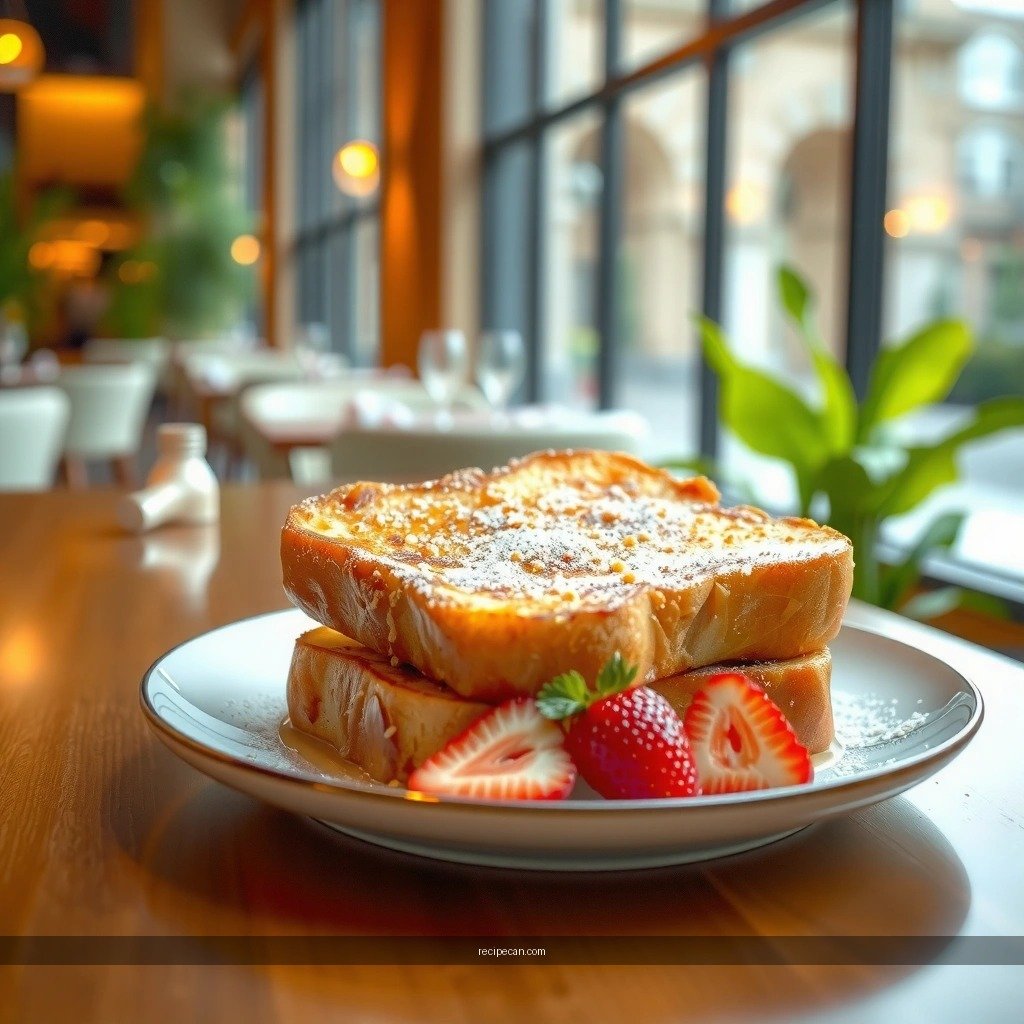
– All-purpose flour for the batter/dredge base
– Eggs, milk, sugar, and vanilla for flavor and texture
– Cinnamon and salt for classic French toast taste
Flour-based French toast is essentially custard “insurance.” Instead of relying only on eggs to thicken, flour adds structure to the coating so you get:
1. Better adhesion (less bare bread showing).
2. More uniform browning (the coating sets quickly).
3. A custardy interior without a watery exterior.
For flavor balance, keep the sugar moderate. Too much sugar can burn before the interior heats; too little tastes flat. Cinnamon and salt do the opposite of “hiding” egg flavors—they make them taste richer and more dessert-like.
How to Make the Flour Mixture
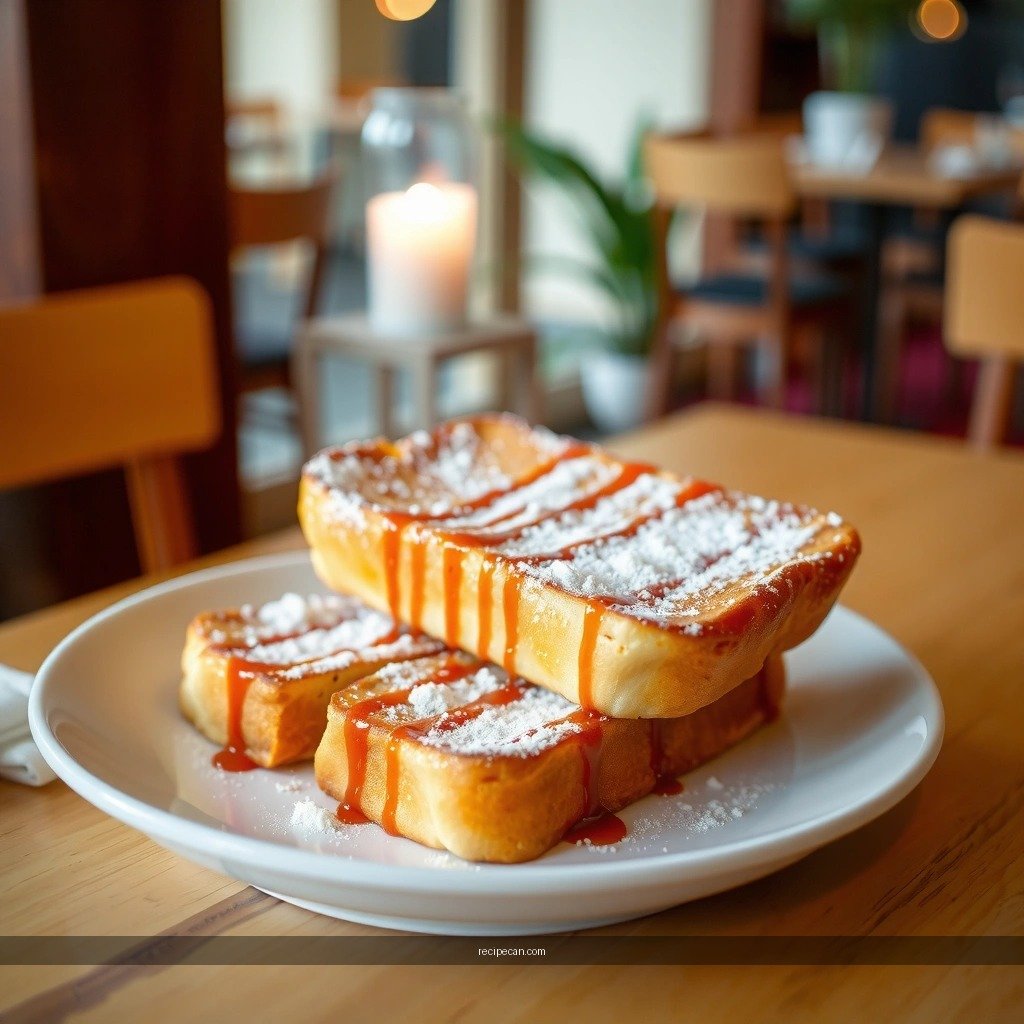
– Whisk flour with milk (or use flour for a quick dredge)
– Mix in eggs until smooth and evenly combined
– Keep the batter thick enough to coat bread without dripping
A smooth batter is your quality control point. Flour can clump if it’s added directly into cold milk without whisking, so whisk thoroughly until the mixture looks uniform.
Recommended batter ratio (for 6 slices of thick bread):
– 2 large eggs
– 1/2 cup (120 ml) milk
– 2–3 tablespoons all-purpose flour
– 1 tablespoon sugar
– 1 teaspoon vanilla extract
– 1/2 teaspoon cinnamon
– 1/4 teaspoon salt
Optional: 1–2 teaspoons melted butter (adds tenderness and helps browning)
What “thick enough” should look like:
Lift the whisk or ladle from the bowl—your batter should coat the back of a spoon in a light layer. When you pour, it should flow slowly and leave a brief trail rather than immediately running clear. If it’s too thin, add flour 1 tablespoon at a time; if too thick, add milk 1 tablespoon at a time.
Classic two-method option (choose one):
– Full batter method (most consistent): whisk flour into milk, then add eggs and remaining ingredients.
– Quick dredge method (faster, drier coating): lightly flour the bread’s surface first, then dip into an egg-milk mixture without flour. This reduces sogginess risk, but browning may be slightly less uniform than the full batter method.
Best Bread to Use
– Use brioche, challah, or thick-cut white bread
– Choose bread that’s a bit stale for better absorption
– Cut slices evenly for consistent cooking
Bread choice determines everything about French toast texture. You want slices with:
– Soft crumb (custard absorption)
– Enough structure to hold up to dipping
– Surface area that supports an even coating
Top picks:
– Brioche: rich, buttery, and forgiving—great for a golden crust and soft center.
– Challah: slightly firmer chew, excellent sweetness and browning.
– Thick-cut white bread: classic and budget-friendly, especially for flour-based custard adhesion.
Staling strategy (easy):
Day-old bread is ideal. If you only have fresh bread, toast it lightly (just 1–2 minutes) or leave slices uncovered for a few hours. The goal is to reduce surface moisture so the custard goes in rather than pooling on top.
Even slicing matters:
Cut slices to roughly the same thickness so the coating sets at the same speed. A 1/2-inch (about 12 mm) slice is a reliable target for crisp edges and a custardy center.
To make bread selection more objective, here’s a practical “at-a-glance” guide to reliability when using flour-based batter and pan frying:
Reliability of Bread Types for Flour-Based French Toast (Pan-Fried)
| # | Bread Type | Absorption (1–5) | Best Thickness | Typical Fry Time/Side | Reliability Rating |
|---|---|---|---|---|---|
| 1 | Brioche | 5 | 1/2 in (12 mm) | 2:30–3:15 min | ★★★★☆ |
| 2 | Challah | 4 | 3/4 in (18 mm) | 3:00–3:45 min | ★★★★☆ |
| 3 | Thick-Cut White | 3 | 1/2 in (12 mm) | 2:00–2:45 min | ★★★☆☆ |
| 4 | Sourdough | 4 | 3/4 in (18 mm) | 3:15–4:00 min | ★★★★☆ |
| 5 | Baguette (Day-Old) | 2 | 1/2 in (12 mm) | 2:15–2:50 min | ★★☆☆☆ |
| 6 | Rye | 3 | 5/8 in (15 mm) | 2:45–3:20 min | ★★★☆☆ |
| 7 | Gluten-Free Sandwich Bread | 2 | 3/4 in (18 mm) | 2:00–2:35 min | ★★☆☆☆ |
Dredging and Soaking Tips
– Dip each slice briefly, letting it absorb without going soggy
– Use a tray to catch excess batter for easier cooking
– Let coated bread rest 1–2 minutes before frying
Flour improves cling, but it won’t fix excessive soaking. The goal is to saturate inside while keeping the outside dry enough to fry, not steam.
A practical dredging workflow:
1. Dip 10–20 seconds per side (depending on bread thickness and staleness).
2. Lift and allow drips to fall back into the bowl.
3. Set on a wire rack or tray for 1–2 minutes so the surface coating hydrates and thickens.
4. Fry immediately after the rest.
How to prevent sogginess (two signals):
– If batter pools in the pan after placement, the bread is too wet—reduce dip time.
– If the outside browns instantly but the center is pale, the bread needs slightly longer frying at lower heat, not more soaking.
Operational tip for busy cooks:
Use a tray under your dredging station. Excess batter will fall off and can be rebalanced (you can whisk it again if it separates). Keeping the surface tidy improves coating consistency and reduces pan mess.
Cooking Instructions for Golden French Toast
– Preheat a skillet and use butter or a neutral oil blend
– Cook until browned on both sides, adjusting heat as needed
– Avoid overcrowding so the crust stays crisp
The skillet is where “golden and crisp” becomes real. Flour-based batter sets quickly, so you need sufficient heat to brown before the interior over-softens.
Pan setup:
– Preheat skillet over medium heat for 2–3 minutes.
– Use 1–2 tablespoons butter (or butter + neutral oil blend to reduce burning).
– Let the butter foam lightly—this is your readiness cue.
1. Place slices with space between them.
2. Cook until the bottom is deep golden, usually 2–3 minutes.
3. Flip carefully (a thin spatula helps).
4. Cook the second side 2–3 minutes, adjusting heat downward if browning happens too fast.
Avoid overcrowding:
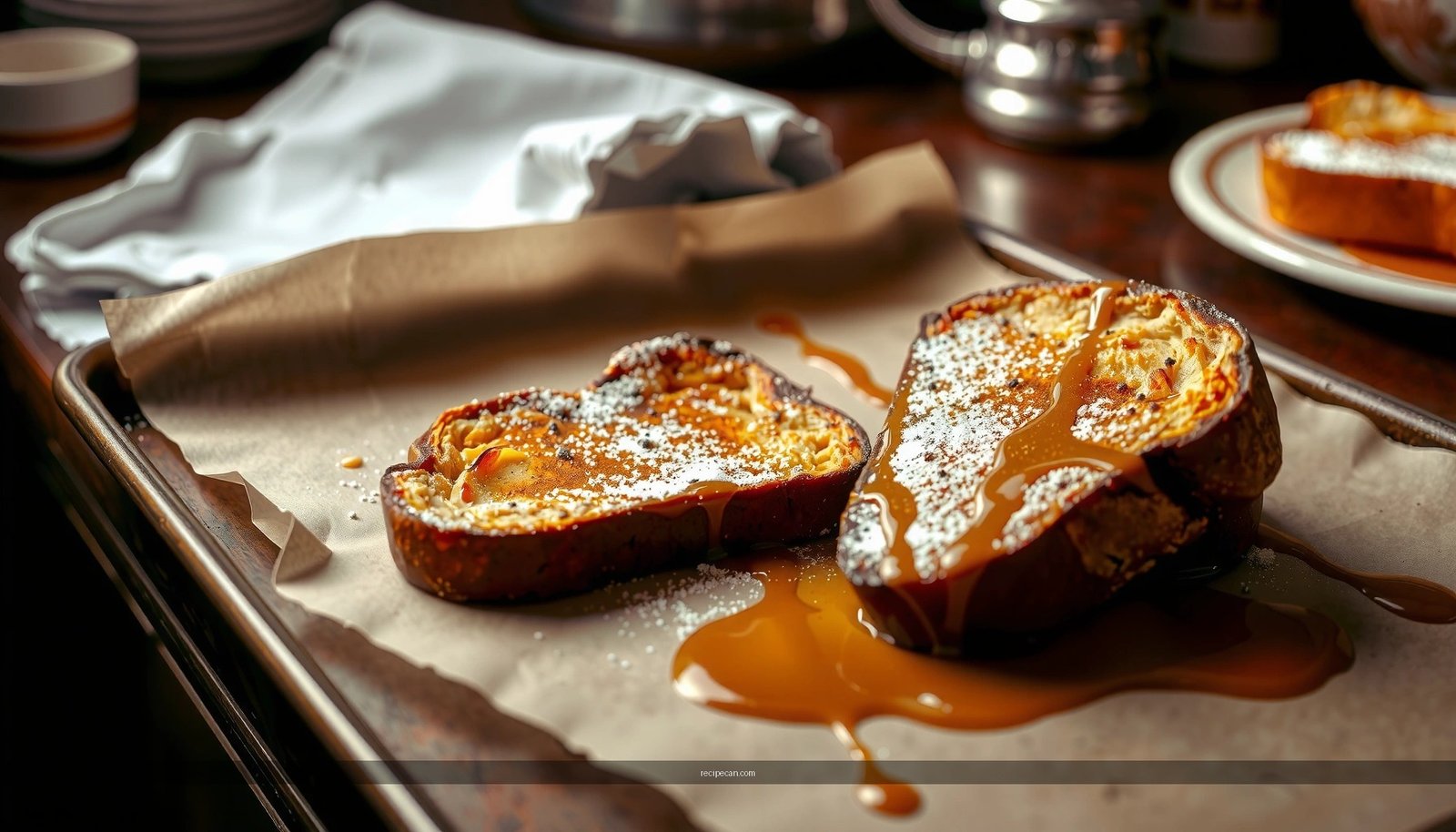
Crowding cools the pan and converts browning into steaming. As a rule, use one layer with visible gaps, or cook in batches and keep finished pieces warm in a 300°F / 150°C oven on a rack.
Heat adjustment guide:
– Too pale: raise heat slightly or extend time 20–30 seconds.
– Dark outside, undercooked inside: lower heat by one notch and cook a bit longer.
– Burned butter streaks: wipe pan lightly and refresh fat between batches.
Serving Ideas and Storage
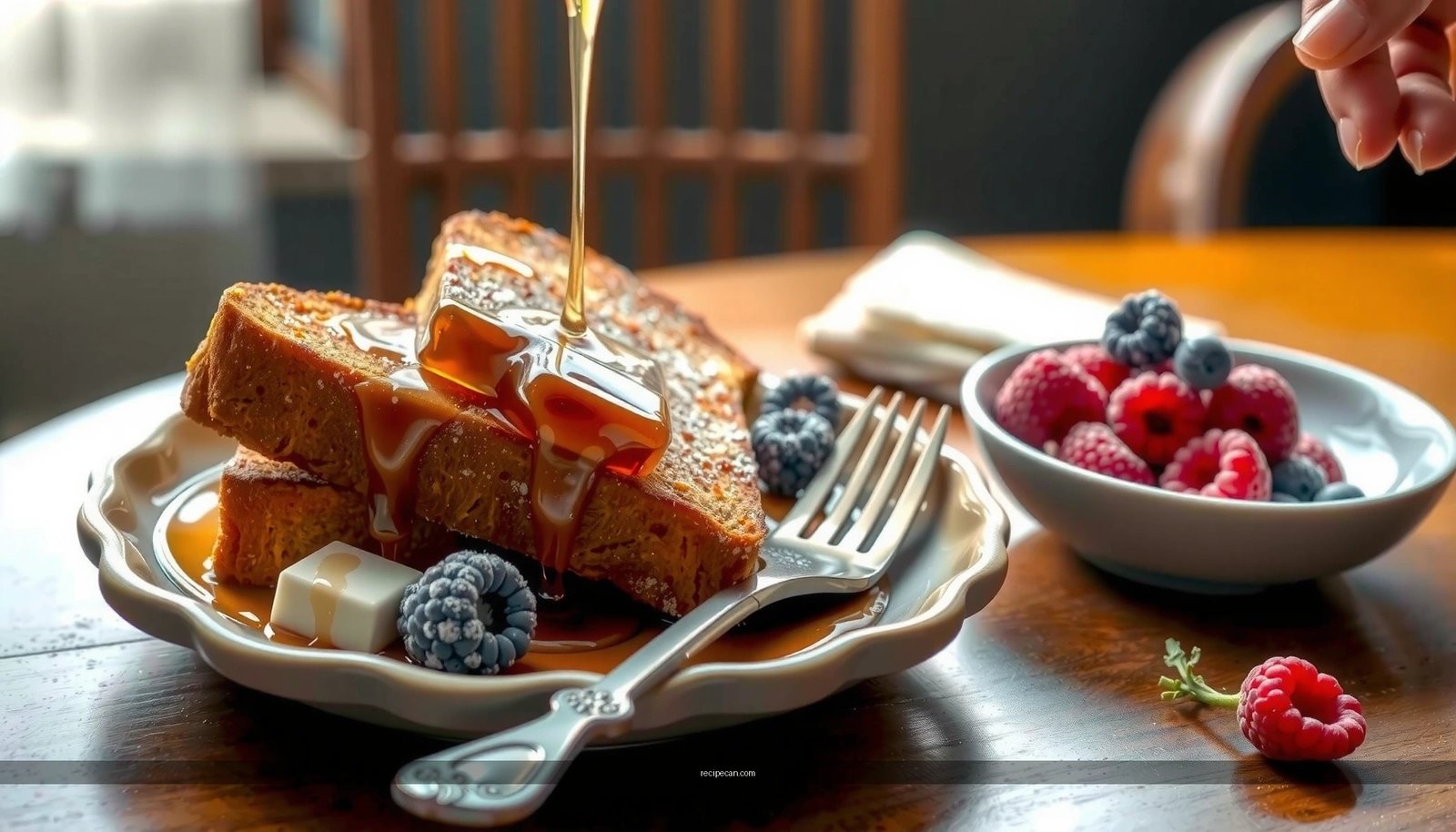
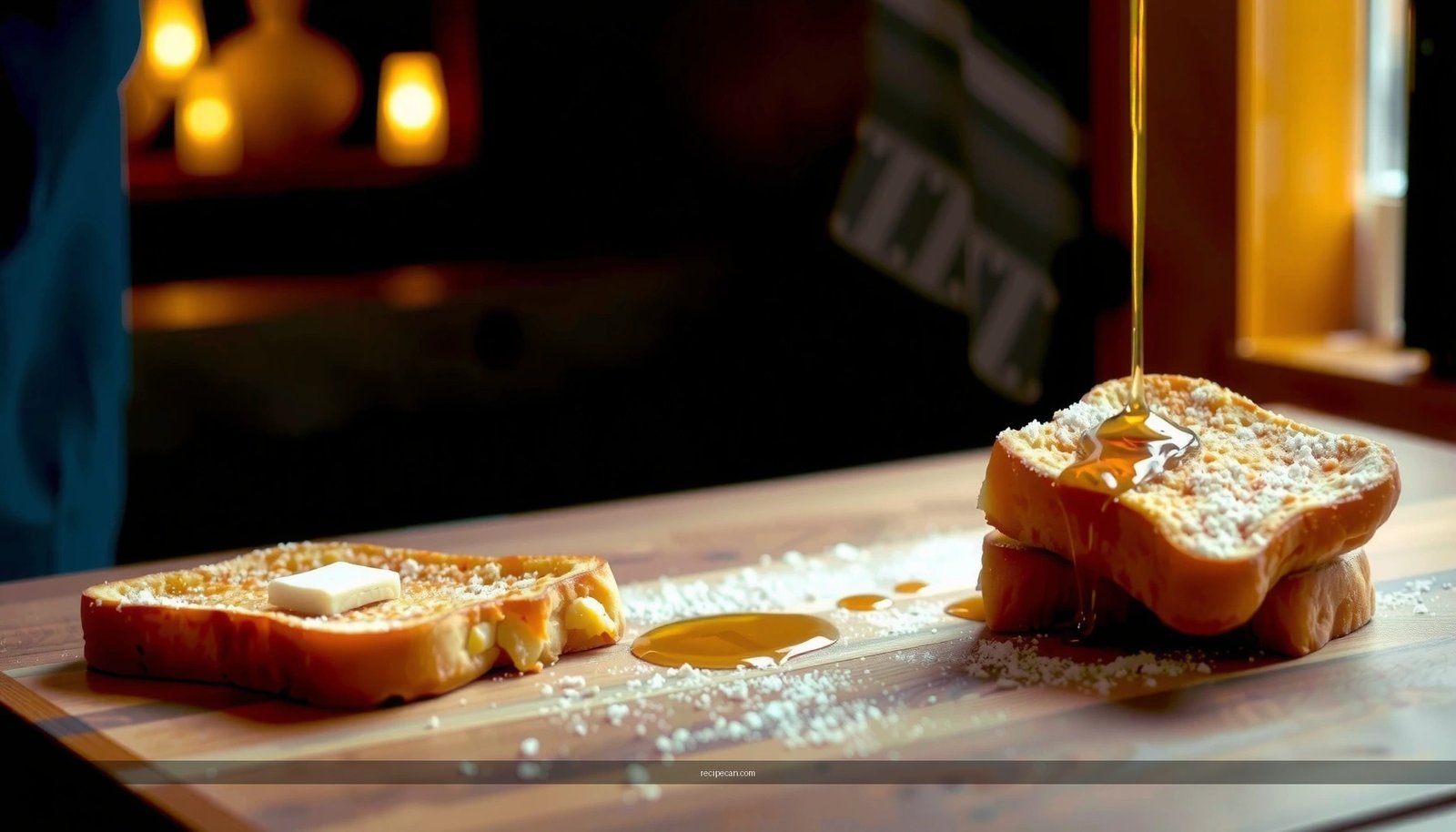
– Serve with maple syrup, powdered sugar, or fresh fruit
– Add toppings like whipped cream or berries for extra flavor
– Store leftovers airtight and reheat in a toaster oven or pan
French toast performs best fresh, but proper holding and reheating preserves much of the crispness.
Serve immediately with:
– Maple syrup (classic balance to cinnamon and vanilla)
– Powdered sugar (easy, elegant finish)
– Fresh berries or sliced bananas (brightens the custard profile)
High-impact add-ons (especially with flour-thickened custard):
– Whipped cream for a restaurant-style texture contrast
– Toasted nuts (pecans or almonds) for crunch
– Cinnamon sugar sprinkle for extra browning on the edges
Storage (if you have leftovers):
– Cool completely before storing to prevent condensation.
– Store in an airtight container for up to 2 days in the fridge.
Reheating method (best texture):
– Toaster oven or skillet over medium-low heat, 2–5 minutes depending on thickness.
– Avoid microwaving when possible—it softens the crust quickly by reintroducing steam.
If you’re scaling for brunch, keep cooked slices on a wire rack in a warm oven instead of stacking on a plate—stacking traps moisture and reduces crispness.
French toast with flour is an easy, reliable way to get a flavorful custardy center and a nicely browned exterior. Focus on batter thickness, brief dipping, and controlled skillet heat for consistent results; then serve immediately with your chosen toppings. Want it next? Try this recipe and tell me what bread and toppings you chose.
Frequently Asked Questions
What is the best French toast recipe with flour?
A classic French toast recipe with flour starts with whisking eggs, milk (or cream), vanilla, and a pinch of salt, then dipping bread before cooking in a buttered skillet. For flour in the mix, many people add a small amount of all-purpose flour to help the batter cling and thicken slightly. Use thick-cut bread for the best texture, and cook on medium heat until golden on both sides.
How do I make French toast with flour so it’s not soggy?
To prevent sogginess, use stale or day-old bread so it absorbs the egg mixture without falling apart. If you’re using flour, keep it minimal and whisk it well to avoid lumps that can cause uneven soaking. Cook on medium heat, let it cook through before flipping, and drain excess liquid from the bread if it’s too wet after dipping.
Why does adding flour to French toast batter help?
Adding flour can thicken the egg-and-milk mixture, helping it coat the bread more evenly and create a firmer custard-style interior. It can also help the outer surface set faster, which improves browning and texture. Use about 1–2 tablespoons of all-purpose flour per 1 cup of milk as a starting point, then adjust based on your preferred thickness.
Which bread works best for a French toast recipe with flour?
For French toast, sturdy breads like brioche, challah, Texas toast, or thick sourdough hold up well when dipped in a batter that includes flour. Brioche or challah delivers a richer, softer result, while sourdough gives a more tangy flavor and firmer bite. Choose slices that are at least 3/4-inch thick for better absorbency and less breakage.
How can I customize a French toast recipe with flour for crispy edges?
For crispier edges, cook the French toast on slightly lower-to-medium heat and use a generous amount of butter or a mix of butter and oil to promote browning. A thicker batter—achieved by adding a small amount of flour—also helps the crust set and become more crisp. After flipping, avoid pressing the toast down, and serve immediately for the best crispness.
References
- French toast
https://en.wikipedia.org/wiki/French_toast - https://www.britannica.com/topic/french-toast
https://www.britannica.com/topic/french-toast - Google Scholar Google Scholar
https://scholar.google.com/scholar?q=french+toast+recipe+with+flour - https://scholar.google.com/scholar?q=french+toast+flour+egg+milk+recipe Google Scholar
https://scholar.google.com/scholar?q=french+toast+flour+egg+milk+recipe - Google Scholar Google Scholar
https://scholar.google.com/scholar?q=french+toast+flour+thickening+batter - Google Scholar Google Scholar
https://scholar.google.com/scholar?q=french+toast+bread+soaking+egg+milk+starch - french toast – Search Results – PMC
https://www.ncbi.nlm.nih.gov/pmc/?term=french+toast - https://pubmed.ncbi.nlm.nih.gov/?term=french+toast
https://pubmed.ncbi.nlm.nih.gov/?term=french+toast - https://www.sciencedirect.com/search?qs=french+toast
https://www.sciencedirect.com/search?qs=french+toast - https://www.sciencedirect.com/search?qs=egg+milk+batters+flour+starch+gelatinization
https://www.sciencedirect.com/search?qs=egg+milk+batters+flour+starch+gelatinization