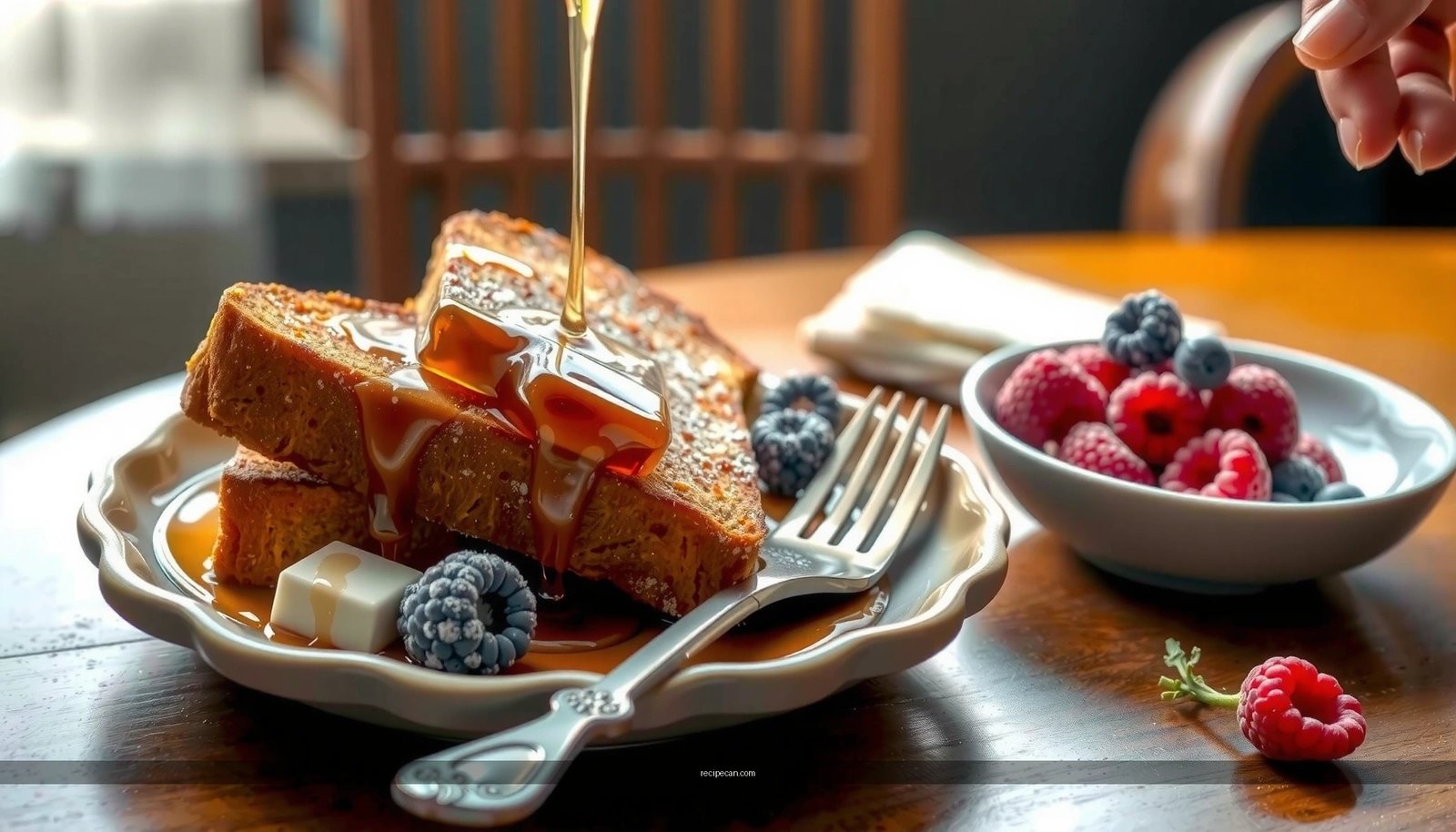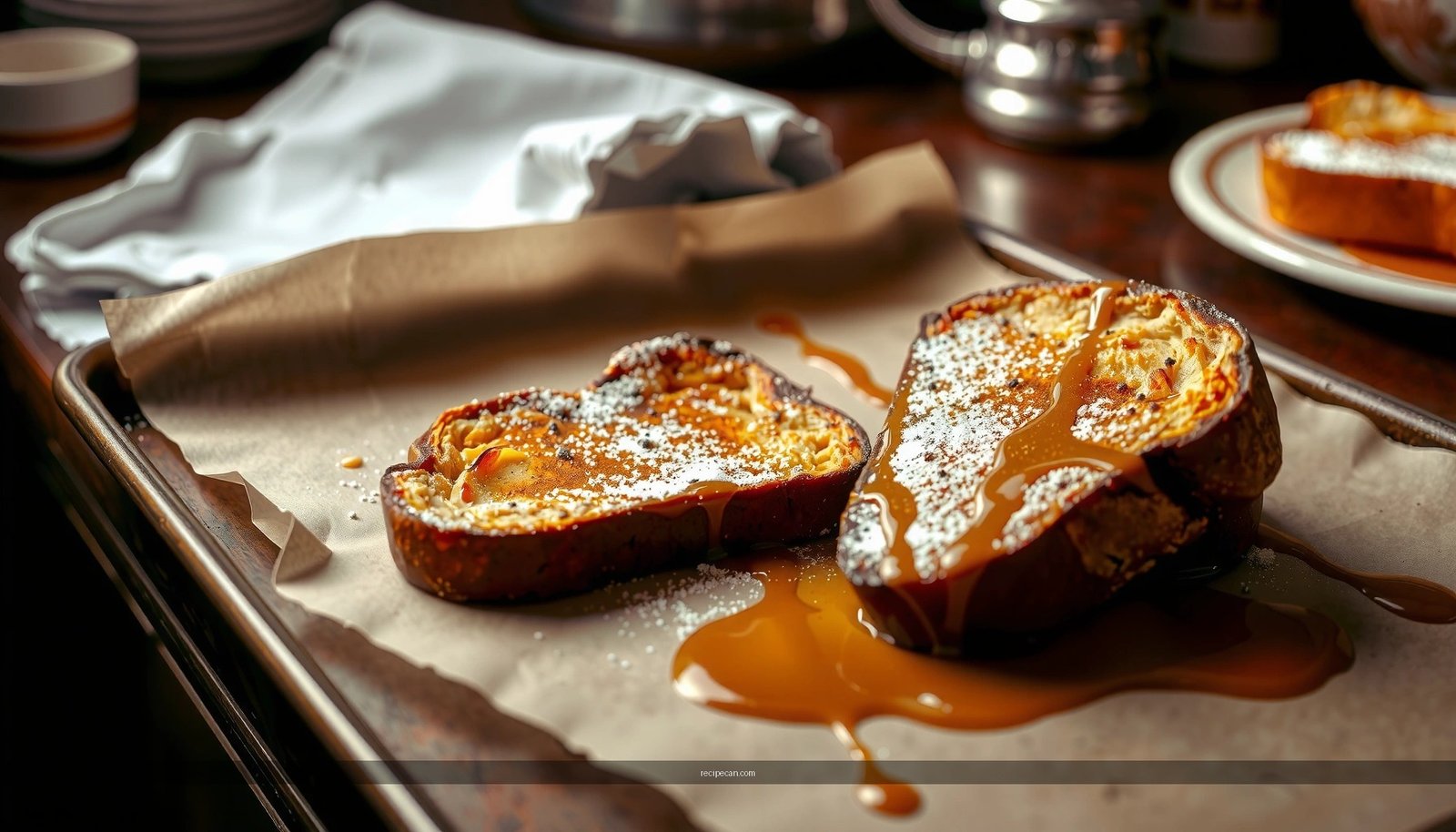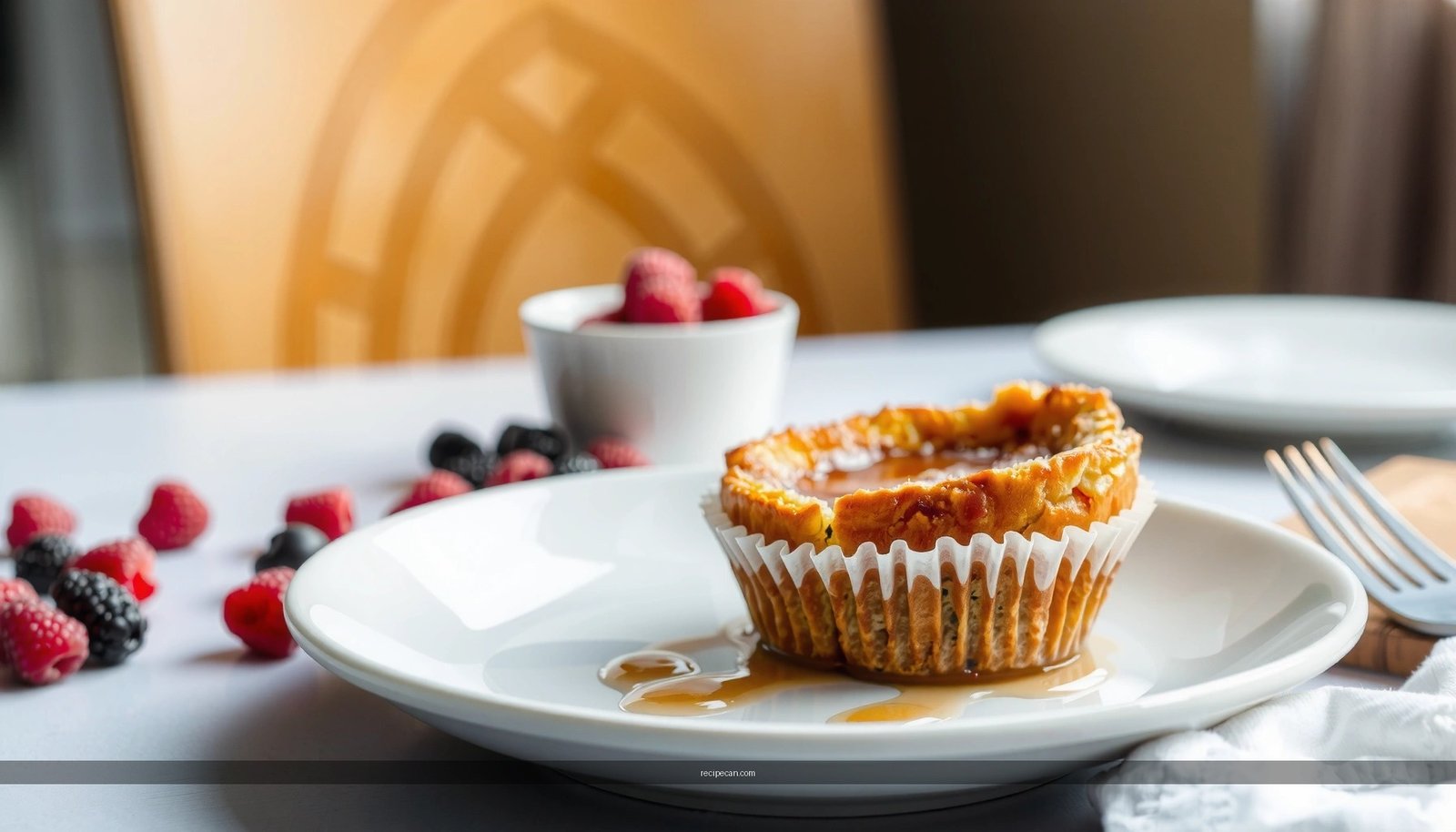
This French toast muffin recipe delivers the sweet, custardy breakfast you want—without the fuss of standing over a skillet—so you can bake a dozen servings in minutes. It answers whether you can get classic French toast flavor in muffin form, with quick prep, simple ingredients, and a golden top. Expect an easy, make-ahead-friendly method that’s especially ideal for busy mornings and feeding a crowd.
Bake French toast muffins by soaking bread cubes in a custard mixture and roasting them until puffed and golden—no skillet required. In this recipe, you’ll learn how to whisk a smooth batter, assemble and soak the muffin cups for the perfect custardy center, and dial in that classic cinnamon-sugar flavor with an easy, consistent bake.
Ingredients for French Toast Muffins
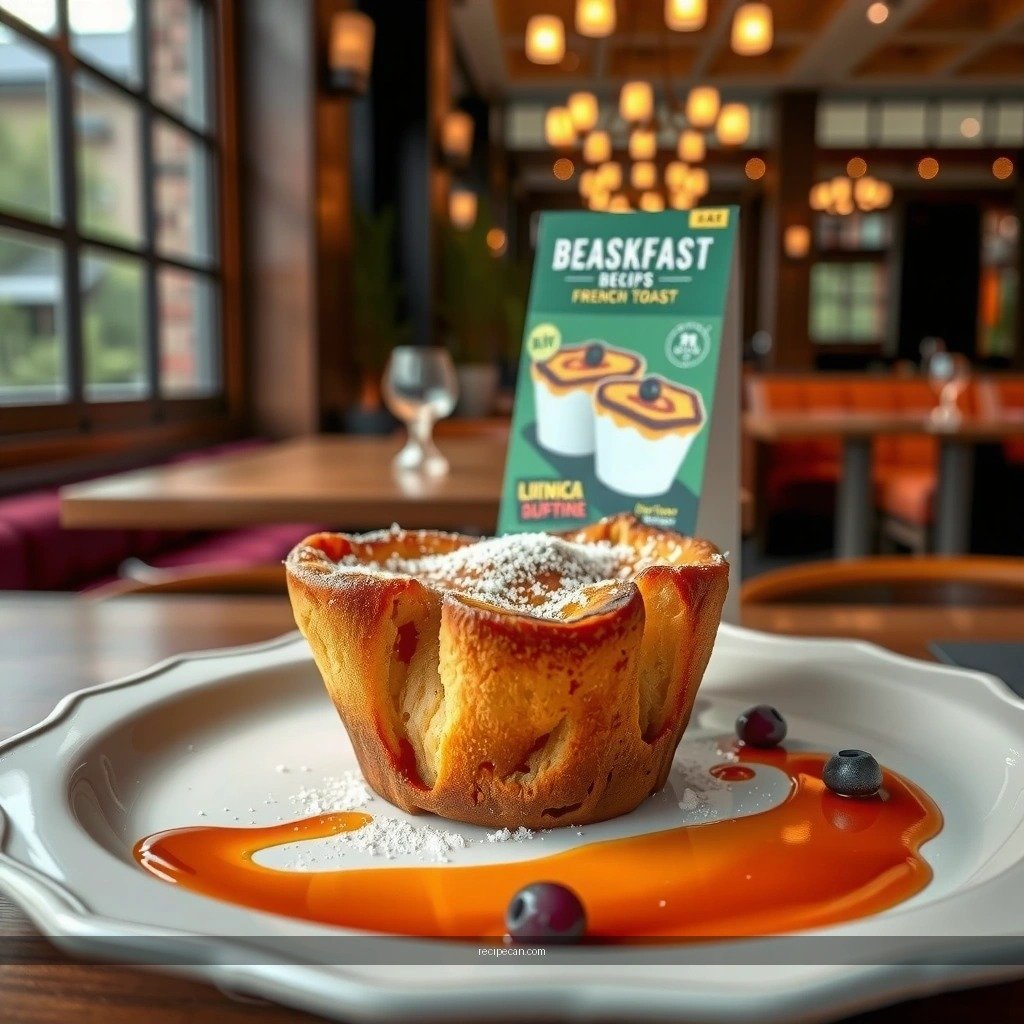
French toast muffins are essentially classic French toast, transformed into an oven-friendly format. The key is balancing absorbent bread with a custard that’s flavorful but not watery—so each muffin turns out custardy inside with a golden top.
Core ingredients (custard base):
– Bread cubes: forms the spongey, French-toast texture
– Eggs: set the custard and provide richness
– Milk: creates a creamy custard body (whole or 2% works best for flavor and consistency)
– Vanilla: rounds out the egg-and-milk notes
– Optional flavor boosts: a small amount of cinnamon in the custard (or both cinnamon in custard and cinnamon-sugar on top)
Classic French toast flavor:
– Cinnamon: warm, aromatic signature flavor
– Sugar: adds sweetness and promotes browning
– Pinch of salt: sharpens flavor so it tastes “authentic,” not flat
If you want a restaurant-style profile, consider adding a small touch of nutmeg or brown sugar (not required, but it elevates the caramel-cinnamon note many people associate with French toast).
Quick reference: ingredient roles
| Ingredient | What it does in the recipe | What to watch for |
|—|—|—|
| Bread cubes | Absorbs custard and holds structure | Too soft = mushy; too dry = under-custardy |
| Eggs | Sets custard, creates richness | Too few eggs = loose centers |
| Milk | Moistens and smooths custard | Too much liquid = soggy muffins |
| Vanilla | Adds bakery-like aroma | Too much can overpower cinnamon |
| Cinnamon | Delivers French toast identity | Burnt cinnamon = bitter; don’t overspice |
| Sugar | Sweetness + browning | Skimping = pale tops; too much = overly dark |
| Salt | Enhances sweetness | Omit salt and flavor feels “flat” |
French Toast Baking Outcomes by Ingredient Choice (Typical Results)
| # | Bread / Custard Approach | Expected Center Texture | Top Color | Flavor Sweetness Balance | Moisture Risk |
|---|---|---|---|---|---|
| 1 | Brioche cubes + 1:1 milk to eggs (by volume) | Custardy, creamy | Golden | Balanced ★★★★★ | Low |
| 2 | Challah cubes + standard custard ratio | Tender, lightly set | Deep golden | Slightly sweet ★★★★☆ | Low |
| 3 | Thick-cut white bread + 10–15 min soak | Custardy edges, softer center | Golden with pale spots | Classic ★★★★☆ | Medium |
| 4 | Sourdough cubes + reduced sugar (for contrast) | More bready chew | Brighter golden | Less sweet ★★★☆☆ | Low to Medium |
| 5 | Sandwich bread (thin slices) + long soak | Soft, possibly watery | Uneven (some pale) | Under-seasoned or diluted ★★☆☆☆ | High |
| 6 | Brioche + extra milk (looser custard) | Custardy, but risks slumping | Golden but may look wet | Muted cinnamon ★★★☆☆ | Medium to High |
| 7 | Brioche cubes + cinnamon-sugar top glaze | Custardy with caramelized pockets | Deep golden-brown | Caramel-forward ★★★★★ | Low |
Best Bread and Prep Tips

The bread choice is the first lever you can pull to ensure your French toast muffins have the right structure. Think of the muffins as a baked custard “pockets-and-cubes” dish: you need bread that can absorb custard without collapsing.
Best bread types:
– Brioche: rich, soft crumb; produces the most luxurious custardy center
– Challah: similar to brioche in softness but slightly more bread-forward, with an excellent golden color
– Thick-cut white bread: dependable, especially for a classic, sweet French toast profile
Prep tips that improve soak accuracy:
– Cube evenly. Aim for roughly 1 inch (2.5 cm) cubes. Smaller pieces soak faster and can over-soften; larger pieces can stay under-custarded.
– Slightly stale bread helps. If your bread is very fresh and soft, let it sit out for a few hours (or lightly toast) so it absorbs the custard without turning gummy.
– Don’t pack the cups too tightly. Air pockets help the custard distribute and bake evenly. Overpacking often leads to dense centers.
Analytical perspective: Different breads absorb liquid at different rates due to fat content and crumb structure. Brioche and challah have higher fat, which tends to slow the custard absorption slightly and improves texture. That’s why they’re reliable for muffins that need both soak and bake time.
How to Make the French Toast Batter
Your batter is where French toast flavor is built. For best results, focus on two things: smoothness and flavor distribution.
Step-by-step batter mixing:
1. Whisk eggs in a medium bowl until fully blended (no streaks).
2. Add milk and vanilla, whisking again to create a uniform base.
3. Add cinnamon, sugar, and salt, then whisk until dissolved.
4. Let the mixture rest briefly (about 5–10 minutes). This short rest allows cinnamon and sugar to hydrate, and it makes the seasoning taste more integrated rather than “sandy” or concentrated.
Common pitfalls (and fixes):
– Clumpy cinnamon or uneven sweetness: Whisk longer and ensure sugar dissolves; letting the batter rest usually solves this.
– Thin custard: If you consistently end up with loose centers, reduce milk slightly next time (or add an extra yolk for richer set).
– Eggy flavor: Use vanilla and enough salt; also avoid overbaking, which can drive an “overcooked egg” note.
Custard logic: Eggs coagulate as the muffins bake. A balanced batter sets into a sliceable, spoonable custard. If the ratio is off or the soak is too long, the set may be watery or the bread may dominate with a bready taste.
Assemble and Soak the Muffin Tin
This is where French toast muffins become dramatically easier than skillet French toast: you control portioning and absorption in the same vessel.
Grease and portion:
– Grease the muffin tin well (or use liners). Greasing is especially important if you’re using egg-rich brioche cubes, which can caramelize slightly and stick.
– Add bread cubes first, distributing them evenly among the cups.
Pour and soak (the critical step):
– Pour custard slowly over the bread until each cup is properly moistened.
– Soak briefly—typically 10–15 minutes—so bread absorbs enough custard to become tender and custardy after baking.
How to tell you’ve soaked enough:
– Bread pieces should look visibly moistened, with some custard pooling at the bottom of the cups.
– They should not float freely; that’s a sign you’re under-soaking.
– Conversely, if the bread seems to collapse into a paste, you likely over-soaked or used overly soft bread.
Professional tip: If preparing ahead, you can assemble and refrigerate up to several hours, but watch for extra-soft bread. For consistent results, many cooks refrigerate assembled cups and bake within a controlled window.
Baking Instructions and Doneness Check
Baking is where the muffins transform from soaked cubes into golden, custardy bites.
Bake until:
– They puff up in the oven (often near the first half of baking)
– Centers are set (custard should not jiggle liquidly)
– Tops are golden and lightly caramelized
Practical doneness checks (reliable methods):
– Visual: Look for golden-brown tops and slightly darker edges.
– Temperature: If you use a thermometer, aim for a set custard around 160°F / 71°C in the center.
– Touch test: The center should feel springy rather than wet.
Cooling note: Let the muffins cool 5–10 minutes before serving. This short rest helps the custard finish setting so the muffins hold shape instead of running apart when you plate them.
Why skillet-free matters: Skillet French toast requires batch timing and constant attention to prevent uneven browning. Oven baking standardizes heat and timing—so you get consistency with less active labor.
Serving Ideas and Storage
French toast muffins are highly adaptable. Their “muffin format” makes toppings and portioning effortless, which is ideal for family breakfasts, brunch hosting, or meal prep.
Serving ideas (high impact, minimal effort):
– Maple syrup for classic sweetness
– Powdered sugar for a bakery-style finish
– Fresh berries (blueberries, raspberries, sliced strawberries) for bright acidity
– Cinnamon-caramel vibe: add a drizzle of warm caramel sauce or a quick cinnamon-brown sugar glaze (especially good with brioche)
Storage for best texture:
– Cool completely, then store airtight in the fridge.
– Reheat in the oven or air fryer for crisping and restoring texture; microwave works in a pinch but may soften the edges.
Reheating guidance:
– Oven/air fryer: reheat until warmed through and slightly re-crisped
– Microwave: warm gently to avoid over-softening the custard
Analytical angle: Custard-based baked goods often lose crispness after refrigeration due to moisture redistribution. Oven reheat reintroduces surface browning and helps re-establish the “golden top / set center” contrast.
These French toast muffins give you the same cozy flavor as classic French toast with less mess and faster serving. Follow the soaking and baking tips for consistently golden, custardy bites—then try a topping you love and make a batch for your next breakfast.
Frequently Asked Questions
What is a French toast muffin recipe and how is it different from classic French toast?
A French toast muffin recipe turns the flavors of classic French toast—custardy eggs, milk, cinnamon, and vanilla—into individual portions baked in a muffin tin. Instead of pan-frying slices, you soak muffin-sized pieces or pour batter into cups and bake until set. This method is easier to portion, great for meal prep, and less messy than making French toast on a skillet.
How do you make French toast muffins that aren’t soggy?
To avoid soggy French toast muffins, use the right bread and don’t oversaturate it; day-old bread holds up better after soaking. Bake at a properly high temperature (often around 375°F/190°C) until the tops are golden and the centers are fully cooked. Let the muffins cool briefly in the pan, then transfer to a rack so steam can escape—this helps the texture stay firm.
Why do my French toast muffins come out dense, and how can I fix it?
Dense French toast muffins usually happen when the bread-to-liquid ratio is off, the batter is overmixed, or the muffins are underbaked. Use enough soaking liquid to coat evenly, but avoid drowning the bread, and whisk just until combined. Bake until the centers spring back and a toothpick comes out clean; if needed, add 2–5 minutes to ensure the custard sets.
Which bread is best for a French toast muffin recipe?
The best bread for French toast muffins is sturdy, slightly dry bread like brioche, challah, thick-sliced French bread, or Texas toast. These breads absorb egg mixture well without turning gummy. If you only have soft sandwich bread, try toasting or letting it sit out for a few hours first for better texture.
Best way to store and reheat French toast muffins for a quick breakfast?
Store baked French toast muffins in an airtight container in the fridge for up to 3–4 days, or freeze them for longer storage. Reheat in a toaster oven or oven at about 325°F/165°C until warmed through and crisped, which works better than microwaving for maintaining a French toast-like texture. For best results, reheat from refrigerated or directly from frozen, then cool a minute before eating.
References
- French toast
https://en.wikipedia.org/wiki/French_toast - Muffin
https://en.wikipedia.org/wiki/Muffin - Custard
https://en.wikipedia.org/wiki/Custard - Egg
https://en.wikipedia.org/wiki/Egg - https://en.wikipedia.org/wiki/Batter_(cooking
https://en.wikipedia.org/wiki/Batter_(cooking - Baking
https://en.wikipedia.org/wiki/Baking - https://www.cdc.gov/foodsafety/communication/eggs.html
https://www.cdc.gov/foodsafety/communication/eggs.html - https://www.fsis.usda.gov/food-safety/safe-food-handling-and-preparation/eggs
https://www.fsis.usda.gov/food-safety/safe-food-handling-and-preparation/eggs - Google Scholar Google Scholar
https://scholar.google.com/scholar?q=french+toast+muffin+recipe - Google Scholar Google Scholar
https://scholar.google.com/scholar?q=baked+french+toast+muffins+recipe