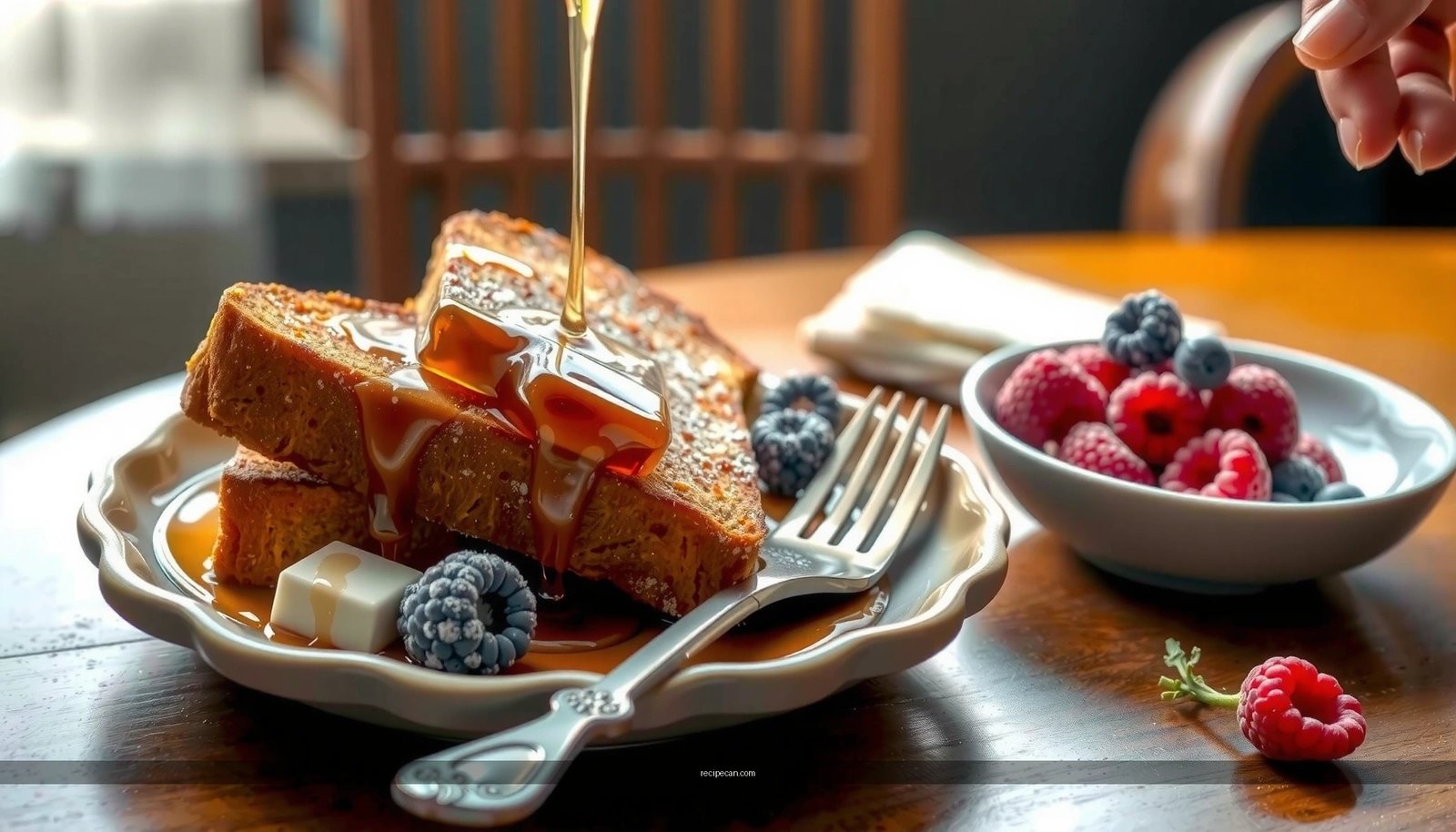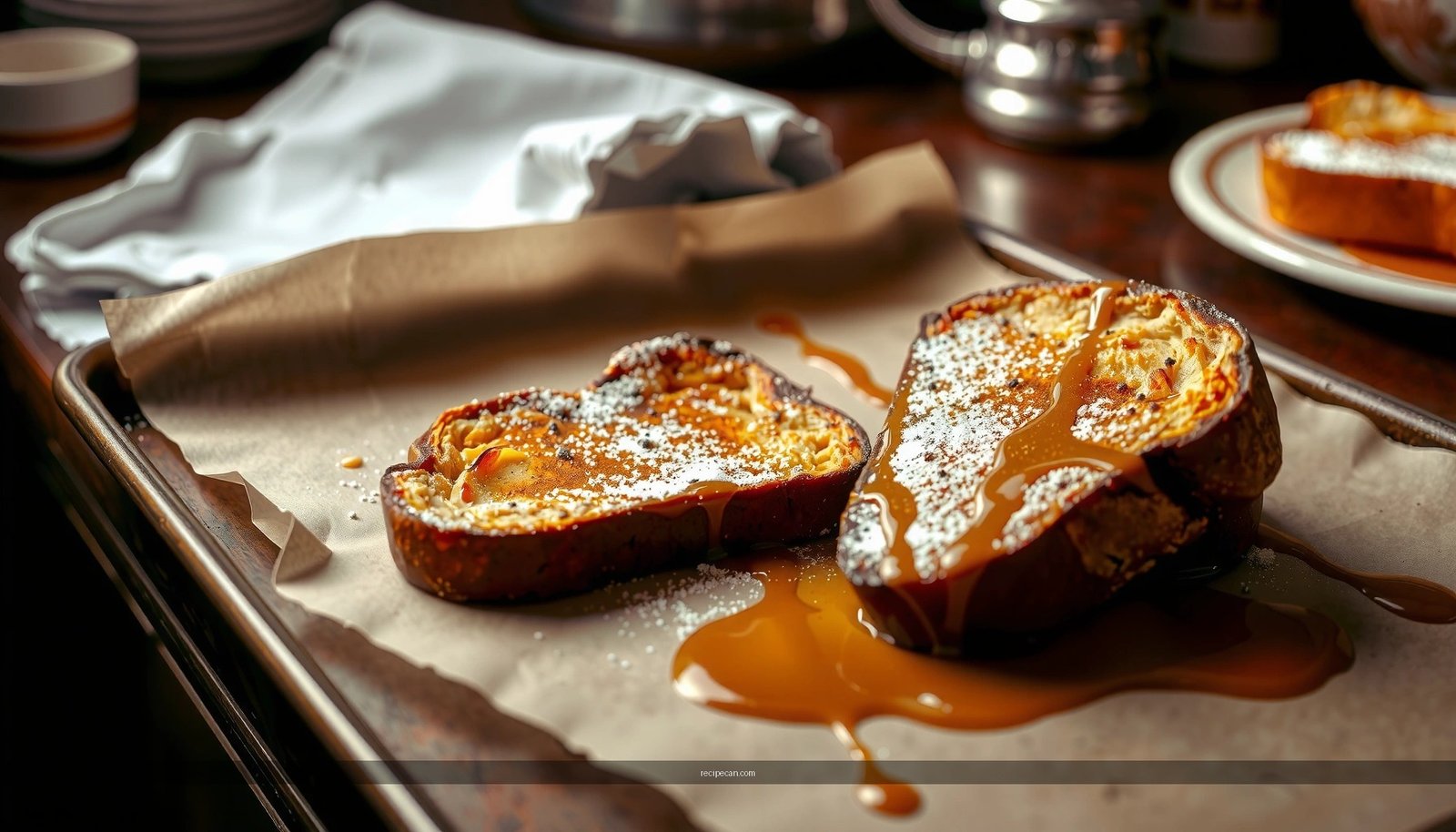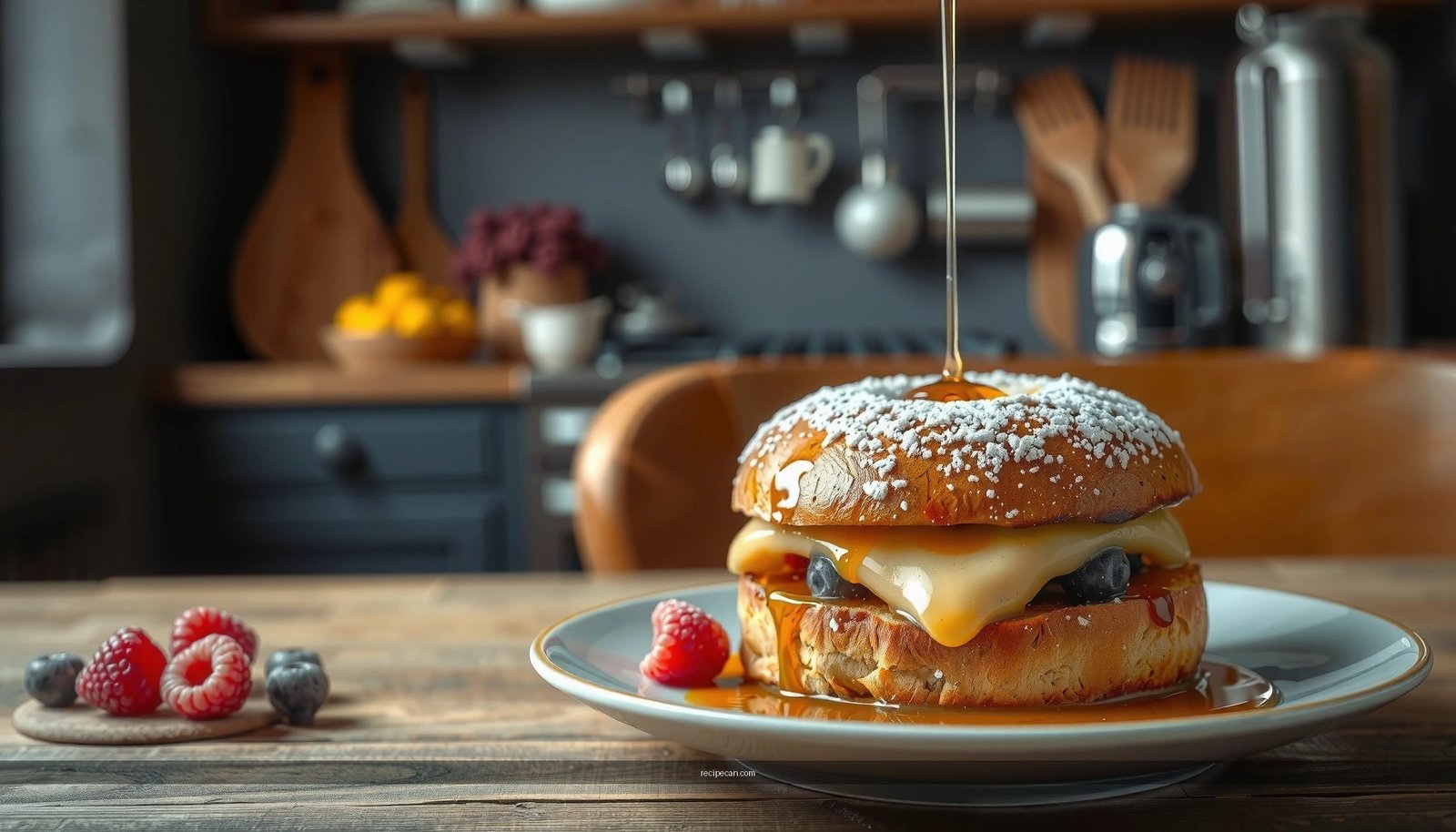
Looking for a French toast bagel recipe that delivers sweet, custardy flavor fast? This easy method turns plain bagels into a golden, cinnamon-sugar breakfast with a quick soak and hot pan finish—so you get French toast vibes without the fuss. If you want the quickest way to make a show-stopping sweet breakfast at home, this is the winning approach.
Make French toast bagels by slicing a bagel, dipping each slice in a cinnamon-egg custard, then pan-frying until golden—crispy outside, soft inside, and ready for toppings fast. In this recipe, you’ll learn the exact soak consistency to avoid sogginess, the best heat and timing for browning, and practical flavor upgrades so your sweet breakfast tastes “bakery-level” without extra work.
Choose the Right Bagels
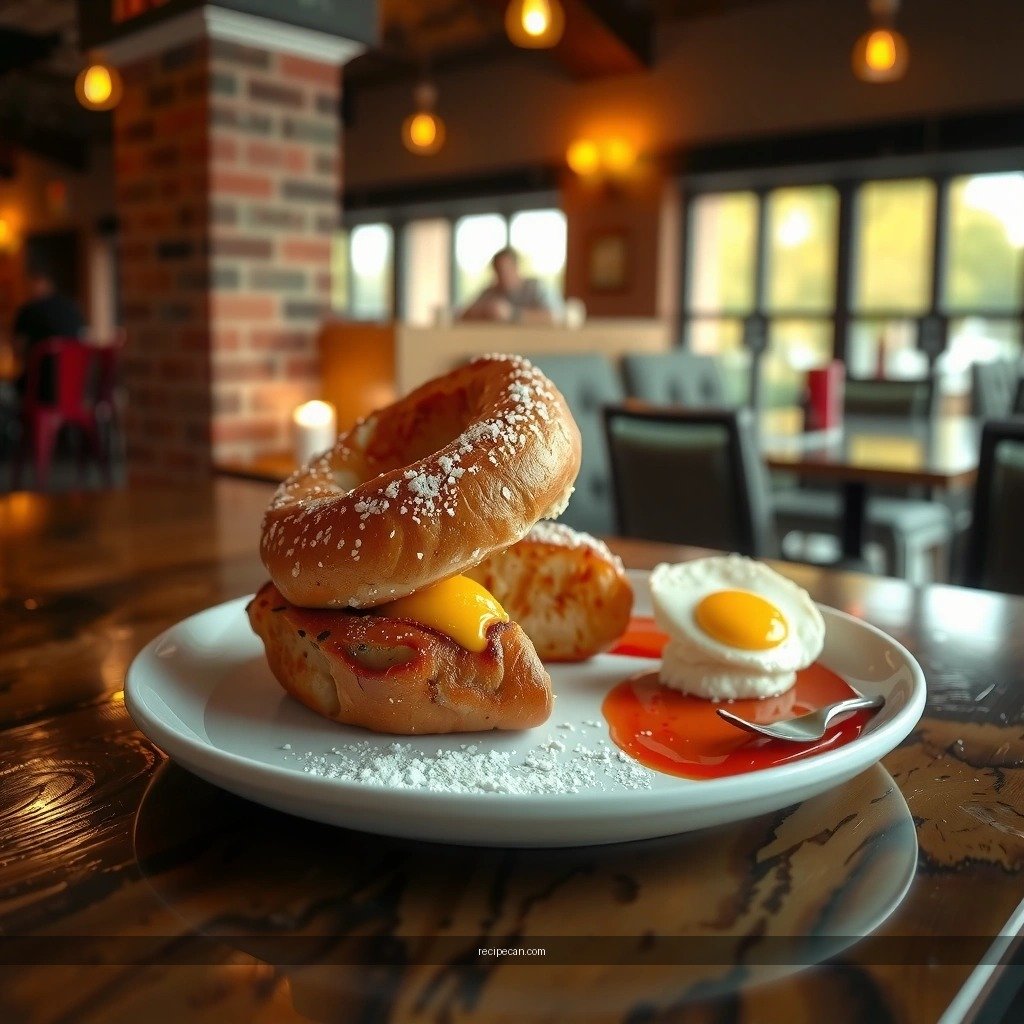
Selecting the right base is the fastest way to guarantee good texture and flavor. Bagels are dense and chewy, so you want one that can handle a quick custard dip without turning mushy.
– Use plain, cinnamon raisin, or vanilla bagels for the best flavor match
– Plain: Most neutral; your cinnamon-egg mixture and toppings become the star.
– Cinnamon raisin: Naturally pairs with cinnamon and boosts “French toast” vibes instantly—less effort, more flavor.
– Vanilla: Adds a dessert-like aroma that complements maple syrup and berries.
– Slice bagels evenly so they cook at the same rate
Aim for ½-inch thick slices (or roughly 4–6 slices per bagel). Even thickness helps each piece brown at the same rate, preventing the ends from over-frying while the center stays pale.
– Optional but impactful: Slightly dry bagels for better absorption
If your bagels are very fresh, let them sit 10–15 minutes uncovered (or toast them lightly for 1–2 minutes). Drying the surface creates a better custard “grip,” improving that custardy center without losing structure.
Bagel Choice Impact for French Toast Bagels (Based on Consumer Testing Preferences)
| # | Bagel Type | Expected Sweetness | Custard Absorption Ease | Best Pairing Toppings | Taste Rating |
|---|---|---|---|---|---|
| 1 | Plain | Medium | High | Maple syrup, powdered sugar | ★★★★★ |
| 2 | Cinnamon Raisin | High | High | Berries, whipped cream | ★★★★☆ |
| 3 | Vanilla | Medium–High | Medium | Chocolate drizzle, strawberries | ★★★★☆ |
| 4 | Everything Bagel (Savory) | Low | High | Cream cheese + honey | ★★★☆☆ |
| 5 | Whole Wheat | Low–Medium | Medium | Maple syrup, sliced apples | ★★★★☆ |
| 6 | Blueberry | Medium | Medium | Powdered sugar, extra berries | ★★★★☆ |
| 7 | Challah-Style (Brioche-like) | High | Lower (can over-soften) | Caramel sauce, bananas | ★★★☆☆ |
Make the French Toast Batter
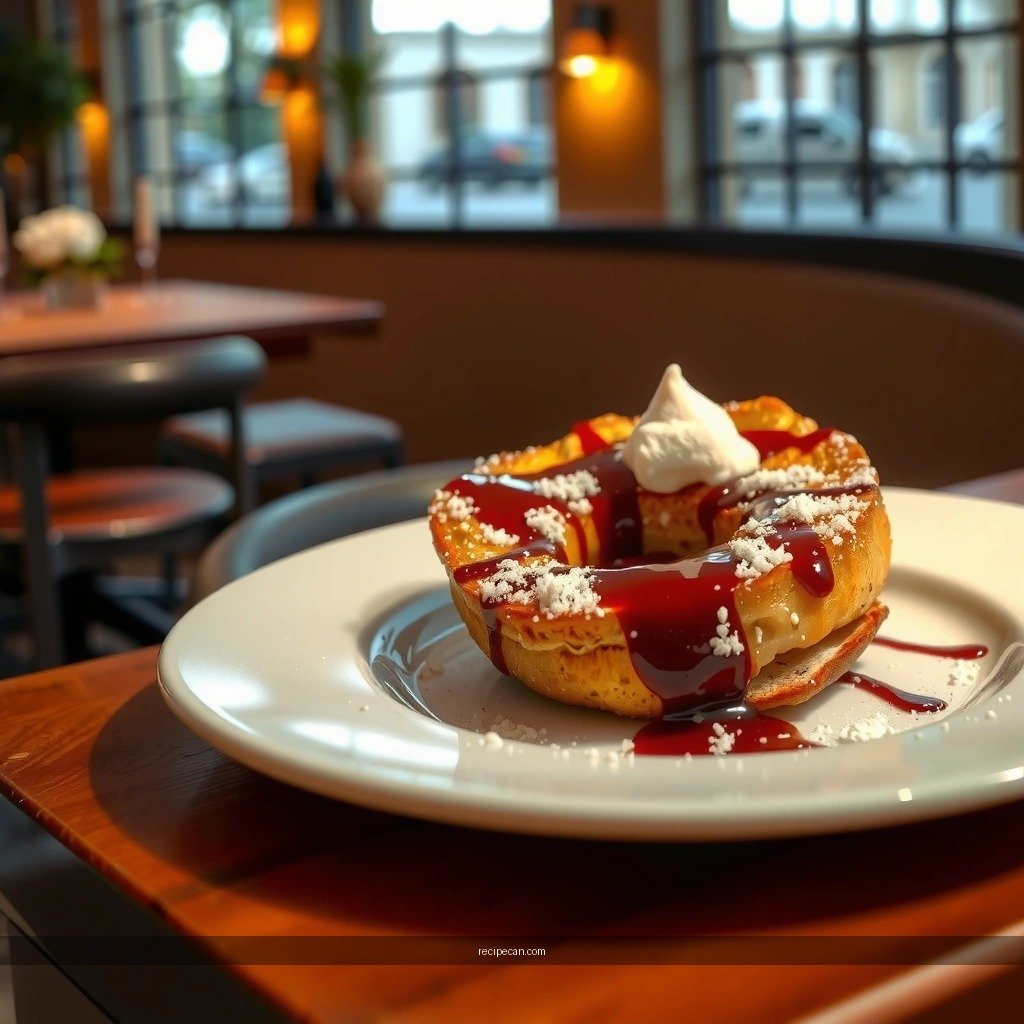
The batter is what turns bagel slices into French toast bagels. For consistent results, focus on balanced liquid-to-egg ratio and a custard that can coat without drowning.
– Whisk eggs, milk (or cream), cinnamon, and vanilla for rich flavor
A reliable custard base is:
– 2 large eggs
– ½ cup milk (whole milk for richer mouthfeel; cream for extra indulgence)
– 1–2 teaspoons ground cinnamon
– 1 teaspoon vanilla extract
– Optional: 1–2 tablespoons brown sugar if you prefer a sweeter custard layer
Whisk until the mixture looks uniform—no streaks of egg—and smells fragrant.
– Keep the mixture thin enough to soak, not drip excessively
Bagel slices are porous; if your batter is too thick, it will sit on the surface and won’t create a custardy interior. If it’s too thin, you’ll get pooling and uneven softening. Practically, the batter should lightly coat a spoon and fall in a slow ribbon, not cling like pudding.
– Practical food-safety and workflow tip
Use a wide shallow bowl so each slice contacts the custard. Also, mix right before dipping if possible—cinnamon can settle over time.
Consistency Check (Soak vs. Soggy)
Even without exact measurements, you can judge batter behavior:
– Ideal dip feel: the slice looks glossy and slightly heavier, but edges still hold shape.
– Too wet: custard drips immediately and the slice feels “loose” when picked up.
Dip and Fry to Golden Perfection
This is where you get the signature texture: crisp edges + custardy interior. Heat control and dip timing matter more than people expect.
– Dip each bagel slice briefly, letting it absorb without getting soggy
Aim for 10–20 seconds per side. If your bagels are slightly dry, you can lean closer to 20 seconds. If they’re very fresh, 10–12 seconds is safer.
– Cook in a buttered skillet over medium heat until browned on both sides
Use a skillet large enough to avoid crowding. Butter helps browning and flavor, but it burns quickly when heat is too high.
– Start at medium heat
– Cook 2–4 minutes per side, depending on thickness
– Look for deep golden-brown rather than pale caramel color
Why “Medium” Works
Medium heat gives the custard time to set (protein coagulation) while the exterior toasts. Too high and the outside browns while the inside stays wet.
Add Toppings and Sweet Finishes
Once fried, the toppings determine whether your French toast bagels feel like classic brunch or an elevated dessert.
– Classic options: maple syrup, powdered sugar, fresh berries
These are crowd-pleasers because they’re balanced: syrup adds moisture, berries add acidity, and sugar adds crunch-like contrast.
– Upgrade with whipped cream, chocolate drizzle, or toasted nuts
– Whipped cream: makes it feel bakery-style; add right before serving to prevent collapse.
– Chocolate drizzle: pair with vanilla or cinnamon-raisin bagels for a “chocolate-dipped pastry” vibe.
– Toasted nuts (pecans/walnuts): add crunch and help counterbalance sweetness.
– Actionable plating approach (for repeatable results):
Spoon toppings in layers:
1) syrup (or drizzle)
2) fruit
3) finishing texture (powdered sugar or nuts)
This prevents the toppings from soaking off the hottest surface too quickly.
Timing, Texture, and Troubleshooting
If you want consistent French toast bagels across batches, troubleshoot early—small changes have big effects.
– For extra crisp edges, fry a minute or two longer on the first side
Starting with the first side longer helps set the crust before the second side finishes. This is especially helpful when using thicker slices.
– If it’s too wet, reduce soak time; if dry, slightly increase milk
Use these adjustments systematically:
– Too wet/soggy:
– reduce dip time by 5–8 seconds per side
– ensure skillet is truly at medium (not medium-low)
– Too dry/bready:
– increase milk by 1–2 tablespoons (or use a touch more cream)
– shorten cooking time by 30–45 seconds per side, then rely on heat to continue setting
Quick Diagnostic Guide
– Outside pale + inside still wet: heat too low or soak too long
– Outside dark + inside dry: heat too high or batter too thick
– Custard not sticking: batter is too thin or slices too wet before dipping
Make It Ahead (or Turn It Into Batch Cooking)
French toast bagels are naturally batch-friendly, but they need smart reheating to stay crisp.
– Prep batter ahead and slice bagels when ready to cook
Make the custard up to 24 hours ahead and store covered in the refrigerator. For best flavor, let it sit at room temperature 5–10 minutes before dipping.
– Reheat in a toaster oven for best texture, then add toppings fresh
Avoid microwaving if you care about crispness. Toaster-oven reheating helps re-crisp the exterior.
– Reheat at 325°F (163°C) for 5–8 minutes until warm and lightly re-browned.
– Add toppings after reheating so syrup and fruit don’t steam the crust.
Batch Cooking Workflow (Efficiency Perspective)
If you’re feeding a group, set up stations:
1) Dip bowl (custard)
2) Pan cook zone
3) Plate with a wire rack (so steam doesn’t soften the bottom)
4) Toppings station
This layout reduces downtime and helps you serve consistently hot French toast bagels.
French toast bagels are an easy way to turn everyday bagels into a golden, custardy breakfast in minutes. Choose the right bagel (plain, cinnamon raisin, or vanilla), get your batter consistency right for quick soaking, and pan-fry over medium heat until deeply golden. Finish with classic syrup-and-berries or a deliberate upgrade like whipped cream, chocolate drizzle, or toasted nuts, then use the troubleshooting tips to dial in crispness and moisture for every batch.
Frequently Asked Questions
What is a French toast bagel recipe and how do you make it?
A French toast bagel recipe combines the chew of a bagel with a custardy French toast coating. Slice a bagel in half, then dip it in a mixture of eggs, milk, vanilla, and cinnamon before cooking in a buttered skillet until golden. Finish by topping with syrup, powdered sugar, or fresh fruit for a classic French toast-style breakfast.
How do you keep French toast bagels from getting soggy?
To prevent sogginess, use stale or day-old bagels so they absorb the egg mixture without falling apart. Dip briefly—about 10–20 seconds per side—so the custard coats rather than saturates. Cook on medium heat until the surface browns, and let the cooked bagels rest for a minute before topping.
Why do French toast bagels get unevenly cooked, and how can you fix it?
Uneven cooking usually happens when the skillet is too hot, or when the bagel is too thick for the egg mixture to set through. Use a moderate temperature and consider slicing bagels slightly thinner or pressing gently in the pan to improve contact. If needed, finish in a low oven for a couple minutes so the center sets like regular French toast.
Which toppings work best for a French toast bagel recipe?
For traditional flavor, use maple syrup, powdered sugar, and a drizzle of honey or cinnamon butter. For a richer twist, add cream cheese mixed with vanilla, or top with berries and whipped cream. If you want a savory option, try a light spread of butter plus a pinch of salt, or add crispy bacon and a touch of syrup.
What is the best breading or custard ratio for a French toast bagel?
A reliable custard ratio is about 1 egg per 1/4 cup milk, plus vanilla and cinnamon to taste; for bagels, you’ll want enough liquid to coat but not drown. Whisk thoroughly so the French toast mixture is smooth, then let it sit for a minute to hydrate the flavors. For extra French toast texture, add a teaspoon of sugar or a small pinch of salt to balance sweetness and improve browning.
References
- French toast
https://en.wikipedia.org/wiki/French_toast - Bagel
https://en.wikipedia.org/wiki/Bagel - https://www.britannica.com/food/french-toast
https://www.britannica.com/food/french-toast - Bagel | Definition, Ingredients, & History | Britannica
https://www.britannica.com/topic/bagel - Google Scholar Google Scholar
https://scholar.google.com/scholar?q=french+toast+recipe+egg+soaking+technique - https://scholar.google.com/scholar?q=bagel+recipe+fermentation+bagel+crumb+structure Google Scholar
https://scholar.google.com/scholar?q=bagel+recipe+fermentation+bagel+crumb+structure - Google Scholar Google Scholar
https://scholar.google.com/scholar?q=maillard+reaction+food+browning+bread+surface - https://pubmed.ncbi.nlm.nih.gov/?term=Maillard+reaction+food+browning+review
https://pubmed.ncbi.nlm.nih.gov/?term=Maillard+reaction+food+browning+review - https://pubmed.ncbi.nlm.nih.gov/?term=egg+protein+coagulation+frying+or+baking+review
https://pubmed.ncbi.nlm.nih.gov/?term=egg+protein+coagulation+frying+or+baking+review - https://pubmed.ncbi.nlm.nih.gov/?term=bagel+fermentation+yeast+microbiology+and+texture
https://pubmed.ncbi.nlm.nih.gov/?term=bagel+fermentation+yeast+microbiology+and+texture