Get a foolproof eggless French toast recipe that turns out fluffy, golden, and slice-perfect—without eggs. This is the fast answer for when you want the classic French toast flavor but need a no-egg method that still delivers crisp edges and a tender center. If you’re wondering whether eggless can really be “real” French toast, this recipe wins.
You can make classic French toast without eggs by using a thickened milk-based custard to coat the bread, then pan-frying on medium heat until golden and set. This eggless French toast recipe focuses on the two factors that matter most—custard thickness (for a tender center) and heat control (for crisp edges without dryness)—so you get bakery-style results without using any egg.
This method works for dairy and plant-based diets, and it scales easily for busy mornings or meal prep. Below, you’ll find the essential ingredients, exact batter guidance, coating technique, and cooking steps that produce fluffy, golden slices every time.
Essential Ingredients (Eggless Custard Base)
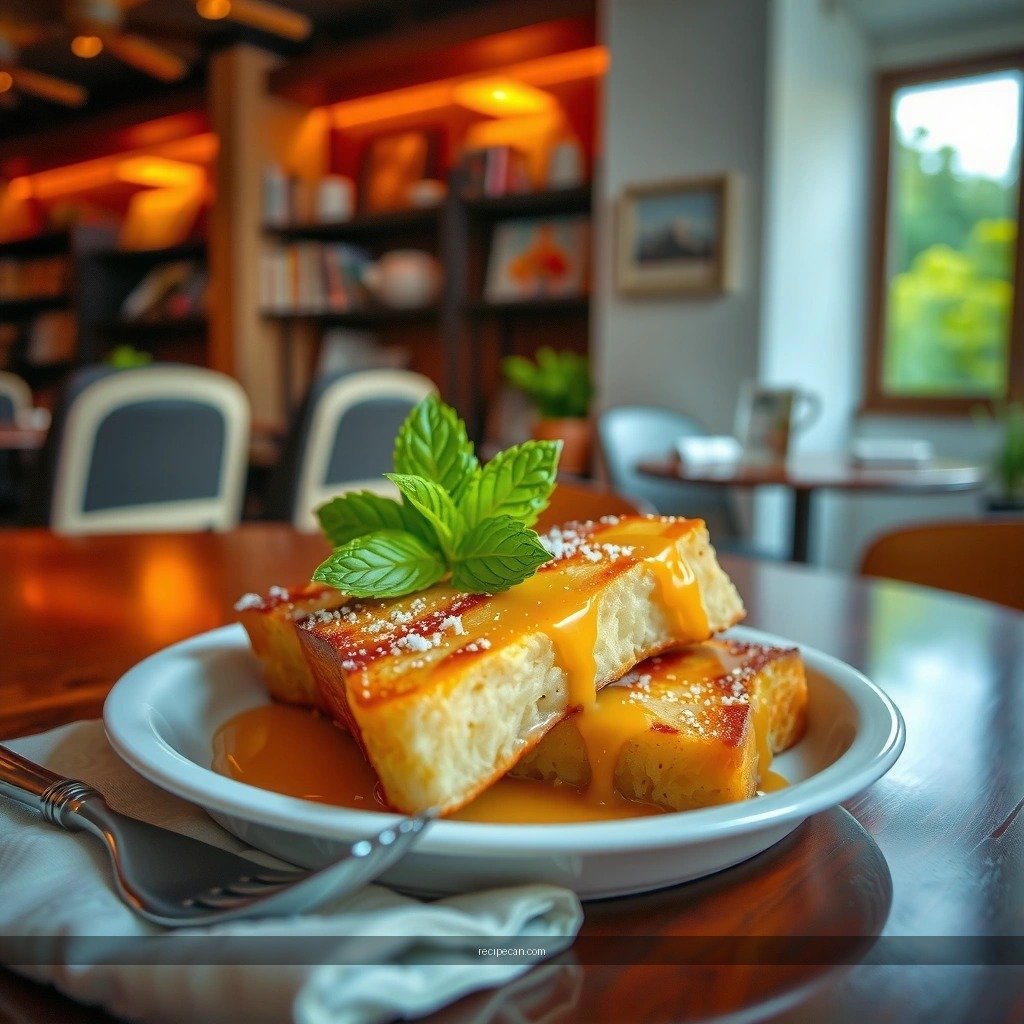
– Use milk (dairy or plant-based) plus a thickener like cornstarch or yogurt for custard-like coating
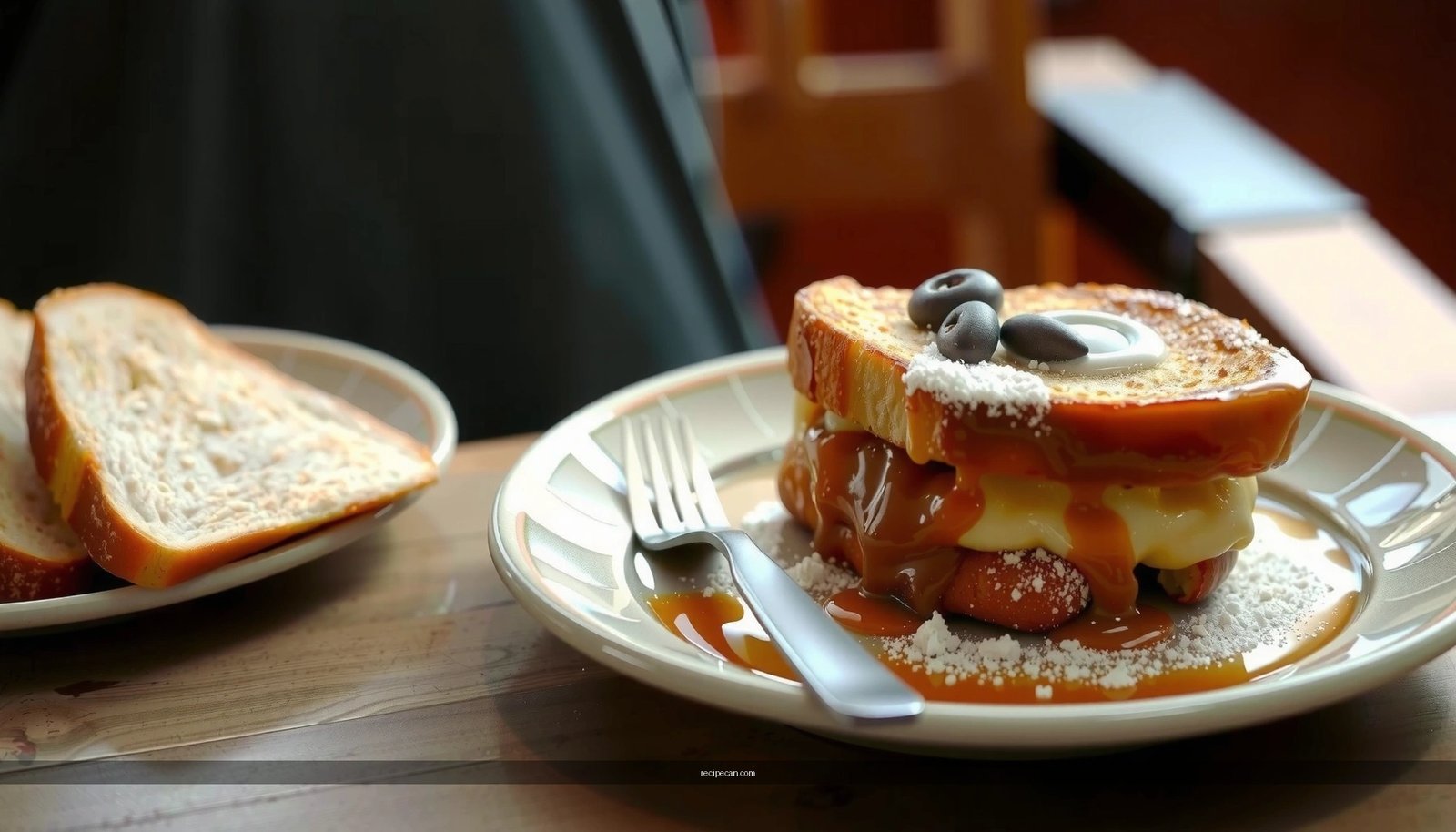
– Choose bread that toasts well (brioche, challah, or thick-sliced white bread)
To replicate the role of eggs in traditional French toast (binding + custard set), you’ll use a milk base plus a thickener. The goal is not to make a thick pudding—rather, you want a coating that clings evenly, absorbs quickly, and then sets on the pan to create structure.
Milk options
– Dairy milk (whole or 2%): Classic richness and browning.
– Almond milk / oat milk: Works very well, but choose unsweetened versions so the toast doesn’t burn before it’s cooked through.
– Soy milk: Often closest to dairy behavior because it has more protein and browns reliably.
Thickeners that mimic egg performance
– Cornstarch (best for a clean, custard-like set): dissolves smoothly and helps the coating turn “custardy” rather than watery.
– Greek yogurt / thick yogurt (best for tang + tender bite): adds body and helps the custard cling.
– Optional: a small amount of flour (1–2 teaspoons per cup of milk) can also work, but cornstarch is usually more consistent for eggless French toast.
Bread selection
Bread choice is the difference between “soggy” and “fluffy.”
– Brioche or challah: Naturally egg-enriched breads (ironically great even in an eggless recipe) that toast beautifully and keep a soft center.
– Thick-sliced white bread: Easy to find and reliable if you slice about 3/4 inch thick.
– Sourdough: Use only if sliced thick and not too dense; it can turn rustic and chewy unless your soak time is brief.
Sweet or neutral base?
Eggless French toast is flexible. You can build it as a sweet breakfast with cinnamon and vanilla, or keep it lightly seasoned for savory toppings like cheese or a fried egg (served on the side, not baked into the toast).
—
Custard Thickener Performance for Eggless French Toast
| # | Custard Thickener (for 1 cup milk) | Recommended Amount | Best Texture Result | Breakfast-Quality Score |
|---|---|---|---|---|
| 1 | Cornstarch (slurry) | 2 tsp | Custardy set + crisp edges | ★★★★☆ |
| 2 | Greek yogurt | 1/3 cup | Tender center + soft browning | ★★★★☆ |
| 3 | Cornstarch + yogurt (hybrid) | 1 tsp + 2 Tbsp | Most balanced: fluffy + crisp | ★★★★★ |
| 4 | Flour (whisked) | 1 Tbsp | Thicker bite, slightly doughy if over-soaked | ★★★☆☆ |
| 5 | Arrowroot | 1.5 tsp | Soft set, gentle browning | ★★★★☆ |
| 6 | No thickener (milk only) | 0 | Leans watery; texture varies by bread | ★☆☆☆☆ |
| 7 | Instant pudding mix | 2 Tbsp | Great sweetness; can brown too fast | ★★★☆☆ |
—
How to Make the Eggless French Toast Batter
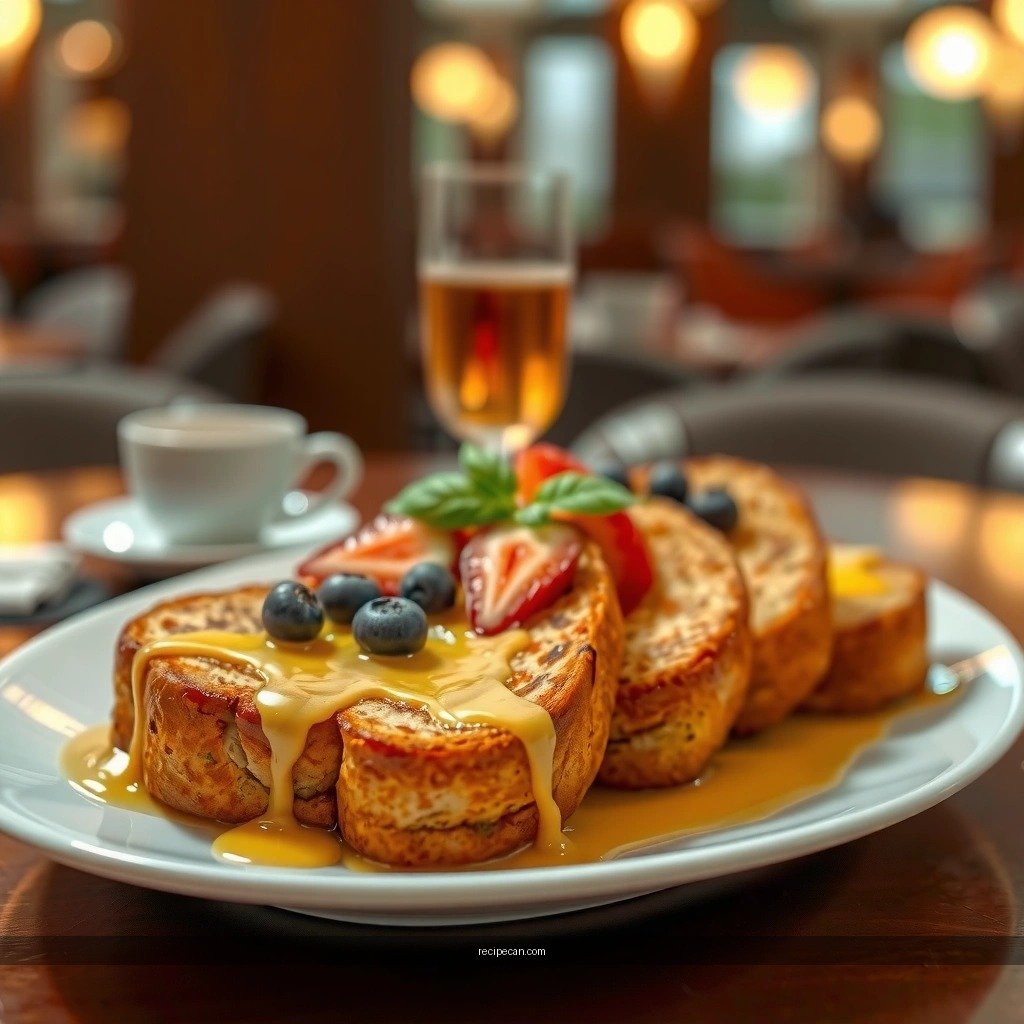
– Whisk milk with seasonings like cinnamon, vanilla, and a pinch of salt
– Adjust thickness: it should coat the bread, not run off instantly
A reliable eggless batter behaves like a thin custard: it shouldn’t be watery, and it shouldn’t be so thick that it clumps. Start with a simple ratio and then refine based on your bread and milk type.
A practical batter formula (1–2 servings)
Wet base
– 1 cup milk (dairy or unsweetened plant-based)
– 1–2 teaspoons vanilla extract (optional but recommended)
– 1 teaspoon ground cinnamon
– Pinch of salt
Thickener (choose one)
– 2 teaspoons cornstarch (best all-around): whisk into the milk first, or whisk into 1 tablespoon cold milk then stir in to avoid lumps
– 1/3 cup Greek yogurt: whisk until smooth
– Hybrid (recommended for best texture): 1 teaspoon cornstarch + 2 tablespoons yogurt
Thickness test (this prevents most failures)
Dip a spoon into the batter and drag it across the surface of the bowl:
– Right: batter coats the spoon and holds a light streak for a few seconds
– Too thin: it runs off immediately → add 1/2 teaspoon cornstarch (or 1 tablespoon yogurt)
– Too thick: it forms paste → add 1–2 tablespoons milk and whisk smooth
Optional flavor upgrades
– Brown sugar (1–2 teaspoons): boosts caramel notes; watch heat so it doesn’t burn.
– Orange zest or nutmeg: pairs well with brioche and berries.
– Coconut milk: yields a rich, tropical profile, especially with toasted coconut toppings.
From a technical standpoint, the batter must be able to transfer starch/protein to the bread surface and then set quickly in the pan. That’s why cornstarch slurries and yogurt-based coatings tend to outperform “milk only” methods.
—
Best Bread Prep and Coating Tips
– Soak briefly (about 10–30 seconds per side) so it’s tender, not soggy
– Let excess batter drip before placing on the pan
Eggless French toast is more sensitive to soaking time because you’re not relying on egg proteins to “stabilize” the coating. Treat soaking as surface absorption, not soaking like bread pudding.
How long to soak
– Fresh brioche/challah: ~10–20 seconds per side
– Thick-sliced white bread: ~15–30 seconds per side
– Very soft bread: lean toward the lower range to avoid collapse
A “drip” step that matters
After soaking, lift the slice and let it rest over the bowl for 10–15 seconds. This prevents:
– pooling batter that turns gummy,
– uneven browning,
– and soggy centers.
Make bread more absorbent (without waiting overnight)
If your bread is too firm or stale, lightly mist with water before soaking. This increases absorption without oversaturating.
Quality check before cooking
– The surface should look evenly coated.
– There should be no thick batter puddling in corners.
– The slice should still hold its shape—if it’s drooping, you’ve soaked too long.
—
Cooking Method for Crispy, Golden Results
– Cook on medium heat with butter or oil to avoid burning before the center sets
– Flip once when the first side is golden and slightly firm
This is where most home cooks either undercook (wet center) or burn (dark outside). The solution is consistent pan temperature and a single, decisive flip.
Pan and fat choice
– Nonstick skillet: easiest for first-timers.
– Cast iron or stainless: excellent browning, but you must manage heat carefully.
– Use butter for classic flavor or a neutral oil for higher tolerance.
A common professional approach:
– Heat the pan to medium.
– Add butter/oil just before the first slice.
– Let the fat shimmer (not smoke).
Flip timing: your visual cue
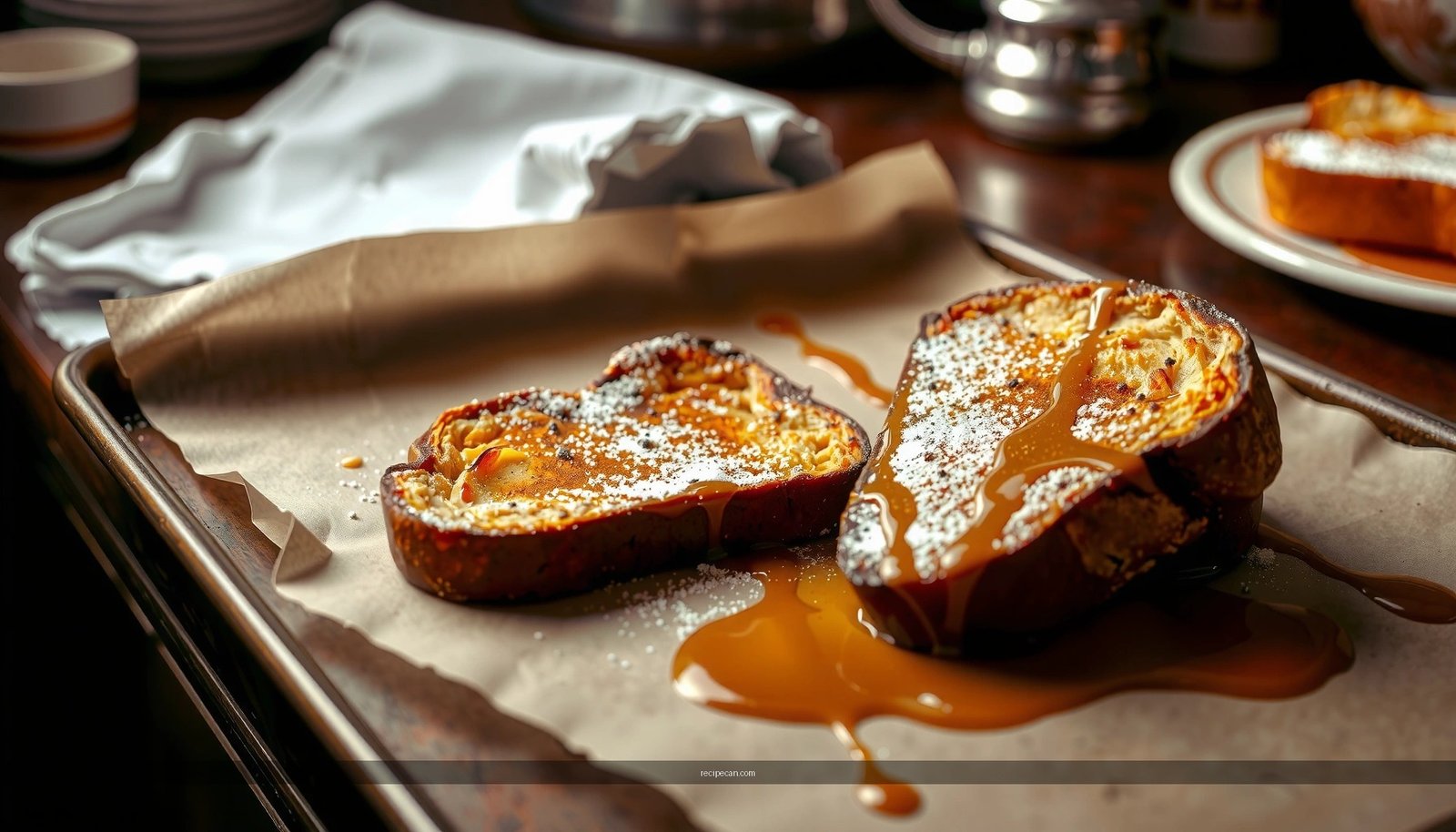
– Cook the first side until it’s golden with slightly firm edges—usually 2–3 minutes depending on thickness.
– Flip once and cook another 1.5–3 minutes until cooked through.
If you notice problems, correct in real time
– Outside dark, inside pale: reduce heat slightly and extend cook time (cover loosely with foil for 30–60 seconds if needed).
– Outside pale, outside looks wet: raise heat slightly and avoid thick batter pooling.
– Edges are crisp but center is dry: reduce soak time next batch and consider adding 1–2 tablespoons milk to loosen the custard.
Keep cooked slices warm (without steaming)
Place on a wire rack in a low oven (about 200°F / 95°C). Avoid stacking on a plate immediately—trapped steam softens crisp edges.
—
Flavor Variations and Toppings
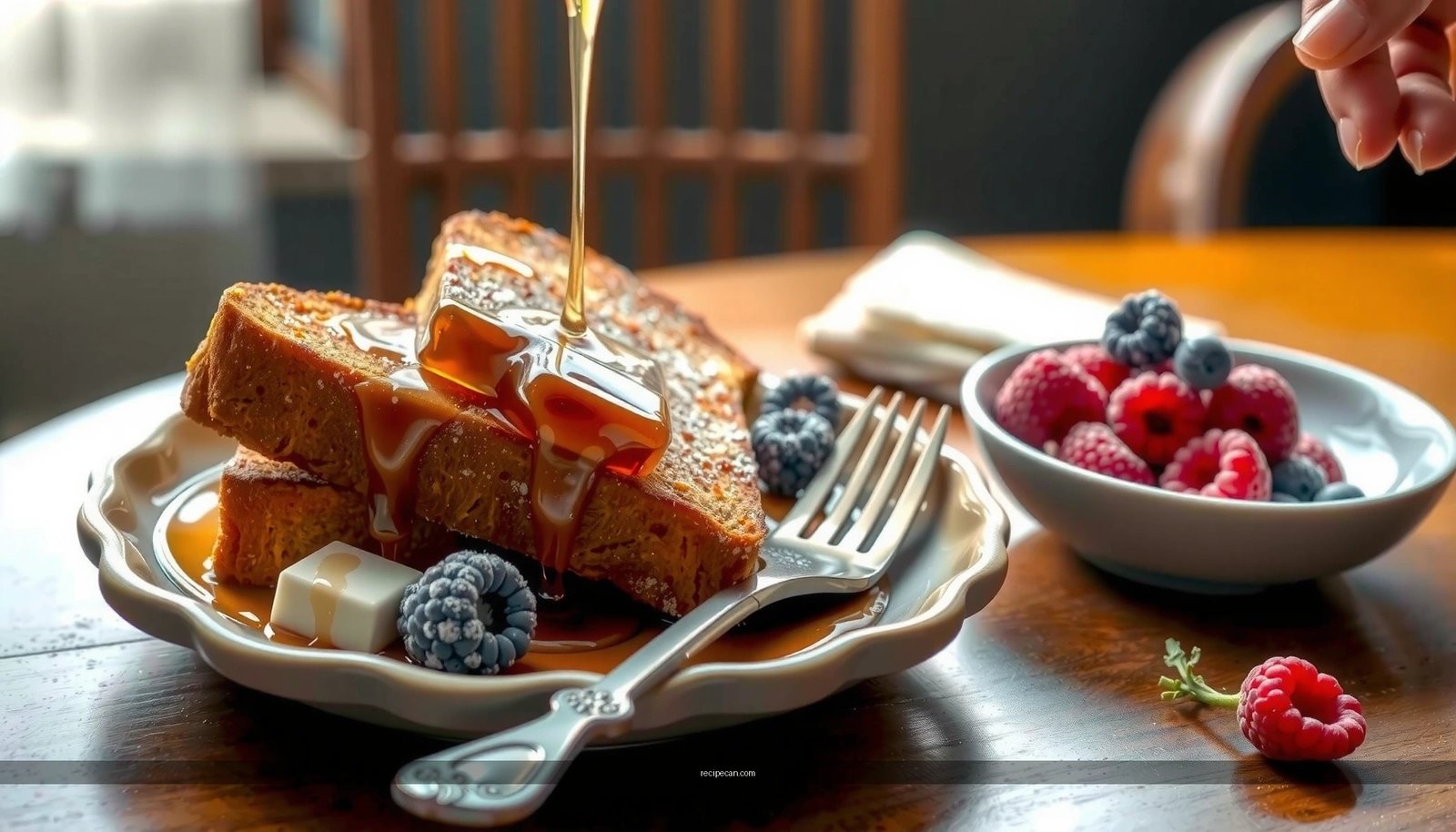
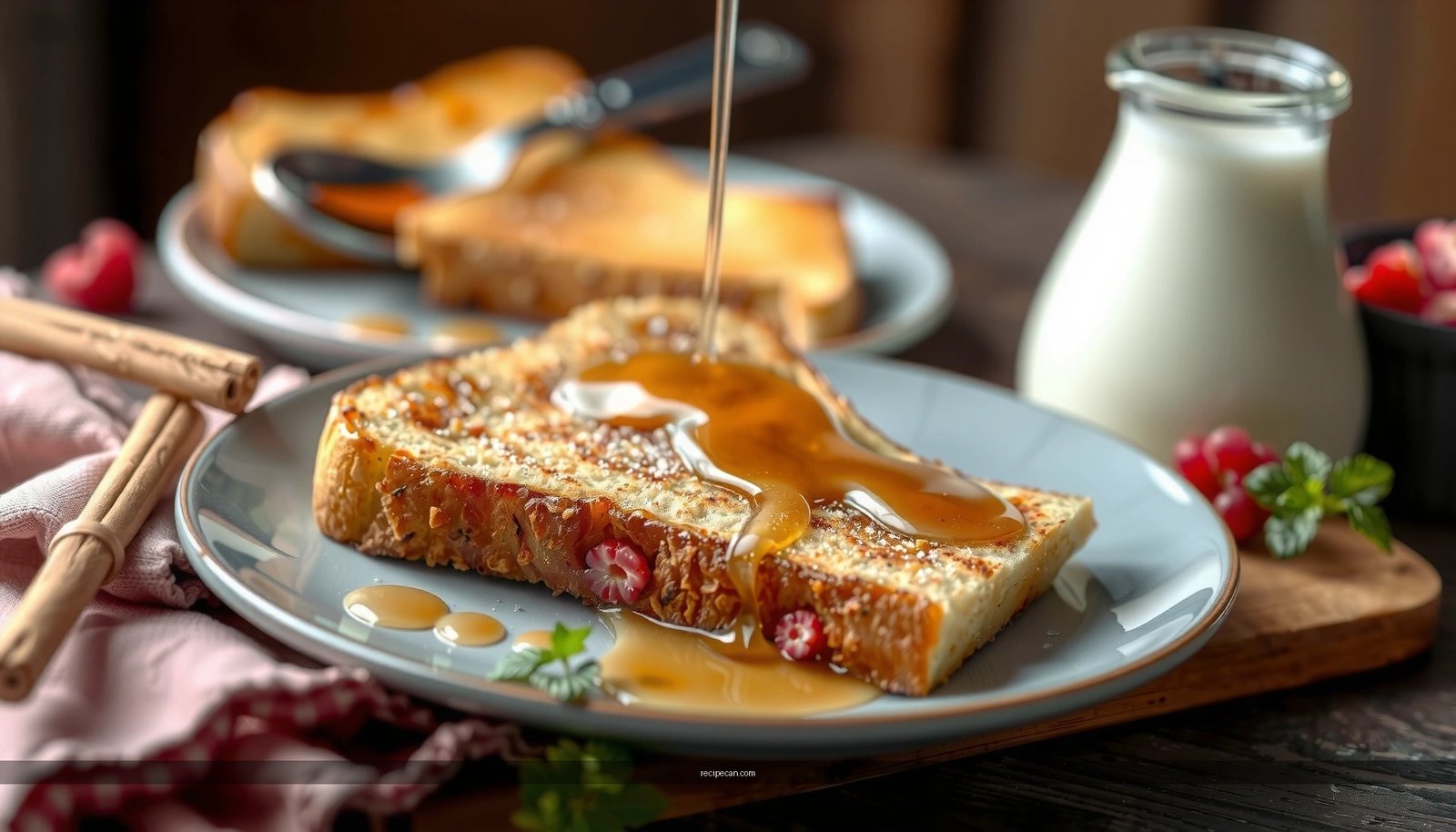
– Sweet options: maple syrup, honey, berries, powdered sugar
– Savory ideas: lightly salted cinnamon-garlic toast or add grated cheese
Once your eggless French toast base is consistent, toppings are where you customize the experience. Think in “contrast layers”: sweet + tangy, crunchy + creamy, or savory + aromatic.
Sweet topping ideas (high reliability)
– Maple syrup + fresh berries: classic, bright, and forgiving.
– Honey + toasted nuts: adds crunch and depth.
– Powdered sugar + cinnamon: works especially well if your batter is lightly sweetened.
– Banana slices + peanut butter: creates a dessert-like breakfast with balanced flavors.
Savory variations (surprisingly effective)
– Cinnamon-garlic butter: swap cinnamon-forward sweetness for savory notes; keep the batter seasoning moderate.
– Grated cheese (cheddar or mozzarella): sprinkle after flipping or serve on top immediately while hot so it melts slightly.
– Tomato + herbs: consider serving like a brunch toast with a drizzle of olive oil and chopped chives.
Add-ins inside the bread
– Chocolate chips (watch burn time—lower heat if using)
– Raisins (soak time can be slightly shorter; fruit draws moisture)
– Orange zest (pairs well with yogurt-based custard)
—
Make-Ahead, Reheating, and Storage
– Store leftovers in an airtight container and reheat in a toaster oven or skillet
– Freeze cooked slices on a tray first, then bag and reheat until crisp
Eggless French toast reheats best when you treat it like a pan-fried item, not a microwave meal.
Short-term storage
– Cool completely before sealing (prevents sogginess).
– Store in an airtight container for up to 2 days.
Reheating best practices
– Toaster oven or oven: 325°F / 160°C for 6–10 minutes until crisp.
– Skillet method: 1–2 minutes per side on medium-low.
– Avoid microwaving if you want crisp edges—microwaves soften the custard coating quickly.
Freezing (ideal for meal prep)
1. Cool slices completely on a rack.
2. Freeze on a tray until firm (prevents sticking).
3. Transfer to a freezer bag/container.
4. Reheat directly from frozen in a toaster oven or skillet until hot and crisp.
This approach is efficient for families and busy professionals: cook once, distribute across mornings, and maintain texture with minimal effort.
—
You’ll get fluffy, golden eggless French toast by building the right milk-based custard (with cornstarch or yogurt), soaking bread briefly, and cooking on medium heat with a single flip. Once your batter thickness and flip timing are dialed in, you can iterate confidently with different breads, dairy/plant milks, and toppings—making this an easy “repeat every week” no-egg breakfast option.
Frequently Asked Questions
What is the best eggless French toast recipe using simple ingredients?
A classic eggless French toast uses a rich batter made from plant-based milk and a binding ingredient like cornstarch or flax egg (ground flax + water). Combine milk, cornstarch, cinnamon, vanilla, and a pinch of salt, then dip thick-cut bread until coated but not soggy. Cook on a buttered skillet until golden brown on both sides for an easy eggless French toast recipe that tastes like the original.
How do you make eggless French toast that doesn’t fall apart?
To prevent eggless French toast from crumbling, use sturdy bread like brioche, challah, or thick Texas toast that can handle soaking. Add a thickener such as cornstarch (or use a well-chilled flax “egg”) so the coating sets as it cooks. Dip quickly—aim for a coating that clings—then let excess batter drip before frying.
Why is my eggless French toast soggy, and how can I fix it?
Sogginess usually happens when the bread absorbs too much batter or when the pan is too cool. Dip the bread for just 10–20 seconds per side (or only until the surface is fully coated) and use medium-high heat so the outside browns while the inside cooks. If needed, allow the dipped bread to rest on a rack for a minute before cooking to firm up the eggless batter.
Which plant-based milk works best for an eggless French toast batter?
For eggless French toast, thicker milks like oat milk or soy milk create a custardy texture closer to traditional egg-based recipes. Almond milk is also fine but may need a little extra cornstarch or a slightly longer dip time for better coating. Use unsweetened plant milk to avoid a gummy result and to keep the flavor balanced with cinnamon and vanilla.
How do you get a crispy outside and soft inside for egg-free French toast?
Start with thick bread and preheat your skillet well, then cook eggless French toast on medium-high heat until deeply golden, usually 2–4 minutes per side depending on thickness. Flip only once so the crust forms properly, and finish briefly at lower heat if the center needs to warm through. For best results, serve right away or keep warm in a low oven (around 200°F/95°C) so the French toast stays crisp.
References
- Google Scholar Google Scholar
https://scholar.google.com/scholar?q=eggless+french+toast+recipe - https://scholar.google.com/scholar?q=vegan+french+toast+egg+substitute Google Scholar
https://scholar.google.com/scholar?q=vegan+french+toast+egg+substitute - Google Scholar Google Scholar
https://scholar.google.com/scholar?q=aquafaba+as+egg+substitute+foaming+emulsions - French toast
https://en.wikipedia.org/wiki/French_toast - https://www.britannica.com/topic/French-toast
https://www.britannica.com/topic/French-toast - Aquafaba
https://en.wikipedia.org/wiki/Aquafaba - Egg allergy
https://en.wikipedia.org/wiki/Egg_allergy - Veganism
https://en.wikipedia.org/wiki/Veganism - https://pubmed.ncbi.nlm.nih.gov/?term=aquafaba+egg+substitute
https://pubmed.ncbi.nlm.nih.gov/?term=aquafaba+egg+substitute - https://www.niaid.nih.gov/diseases-conditions/food-allergy
https://www.niaid.nih.gov/diseases-conditions/food-allergy