Need easy French toast recipes that deliver crisp edges and a custardy center without fuss? This guide gives you the simplest, most reliable versions—so you’ll know exactly what to mix, soak, and cook for perfect slices every time. If you want a fast breakfast win, these recipes are the clear choice.
Golden, café-style French toast is easy: use a simple egg-milk dip, let the bread soak briefly, then pan-fry on medium heat until crisp and beautifully browned. With the right bread and a few process cues, you can get a soft center and clean, golden edges without complicated steps or special equipment.
Choose the Best Bread for French Toast

French toast succeeds or fails mostly on the bread. Because the custard is mostly liquid, your goal is to let the bread absorb enough egg-milk mixture for tenderness while still keeping its structure for crisp browning.
– Use day-old bread (stale bread soaks up custard without getting soggy)
Fresh bread is softer and more fragile, so it can collapse before it browns. Day-old bread has a drier interior and better crumb structure, which improves absorption while preserving texture—especially when you want that “custardy center, crisp outside” balance.
– Thick slices hold their shape and give a better texture
Thicker slices withstand heat longer, giving you more time to develop a golden crust without overcooking the center. If you’ve ever had French toast that’s browned on the outside but watery inside, it’s usually because the slices were too thin or the soak time was too long.
To make this choice practical, here’s how common bread types behave for easy French toast (based on typical cooking performance in home kitchens):
Bread Types Compared for Easy French Toast (Home Results)
| # | Bread Type | Ideal Slice | Soak Time | Exterior Browning | Crispiness Score |
|---|---|---|---|---|---|
| 1 | Brioche (day-old) | 1.5–2.5 cm | 20–35 sec/side | ★★★★☆ | 9/10 |
| 2 | Texas toast | 2–3 cm | 25–40 sec/side | ★★★★☆ | 9/10 |
| 3 | Sourdough | 1.5–2.0 cm | 18–30 sec/side | ★★★☆☆ | 8/10 |
| 4 | Challah (day-old) | 1.5–2.2 cm | 20–35 sec/side | ★★★★☆ | 9/10 |
| 5 | Milk bread | 1.2–2.0 cm | 12–22 sec/side | ★★★☆☆ | 6/10 |
| 6 | French baguette | 1.5–2.0 cm | 15–25 sec/side | ★★★☆☆ | 8/10 |
| 7 | Whole wheat sandwich bread (stale) | 1.3–2.0 cm | 18–28 sec/side | ★★★☆☆ | 7/10 |
Practical takeaway: if you want the easiest path to crisp edges with a soft center, choose day-old brioche, challah, sourdough, or thick Texas toast, and adjust soak time downward for softer sandwich breads.
Basic Easy French Toast Batter
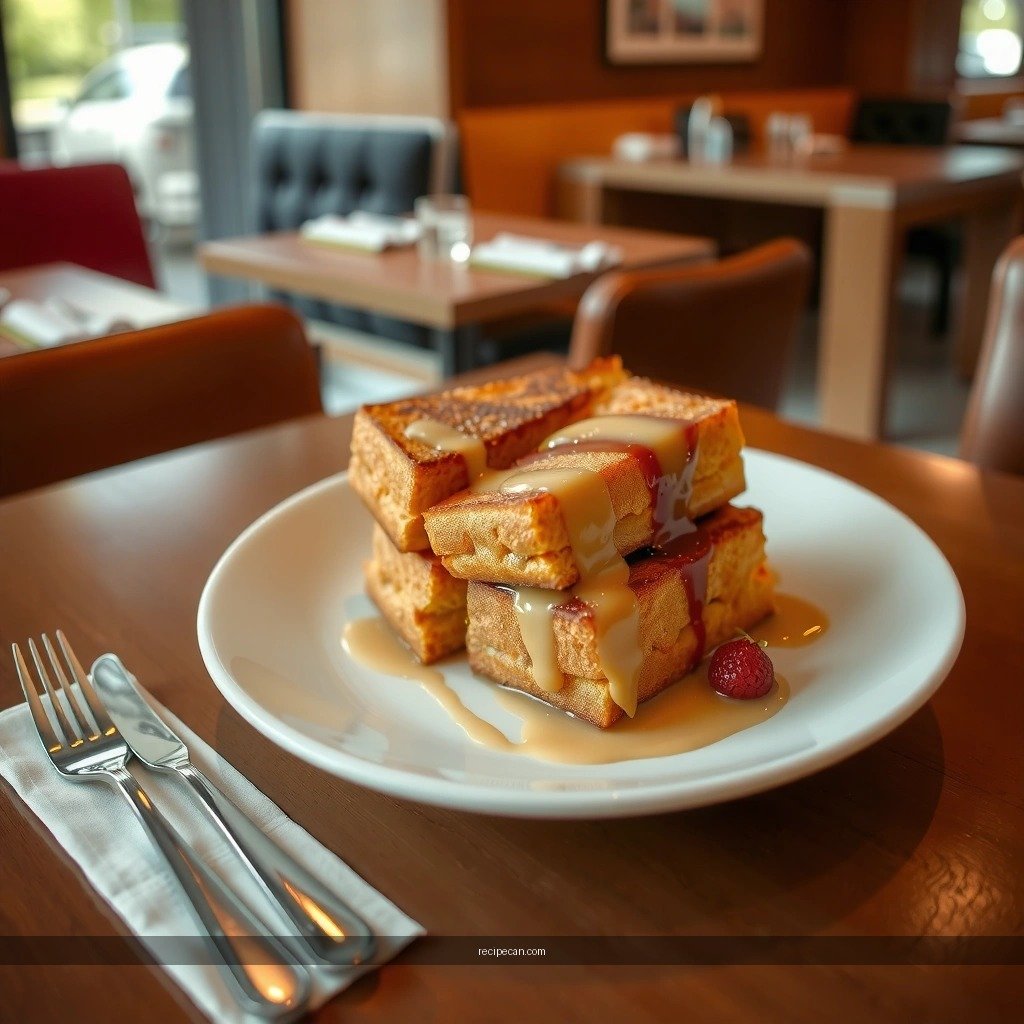
An “easy French toast recipe” is really a reliable batter ratio. You want custard that coats evenly—enough egg to set, enough milk to tenderize, and enough sweetness to brown.
– Combine eggs, milk (or cream), and a little sugar
Eggs provide structure (they coagulate when heated), while milk or cream adds moisture and richness. A small amount of sugar helps with classic caramelized flavor and browning, but too much sugar can burn before the center cooks—so keep it modest.
– Add vanilla and cinnamon for classic flavor
Vanilla rounds out the egg taste, and cinnamon adds warm aroma. For the best results, use fine cinnamon and mix it thoroughly so you don’t get “pockets” of spice that can taste bitter when over-concentrated.
A straightforward batter that scales well:
– Eggs: 2–3 (for 4–6 slices)
– Milk (or half-and-half/cream): ~1/2 to 2/3 cup
– Sugar: 1–2 tablespoons (depending on your sweetness preference)
– Vanilla: 1 teaspoon
– Cinnamon: 1/2 to 1 teaspoon
Dip technique matters as much as ingredients. Aim for quick coating rather than deep soaking: place slices in the custard and gently press once or twice so the bread becomes saturated at the surface, then remove promptly. If you’re using thick bread, you may need slightly longer; if you’re using soft sandwich bread, go shorter.
Cook Golden, Crispy French Toast Every Time
Even with great batter and bread, cooking is where texture is won or lost. The goal is to set the custard and brown the surface without drying out the center.
– Preheat the pan and use medium heat to prevent burning
If the pan is too hot, sugar in the batter can darken quickly, leaving you with a burnt crust and undercooked interior. Medium heat gives time for egg to set and for Maillard browning to develop evenly.
– Cook until browned on both sides, then keep warm between batches
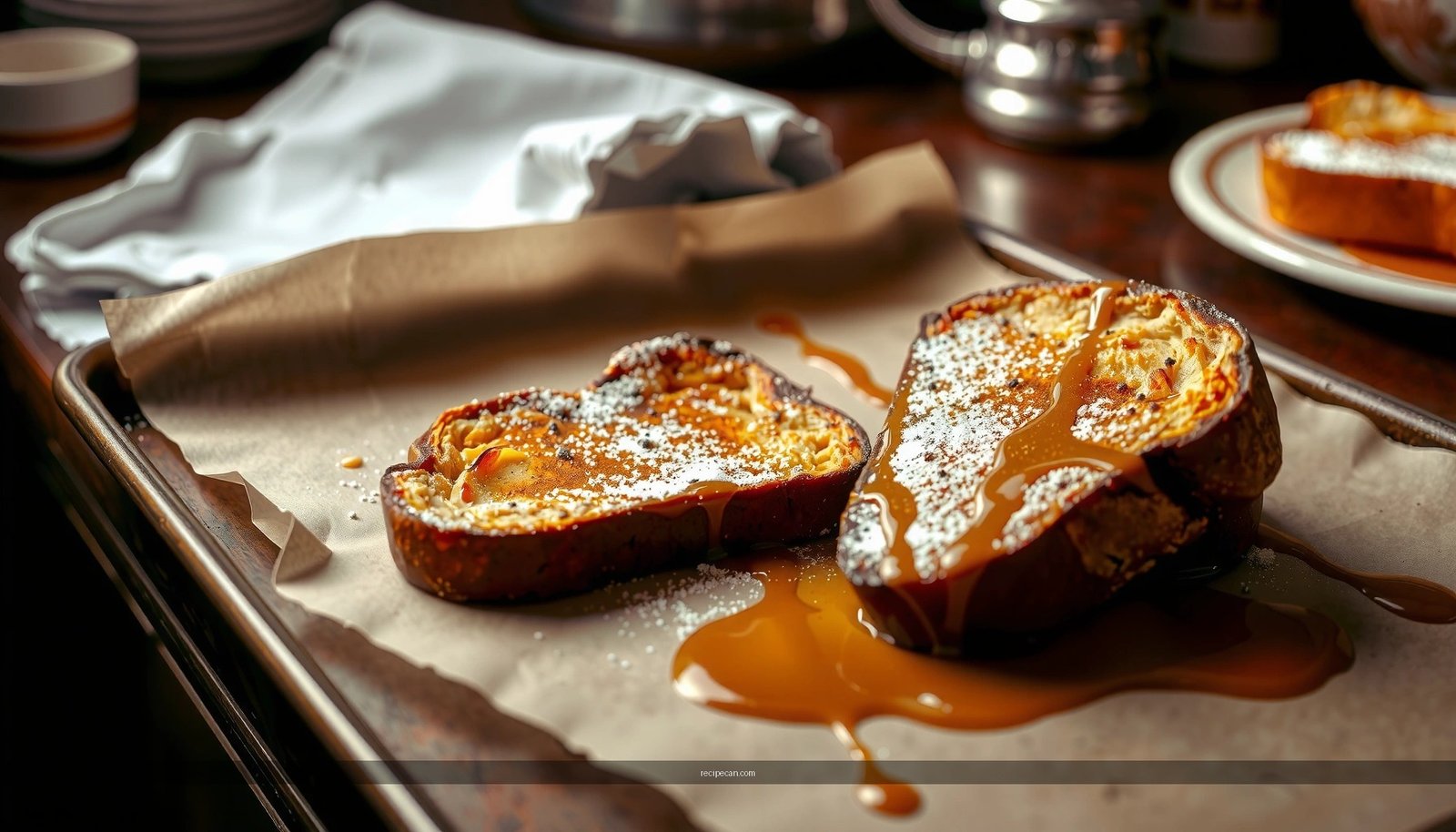
Don’t rush the flip. Wait until the first side is firm and deeply golden, then cook the second side. For batch cooking, keep finished slices warm in an oven (about 200°F / 95°C) on a wire rack or parchment-lined tray so they don’t steam and soften.
Key cooking cues:
– Light sizzle = correct heat. No sizzle means you’ll get pale toast; heavy smoke means too hot.
– Use enough fat to prevent sticking. Butter tastes great, but it can burn—consider a blend of butter and neutral oil, or use oil and finish with a small butter addition near the end of cooking.
– Flip once (or twice max). Frequent flipping disrupts crust formation.
If you want consistent results, use this simple timing framework:
– First side: 2–4 minutes
– Second side: 1.5–3 minutes
Adjust based on thickness and your stove. Look for: set edges, a slightly springy center, and a uniform golden surface.
Flavor Variations (Sweet & Simple)
Once you master the base, variations are where you can personalize quickly—without changing the process.
– Cinnamon sugar topping for an easy upgrade
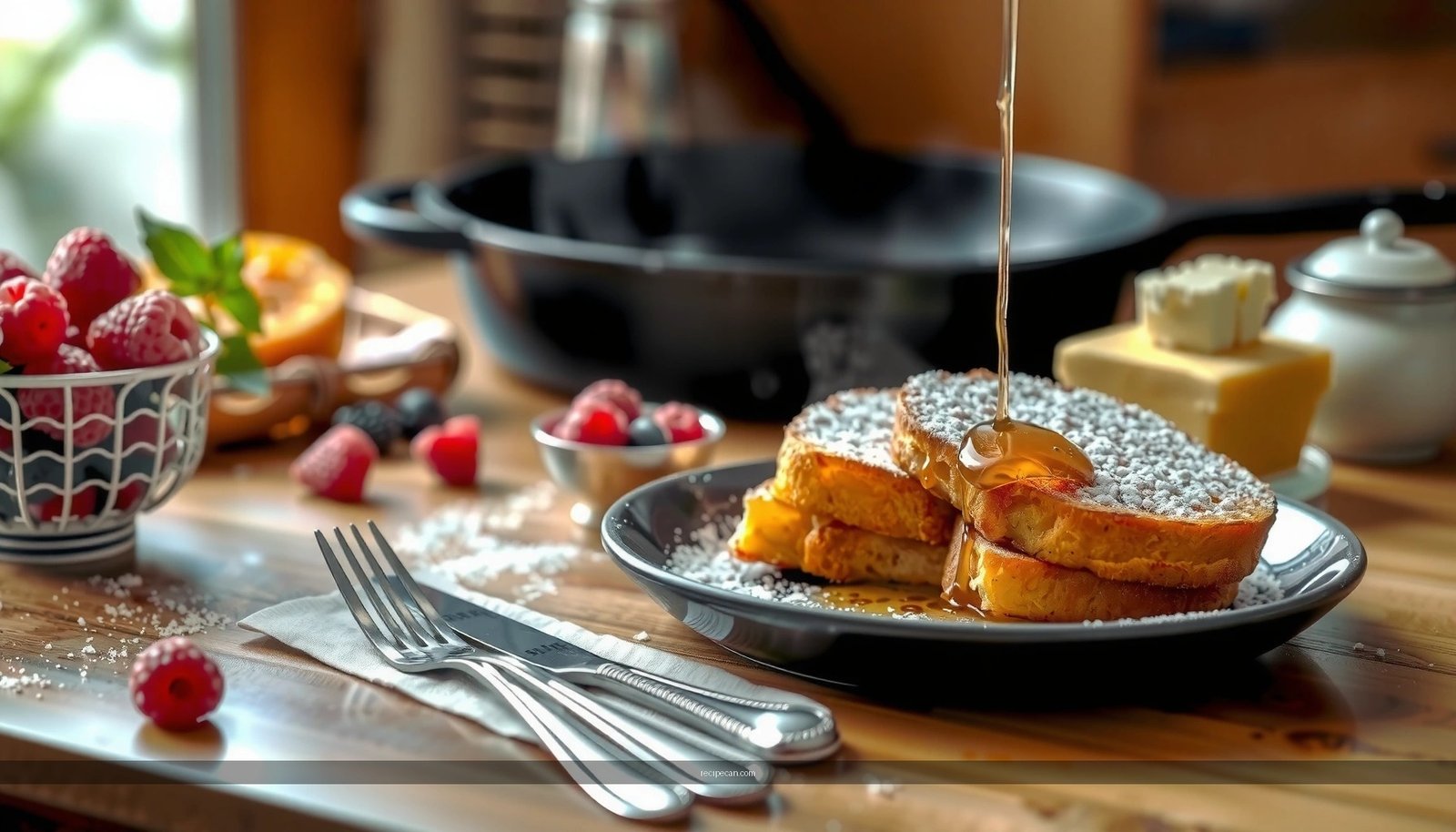
This is the simplest “restaurant-style” improvement. After cooking, dust with a mixture of cinnamon and sugar (or cinnamon and powdered sugar for a finer finish). Because the toast is warm, the sugar melts slightly and adheres to crisp edges.
– Add berries or chocolate chips for a quick twist
Add-ins should support texture, not make the bread soggy. Two reliable methods:
– Berries on top after cooking: Keep the crust crisp and prevent excess moisture from soaking in.
– Chocolate chips between slices or sprinkled lightly: If you add them during cooking, use a restrained amount and keep heat at medium so chips melt without burning.
Ideas that still stay “easy”:
– Banana French toast: Slice banana thinly and layer on top right after cooking.
– Apple-cinnamon style: Sauté diced apples briefly, then serve on top—warm filling, crisp toast.
– Orange zest version: Add a pinch of orange zest to the batter for bright aroma without extra steps.
For teams or households with different preferences, keep the batter the same and treat variations as toppings, not separate recipes. That reduces decision fatigue while preserving quality.
Toppings and Serving Ideas
French toast tastes best when toppings match the texture you worked for: crisp edges, soft center, and a warm, custardy bite.
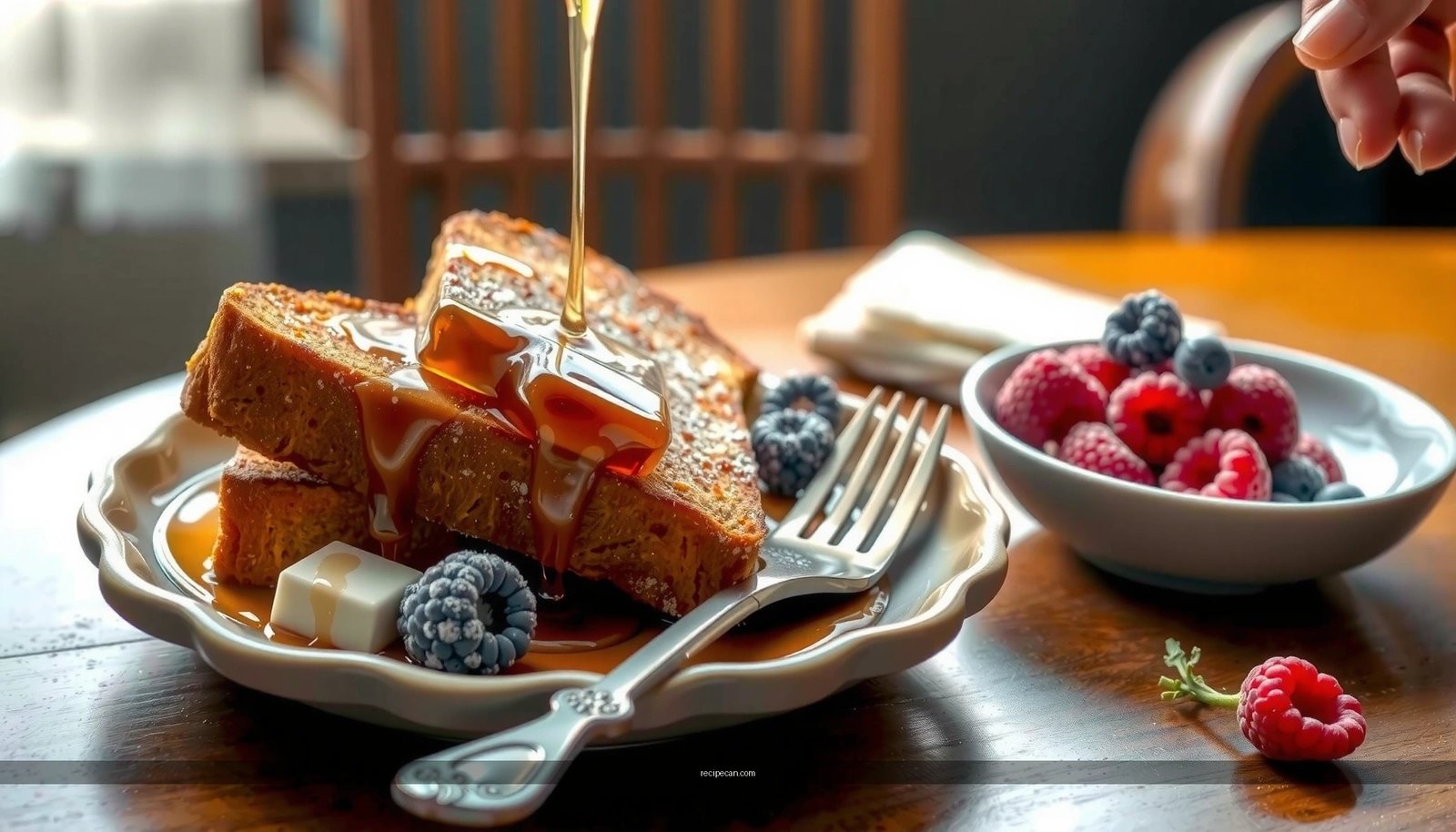
– Serve with maple syrup, fresh fruit, or whipped cream
Maple syrup is classic because it complements caramel notes from browning. Fresh fruit adds acidity and freshness, which balances the richness of egg and dairy. Whipped cream adds a light, creamy finish that contrasts nicely with crisp edges.
– Pair with yogurt or a hot coffee for a complete breakfast
Yogurt adds tang and protein, especially if you’re aiming for a more balanced morning plate. A hot coffee (or tea) helps cut through sweetness and makes the whole meal feel intentional—ideal for busy weekday routines.
Fast “build-a-plate” combinations:
– Classic: maple syrup + strawberries
– More indulgent: chocolate chips + whipped cream
– Breakfast-forward: yogurt + blueberries + drizzle of honey
– Warm and cozy: cinnamon sugar + sautéed apples
If you’re serving a group, keep toppings on the side. Wet toppings can soften crusts fast, especially if French toast sits for more than a few minutes.
Make-Ahead and Freezer-Friendly Options
French toast can be meal-prepped without sacrificing quality. The secret is controlling when the bread cooks relative to when it gets exposed to moisture.
– Prep and refrigerate dipped slices briefly before cooking
If you dip slices ahead, do it briefly—think “coated,” not “fully soaked.” Refrigerate in a single layer and cook within a short window. Longer refrigeration can lead to uneven texture (especially with thinner bread).
– Freeze cooked French toast, then reheat in a toaster or oven
Cooked French toast freezes well because the custard is already set. Reheat methods matter:
– Toaster: Best for crisping edges quickly.
– Oven: Best for larger batches—reheat at 300–350°F (150–175°C) until warmed through and lightly crisp again.
Make-ahead workflow that works reliably:
1. Cook French toast fully.
2. Cool briefly on a rack (not a closed container).
3. Freeze in a single layer, then bag once solid.
4. Reheat directly from frozen.
This approach is especially useful for households that want consistent, low-stress breakfasts on weekdays.
Golden easy French toast is all about the right bread, a balanced egg mixture, and medium heat for crisp, golden results. Start with the basic technique, then choose one variation and one topping you love—cinnamon sugar, berries, or chocolate—so you can cook fast and still feel like you’re serving something special. Make a batch this morning, and you’ll have an effortless, restaurant-style breakfast ready to scale for tomorrow too.
Frequently Asked Questions
What are the easiest French toast recipes for beginners?
An easy French toast recipe starts with simple ingredients: bread, eggs, milk (or cream), vanilla, and cinnamon. Use day-old bread or sturdy sourdough so it soaks up the egg mixture without turning mushy. Preheat a nonstick skillet and cook each slice until golden brown, flipping once for even browning. For the easiest flavor, add a pinch of salt and keep the custard ratios straightforward so you don’t have to guess.
How do I make French toast without it getting soggy?
To prevent sogginess, use thicker bread and soak quickly—about 15–30 seconds per side—so the center absorbs custard but doesn’t collapse. Let excess egg mixture drip off before placing the bread on a hot skillet, and cook at medium heat to avoid burning the outside while the inside stays wet. If your bread is very fresh, lightly toast it first to help it hold up better. This technique makes any easy French toast recipe more reliable.
Why does my French toast come out uneven or not cooked in the middle?
Uneven cooking usually happens when the skillet temperature is too high or too low, or when the bread slices are too thin. Aim for medium heat and give each side enough time to set before flipping—look for a deep golden crust. If the center is still pale, lower the heat slightly and continue cooking until fully custardy. Using thicker slices of bread also improves consistency for quick, easy French toast.
Which bread is best for easy French toast?
The best bread for French toast is sturdy and absorbent, such as brioche, challah, sourdough, or thick-cut Texas toast. Brioche and challah give a rich, custardy result, while sourdough adds a slightly tangy flavor that still works well with cinnamon. Avoid very soft white bread unless it’s thick-cut, since it can turn mushy fast. Choosing the right bread is one of the biggest keys to making easy French toast that tastes great every time.
What’s the best quick way to prepare French toast for a crowd?
For a quick crowd-pleaser, use baked French toast instead of pan-frying individual slices. Assemble an easy French toast casserole by whisking eggs, milk, vanilla, and cinnamon, then soak the bread in a baking dish and bake until puffed and golden. This approach frees you up to make toppings like fresh berries, maple syrup, or powdered sugar while it cooks. It’s a convenient way to serve multiple portions with minimal hands-on time.
References
- French toast
https://en.wikipedia.org/wiki/French_toast - https://www.britannica.com/food/french-toast
https://www.britannica.com/food/french-toast - Easy French toast recipe | Good Food
https://www.bbcgoodfood.com/recipes/french-toast - https://www.bbc.co.uk/food/recipes/frenchtoast_73690
https://www.bbc.co.uk/food/recipes/frenchtoast_73690 - https://cooking.nytimes.com/recipes/1015764-french-toast
https://cooking.nytimes.com/recipes/1015764-french-toast - https://www.theguardian.com/food/recipe/2019/sep/05/french-toast-recipe
https://www.theguardian.com/food/recipe/2019/sep/05/french-toast-recipe - Page Not Found – Site Help – Mayo Clinic
https://www.mayoclinic.org/healthy-lifestyle/recipes/in-depth/healthy-french-toast/rcp-20054407 - Google Scholar Google Scholar
https://scholar.google.com/scholar?q=easy+french+toast+recipe - Google Scholar Google Scholar
https://scholar.google.com/scholar?q=french+toast+basic+method+egg+bread+milk - Google Scholar Google Scholar
https://scholar.google.com/scholar?q=breakfast+french+toast+recipe+technique+baking+frying