Looking for a french toast recipe simple enough for a perfect breakfast? This guide gives you easy steps for making golden, custardy French toast with minimal prep and no guesswork. Follow the method and you’ll get reliably crisp edges and a tender center every time.
French toast recipe simple works because you control three variables—bread absorption, cooking temperature, and timing. With a quick egg-and-milk dip, brief soaking, and medium-heat browning until crisp and golden, you’ll get a tender center without the soggy breakfast texture.
Simple Ingredients for French Toast
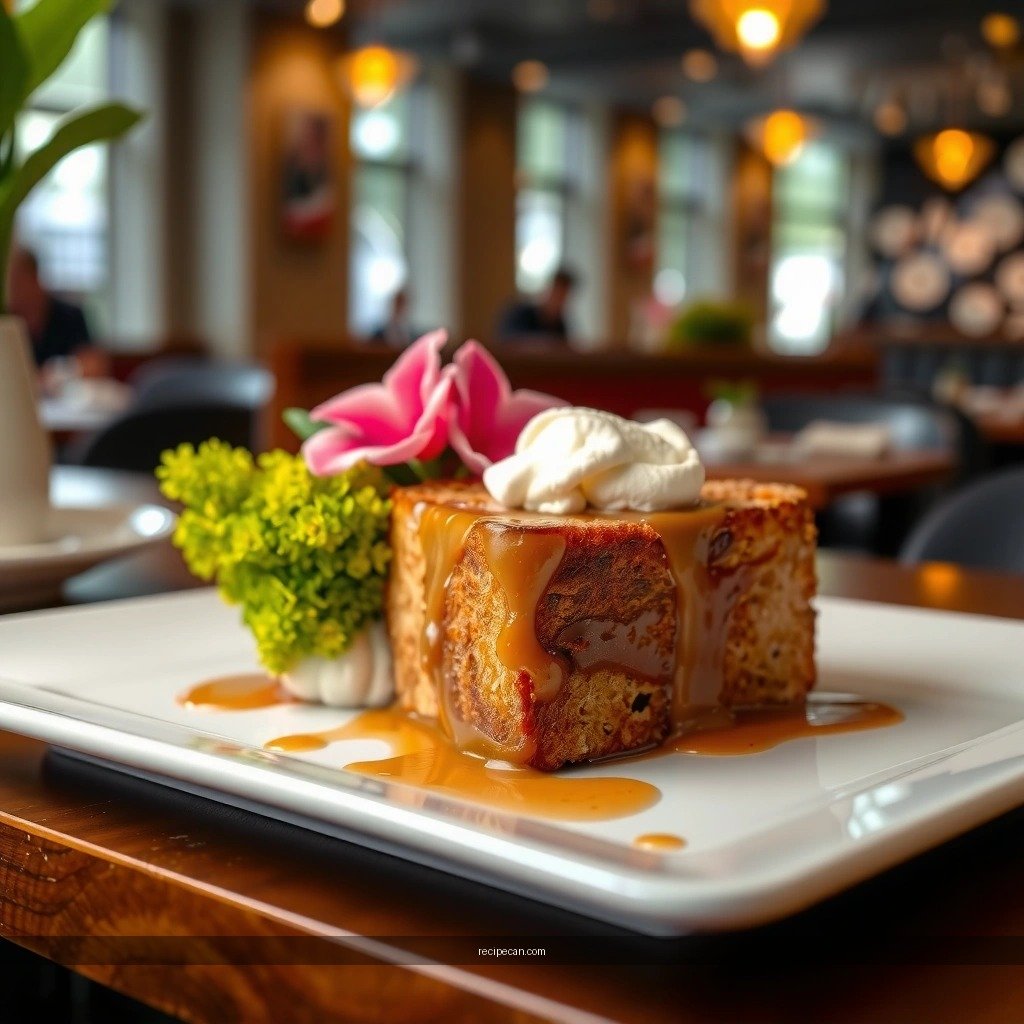
A great simple french toast recipe starts with ingredients that are forgiving and easy to scale. The goal isn’t “perfect fancy batter”—it’s consistent custard coverage and reliable browning.
– Use bread (day-old works best) plus eggs, milk, and a little sugar
Day-old bread has a firmer crumb and lower surface moisture, so it absorbs the egg mixture gradually instead of collapsing. Thick slices also help create that classic contrast: crisp edges with a soft interior.
– Add cinnamon and vanilla for classic flavor without extra steps
Cinnamon adds warmth and aroma that reads as “breakfast comfort,” while vanilla rounds out the custard flavor. Both are small additions that make a noticeable difference, especially if you’re using standard grocery-store bread.
Practical ingredient guidance (so your french toast stays structured):
– Eggs: Provide the custard body that sets as it cooks. More eggs generally means richer and firmer slices.
– Milk: Adds creaminess and helps the egg mixture coat evenly. Whole milk is ideal for a richer taste; lower-fat milk still works but can brown slightly less deeply.
– Sugar: A small amount improves browning through caramelization without turning the toast brittle. Too much sugar can burn faster.
Best Bread Choices for French Toast Texture (Home Cooking)
| # | Bread Type | Absorption (sec)* | Browning Ease | Custard Hold | Recommendation |
|---|---|---|---|---|---|
| 1 | Day-old Brioche | 20–30 | High | ★★★★★ | Best overall |
| 2 | Texas Toast | 25–35 | High | ★★★★☆ | Great for crowd portions |
| 3 | Challah (slightly stale) | 20–30 | Medium-High | ★★★★★ | Premium texture |
| 4 | Sourdough | 15–25 | Medium | ★★★★☆ | Bold flavor, lower soak |
| 5 | Whole Wheat Sandwich Bread | 15–20 | Medium | ★★★☆☆ | Good everyday option |
| 6 | Fresh White Bread | 10–15 | Medium | ★★☆☆☆ | Higher risk of sogginess |
| 7 | Very Lean Crusty Bread (fresh) | 8–12 | High (fast) | ★★☆☆☆ | Needs careful, brief dip |
Absorption time assumes a quick dip. Adjust by 2–5 seconds depending on slice thickness and staleness.
Quick Egg-Milk Mixture
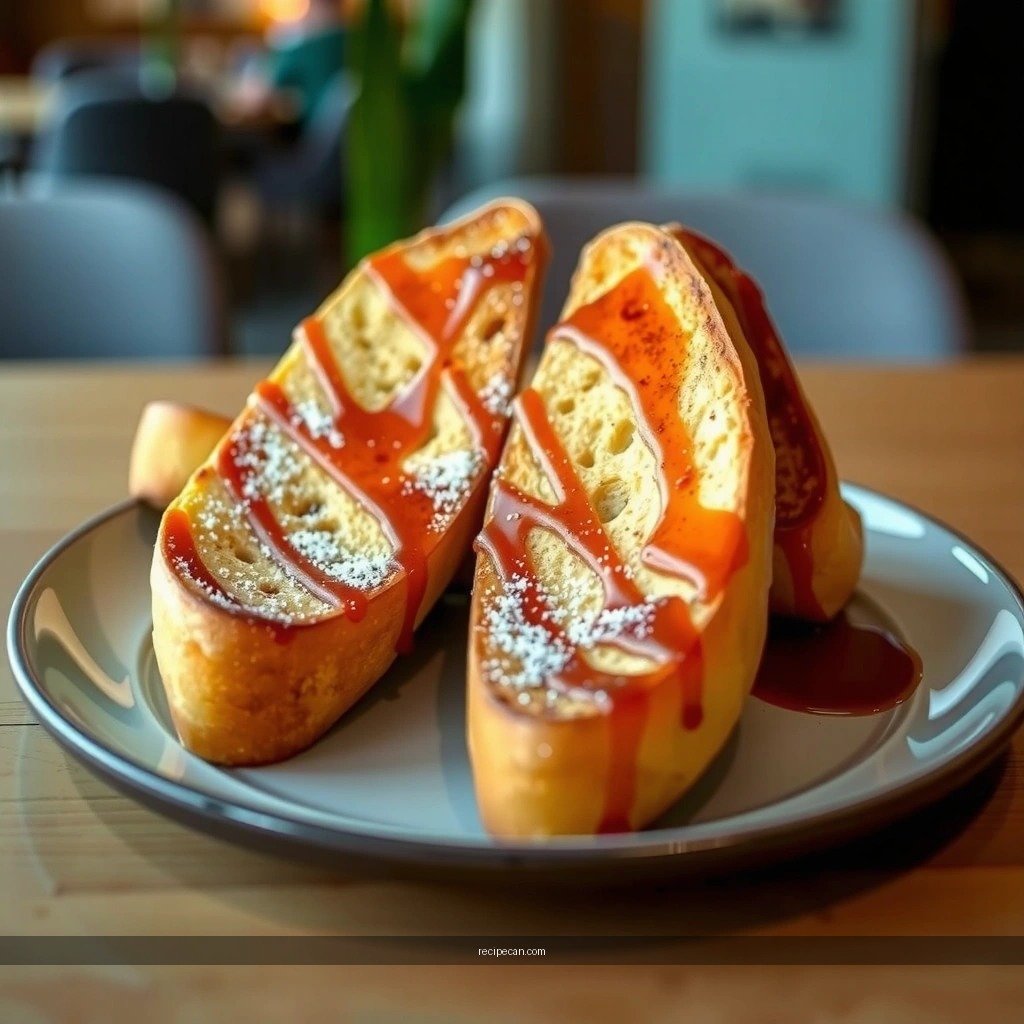
The custard mixture is what turns basic bread into French toast. For a french toast recipe simple approach, aim for smooth, evenly seasoned custard—then control how long the bread contacts it.
– Whisk eggs and milk until smooth, then season lightly
Whisk thoroughly so you don’t get streaks of egg. Seasoning should be subtle: cinnamon and vanilla provide the flavor; salt improves overall taste without making it “salty.” If you use sugar in the mixture, keep it moderate so it doesn’t over-brown or taste candy-like.
– Dip bread briefly so it soaks but doesn’t fall apart
Oversoaking is the #1 reason for soggy toast. Think “coating,” not “bathing.” For most slices, a quick dip per side works well, followed by a short rest to let excess custard drip off.
Actionable dip timing (a reliable simple baseline):
– Thick slices (about 3/4–1 inch): dip 15–25 seconds per side
– Thinner slices: dip 8–15 seconds per side
If your bread looks saturated immediately, reduce dip time. When in doubt, err shorter—your pan can set and brown it fast.
Custard ratio you can scale:
– Start with 1 egg per 1/2 cup (120 ml) milk for a well-balanced, slice-friendly soak.
– For a slightly thicker result (less drip), use a touch less milk or add 1 extra egg to your batch.
How to Cook French Toast Until Golden
Cooking is where good french toast becomes “perfect breakfast.” Medium heat is the professional-grade lever: it lets the center cook through while the exterior browns without burning.
– Cook on a buttered skillet over medium heat for even browning
Butter provides flavor and helps create a golden crust. Use medium heat because too-high heat will brown the outside quickly while leaving the custard center undercooked.
– Flip once when set and golden on the first side
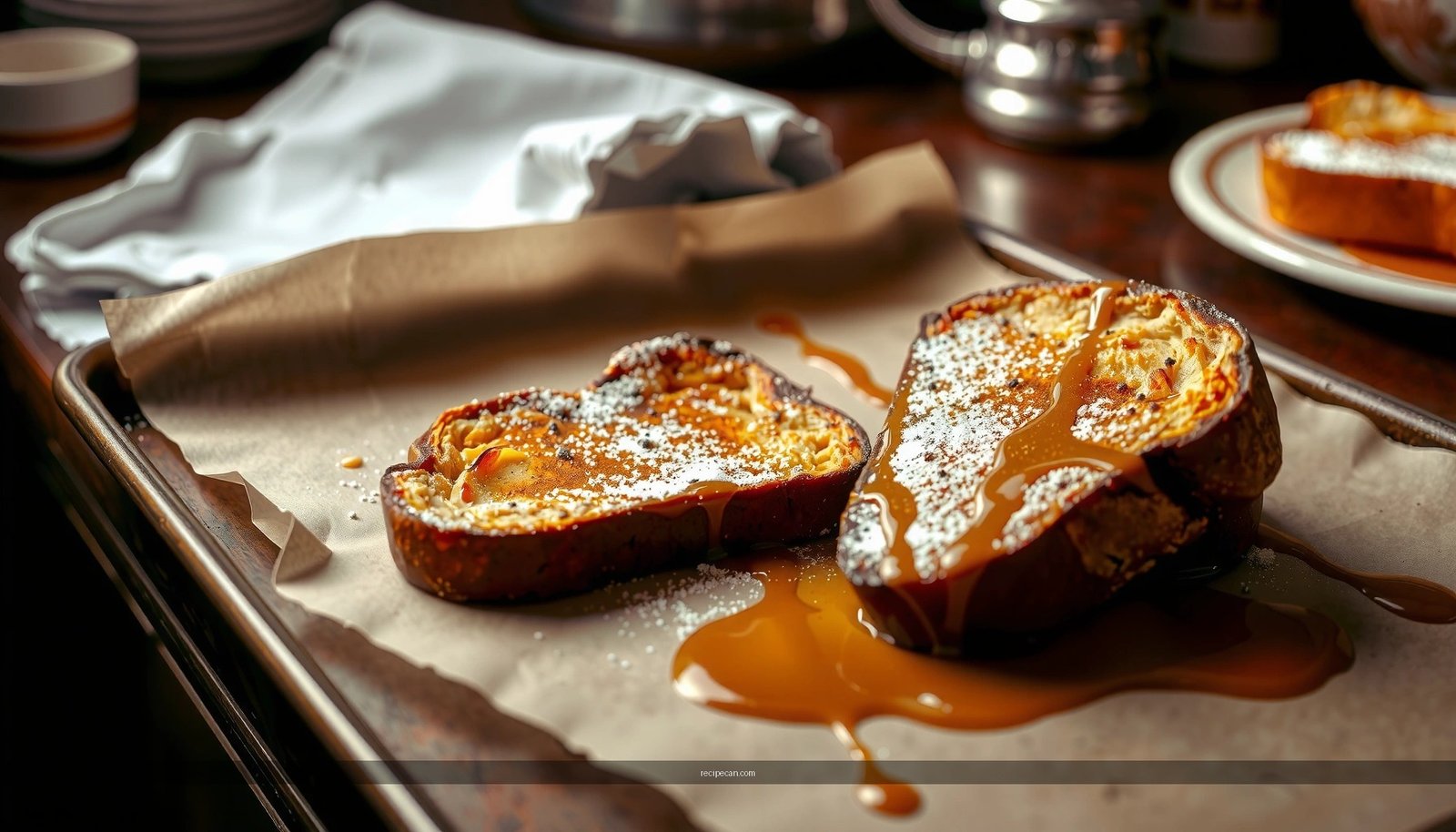
Flip only when the first side has set and looks ready—typically when it releases more easily from the pan and the surface is golden with a few deeper brown spots.
Why one flip matters:
Multiple flips disrupt the crust formation and can scrape off the set custard layer, leading to uneven texture. One flip is efficient and consistent.
Simple cooking timing guideline:
– First side: ~2–4 minutes (until golden and set)
– Second side: ~1.5–3 minutes (until browned and cooked through)
Tip for consistency:
Don’t overcrowd the skillet. If the slices touch or steam heavily, you’ll sacrifice crispness. For best texture, cook in batches and keep finished slices warm (details next section).
Best Toppings and Flavor Variations
Toppings can either complement your custard (classic) or add a contrast that makes the dish feel new. The best part of a simple french toast recipe is how easily you can customize flavor without changing the cooking method.
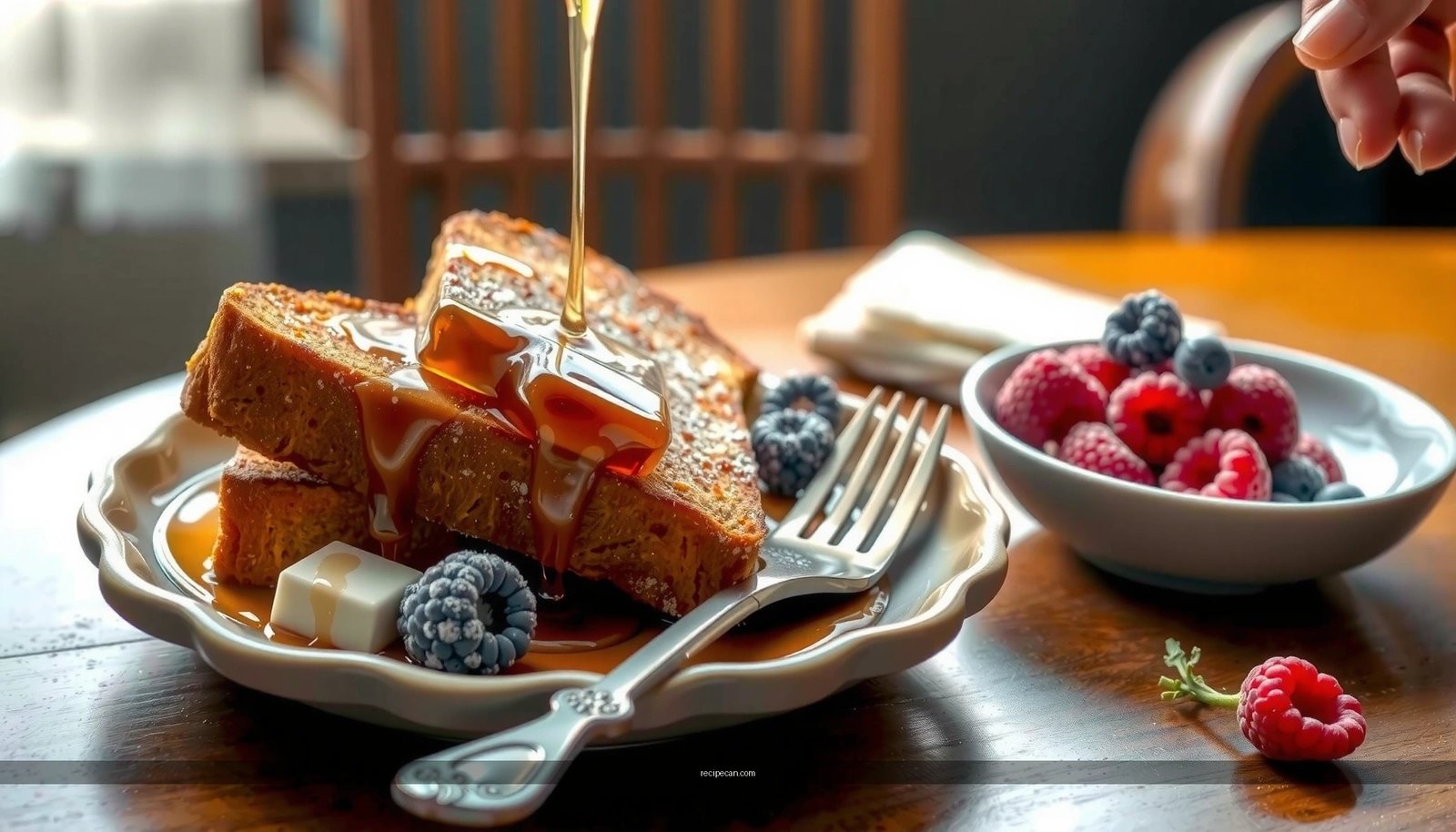
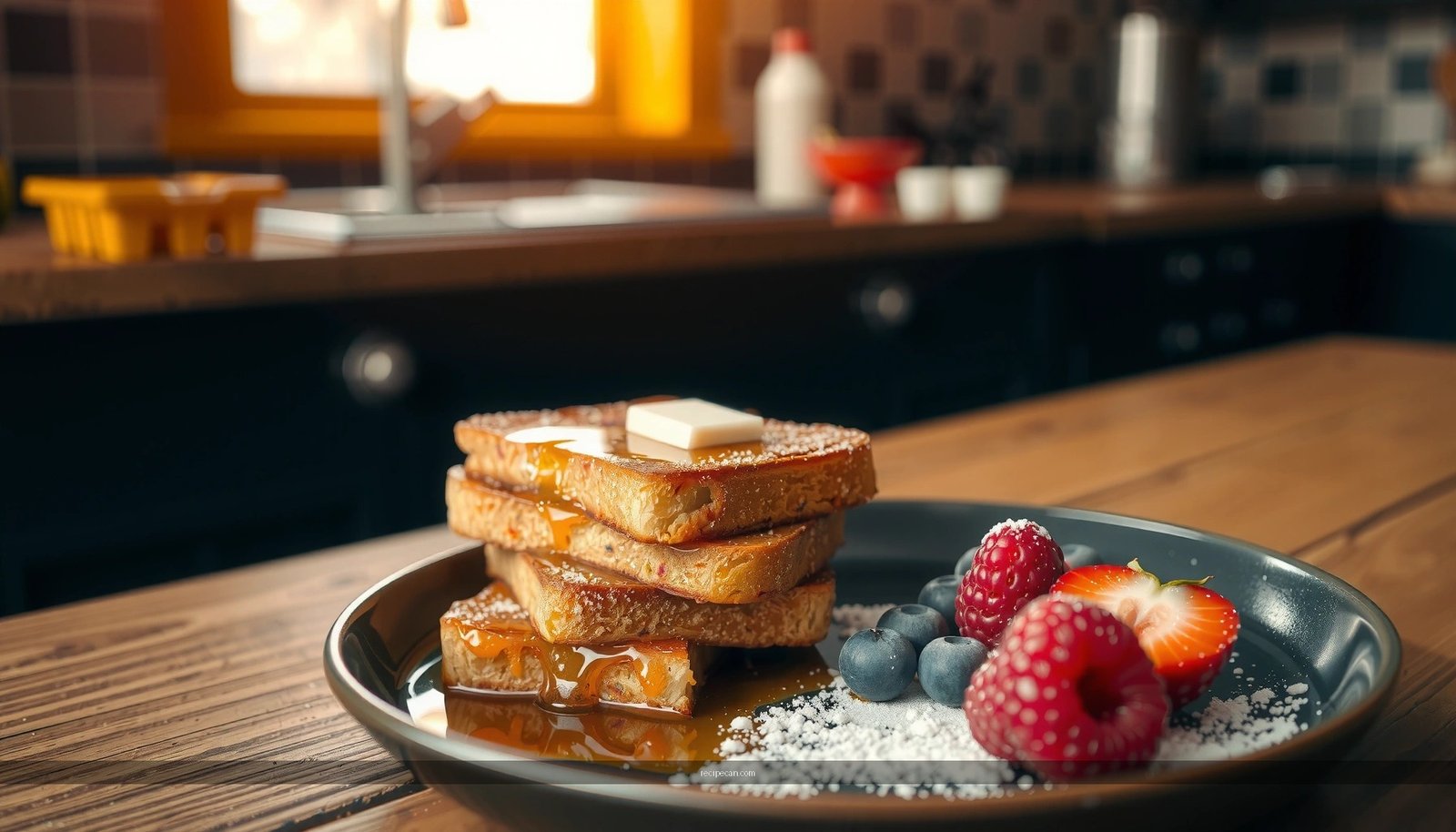
– Top with maple syrup, powdered sugar, or fresh fruit
These are high-performing staples: maple syrup adds caramel notes, powdered sugar adds quick sweetness, and fruit brings acidity and freshness to balance richness.
– Try banana, berries, or a chocolate-hazelnut drizzle for variety
Banana works especially well because it softens and caramelizes slightly when warmed. Berries (fresh or lightly warmed) add brightness and reduce cloying sweetness. For a “dessert breakfast” version, chocolate-hazelnut spread paired with sliced strawberries is a reliable crowd favorite.
Flavor variations that stay true to the simple method:
– Cinnamon-apple style: add sautéed diced apples (with a pinch of cinnamon) on top
– “French café” style: a spoon of jam plus a squeeze of lemon juice over fruit
– Nutty upgrade: toasted pecans or walnuts for crunch
If you’re serving at home for a meeting or brunch, consider setting up a topping bar. It reduces last-minute tasks and keeps portions looking consistent.
Easy Tips to Prevent Soggy or Burnt Toast
Even a strong simple french toast recipe can fail if the temperature or soak time is off. These fixes address the two most common failure modes: sogginess (undercooked/oversoaked) and burning (too hot/too much sugar or time).
– Use medium heat and don’t oversoak the bread
Medium heat prevents the custard from rushing into browning before it sets. Short dipping plus a quick drip step keeps the surface from becoming waterlogged.
– Let cooked slices rest briefly so they stay crisp
Resting helps custard finish setting and allows steam to escape. Cutting or stacking immediately traps moisture and softens the crust.
Quick troubleshooting table (fast diagnosis):
– Soggy center: reduce dip time; ensure skillet is truly medium (not low)
– Burnt outside, raw inside: lower heat slightly; cook longer on second side
– Uneven browning: spread butter evenly; avoid overcrowding; wait for pan to preheat
Common French Toast Problems and Direct Fixes
| # | Issue | Likely Cause | Fix in Next Batch | Impact |
|---|---|---|---|---|
| 1 | Soggy toast | Oversoak + low heat | Dip shorter; cook closer to medium | ★★★★☆ |
| 2 | Burnt edges | Too-high heat / too much sugar | Lower heat; reduce added sugar | ★★☆☆☆ |
| 3 | Dry, rubbery center | Underdip / overcook | Dip slightly longer; shorten total cook time | ★★★☆☆ |
| 4 | Uneven browning | Pan not preheated / overcrowding | Preheat 2–3 min; cook fewer slices at once | ★★★★☆ |
Make-Ahead and Reheating Options
French toast is easiest when you cook fresh—but you can still manage it for busy mornings or brunch services. The key is preserving texture: warm without steaming and reheat quickly to restore crispness.
– Keep warm in a low oven (around 200°F/95°C) between batches
A low oven prevents cold gaps and avoids overcooking. Place slices on a wire rack (not directly on a plate) so moisture doesn’t accumulate.
– Reheat leftovers in a toaster oven or skillet for best texture
Microwaving can soften the crust and make toast feel custardy in a bad way. Toaster oven or skillet reheating helps re-crisp the exterior.
Best make-ahead strategy (simple and operational):
1. Cook slices until golden.
2. Transfer to a 200°F/95°C oven on a rack.
3. Finish everyone’s plate and top right before serving.
If you need to reheat larger portions:
Arrange in a single layer in a toaster oven and reheat briefly—stop when edges are crisp and centers feel hot, not wet.
Conclusion
French toast recipe simple is a process discipline: choose the right bread (day-old for structure), use a quick egg-and-milk mixture with brief dips, and cook on medium heat until the custard sets into a golden crust. Finish with your favorite toppings, keep batches warm without steaming, and reheat using a toaster oven or skillet to maintain crispness. Follow these steps and you’ll consistently produce perfect breakfast slices in under 20 minutes—without sogginess.
Frequently Asked Questions
What is a simple French toast recipe for beginners?
A simple French toast recipe uses bread, eggs, milk (or cream), a pinch of salt, and cinnamon, then cooks it in a buttered skillet until golden. Beat the eggs with milk and seasonings, dip thick slices of bread, and pan-fry for about 2–3 minutes per side. Use slightly stale bread for the best texture because it absorbs the egg mixture without turning mushy. Serve with syrup, powdered sugar, or fresh fruit for an easy French toast breakfast.
How do I make French toast that isn’t soggy?
To avoid soggy French toast, use thick bread and limit the soaking time—dip each side for about 10–20 seconds rather than soaking it through. Preheat the pan well and cook on medium heat so the custard sets before the bread breaks down. For extra insurance, use a slightly thicker egg mixture (more egg than milk) and let the dipped bread rest for 1 minute before cooking. These tweaks help your simple French toast stay crisp outside and tender inside.
Why does my French toast fall apart when I flip it?
French toast usually falls apart because the bread is too thin or too fresh, or the pan isn’t hot enough to set the egg mixture quickly. Make sure you cook on medium heat and flip only once the first side is deeply golden and firm to the touch. Also, use a good coating and don’t oversaturate the bread—quick dips are key for a simple French toast recipe. If needed, cook in smaller batches to keep the temperature consistent.
Which bread is best for an easy French toast recipe?
The best bread for easy French toast is thick-cut brioche, challah, French bread, or even Texas toast because they hold up well to the egg mixture. Slightly stale bread works especially well since it absorbs flavor without becoming mushy. If you only have soft sandwich bread, use thicker slices and shorten the dip time to keep the texture intact. Choosing the right bread makes your simple French toast taste rich and custardy.
What’s the best way to flavor simple French toast without overcomplicating it?
Start with classic cinnamon and vanilla for a simple French toast recipe that tastes homemade. You can also add a pinch of nutmeg or a small amount of lemon zest to brighten the flavor without extra steps. For a richer custard, use half-and-half instead of milk, and whisk until fully combined so the seasoning distributes evenly. Keep it easy: flavorful base + proper cooking is what makes the difference.
References
- French toast
https://en.wikipedia.org/wiki/French_toast - https://www.britannica.com/topic/French-toast
https://www.britannica.com/topic/French-toast - https://cooking.nytimes.com/guides/55-how-to-make-french-toast
https://cooking.nytimes.com/guides/55-how-to-make-french-toast - https://www.theguardian.com/food/2024/jan/28/french-toast-recipe
https://www.theguardian.com/food/2024/jan/28/french-toast-recipe - French Toast Recipe | PBS Food | PBS Food
https://www.pbs.org/food/recipes/french-toast/ - Google Scholar Google Scholar
https://scholar.google.com/scholar?q=french+toast+simple+recipe - Google Scholar Google Scholar
https://scholar.google.com/scholar?q=french+toast+bread+egg+milk+cooking+method - Google Scholar Google Scholar
https://scholar.google.com/scholar?q=egg+custard+bread+soaked+french+toast+science - https://pubmed.ncbi.nlm.nih.gov/?term=french+toast
https://pubmed.ncbi.nlm.nih.gov/?term=french+toast - Google Scholar Google Scholar
https://scholar.google.com/scholar?q=french+toast+recipe+simple