Craving French toast muffins and want a recipe that delivers fluffy, golden bites fast? This easy French toast muffins recipe answers whether you can get that classic custardy French toast flavor in muffin form—ready in minutes with simple ingredients. Follow the steps for tender centers, crisp edges, and a foolproof way to serve breakfast that actually travels.
French toast muffins are the quickest way to get the custardy, cinnamon-sweet satisfaction of classic French toast—without standing at the stove. Cube bread, dip it in an easy cinnamon-egg mixture, bake until puffed and golden, and you’ll have a make-ahead breakfast that scales effortlessly for busy mornings.
Ingredients for French Toast Muffins

– Gather bread, eggs, milk (or cream), sugar, cinnamon, and vanilla
– Optional add-ins: berries, chocolate chips, or a pinch of nutmeg
– Choose thick bread for the best custardy centers
To make truly fluffy French toast muffins, start with the right “custard-to-bread ratio.” Thick bread holds more egg mixture and creates a better contrast between tender centers and lightly crisp edges. If you’re optimizing for flavor and texture, the goal is consistent coating of every cube and enough liquid for the centers to set into a soft, sliceable bite.
Core ingredient guidance (practical and specific):
– Bread: Brioche, challah, thick-cut white, or even day-old sourdough work well. Slightly stale bread absorbs custard more evenly and bakes into a custardy interior instead of turning gummy.
– Eggs: Standard large eggs provide structure. Using a consistent number of eggs across batches helps maintain the same “puff” level and custard set.
– Milk vs. cream: Milk yields a lighter result; half-and-half or cream creates richer, more “French toast-like” flavor and a softer crumb.
– Sugar & vanilla: Sugar balances egginess and supports browning. Vanilla rounds out cinnamon for a more bakery-style aroma.
– Cinnamon (and optional nutmeg): Cinnamon is your headline flavor; a small pinch of nutmeg adds warmth that reads “homemade” rather than one-note.
If you want a consistent outcome for family-style service (or meal prep), plan your batch around a standard muffin tin yield, and don’t drastically change liquid amounts. Add-ins (berries, chips) are best folded in after cubing so you don’t get pockets of fruit that can disrupt browning.
Custard Readiness at a Glance (Batch Planning Data Table)
Cinnamon-Egg Custard Batch Ratios for French Toast Muffins
| # | Batch size (muffins) | Bread amount (cups, cubed) | Eggs | Milk/cream (cups) | Expected texture rating |
|---|---|---|---|---|---|
| 1 | 6 standard muffins | 2 cups | 2 large | 2/3 cup | ★★★★☆ |
| 2 | 8 standard muffins | 2.7 cups | 3 large | 3/4 cup | ★★★★★ |
| 3 | 9 standard muffins | 3 cups | 3 large | 0.85 cup | ★★★★★ |
| 4 | 12 standard muffins | 4 cups | 4 large | 1 cup | ★★★★★ |
| 5 | 14 mini muffins | 1.8 cups | 2 large | 0.55 cup | ★★★☆☆ |
| 6 | 15 mini muffins | 2 cups | 2 large | 0.60 cup | ★★★★☆ |
| 7 | 10 muffins (thicker cups) | 3.4 cups | 4 large | 0.95 cup | ★★★☆☆ |
Use this as a planning framework: if you change bread density (e.g., very airy sourdough vs. dense brioche), adjust by watching how the bread looks when coated—cubes should glisten, not float in excess custard.
Step-by-Step: How to Make French Toast Muffins
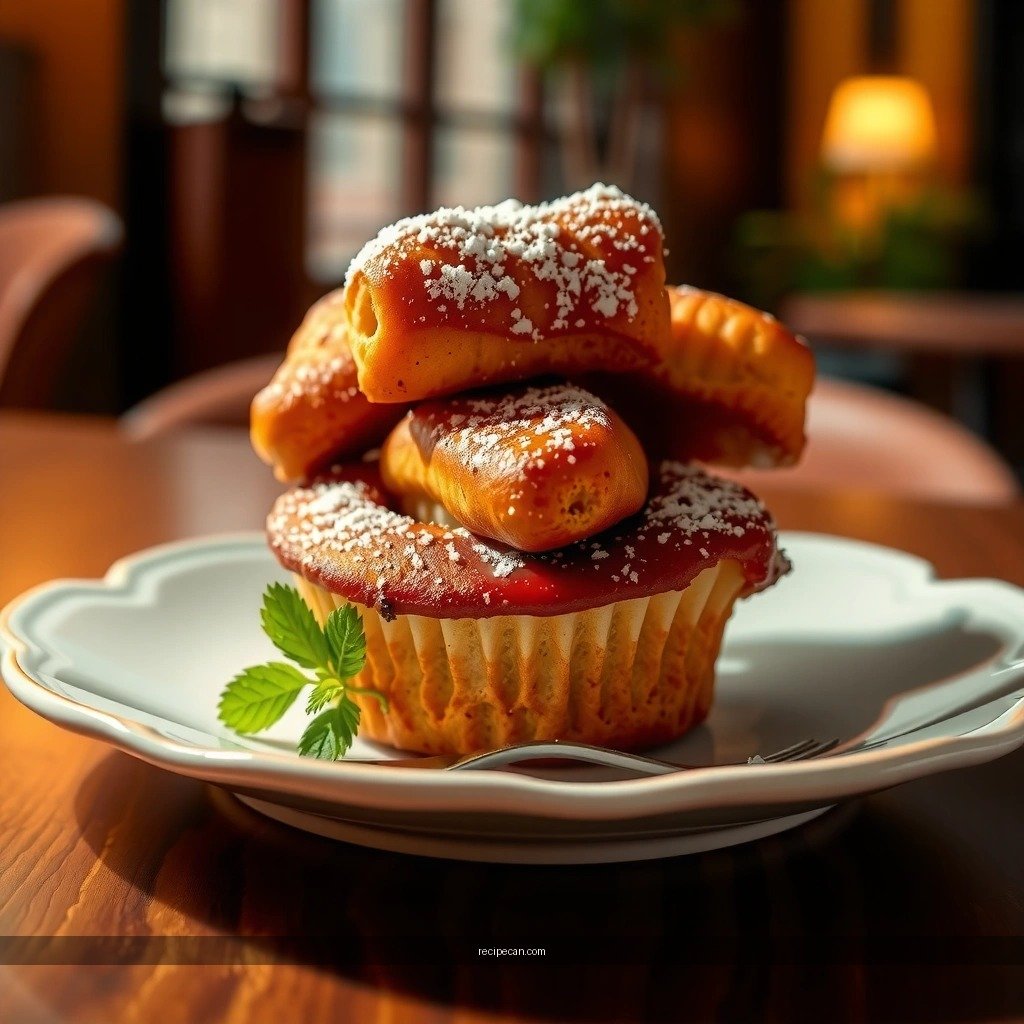
– Cube bread, coat evenly in the egg mixture, and fill muffin cups
– Bake at a consistent temperature until puffed and lightly browned
– Let them rest briefly so they set and don’t collapse
This is the core advantage of baked French toast: instead of flipping slices, you distribute custard through cubes and let heat do the rest. The process is straightforward, but a few timing details make the difference between “good” and “great.”
1. Preheat and prep the pan
– Preheat your oven (commonly 375°F / 190°C for even custard set).
– Grease a muffin tin thoroughly or use liners. Greasing matters even with liners—especially in the corners—because moisture can cause sticking.
2. Cube the bread
– Cut into 1-inch cubes (or slightly smaller for mini muffins).
– Aim for uniform size so each French toast muffin bakes with similar texture.
3. Whisk the cinnamon-egg mixture
– In a bowl, whisk eggs, milk/cream, sugar, cinnamon, vanilla, and a pinch of salt.
– Whisking until the mixture looks evenly colored prevents streaks of egg and gives consistent browning.
4. Coat the bread
– Add bread cubes to the custard and toss until fully coated.
– Let the mixture sit 30–60 seconds (not minutes) if your bread is fresh; up to 2 minutes if your bread is very dry. Over-soaking can make muffins dense rather than custardy.
5. Fill muffin cups
– Spoon bread cubes into each muffin cup.
– Pack lightly—just enough to hold shape. Tight packing can prevent puffing.
6. Bake until puffed and golden
– Bake until the tops are lightly browned and the centers are set. A quick indicator: the muffins should look “set” (not wet) in the middle when gently tapped.
7. Rest before serving
– Rest 5 minutes. This brief set period prevents collapse and helps custard firms up for clean, bakery-style bites.
For best operational consistency—think meal prep or serving a group—bake one test muffin. If it’s under-set, add 2–3 minutes to the batch; if it’s too dry, reduce by 2 minutes or lighten the rest time in the next run.
Best Bread and Pan Tips
– Use brioche, challah, or thick-cut white bread for rich flavor
– Grease the muffin tin (or use liners) to prevent sticking
– Don’t over-soak—dip just long enough for even texture
Selecting the correct bread is the biggest driver of texture. Since French toast muffins bake, you want bread that can absorb custard without disintegrating. The pan setup is the second most important factor because baked custard behaves like a delicate pudding—remove too early or skip greasing and you risk tearing.
Bread choice by outcome:
– Brioche: Highest richness and tender crumb; excellent for “fluffy” results.
– Challah: Similar richness with a slightly denser bite; holds cubes together well.
– Thick-cut white bread: Reliable and budget-friendly; best when slightly stale or lightly dried.
– Sourdough: Works, but choose milder sourdough and keep soaking shorter so the crusty texture doesn’t harden.
Pan tips that prevent common failures:
– Grease + optional liners: If using liners, still grease them lightly. This makes removal cleaner.
– Avoid overfilling: Too much bread can force the muffins to dome and then sink; aim for even fill level across cups.
– Uniform cube size: Inconsistent cubes bake unevenly—small pieces set faster and can dry out while large pieces remain underdone.
How to Get Fluffy, Golden Results
– Stir the custard well for a smooth, consistent coating
– Keep oven preheated so the muffins rise properly
– For extra crisp edges, broil for 1–2 minutes at the end (optional)
Fluffiness comes from two things working together: proper custard hydration and oven heat stability. When the oven temperature is inconsistent, the egg mixture doesn’t set on schedule; that leads to uneven puffing and a heavier texture.
Technical levers you can control:
1. Custard mixing
– Whisk until eggs are fully incorporated and sugar is dissolved.
– Sugar helps browning, but lumps can create sticky pockets.
2. Don’t let bread sit too long
– Bread should be coated—not bathed. If cubes look saturated and heavy before baking, reduce soak time next batch.
3. Oven preheat
– Put the muffins into a fully preheated oven to trigger immediate rise.
– If you use convection, you may need a slightly shorter bake time.
4. Golden top strategy (optional)
– For crisp edges and deeper color, broil 1–2 minutes at the end.
– Watch closely: broilers can go from perfect to over-browned quickly.
A helpful benchmark: you’re aiming for custardy centers with springy crumb. If muffins are puffed on top but collapsing instantly, increase resting time by 2–3 minutes and consider slightly less liquid next time.
Serving Ideas and Toppings
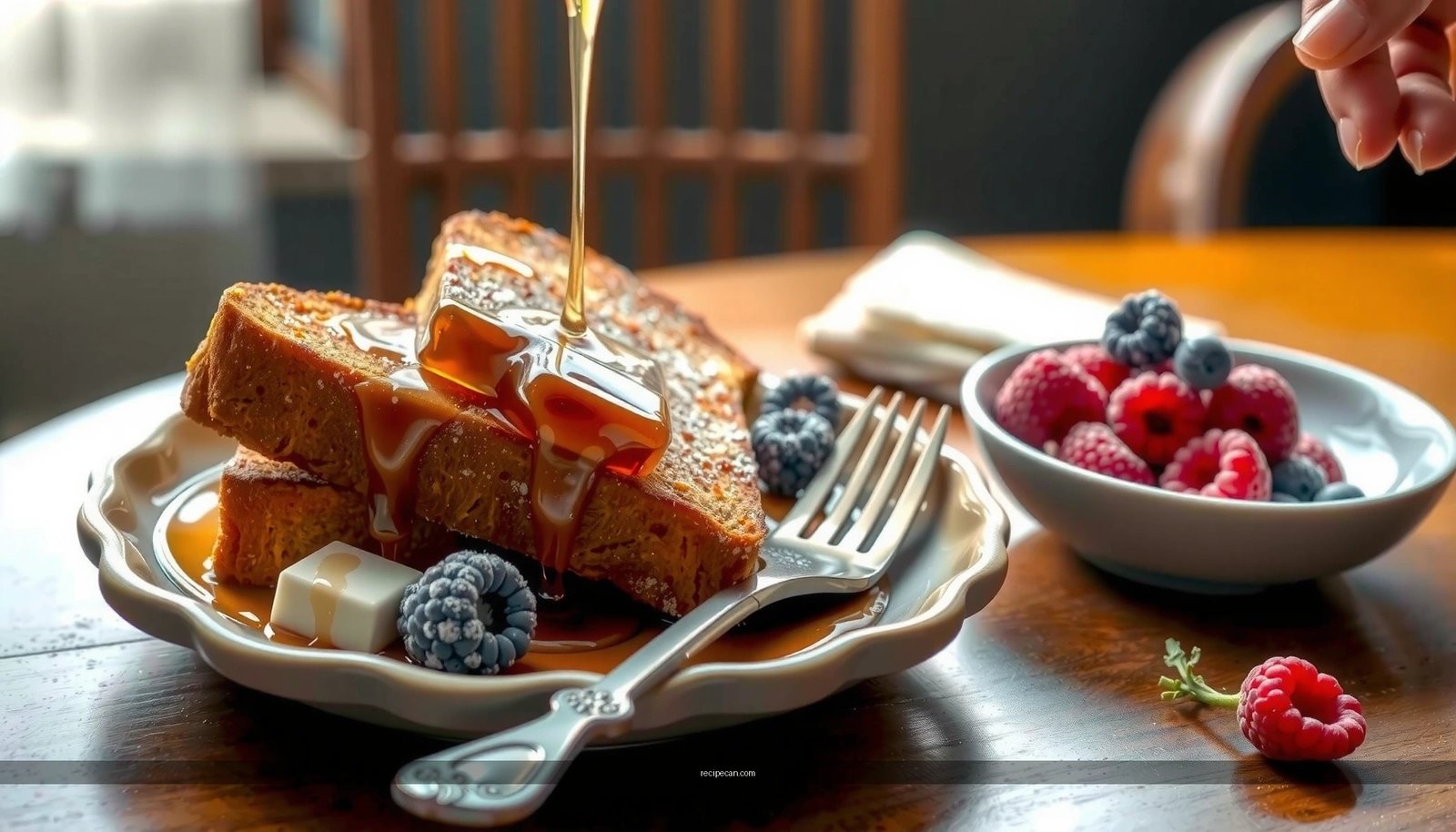
– Classic: maple syrup, butter, and a dusting of powdered sugar
– Fruity: fresh berries or sliced bananas
– Make it special: whipped cream or a drizzle of cinnamon glaze
French toast muffins are naturally versatile. Since they’re already portioned, toppings should be chosen for either contrast (crisp vs. creamy) or moisture balance (syrup without making them soggy).
High-impact serving options:
– Classic performance: Maple syrup + butter, finished with powdered sugar for visual “breakfast café” appeal.
– Fruit brightness: Berries add acidity that cuts through sweetness; bananas bring a caramel note. For best texture, add fruit right before serving.
– Special occasion: Cinnamon glaze (powdered sugar + cinnamon + a small amount of milk/cream) or whipped cream for a dessert-leaning finish.
If you’re serving for guests or a team breakfast, consider a topping station: bowls of syrup, fruit, and a dusting option. That reduces service time and improves consistency across portions.
Storage and Reheating
– Store leftovers in an airtight container in the fridge for up to 3 days
– Reheat in the oven or air fryer to restore crispness
– Freeze baked muffins and rewarm straight from frozen when needed
Meal-prep French toast muffins are one of the few breakfasts that reheat well without turning rubbery. The key is using dry heat (oven/air fryer) rather than microwaving everything at once—microwaves can soften the edges too much.
Best storage practices:
– Refrigerator: Store in an airtight container for up to 3 days.
– Freezer: Cool fully first, then freeze in a single layer and transfer to a container or bag. This prevents sticking and makes “grab-and-go” easy.
Reheating methods (choose based on time):
– Oven: Reheat at a moderate temperature until warmed through and edges regain a little crispness.
– Air fryer: Often the quickest route to restore texture—particularly if you broiled for crisp tops originally.
– From frozen: Rewarm straight from frozen, then allow 1–2 minutes to settle before eating.
For best eating quality, don’t drench reheated muffins in syrup right away. Warm them first, then add toppings at serving time.
French toast muffins are an easy, baked twist on a breakfast favorite—just cube, dip, and bake until golden. With thick bread, a well-mixed cinnamon-egg custard, and a short rest before serving, you’ll get consistently fluffy results that are faster than traditional French toast and ideal for batch cooking.
Frequently Asked Questions
What is the best French toast muffins recipe for meal prep?
The best French toast muffins recipe uses a rich custard made from eggs, milk (or half-and-half), vanilla, and cinnamon, then bakes muffins until puffed and golden. For meal prep, use day-old bread or thick-cut bread for better texture and less sogginess, and portion them evenly so they bake consistently. Once cooled, store in an airtight container in the fridge for up to 4 days and reheat in the microwave or toaster oven for quick breakfasts.
How do you prevent soggy French toast muffins?
To prevent soggy French toast muffins, make sure the bread cubes soak briefly but aren’t swimming in custard—typically 10–15 minutes is enough for most bread. Use bread that’s not too fresh (slightly stale works best) and pack the muffin cups loosely so steam can escape while baking. Also, preheat the oven fully and bake until the tops spring back and the centers are set, then cool for a few minutes before removing from the pan.
Which bread works best for French toast muffins?
Brioche, challah, and French bread are top choices because they’re sturdy, absorb custard well, and give a tender, custardy inside. If you prefer a lighter result, use sourdough or Texas toast, but cut it into small cubes so it soaks through without becoming mushy. Avoid very soft sandwich bread unless you adjust by soaking for a shorter time and using slightly less milk in the egg mixture.
Why do French toast muffins stick to the pan, and how can you stop it?
French toast muffins stick most often because the pan isn’t greased well enough or because the muffins are removed too soon while they’re still fragile. Grease the muffin tin thoroughly with butter or nonstick spray and consider lining with paper liners for easy release. Let the baked muffins rest 5 minutes before lifting them out, which helps them set and hold their shape.
How do you store and reheat French toast muffins for the best flavor?
Store French toast muffins in the refrigerator in an airtight container, then reheat in a toaster oven or oven at 325°F (165°C) for 6–10 minutes to keep the edges crisp. For faster reheating, microwave in short bursts, but expect a softer texture compared to oven reheating. If you want to freeze them, cool completely, freeze in a single layer, then transfer to a freezer bag; reheat straight from frozen until hot throughout.
References
- Google Scholar Google Scholar
https://scholar.google.com/scholar?q=french+toast+muffins+recipe - https://scholar.google.com/scholar?q=baked+french+toast+muffins Google Scholar
https://scholar.google.com/scholar?q=baked+french+toast+muffins - Google Scholar Google Scholar
https://scholar.google.com/scholar?q=oven+baked+french+toast+recipe+muffin+tin - French toast
https://en.wikipedia.org/wiki/French_toast - Muffin
https://en.wikipedia.org/wiki/Muffin - Custard
https://en.wikipedia.org/wiki/Custard - Breadcrumbs
https://en.wikipedia.org/wiki/Breadcrumbs - https://www.britannica.com/recipe/French-toast
https://www.britannica.com/recipe/French-toast - Easy French toast recipe | Good Food
https://www.bbcgoodfood.com/recipes/french-toast - https://cooking.nytimes.com/recipes/1016026-french-toast
https://cooking.nytimes.com/recipes/1016026-french-toast