Want the easiest way to make French toast recipe that turns out golden, custardy, and never soggy? This step-by-step guide walks you through soaking the bread, cooking the slices to perfect browning, and serving with quick, reliable results. If you follow the method exactly, you’ll get café-style French toast at home without guesswork.
French toast is made by soaking thick bread in a quick egg–milk custard, then pan-frying it in butter until the outside turns crisp and golden while the center stays tender and custardy. Below is an easy, step-by-step French toast recipe with exact soak times, cooking windows, and practical adjustments so you can consistently get a restaurant-quality result at home.
Choose the Right Bread
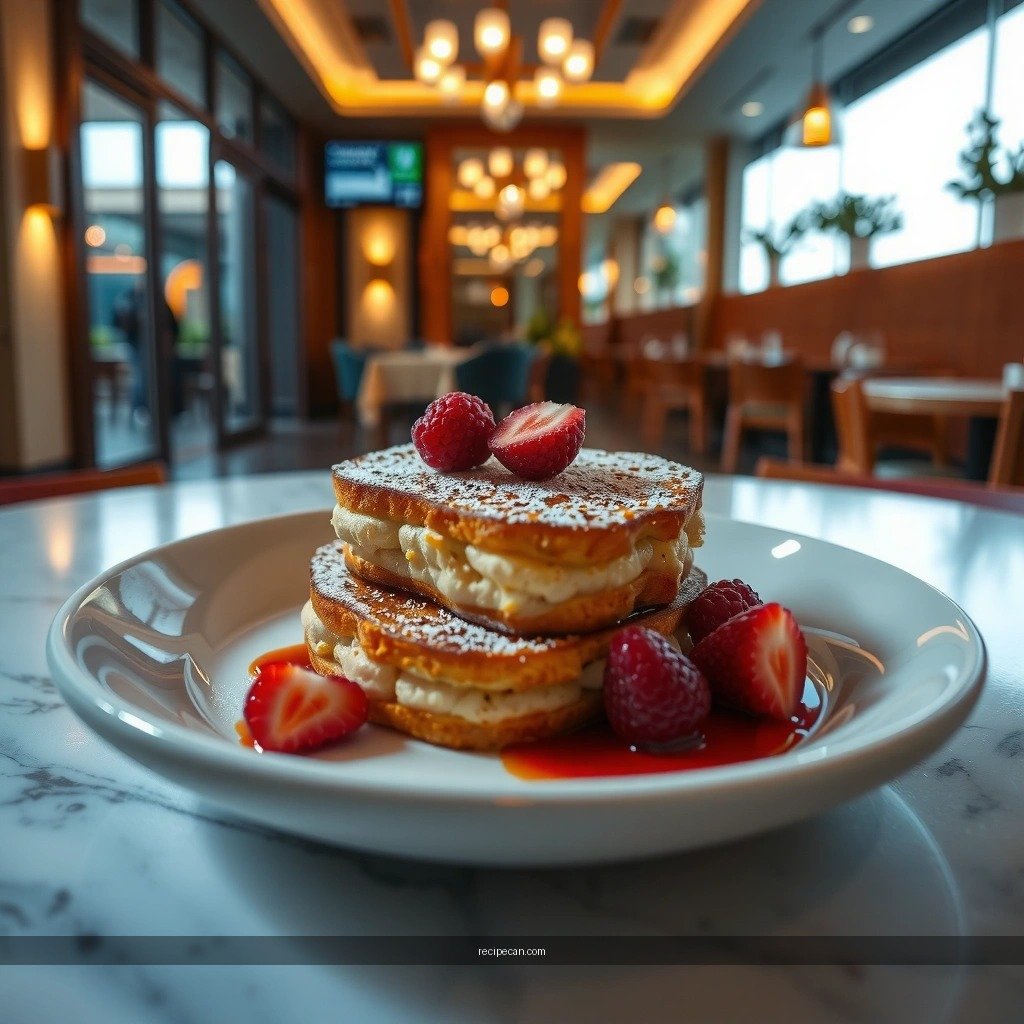
The bread choice determines 80% of your final texture. French toast works best when the bread has enough structure to hold custard without collapsing.
– Use thick-sliced bread like brioche, challah, or Texas toast for best texture
– Brioche brings buttery richness and a soft, custard-like interior.
– Challah offers an airy crumb and slightly sweet flavor that caramelizes beautifully.
– Texas toast is thick and sturdy, making it ideal for cooks who prefer a more custard-forward center.
– Slightly stale bread absorbs custard better and prevents sogginess
– Fresh bread is “too bouncy”—it absorbs liquid quickly on the surface but can stay undercooked inside.
– Stale bread (or bread that’s been uncovered for a few hours) creates micro-channels in the crumb that allow egg mixture to soak in evenly.
– If your bread isn’t stale: toast slices lightly on one side for 30–60 seconds, then cool before soaking.
– Recommended thickness
– Aim for 3/4 to 1-inch slices. Thinner bread tends to over-brown before the center warms through.
– Quick business-style quality check
– If you press a slice gently with a finger and it springs back slowly, it’s usually ideal for custard soaking. If it springs back immediately, let it sit a bit longer.
French Toast Bread Suitability (Home Kitchen, 7 Options)
| # | Bread Type | Best Soak Time | Crisp Potential | Custard Hold | Outcome Rating |
|---|---|---|---|---|---|
| 1 | Brioche | 20–30 sec/side | High | Excellent | ★★★★☆ |
| 2 | Challah | 20–35 sec/side | High | Excellent | ★★★★☆ |
| 3 | Texas Toast | 25–40 sec/side | Medium-High | Very Good | ★★★★☆ |
| 4 | Sourdough | 30–45 sec/side | High | Good | ★★★☆☆ |
| 5 | White Sandwich Bread | 10–20 sec/side | Low-Med | Fair | ★★☆☆☆ |
| 6 | Whole Wheat | 25–35 sec/side | Medium | Good | ★★★☆☆ |
| 7 | Baguette (Thin) | 15–25 sec/side | High | Limited | ★☆☆☆☆ |
Make the Egg Mixture
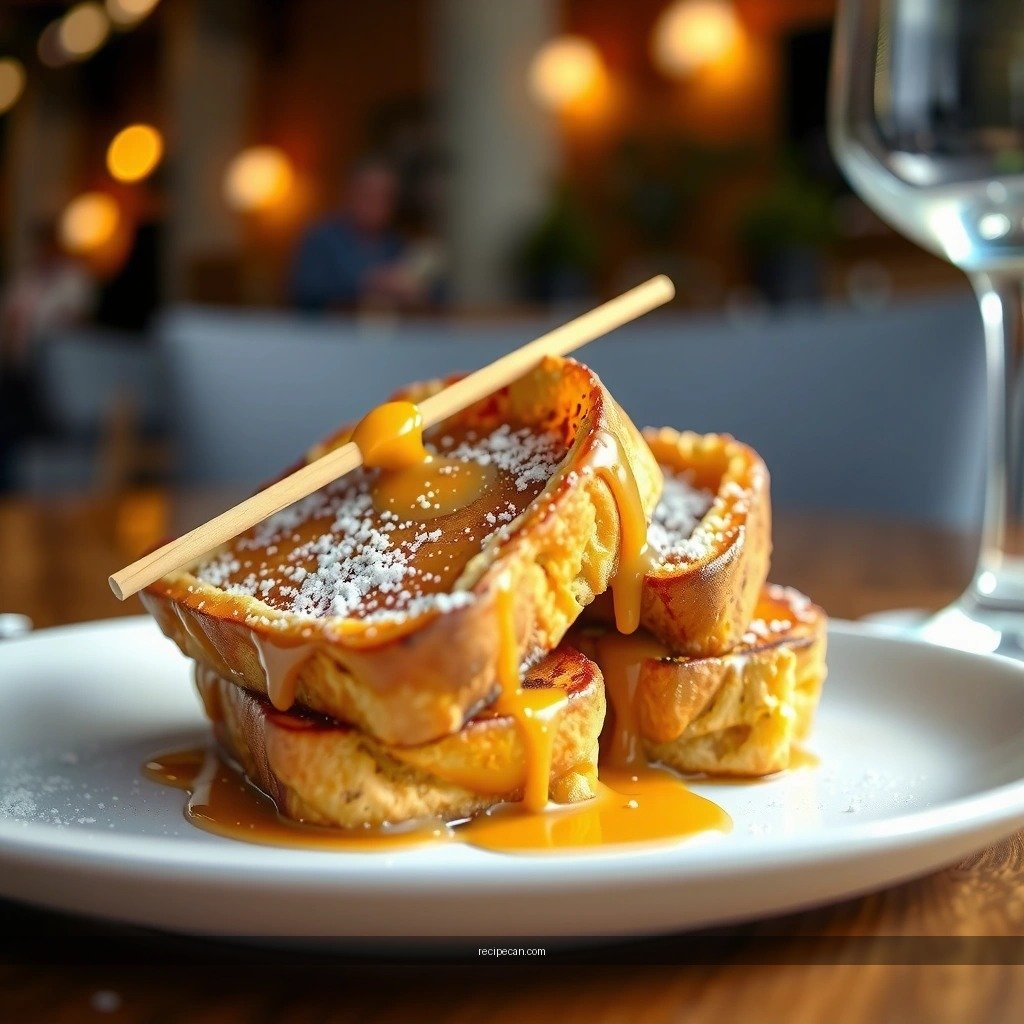
A classic French toast egg mixture is simple, fast, and reliable—just custard-like enough to flavor and tenderize the bread without turning it into pudding.
– Whisk eggs with milk (or cream), sugar (optional), and a pinch of salt
– Use whole milk for a balanced flavor and texture.
– For a richer, more indulgent French toast: use half-and-half or light cream.
– Salt matters—even if you use sweet toppings—because it sharpens flavor and improves browning.
– Add vanilla and cinnamon for classic flavor
– Vanilla rounds out the custard and makes French toast taste “bakery-familiar.”
– Cinnamon contributes warmth and helps create a caramelized impression on the surface.
– Practical ratio guidance (so you don’t guess)
– For 6 slices of thick bread, a typical starting point is 3 eggs + 1 cup milk.
– If you want thicker custard adherence, reduce milk slightly (e.g., 3 eggs + 3/4 cup milk).
– If your toast browns too quickly, slightly dilute sweetness (skip sugar or reduce it).
– Optional upgrades for consistency
– Let the custard rest 2 minutes after whisking. This helps the mixture hydrate evenly.
– Add nutmeg (tiny pinch) for complexity without overpowering cinnamon.
– If cooking for a group, mix in a larger bowl and use a wide container so each slice can soak evenly.
Soak and Prep for Cooking
Soaking is where most home cooks either underperform (dry toast) or overdo it (soggy toast). The goal is brief surface saturation and controlled interior hydration.
– Soak each slice briefly (about 20–30 seconds per side)
– For brioche/challah: 20–30 seconds per side is typically enough.
– For denser breads like Texas toast: you can edge toward 30–40 seconds per side.
– For thinner sandwich bread: keep it closer to 10–15 seconds per side.
– Let excess mixture drip off so the toast cooks evenly
– Lift the slice and hold it over the bowl for 5–10 seconds.
– This step reduces pooling in the pan and prevents “egg rings” at the bottom.
– SOP for repeatability
1. Preheat skillet first (medium heat).
2. Mix custard while pan heats.
3. Soak 1–2 slices at a time to prevent uneven soaking.
4. Cook immediately after draining.
– Food-safety note (quick but important)
– If you’re using egg, keep the soaking time controlled and don’t leave the bread sitting in raw egg mixture for long periods.
Cook Until Golden and Fluffy
Cooking is the second control point. You’re balancing browning (Maillard reaction and butter caramelization) with internal set (custard coagulation).
– Heat a skillet over medium and melt butter (or use a butter-oil combo)
– Medium heat is the sweet spot: high enough for browning, not so high that the outside burns before the inside sets.
– Butter alone can scorch; a butter-oil combo (butter + a neutral oil like canola or avocado) increases tolerance and improves crispness.
– Cook 2–4 minutes per side until browned and set
– Look for:
– Edges pulling slightly away from the bread
– Golden-brown surface (not dark brown)
– Custard that appears set in the center
– How to test doneness without tearing
– Press the center gently with a spatula: it should feel springy and firm, not liquid.
– If you have a thermometer, aim for internal warmth around 160–165°F (71–74°C)—especially important for thicker slices.
– Batch cooking tip
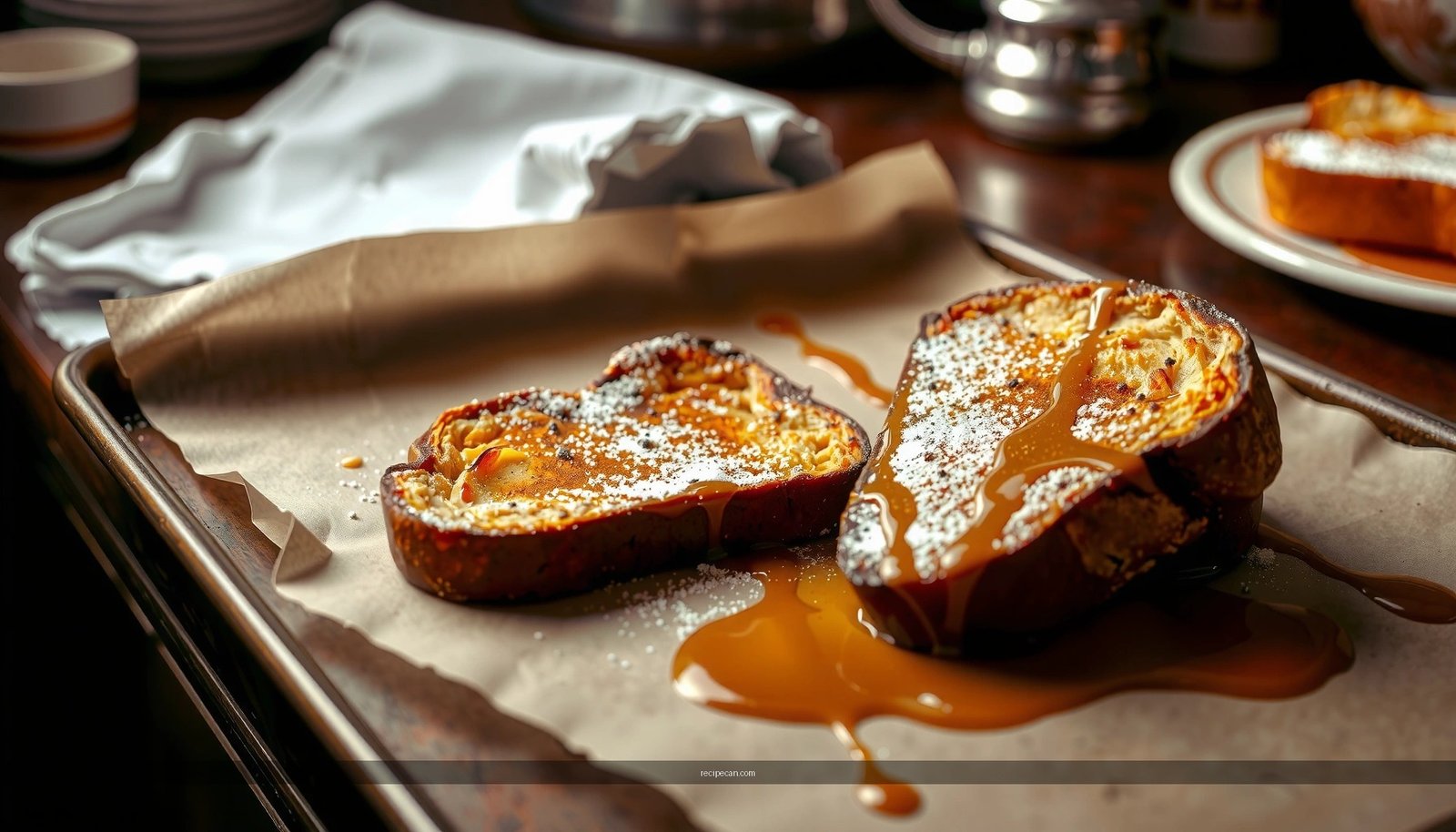
– If making multiple servings, keep cooked French toast warm on a sheet pan in a 200°F (93°C) oven while finishing the rest. Avoid microwaving, which softens the crisp exterior.
Serve and Customize
French toast is a flexible platform. The “classic” version is vanilla + cinnamon + maple syrup, but customization is where it becomes uniquely yours—and can align with dietary goals.
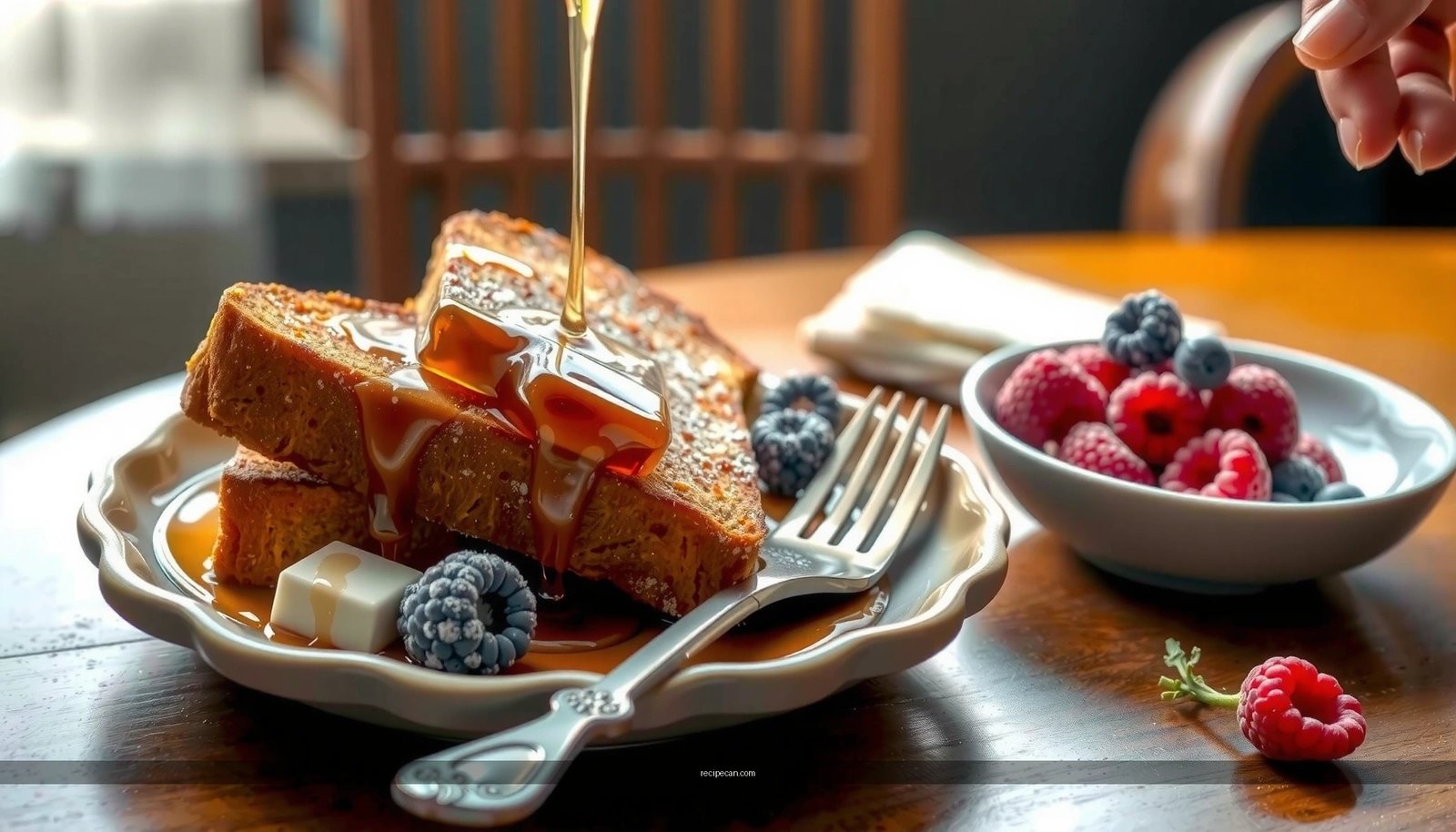
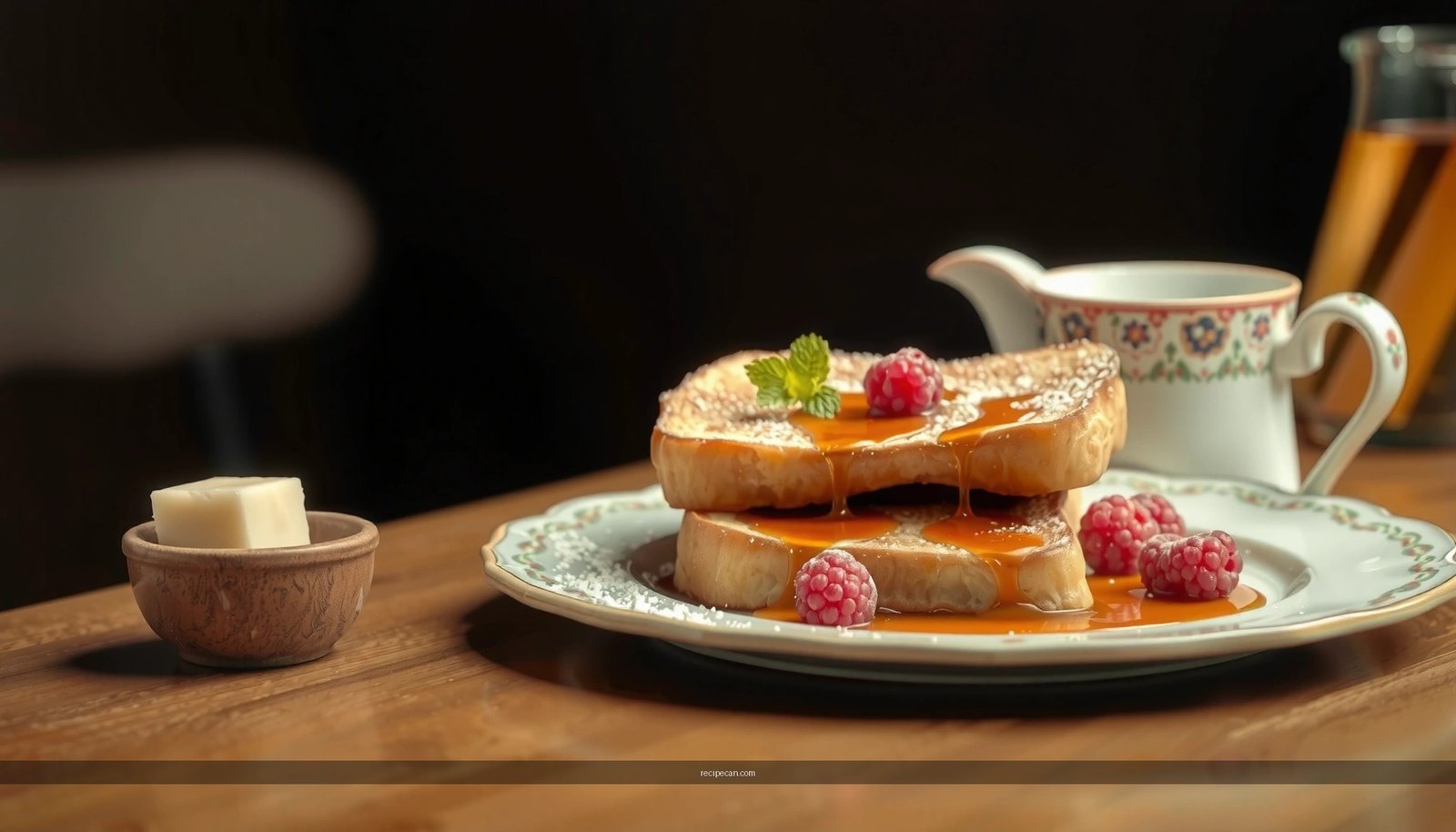
– Top with maple syrup, fresh berries, powdered sugar, or whipped cream
– Maple syrup + berries is a reliable flavor match: sweet + tart balance.
– Powdered sugar adds visual appeal with minimal extra sweetness.
– Try add-ins like chocolate chips, orange zest, or nutmeg
– Chocolate chips: fold in before cooking or sprinkle on after cooking (prevents burning).
– Orange zest: adds brightness and complements cinnamon.
– Nutmeg: pairs well with creamier custards.
– Three quick, high-impact serving ideas
– Classic: vanilla cinnamon custard + maple syrup + buttered toast finish
– Brunch-forward: strawberry compote + whipped cream + pinch of cinnamon
– Chef-style: brown butter drizzle + toasted pecans + lightly sweetened yogurt
– Portion strategy
– For a complete plate: serve 2 slices per adult, and add fruit or yogurt to round out texture and reduce sweetness overload.
Troubleshooting Common Issues
French toast problems are usually process-related: soak time, pan temperature, or bread moisture content. Use these fixes to dial in your results quickly.
– If it’s soggy: soak less and cook on medium heat longer
– Soggy toast often comes from:
– Soaking too long (especially with soft bread)
– Too much heat causing uneven setting (outside done, inside not)
– Fix:
– Reduce soak time by 10–15 seconds per side
– Cook on medium, not medium-high
– Make sure the pan is hot before placing slices
– If it’s too dry: soak slightly longer or reduce pan heat so it stays tender
– Dry toast is usually:
– Under-soaked bread
– Pan too hot (custard sets too fast and dries out)
– Fix:
– Increase soak by 5–10 seconds per side
– Reduce heat slightly and cook a touch longer per side
– If it’s burning before it’s cooked through
– Your pan is too hot or butter is scorching.
– Fix:
– Switch to butter-oil combo
– Lower heat to medium-low and extend cook time
– If it’s pale and not caramelizing
– Custard may be too diluted or heat too low.
– Fix:
– Ensure medium heat is consistent
– Add a small amount of sugar to the custard (optional, but it helps browning)
French toast is as simple as soaking the bread in an egg-milk custard and cooking until golden brown—then topping it your way. Follow these steps for foolproof results, and make a batch today by trying one classic flavor combo (vanilla + cinnamon + maple syrup).
No matter how you customize it—berries, chocolate, citrus, or classic maple—mastering three control points (bread thickness, soak time, and medium-heat cooking) will give you consistently crisp, custardy French toast that tastes intentional, not accidental.
Frequently Asked Questions
How do you make French toast from scratch?
Whisk together eggs, milk (or half-and-half), vanilla extract, cinnamon, and a pinch of salt. Dip bread slices into the custard and let them soak briefly so the center becomes tender. Cook on a preheated skillet or griddle over medium heat until golden brown on both sides, then serve immediately. Using thicker bread like brioche or challah helps you get a custardy French toast recipe that doesn’t turn soggy.
What’s the best bread for French toast?
The best bread for French toast is sturdy and slightly stale, such as brioche, challah, Texas toast, or sourdough bread. Stale bread absorbs the egg mixture better while still holding its shape, which is key for classic French toast. If your bread is fresh, you can toast it lightly or leave it out overnight before soaking.
How long should you soak bread for French toast?
Soak each side for about 10–30 seconds, depending on thickness and freshness. Thicker bread needs a little more time, while very soft bread may break apart if soaked too long. The goal of this French toast recipe is even absorption with a firm exterior, so avoid letting bread sit in the custard until it becomes mushy.
Why does French toast get soggy, and how do you fix it?
French toast turns soggy when the bread is over-soaked or the skillet isn’t hot enough, causing the custard to steam instead of set. Use medium heat and cook until the outside is golden, which helps the interior firm up. For a quick fix, let cooked French toast rest on a wire rack so steam can escape, or rewarm in a hot oven for crisp edges.
Which toppings go best with French toast?
Popular French toast toppings include maple syrup, powdered sugar, fresh berries, sliced bananas, and whipped cream. For extra flavor, add butter, a drizzle of honey, or a sprinkle of toasted nuts like pecans. If you want a classic French toast recipe feel, cinnamon and berry compote pair especially well with the eggy, vanilla custard.
References
- French toast
https://en.wikipedia.org/wiki/French_toast - Easy French toast recipe | Good Food
https://www.bbcgoodfood.com/recipes/french-toast - https://www.theguardian.com/food/2017/mar/06/best-french-toast-recipe
https://www.theguardian.com/food/2017/mar/06/best-french-toast-recipe - https://cooking.nytimes.com/recipes/1014373-classic-french-toast
https://cooking.nytimes.com/recipes/1014373-classic-french-toast - https://www.britannica.com/food/french-toast
https://www.britannica.com/food/french-toast - https://www.cdc.gov/foodsafety/communication/eggs.html
https://www.cdc.gov/foodsafety/communication/eggs.html - https://www.fsis.usda.gov/food-safety/safe-food-handling-and-preparation/food-safety-basics/eggs
https://www.fsis.usda.gov/food-safety/safe-food-handling-and-preparation/food-safety-basics/eggs - Google Scholar Google Scholar
https://scholar.google.com/scholar?q=how+to+make+french+toast+recipe - Google Scholar Google Scholar
https://scholar.google.com/scholar?q=french+toast+technique+milk+eggs+soak+and+frying - Google Scholar Google Scholar
https://scholar.google.com/scholar?q=french+toast+brioche+custard+ratio+food+science