Get a French toast recipe no milk that still comes out custardy, golden, and sliceable—no dairy required. This version wins for readers who want the real “custard soak” texture without using milk, by using easy dairy-free ingredients you can find fast. It answers the key question: how to make French toast taste rich and eggy while staying truly milk-free.
French toast without milk is absolutely achievable: use a dairy-free liquid (like oat or almond milk) to create the custardy egg soak, then cook briefly on medium heat to set the center without making the bread gummy. In this recipe, you’ll get crisp edges and a tender, spoonable middle by controlling three variables—your substitute, your soak time (20–30 seconds per side), and your pan temperature.
No-Milk Substitute Options
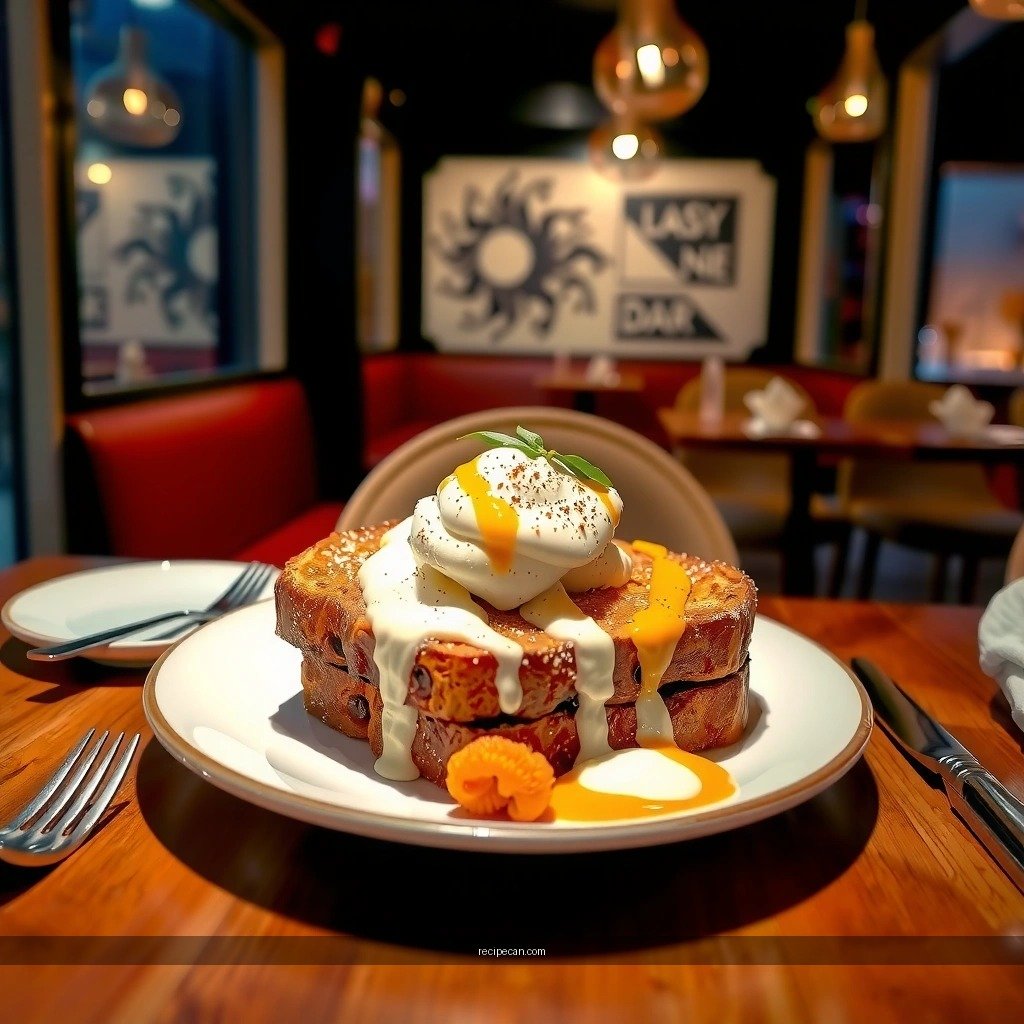
Choosing the right “no milk” base is the difference between French toast that tastes like classic brunch and French toast that’s flat or soggy. The goal is to keep enough liquid in the egg mixture to soak and coat the bread, while still allowing the center to set as it cooks.
– Use dairy-free milk (almond, oat, soy) for the closest “classic” result
– Oat milk tends to be thicker and sweeter, which supports browning and a creamy texture.
– Soy milk has higher protein, which can help the custard feel more custardy and less watery.
– Almond milk is lighter; it works well but can sometimes produce a slightly drier center unless your bread is thick and you avoid over-soaking.
– Or use water with a little extra egg for a quick no-milk base
This is a practical option if you’re out of dairy-free milk. A small adjustment—like adding a bit more egg—helps maintain custard structure because eggs are the real “thickener” here.
– Choose based on flavor: vanilla/oat milk for sweetness, unsweetened for control
If you’re adding vanilla and a sweetener yourself, unsweetened almond or oat milk keeps the flavor balanced and predictable.
—
Ingredients You’ll Need
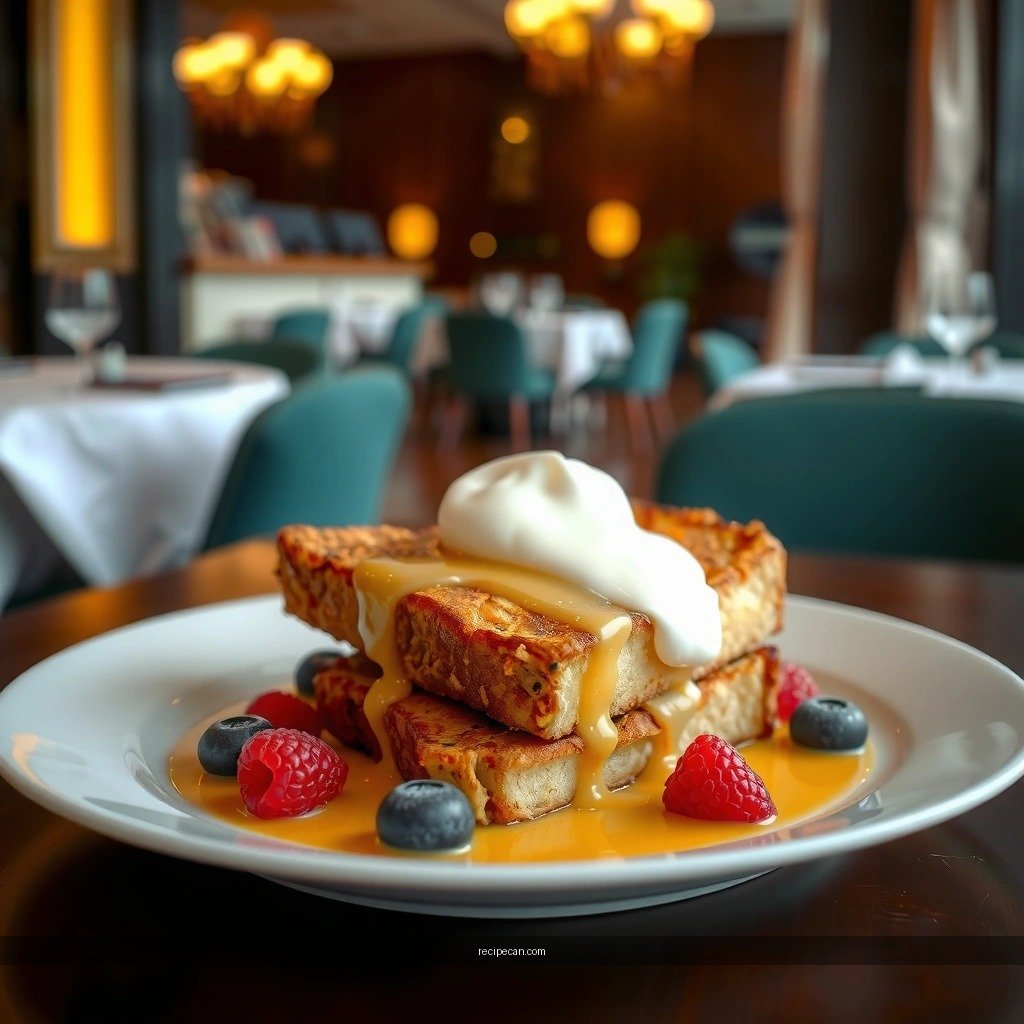
French toast flavor is remarkably consistent across dairy and no-milk versions. The custard is still egg-forward; the milk (or substitute) mainly affects richness, soak behavior, and browning.
– Bread: thick-sliced bread (brioche-style, challah, French bread, or a sturdy sandwich loaf)
– Eggs: the binding and custard-setting component
– Cinnamon: for warm, classic French-toast aroma
– No-milk liquid: your chosen substitute (oat, soy, almond, or water + extra egg)
– Sweetener (optional but recommended): sugar, brown sugar, maple syrup, or a sweetener of your choice
– Vanilla (optional): boosts aroma and makes dairy-free French toast taste “complete”
Quick decision guide (so you don’t waste a loaf)
– If you want the richest, custardiest bite: pick oat milk or soy milk, and use thick slices.
– If you want clean, not-too-sweet French toast: use unsweetened oat/almond milk and control sweetness with your topping.
—
No-Milk Soak Performance by Dairy-Free Base (Per 1 Egg + 1/2 Cup Liquid)
| # | Liquid Substitute | Texture Score (★) | Soak Tolerance (Best Soak) | Browning/Caramelization | Overall Result |
|---|---|---|---|---|---|
| 1 | Oat milk (unsweetened) | ★★★★★ | 20–30 sec/side | High | +9 |
| 2 | Soy milk (unsweetened) | ★★★★☆ | 20–25 sec/side | Medium-High | +7 |
| 3 | Oat milk (vanilla) | ★★★★★ | 15–25 sec/side | High | +8 |
| 4 | Almond milk (unsweetened) | ★★★☆☆ | 15–20 sec/side | Medium | +3 |
| 5 | Almond milk (sweetened) | ★★★☆☆ | 15–18 sec/side | High | +2 |
| 6 | Coconut milk beverage | ★★★★☆ | 15–25 sec/side | Medium-High | +6 |
| 7 | Water + extra egg | ★★★☆☆ | 20–25 sec/side | Medium | +1 |
Step-by-Step: How to Make French Toast No Milk
Now that you’ve chosen your no-milk base, the method is what protects the custard texture. Dairy-free liquids can absorb quickly, so the key is short soaking and patient cooking.
1. Whisk the custard
In a shallow bowl, whisk:
– eggs
– cinnamon
– sweetener (if using)
– vanilla (if using)
– your chosen no-milk liquid
Whisk until fully smooth—especially if your sweetener is brown sugar or maple sugar, since undissolved bits can burn.
2. Soak bread briefly
– Place bread in the mixture for about 20–30 seconds per side.
– Lift and let excess drip back into the bowl for a second.
This “drip” step is important: it keeps the surface from being over-saturated before it hits the pan.
3. Cook on medium heat
– Preheat a skillet over medium heat.
– Melt vegan butter or use a neutral oil (avocado, grapeseed) to prevent sticking.
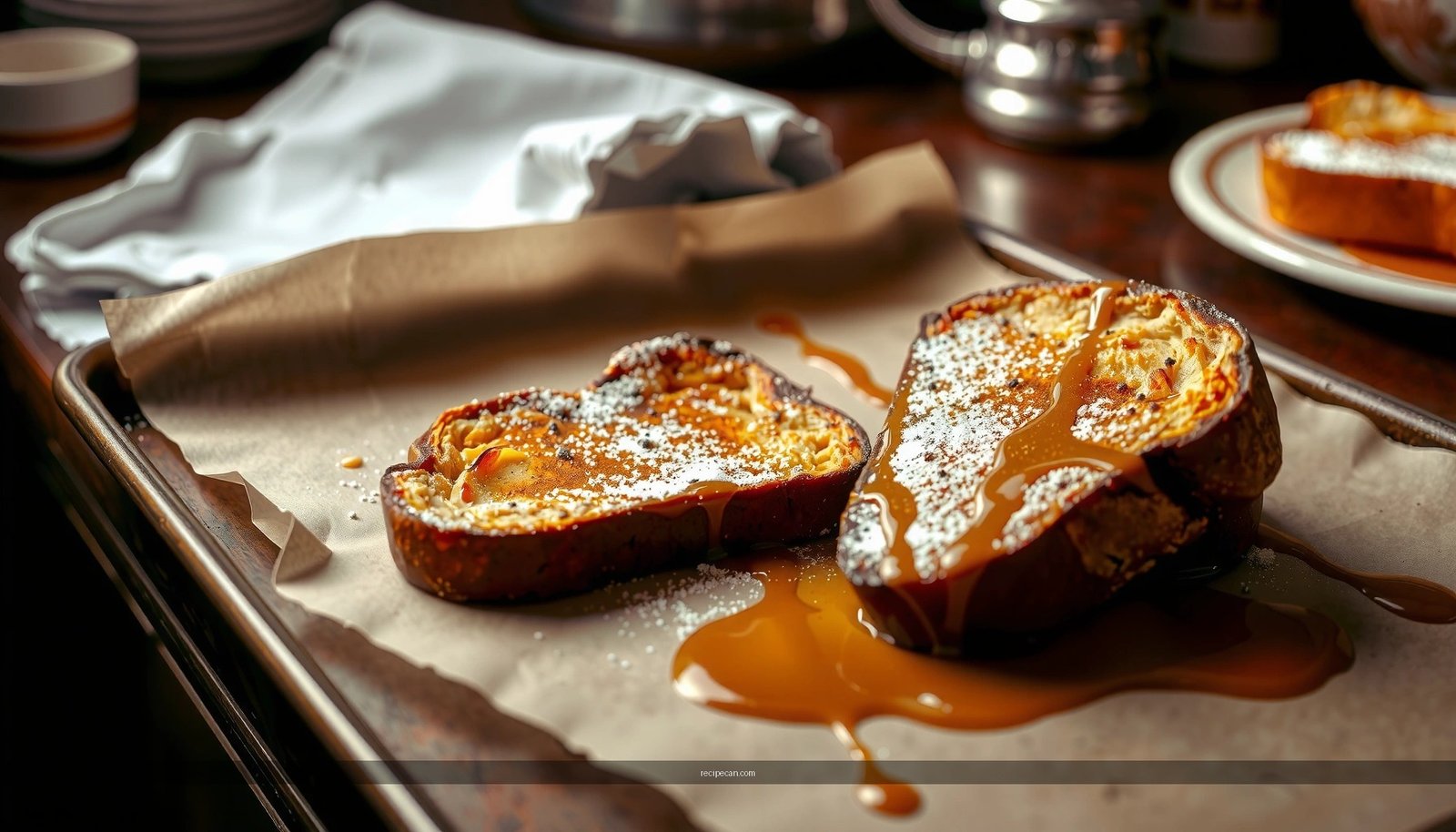
– Cook until golden brown, then flip. In most kitchens, plan for roughly 2–4 minutes per side depending on your bread thickness and pan heat.
4. Set the center before serving
– Transfer cooked slices to a plate.
– Let them rest 1–2 minutes so the center finishes setting and the crust stays crisp.
Analytical note: why “medium heat” matters
If the pan is too hot, the outside will brown before the egg custard sets, leading to a custard that feels underdone in the middle. If the pan is too cool, the bread absorbs more liquid than you intended and turns soft rather than custardy.
—
Best Bread and Texture Tips
Bread selection and handling determine whether your French toast turns into a tender custard or a soggy slice. For dairy-free versions, the margin for error is slightly tighter, so these tips pay off.
– Use day-old bread or thicker slices for better structure
Day-old bread is drier and more absorbent in a controlled way—so it drinks up the egg mixture without collapsing.
– Avoid over-soaking—dairy-free bases can absorb faster
Many dairy-free milks are blended for stability and may soak in quickly. Stick to 20–30 seconds per side and always drain briefly.
– Let cooked slices rest 1–2 minutes so the center sets
During the rest, heat redistributes, and the egg proteins continue to firm up. Skipping the rest is one of the most common reasons for “runny center” complaints.
– Use the “touch test”
When you lightly press the surface, it should feel springy rather than wet. If it feels squishy or sticky, your pan may be too cool or your soak too long.
—
Flavor Boosts and Toppings
French toast is as much about aroma as it is about texture. Since there’s no dairy milk to provide background sweetness, you’ll want to make the flavor intentional.
– Add nutmeg or a pinch of salt to deepen flavor
– A pinch of salt makes cinnamon taste richer.
– Nutmeg adds “bakery-style” warmth that reads as more indulgent.
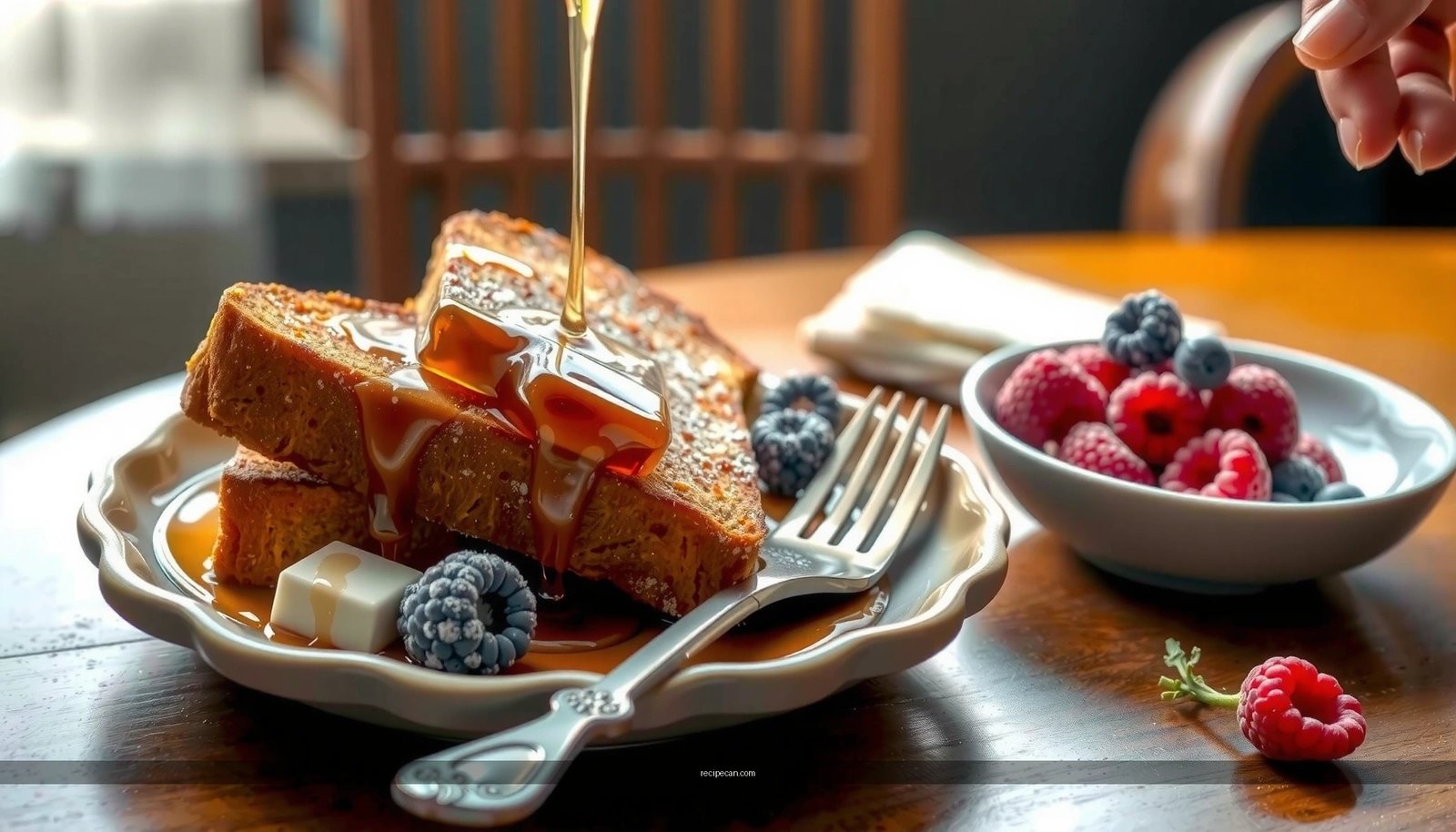
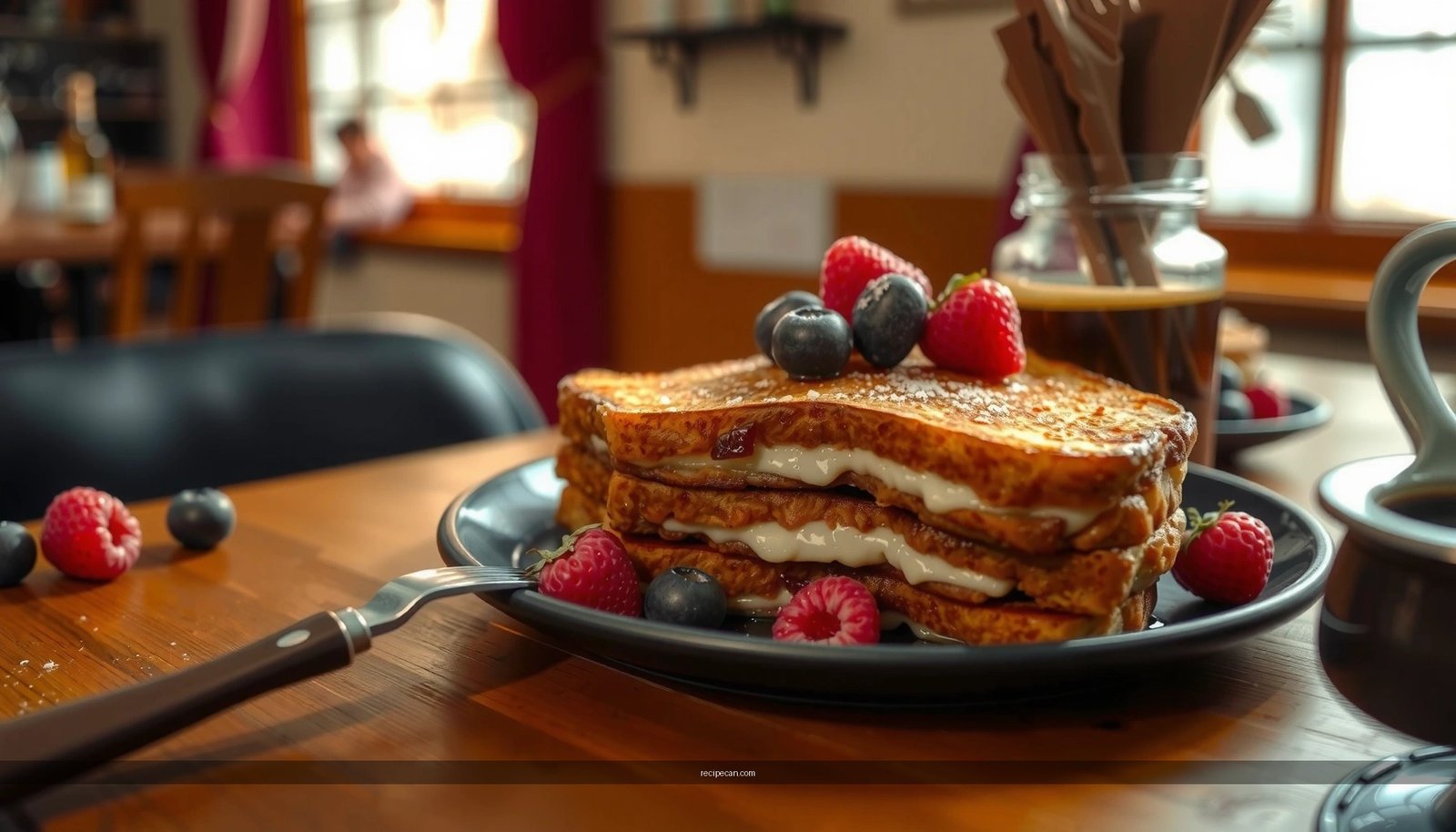
– Top with maple syrup, fresh fruit, or powdered sugar
These classics also help you “hide” any minor texture differences by adding contrast—sticky syrup plus crisp edges is a winning combination.
– For extra richness, use vegan butter or a drizzle of coconut cream
Vegan butter on top (or melted during cooking) increases perceived richness even in a no-milk recipe. Coconut cream works especially well if your substitute is coconut-based.
Practical topping strategy
– If your custard tastes flat, add sweetness on top (maple syrup) rather than extending soak time.
– If your custard tastes egg-heavy, add vanilla (next time) and slightly increase cinnamon. Both improve aroma without changing texture.
—
Storage and Reheating
French toast is best fresh, but you can absolutely meal-prep dairy-free without losing all the crispness.
– Store leftovers in an airtight container in the fridge
Let slices cool completely first, then refrigerate. Expect best quality within 1–2 days.
– Reheat in a toaster oven or skillet for crispness (microwave softens)
– Toaster oven: rewarm at a moderate temperature until hot and lightly re-crisped.
– Skillet: use a bit of oil or vegan butter to restore browning.
Microwaving makes the bread steam, which softens the edges and can bring moisture back into the slice.
– Best enjoyed within 1–2 days for ideal texture
By day three, the bread may lose structural crispness even if the flavor remains pleasant.
—
French toast no milk is totally doable—use a dairy-free milk (especially oat or soy) or a water-and-egg base, soak lightly (20–30 seconds per side), and cook on medium heat until golden. Prioritize thick slices and a short rest after cooking to lock in a custardy center and crisp edges, then finish with toppings like maple syrup and fruit for a restaurant-style brunch result. Make this recipe tonight, and if you want to compare outcomes, repeat it with one different substitute next time to see how each base changes soak speed and browning.
Frequently Asked Questions
What is a simple French toast recipe without milk?
A simple no-milk French toast recipe uses eggs plus a non-dairy liquid like water, almond milk, oat milk, or coconut milk—or even just club soda for extra lightness. Whisk eggs with cinnamon and vanilla, then soak thick bread for a few seconds per side. Cook on a buttered or oiled skillet until golden brown, then serve with maple syrup or fresh fruit.
How do I make French toast batter if I don’t have any milk?
If you don’t have milk, you can replace it with water plus a little creaminess from yogurt (if using dairy-free yogurt, keep it non-dairy) or a plant-based milk alternative. For a classic flavor without milk, use eggs, vanilla, cinnamon, and a small splash of oil or melted butter to keep the toast rich. If the mixture seems too thin, add a spoonful of flour or cornstarch to help it cling to the bread.
Why does French toast sometimes turn out soggy when there’s no milk?
Without milk, the custard mixture may be thinner and won’t coat the bread as well, which can lead to soggy French toast. Use thicker bread (like brioche, challah, or thick-cut Texas toast) and limit soaking time to about 10–30 seconds per side. Cook on medium heat so the outside browns before the center becomes watery.
Which non-dairy substitute is best for French toast without milk?
The best substitute depends on the texture you want: oat milk is creamy and forgiving, almond milk is lighter, and coconut milk adds a rich, slightly tropical flavor. If you want the closest “classic” feel, choose a barista-style or unsweetened oat milk and adjust sweetness with a pinch of sugar if needed. For a milk-free option using pantry staples, water works too, but you may want to add a touch of butter or oil for richness.
What’s the best way to cook French toast without milk so it’s crispy?
Cook French toast on medium to medium-high heat with a well-preheated skillet so the bread browns quickly and develops a crisp edge. Use a generous but not excessive amount of fat (butter, ghee, or neutral oil) and avoid crowding the pan, which traps steam. Once golden, flip only once, and serve immediately for the best French toast crispness and flavor.
References
- French toast
https://en.wikipedia.org/wiki/French_toast - https://www.britannica.com/topic/french-toast
https://www.britannica.com/topic/french-toast - Lactose intolerance – NHS
https://www.nhs.uk/conditions/lactose-intolerance/ - https://www.mayoclinic.org/diseases-conditions/lactose-intolerance/symptoms-causes/syc-20374232
https://www.mayoclinic.org/diseases-conditions/lactose-intolerance/symptoms-causes/syc-20374232 - The page you’re looking for isn’t available | NIAID: National Institute of Allergy and Infectious…
https://www.niaid.nih.gov/diseases-conditions/milk-allergy - Google Scholar Google Scholar
https://scholar.google.com/scholar?q=french+toast+without+milk+recipe - Google Scholar Google Scholar
https://scholar.google.com/scholar?q=dairy-free+french+toast+egg+bread+milk+substitute - Google Scholar Google Scholar
https://scholar.google.com/scholar?q=lactose-free+milk+substitute+french+toast+cooking - Lactose Intolerance | MedlinePlus
https://medlineplus.gov/lactoseintolerance.html - https://medlineplus.gov/foodallergies.html
https://medlineplus.gov/foodallergies.html