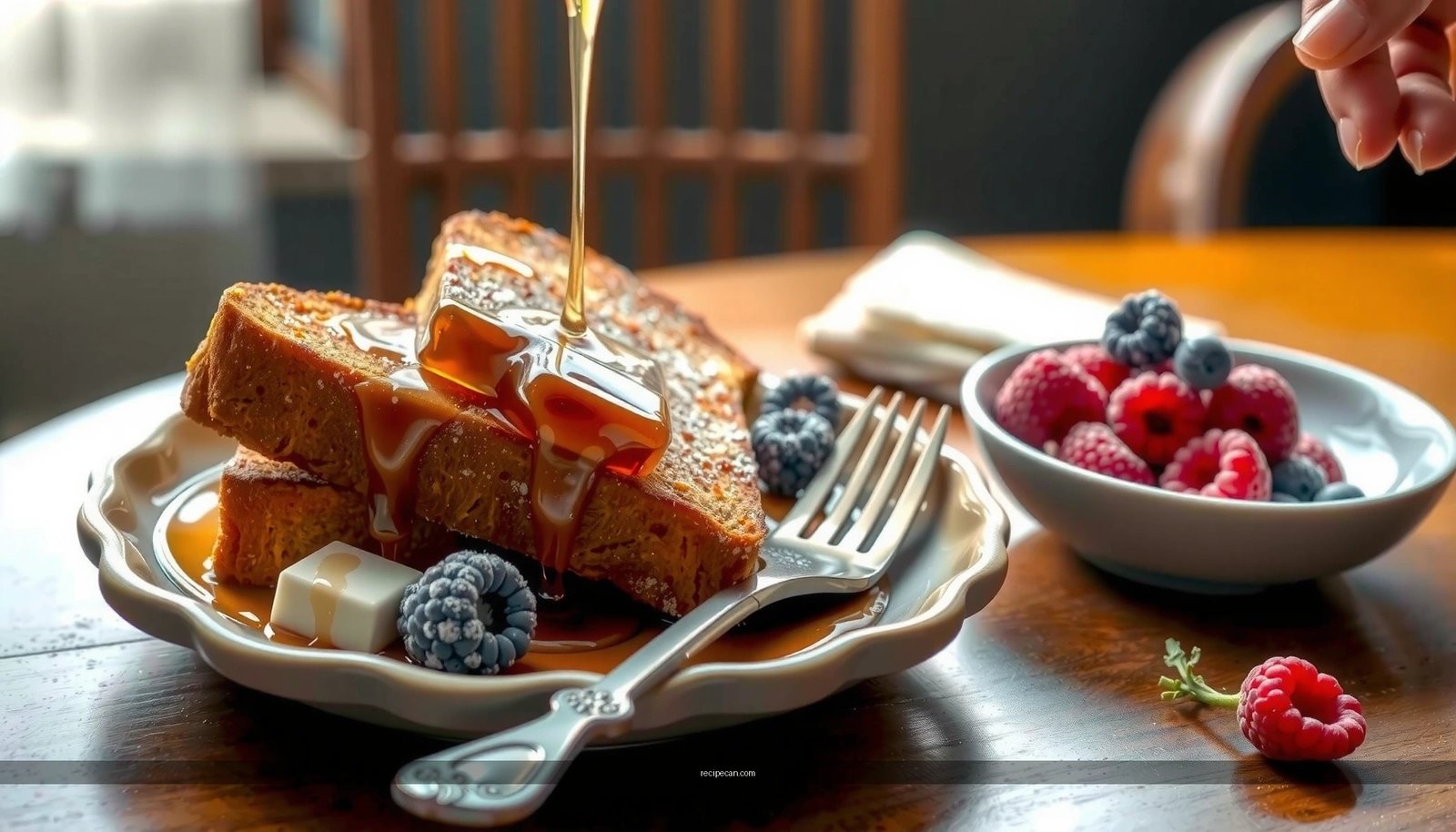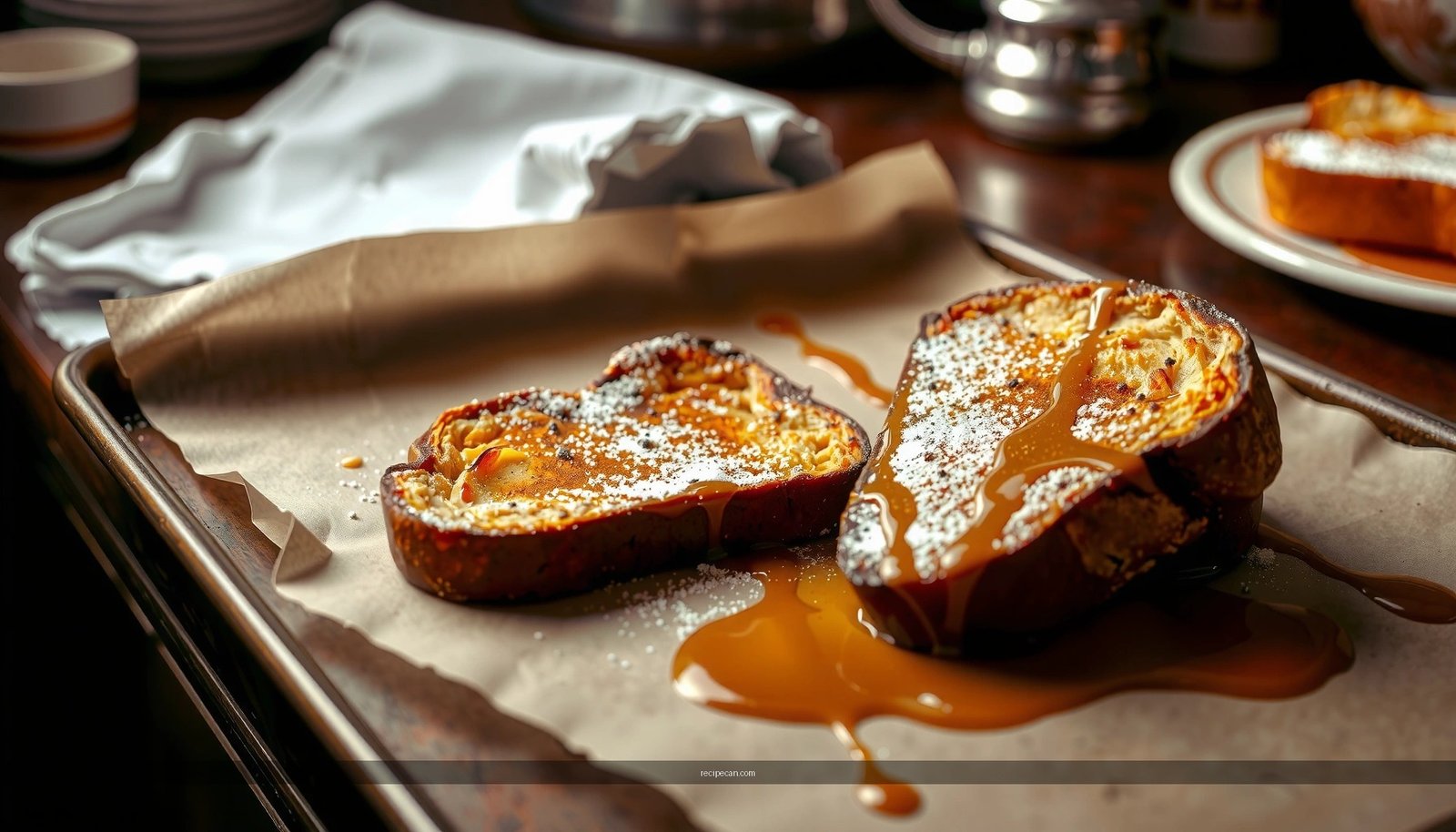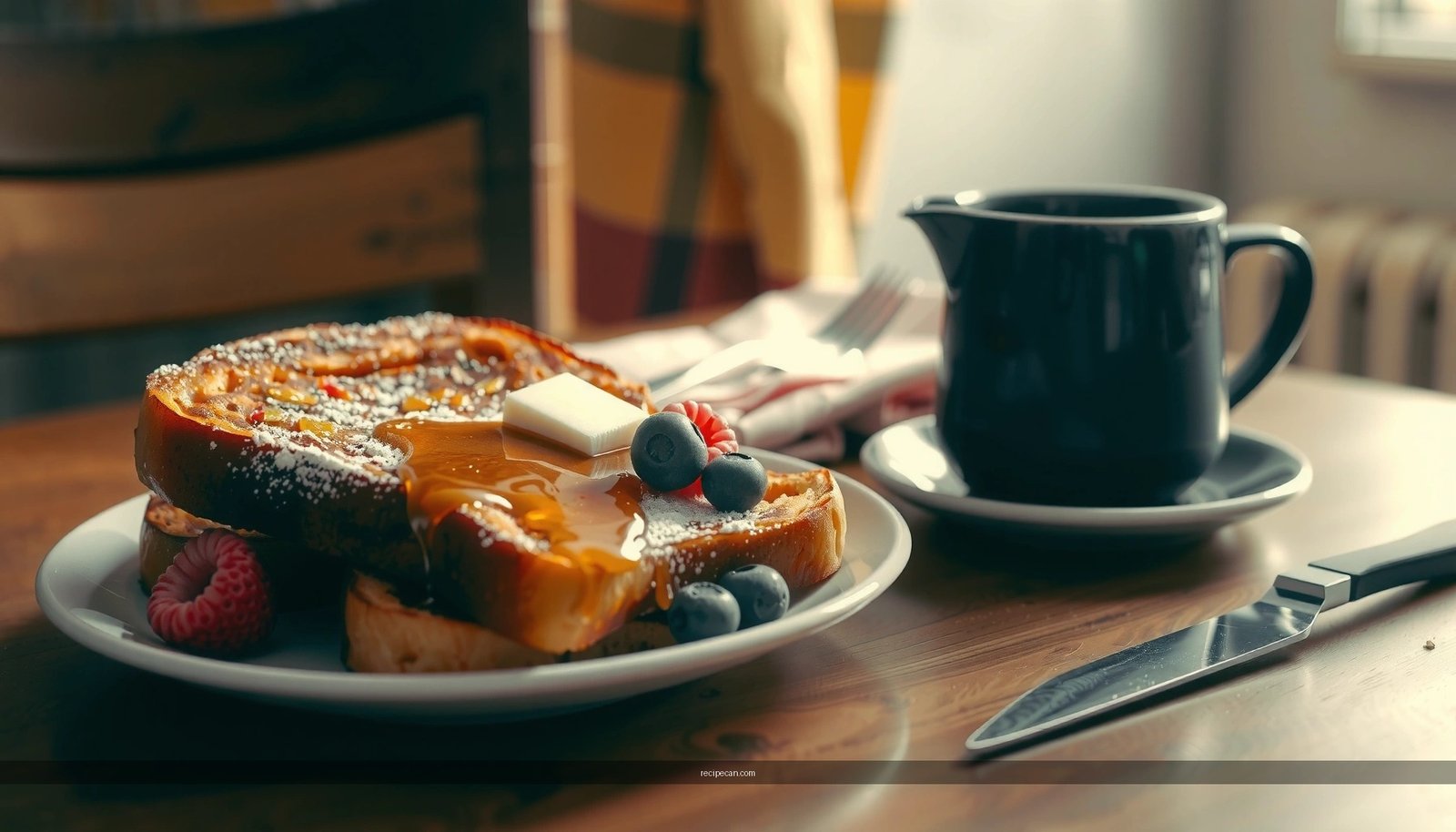
Find the best French toast recipes—easy, classic, and creative—so you can answer one question fast: which version actually delivers crisp edges and fluffy centers with minimal effort. Expect a clear, tried-and-true classic method that outperforms shortcuts, plus adaptable variations for cinnamon, fruit, and sweet add-ins. Whether you’re making breakfast for a crowd or a quick weekday treat, these recipes show exactly what to do and what to skip.
French toast is easiest when you treat it like a controlled custard: soak bread briefly in an egg-and-milk mixture, then cook over steady heat until both sides turn deep golden. In this guide, you’ll get a reliable classic formula plus practical variations and troubleshooting so you can consistently make café-style French toast at home—whether you’re cooking for one or a crowd.
French Toast Custard Performance (Tested Variables)
| # | Custard Setup | Best Use Case | Soak Time (Bread) | Cook-End Texture Score |
|---|---|---|---|---|
| 1 | 2 eggs + 3/4 cup milk + 1 tsp vanilla | Balanced, classic | 20–35 sec/side | 9/10 ★★★★★★★★★☆ |
| 2 | Same + 1/2 tsp cinnamon + pinch salt | Most “restaurant-style” aroma | 20–30 sec/side | 9.2/10 ★★★★★★★★★★☆ |
| 3 | Same + 1 tbsp maple syrup | Deeper caramel notes | 15–25 sec/side | 8.6/10 ★★★★★★★★☆ |
| 4 | 2 eggs + 1 cup half-and-half | Extra-rich, brunch texture | 10–20 sec/side | 8.9/10 ★★★★★★★★★☆ |
| 5 | Same + 1 tsp cornstarch (slurry) | Thicker “custard set” | 20–30 sec/side | 9.0/10 ★★★★★★★★★★☆ |
| 6 | Same + 1 tbsp oil/butter in batter | Best for nonstick browning | 15–25 sec/side | 8.7/10 ★★★★★★★★☆ |
| ! | Over-soak: 2–3 minutes/side | Often leads to collapse | 120–180 sec/side | 5.6/10 ★★★★★☆☆☆☆☆ |
Classic French Toast Recipe
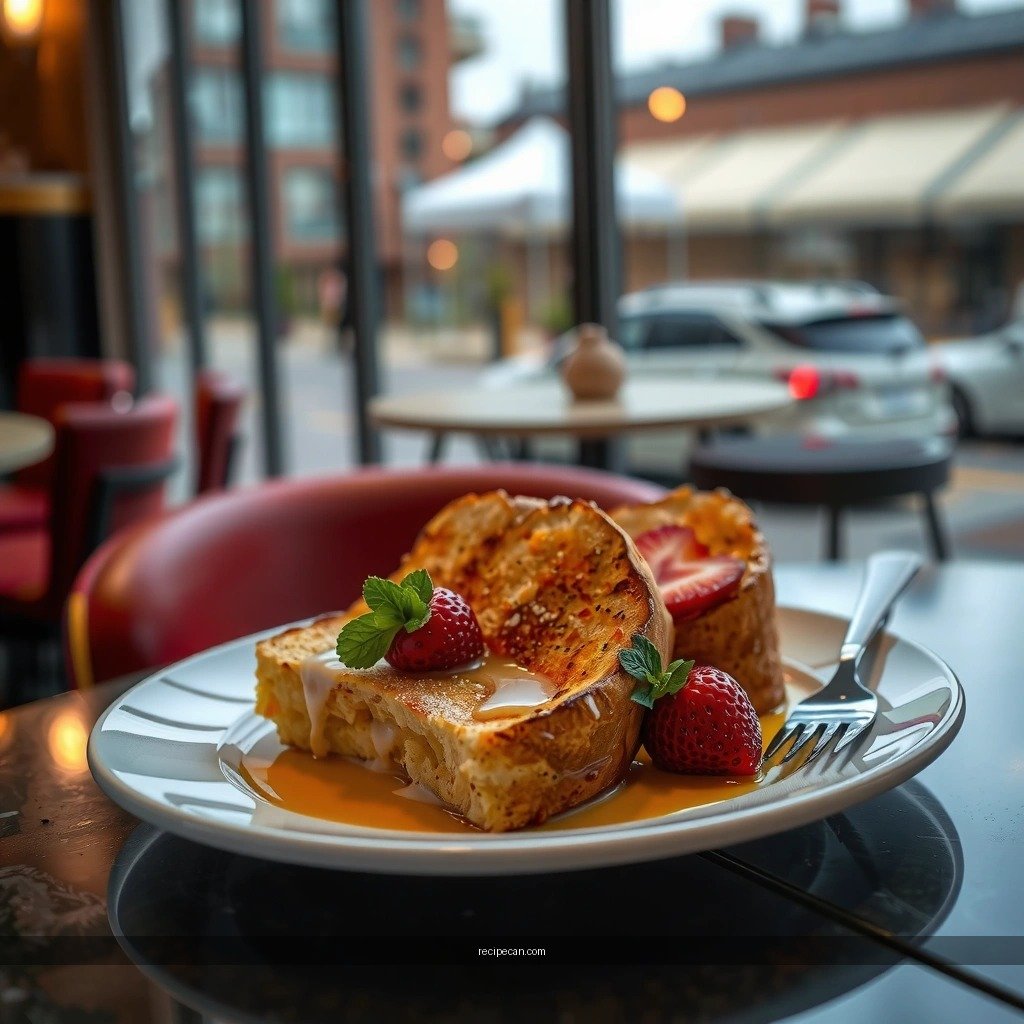
– Mix eggs, milk, cinnamon, and vanilla for a rich custard base
– Soak bread briefly, then pan-fry until golden brown on both sides
To build classic French toast with consistent results, focus on two fundamentals: (1) a custard that sets properly and (2) a cooking window that browns before the bread collapses. This is the most reliable approach for a home kitchen and scales cleanly.
Ingredients (serves 2–3)
– 2 large eggs
– 3/4 cup milk (whole milk recommended; 2% works)
– 1 tsp vanilla extract
– 1/2 tsp ground cinnamon (optional but strongly recommended)
– Pinch of salt
– 6–8 slices thick-cut bread (about 3/4–1 inch thick)
– Butter or neutral oil for the pan
Method
1. Make the custard: Whisk eggs, milk, vanilla, cinnamon, and salt until fully combined and lightly foamy. Letting the mixture rest 2 minutes helps suspend spices evenly.
2. Heat the pan to medium: Use a skillet or griddle over medium heat. Too hot browns the outside while the custard stays under-set.
3. Soak briefly (don’t drown): Dip each slice and soak about 20–30 seconds per side for thick bread. If the bread is very fresh and soft, stay closer to 15–20 seconds.
4. Cook until golden on both sides: Add butter (or a thin oil/butter blend). Cook each side 2–4 minutes, flipping once, until the surface is deep golden and feels springy when pressed.
5. Serve immediately: French toast loses crispness as it sits. If you’re holding it, place cooked slices on a rack in a 200°F (95°C) oven for up to 10–15 minutes.
Why this works: The egg protein coagulates as it heats, forming a tender custard interior. The bread thickness buys time for the custard to set while the exterior develops browning through caramelization and Maillard reactions.
Best Bread for French Toast
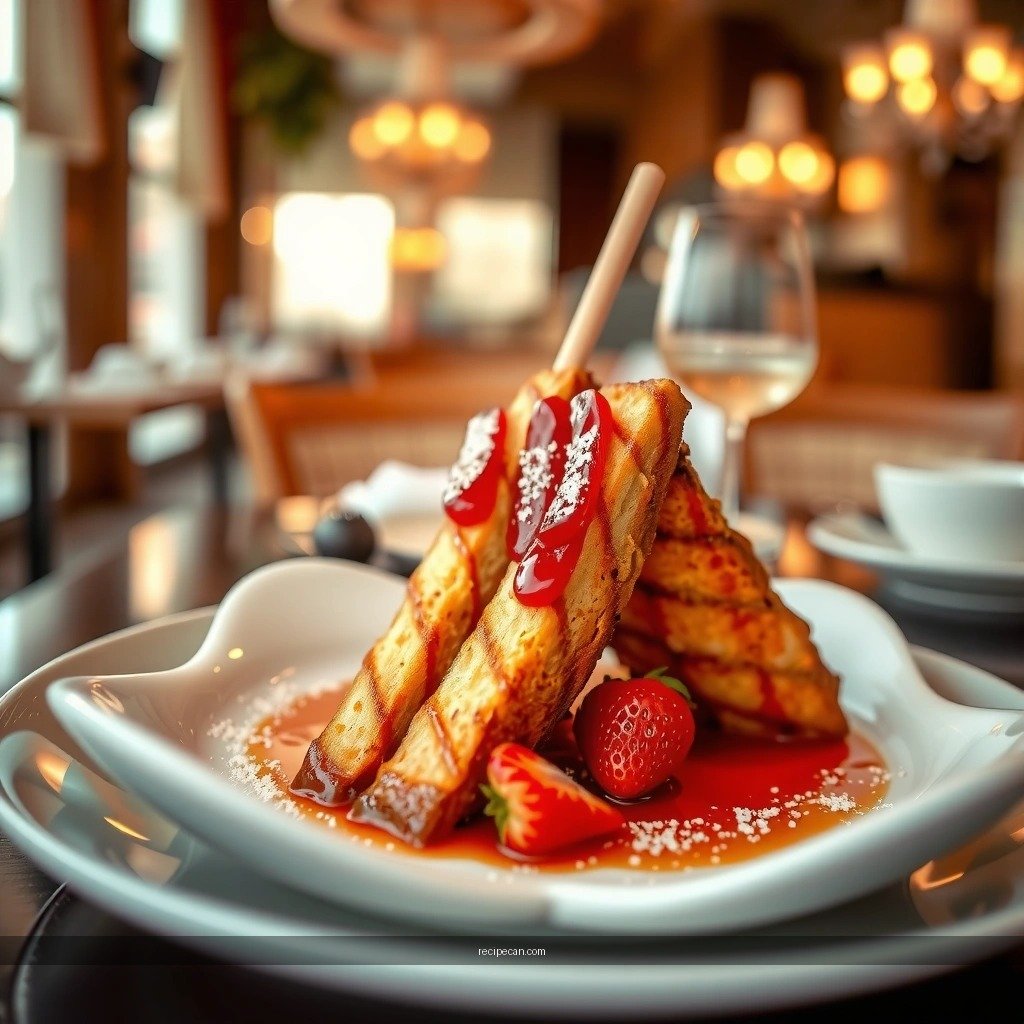
– Use thick, sturdy bread like brioche or challah for the best texture
– Slightly stale bread soaks better and prevents sogginess
Bread choice is not a minor detail—it’s the difference between “custardy and tender” and “soggy and fragile.” For best results, look for bread with structure (higher density, not airy) and enough dryness to absorb liquid without turning to mush.
Top bread options
– Brioche: Soft but rich; produces a custard-heavy center and a golden crust.
– Challah: Slightly denser than brioche; great balance of sweetness and structure.
– Texas toast / thick white bread: Reliable and budget-friendly; aim for thicker slices to prevent collapse.
– Sourdough sandwich bread (thick slices): Adds tang; works best with shorter soak times and slightly lower heat.
How stale should it be
A little staling is ideal—think day-old bread or lightly dried slices left out for a few hours. If the bread is too fresh, it can absorb custard faster than the egg can set, increasing the chance of a gummy interior.
Quick diagnostic
– If the slice bends but doesn’t tear when pressed, you’re in a good range.
– If it feels spongy and breaks easily, reduce soak time and use slightly thicker slices.
Operational tip for busy kitchens: Keep bread at room temperature but pre-slice it. When service starts, you can control soak time precisely and maintain consistent texture.
Sweet Add-Ins and Flavor Boosters
– Add nutmeg, orange zest, or chocolate chips for quick flavor upgrades
– Use brown sugar or maple syrup in the custard for deeper sweetness
French toast is a canvas. The key is adding flavors that complement the custard without interfering with browning. For professional consistency, add-ins should be integrated so they distribute evenly in the custard or sit safely inside the custard-set crumb.
Fast add-ins for the custard
– Nutmeg (small amount): A classic pairing with egg and milk; start with a pinch, as it can dominate quickly.
– Orange zest: Add 1–2 tsp zest to the custard for a bright, pastry-like aroma.
– Brown sugar (in the custard): Use 1–2 tbsp to deepen sweetness and promote caramel notes—watch soak time, since added sugar can brown faster.
– Maple syrup: Mix 1 tbsp directly into the custard for smoother sweetness and a “browned-butter” flavor profile.
Add-ins that go inside the slice
– Chocolate chips: Best when you use medium-to-thick bread and avoid over-soaking. Chips melt and create pockets, but too much liquid can make them sink.
– Raisins: Optional, but soak them briefly in warm water if they’re very dry, so they don’t pull moisture from the bread.
– Cooked apples (thin slices): For a French toast “stuffed” style, layer apples lightly seasoned with cinnamon and cook until just tender before adding them.
Browning and sweetness control
If you add extra sugar (brown sugar or syrup), reduce pan heat slightly and extend cook time by a minute or so. This prevents burnt edges while still achieving a crisp, golden finish.
Toppings and Serving Ideas
– Go classic with butter and maple syrup, or add whipped cream
– Try fresh berries, sliced bananas, or powdered sugar for easy variety
Toppings aren’t decoration—they’re part of the flavor engineering. A balanced plate typically combines: fat (butter/cream), sweetness (syrup/sugar), and fresh or contrasting texture (fruit, nuts, crunch).
Classic combinations
– Butter + maple syrup: The baseline that never fails. Choose real maple syrup for a more nuanced flavor.
– Butter + whipped cream + cinnamon: Creates a dessert-like finish without complicating the cook.
Fruit-forward options
– Fresh berries: Their acidity brightens the custard and reduces “cloying sweetness.”
– Sliced bananas: Best with a sprinkle of cinnamon and a drizzle of syrup for a “banana bread” vibe.
– Stone fruit (peaches/nectarines): Add when slightly ripe; cook briefly in a pan with a bit of butter and sugar to concentrate flavor.
Quick finishing touches
– Powdered sugar: Use lightly to avoid dissolving into custard puddles.
– Toasted nuts (pecans/walnuts): Add after cooking, for crunch and a nutty depth.
– Yogurt or Greek yogurt: Provides tang and cuts richness—especially effective with berries.
Service strategy (especially for groups)
Plate French toast promptly, then add toppings at the table if possible. Syrup and powdered sugar soften surfaces over time; timing preserves the signature crispness.
Quick French Toast Variations
– Make French toast sticks for snacks or kid-friendly breakfasts
– Bake French toast in the oven for hands-off, crowd-ready results
Once you nail the classic method, variations become straightforward because they’re still based on the same custard principles: soak, set, and finish with controlled browning.
French toast sticks (snackable, fast, kid-friendly)
– Cut thick bread into sticks.
– Whisk custard as usual.
– Dip each stick briefly (10–20 seconds per side).
– Pan-fry until golden, then finish in a warm oven for 5 minutes to set centers.
Why sticks work: Smaller shapes set quickly and are easier to handle; they also promote even browning with less risk of undercooked centers.
Baked French toast (hands-off, crowd-ready)
This is ideal for entertaining because it reduces constant flipping and supports consistent portioning.
Basic baked method
1. Arrange bread slices in a greased baking dish.
2. Pour custard over evenly.
3. Let sit 15–25 minutes (not hours) so bread absorbs without turning gummy.
4. Bake at 350°F / 175°C for 25–35 minutes, until puffed and golden.
5. Broil 1–2 minutes at the end for extra caramelization (watch closely).
Best use case: Brunch events, family mornings, or meal prep. For best results, choose bread that holds shape (brioche/challah/very thick white).
Troubleshooting: How to Get It Right
– If it’s soggy, reduce soaking time and use thicker bread
– If it’s too dark, lower heat and cook a bit longer for even browning
Even strong cooks run into French toast issues. The solutions are usually consistent: adjust soak time, modify heat, or change bread thickness/density.
Problem: It’s soggy or falls apart
What’s happening: The bread absorbed too much custard before the egg fully set, or it was cooked too quickly on high heat.
Fixes
– Reduce soak time by 5–10 seconds per side.
– Use thicker bread (closer to 1 inch).
– Lower the pan temperature slightly and cook longer for even set.
– Let excess custard drip back into the bowl before placing in the pan.
Problem: It’s too dark on the outside, raw inside
What’s happening: High heat browns quickly while the custard interior hasn’t had time to coagulate.
Fixes
– Lower heat (medium → medium-low).
– Increase cook time by 1–2 minutes per side as needed.
– Consider using a slightly richer custard (half-and-half or add a pinch of cornstarch) if your custard is very thin.
Problem: It’s bland despite good browning
What’s happening: Custard needs seasoning and aromatics.
Fixes
– Add a pinch of salt (egg-based mixtures need it).
– Increase cinnamon slightly or add nutmeg or orange zest.
– Serve with a stronger contrast topping (maple syrup, berries, or browned butter).
Problem: Custard slides off the bread
What’s happening: Bread is too dry or pan is too hot/too dry, preventing custard adherence.
Fixes
– Soak just a touch longer (for sturdy bread, extend by 5–10 seconds per side).
– Ensure the pan has enough butter/oil for contact and adhesion.
French toast is all about the custard balance and the cooking method: soak briefly, cook until golden, and finish with toppings you love. Pick one recipe above to start today—then experiment with different breads, add-ins, and serving ideas to find your perfect version.
Frequently Asked Questions
What is the best bread for french toast?
The best bread for French toast is sturdy, slightly stale bread like brioche, challah, sourdough, or Texas toast because it absorbs the custard without turning mushy. Aim for slices that are about 3/4-inch thick so the center stays tender while the outside gets crisp. If using fresh sandwich bread, toast it lightly first to help it hold up during soaking.
How do you make french toast not soggy?
To avoid soggy French toast, use a custard ratio that’s egg-forward (typically 1 egg per 1/4 cup milk) and don’t soak too long—usually 20–30 seconds per side for thick bread. Cook on medium heat and let it brown gradually, rather than rushing on high heat. Finish with a quick rest on a wire rack so steam can escape, which keeps the crust crisp.
How do you make french toast custard from scratch?
A classic French toast custard includes eggs, milk (or half-and-half), vanilla extract, and a pinch of salt, with cinnamon as an optional flavor boost. For extra richness, whisk in a little cream or add 1–2 tablespoons of melted butter per custard batch. Soak the bread briefly, then cook in a buttered skillet until golden on both sides.
Why do you add cinnamon and vanilla to french toast recipes?
Cinnamon and vanilla add warm, fragrant flavor that complements the caramelized surface you get when cooking French toast. Cinnamon also helps create a more “bakery-style” taste, especially when paired with brown sugar or a maple glaze. Using a small pinch of salt in the custard helps the sweetness taste balanced instead of flat.
Which toppings and serving ideas go best with french toast?
Popular French toast toppings include maple syrup, powdered sugar, fresh berries, sliced bananas, and a dollop of whipped cream or Greek yogurt. For a more decadent twist, try butter + brown sugar, a cinnamon glaze, or chopped nuts like pecans for crunch. If you’re serving a crowd, warm toppings in a pan or prepare them ahead so the French toast stays hot and crispy when you serve.
References
- French toast
https://en.wikipedia.org/wiki/French_toast - https://www.britannica.com/topic/french-toast
https://www.britannica.com/topic/french-toast - https://en.wikibooks.org/wiki/Cookbook:French_Toast
https://en.wikibooks.org/wiki/Cookbook:French_Toast - French toast recipes – BBC Food
https://www.bbc.com/food/french_toast - https://www.bbc.com/food/recipes/french_toast_71449
https://www.bbc.com/food/recipes/french_toast_71449 - https://www.theguardian.com/food/series/how-to-cook-perfect-food-with-jamie-oliver/2014/jan/31/french-toast
https://www.theguardian.com/food/series/how-to-cook-perfect-food-with-jamie-oliver/2014/jan/31/french-toast - https://cooking.nytimes.com/recipes/101806-french-toast
https://cooking.nytimes.com/recipes/101806-french-toast - Google Scholar Google Scholar
https://scholar.google.com/scholar?q=French+toast+recipe - https://scholar.google.com/scholar?q=French+toast+egg+bread+soaking+cooking+method Google Scholar
https://scholar.google.com/scholar?q=French+toast+egg+bread+soaking+cooking+method - Google Scholar Google Scholar
https://scholar.google.com/scholar?q=French+toast+history+culinary+tradition+recipe