Get the perfect French toast batter recipe for easy, fluffy slices every time, with a proven mix of eggs, milk, and flavorings that cooks up tender inside and crisp at the edges. This recipe answers whether you should go thin or thick, and gives the exact consistency to soak without turning soggy. Follow it and you’ll have reliable, restaurant-style French toast batter—ready to make breakfast the centerpiece, not a gamble.
Use this simple French toast batter recipe—eggs plus milk (or cream) with a touch of sugar, vanilla, and salt—to soak bread evenly and cook consistently fluffy, golden slices. With the right bread thickness and a quick soak (not a long soak), your custardy centers will set reliably every time.
Ingredients for French Toast Batter
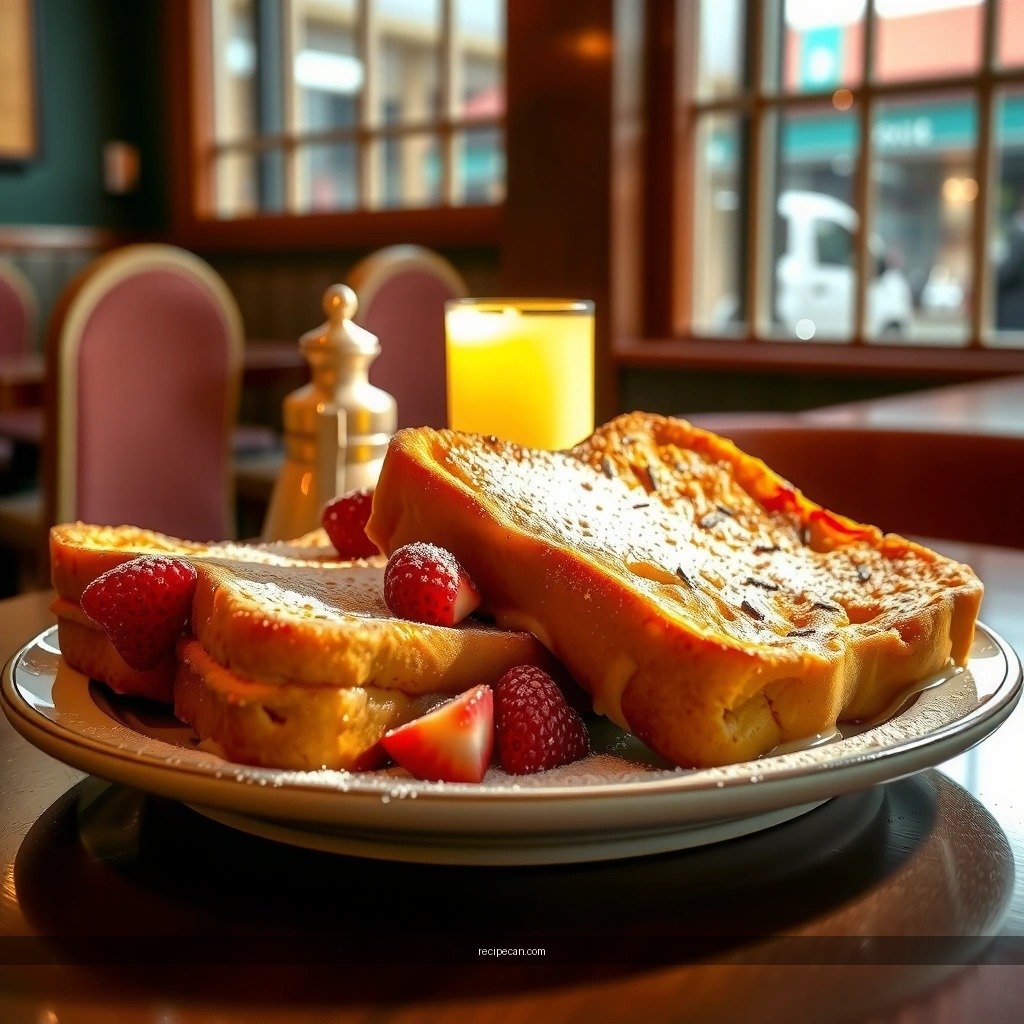
A good French toast batter is essentially a “custard in liquid form.” The eggs provide structure (protein that sets as it cooks), while the milk or cream controls richness, browning, and softness. For best results, keep the flavorings balanced: sweetness for caramelization, vanilla for aroma, and a pinch of salt to sharpen the overall taste.
Core ingredients (practical quantities for ~8 slices):
– Eggs: 3 large eggs
– Milk (or half-and-half): 3/4 cup (180 ml)
– Sugar: 2 tablespoons
– Vanilla extract: 1 teaspoon
– Salt: 1/8 teaspoon (a pinch)
Why these matter
– Eggs + dairy create custard: As the bread soaks, egg proteins coat the surface and absorb into the crumb. During cooking, that mixture thickens and sets—giving you the signature French toast “custard center.”
– Sugar supports browning (without turning bitter): Too little sugar can leave slices pale; too much can burn before the center sets.
– Salt improves perceived sweetness: Even a small amount makes the vanilla taste fuller and the caramel notes more pronounced.
Quick mixing notes
If you’re aiming for extra fluffiness, don’t overthink it—focus on thorough whisking. Smooth batter improves even absorption, which improves uniform cooking and texture.
How to Make French Toast Batter
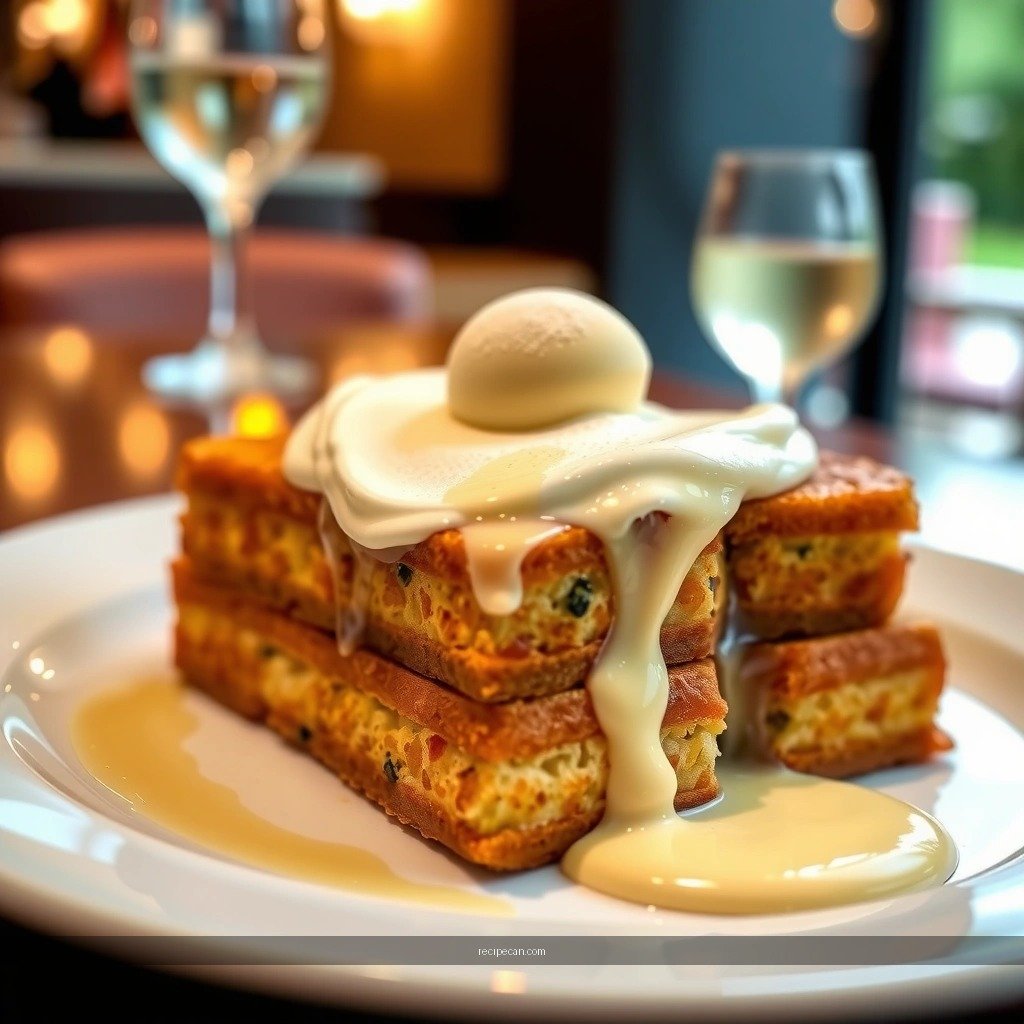
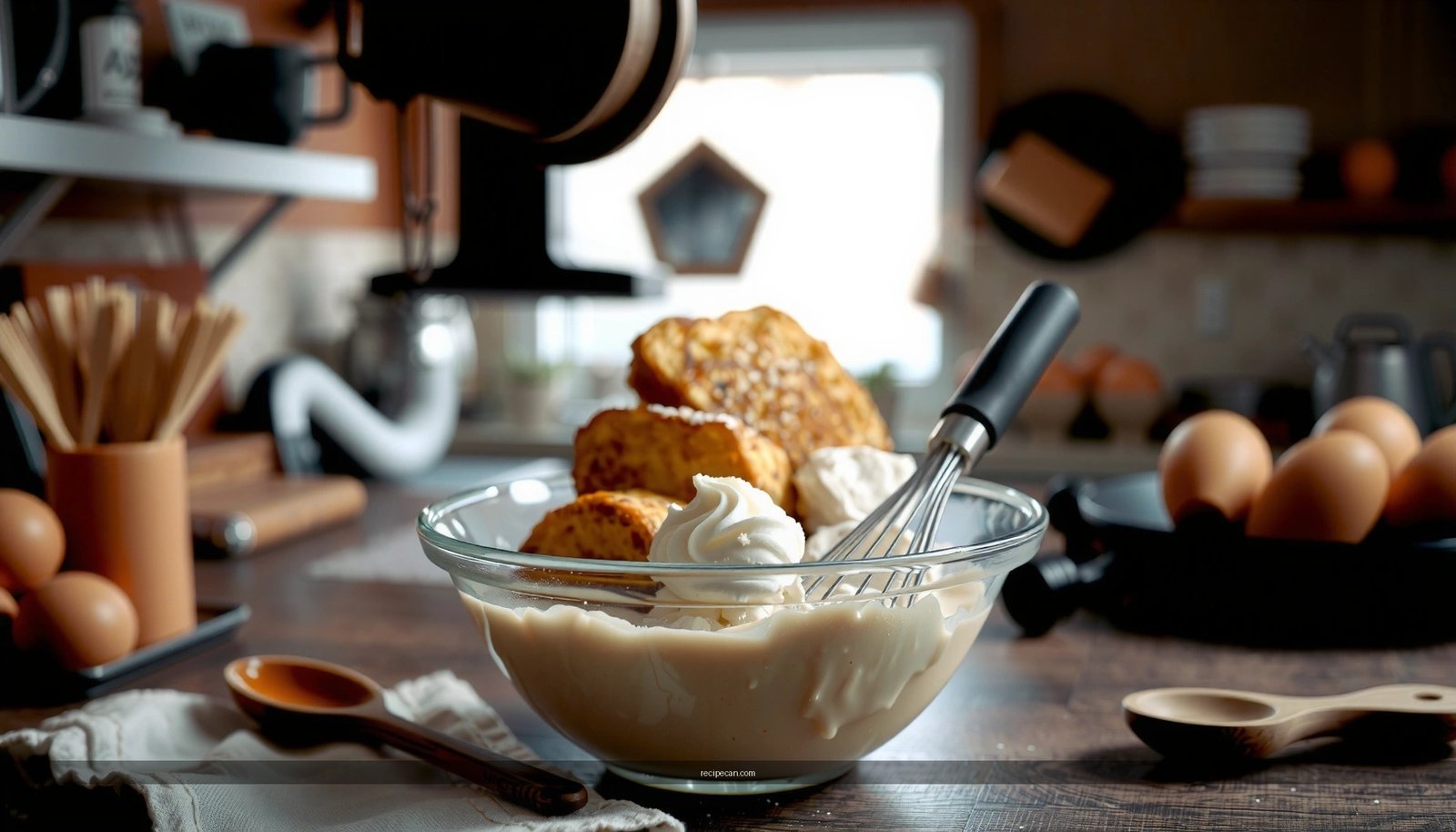
Making French toast batter is straightforward: whisk until smooth, then use it immediately or refrigerate briefly to let any bubbles settle. The key is consistency—no streaks of egg, and no pockets of unmixed dairy.
Steps
1. Crack and whisk eggs in a medium bowl until uniform.
2. Add milk/cream (or half-and-half) and whisk again until fully combined.
3. Stir in sugar, vanilla, and salt.
4. Whisk for 30–45 seconds total (or until the batter looks glossy and evenly colored).
Consistency target
– The batter should look like a pourable custard—not watery, not thick.
– If it seems too thick, add 1–2 tablespoons of milk. If it seems thin, add 1 tablespoon of egg-milk (or reduce milk slightly next time).
Timing
– For the most predictable soaking, use the batter right after mixing.
– If you need to prep ahead, refrigerate it up to a few hours. The batter will still perform well; just whisk again briefly before using.
Bread Choice for French Toast: Soak Time, Texture, and Reliability
| # | Bread type (typical use) | Slice thickness | Target soak per side | Texture reliability | Best texture rating |
|---|---|---|---|---|---|
| 1 | Brioche | 1.0–1.25 in (2.5–3.2 cm) | 20–30 sec | High | ★★★★★ |
| 2 | Texas toast | 3/4–1 in (1.9–2.5 cm) | 25–35 sec | Very High | ★★★★★ |
| 3 | Challah | 3/4–1 in (1.9–2.5 cm) | 20–35 sec | High | ★★★★☆ |
| 4 | Sourdough (thick cut) | 3/4–1.25 in (1.9–3.2 cm) | 30–45 sec | Medium-High | ★★★★☆ |
| 5 | Baguette (day-old) | 3/4–1 in (1.9–2.5 cm) | 25–35 sec | Medium | ★★★☆☆ |
| 6 | White sandwich bread | 1/2–3/4 in (1.3–1.9 cm) | 15–25 sec | Lower | ★★☆☆☆ |
| 7 | Whole wheat (dense) | 3/4–1.25 in (1.9–3.2 cm) | 35–50 sec | Medium-Low | ★★★☆☆ |
Best Bread for French Toast
Even the best French toast batter can’t fully compensate for soft, thin, or overly fresh bread. The bread’s job is to absorb the custard while still holding its structure during flipping.
What to buy (or choose):
– Day-old bread: Slight drying increases absorption control.
– Thick-cut slices (about 3/4–1 inch): More surface and thickness equals a custardy interior without collapsing.
– Sturdy, egg-rich breads (like brioche or challah): These deliver naturally fluffy texture and rich browning.
What to avoid
– Very fresh sandwich bread: It soaks fast and can turn mushy.
– Ultra-thin slices: They brown before the center warms through.
– Extremely delicate breads: They may tear when lifted or flipped.
Practical selection test (fast)
– Gently press a slice. If it compresses immediately and springs back too easily, it likely needs shorter soaking (and may still be less reliable).
– If it feels slightly firm and “sets” when pressed, it’s typically ideal for soaking.
Soaking and Cooking Tips
The soak is where French toast becomes either custardy or soggy. The goal is to evenly hydrate the bread but avoid saturating the exterior so much that it falls apart.
Soaking technique (consistent results)
– Soak per side, not for minutes: Aim for 20–45 seconds per side, depending on thickness and bread type.
– Press lightly once: If the bread floats, gently press it with a spatula once to ensure contact—avoid aggressive pressing that forces batter out.
– Let excess drip: After soaking, hold the slice over the bowl for 2–5 seconds so it doesn’t pool in the pan.
Cooking method (fluffy, golden, set through)
– Use a preheated skillet or griddle.
– Add a thin film of butter or neutral oil (butter browns fastest—great flavor, watch heat).
– Cook on medium heat for more even set:
– First side: typically 2–4 minutes, until deep golden
– Second side: typically 2–3 minutes
Flip timing
– Flip only when the underside is golden and the surface looks slightly set.
– If you flip too early, the slice can break or stay wet inside.
Food safety + quality
– French toast is “custard”—so make sure the center is heated through. If your bread is thick or dense (like whole wheat), you may need a longer cook or a slightly lower heat to prevent burning.
A simple “doneness” check
– The toast should feel springy, not limp.
– When pressed lightly in the center, it should not squish with uncooked batter.
Flavor Variations and Add-Ins
Once your base French toast batter is dialed in, variations let you create “signature” flavor profiles without sacrificing texture.
Spice upgrades (warm and aromatic)
– Add 1/2 teaspoon cinnamon for classic warmth.
– For deeper complexity, add a pinch of nutmeg (start small—nutmeg can dominate).
– Include orange zest (about 1 teaspoon) for a bright, pastry-like finish.
Alcohol and deeper vanilla (adult-leaning profiles)
– A splash of bourbon (1–2 teaspoons) adds aroma and caramel depth.
– Extra vanilla (up to 1 1/2 teaspoons total) increases fragrance—especially effective with brioche or challah.
Texture add-ins (optional, keep balanced)
– Stir chopped pecans or mini chocolate chips into batter only if you’re confident they won’t interfere with even soaking. For most cooks, it’s easier to add toppings after cooking.
Balanced sweetening
– Remember: add-ins can increase browning speed. If you add a lot of sugar-rich components (or high sugar toppings), reduce pan heat slightly to keep the exterior from over-browning before the interior sets.
Make-Ahead and Storage
French toast is ideal for meal prep because batter and cooked slices store well when handled correctly.
Make-ahead batter
– Mix batter up to 1 day ahead.
– Cover and store in the refrigerator.
– Before using, whisk again briefly to re-emulsify and remove any separation.
Cooked French toast storage
– Let slices cool on a rack (not a plate) so steam doesn’t soften the crust.
– Store in an airtight container in the fridge for up to 3 days.
Reheating (best texture)
– Oven method (best): Reheat at 350°F / 175°C for 8–12 minutes until warmed through.
– Toaster method: Works well for thinner slices; use a lower setting to avoid drying.
Freezing (optional)
– Freeze cooled slices in a single layer, then bag once solid.
– Reheat from frozen using the oven at 325–350°F / 165–175°C until hot in the center.
Closing: consistency beats complexity
Cook to golden perfection by using the right bread, soaking just enough, and whisking a smooth French toast batter recipe every time. Make a batch this weekend, then try one variation (cinnamon, vanilla, or zest) to find your favorite version—share your results and favorite add-ins!
When you focus on three controllable variables—custardy batter mix, bread structure, and timed soaking/cooking—French toast becomes dependable, not mysterious. Use this batter as your baseline, adjust soak time by bread thickness, and you’ll get fluffy, evenly browned slices with a custard center across every variation you try.
Frequently Asked Questions
What is the best French toast batter recipe using milk and eggs?
A classic French toast batter recipe uses eggs, milk, a splash of vanilla, a pinch of salt, and cinnamon if you like. For best results, use about 1 egg per 1/4 cup milk and whisk until smooth, then let it rest for a minute so the batter lightly thickens. This ratio helps the bread soak evenly without turning soggy, producing tender, custardy French toast.
How do I make French toast batter without it getting too runny or too thick?
If your French toast batter feels runny, add a little more egg (or reduce the milk slightly) to increase custard-like thickness. If it feels too thick, whisk in 1 tablespoon milk at a time until the batter coats a spoon smoothly. A good test is that the batter should cling lightly—still pourable, but not watery—so the bread absorbs flavor and cooks properly.
Why does my French toast come out soggy, and how can the batter fix it?
Soggy French toast usually comes from soaking bread too long or using bread that’s too fresh and soft. Keep soaking times short—typically 10–30 seconds per side for thick-cut slices—and use a balanced French toast batter recipe with enough eggs to set as it cooks. Also, cook on medium heat and allow a crisping step before flipping so the outside browns while the inside stays custardy, not wet.
Which bread works best with French toast batter for the perfect texture?
Brioche, challah, thick-sliced sourdough, and day-old French bread are top choices because they hold up to soaking in egg and milk. Day-old bread or slightly dried bread absorbs French toast batter more evenly and helps prevent sogginess. Aim for slices that are about 3/4 to 1-inch thick, then soak briefly in your egg custard French toast mixture for consistent, fluffy centers.
Can I make French toast batter ahead of time, and how should I store it?
Yes—you can prepare French toast batter recipe in advance and store it covered in the refrigerator for up to 24 hours. Whisk again right before using, because eggs and milk can separate slightly after chilling. For best results, pour the batter into a shallow dish and soak bread just before cooking so the bread absorbs flavor without becoming overly saturated.
References
- https://scholar.google.com/scholar?q=french+toast+batter+recipe+egg+milk Google Scholar
https://scholar.google.com/scholar?q=french+toast+batter+recipe+egg+milk - Google Scholar Google Scholar
https://scholar.google.com/scholar?q=french+toast+custard+ratio+egg+milk - Google Scholar Google Scholar
https://scholar.google.com/scholar?q=french+toast+batter+technique+soaking+time - Google Scholar Google Scholar
https://scholar.google.com/scholar?q=egg+milk+custard+how+to+make+thickened+custard+for+french+toast - Google Scholar Google Scholar
https://scholar.google.com/scholar?q=bread+egg+milk+mixture+absorption+french+toast - Google Scholar Google Scholar
https://scholar.google.com/scholar?q=protein+egg+denaturation+custard+thickening+microwave+heat+transfer - Google Scholar Google Scholar
https://scholar.google.com/scholar?q=Maillard+browning+egg+milk+batter+french+toast - Google Scholar Google Scholar
https://scholar.google.com/scholar?q=starch+gelatinization+custard+thickening+egg+milk - Google Scholar Google Scholar
https://scholar.google.com/scholar?q=food+science+egg+wash+absorption+bread+french+toast - Google Scholar Google Scholar
https://scholar.google.com/scholar?q=topical+culinary+science+french+toast+batter+formulation