Want a french brioche french toast recipe that comes out fluffy inside and shatter-crisp on the edges? This recipe delivers a golden, custardy slice using brioche, the right egg-dairy soak, and a hot pan finish. If you’ve been chasing crisp edges without losing tenderness, you’ll get the answer here.
French brioche french toast is the quickest route to that café-style balance of fluffy custard center and deeply golden edges—if you soak briefly, drain well, and cook on steady medium heat. This recipe gives you the exact soak timing, the best pan-frying approach for crisp borders, and practical serving ideas so every slice comes out golden, not soggy.
Choose and Prep Your Brioche
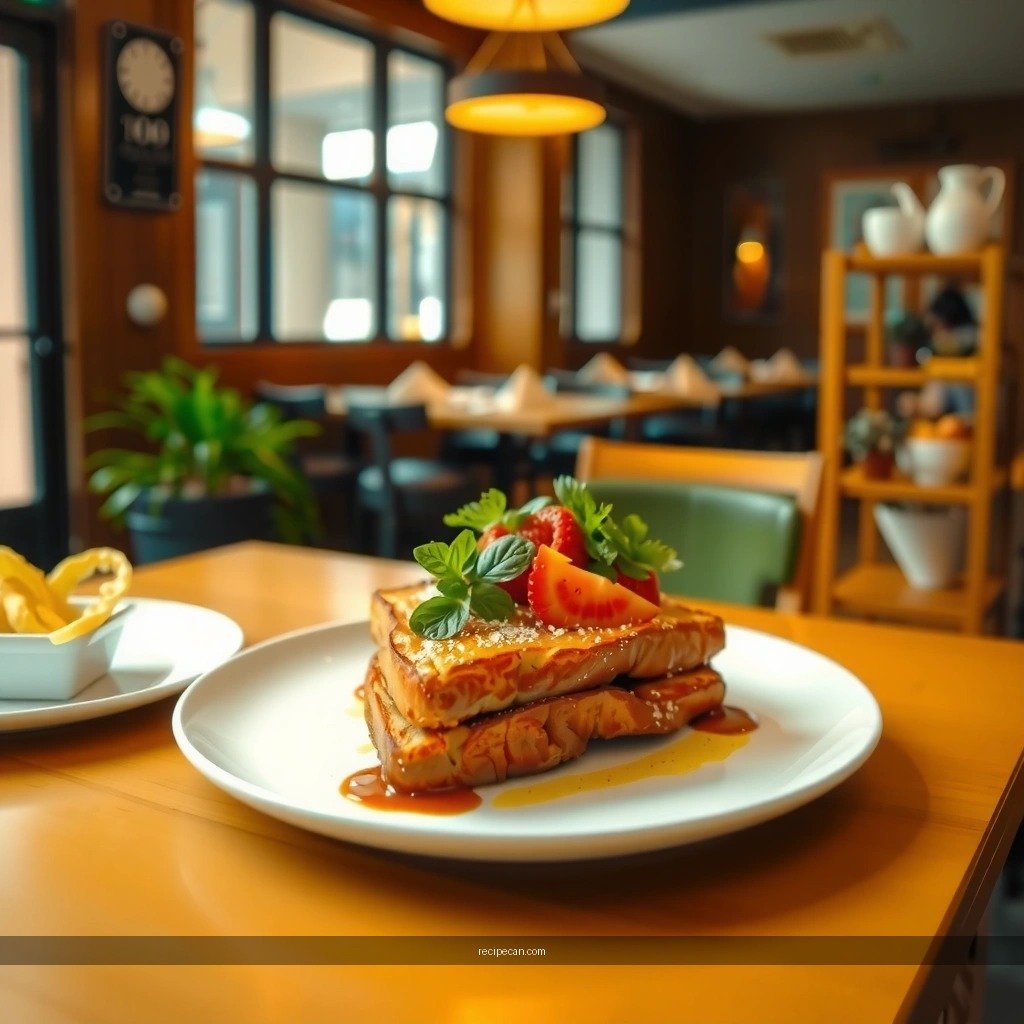
Brioche is richer than standard bread because it’s egg- and butter-forward, which creates a tender custard interior. The goal isn’t just “soak and fry”—it’s controlled absorption so the inside stays creamy while the outside browns fast.
Use thick-cut brioche slices for the creamiest custard center. Thicker slices create a bigger buffer between the surface (which will brown) and the interior (which will set into a custard). If your brioche is thin, you’ll often get either overly dry toast or a custard that escapes before the crust forms.
Slightly stale brioche (or a quick toast) helps prevent sogginess. Fresh brioche can be too soft and may “slump” under custard. If your loaf is freshly baked, toast slices for 30–60 seconds per side before soaking, or set sliced brioche uncovered on a rack for 1–2 hours. Slight dryness improves texture because it slows down liquid uptake, allowing the egg custard to set rather than pool.
—
Make the Egg Custard
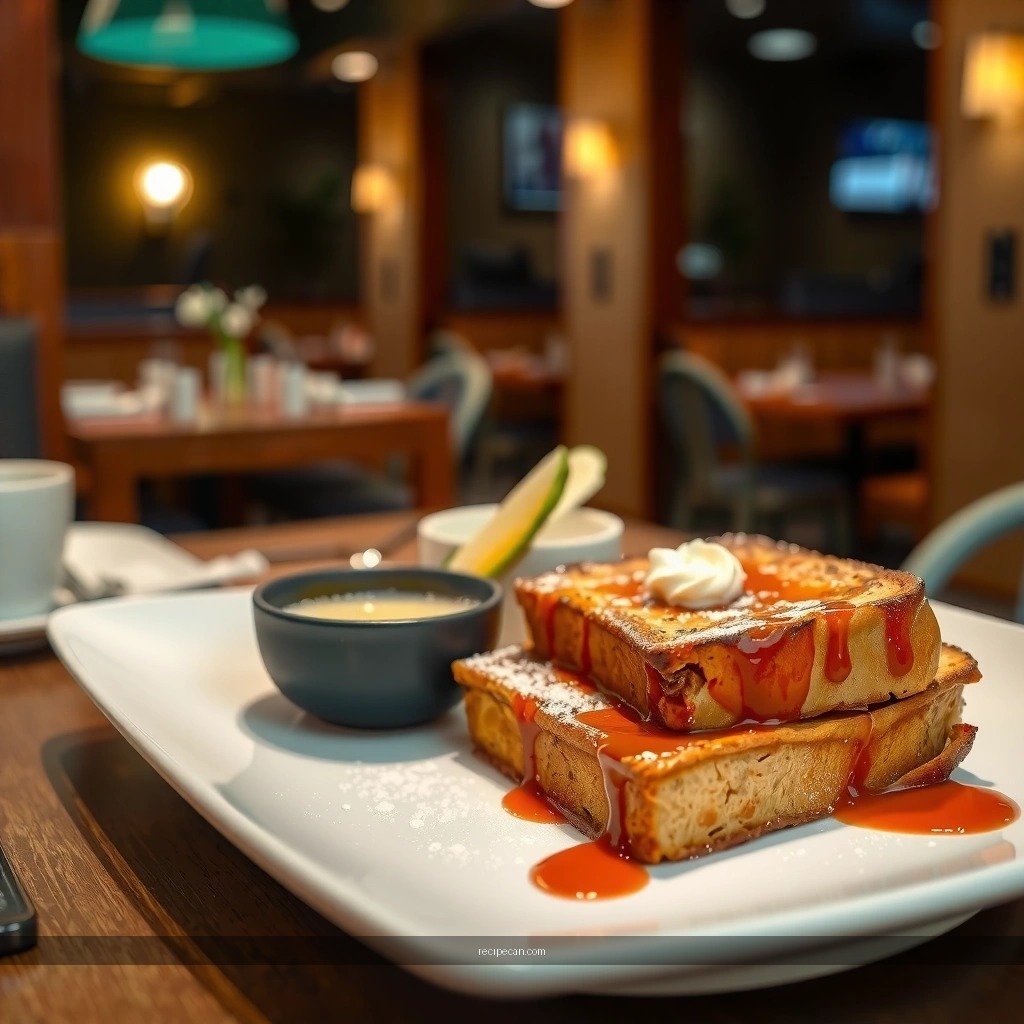
The custard is where “fluffy” is won. For French brioche french toast, you want a silky egg base with enough dairy fat to taste rich, plus warm spices that complement the buttery crumb.
Whisk eggs with milk/cream, vanilla, cinnamon, and a pinch of salt. A classic ratio that performs reliably is 3 large eggs to 1 cup (240 ml) milk/cream (using either all milk for lighter richness, or half milk/half cream for a more decadent finish). Whisk until uniform—no streaks of egg—so the custard cooks evenly.
Let the brioche soak briefly but evenly (no long oversaturation). The custard should penetrate, not drown. For thick brioche (about 3/4 to 1-inch), a sweet spot is:
– Soak time: 25–35 seconds per side (total 50–70 seconds)
– Drain time: 10–20 seconds on a rack or plate before frying
Think of soaking like seasoning: brief contact builds flavor and moisture, while prolonged soaking increases risk of a custard layer that stays wet.
Custard mixing checklist (fast and dependable)
– Salt: even a pinch sharpens sweetness and makes egg flavor taste “clean,” not flat.
– Vanilla: go with vanilla extract for consistency.
– Cinnamon: use it in the custard so it blooms during pan-frying.
– Optional cinnamon-to-vanilla balance: start with 1 teaspoon cinnamon and 1–2 teaspoons vanilla; adjust to taste.
—
Soak and Cook for Best Texture
This is the step most home cooks get wrong: either cooking too hot (burning the outside before the custard sets) or cooking too cool (ending up pale and soft). You want crisp edges, which means good browning and controlled heat transfer.
Dip slices, then let excess custard drip before cooking. After soaking, hold each slice briefly over the bowl for a few seconds. This does two things:
1. Prevents custard pooling on the pan (which causes steaming).
2. Helps the custard form a cohesive set layer rather than a loose liquid.
Fry in butter (or a butter-oil mix) on medium heat for crisp browning. Butter browns at a lower temperature and can burn quickly if your heat is too high. A butter-oil mix improves stability:
– Use 1 tablespoon butter + 1 tablespoon neutral oil per batch.
– Cook on medium heat (not high). If the first slice browns too quickly, lower the heat before the second.
Timing guidance for consistent golden color:
– First side: 2–3 minutes
– Second side: 1.5–2.5 minutes
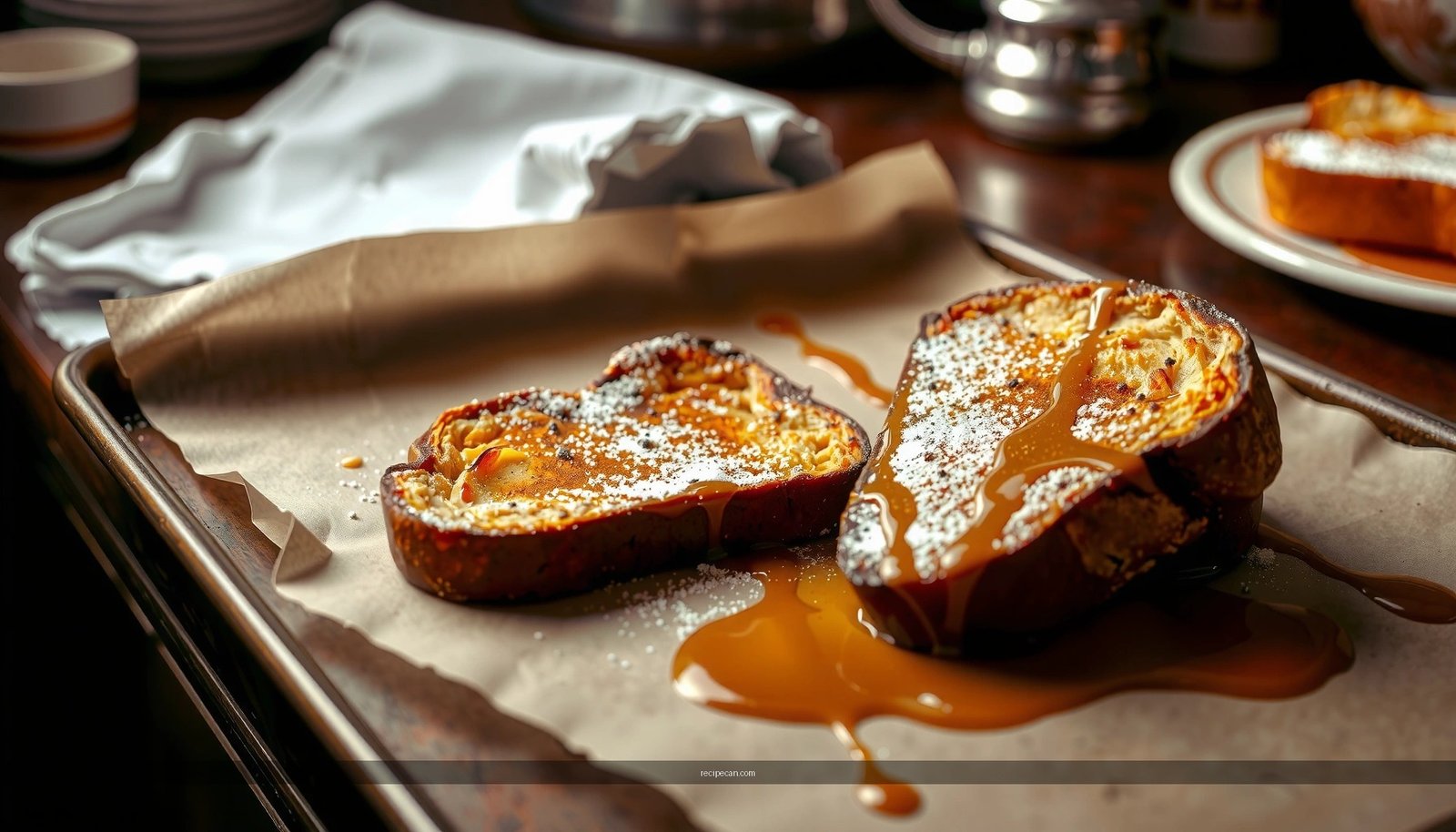
– Look for cues: deep golden-brown crust, edges slightly firm, and custard that feels set rather than wobbly.
If you’re cooking multiple slices, avoid crowding. Crowding traps steam and reduces crispness. Cook in batches and keep finished slices warm in a low oven (about 200°F / 95°C) while you finish.
Visual guide: Best soak-and-fry performance by thickness
Soak + Cook Benchmarks for French Brioche French Toast
| # | Brioche Slice Thickness | Soak Time (per side) | Drain (sec) | Cook (first side) | Crisp Edge Outcome |
|---|---|---|---|---|---|
| 1 | ~1 inch (3 cm) | 30–35 sec | 15 sec | 2–3 min | Excellent ★★★★★ |
| 2 | ~3/4 inch (2 cm) | 25–30 sec | 10–15 sec | 2–2.5 min | Very good ★★★★☆ |
| 3 | ~1/2 inch (1.25 cm) | 15–20 sec | 10 sec | 1.5–2 min | Risk of softness ★★★☆☆ |
| 4 | ~1 inch, very fresh loaf | 20–25 sec | 20 sec | 2–3 min | May feel heavy ★★★☆☆ |
| 5 | ~3/4 inch, slightly stale | 25–30 sec | 10–15 sec | 2–2.5 min | Best balance ★★★★★ |
| 6 | ~1 inch, extra thick custard | 25–30 sec | 15–20 sec | 2.5–3 min | Rich custard ★★★★☆ |
| 7 | ~3/4 inch, pan too hot | 25–30 sec | 10–15 sec | 1.5–2 min | Browns, center under-set ★★☆☆☆ |
—
Flavor Boosts and Variations
Once your base technique is stable, small adjustments elevate the flavor profile without risking the texture.
Add orange zest, nutmeg, or a splash of rum/brandies for depth. Orange zest brightens buttery brioche and pairs naturally with cinnamon. Nutmeg adds warmth and complexity—use it lightly so it doesn’t overpower vanilla. For adults-only brunch, a small splash of rum or brandy in the custard intensifies aroma and makes the crust taste “caramelized.”
Try half-and-half for richer flavor or swap cinnamon for cardamom.
– Half-and-half yields a fuller dairy flavor with a smoother mouthfeel.
– Cardamom creates a more aromatic, slightly floral profile that still works beautifully with maple syrup.
Professional approach: change one variable at a time. If you swap cinnamon for cardamom and also add alcohol, it becomes harder to diagnose what you loved (or didn’t).
—
Toppings and Serving Ideas
Toppings should complement both the custard sweetness and the crisp crust texture. The best pairings balance syrupy elements with fresh acidity or crunchy finishes.
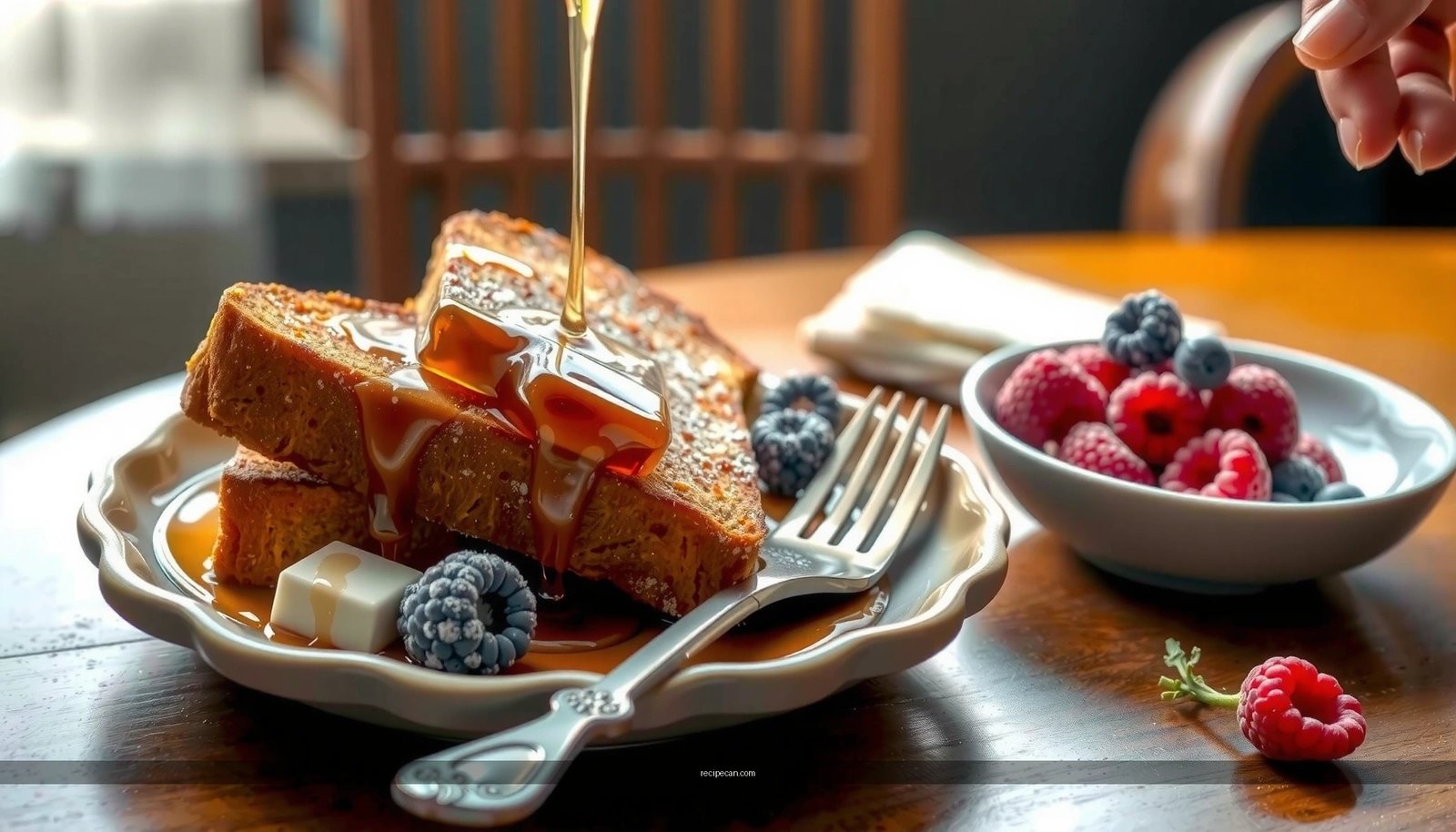
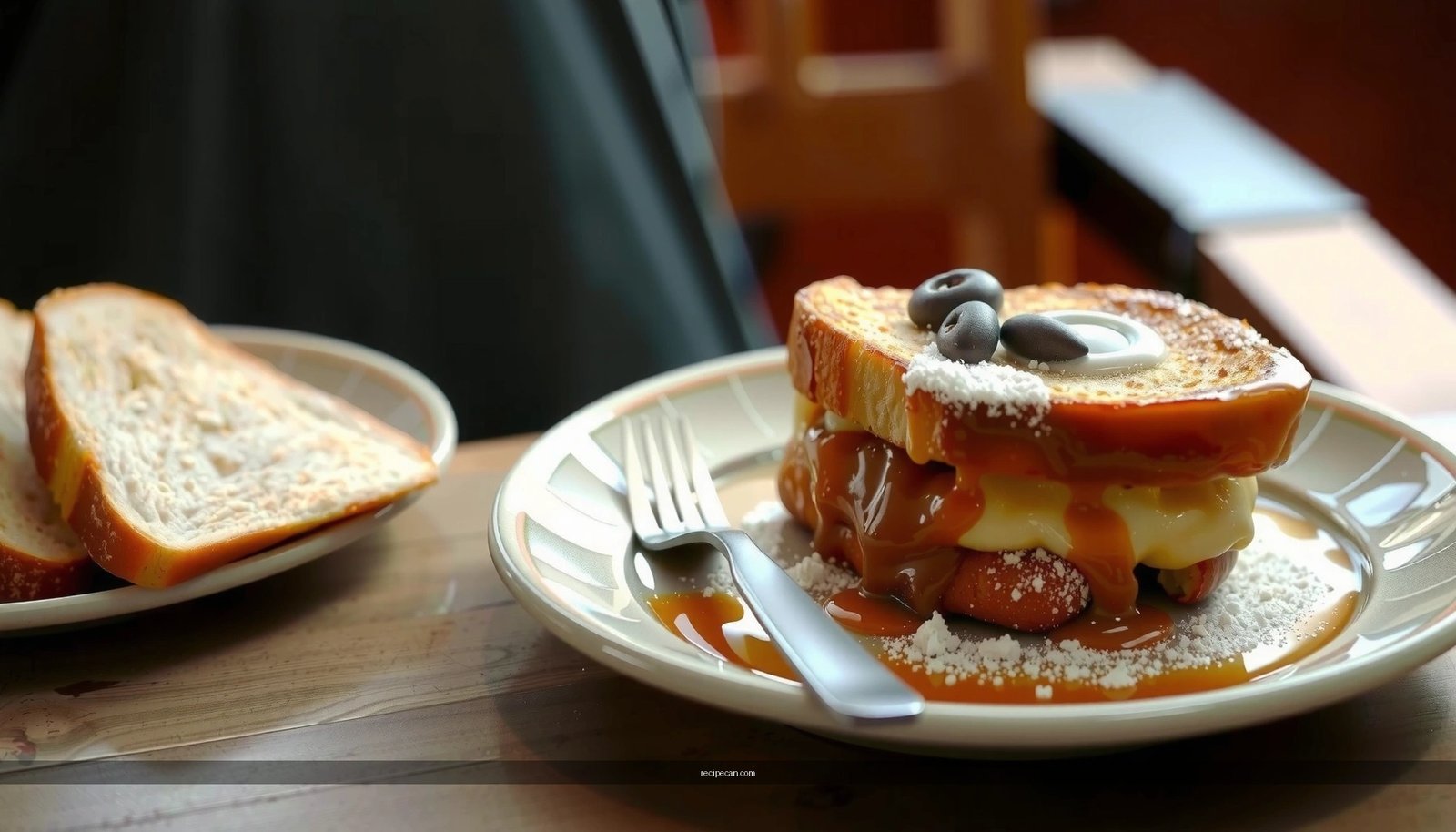
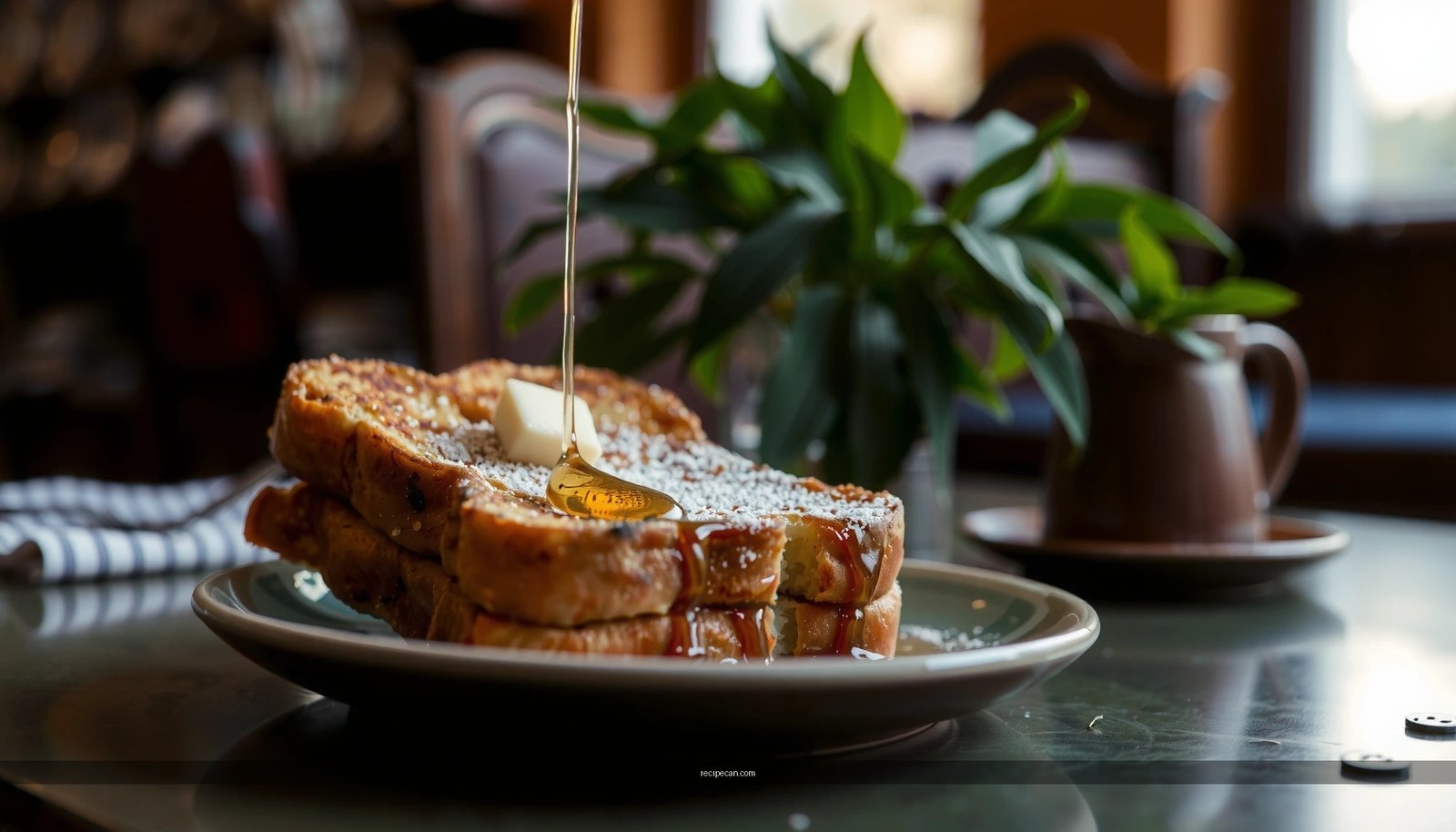
Classic: maple syrup and powdered sugar. Maple syrup is the most seamless match because it echoes the caramel notes developed during pan-frying. A light dusting of powdered sugar adds visual contrast and mild sweetness.
Also great: fresh berries, banana, whipped cream, or toasted nuts.
– Fresh berries (especially raspberries or blueberries) bring brightness that cuts through richness.
– Banana is comforting and helps “carry” custard flavor—slice it just before serving.
– Toasted nuts (pecans, walnuts, or almonds) add crunch and a roasted aroma that complements golden edges.
– Whipped cream makes the dish feel indulgent—use it as a finishing touch, not a soak partner.
For best presentation, serve warm slices immediately so the crust stays crisp. If you hold them too long, syrup can soften the edges.
—
Make-Ahead and Reheating Tips
French brioche french toast is easiest when components are staged. You can streamline brunch service while still delivering crisp texture.
Prep custard ahead and slice brioche in advance for faster cooking. Whisking custard ahead (up to 24 hours refrigerated) improves workflow and reduces last-minute stress. Slice brioche earlier too—store covered to prevent excessive drying.
Reheat gently in a skillet or oven to restore crisp edges.
– Skillet: reheat over medium-low for 1–2 minutes per side.
– Oven: place on a rack at 300°F / 150°C for 8–10 minutes.
Avoid microwaving; it steams the surface and often removes crispness. If you must microwave, re-crisp in a skillet for a minute afterward.
—
French brioche french toast turns out perfectly when you use thick brioche, soak briefly in a well-seasoned custard, and cook on steady medium heat until golden. Follow the soak + cook timing, keep the pan from overcrowding, and then finish with syrup, fruit, and a textural contrast like toasted nuts for consistently fluffy centers and crisp edges—make this tonight and adjust your next batch with one flavor variation at a time.
Frequently Asked Questions
What is the best way to use a French brioche bread for French toast?
Brioche is ideal because its rich, buttery crumb soaks up custard without turning gummy. Slice the brioche into thick pieces (about 1 to 1.5 inches) so they stay sturdy while cooking. For best results, use day-old brioche or lightly toast it so the French toast can absorb the egg mixture and still develop a golden crust.
How do you make French brioche French toast custard without it being soggy?
Whisk eggs, milk or half-and-half, a little sugar, vanilla, and a pinch of salt, then soak brioche briefly—usually 20 to 45 seconds per side—depending on thickness. Let excess custard drip off before placing bread on the hot pan. Cook on medium heat and avoid overcrowding so the surface browns quickly, preventing the center from staying wet.
Why does French brioche French toast sometimes stick to the pan, and how can you prevent it?
Brioche has a higher sugar and fat content, which can caramelize and stick if the pan isn’t hot enough or if there isn’t enough nonstick fat. Preheat your skillet or griddle fully, then use a thin layer of butter or neutral oil and reapply as needed between batches. Use a well-seasoned cast iron or a nonstick pan, and flip only once the first side is deeply golden.
Which toppings work best with French brioche French toast—sweet or savory?
Classic sweet toppings like maple syrup, powdered sugar, fresh berries, sliced bananas, or cinnamon butter pair especially well with brioche’s rich flavor. If you want a savory twist, try a side of crispy bacon, a poached egg, or a drizzle of honey-mustard, plus chopped herbs. For SEO-friendly versatility, many people search “French brioche French toast toppings,” and both sweet and savory options are popular.
How do you get crisp edges and a fluffy center in French brioche French toast?
Start with thick slices of brioche and soak just until saturated, not drenched, then cook on medium heat for even browning. For extra crispness, cook a little longer on the first side, then finish the second side until the custard is set and the bread springs back slightly when pressed. If serving multiple batches, keep cooked French toast warm in a 200°F (95°C) oven on a wire rack rather than stacking it, which helps maintain texture.
References
- https://en.wikipedia.org/wiki/Brioche
https://en.wikipedia.org/wiki/Brioche - French toast
https://en.wikipedia.org/wiki/French_toast - Custard
https://en.wikipedia.org/wiki/Custard - Custard
https://en.wikipedia.org/wiki/Egg_custard - Maillard reaction
https://en.wikipedia.org/wiki/Maillard_reaction - https://en.wikipedia.org/wiki/Bread_staling
https://en.wikipedia.org/wiki/Bread_staling - Brioche | Definition, Bun, & Recipe | Britannica
https://www.britannica.com/topic/brioche - https://www.britannica.com/topic/French-toast
https://www.britannica.com/topic/French-toast - Google Scholar Google Scholar
https://scholar.google.com/scholar?q=french+brioche+french+toast+recipe - Google Scholar Google Scholar
https://scholar.google.com/scholar?q=brioche+french+toast+egg+custard+frying+method