Want a French toast bake recipe that turns out custardy, golden, and set in the oven with minimal fuss? This easy oven-baked breakfast delivers thick, tender slices soaked in a rich custard, then baked until the edges crisp and the center stays silky. If you want the easiest way to feed a crowd without standing over a skillet, this is the clear winner.
French toast bake is the easiest way to get classic French toast flavor without standing at the stove—cube or slice bread, soak it in a simple custard, and bake until deeply golden. This oven-baked breakfast method is especially reliable: the custard sets into a fluffy center while the top develops a crisp, caramelized edge.
Ingredients for French Toast Bake
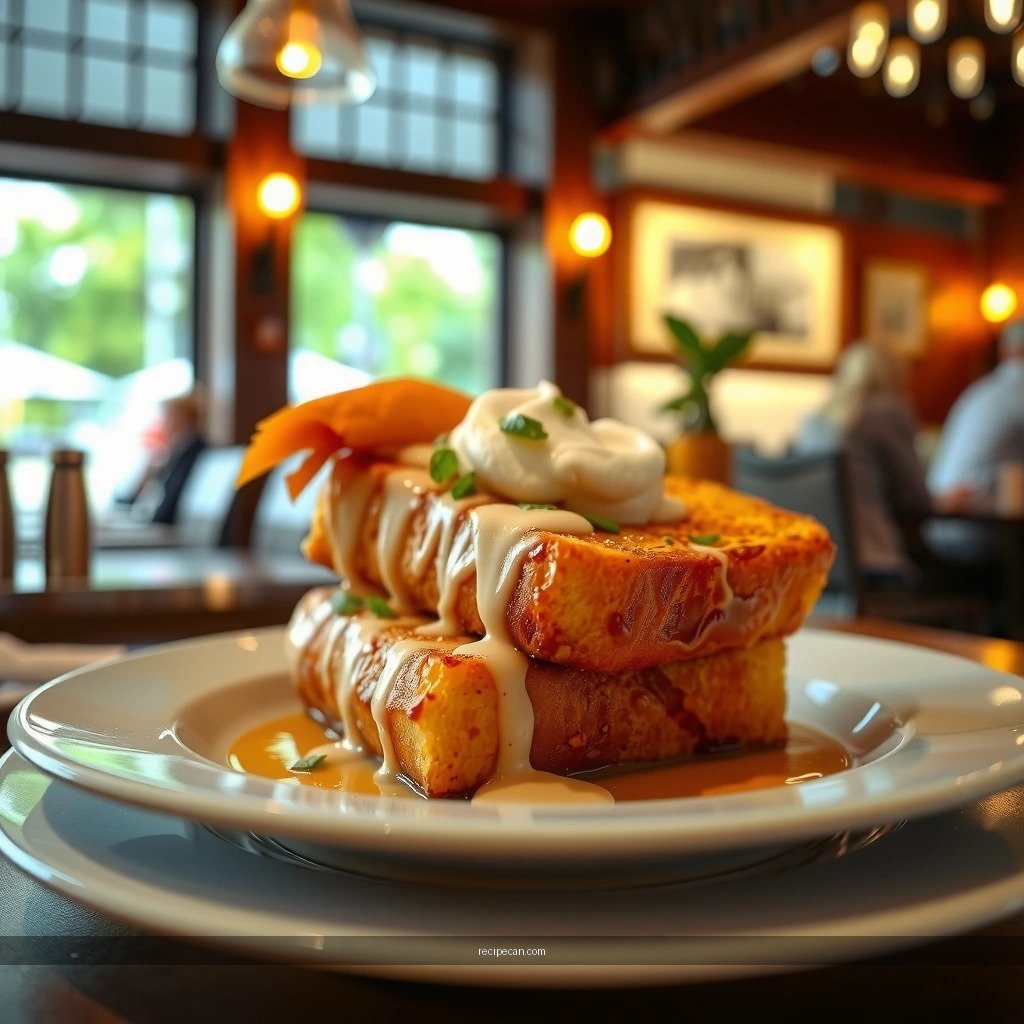
A successful French toast bake depends on balancing bread structure with custard richness. Since you’re soaking bread and letting it bake, small ingredient choices directly affect texture (fluffy vs. soggy), sliceability, and browning.
– Bread choice (brioche, challah, or thick-cut bread) and why it matters
– Brioche: Highest “custard affinity” because it’s rich and tender. It turns silky and custardy, with a pleasantly sweet aroma.
– Challah: Slightly firmer than brioche, so it soaks thoroughly yet holds shape well—excellent for a crowd.
– Thick-cut sandwich bread / Texas toast: Practical and widely available. Use thicker slices (or cubed slices) so the bake can develop a crisp top without over-saturating the middle.
– Pro tip: Slightly stale bread absorbs custard more evenly. If your bread is fresh, cube it and let it sit uncovered for 10–20 minutes while you prep the custard.
– Custard basics: eggs, milk/cream, sugar, and vanilla
– Eggs (structure): Eggs coagulate as they bake, creating that classic custard “set” that makes French toast slice cleanly.
– Milk/cream (creaminess): Whole milk keeps it lighter; a blend of milk and cream increases richness for an indulgent, custardy bake.
– Sugar (browning + flavor): Sugar isn’t just sweet—it helps with caramelization on the top surface.
– Vanilla (roundness): Vanilla stabilizes the flavor profile so the bake tastes like traditional French toast rather than “egg bread.”
– Optional add-ins like cinnamon, nutmeg, and salt
– Cinnamon + nutmeg: Add warmth that reads as “French toast,” especially when the bake is served with syrup.
– Salt: Often overlooked, but it tightens flavor and makes the custard taste more complete (not flat or overly eggy).
Best Bread-to-Custard Ratios for a Fluffy Center (Per 9×13-inch Dish)
| # | Bread (ideal style) | Target weight | Custard volume | Soak time | Expected texture rating |
|---|---|---|---|---|---|
| 1 | Brioche | 16 oz (450 g) | 3 cups (720 ml) | 30–45 min | ★★★★☆ |
| 2 | Challah | 18 oz (510 g) | 3¼ cups (780 ml) | 35–55 min | ★★★★★ |
| 3 | Thick-cut white bread | 20 oz (565 g) | 3½ cups (840 ml) | 45–60 min | ★★★★☆ |
| 4 | Sourdough (day-old) | 18 oz (510 g) | 3¼ cups (780 ml) | 60–75 min | ★★★☆☆ |
| 5 | Whole wheat (thick-cut) | 19 oz (540 g) | 3½ cups (840 ml) | 60 min | ★★★☆☆ |
| 6 | Baguette (stale cubes) | 17 oz (480 g) | 3½ cups (840 ml) | 70–90 min | ★★★☆☆ |
| 7 | Gluten-free artisan loaf | 14 oz (400 g) | 3 cups (720 ml) | 25–35 min | ★★★★☆ |
How to Make the Custard Soak
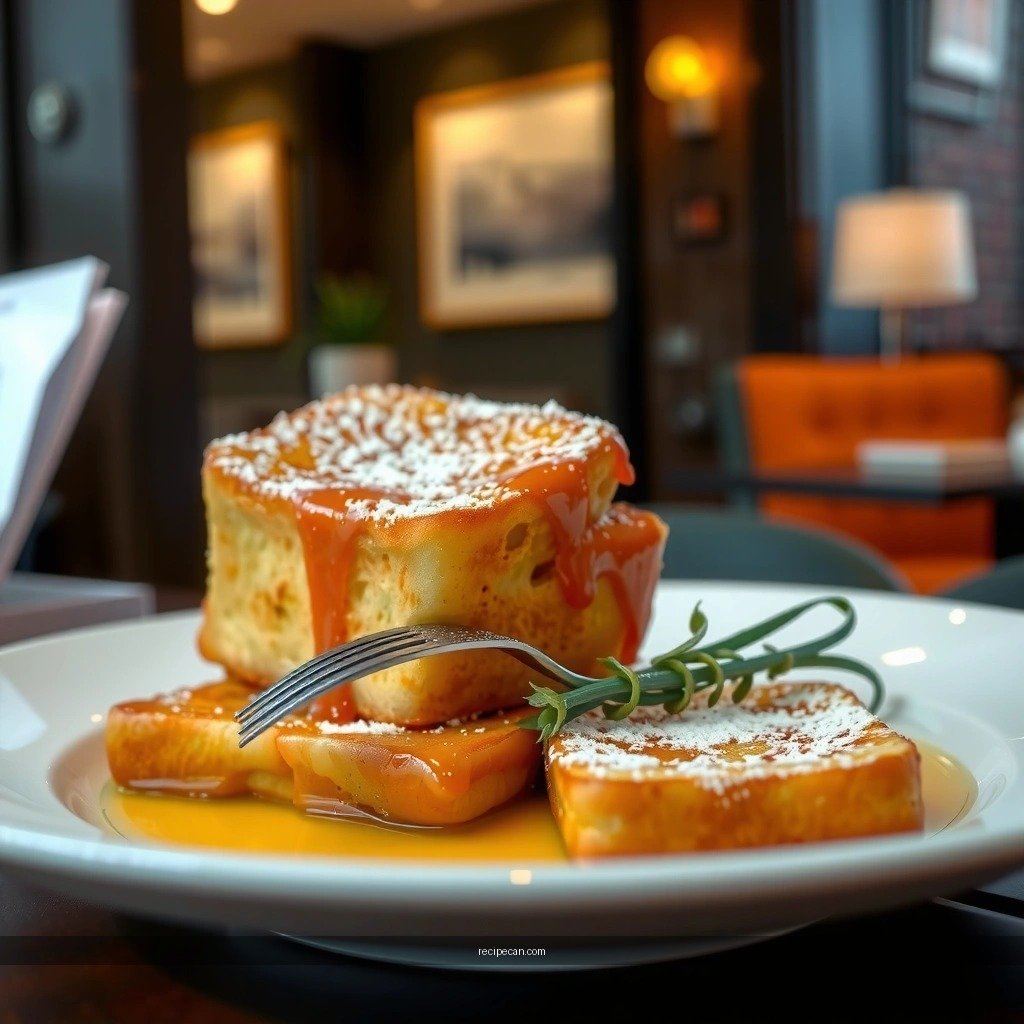
The custard soak is where French toast bake earns its reputation for consistent results. You’re not just wetting bread—you’re hydrating it uniformly so every bite sets into custardy tenderness.
– Whisk eggs, milk/cream, sugar, vanilla, and spices until smooth
– Use a bowl large enough to comfortably whisk and pour.
– Whisk until the sugar dissolves and the mixture looks uniform—this helps you avoid concentrated “sweet pockets” or eggy streaks.
– Add cinnamon and nutmeg gradually; you want warmth, not a spice-forward dessert profile.
– Soak the bread properly for full flavor (no dry spots)
– Even coverage matters: Cube bread and distribute it so it forms a relatively even layer.
– Press gently if needed: If bread floats, it won’t absorb properly. Lightly press with a spoon or spatula until pieces are mostly submerged.
– Watch for absorption cues: After soaking, the bread should look darker and feel tender throughout, not just at the edges.
– Rest time tips to help it bake evenly
– Room-temperature soak: Usually 30–60 minutes depending on bread density.
– Cold soak (refrigerated overnight): The bread firms slightly, so you’ll typically need a little longer bake time or a lower initial temperature to prevent over-browning.
– Key principle: Give time for absorption, not just for sitting. A thicker, egg-rich custard needs adequate time to penetrate.
Assemble Your French Toast Bake
Assembly is simple, but the goal is “even structure.” When bread pieces are unevenly distributed, the bake will set at different speeds—some bites become crisp while others stay underdone.
– Layer bread in a greased baking dish for even coverage
– Grease the dish thoroughly (butter or nonstick spray works).
– Use a 9×13-inch baking dish for standard portions so the custard depth is consistent.
– Arrange bread so there’s minimal empty space; the custard should pool slightly at the bottom, not tower over the top.
– Pour custard over bread and press gently if needed
– Pour slowly, starting around the perimeter so bread at the edges absorbs too.
– After pouring, press lightly to ensure all pieces contact custard.
– Add toppings like berries or chocolate (optional)
– Berries (especially blueberries): Best folded into a portion of the bread or scattered lightly so they don’t sink everything into a wet layer.
– Chocolate: Use chips or chopped chocolate sparingly; too much can cause pockets that never fully set.
– Cinnamon sugar topping (optional): Sprinkle after soaking begins to create a caramelized top—just keep it thin to avoid burning.
Baking Time and Temperature
Baking is a science of setting eggs while achieving caramelization. Too hot and the top browns before the center sets; too cool and you get pale, custard-heavy slices.
– Bake at a steady temperature until set and golden
– A reliable approach for an oven-baked breakfast casserole is 350°F (175°C).
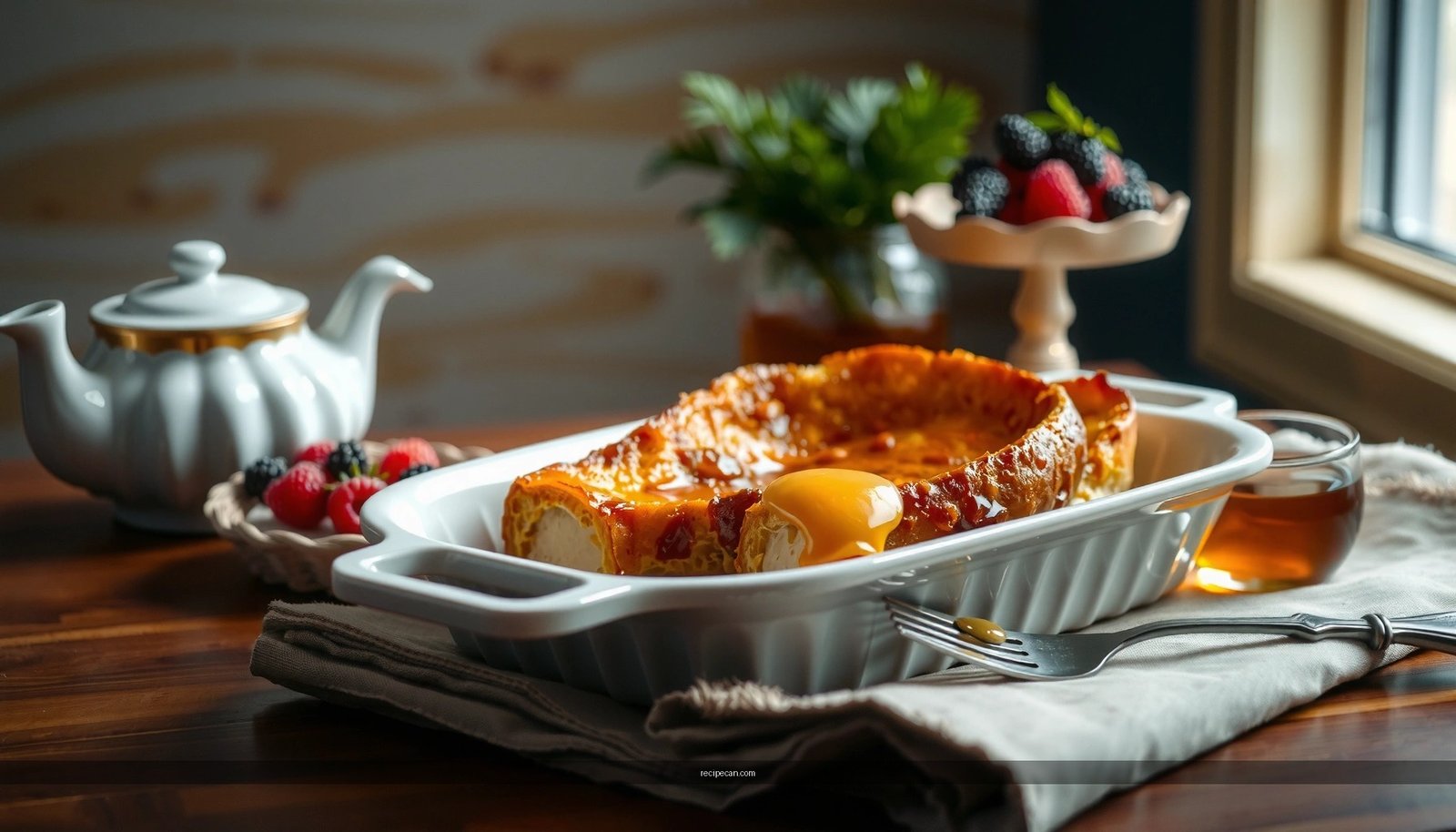
– Bake until the center is set—edges should be golden, and the top should look browned but not burned.
– Check doneness with a jiggle test or lightly springy center
– Jiggle test: The center should jiggle slightly like set custard, not slosh like liquid.
– Springy touch: Lightly tap the center—if it springs back and doesn’t feel wet, you’re ready.
– If the top browns too quickly, cover loosely with foil and continue baking until fully set.
– Rest briefly before serving for cleaner slices
– Rest 10–15 minutes. This allows custard to finish setting and improves slice stability.
– Cutting immediately can cause the bake to tear or release custard pools.
Make-Ahead and Overnight Options
This recipe shines for busy mornings because it scales well and can be built ahead—ideal for meal planning, brunch hosting, and teams that need predictable prep.
– Prepare the day before and refrigerate before baking
– Assemble the dish, pour custard, cover, and refrigerate.
– Overnight soaking (typically 8–12 hours) deepens flavor and creates a more uniform custard texture.
– Adjust soak time for best texture when chilled
– Cold bread absorbs custard more slowly; however, it usually results in less “puffy collapse” because the custard hydrates steadily overnight.
– If you’re short on time, do a shorter fridge soak (about 2–4 hours) and let the dish come near room temperature for 15–20 minutes before baking.
– How to go from fridge to oven without overbaking
– Bake from cold, but consider reducing risk of over-browning:
– Start baking at the standard temperature and check earlier than you would for room-temp soaking.
– If the top is browning quickly, tent with foil for the remainder of the cook.
– Expect the center to take a little longer to set when starting from refrigeration.
Serving Ideas and Simple Toppings
The best part of French toast bake is customization. Serve it like a buffet: keep classics front and center, then add options for guests who want their “own” version.
– Classic syrup, powdered sugar, and butter serving suggestions
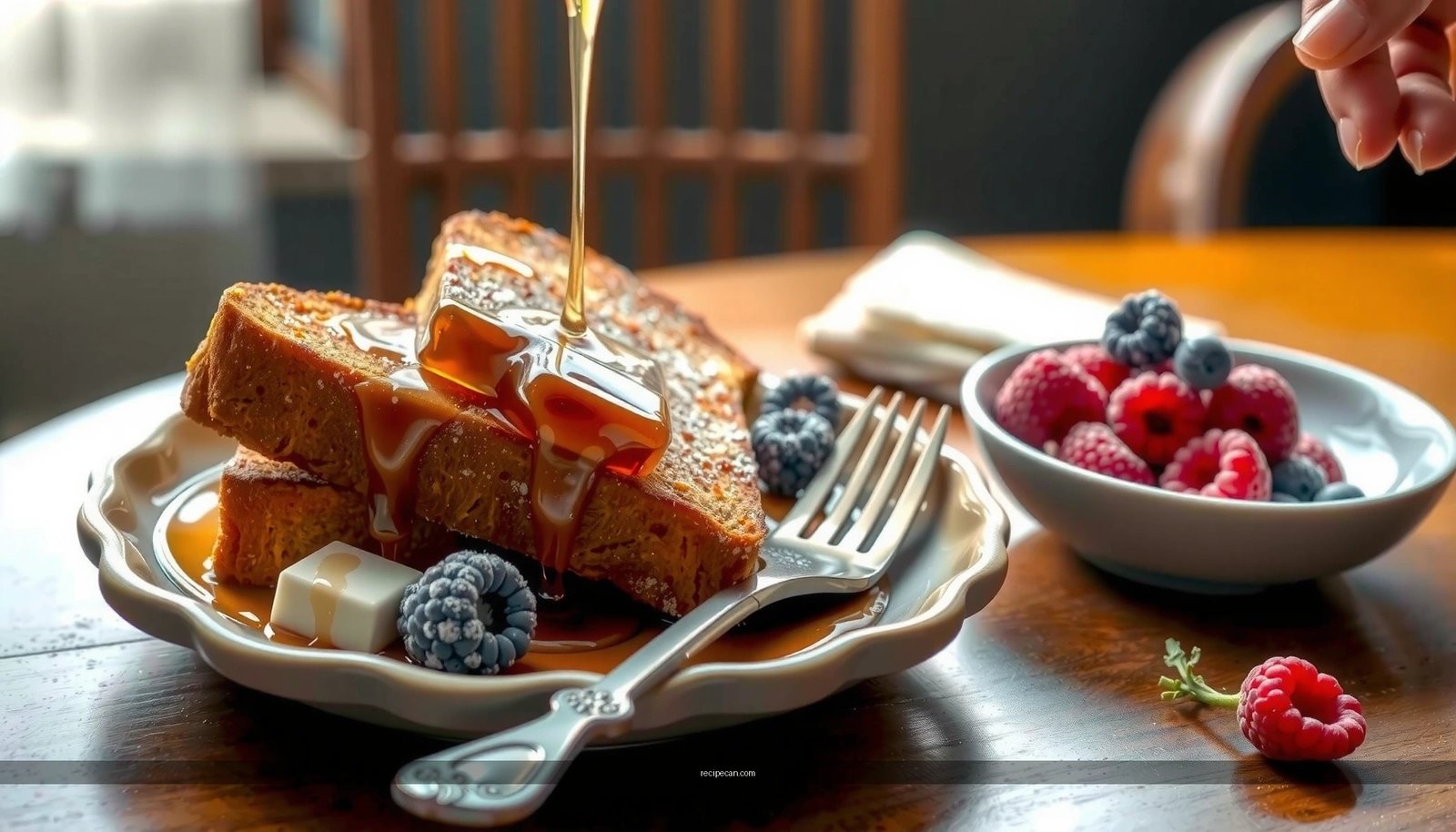
– Warm maple syrup: Pour right before serving so the top stays crisp.
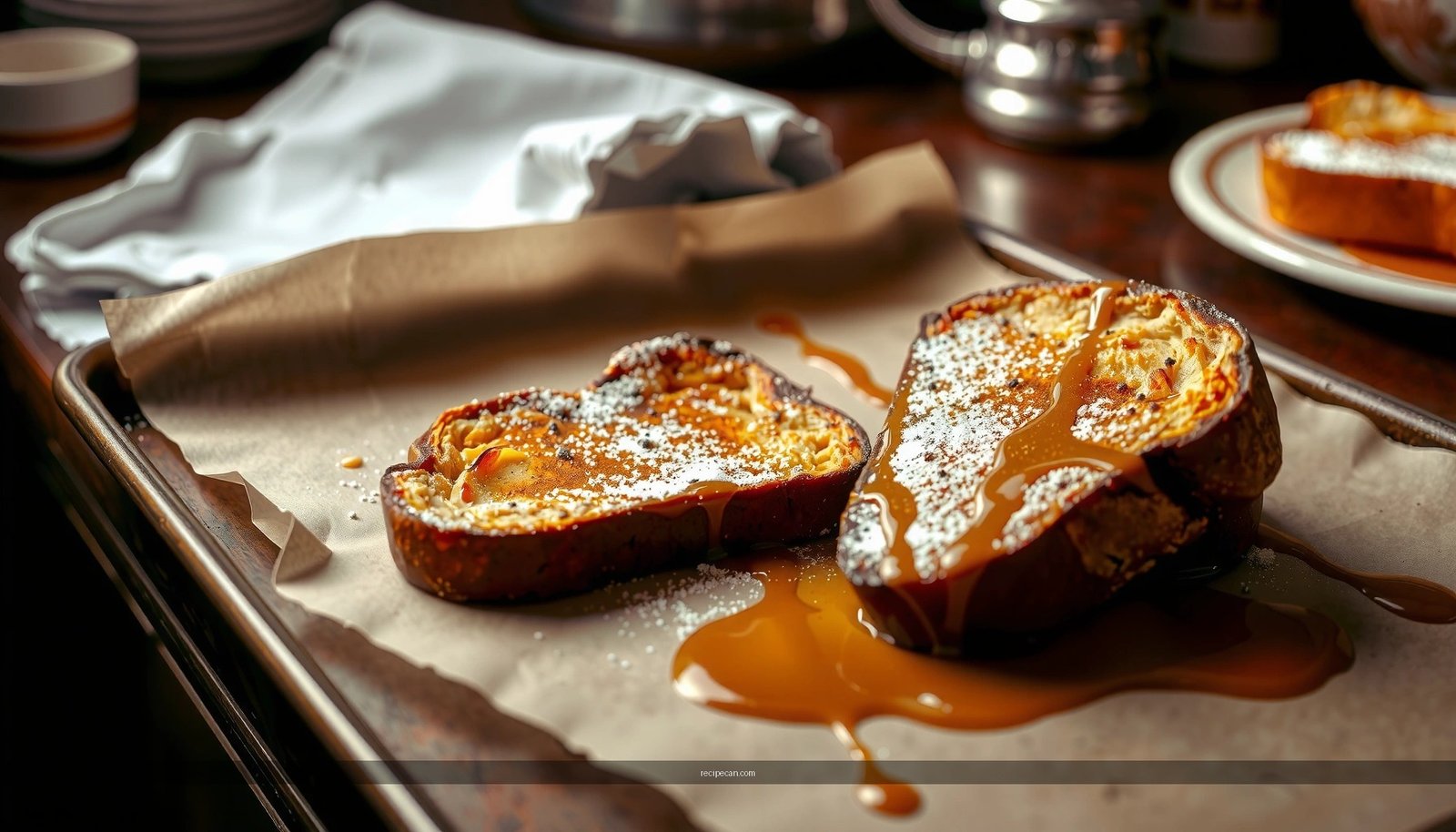
– Powdered sugar: Use a light dusting for a bakery look without soaking the surface.
– Butter: A few small pats melt into the custard layers for richer flavor.
– Fruit toppings and whipped cream for a quick upgrade
– Fresh berries and lemon zest bring brightness that balances egg richness.
– Banana slices pair well with cinnamon and a drizzle of syrup.
– Whipped cream (store-bought or homemade) turns it into a “brunch dessert” in seconds.
– Best ways to keep it warm while serving
– Keep servings warm at a low setting (or cover loosely) so the top doesn’t steam itself soft.
– If holding longer, cover with foil and re-check doneness/texture—custard can continue setting and drying slightly as it cools.
French toast bake gives you the classic French toast experience—custardy interior, crisp edges, and warm spice notes—without the repetitive stovetop work. Follow the custard soak for even absorption, bake until set and deeply golden, and use the make-ahead method to take pressure off your schedule. Make it this weekend, then customize with your favorite toppings for a breakfast that feels both effortless and special.
Frequently Asked Questions
What’s the best French toast bake recipe for feeding a crowd?
A classic French toast bake uses a custard of eggs, milk (or half-and-half), vanilla, cinnamon, and a touch of sugar, baked until puffed and golden. Choose sturdy bread like brioche, challah, or thick-cut Texas toast so the casserole holds its shape and absorbs the custard evenly. For easier serving, layer the bread in a greased baking dish, pour the custard over it, and bake until the center is set.
How do I make French toast bake that isn’t soggy in the middle?
Use bread that can absorb custard without collapsing—day-old brioche or challah works best for French toast casserole recipes. Make sure the dish has enough time to soak (often 20–30 minutes for immediate baking, or refrigerate up to overnight), then bake at a moderate temperature until the center reaches a custard-set texture. If the top browns too quickly, loosely tent with foil and continue baking to finish through the middle.
Why does my French toast bake taste eggy, and how can I fix it?
An eggy flavor usually comes from too much egg relative to milk or from overbaking the casserole until the custard tightens. To balance flavor, increase dairy slightly (or use half-and-half), add vanilla, and include cinnamon for a more traditional French toast flavor profile. Cover during baking if needed, and pull the bake when it’s just set but still tender in the center for the best results.
Which bread is best for a French toast bake?
Brioche and challah are top choices because they’re soft, rich, and absorb the custard well without turning mushy. If you want a more classic, slightly firmer texture, thick-cut French bread or Texas toast also works well. Avoid very airy sandwich bread, since it can become watery and produce uneven French toast bake layers.
How long should I bake French toast casserole, and what temperature is ideal?
Most baked French toast recipes bake at about 350°F (175°C) until puffed and golden, typically around 35–50 minutes depending on dish size and thickness. Start checking around the 35-minute mark, and bake longer if the center still looks wet or jiggles excessively. For best accuracy, look for a set custard texture (not liquid) and a golden top before letting it rest for a few minutes.
References
- French toast
https://en.wikipedia.org/wiki/French_toast - https://www.britannica.com/topic/French-toast
https://www.britannica.com/topic/French-toast - https://www.bbc.co.uk/search?q=french%20toast%20casserole
https://www.bbc.co.uk/search?q=french%20toast%20casserole - https://www.nytimes.com/search?query=french%20toast%20casserole
https://www.nytimes.com/search?query=french%20toast%20casserole - https://www.theguardian.com/search?q=french%20toast%20casserole
https://www.theguardian.com/search?q=french%20toast%20casserole - Google Scholar Google Scholar
https://scholar.google.com/scholar?q=french+toast+recipe+bake - Google Scholar Google Scholar
https://scholar.google.com/scholar?q=french+toast+casserole+egg+custard+baking - Google Scholar Google Scholar
https://scholar.google.com/scholar?q=egg+custard+coagulation+baking+temperature+study - https://pubmed.ncbi.nlm.nih.gov/?term=french+toast+casserole
https://pubmed.ncbi.nlm.nih.gov/?term=french+toast+casserole - https://www.sciencedirect.com/search?qs=french+toast+casserole+baking
https://www.sciencedirect.com/search?qs=french+toast+casserole+baking