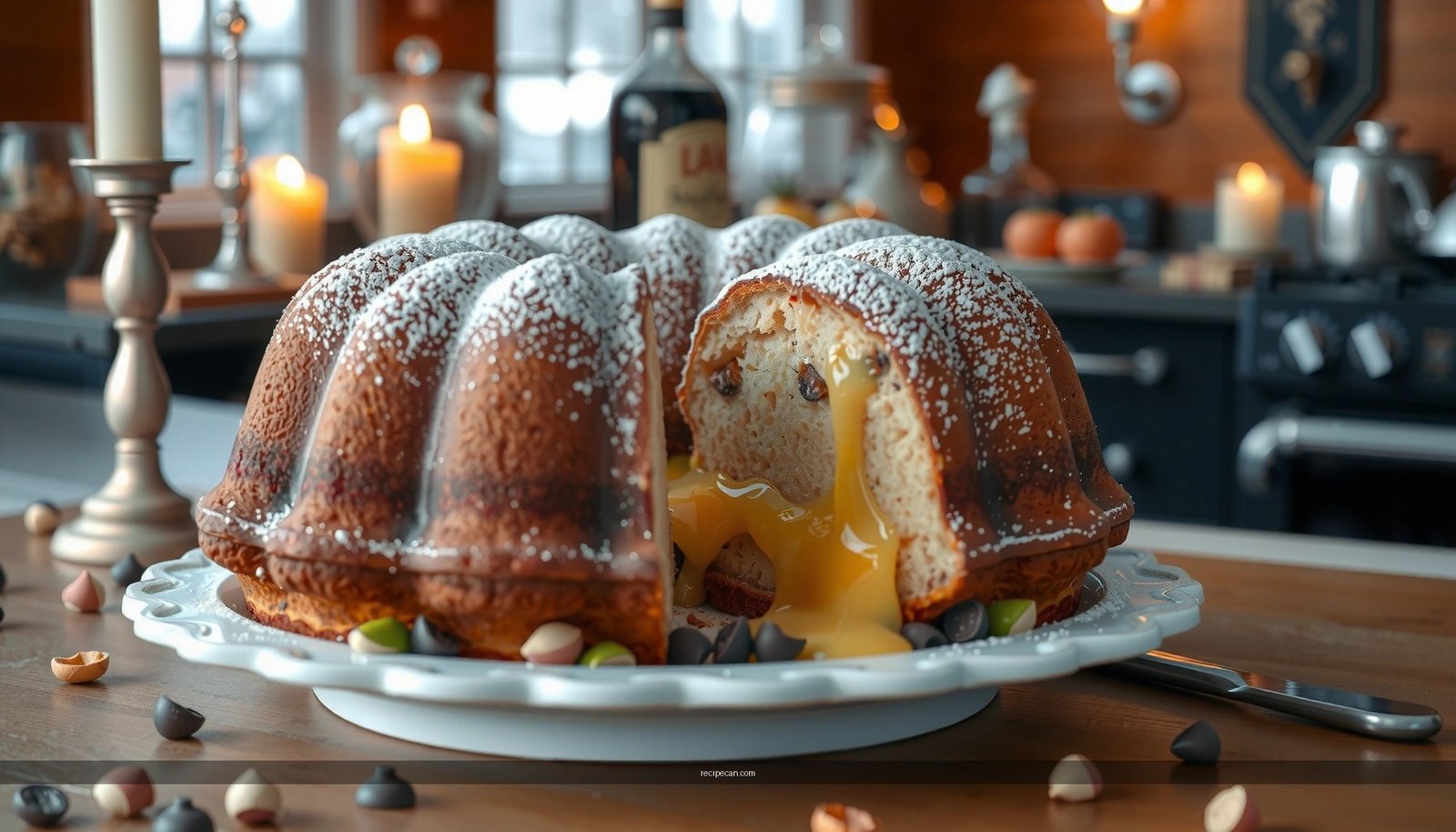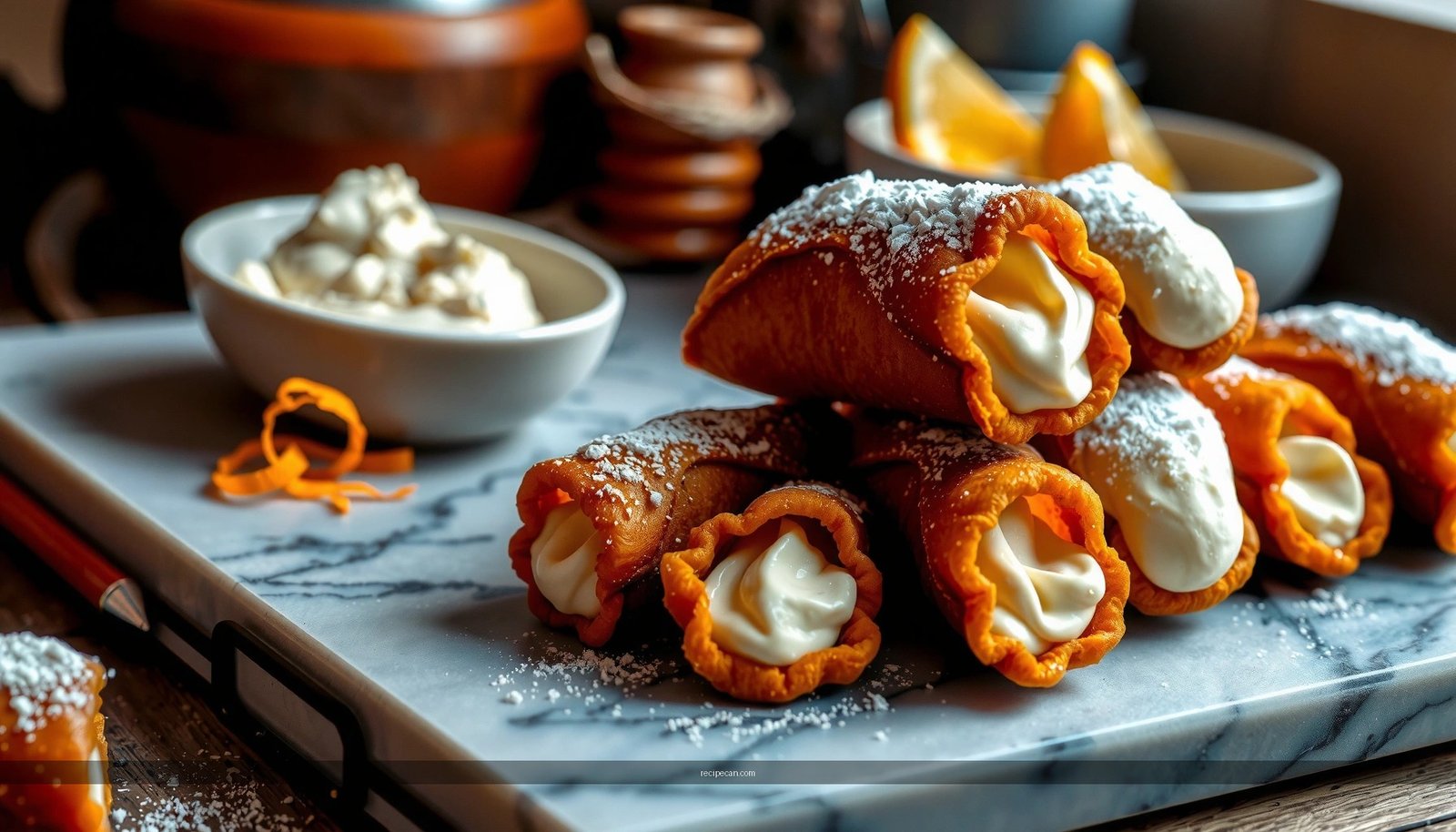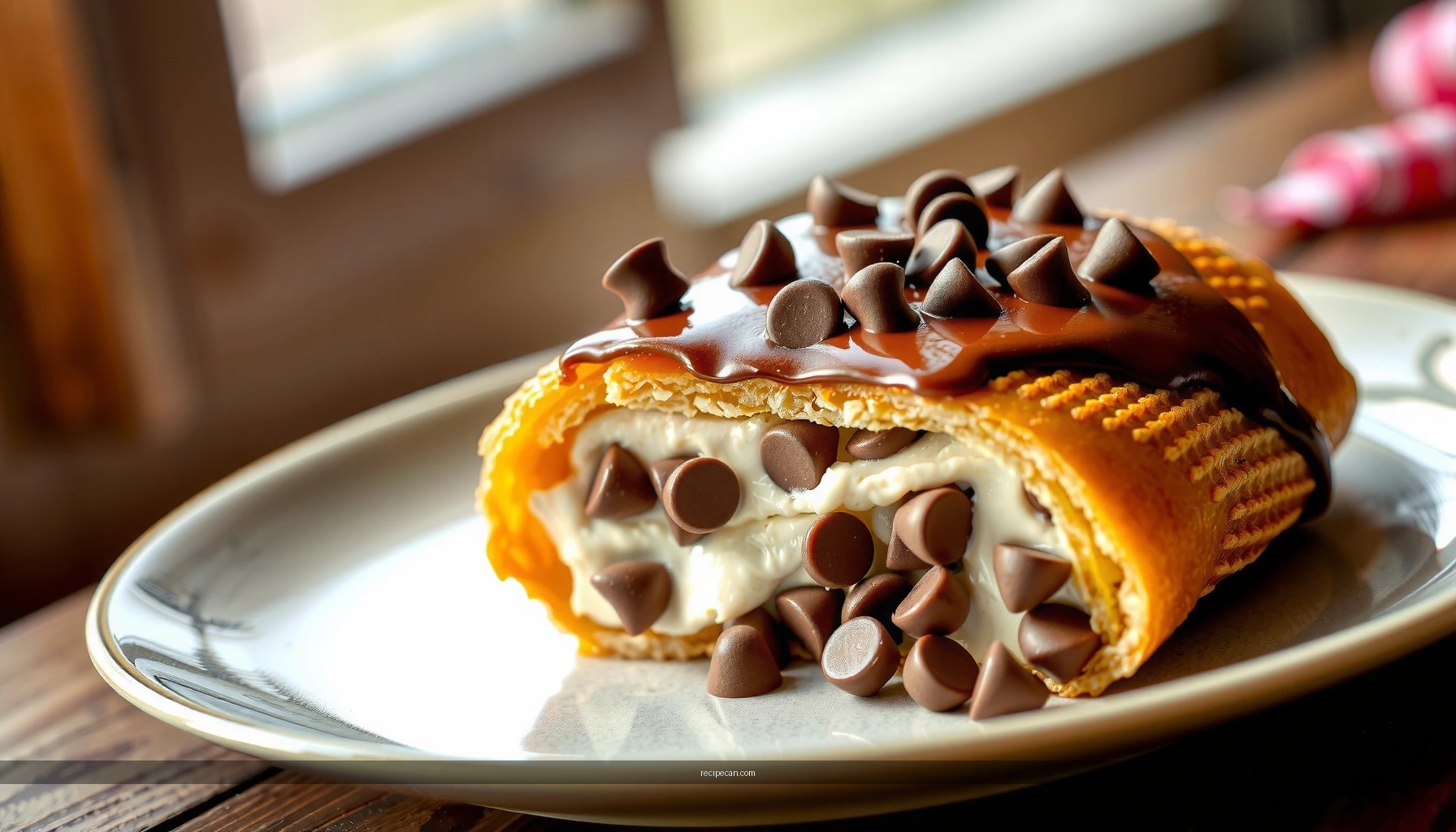
Get the chocolate chip cannoli pie recipe that delivers the creamiest filling and the right amount of crunch in every slice—without complicated steps. This easy cannoli pie combines rich, smooth cannoli-style cream with chocolate chips and a buttery crust for a dessert that sets up cleanly and tastes like a bakery favorite. If you want a straightforward way to make a creamy, chocolate-studded pie that actually holds its shape, this is the one to make.
If you want classic cannoli flavor with minimal effort, this chocolate chip cannoli pie delivers it through a smooth ricotta filling studded with mini chocolate chips and baked (or chilled) into a sliceable dessert. You’ll mix ricotta with sugar and vanilla, fold in chocolate, bake briefly for a firmer set or chill longer for a softer, creamier cannoli pie texture—then serve with clean, confident slices.
Ingredients You’ll Need
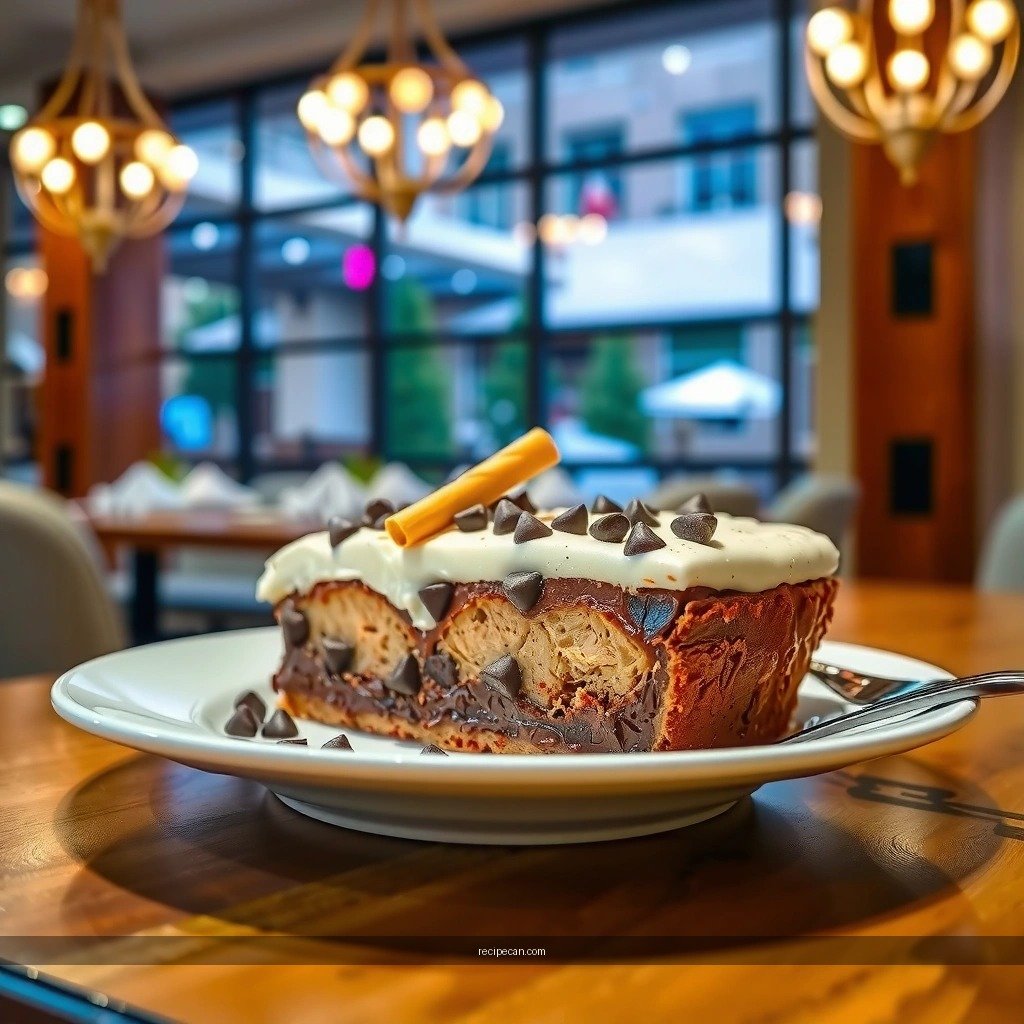
– Ricotta, powdered sugar, vanilla, and mini chocolate chips for the cannoli-style filling
– Pie crust (store-bought or homemade) and optional add-ins like cinnamon or citrus zest
To make a reliable chocolate chip cannoli pie, focus on quality ingredients that behave well during baking and chilling. Full-fat ricotta tends to create the most authentic, creamy cannoli texture. If your ricotta looks very watery, drain it briefly in a fine-mesh sieve to prevent a loose filling.
Core ingredient notes (for best results):
– Ricotta: Use whole milk ricotta for the richest mouthfeel. If it’s very wet, strain for 10–20 minutes.
– Powdered sugar: Dissolves more readily than granulated sugar, creating a smoother ricotta filling.
– Vanilla extract: Adds warm bakery-style aroma that complements ricotta and chocolate.
– Mini chocolate chips: Distribute evenly and melt enough to create pockets of chocolate without weighing down the filling.
– Pie crust: A sweet, buttery crust works beautifully. If you prefer extra contrast, consider a graham cracker or chocolate cookie crust (more on variations below).
Ricotta Pie Performance Guide (Chill vs Bake)
| # | Method | Typical Time | Best For | Outcome |
|---|---|---|---|---|
| 1 | Bake, then cool | 25–32 min @ 350°F (175°C) | ★ Slices that hold | Firm set, minimal jiggle |
| 2 | Chill (no bake) | 4–6 hours | ★ Maximum creaminess | Soft cannoli-style bite |
| 3 | Bake briefly | 18–22 min @ 350°F (175°C) | ★ Gentle set, creamy center | Balanced slice with slight softness |
| 4 | Bake fully, chill | 32–38 min + 2 hours cooling | ★ Cleanest cuts for events | Stabilized texture, less sag |
| 5 | Under-bake (avoid) | <15–17 min @ 350°F (175°C) | — | Loose filling, difficult slicing |
| 6 | Over-bake (avoid) | >38–40 min @ 350°F (175°C) | — | Grainy texture, reduced creaminess |
| 7 | Freeze briefly (not ideal) | 20–30 min, then slice | Quick service only | May dull texture after thaw |
Make the Cannoli-Style Filling
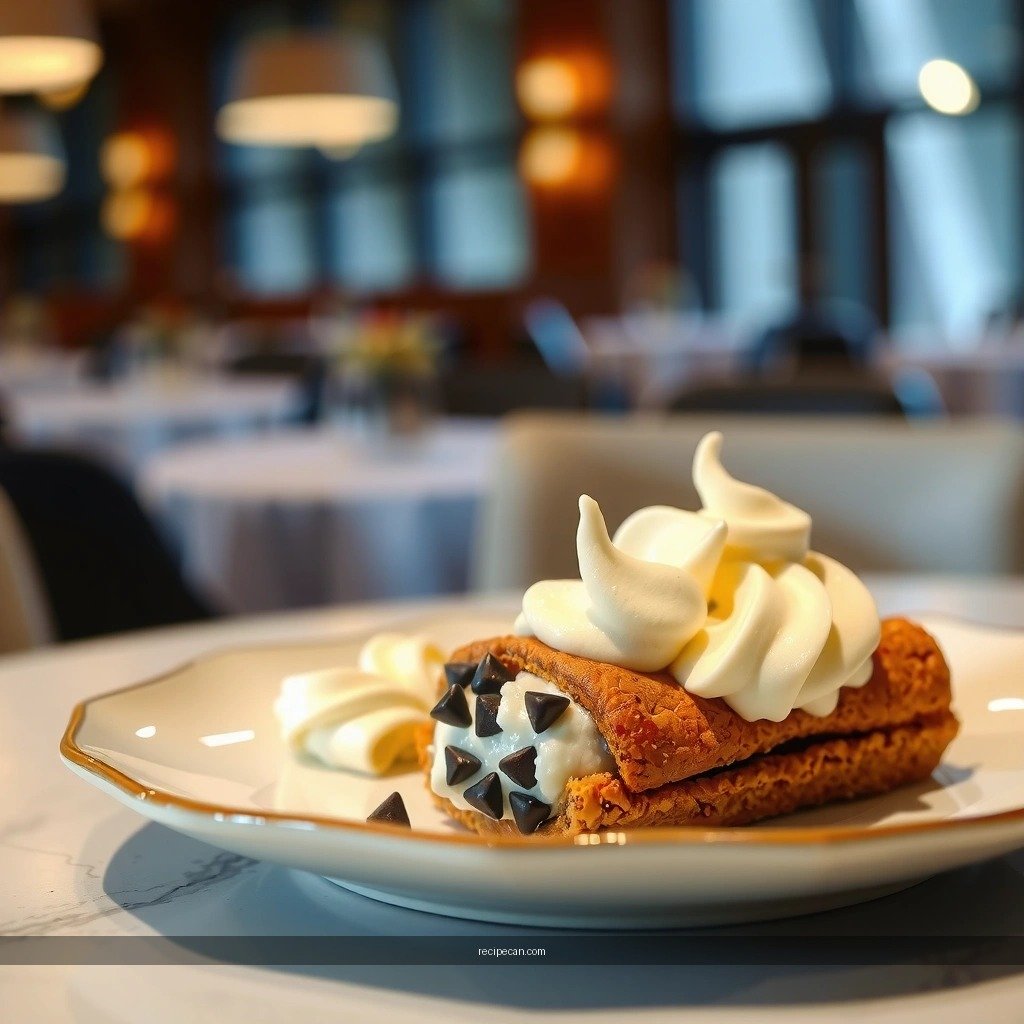
– Mix ricotta until smooth, then sweeten with powdered sugar and vanilla
– Fold in chocolate chips gently to keep the filling light
The filling is the heart of your chocolate chip cannoli pie, and the method determines whether it tastes light and creamy—or dense and slightly grainy. Start by mixing ricotta until smooth, using a spoon or mixer on low. Once it’s uniform, sweeten with powdered sugar and add vanilla.
How to get the right texture (the professional approach):
1. Smooth the ricotta first. If the ricotta is lumpy, the lumps don’t disappear later—so address them at the start.
2. Sweeten after smoothing. Powdered sugar integrates more evenly when the base is already creamy.
3. Fold, don’t beat, once chocolate is added. Overmixing can break the emulsion and make the filling heavier.
4. Stop mixing early. When you can no longer see streaks of ricotta or sugar, stop. Residual mixing will finish the job.
A practical “doneness” mindset for filling
Cannoli pie filling is meant to be a creamy set, not a fully baked custard. If you’re baking, look for a pie that’s set around the edges with a slight center wobble. Overbaking is the main reason ricotta desserts lose that classic, airy-cannoli character.
Assemble the Chocolate Chip Cannoli Pie
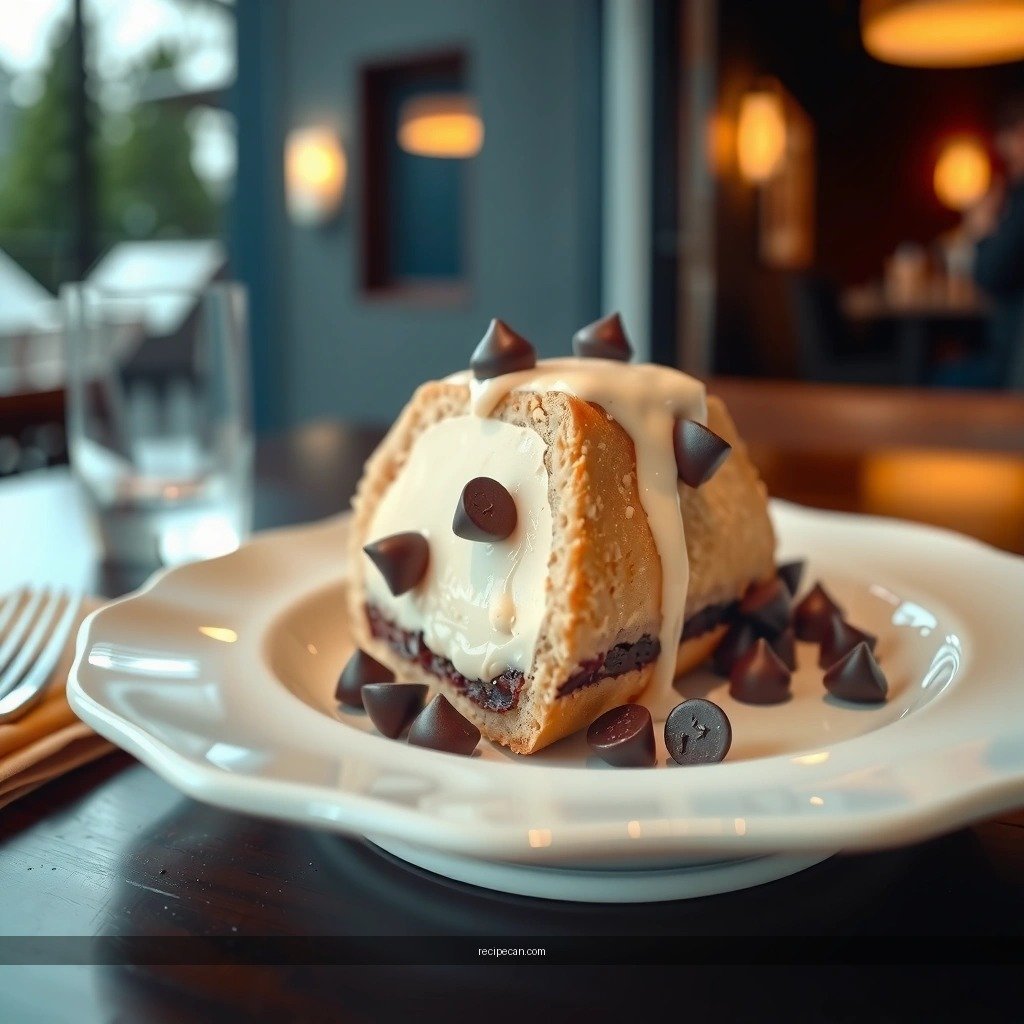
– Spread the filling into the crust evenly for consistent slices
– Add any optional toppings (extra chocolate chips, chopped pistachios, or drizzle)
Assembly is where good outcomes become great ones. Even distribution matters: if the filling pools in one area, slices will look uneven even when the flavor is perfect.
Step-by-step assembly strategy:
1. Prepare the crust. If using a pre-baked crust, you’re set. If using a raw crust, follow your crust package guidance (or partially blind-bake if needed).
2. Add filling gradually. Pour the ricotta mixture into the center, then use a spatula to spread outward.
3. Level the surface. A consistent thickness helps the filling bake evenly and slice cleanly.
4. Top thoughtfully. Add a light layer of chocolate chips so they’re visible on the finished pie. For crunch and classic cannoli vibes, sprinkle chopped pistachios or drizzle a thin ribbon of chocolate or honey.
Optional toppings that actually complement the flavors:
– Chopped pistachios: Adds savory contrast to sweet ricotta.
– Cinnamon: Brings warmth reminiscent of traditional cannoli fillings.
– Orange or lemon zest: Brightens the dairy sweetness without overwhelming it.
– Extra mini chocolate chips: Creates “arrival points” for chocolate in every bite.
Bake or Chill (Best Texture Guide)
– Bake briefly if you want a set, sliceable pie with a slightly firmer filling
– Chill longer if you prefer a softer, creamy cannoli pie texture
Choosing bake vs. chill is about the texture profile you want—firmer and more sliceable or soft and spoonable.
Bake briefly for a more structured slice
Baking helps the ricotta filling set into a pie that cuts neatly. For a chocolate chip cannoli pie, brief baking usually preserves creaminess while adding stability. Plan to cool before slicing; warm filling spreads and can look under-set.
Chill longer for a classic cannoli-like softness
No-bake or chilled-only cannoli pie textures are typically softer and more mousse-like. If you’re aiming for that “thick cannoli cream” feel, chilling 4–6 hours is usually the sweet spot. For best results, cover the pie loosely after assembling to prevent condensation or crust drying.
Texture expectations by method
– Baked: firmer edges, slightly denser center, clean slices
– Chilled: softer mouthfeel, more “spreadable” creaminess
– Best middle ground: bake briefly, then chill a bit to balance sliceability and creaminess
If you’re serving in a business-luncheon style setting—meaning you need stable presentation—bake briefly and allow cooling time. If you’re serving at a home gathering where guests enjoy a softer dessert, chilling-only is the more indulgent approach.
Tips for Perfect Slices
– Don’t overmix the ricotta—smooth beats airy for the best texture
– Cool before slicing to prevent runny filling and clean cuts
Even the best chocolate chip cannoli pie can fall apart visually if sliced too early. And mixing habits can quietly change texture.
Key slicing and mixing tactics:
– Cool completely (or at least until firm). As a rule of thumb, plan on cooling at room temperature first, then refrigerating for extra stability when using a baked method.
– Use a sharp knife, cleaned between cuts. Wipe the blade to keep chocolate and ricotta from smearing.
– Cut with confidence, not pressure. Pressing down can compress the filling; a steady sawing motion yields cleaner edges.
– Avoid overmixing after adding ricotta. Ricotta doesn’t need to be beaten until fluffy. You want smooth and cohesive, not aerated and unstable.
If you’ve ever had cannoli-like desserts that “run” on the plate, the culprit is usually one or more of these: under-chilling, over-baking, watery ricotta, or slicing while too warm. Fixing any one variable often improves results dramatically.
Flavor Variations to Try
– Swap in cinnamon, orange zest, or mini chocolate morsels for different vibes
– Use a different crust style (graham cracker, chocolate crust, or cookie crust) for contrast
A chocolate chip cannoli pie is adaptable, and small swaps can make it feel like an entirely different dessert while keeping the same core structure.
Cannoli-inspired flavor twists
– Cinnamon-forward: Add 1/2 to 1 teaspoon of cinnamon to the filling for a warm, bakery style profile that pairs with chocolate chips.
– Orange zest brightness: Zest from one orange elevates ricotta and chocolate with a clean, aromatic note.
– Chocolate intensity upgrade: Replace some mini chips with chopped semi-sweet chocolate for larger melty pockets.
Crust upgrades for contrast
Your crust is the “frame” of the pie. Changing it can shift the dessert from classic to modern with minimal effort.
– Graham cracker crust: Adds a toasted sweetness that complements ricotta.
– Chocolate cookie crust: Intensifies dessert richness—ideal when using less chocolate in the filling.
– Vanilla wafer or butter cookie crust: Creates a softer, vanilla-forward base that lets the cannoli flavor shine.
When selecting a crust, consider how sweet it already is. If you choose a very sweet crust (like chocolate cookies), you may want slightly less powdered sugar in the filling to keep the balance.
This chocolate chip cannoli pie recipe delivers creamy ricotta sweetness with melty chocolate chips and that classic cannoli taste. Gather your ingredients, follow the filling and assembly steps, then bake or chill based on your preferred texture—then slice, serve, and enjoy (or share) your next dessert.
This chocolate chip cannoli pie is designed for dependable results: you build a smooth ricotta filling, fold in mini chocolate chips without overmixing, and choose the bake-or-chill method that matches the texture you want. Whether you’re targeting a firmer slice for hosting or a softer cannoli-style bite for indulgent serving, this recipe gives you a clear path to a creamy, flavorful dessert with minimal fuss.
Frequently Asked Questions
What is a chocolate chip cannoli pie and how is it different from traditional cannoli?
A chocolate chip cannoli pie is a dessert that combines the classic cannoli flavors—creamy ricotta filling and sweet add-ins—inside a pie crust instead of individual cannoli shells. It typically includes chocolate chips for extra richness and uses a pie-friendly method to bake or chill the filling, making it easier to serve at gatherings. If you’re searching for a “cannoli pie recipe with chocolate chips,” this is the format you’ll most often find: creamy, dessert-bowl flavor with sliceable portions.
How do you make a chocolate chip cannoli pie that doesn’t get watery?
To prevent a watery cannoli pie, drain ricotta well and, if needed, blot it before mixing so excess moisture doesn’t break the texture. If your recipe uses a no-bake filling, chill the pie long enough for the filling to set properly, and avoid adding ingredients like liquid extracts too heavily. Mixing the ricotta gently (not overbeating) also helps keep a stable, thick cannoli filling for a clean slice.
Why does your cannoli filling taste gritty, and how can you fix it?
Grittiness usually comes from ricotta that isn’t smooth enough or sugar that hasn’t dissolved. Use high-quality ricotta, break up larger curds before combining, and mix until silky before folding in chocolate chips. If your pie relies on powdered sugar, it generally dissolves faster and can improve the texture of your chocolate chip cannoli pie recipe.
What’s the best crust for a chocolate chip cannoli pie?
The best crust depends on whether your pie is baked or chilled, but many people prefer a buttery, lightly sweetened crust like a graham cracker or traditional pastry crust. A thicker crust helps support a creamy cannoli filling so the bottom doesn’t become soggy when chilling. If you want a simpler option, a graham cracker crust pairs especially well with the chocolate chips and vanilla notes in a cannoli pie recipe.
Which chocolate chips work best in a cannoli pie recipe?
Semi-sweet or dark chocolate chips are the best choice because they balance the sweetness of ricotta and pastry. If you prefer more intense chocolate flavor, choose chips labeled “dark” or “bittersweet,” and fold them in gently so they stay evenly distributed. Using chocolate chips that hold their shape well will give you distinct chocolate pockets in every slice of your chocolate chip cannoli pie.
References
- Google Scholar Google Scholar
https://scholar.google.com/scholar?q=cannoli+pie+recipe+ricotta+chocolate+chips - https://scholar.google.com/scholar?q=cannoli+dessert+ricotta+chocolate+chips+recipe Google Scholar
https://scholar.google.com/scholar?q=cannoli+dessert+ricotta+chocolate+chips+recipe - Google Scholar Google Scholar
https://scholar.google.com/scholar?q=chocolate+chip+pie+ricotta+cannoli - https://en.wikipedia.org/wiki/Cannoli
https://en.wikipedia.org/wiki/Cannoli - Ricotta
https://en.wikipedia.org/wiki/Ricotta - Shortcrust pastry
https://en.wikipedia.org/wiki/Pie_crust - Pie
https://en.wikipedia.org/wiki/Pie - Chocolate chip cookie
https://en.wikipedia.org/wiki/Chocolate_chip_cookie - Chocolate
https://en.wikipedia.org/wiki/Chocolate - https://www.britannica.com/topic/cannoli
https://www.britannica.com/topic/cannoli