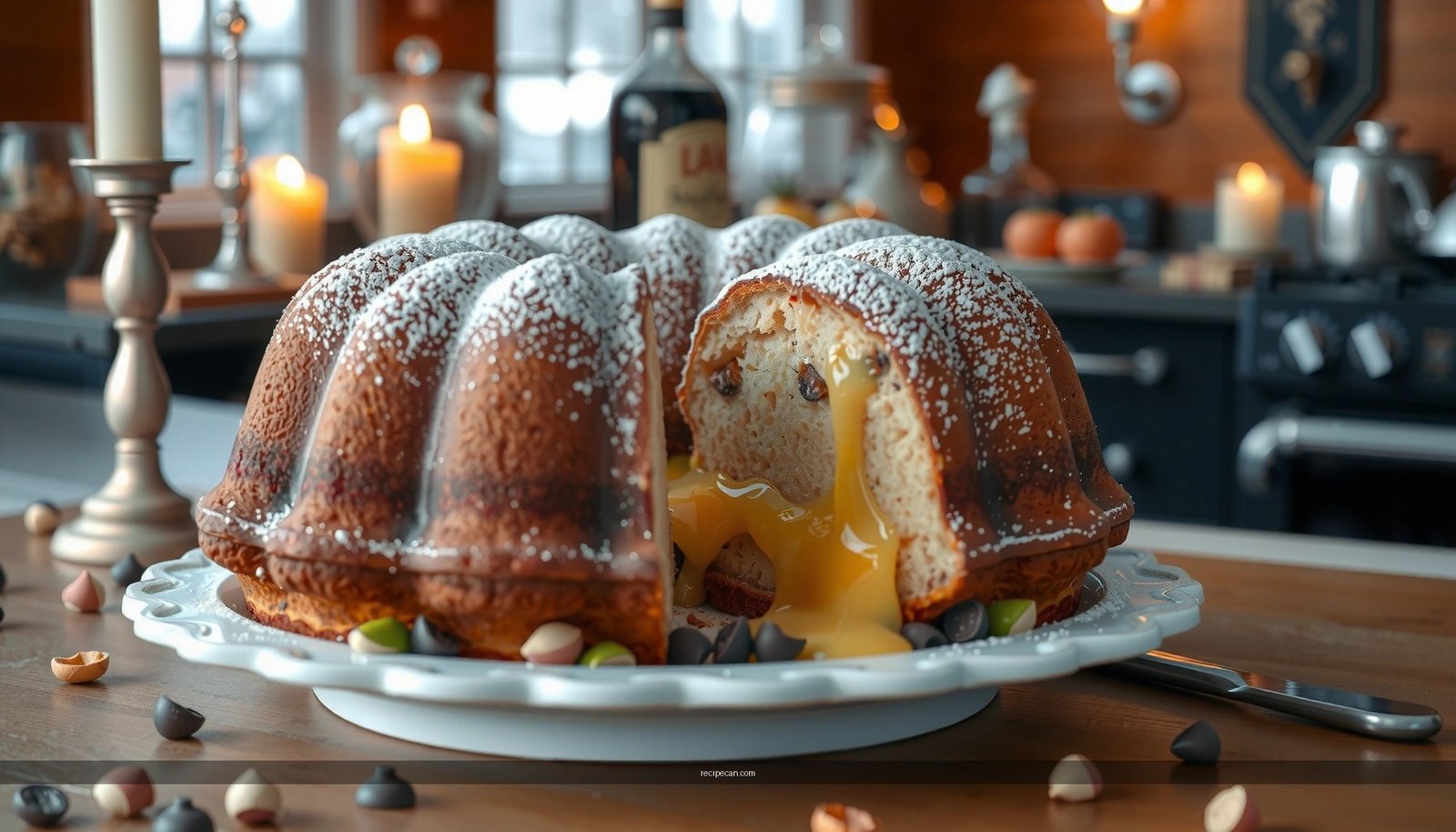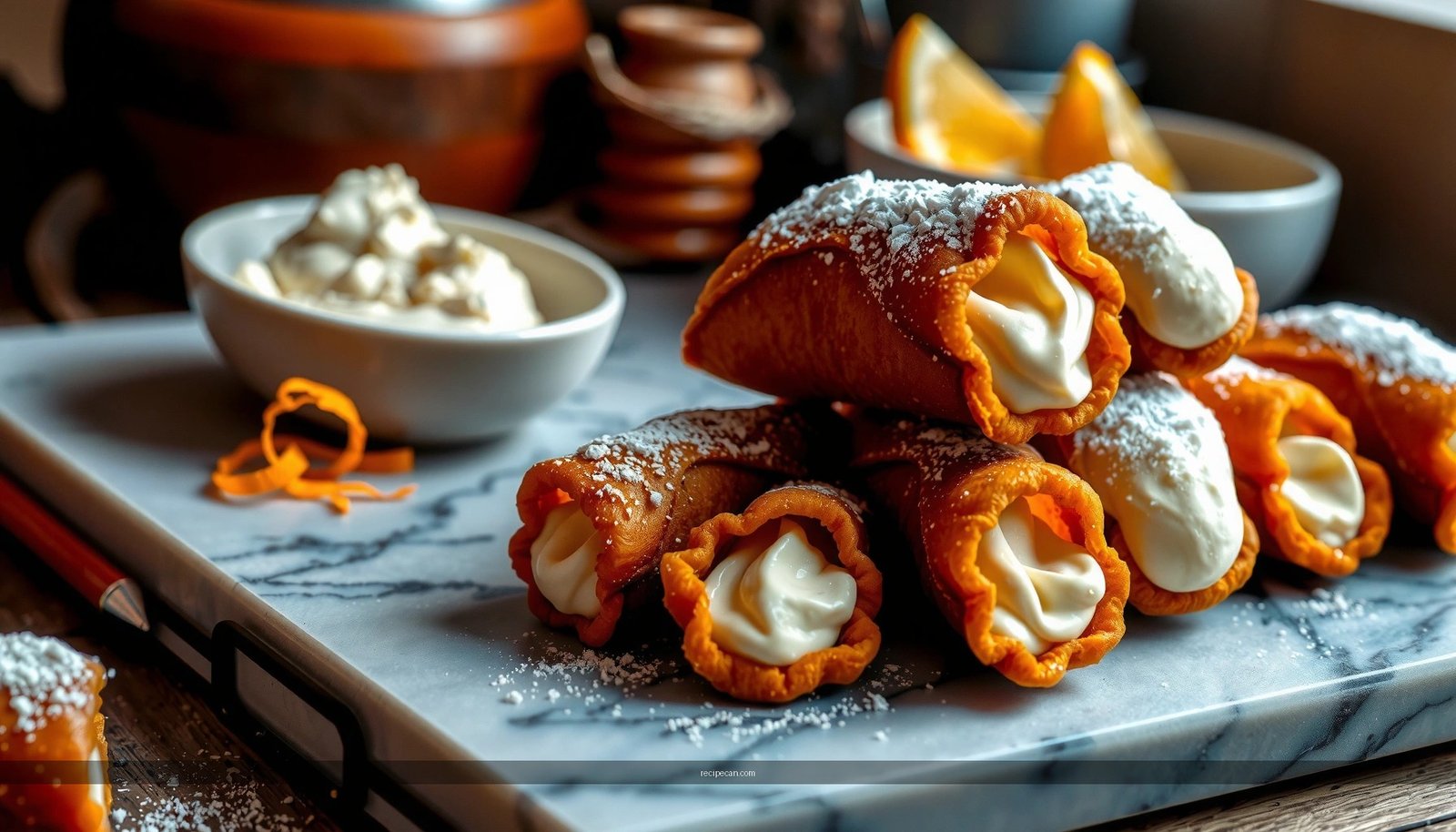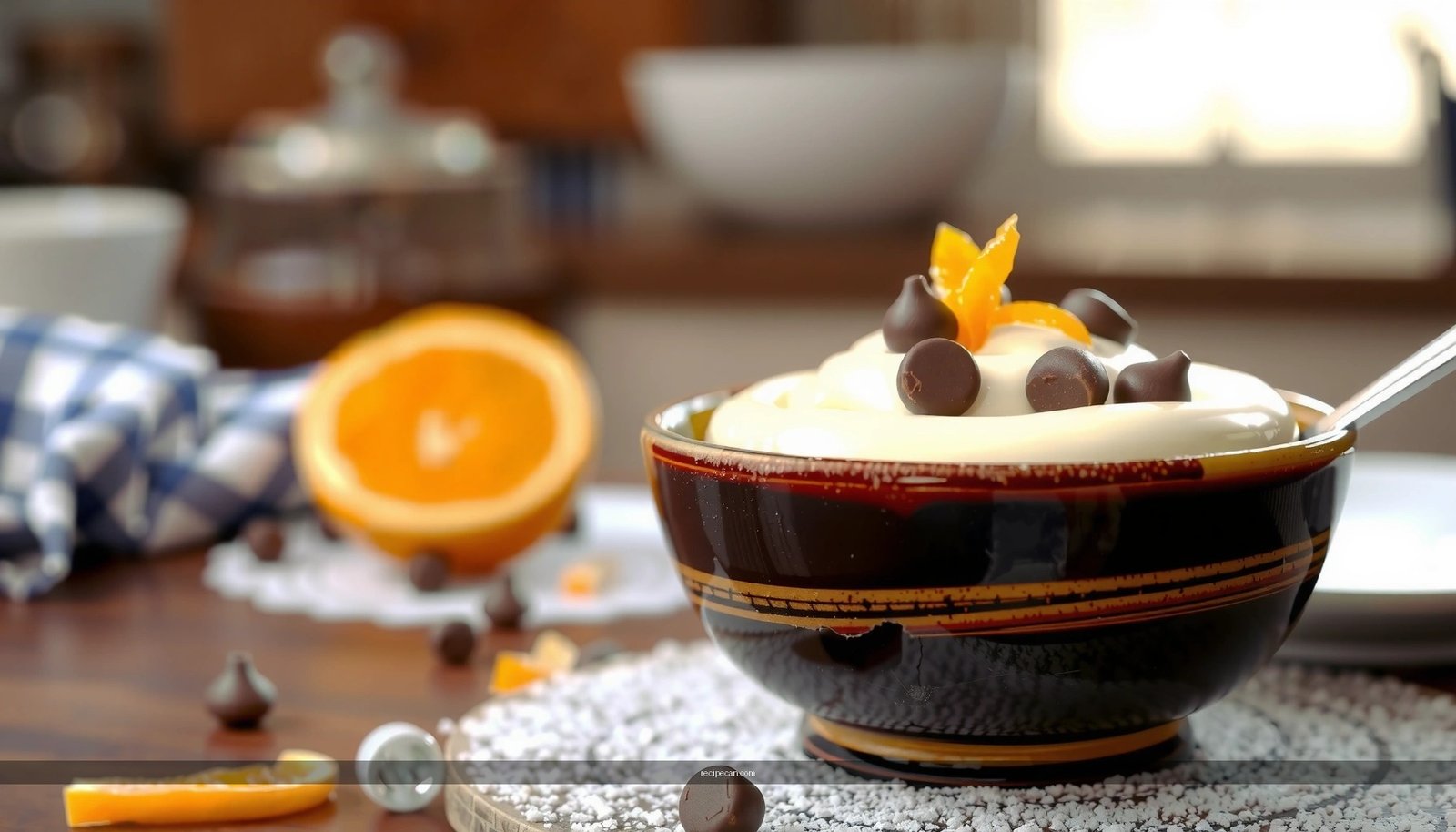
This best cannoli cream recipe delivers a classic sweet ricotta filling that tastes like an authentic Sicilian cannoli—creamy, mildly sweet, and never grainy. If your goal is the winning ricotta texture and flavor balance (not a runny or overly heavy cream), this is the formula that gets it right. Follow the steps and you’ll be able to pipe a rich filling that holds its shape inside crisp cannoli shells.
The best cannoli cream is a smooth, sweet ricotta filling that’s thick enough to pipe cleanly—made possible by draining ricotta properly and balancing it with powdered sugar, vanilla, and optional classic mix-ins. If you want authentic cannoli cream every time, the workflow is simple: select the right ricotta, drain it thoroughly, mix gently for a silky texture, then chill before filling so your shells stay crisp.
Choose the Right Ricotta
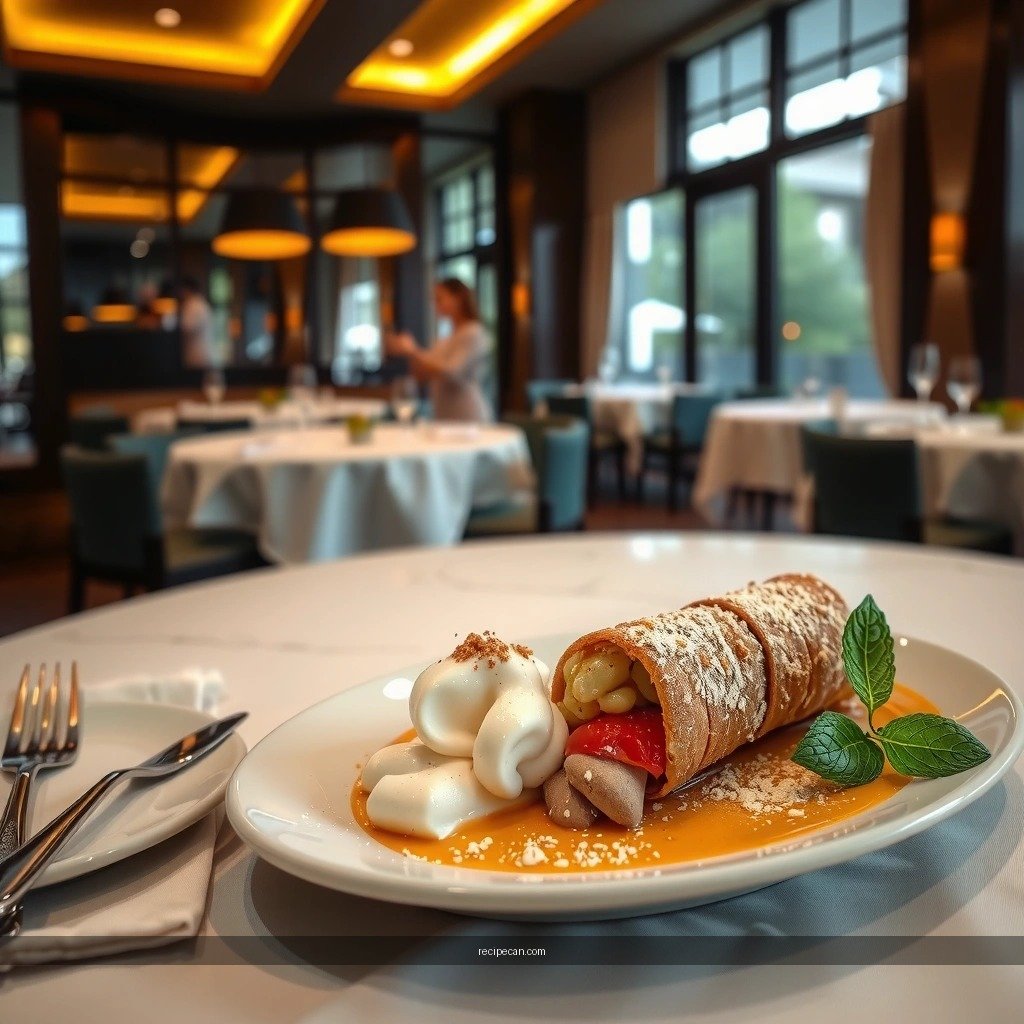
The foundation of any authentic cannoli cream is ricotta that tastes fresh and has the right moisture level. Even the most precise recipe can’t fix watery ricotta, because excess liquid turns a pipeable filling into a soft, spreading mixture.
– Use high-quality whole milk ricotta for the best flavor. Whole milk ricotta generally offers a more rounded dairy sweetness and a cleaner finish compared with lower-fat versions, which can taste slightly flat or “watery” once mixed.
– Drain ricotta for a thick, pipeable consistency (crucial for texture). Draining isn’t optional if you’re aiming for that classic cannoli bite—thick, creamy, and able to hold shape. Plan on draining in the refrigerator using cheesecloth or a fine-mesh strainer.
– Quick method: place ricotta in cheesecloth, tie loosely, and drain 1–3 hours.
– For best results: drain overnight for a noticeably thicker, smoother cream.
– Avoid watery brands or pre-flavored ricottas for a classic result. Pre-seasoned ricottas often include added sugars, stabilizers, or flavorings that can muddy the traditional profile. If a brand is sold “ready-to-use” but appears thin, it usually needs more draining than you expect.
To quantify what “well-drained” means in practice, focus on consistency targets. The table below compares common ricotta characteristics and how they affect cannoli cream performance.
Ricotta Moisture Guide for Cannoli Cream Texture
| # | Ricotta Moisture Behavior | What You’ll Notice | Recommended Draining Time | Cannoli Cream Outcome |
|---|---|---|---|---|
| 1 | Low-liquid (thick tub) | Holds shape; minimal whey pooling | 0.5–1.5 hours | ★★★☆☆ |
| 2 | Moderate whey separation | Some gloss/water around edges | 2–4 hours | ★★★★☆ |
| 3 | High liquid (runny tub) | Noticeable whey pooling; spoon drags | Overnight (8–14 hours) | ★★☆☆☆ |
| 4 | Grainy/curd-heavy texture | Curds visible; dry clumps | 1–2 hours + blending | ★★★★☆ |
| 5 | Creamy but loose | Smooth yet spreads quickly | 2–3 hours | ★★★☆☆ |
| 6 | Fresh, firm whole-milk style | Dense, spoon-stable consistency | 0.5–1 hour | ★★★★★ |
| 7 | Pre-seasoned ricotta / sweetened | Baked-dessert profile; uneven sweetness | Drain 1–2 hours then taste | ★★☆☆☆ |
Flavor the Cream (Sweet + Vanilla)

Once ricotta is drained, flavoring is where cannoli cream becomes distinctly “classic.” The key is creating sweetness that dissolves smoothly, without pulling water out of the mixture or making it gritty.
– Mix drained ricotta with powdered sugar to eliminate graininess. Powdered sugar incorporates easily because it contains cornstarch, which helps the filling stay stable and smooth. Use it rather than granulated sugar for the best texture.
– Practical ratio: start with about 1/2 cup powdered sugar per 1 cup drained ricotta and adjust to taste.
– Add vanilla extract (or vanilla paste) for warm, classic flavor. Vanilla paste tends to provide a slightly deeper aroma, but extract is perfectly acceptable. Add a small amount first; you can always increase next batch.
– Stir just enough to keep the cream creamy, not loose. Overmixing won’t usually ruin flavor, but it can change texture—especially if your ricotta is already soft. Aim for thorough incorporation, then stop.
For a business-minded approach to consistency, treat cannoli cream like a “process product”: standardize ingredients, drain time, and mixing method so every batch performs predictably.
Add Traditional Mix-Ins

Authentic cannoli cream is not only sweet and vanilla-forward—it’s also lightly “textured.” Traditional mix-ins provide contrast: pop from chocolate, brightness from citrus, and a more complex finish than plain ricotta.
– Fold in mini chocolate chips for classic cannoli texture. Choose mini chips because they distribute evenly and avoid large pockets that can crack shell edges or create uneven sweetness.
– If you prefer a more nostalgic look, you can also use dark chocolate chopped small, but keep pieces uniform.
– Add chopped candied orange or citron for traditional brightness. Citrus candy adds a subtle perfume-like sweetness that complements dairy without tasting artificial when measured carefully.
– Keep mix-ins minimal so the cream stays silky and not heavy. If you add too much, the cream becomes dense and may feel “studded.” A safe guideline is 1–2 tablespoons per cup of drained ricotta, then adjust based on preference.
If you’re serving guests who are texture-sensitive, consider doing two batches: one “plain vanilla-chocolate” and one “vanilla-citrus.” That lets you match preferences while keeping each filling at its best.
Achieve the Perfect Texture
Texture is the deciding factor between good cannoli cream and the “best cannoli cream” people remember. This is where method and patience matter as much as ingredients.
– Use a whisk or hand mixer briefly to smooth ricotta without over-aerating. A short whisk session or brief hand mixing helps break down curds. Over-aerating can sometimes make the cream look foamy and feel looser once chilled.
– Best practice: mix until smooth, then visually check for curds.
– Rest the mixture to let flavors blend and thicken slightly. Refrigeration isn’t just for safety; it’s also a functional step. Resting allows sugar to fully dissolve and helps the cream set.
– Pipeable consistency matters—adjust with small amounts of drained ricotta or sugar. If it’s too thick, loosen with a teaspoon of freshly drained ricotta liquid (only if you have enough and it’s controlled), or reduce mixing time next round. If it’s too loose, drain longer and/or add a small amount more powdered sugar.
To make your texture more repeatable, treat “pipeability” as a measurable standard: the cream should hold a ridge when piped and should not slump quickly.
Chill and Pipe (Best Serving Results)
The chilling step protects both texture and presentation—especially important when serving cannoli at gatherings or events.
– Chill the cannoli cream before filling for the best structure. After mixing, refrigerate at least 1–2 hours (or overnight for maximum stability).
– Fill shells right before serving to prevent sogginess. Cannoli shells are crisp only when unfilled. Once filled, moisture begins to transfer immediately. For best crunch, pipe shortly before guests arrive.
– Store leftovers covered in the fridge and stir gently if needed. If the cream releases a small amount of liquid after storage, stir gently to restore uniformity. Avoid aggressive mixing.
A practical workflow for events:
1. Drain ricotta the day before.
2. Mix and flavor in the morning or afternoon.
3. Chill the cream until serving time.
4. Pipe and fill shells in batches right before consumption.
Troubleshooting Common Problems
Even experienced cooks run into predictable issues. The fixes below target the root cause—moisture, graininess, and sweetness balance—so you don’t have to guess.
– If it’s runny: drain ricotta longer and chill before filling. Runny cannoli cream is almost always a draining issue.
– If it’s grainy: use powdered sugar and blend more thoroughly. Also ensure you fully break down curds before adding mix-ins.
– If it’s too sweet: reduce sugar slightly next time or add a touch more vanilla. Vanilla can “lift” flavor so sweetness seems less heavy without changing sugar dramatically.
If you want an extra layer of reliability, taste after draining but before adding sugar. That gives you a baseline for how “sweet” the ricotta naturally is and prevents over-sweetening.
Ultimately, the best cannoli cream is all about well-drained ricotta, balanced sweetness, and a smooth, pipeable texture. Follow the steps above—prioritizing draining, mixing gently, chilling for structure, and filling shells last-minute—and you’ll consistently get a filling that tastes authentic, holds up on the plate, and delivers the classic cannoli experience.
Frequently Asked Questions
What is the best cannoli cream recipe for a classic, authentic taste?
The best cannoli cream recipes usually use ricotta that’s been properly drained and sweetened with powdered sugar, then enriched with mascarpone or heavy cream for a creamy, smooth texture. Add vanilla extract and a small amount of orange zest for traditional flavor, and fold in mini chocolate chips for the signature contrast. The key to “authentic” cannoli cream is eliminating excess moisture so the filling holds its shape.
How do you make cannoli cream without it becoming watery?
To prevent watery cannoli cream, drain ricotta thoroughly—ideally overnight in a lined strainer in the refrigerator, or squeeze it gently in cheesecloth. After draining, mix the ricotta with powdered sugar and let it sit briefly so the texture becomes uniform. If your mixture still feels loose, reduce liquids by using more mascarpone or chilling the filling before piping into shells.
Why does the texture of cannoli cream turn grainy, and how can you fix it?
Grainy cannoli cream typically comes from ricotta that wasn’t drained enough or wasn’t mixed until smooth. For a smoother filling, pass ricotta through a fine mesh sieve or blend it briefly before adding sugar and flavorings. Use powdered sugar (not granulated) for better dissolving, and avoid overmixing once the ricotta is smooth to keep the texture creamy.
Which ingredients create the best cannoli cream consistency and flavor?
The best cannoli cream consistency comes from well-drained whole-milk ricotta plus a creamy binder like mascarpone or a small amount of chilled heavy cream. Powdered sugar provides sweetness and a silky mouthfeel, while vanilla extract and orange zest bring classic Italian notes. Mini chocolate chips add the traditional cannoli texture, and a pinch of salt can enhance overall flavor without tasting salty.
What’s the best way to store and serve cannoli cream for the freshest results?
Store cannoli cream in an airtight container in the refrigerator, ideally keeping it chilled until you’re ready to fill shells. For best results, fill cannoli shells shortly before serving because shell moisture can soften them quickly. If the filling thickens after chilling, stir gently or let it sit at cool room temperature for a few minutes to restore pipeable consistency.
References
- Cannoli
https://en.wikipedia.org/wiki/Cannoli - https://www.britannica.com/topic/cannoli
https://www.britannica.com/topic/cannoli - Ricetta Cannoli siciliani – La Ricetta di GialloZafferano
https://www.giallozafferano.it/ricetta/cannoli-siciliani - Cannoli recipe | Good Food
https://www.bbcgoodfood.com/recipes/cannoli - Google Scholar Google Scholar
https://scholar.google.com/scholar?q=best+cannoli+cream+recipe+ricotta+sugar+chocolate+chips - Google Scholar Google Scholar
https://scholar.google.com/scholar?q=cannoli+filling+ricotta+cream+technique+mascarpone+sugar - Google Scholar Google Scholar
https://scholar.google.com/scholar?q=ricotta+cannoli+filling+gelatin+or+stabilizers+study - Google Scholar Google Scholar
https://scholar.google.com/scholar?q=best+cannoli+cream+recipe - best cannoli cream recipe – Search results
https://en.wikipedia.org/wiki/Special:Search?search=best+cannoli+cream+recipe - https://www.ncbi.nlm.nih.gov/search/research-articles/?term=best+cannoli+cream+recipe
https://www.ncbi.nlm.nih.gov/search/research-articles/?term=best+cannoli+cream+recipe