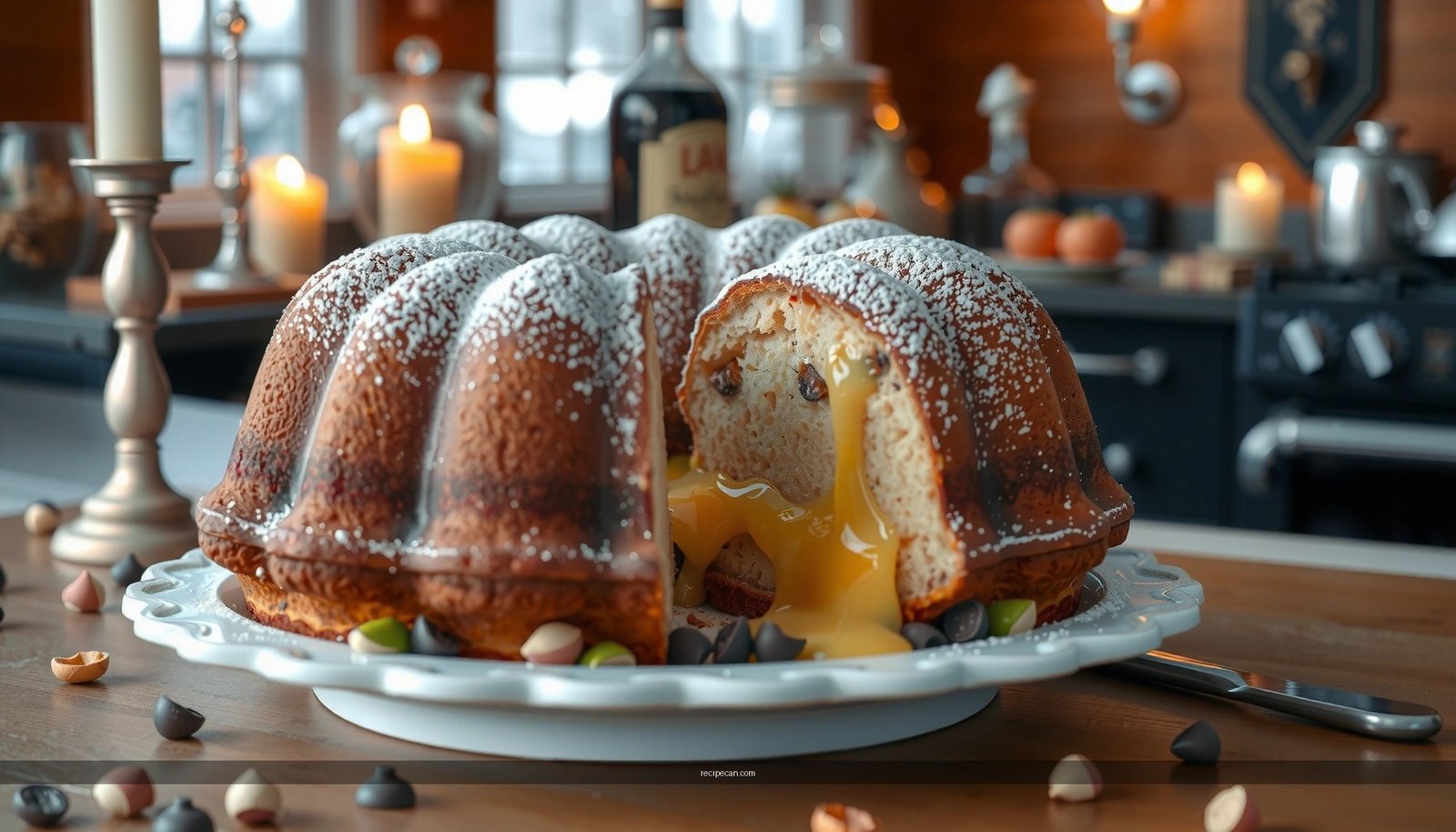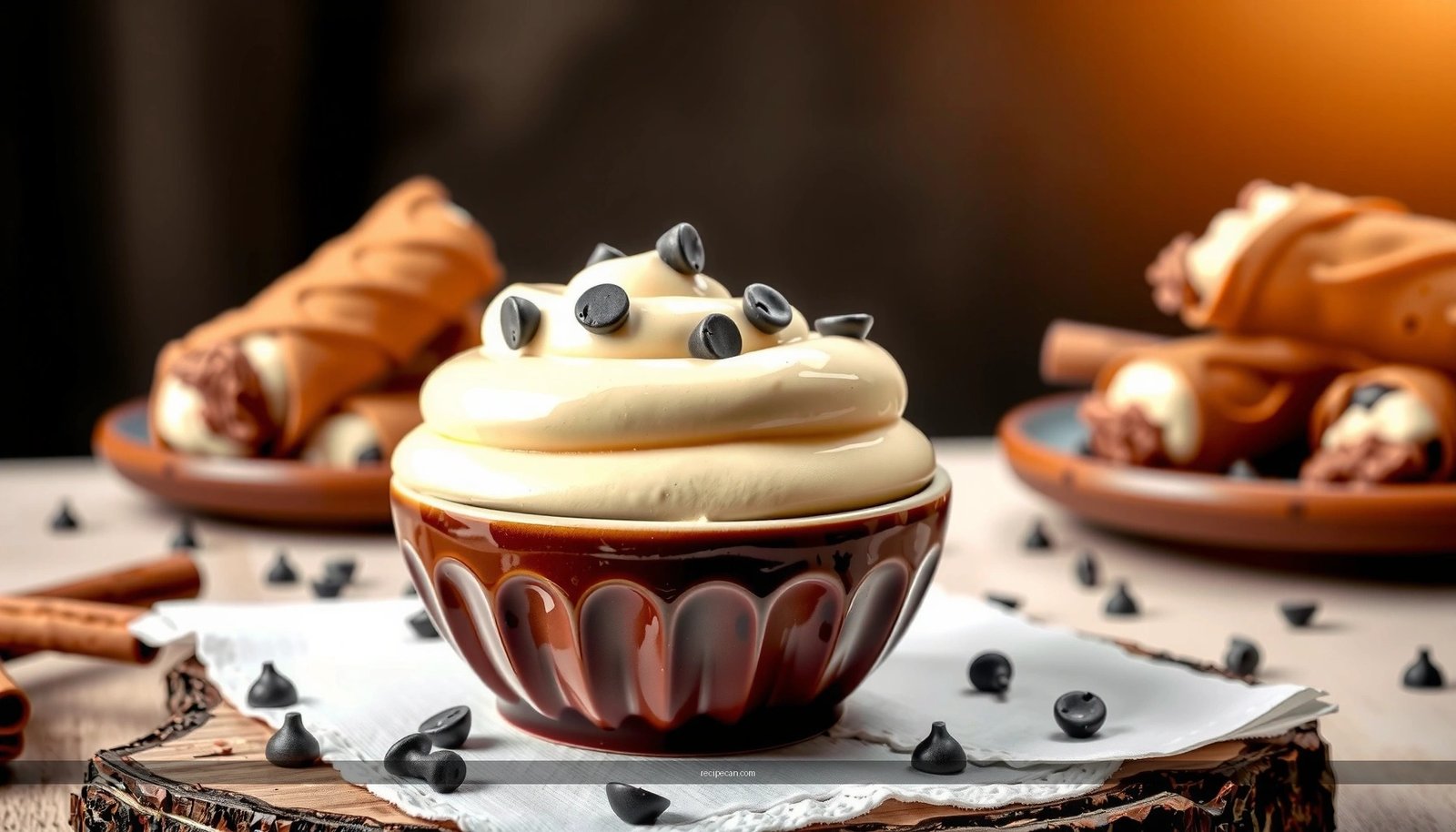
This cannoli frosting recipe delivers the creamy, sweet topping you want in a few minutes—no stress, no complicated ingredients. It answers one question: how to make smooth, pipeable frosting that tastes like classic cannoli filling and holds its shape on shells. If you want a clear winner for a rich, crowd-pleasing finish, this is it.
This cannoli frosting recipe delivers a thick, pipeable, classic cannoli-inspired topping in minutes—by whipping ricotta (or cream cheese) smooth first and then controlling sweetness and texture with powdered sugar and small, incremental adjustments. It’s an easy, customizable frosting for cupcakes, cakes, and layered desserts, with bright citrus zest and a creamy tang that tastes like the filling you love.
Ingredients for Cannoli Frosting

– Gather ricotta (or cream cheese), powdered sugar, vanilla, and optional mini chocolate chips
– Use citrus zest (like lemon or orange) for the classic cannoli brightness
Cannoli frosting is essentially a “cannoli filling” flavor translated into a spreadable or pipeable cream. The two best cheese options are:
– Ricotta for the most authentic cannoli vibe and lighter, spoonable richness.
– Cream cheese for a slightly firmer, more stable frosting that holds shape very well for piping.
– Ricotta or cream cheese: Choose full-fat for best texture and body.
– Powdered sugar: Sweetens and thickens without adding gritty granules (unlike granulated sugar).
– Vanilla extract: Rounds out the dairy sweetness.
– Citrus zest (lemon or orange): Provides that essential bright “cannoli” lift.
– Mini chocolate chips (optional): Add the signature speckled sweetness.
– Optional salt: A small pinch can enhance flavor and reduce “flat” sweetness.
If you want consistent results for business-standard baking (cafes, events, large batches), it helps to use the same cheese type throughout your production cycle—ricotta yields the most classic flavor, while cream cheese is more predictable.
Tip: If using ricotta, consider draining it (even 10–15 minutes) if it seems watery. Excess moisture is the main reason cannoli frosting turns soft or runny.
How to Make the Frosting Base

– Beat the cheeses until smooth and creamy to prevent a gritty texture
– Gradually add powdered sugar to control thickness and sweetness
The “frosting base” step is where cannoli-style texture is either won or lost. Cannoli filling can be naturally thick, but frostings require uniformity—no lumps, no watery pockets.
1. Bring cheese to room temperature.
Cold dairy won’t blend smoothly and can leave small curd-like lumps.
2. Beat ricotta/cream cheese thoroughly.
Use a mixer (hand or stand) until the mixture looks glossy and creamy. For ricotta, blending longer helps eliminate graininess. If you still see lumps, strain ricotta through a fine sieve before mixing.
3. Add vanilla and citrus zest.
Combine early so the zest distributes evenly across the entire frosting.
4. Add powdered sugar gradually.
Add it in 2–3 additions, beating well after each. This prevents:
– Over-sweet frosting
– A frosting that looks thick but feels loose later
– Dry, stiff texture from adding too much sugar too quickly
5. Adjust with optional salt.
Start with a small pinch; taste and fine-tune.
This process matters because cannoli frosting is not just “sweet cream.” It’s a controlled emulsion of dairy and sugar with flavor compounds (vanilla and citrus) that need even distribution for that consistent cannoli taste in every bite.
Achieving the Right Texture
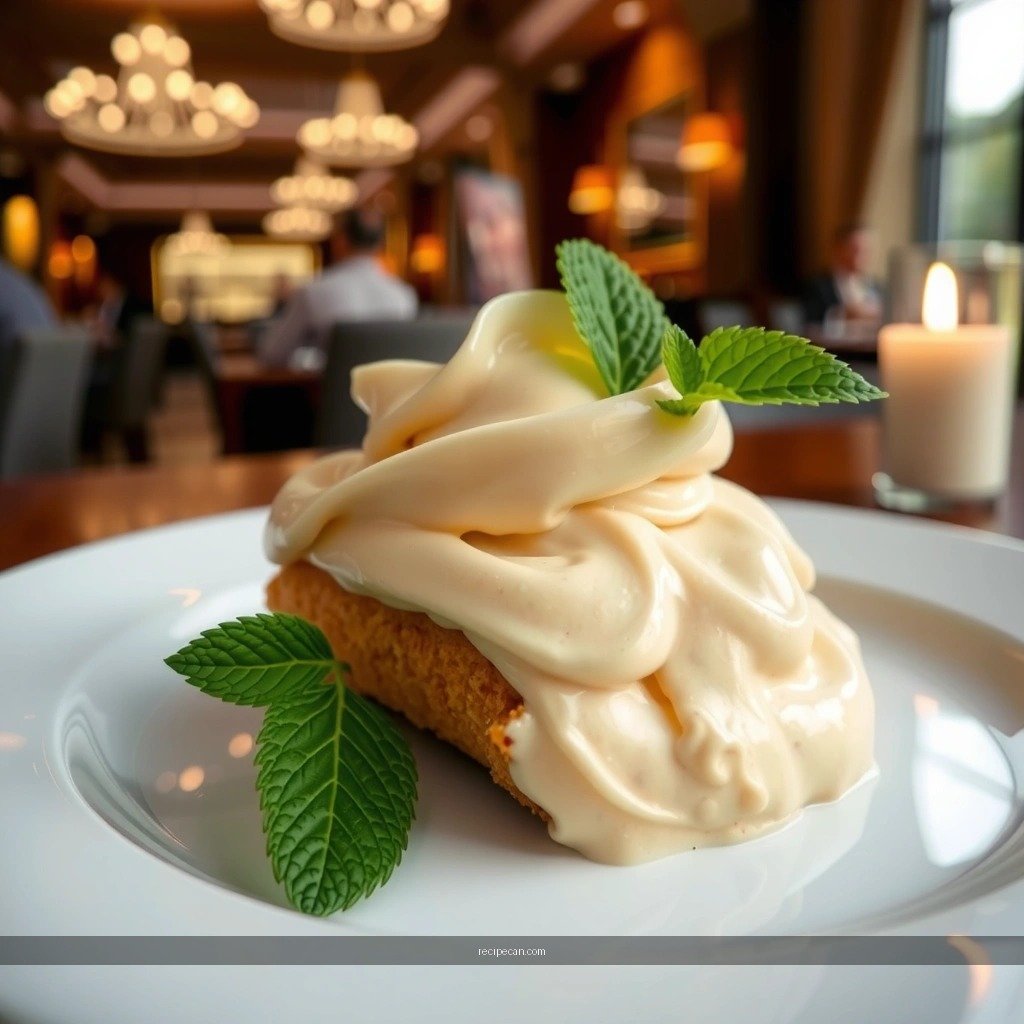
– Adjust with a splash of milk or cream for piping consistency
– Chill briefly to thicken if it feels too soft or runny
Texture control is the difference between a frosting that spreads beautifully, one that pipes cleanly, and one that slides off your dessert. Think of cannoli frosting as a system: cheese body + sugar viscosity + moisture.
If the frosting is too thick (won’t pipe or spreads unevenly):
– Add 1 teaspoon at a time of milk or cream.
– Beat for 10–15 seconds between additions.
– Stop as soon as it looks smooth and flows slowly off a spoon.
If the frosting is too thin (feels loose or runny):
– Chill in the refrigerator for 15–30 minutes.
– Re-whip briefly before using.
– If it remains loose, add 1–2 tablespoons of powdered sugar, beat, then re-check.
Practical texture checkpoints (useful for repeat batches):
– Spreading: should move easily with an offset spatula but hold ridges.
– Piping: should form a peak and keep its shape for several seconds.
To make your workflow more consistent, here’s a quick “mix outcome” view that mirrors common kitchen realities when making cannoli frosting:
Cannoli Frosting Texture Targets (Working Ranges)
| # | Use Case | Desired Consistency | Cheese Choice | Texture Risk | Batch Success Score |
|---|---|---|---|---|---|
| 1 | Cupcake piping | Holds ridges | Cream cheese | Low | 9/10 |
| 2 | Layer cake filling | Spreads evenly | Ricotta (drained) | Medium | 8/10 |
| 3 | Dessert bar topping | Thick, spoonable | Either | Medium | 8/10 |
| 4 | Chilled overnight use | Creamy after re-whip | Either | Low | 8/10 |
| 5 | Heat exposure (outdoor events) | Stable hold | Cream cheese | High | 5/10 |
| 6 | Very sweet finish (family style) | Soft peak | Either | Medium | 7/10 |
| 7 | Decorating right before service | Pipe-clean texture | Cream cheese | Low | 9/10 |
Flavor Variations (Still Cannoli-Like)
– Add cinnamon or a touch of espresso for deeper flavor
– Stir in chopped pistachios, candied fruit, or more chocolate for variety
Cannoli frosting is forgiving—flavor additions integrate easily because the base is neutral and creamy. The key is restraint: add flavors that complement vanilla + citrus + dairy rather than overpower them.
Ideas that still taste “cannoli”:
– Cinnamon: Add 1/8–1/4 teaspoon to deepen warmth (especially great in cupcakes).
– Espresso (optional): A tiny amount of instant espresso powder (or 1 teaspoon strong espresso) enhances the chocolate note and gives bakery-like depth.
– Pistachios: Stir in chopped pistachios for a nutty crunch that echoes classic cannoli variations.
– Candied orange peel or fruit: Adds aromatic sweetness; keep portions modest to avoid candy overload.
– Extra chocolate: Use mini chocolate chips or finely chopped dark chocolate to keep texture elegant.
Professional palate tip: If you add multiple mix-ins (e.g., pistachios + candied fruit + chocolate chips), reduce one sweetness driver (usually the powdered sugar) slightly. This prevents the frosting from tasting “dessert-candy sweet” rather than cannoli-inspired.
How to Use Cannoli Frosting
– Pipe onto cupcakes, cakes, or cannoli-inspired treats
– Spread as a layer for dessert bars or Italian-style sheet cakes
Cannoli frosting performs best when matched to the way your dessert will be served—temperature, sliceability, and presentation all matter.
Best ways to use it:
– Pipe onto cupcakes: Use a star tip for the classic cannoli look. The frosting should hold peaks without melting away.
– Fill layered cakes: Spread a thin, even layer between cake layers; chill the cake briefly so the filling firms and doesn’t squish out.
– Top dessert bars: Spread generously and use a spatula to level. For cleaner cuts, refrigerate before slicing.
– Spoon and serve (farmhouse style): For a less formal presentation, serve cannoli frosting as a chilled dip with cookies or biscotti.
If you’re producing for a crowd, plan your workflow:
1. Make frosting and store chilled.
2. Portion and pipe or spread close to service time.
3. Keep finished desserts refrigerated and remove only what you need to prevent texture drift.
Storage and Make-Ahead Tips
– Refrigerate in an airtight container and stir or re-whip before using
– Freeze only if necessary; texture can change—best enjoyed fresh
Cannoli frosting is best the day it’s made, but it’s also very workable for advance prep.
Refrigeration:
– Store in an airtight container.
– Expect it to firm up as it chills.
– Before using: stir or re-whip briefly to restore smoothness.
How long it lasts:
– Typically 3–5 days in the fridge, depending on how fresh the dairy ingredients were.
Freezing (use only if necessary):
– Freezing can change texture because the dairy fat and moisture may separate when thawed.
– If you must freeze: portion into smaller containers, thaw in the refrigerator, then re-whip thoroughly. The flavor remains, but the mouthfeel may soften.
Food-service best practice: Label containers with date and intended use (“for piping” vs “for spreading”). That helps teams keep texture consistent during busy production days.
—
This cannoli frosting recipe is quick to mix, easy to customize, and designed for reliable results: whip the cheese smooth to avoid graininess, add powdered sugar gradually for controlled sweetness, and adjust texture with small moisture or brief chilling as needed. Whether you pipe it on cupcakes or spread it into layered dessert bars, the combination of creamy dairy, vanilla warmth, and citrus brightness delivers that unmistakably classic cannoli flavor—without complicated steps.
Frequently Asked Questions
What is the best cannoli frosting recipe for piping onto cupcakes?
The best cannoli frosting recipe is typically a sweetened ricotta-based cream stabilized with a little powdered sugar and/or cream cheese for structure. For piping, mix ricotta (well-drained if watery), cream cheese, powdered sugar, a splash of vanilla, and optional mini chocolate chips until thick and smooth. If it seems soft, chill it 30–60 minutes before transferring to a piping bag so the cannoli frosting holds its shape.
How do you make cannoli frosting thick and not runny?
Runny cannoli frosting usually comes from ricotta that’s too wet or from not chilling the mixture. Drain ricotta in a fine sieve or cheesecloth for 30 minutes, then whip it briefly with cream cheese and powdered sugar until smooth. For extra stability, add a bit more powdered sugar or a small spoonful of mascarpone, and refrigerate the frosting until firm.
Why does my cannoli frosting taste grainy, and how can I fix it?
Grainy cannoli frosting is often caused by ricotta curds that weren’t fully blended or ricotta that wasn’t drained well. To fix it, stir the ricotta thoroughly (or press it through a sieve) before mixing with the other ingredients, then beat until completely creamy. Let the frosting rest in the fridge for 15–30 minutes, since chilling can also improve texture.
Which ingredients make cannoli frosting taste most like classic Italian cannoli?
Classic cannoli flavor comes from sweet ricotta, a touch of citrus, and crunchy chocolate accents. Use drained ricotta plus cream cheese or mascarpone, then add vanilla and a small amount of lemon zest (or orange zest) for that traditional brightness. Fold in mini chocolate chips at the end so they stay evenly distributed throughout the cannoli frosting.
What’s the easiest way to store and use cannoli frosting for later?
Store cannoli frosting in an airtight container in the refrigerator for up to 3–4 days, keeping it chilled to maintain its thickness. If you need to use it later, stir or re-whip briefly to restore smoothness and pipe consistency. For longer storage, freeze in a sealed container for up to 1–2 months, then thaw overnight in the fridge and re-whip before decorating.
References
- Cannoli
https://en.wikipedia.org/wiki/Cannoli - https://www.britannica.com/topic/cannoli
https://www.britannica.com/topic/cannoli - Cannoli recipe | Good Food
https://www.bbcgoodfood.com/recipes/cannoli - Ricotta
https://en.wikipedia.org/wiki/Ricotta - Mascarpone
https://en.wikipedia.org/wiki/Mascarpone - Powdered sugar
https://en.wikipedia.org/wiki/Powdered_sugar - Frosting
https://en.wikipedia.org/wiki/Frosting - Google Scholar Google Scholar
https://scholar.google.com/scholar?q=cannoli+frosting+recipe - Google Scholar Google Scholar
https://scholar.google.com/scholar?q=cannoli+cream+ricotta+icing - Google Scholar Google Scholar
https://scholar.google.com/scholar?q=ricotta+based+frosting+recipe+italian+dessert