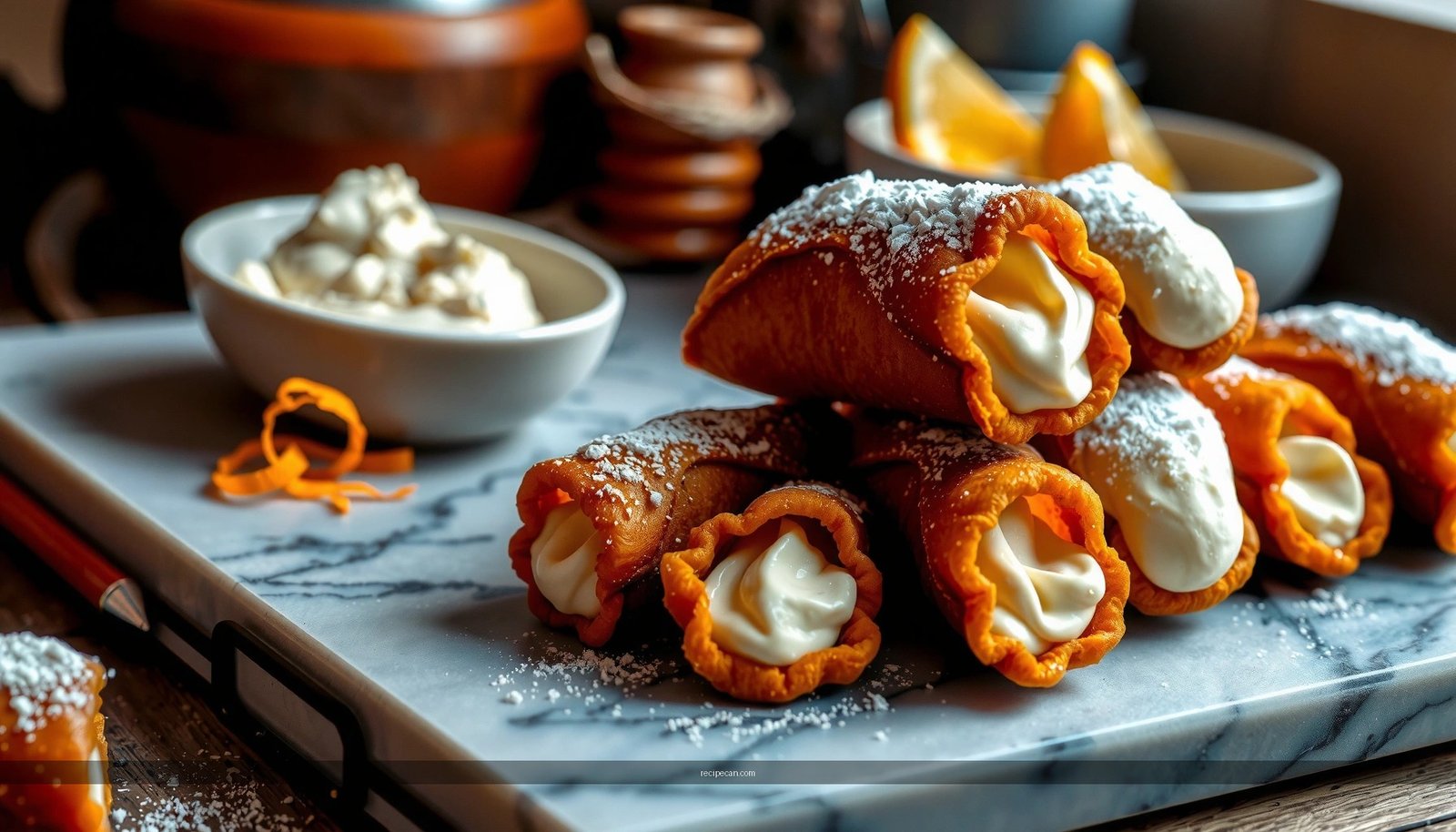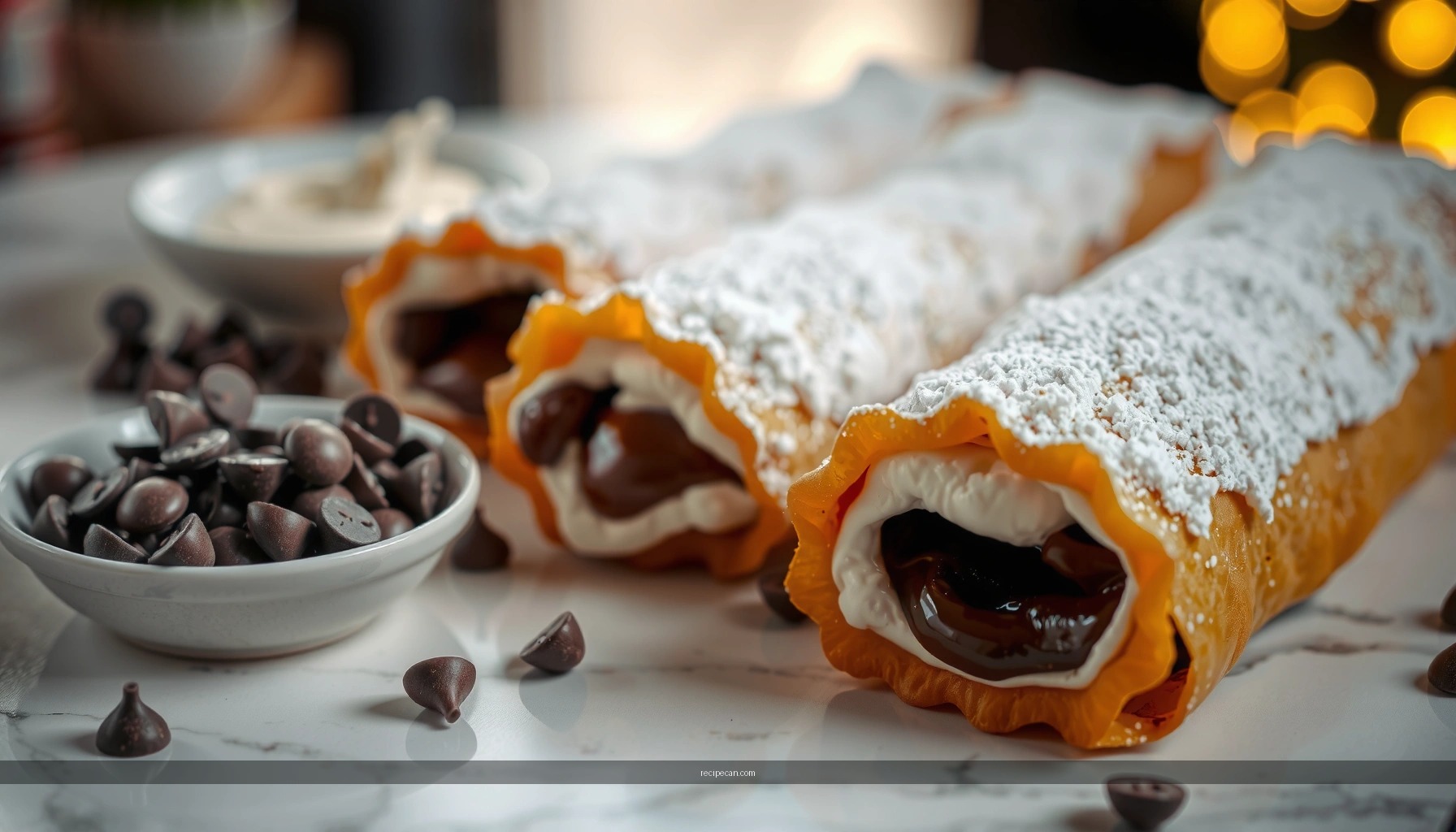
If you’re searching for a cannoli recipe with mascarpone that delivers a reliably creamy filling, this is the clear winner. You’ll learn the exact steps to whip the mascarpone to the right texture, fold in the remaining ingredients without deflating, and fill crisp shells without sogginess. By the end, you’ll know how to get the classic cannoli taste—thick, smooth, and never runny.
Make restaurant-style cannoli at home by whipping mascarpone into a smooth base, folding in ricotta for richness, then piping the cream into fully cooled shells and serving immediately for maximum crunch. In this guide, you’ll follow clear, step-by-step cannoli filling instructions—so the texture stays silky, balanced, and scoopable, not loose or watery.
Key Dairy Choices for Cannoli Cream (Typical Performance in Texture)
| # | Cannoli Cream Component | Fat/Structure Role | Best Use | Texture Impact |
|---|---|---|---|---|
| 1 | Mascarpone | High fat, low acidity | Main cream base | ★ Smooth & stable |
| 2 | Ricotta (fresh) | Protein & moisture balance | Adds body and classic flavor | ★ Rich but light |
| 3 | Ricotta (drained well) | Less free whey | Prevent watery filling | ★ Less loosening |
| 4 | Powdered sugar | Dissolves smoothly | Sweetness with silk texture | ★ No graininess |
| 5 | Vanilla (extract) | Aroma, mild warming notes | Classic dessert profile | ★ Flavor lift |
| 6 | Chocolate chips | Adds contrast + bite | Stir in at the end | ★ Better texture contrast |
| 7 | Overmixed cream | Breaks texture network | Avoid (fold gently instead) | ★★ Can turn loose |
Gather Ingredients for Cannoli Recipe with Mascarpone

A classic cannoli recipe with mascarpone typically combines mascarpone, ricotta, powdered sugar, and vanilla to create a cream that’s both indulgent and stable enough to pipe. The goal is to achieve a smooth, rich texture without turning the filling runny—so ingredient quality and preparation matter as much as technique.
Core ingredients (classic creamy base)
– Mascarpone: The backbone of the filling. Its fat content contributes to the “velvety” mouthfeel.
– Ricotta (fresh, drained): Provides the traditional cannoli tang and lighter structure.
– Powdered sugar: Sweetens and dissolves smoothly, helping avoid a grainy texture.
– Vanilla extract: Adds warmth and rounds out dairy richness.
– Pinch of salt: Balances sweetness and makes the filling taste “finished,” not flat.
Traditional optional mix-ins
– Chocolate chips: Fold in at the end for pockets of sweetness and a more complex bite.
– Candied fruit (e.g., orange or citron): Adds aromatic brightness and chew.
Shells
– Cannoli shells (store-bought or homemade): Choose shells that are thin, crisp, and fully baked. Even a great mascarpone filling can’t rescue shells that are slightly soft or undercooked.
Practical tip: If you’re using packaged ricotta, plan to drain it (strainer + time in the fridge) before mixing. Moisture control is one of the fastest ways to improve cannoli cream consistency.
Make the Mascarpone Filling
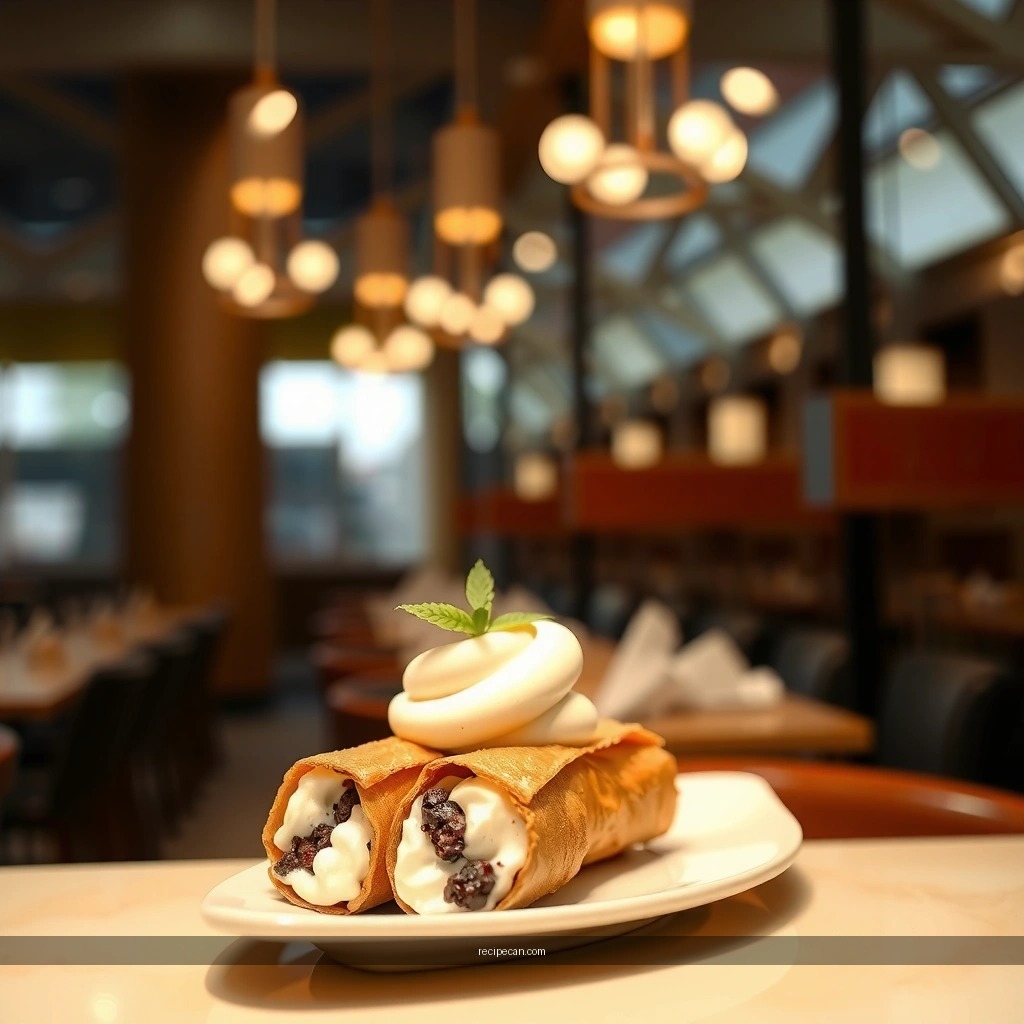
This is the critical section: the method determines whether your cannoli filling is silk-smooth or uneven.
1) Whip mascarpone until smooth
Mascarpone is thick and luxurious. Start by whipping it just until it becomes glossy and free of lumps. This step is what creates the creamy “base” that feels restaurant-level on the palate.
2) Fold in ricotta and powdered sugar
Instead of beating aggressively, incorporate ricotta and powdered sugar using a gentle approach. Folding helps preserve a stable texture—especially once the mix-in moisture is present.
3) Flavor with vanilla and salt
Add vanilla extract and a pinch of salt. Salt is a small ingredient with outsized impact: it prevents the filling from tasting one-note.
4) Add chocolate chips/candied fruit without overmixing
Chocolate chips and candied fruit can get crushed or redistributed if you overmix. Fold only until evenly dispersed, then stop.
Consistency benchmark
– If the filling holds a ribbon-like peak when piped, you’re in the right zone.
– If it looks overly soft or looks separated, refrigerate briefly (10–20 minutes) and reassess before filling.
Analytical note: Mascarpone is stable, but ricotta introduces water. Overmixing can change how that moisture distributes—so folding is not just tradition; it’s a texture control strategy.
Prep Cannoli Shells for the Best Texture

Crisp shells are non-negotiable. The filling is delicious, but cannoli are judged by the contrast: crunchy shell + creamy interior.
1) Ensure shells are completely cool and dry
Warm shells create steam that softens the exterior. Let homemade shells cool on a rack, and if using store-bought, confirm they’re not exposed to humidity.
2) Handle gently to prevent cracking or sogginess
The shells are fragile by design. Avoid rough stacking or pressure that can create micro-cracks—those can become soft spots where filling moisture seeps in.
3) Line up shells for efficient filling
Set shells on a tray lined with parchment or a silicone mat. This keeps them steady and prevents sticking—especially when you’re piping quickly.
Operational tip for clean execution
Before you start, have:
– your piping bag ready,
– a small bowl of paper towels,
– and a spoon (or offset spatula) for any final smoothing.
Speed helps shells stay crisp for longer.
Fill and Assemble Cannoli Correctly
Even the best cannoli cream can fail if assembly is sloppy. The goal is neat piping, minimal mess, and timely serving.
1) Use a piping bag for neat, even filling
A piping bag gives you control so you can fill the shell all the way to the ends without overflow. Fit a piping tip that allows the cream to flow smoothly but doesn’t clog—something sturdy works well for thick fillings.
2) Wipe excess filling so shells stay crisp-looking
If cream squeezes out, gently wipe the exposed shell with a damp (not wet) cloth or a paper towel. Sticky cream on the outside accelerates softening and reduces visual appeal.
3) Serve soon after filling
Cannoli are a “timed assembly” dessert. The shell will soften as the filling moistens it. For best results, plan to fill shells close to serving time—especially if you’re serving guests rather than just family.
Execution workflow (quick and reliable)
– Pipe into the shell.
– Check the ends (fill should be generous but not overflowing).
– Wipe exterior.
– Repeat for the rest.
– Serve immediately.
Tips for Classic Flavor and Perfect Consistency
Great cannoli are about refinement: adjusting sweetness, controlling temperature, and using dairy that behaves well.
Chill the filling briefly if it’s too soft
If your mascarpone-ricotta mixture feels loose, refrigerate for 10–20 minutes. The goal is to firm it enough to pipe cleanly—not make it stiff. Stiff filling can reduce smooth flow and create air pockets.
Adjust sweetness with powdered sugar
Powdered sugar determines both sweetness and texture smoothness. If you prefer a less sweet filling (common for more mature palates), reduce powdered sugar slightly. If you’re aiming for a more traditional dessert sweetness, add a small amount—then taste and reassess.
Use fresh ricotta and quality mascarpone
This is where the “professional” difference shows up:
– Fresh ricotta provides a cleaner dairy flavor and a better texture.
– Quality mascarpone offers that characteristic richness without being watery.
Optional flavor profiling
– For a more classic profile, keep add-ins minimal (e.g., chips only).
– For a festive profile, use candied fruit, but balance it with vanilla and salt so it doesn’t overwhelm the cream.
Common issue troubleshooting
– Filling is too runny: ricotta wasn’t drained enough, or the filling sat too long at room temperature.
– Filling is grainy: powdered sugar may not have dissolved fully, or mascarpone was not whipped smooth.
– Shells are soft too fast: shells weren’t dry/cool, or assembly happened too early.
Storage and Serving Suggestions
Cannoli are best treated as a fresh assembly dessert rather than a make-ahead item.
Best enjoyed the same day
For maximum shell crunch and visual contrast, fill cannoli shortly before serving and keep them at cool room temperature for only a short window.
Refrigerate only if needed (short periods)
If you must store filled cannoli:
– place them in an airtight container,
– refrigerate briefly,
– and bring back to near-cool room temperature before serving (cold can dull flavor).
Add toppings right before serving
If you’re planning to top with powdered sugar or extra chocolate chips:
– wait until just before serving so toppings stay bright and crisp.
Serving strategy
If you’re hosting, consider this workflow:
– prepare shells ahead,
– prepare filling ahead,
– then assemble close to serving time for the cleanest crunch-to-cream experience.
—
Cannoli with mascarpone is ultimately about two timing-and-texture disciplines: build a smooth, balanced filling (mascarpone + drained ricotta + gentle folding), and fill shells only when they’re dry and cool so they stay crisp. Follow the steps—whip, fold, pipe, wipe, and serve promptly—then taste-test your sweetness and adjust to your preferred level of classic indulgence.
Frequently Asked Questions
What is the best cannoli recipe with mascarpone instead of ricotta?
A classic cannoli filling uses ricotta, but mascarpone can work beautifully for a smoother, sweeter filling. To keep the flavor balanced, use mascarpone plus a small amount of ricotta or drain the mascarpone well so it isn’t too soft. Flavor the mixture with powdered sugar, vanilla, and a little lemon zest, then fold in mini chocolate chips for a traditional cannoli vibe.
How do I make cannoli filling with mascarpone that holds its shape?
For cannoli filling that won’t weep, use well-chilled mascarpone and whip it briefly so it becomes creamy but not runny. Drain any watery dairy and adjust texture with powdered sugar gradually, then fold in chocolate chips last. If your filling still feels loose, chill it 30–60 minutes before piping into the cannoli shells.
How do I prevent mascarpone cannoli from being too sweet or tasting “heavy”?
Mascarpone is richer than many ricotta brands, so you may need less powdered sugar and a brightening element like lemon zest or a tiny splash of citrus juice. Adding a pinch of salt also helps cut sweetness and makes the cannoli filling taste more balanced. If you find it too heavy, reduce the amount of mascarpone and replace part with drained ricotta for a lighter cannoli recipe.
Which mascarpone to choose for a cannoli recipe?
Use high-fat mascarpone (often labeled “classico”) for a stable, luxurious cannoli filling with good body. Avoid low-fat versions if you want a creamy texture that pipes cleanly into cannoli shells. If only lower-fat mascarpone is available, plan to drain it longer and chill the filling thoroughly before assembly.
How do I store and serve cannoli made with mascarpone to keep the shells crisp?
Cannoli shells become soft once filled, so store components separately when possible. Keep the mascarpone filling refrigerated and pipe or fill the shells shortly before serving for the best texture contrast. If you must assemble ahead of time, assemble only a portion and refrigerate covered, then serve within a few hours for the crispest results.
References
- Google Scholar Google Scholar
https://scholar.google.com/scholar?q=cannoli+recipe+mascarpone - Google Scholar Google Scholar
https://scholar.google.com/scholar?q=cannoli+mascarpone+cheese - Google Scholar Google Scholar
https://scholar.google.com/scholar?q=mascarpone+substitution+for+ricotta+in+cannoli - Cannoli
https://en.wikipedia.org/wiki/Cannoli - Mascarpone
https://en.wikipedia.org/wiki/Mascarpone - Ricotta
https://en.wikipedia.org/wiki/Ricotta - Sicilian cuisine
https://en.wikipedia.org/wiki/Sicilian_cuisine - Italian cuisine
https://en.wikipedia.org/wiki/Italian_cuisine - https://www.britannica.com/topic/cannoli
https://www.britannica.com/topic/cannoli - Mascarpone | Cheese, Meaning, Recipe, & Tiramisu | Britannica
https://www.britannica.com/topic/mascarpone