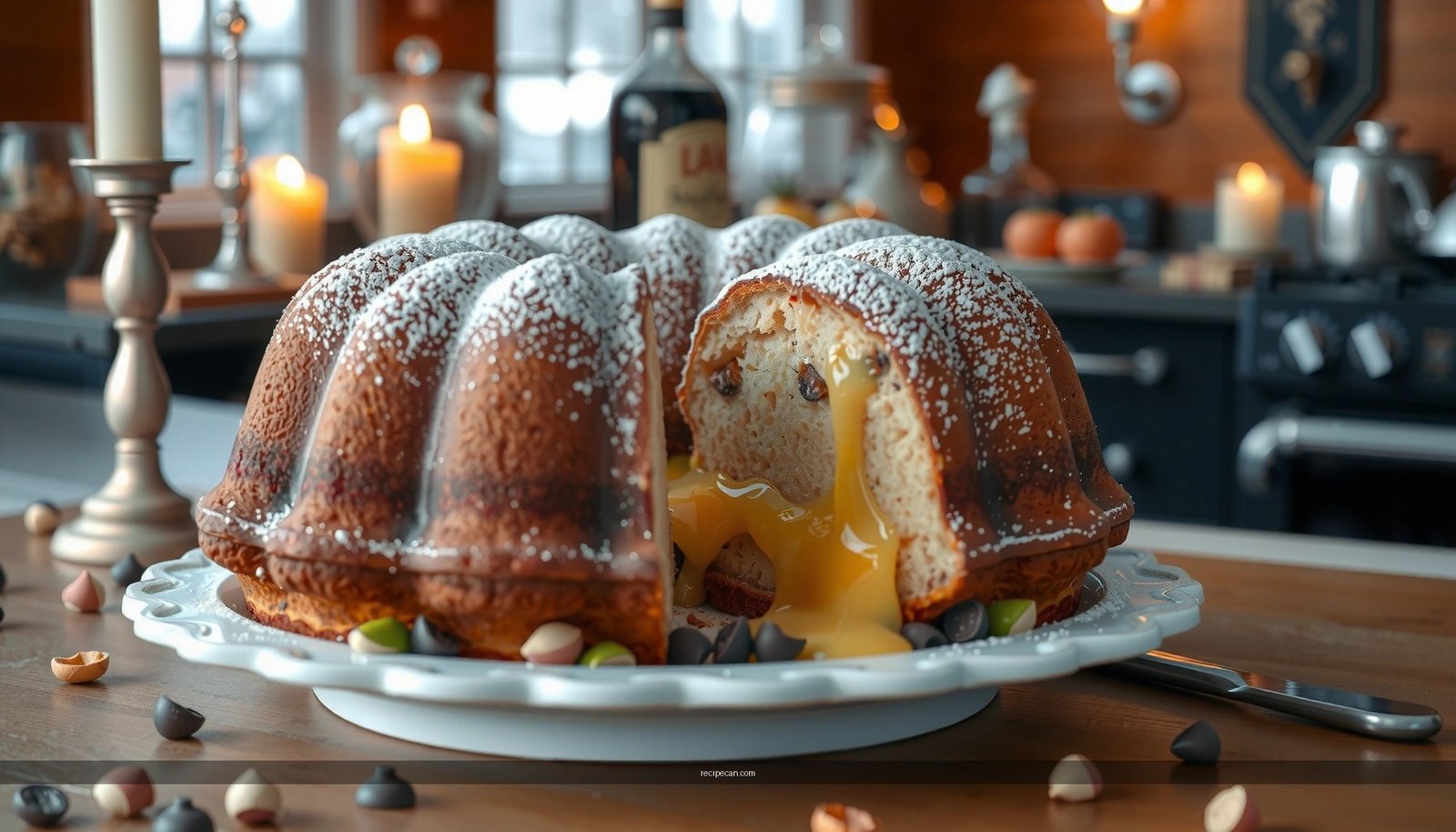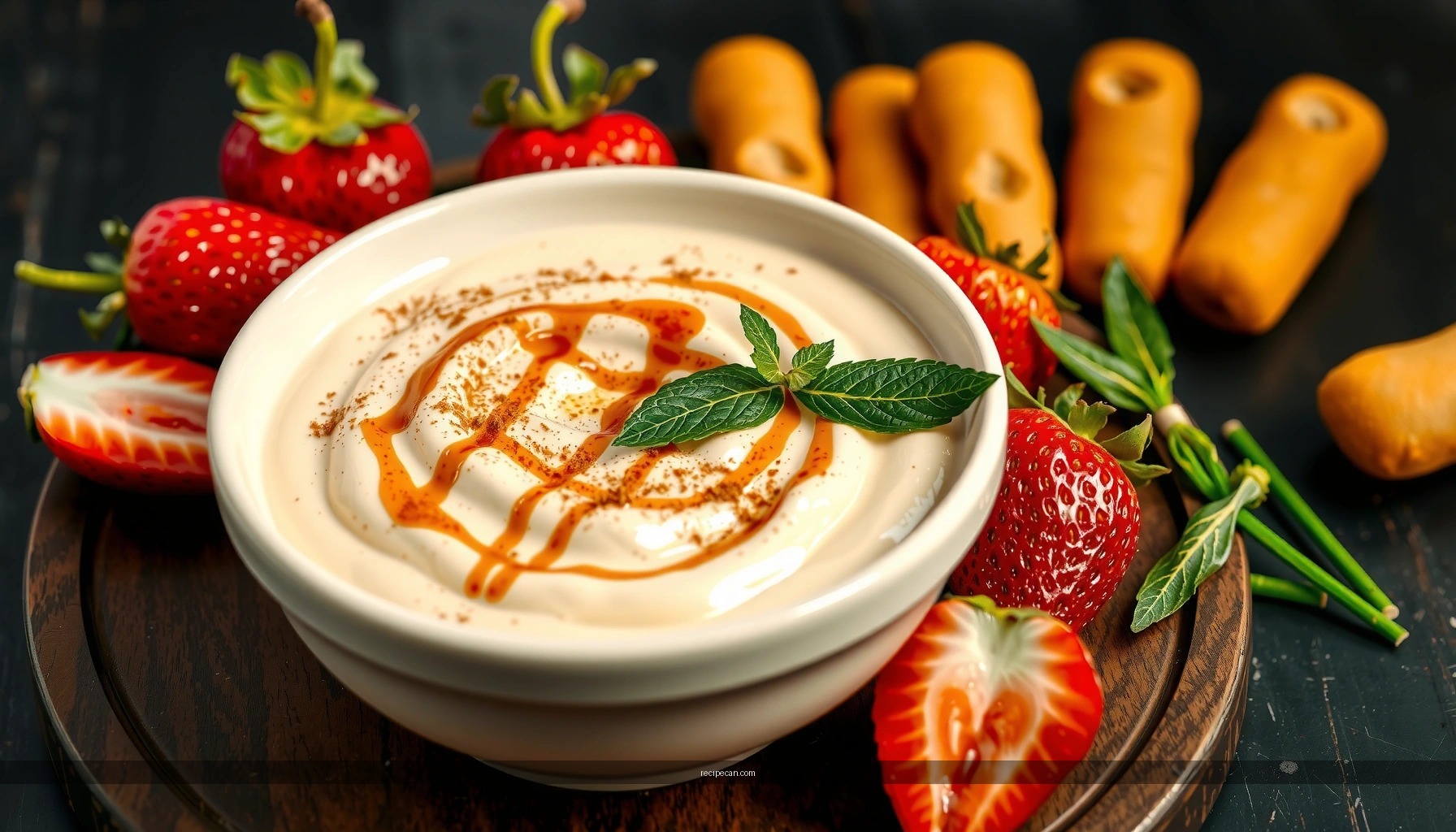
Looking for the best cannoli dip recipes that actually deliver that signature creamy, ricotta-and-chocolate flavor? This guide picks the top cannoli dip option if you want a quick, crowd-friendly version with minimal prep and maximum richness, plus clear add-ins that make it taste like true cannoli without the fuss. You’ll find the winning method, the right texture, and the easiest flavor boosts so your dip lands on the table as a guaranteed hit.
Cannoli dip recipes deliver the classic cannoli flavor in an easy, scoopable format—no rolling shells required. By combining sweetened ricotta (or a ricotta–mascarpone blend) with vanilla and chocolate chips, you get an authentic, crowd-pleasing dessert that sets up well in the fridge for clean, party-ready serving.
Cannoli dip sits in a sweet spot for both home cooks and event planners: it’s fast to assemble, highly customizable, and forgiving. Unlike traditional cannoli, where shell texture is time-sensitive, a well-balanced cannoli-inspired dip can be prepared ahead of time, chilled to the right consistency, and portioned with minimal fuss. Below, you’ll find practical ingredient guidance, flavor boosters, variation ideas, serving suggestions, and troubleshooting—so your cannoli dip is creamy, not watery, and sweet enough to satisfy.
Cannoli Dip Consistency Targets (By Use Case)
| # | Serving Style | Chill Time | Goal Texture | Expected Dip Rating |
|---|---|---|---|---|
| 1 | Immediate snacking (standing platter) | 15–20 min | Spoonable, soft waves | ★★★★☆ |
| 2 | Party dip (most common) | 30–45 min | Thick, holds peaks | ★★★★★ |
| 3 | Cracker bar (frequent scoops) | 45–60 min | Dense, “clings” to dippers | ★★★★★ |
| 4 | Outdoor event (warm room) | 60–75 min + extra stirring | Stable thickness under handling | ★★★★☆ |
| 5 | Make-ahead overnight prep | 8–12 hours | Ultra-thick, sliceable spoon portions | ★★★★★ |
| 6 | Reheat-friendly (brief soften before serving) | 30 min fridge + 5 min room temp | Scoopable but not runny | ★★★★☆ |
| 7 | Too-warm remediation | 15 min re-chill | Re-thickens for clean scoops | ★★★☆☆ |
Classic Cannoli Dip (Ricotta + Chocolate Chips)
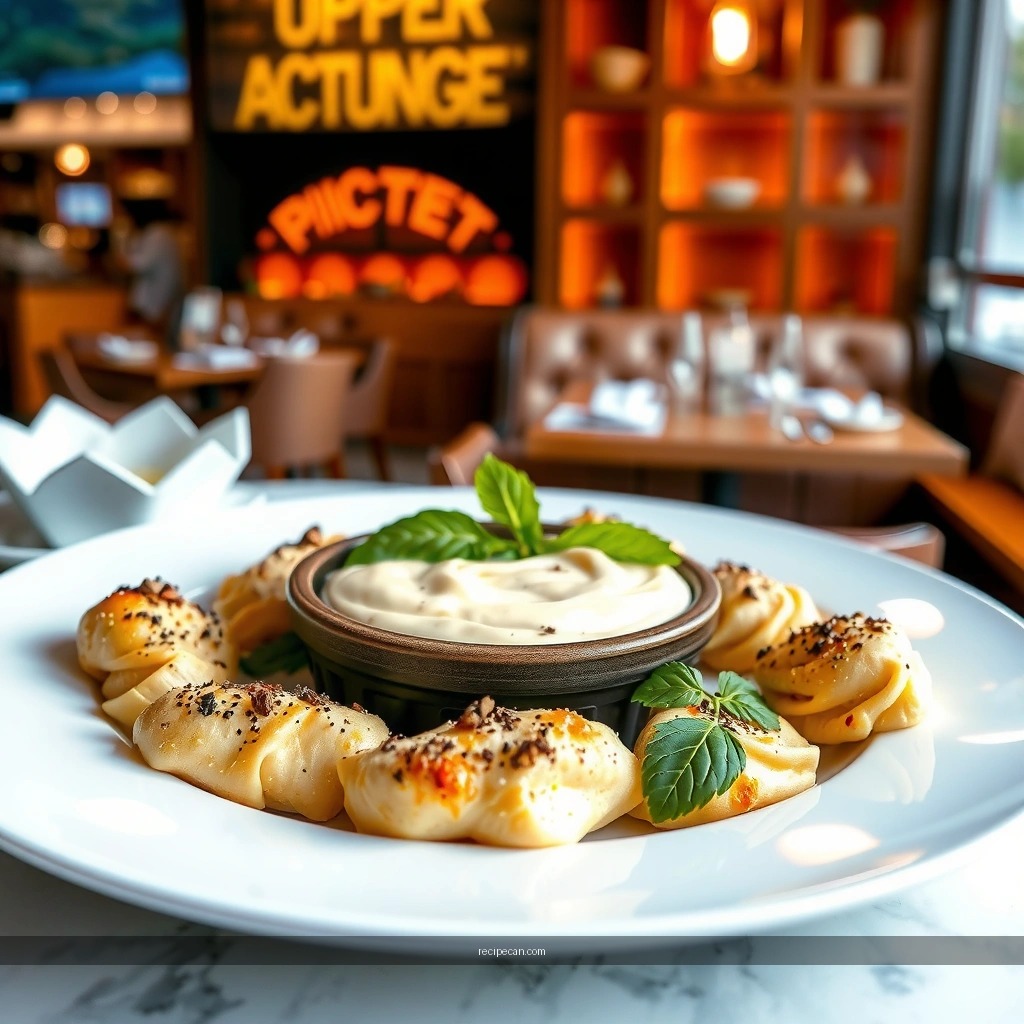
A reliable cannoli dip starts with the right dairy foundation: sweetened ricotta. This is the closest flavor match to cannoli filling, delivering the mellow tang and creamy body that makes cannoli so recognizable. The simplest classic version typically includes ricotta, powdered sugar (for a smooth sweetness profile), vanilla extract, and mini chocolate chips.
How to build the flavor balance
– Sweetened ricotta as the base: If your ricotta tastes bland or watery, it will usually read as “not really cannoli” even after you add chocolate chips. Sweetened ricotta reduces the need for heavy-handed sugar additions later, helping the dip taste cohesive rather than just sugary.
– Vanilla for cannoli authenticity: A teaspoon of vanilla extract supports the dairy sweetness and helps the chocolate taste more “bakery-like.”
– Mini chocolate chips for even distribution: Mini chips prevent big pockets of chocolate and give every scoop a consistent cannoli-like contrast.
Texture control (the hidden success factor)
Ricotta can vary significantly in moisture. If the container looks particularly watery or the ricotta feels loose, strain it for 20–30 minutes using cheesecloth or a fine-mesh sieve. This is one of the most effective steps for preventing a runny cannoli dip.
Practical proportions (useful as a planning baseline)
For a typical party bowl (about 2 cups), many cooks land on roughly:
– 16 oz ricotta (sweetened if possible)
– 1/3 to 1/2 cup powdered sugar (to taste)
– 1 tsp vanilla extract
– 1/2 to 1 cup mini chocolate chips (depending on how chocolate-forward you want it)
Flavor Boosters: Cinnamon, Orange Zest, and Sweetener
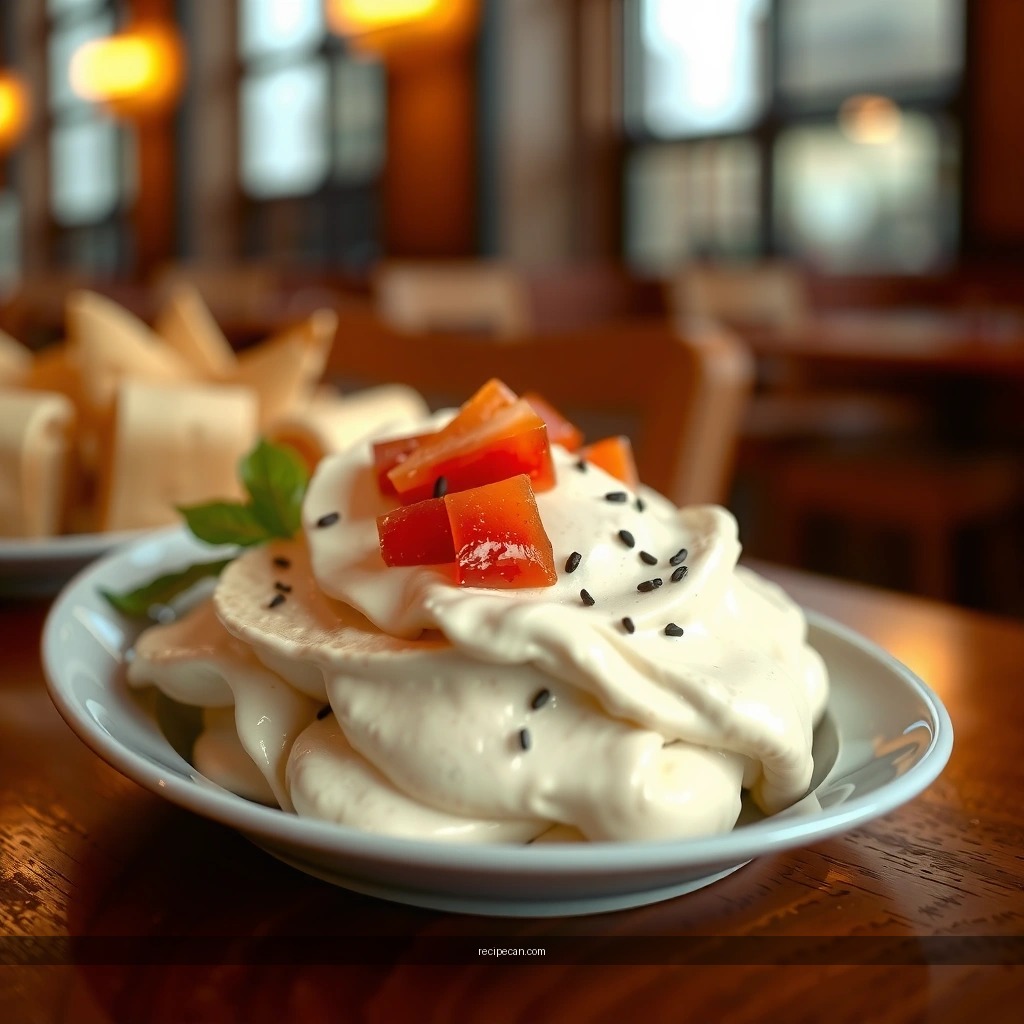
Cannoli filling is not only about “sweet and creamy”—it’s also subtly aromatic. Adding cinnamon and citrus zest turns a basic cannoli dip into something that reads like a dessert with depth rather than simply a dessert dip.
Cinnamon: warm, traditional dessert notes
A small pinch of cinnamon can bring forward a familiar cannoli association, especially when paired with vanilla. Start with 1/8 to 1/4 tsp for a standard batch; too much can shift the flavor toward snickerdoodle rather than cannoli.
Orange zest (or lemon): brighter, more dimensional
Citrus zest boosts perceived sweetness and cuts through richness. Orange zest is especially classic in Italian-inspired desserts, but lemon zest works just as well if that’s what you have.
– Use finely grated zest (zest from about 1 small orange or 1/2 lemon)
– Mix it thoroughly so the oils distribute evenly throughout the dip
Sweetener strategy: adjust without “over-sugaring”
If you want a sweeter cannoli dip without graininess:
– Use powdered sugar for smooth texture
– Consider adding sweetness in small increments, tasting between adjustments
– Add a splash of honey only if you want a slightly floral note (and keep the amount modest so it doesn’t thin the dip)
If your dip tastes flat, it’s often not a lack of sugar—it’s lack of vanilla intensity or insufficient moisture management (unstrained ricotta will mute flavor and thin texture).
Easy Variations (No-Roll, Party-Friendly)
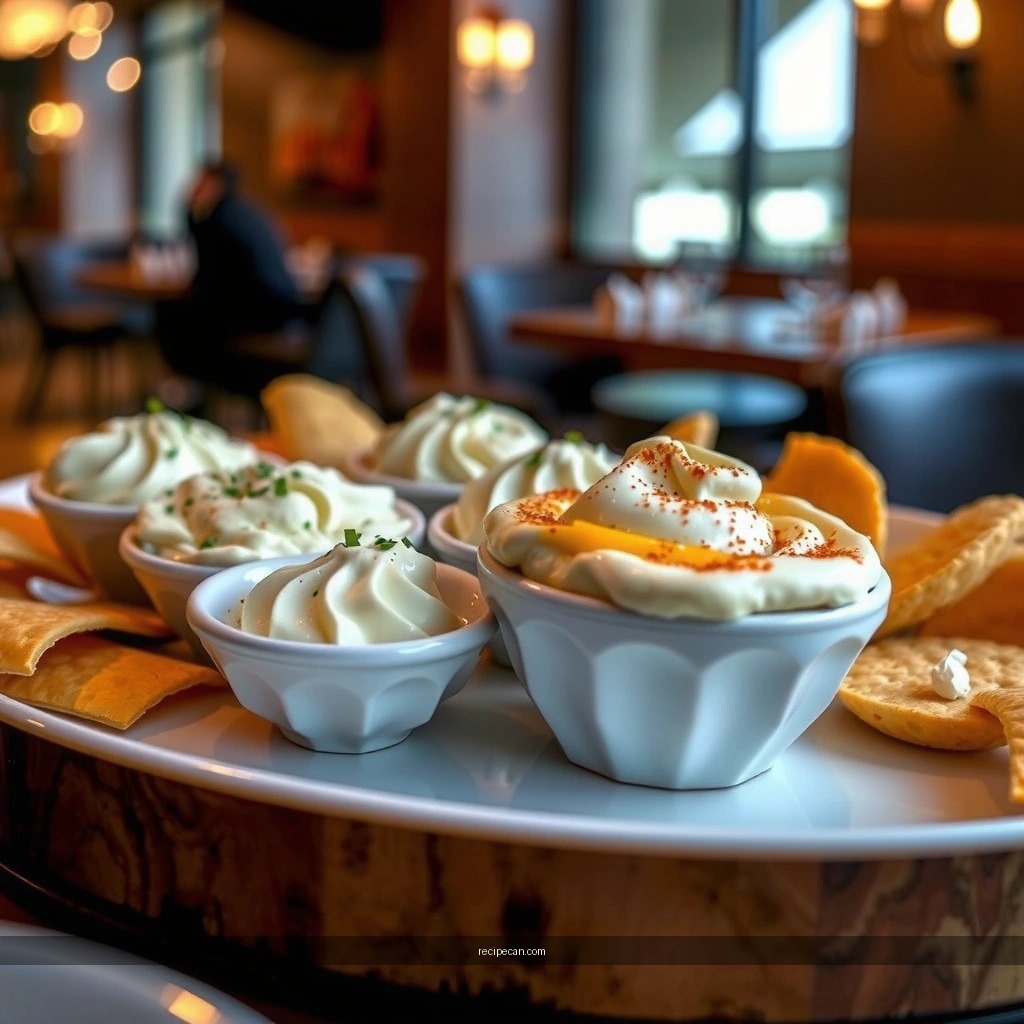
Cannoli dip is inherently flexible. You can keep the core cannoli profile while changing creaminess level, texture contrast, and topping style—without rolling shells.
Extra-decadent option: mascarpone or cream cheese
For a richer, thicker dip, many variations use mascarpone or cream cheese alongside ricotta:
– Mascarpone: mild and buttery; boosts silkiness
– Cream cheese: tangier and can make the dip taste more “cheesecake-like”
To avoid lumps, soften cream cheese/masecarpone first, then blend until smooth before folding into ricotta. A common approach is to replace part of the ricotta with mascarpone (for example, half-and-half) rather than replacing it all.
Cookie-crust “dip topping” for added texture
One reason cannoli dip works so well is contrast—creamy base plus crunchy topping. For a party-friendly twist:
– Crush biscotti, amaretti, or vanilla cookies into coarse crumbs.
– Sprinkle the crumbs on top right before serving.
– For stability, keep the crumb topping separate from the dip during chilling, so it doesn’t soften.
“No-roll” doesn’t mean “no structure”
Even without shells, your dip can have structure. Chilling is your substitute for the cannoli shell’s integrity. Aim for a thick, scoopable consistency so dippers don’t collapse or become coated with excess liquid.
Best Dippers and Serving Ideas
The best cannoli dip recipes aren’t just about flavor—they’re about pairing. Your dip should complement the crunch, sweetness, and moisture level of the dippers.
Classic scoop partners
– Cannoli shells: closest tasting bridge to the original dessert (and they hold chocolate-and-ricotta flavors in the same way)
– Waffle cones: sturdy and slightly sweet; great for kid-friendly parties
– Biscotti: firm, slightly dry crunch that won’t instantly dissolve
– Graham crackers: mild sweetness and easy access for large gatherings
Contrast with fresh fruit
Fruit balances richness and reduces “heavy dessert” fatigue:
– Strawberries for acidity and color
– Sliced bananas for creamy sweetness
– Orange segments (or even zest garnish) if you added orange flavor into the dip
Serving presentation that boosts perceived quality
Use a wide bowl or platter with a spoon or small scoop for guests. If you’re serving multiple flavors (e.g., classic and cinnamon-orange), label bowls with simple tags like “Cinnamon–Orange” or “Classic Chocolate.”
A small topping plan helps you look intentional:
– Top one side with extra mini chocolate chips
– Finish with a light dusting of cinnamon or powdered sugar
– Add zest micro-grating immediately before serving for maximum aroma
Make-Ahead Tips and Storage
Cannoli dip is naturally suited for make-ahead preparation. In a party setting, the ability to chill, portion, and serve on a schedule is often the difference between “dessert chaos” and “dessert success.”
Chill time: improve thickness and flavor
Chilling helps ricotta hydrate properly and allows vanilla and citrus notes to integrate. In practice:
– 30–60 minutes is the sweet spot for most batches
– Overnight yields the thickest, most stable scoop
Refer to the consistency targets above to match your event style and room conditions.
Storage method
– Keep the dip covered in the fridge to prevent it from drying out or absorbing fridge odors.
– When you’re ready to serve, stir once to restore an even texture. Depending on the brand of ricotta, some separation can occur, and stirring re-emulsifies the mixture.
How long it lasts
For best quality, aim to consume within 3–4 days. While it may still be safe beyond that depending on ingredient freshness, flavor and texture typically degrade first (especially if the chocolate chips absorb moisture over time).
Transporting for events
If you’re bringing cannoli dip to a gathering:
– Pack it in an insulated bag with an ice pack
– Bring a separate container for toppings like crushed cookies or biscotti crumbs to maintain crunch
Troubleshooting: Too Runny or Not Sweet Enough?
Even well-tested cannoli dip recipes can run into two predictable issues: runny texture or underwhelming sweetness. The key is to diagnose quickly and apply targeted fixes.
If it’s runny
Common causes include watery ricotta, insufficient chilling, or over-stirring after it starts to warm.
– Drain ricotta longer: Strain for an additional 10–20 minutes before remixing.
– Add more mascarpone (or cream cheese): A spoonful at a time helps firm the dip without drastically changing flavor.
– Chill and re-stir: Sometimes a simple 15-minute re-chill and one thorough stir restores scoopable consistency.
If it’s not sweet enough
A dip can taste “flat” if sweetness is too low, but also if the flavor balance is off.
– Adjust with powdered sugar in small increments (1–2 tablespoons at a time).
– Add vanilla if the base tastes muted—vanilla rounds out flavor, making sweetness feel more present.
– If you want a smoother sweetness boost, a small splash of honey can work, but keep it minimal to avoid thinning.
Pro tasting approach
Taste with the dip on your intended “dipper” (biscotti vs. fruit can change perceived sweetness). If fruit is being served alongside, you may prefer a slightly sweeter dip so it doesn’t taste muted next to bright, juicy acidity.
—
Cannoli dip recipes come together quickly and taste like the real deal when you balance creamy ricotta, vanilla, and chocolate chips. Pick a variation (classic, cinnamon-orange, or mascarpone-forward), chill it until scoopable, and serve with the right dippers—then adjust sweetness and texture with the troubleshooting steps above to ensure every batch performs. Make a batch for your next get-together and share your favorite version, because cannoli dip is one of those desserts that always earns a second scoop.
Frequently Asked Questions
What are the best cannoli dip recipes for a quick dessert?
The best cannoli dip recipes usually combine cream cheese, ricotta, powdered sugar, and mini chocolate chips, then fold in vanilla and a pinch of salt for balance. Many people prefer a no-bake version with whipped cream or mascarpone for a lighter texture. For extra flavor, add cinnamon or orange zest and serve with cannoli shells, graham crackers, or strawberries. If you want a crowd-pleaser, choose a recipe that’s easy to scale and keeps well in the fridge.
How do you make cannoli dip without lumps or grainy texture?
Start by bringing cream cheese and ricotta to room temperature so they blend smoothly. Use a hand mixer to beat the cream cheese first, then mix in ricotta gradually, scraping the bowl to prevent lumps. If your ricotta seems watery, strain it for 10–15 minutes in a fine mesh sieve before mixing. Finally, chill the cannoli dip at least 30 minutes so the flavors meld and the texture sets.
Why does my cannoli dip get watery, and how can I prevent it?
Cannoli dip can get watery when ricotta is too wet or when the mixture isn’t chilled long enough. Using full-fat ricotta and measuring carefully helps maintain a creamy consistency. If you notice separation, gently stir and chill the dip; you can also add a little more powdered sugar or mascarpone to thicken it. For future batches, strain ricotta and avoid overmixing once the ingredients are combined.
Which mix-ins go best in cannoli dip—chocolate chips, pistachios, or fruit?
Traditional cannoli dip is loved for mini chocolate chips, which mimic classic cannoli filling, and pistachios for a nutty crunch. For a sweeter, fresher twist, you can add chopped candied fruit or fold in a few tablespoons of cinnamon-sugar for depth. If you want a cleaner flavor profile, pair cannoli dip with strawberries or drizzle with a little honey instead of adding too many mix-ins. Keep mix-ins to a moderate amount so the dip stays creamy and scoopable.
What’s the easiest way to serve cannoli dip at parties?
Serve cannoli dip in a large bowl with a spoon and arrange dippers around it—cannoli shells, biscotti, graham crackers, and fresh berries all work well. For a more elegant party presentation, garnish the top with mini chocolate chips, crushed pistachios, and a light dusting of cinnamon. Make the dip ahead of time (typically 2–24 hours) and keep it refrigerated, then let it sit at cool room temperature for 10–15 minutes before serving. This helps the cannoli dip taste fresh and ensures it’s creamy instead of too firm.
References
- Cannoli
https://en.wikipedia.org/wiki/Cannoli - https://www.britannica.com/topic/cannoli
https://www.britannica.com/topic/cannoli - Google Scholar Google Scholar
https://scholar.google.com/scholar?q=cannoli+dip+recipe - Google Scholar Google Scholar
https://scholar.google.com/scholar?q=cannoli+dessert+dip+ricotta+chocolate+candied+fruit - Google Scholar Google Scholar
https://scholar.google.com/scholar?q=ricotta+cannoli+filling+traditional+recipe - https://pubmed.ncbi.nlm.nih.gov/?term=cannoli
https://pubmed.ncbi.nlm.nih.gov/?term=cannoli - Cannoli recipe | Good Food
https://www.bbcgoodfood.com/recipes/cannoli - Italian cuisine | Britannica
https://www.britannica.com/topic/Italian-cuisine - Ricotta
https://en.wikipedia.org/wiki/Ricotta - Italian cuisine
https://en.wikipedia.org/wiki/Italian_cuisine