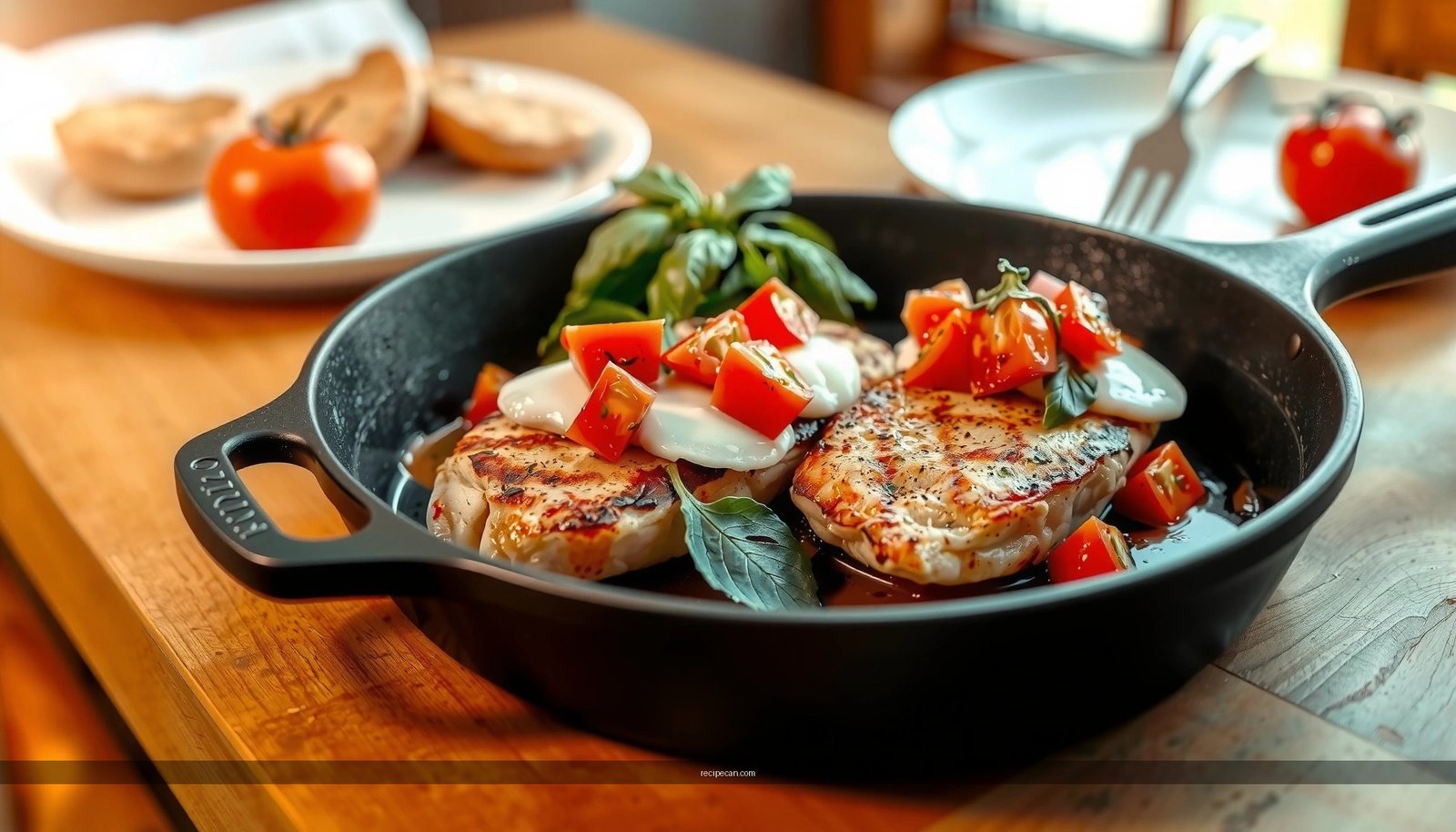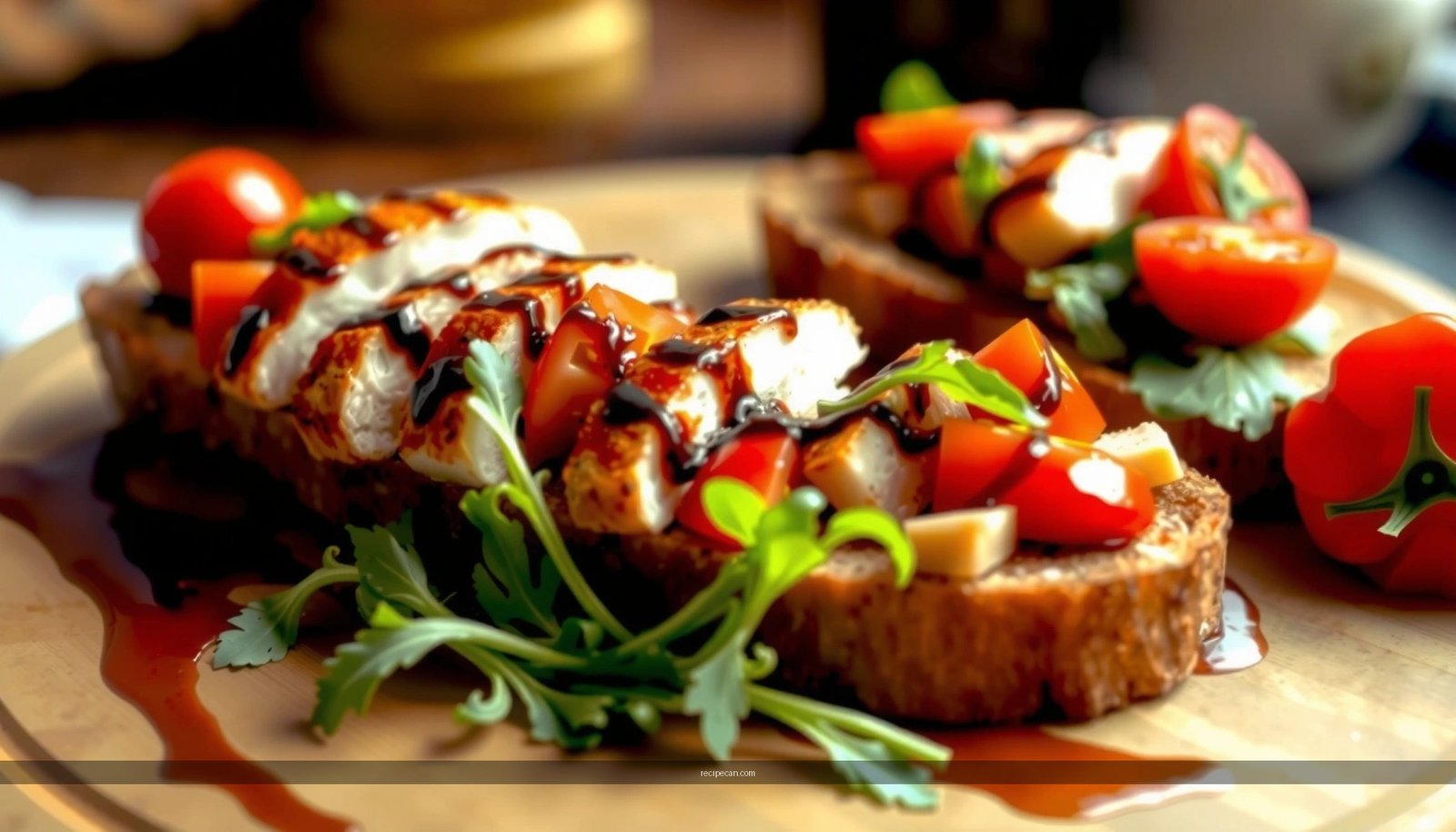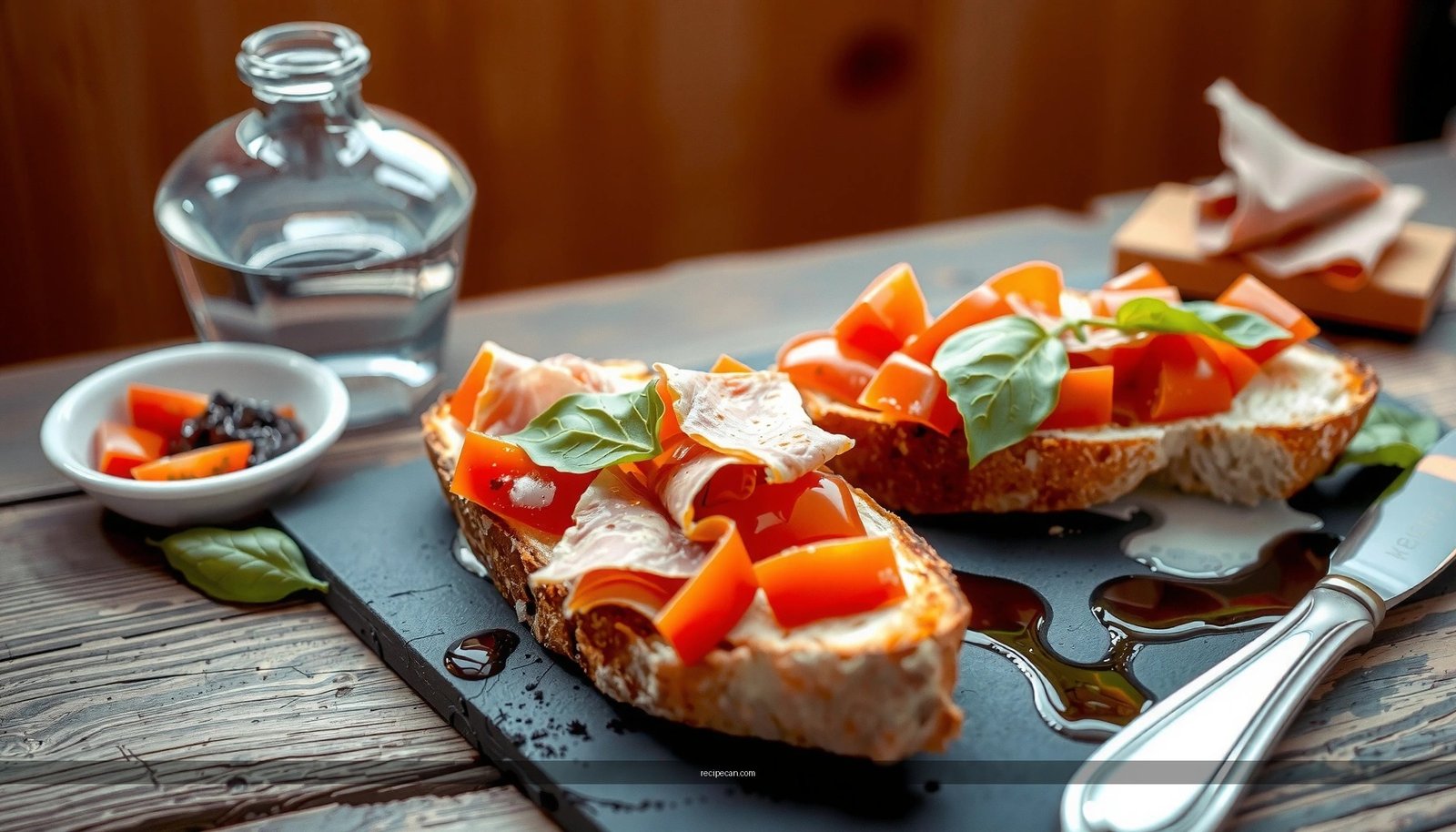
This bruschetta prosciutto recipe delivers the best tomato-and-ham toasts when you want maximum flavor with minimal effort. You’ll learn how to mound juicy tomato on crisp toasted bread, layer prosciutto just right, and season for a restaurant-style bite in about 20 minutes. If you’re asking which version actually tastes like Italian appetizer perfection, this one is the clear winner.
This bruschetta prosciutto recipe delivers restaurant-style flavor with minimal effort: toast crusty bread, top it with garlicky tomatoes, then finish with tender prosciutto and a glossy drizzle of olive oil. You’ll learn how to prevent sogginess, balance bright tomato acidity with savory ham saltiness, and assemble efficiently so every bite stays crisp.
Ingredients You’ll Need for Bruschetta Prosciutto
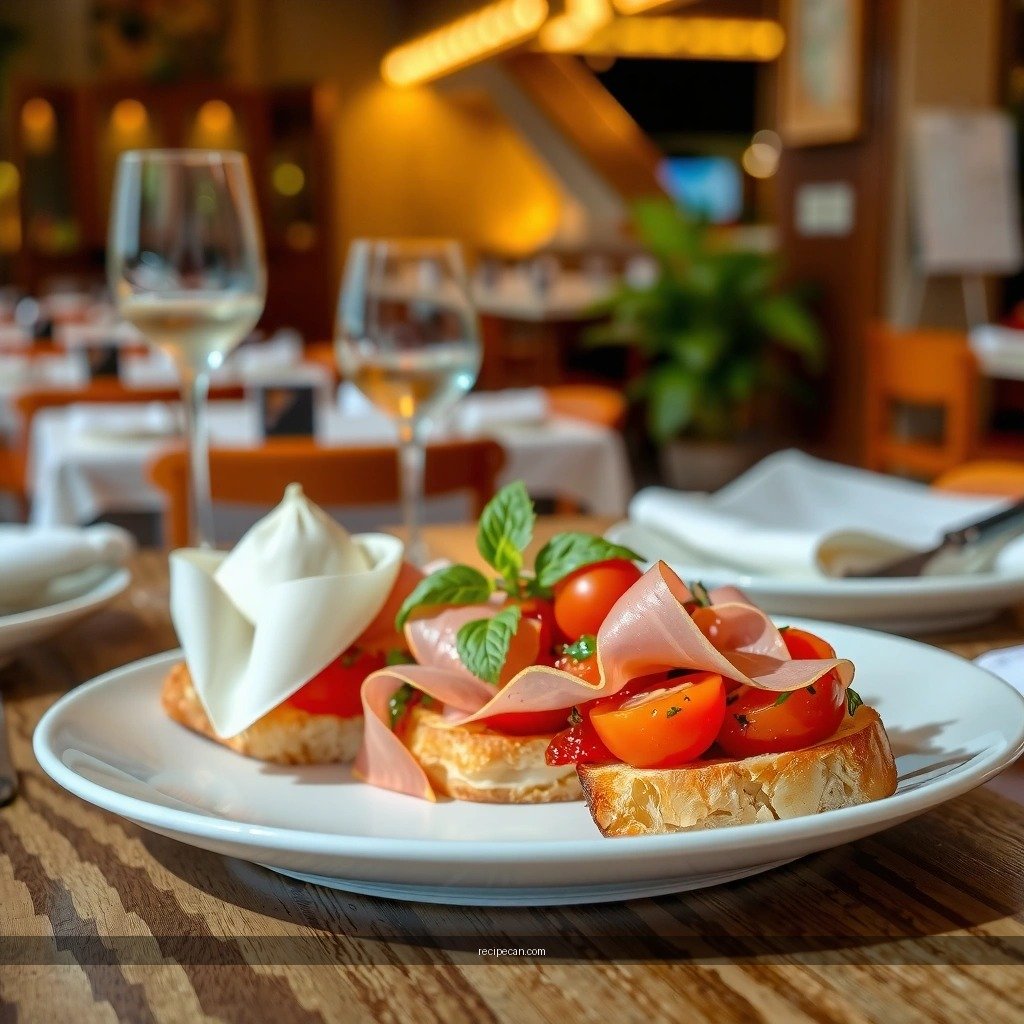
A strong bruschetta prosciutto starts with simple, high-impact ingredients—then uses a few technique choices to make them taste “chef-level” instead of merely homemade. Aim for ripe tomatoes, thinly sliced prosciutto, and bread with a sturdy crust so it can hold toppings without going limp.
– Crusty bread (ciabatta, sourdough, or baguette), sliced into toast-ready pieces
– Ripe tomatoes (roma or vine-ripened), diced
– Garlic (fresh cloves for a punchy flavor)
– Olive oil (extra-virgin for aroma and a silky finish)
– Fresh basil (chopped or torn)
Prosciutto and optional upgrades
– Prosciutto, thinly sliced (best for quick melting on warm bread)
– Optional extras like balsamic glaze for a sweet-tang finish (use sparingly so it doesn’t overpower)
Seasoning and brightness
– Salt and black pepper
– A splash of vinegar or lemon (vinegar or citrus wakes up tomato flavor and balances the ham’s salt)
Pro-level shopping note: If you can, choose prosciutto labeled “thinly sliced” and “aged.” That typically yields a better texture on warm bread—tender, not rubbery.
Tomato & Bread Choices for Bruschetta (Practical Flavor/Tolerance)
| # | Bread Type | Crisp Retention (1-5) | Best Tomato Pairing | Use Case Rating |
|---|---|---|---|---|
| 1 | Ciabatta | 5 | Roma / low-seed tomatoes | ★ ★ ★ ★ ★ |
| 2 | Sourdough | 4 | Vine-ripened tomatoes | ★ ★ ★ ★ ★ |
| 3 | Baguette | 4 | Roma + a little less tomato juice | ★ ★ ★ ★ |
| 4 | Multigrain bread | 3 | Drier tomato varieties | ★ ★ ★ |
| 5 | Rustic country loaf | 4 | Vine-ripened, well-drained | ★ ★ ★ ★ |
| 6 | Whole wheat sandwich loaf | 2 | Only if assembled immediately | ★ ★ |
| 7 | Focaccia (plain) | 3 | Small toppings, drained tomatoes | ★ ★ ★ |
How to Prepare the Tomato Topping
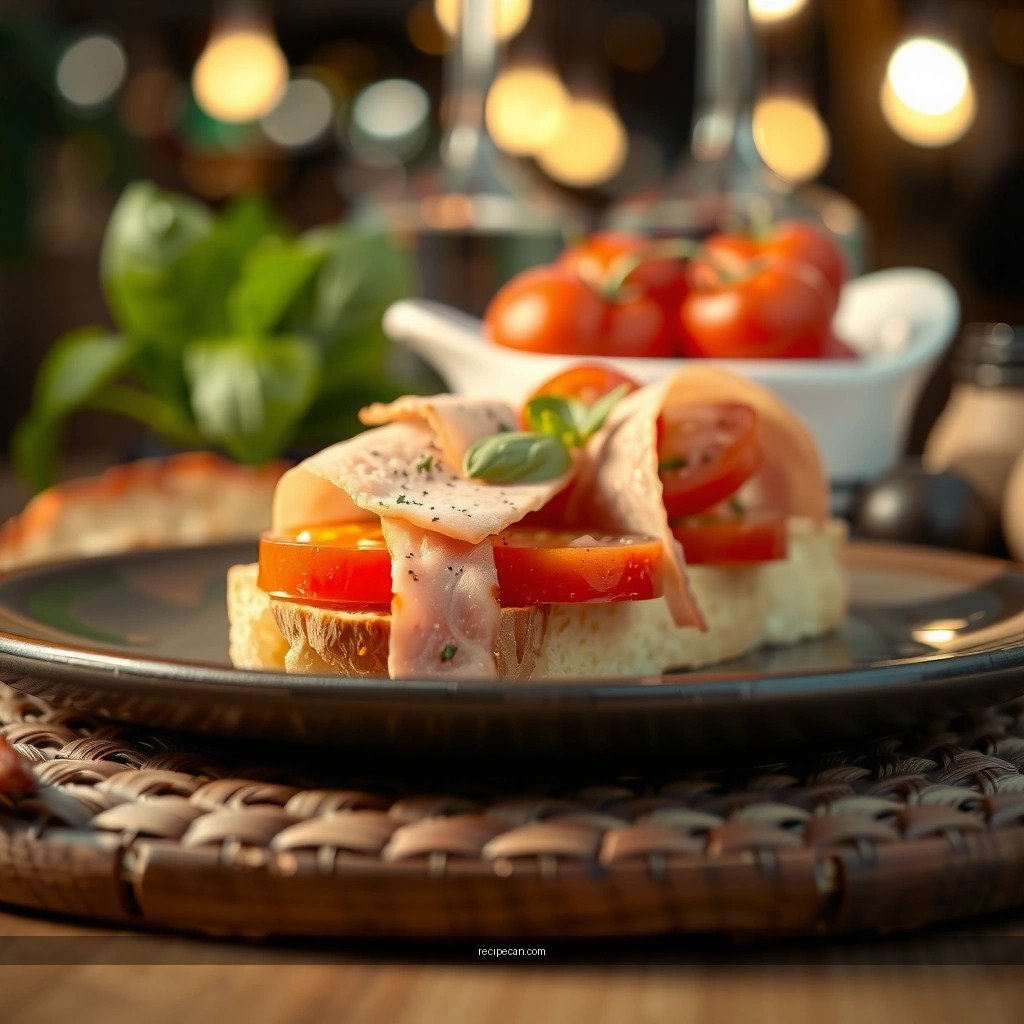
The tomato mixture is where bruschetta prosciutto earns its reputation. The main technical challenge is managing moisture: fresh tomatoes release juice, and that juice can turn crisp toast into a soggy base. The fix is simple—dice the tomatoes, salt them briefly, and let them drain.
Step-by-step technique
1. Dice tomatoes evenly
Consistent dice helps everything taste balanced—no overly juicy chunks competing with firmer pieces.
2. Drain slightly before mixing
Place diced tomatoes in a colander or on paper towels for 5–10 minutes so excess liquid escapes.
3. Season the mixture thoughtfully
Toss with:
– minced garlic
– olive oil
– chopped basil
– salt and pepper
4. Add brightness at the end
Stir in a small splash of vinegar or lemon juice. Start with less than you think—then taste. You’re aiming for “lift,” not sharpness.
Why this balance works (analytical perspective)
Tomatoes provide sweetness and acidity, prosciutto provides salt and umami, and basil provides aromatic lift. If the tomatoes are too watery or under-seasoned, the overall bite becomes diluted; if they’re over-acidified, the ham tastes sharper and heavier. Draining and finishing with citrus or vinegar keeps the flavor clean and restaurant-like.
Taste-test target: The mixture should taste a touch more concentrated than what you’d eat alone—because it’s going onto bread and will be tempered by olive oil and prosciutto.
Toast the Bread for the Perfect Crunch
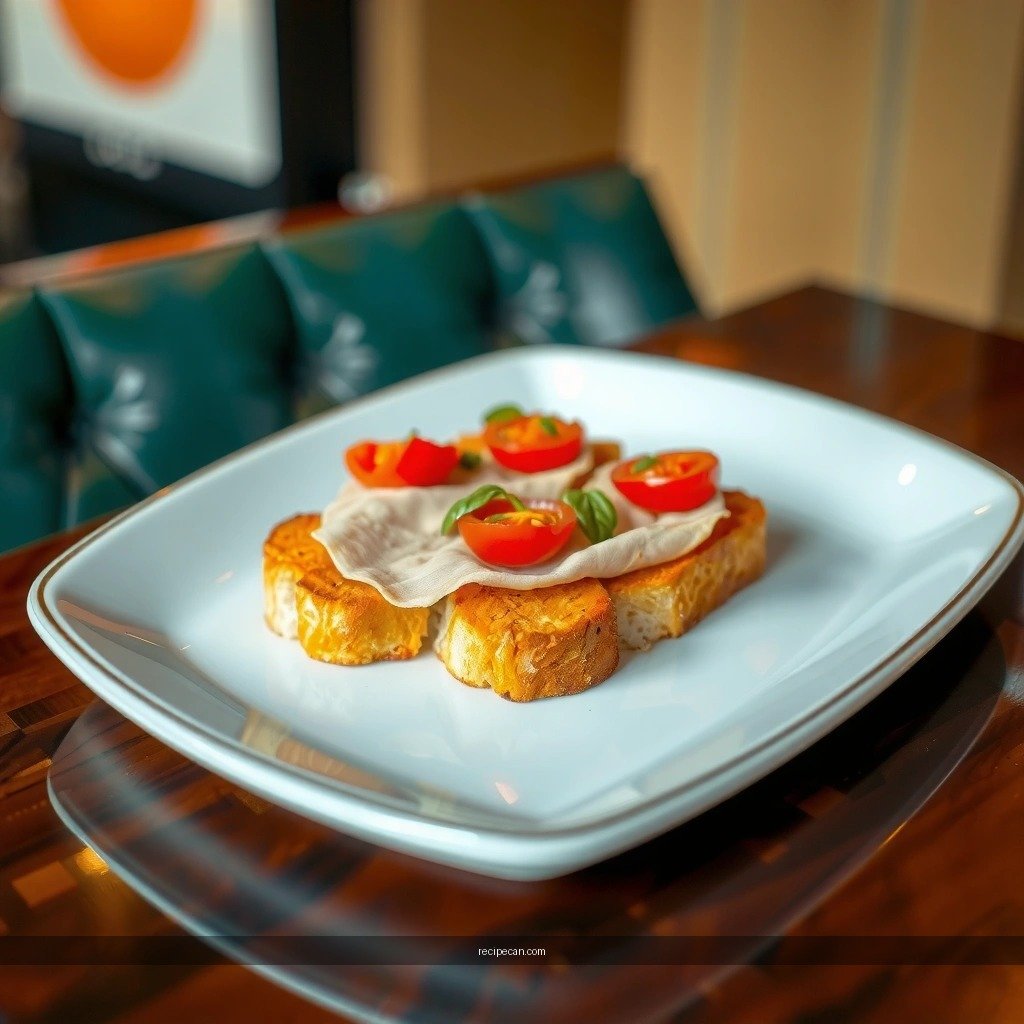
Great bruschetta is engineered for texture: crisp edges, firm surface, and topping that sits on top instead of soaking in. That requires the right toast method and timing.
What to do
– Slice bread into thick pieces so they don’t dry out instantly.
– Toast until golden and crisp, especially on the edges.
– Rub warm toast with garlic (optional but highly recommended). Cut a garlic clove in half, rub the cut side lightly over the surface while the bread is hot.
The “when” matters
Serve immediately after assembly. If you toast early and hold, the bread will lose that crispness. If you must prep ahead, toast the bread and keep it uncovered at room temperature for a short window—but plan to assemble close to serving time.
Pro tip for uniform crunch:
Use an oven broiler for a quick edge crisp-up (watch closely). Or, for stovetop versatility, toast in a dry skillet and finish in the oven for even browning.
Assemble Bruschetta with Prosciutto
Assembly is where everything becomes “a finished dish.” For bruschetta prosciutto, the goal is to layer flavors without creating steam or excess moisture on the bread.
Assembly order (works reliably)
1. Spoon tomato mixture onto warm toast
Keep it piled but not drowning. If the tomato mixture looks wet, gently spoon off excess liquid first.
2. Layer prosciutto
Place thin prosciutto directly on top of tomatoes or alongside the tomato mound. Either approach works; top placement creates more integration, while side placement keeps prosciutto visually distinct and avoids over-wilting.
3. Finish with olive oil
A drizzle of extra-virgin olive oil gives gloss, rounds out acidity, and boosts basil aromatics.
4. Optional balsamic glaze (use strategically)
Add a few drops or thin streaks. Balsamic should complement, not dominate.
Texture management note:
Prosciutto is already cured and thin; it doesn’t need cooking. The warmth from the bread is enough to soften it slightly. Overheating (or leaving assembled bites to sit) will push it toward leathery texture.
Flavor customization
– Prefer a deeper, savory profile? Add a pinch more black pepper and a slightly heavier olive oil drizzle.
– Prefer brighter taste? Increase lemon/vinegar by 1/2 teaspoon increments.
– Want more herb complexity? Add finely chopped parsley alongside basil.
Serving Tips and Best Pairings
This dish is best served immediately, which makes it especially strong for entertaining: you can prep components separately and assemble in batches.
Best way to serve
– Arrange bruschetta prosciutto on a platter and garnish with extra basil leaves.
– For parties, assemble the first round when guests arrive, then continue with subsequent batches to preserve crunch.
Pairings that make sense (and why)
– Light salad or arugula: Arugula’s bitterness cuts through prosciutto’s salt and supports a crisp, fresh finish.
– Roasted vegetables (zucchini, peppers, or eggplant): Their caramelized flavors complement the tomato-basil freshness while adding warmth.
– Sparkling options:
– Prosecco or Pinot Grigio: clean acidity refreshes the palate
– Crisp sparkling water: neutral, with enough carbonation to “reset” between bites
Serving temperature
Keep tomatoes at room temperature or slightly chilled depending on your timing. Extremely cold tomatoes reduce aroma; warm tomatoes can release more liquid—so use a middle ground for best flavor and texture.
Make-Ahead Options and Storage
With bruschetta prosciutto, you can absolutely do partial prep—just avoid assembling too early if you want maximum crunch.
What you can prep ahead
– Tomato mixture: Prepare up to a few hours in advance, cover, and refrigerate. Right before serving, taste and re-adjust salt, pepper, and acidity (lemon/vinegar often needs a tiny bump after chilling).
– Prosciutto: Keep refrigerated, pre-slice if needed.
– Bread: Slice ahead. You can even toast ahead, but it’s best to toast close to assembly.
What to do last
– Toast bread: Do it right before serving.
– Assemble: Assemble immediately for the best texture.
Storage realities
– Store leftover tomato mixture in an airtight container in the refrigerator for up to 2 days.
– Leftover assembled bruschetta is best eaten quickly—bread will soften as it sits. If storing toppings only, you preserve quality and can re-toast bread fresh later.
If you must re-crisp bread
Re-toast in a hot oven or skillet and then refresh toppings. Don’t expect the original crispness if it’s been fully assembled for long periods, but you can still recover a solid second bite.
Bruschetta prosciutto is at its best when the bread is crisp, the tomatoes are fresh, and the prosciutto stays savory and tender. Make the topping, toast the bread right before serving, then assemble immediately—give it a try tonight and adjust seasoning or add balsamic glaze to match your taste.
Frequently Asked Questions
What is the best bruschetta prosciutto recipe for beginners?
Start with toasted baguette slices rubbed lightly with garlic and brushed with extra virgin olive oil. Top each slice with a mix of diced tomatoes (or tomato bruschetta base), fresh basil, salt, and black pepper, then layer prosciutto on top or alongside. Finish with a drizzle of olive oil and a squeeze of lemon so the prosciutto flavor stays bright. This approach keeps the bruschetta quick, flavorful, and easy to assemble.
How do you prevent soggy bread when making bruschetta with prosciutto?
Toast the bread until crisp, then let it cool for a minute so it doesn’t steam from the heat. Assemble right before serving and keep the tomato mixture separate if you’re prepping ahead—store tomatoes with salt and drain any excess liquid. You can also lightly toast again for 30–60 seconds if needed. Keeping the olive oil and tomato topping controlled is key for perfect bruschetta prosciutto texture.
How do you assemble bruschetta prosciutto—prosciutto first or tomatoes first?
A common best practice is to add tomatoes and basil first, then place the prosciutto on top so it doesn’t absorb tomato juices. If you prefer a cleaner look, fold prosciutto into smaller pieces and tuck them over the tomato mixture for even distribution. This layering also helps the prosciutto remain delicate while still letting the tomato bruschetta flavors shine. Serve immediately for the best balance of crunch and freshness.
Why does prosciutto pair so well with tomato bruschetta?
Prosciutto’s salty, savory, and slightly sweet notes complement the acidity and freshness of ripe tomatoes. The olive oil and garlic in a classic bruschetta base enhance both flavors, creating a cohesive bite. Plus, basil adds an aromatic freshness that makes the prosciutto taste lighter instead of heavy. Together, they deliver a restaurant-style bruschetta prosciutto appetizer with strong Mediterranean flavors.
Which toppings and cheese work best with a bruschetta prosciutto recipe?
For traditional Italian flavor, use mozzarella, burrata, or shaved Parmigiano-Reggiano sparingly so it doesn’t overpower the prosciutto. You can also add a few capers or a drizzle of balsamic glaze for contrast, but use it lightly to avoid masking the tomato bruschetta. If you want a more modern option, try a thin spread of ricotta under the toppings. Keep toppings minimal and fresh so every bite includes prosciutto, tomato, and crunch.
References
- Bruschetta
https://en.wikipedia.org/wiki/Bruschetta - Prosciutto
https://en.wikipedia.org/wiki/Prosciutto - Olive oil
https://en.wikipedia.org/wiki/Olive_oil - Basil
https://en.wikipedia.org/wiki/Basil - Tomato
https://en.wikipedia.org/wiki/Tomato - Toast
https://en.wikipedia.org/wiki/Toast - Garlic
https://en.wikipedia.org/wiki/Garlic - Google Scholar Google Scholar
https://scholar.google.com/scholar?q=bruschetta+prosciutto+recipe - Google Scholar Google Scholar
https://scholar.google.com/scholar?q=prosciutto+bruschetta+tomato+basil - Google Scholar Google Scholar
https://scholar.google.com/scholar?q=Italian+bruschetta+recipe+prosciutto