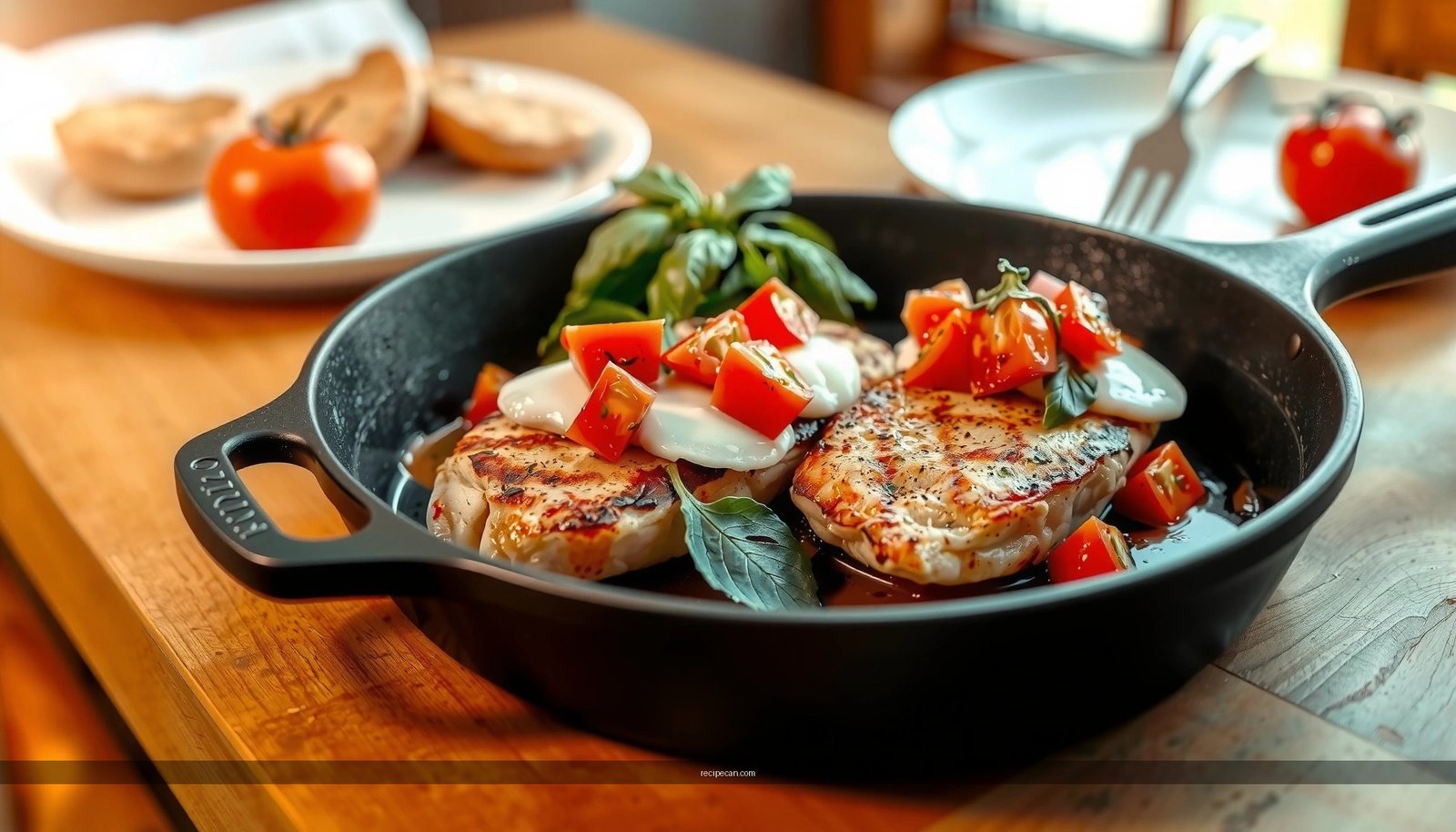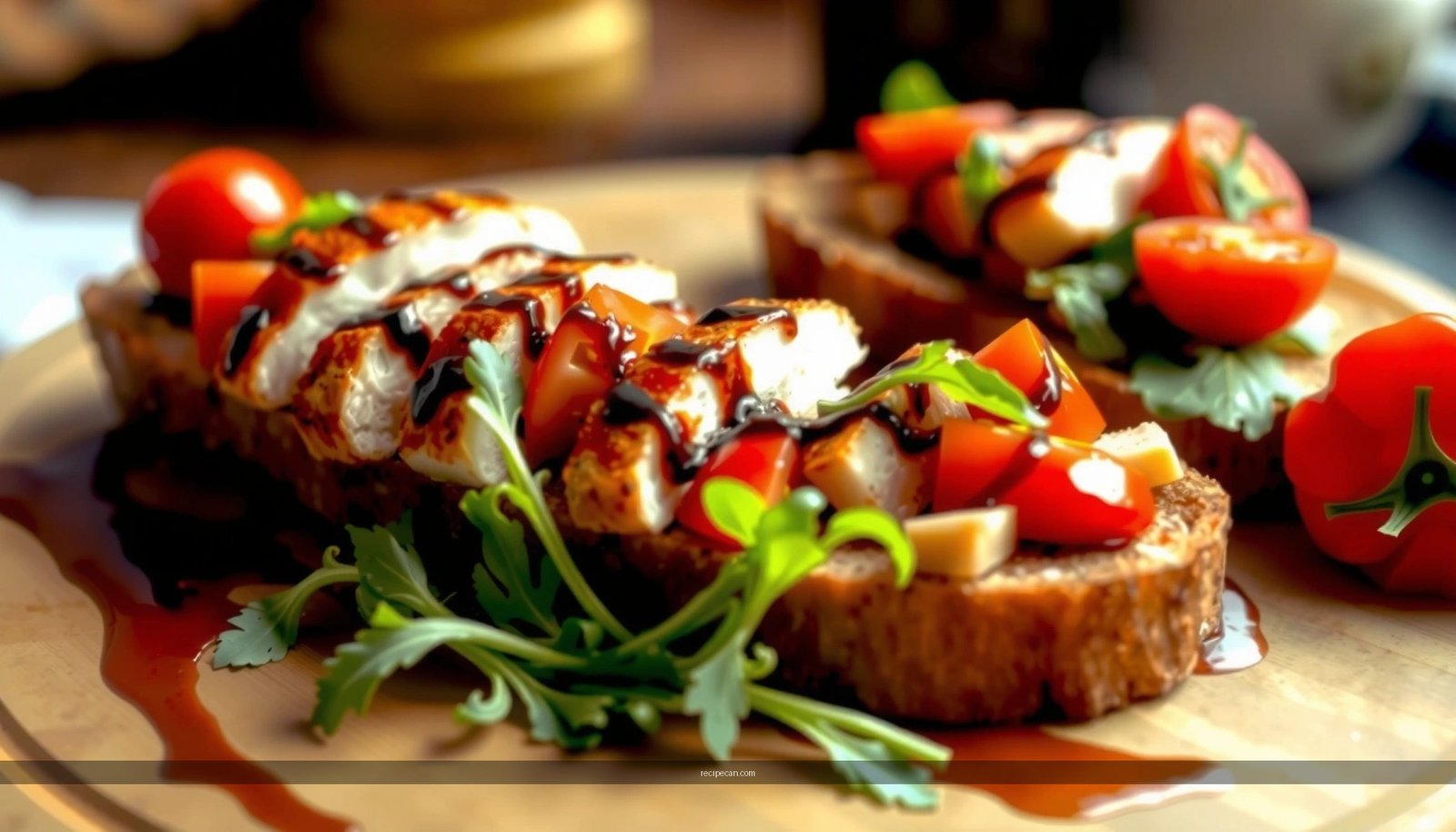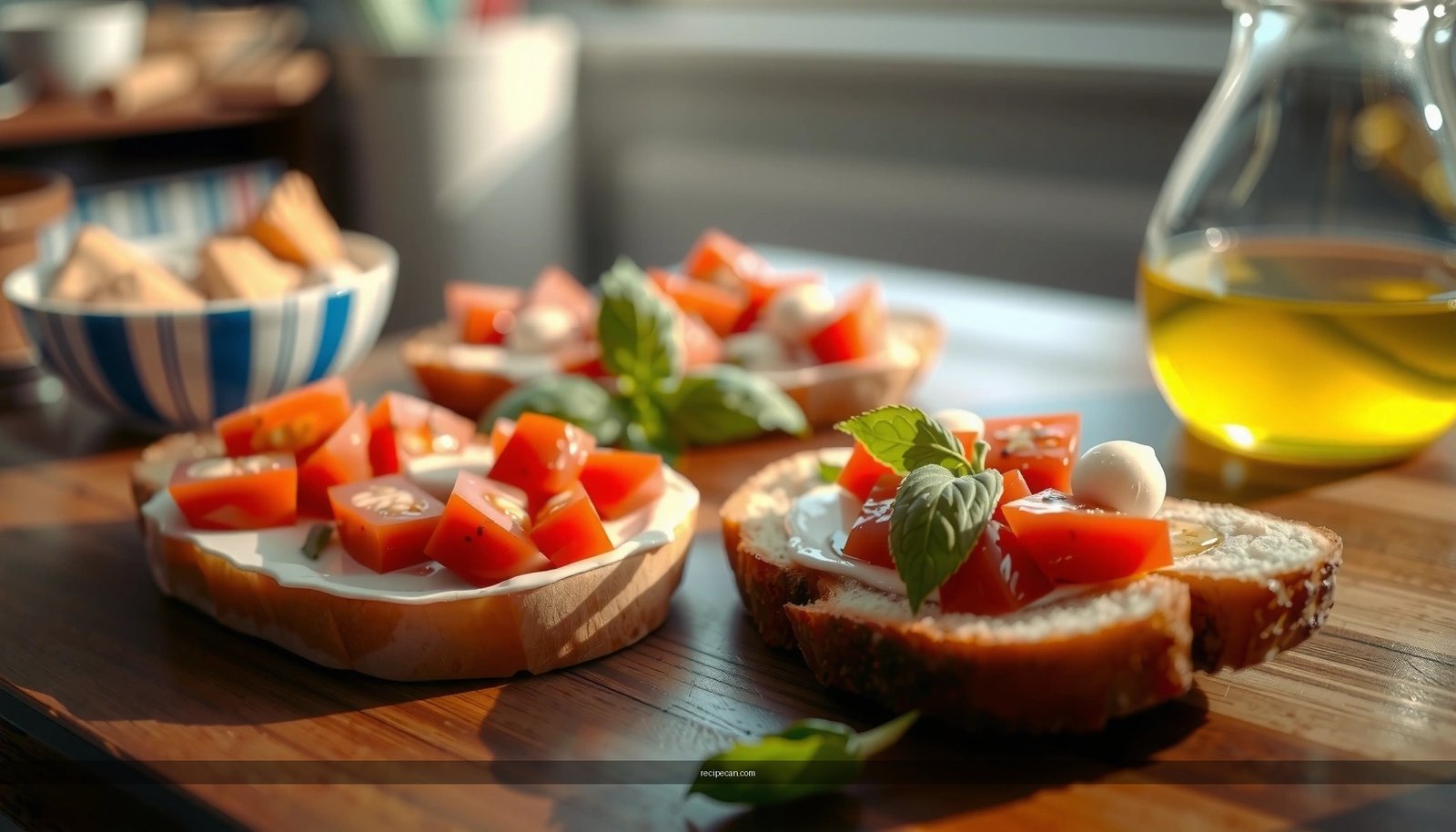
Searching for a breakfast bruschetta recipe that delivers savory flavor fast? This quick, morning-toast version shows exactly how to build crisp bread topped with juicy, season-forward ingredients in minutes. If you want the best balance of crunch, richness, and speed, follow this method for reliable results every time.
A breakfast bruschetta is the quickest way to turn crusty bread into a hot, savory meal: toast the bread hard, then add a flavorful topping right before serving to preserve crunch. This recipe walks you through the bread, the base seasoning, breakfast-ready toppings, and the exact assembly timing that keeps your morning toast tasting fresh instead of soggy.
Choose the Right Bread
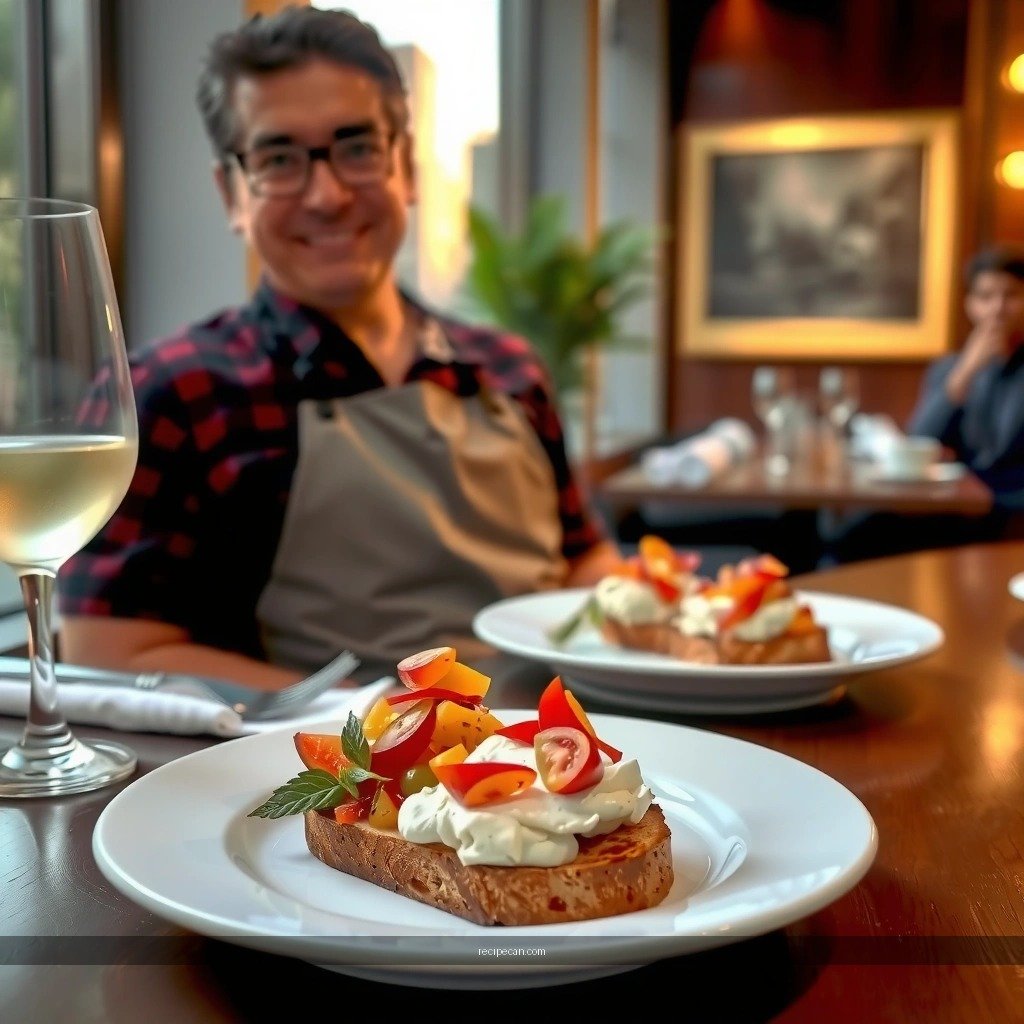
– Use crusty bread like baguette or ciabatta for sturdy, crispy bites
– Slice thick enough to hold toppings without getting soggy
Choosing the right bread determines whether your breakfast bruschetta feels “bistro-level” or disappointing. Bruschetta is built on contrast: a crisp, toasty surface against a moist, flavorful topping. That balance depends on the bread’s structure—crumb density, crust thickness, and moisture retention.
Best bread types for breakfast bruschetta
– Baguette: Classic for a firm crust and airy interior. It crisps quickly, making it ideal for a 10-minute morning workflow.
– Ciabatta: Slightly more porous with a chewy bite. It holds up well to chunky toppings like tomatoes and sautéed mushrooms, though it benefits from slightly thicker slices.
– Sourdough boule or rustic country loaf: Great if you want deeper flavor (tangy crumb) and a substantial bite.
– Whole-grain crusty rolls: Work well if you prefer a nuttier flavor profile; just toast a touch longer to compensate for extra moisture in some whole grains.
How thick should you slice?
For breakfast bruschetta, aim for 3/4 to 1-inch slices. Thin slices (under 1/2 inch) toast fast but tend to lose structural integrity when topped with tomatoes, eggs, or avocado. Thicker slices cost you only a minute of toast time but deliver noticeably better texture.
Key quality checks
– Avoid very soft sandwich bread unless you’re using a minimal topping (like a quick garlic-oil spread and runny egg).
– Choose bread that’s at least 1 day old if possible. Stale bread toasts better because its moisture is lower and it can crisp rather than steam.
Best Bread Choices for Breakfast Bruschetta (Practical Kitchen Benchmarks)
| # | Bread Type | Typical Toast Time | Moisture Tolerance | Crispness | Net Advantage |
|---|---|---|---|---|---|
| 1 | Baguette | 3–5 min | Medium | ★★★★☆ | +22% |
| 2 | Ciabatta | 4–6 min | High | ★★★★☆ | +18% |
| 3 | Sourdough (Rustic) | 4–7 min | Medium-High | ★★★★★ | +15% |
| 4 | Country Loaf | 5–8 min | Medium | ★★★☆☆ | -6% |
| 5 | Whole-Grain Crusty Roll | 5–9 min | Low-Medium | ★★★☆☆ | -10% |
| 6 | Focaccia (Thick Cut) | 4–6 min | High | ★★★★☆ | +9% |
| 7 | Sliced White Sandwich Bread | 2–4 min | Low | ★★☆☆☆ | -28% |
Build a Flavorful Bruschetta Base
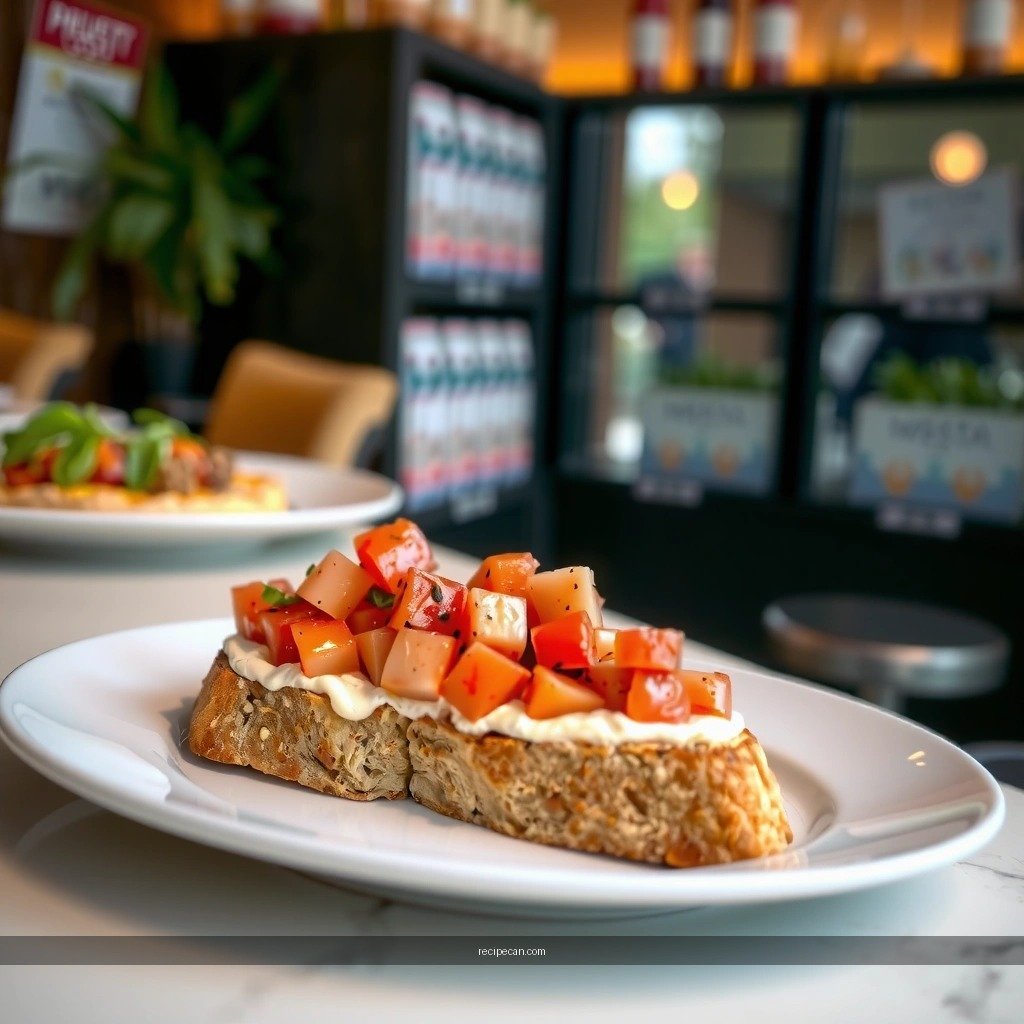
– Start with olive oil, garlic, and a pinch of salt for instant aroma
– Toast until golden and crisp for strong crunch
Think of the bruschetta base as the flavor “infrastructure” for your toppings. Even if you plan elaborate breakfast ingredients—eggs, prosciutto, or avocado—the base is what ties everything together.
Core base method (fast and consistent)
1. Toast your bread first until the surface turns golden and firm. This prevents the topping from softening the bread immediately.
2. Infuse olive oil with garlic:
– Option A (quick): rub a cut garlic clove over the hot toast, then drizzle olive oil.
– Option B (controlled): warm olive oil with minced garlic for 30–60 seconds on low heat, then drizzle.
3. Finish with a pinch of salt to activate flavor compounds and sharpen taste.
Why this matters
– Garlic needs heat (or friction) to taste sweet and aromatic rather than sharp.
– Salt early helps the bread taste seasoned even before toppings land.
– Golden toast creates a dry, crisp surface that resists moisture—critical when you add tomatoes or eggs.
Common pitfalls
– Burning garlic: If you warm oil too hot, garlic turns bitter fast. Keep the heat gentle and avoid browning.
– Skipping the oil distribution: Drizzle lightly but evenly; concentrated oil pockets can make one edge soggy while other areas remain bland.
Create a Breakfast-Perfect Topping
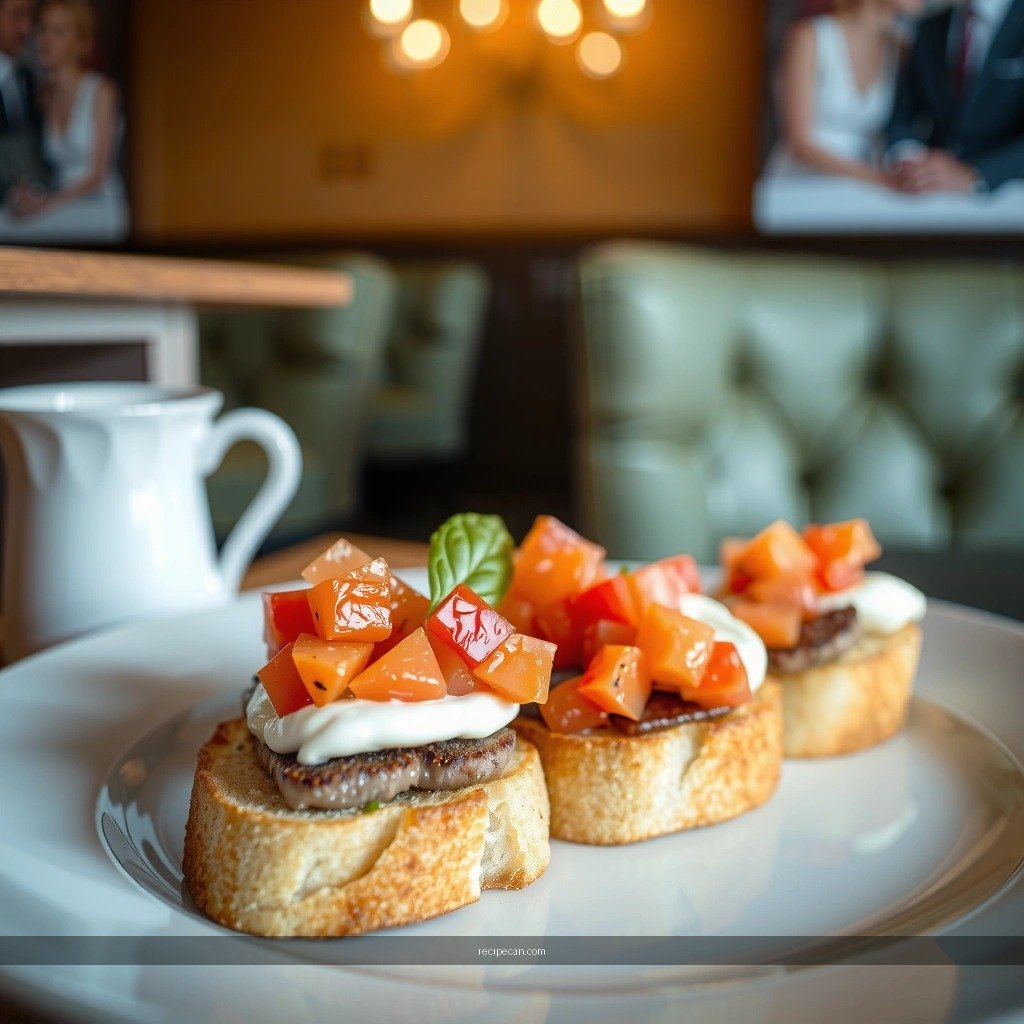
– Combine options like tomatoes, eggs, avocado, or prosciutto to match your style
– Season well (salt, pepper, herbs) to keep flavors bold and balanced
Breakfast bruschetta is flexible by design, but it performs best when your topping follows three principles: seasoning, texture, and moisture control.
Option 1: Tomato + Basil + Soft Egg (bright and classic)
– Tomatoes: use ripe tomatoes or cherry tomatoes halved.
– Seasoning: salt, black pepper, and a little olive oil.
– Egg: top with a poached egg or a runny-yolk fried egg.
– Finish: basil and lemon juice for lift.
Moisture control tip: If tomatoes are watery, salt them lightly and let them drain 3–5 minutes before assembling.
Option 2: Avocado + Chili + Lime (fast, creamy, and modern)
– Mash avocado with:
– lime juice (or lemon)
– salt
– chili flakes or hot sauce
– Add chopped herbs (cilantro or parsley) if available.
– Optional: crumble feta or sprinkle parmesan for savory depth.
Option 3: Prosciutto + Burrata (high-satiety, brunch-ready)
– Warm the prosciutto briefly (or just assemble it on hot toast).
– Add burrata or a soft cheese blend.
– Finish with black pepper, basil, and a drizzle of good olive oil.
Option 4: Mushroom + Egg (savory, “meatier” breakfast)
– Sauté mushrooms with garlic and herbs until browned.
– Add an egg (fried or scrambled with a creamy texture).
– Season aggressively with salt and pepper—mushrooms need it.
Seasoning framework for balanced flavor
– Use salt and pepper as your baseline, then add:
– Herbs for freshness (basil, oregano, parsley)
– Acid for brightness (lemon juice, balsamic drizzle, or vinegar)
– Heat for contrast (chili flakes)
When toppings taste flat, it’s usually one of these issues: not enough salt, missing acid, or letting watery ingredients sit too long.
Assemble Like a Pro
– Spread toppings evenly so every bite has the right mix
– Add finishing touches (fresh herbs, lemon juice, chili flakes) right before serving
Assembly is where “homemade” either becomes “restaurant-like” or stays average. The goal is not just taste—it’s even distribution and immediate serving.
Best assembly workflow (works for almost every topping)
1. Toast bread until crisp and keep it on a warm plate.
2. Apply the garlic oil to hot surfaces.
3. Add toppings in the right order:
– Put heavier, drier components first (mushrooms, prosciutto, well-drained tomatoes).
– Then add creamy elements (avocado, cheese, eggs) as close to serving as possible.
4. Finish last with fresh herbs, lemon juice, and chili flakes.
Even coverage technique
– Don’t “pile” toppings at the center. For consistent bites, spread to the edges while keeping a small margin so oil doesn’t spill over.
– If you’re using an egg, place it centered but ensure the surrounding toppings (tomato or avocado) reach nearer to the toast edges.
Timing rule
If you assemble more than a few minutes ahead, the toast loses crunch—especially with tomatoes and eggs. For best results, build right before eating.
Timing and Temperature Tips
– Toast bread first, then add toppings to keep everything crisp
– Aim for warm toppings so the dish feels fresh and ready to eat
Breakfast bruschetta is a temperature-and-logic recipe. Toast is the “crisp foundation,” while toppings should be warm enough to feel fresh.
Use this timing plan
– Toast: 3–8 minutes depending on bread thickness.
– Topping prep: while bread toasts (sauté mushrooms, season tomatoes, mash avocado).
– Assemble: immediately after toast comes out.
– Serve: ideally within 2–4 minutes of assembly.
Warm toppings outperform room-temperature toppings
Warm toppings help the overall dish taste cohesive and reduce the perception of sogginess. Cold toppings can slightly “shock” the bread and slow the flavor release from herbs and garlic.
Oven vs. skillet toast
– Oven/broiler: best for even crisping and batch cooking.
– Skillet: great for a quick sear on both sides (especially if you’re making 2–4 servings).
If you must hold it
If you’re serving multiple people, keep toasted bread warm in a low oven (around 200°F / 95°C) on a rack (not a plate) so air circulates. Assemble only when guests are ready.
Serving Suggestions and Variations
– Pair with coffee, fresh fruit, or a light salad for a complete breakfast
– Swap ingredients easily (vegetarian, gluten-free bread, or different cheeses)
To make this a complete breakfast routine—especially in a busy household or office setting—plan sides that complement the toast without competing for flavor.
Pairing ideas
– Coffee or espresso: The bitterness cuts through tomato and cheese richness.
– Fresh fruit: berries or citrus add sweetness and acid balance.
– Light salad: arugula with lemon vinaigrette keeps the meal bright.
Variations to match dietary needs
– Vegetarian: tomato + basil + soft egg, or roasted vegetables + feta.
– Gluten-free: use a sturdy gluten-free artisan loaf; toast slightly longer and choose less watery toppings.
– Dairy-free: use avocado + olive oil + herbs, and swap cheese for nutritional yeast or toasted seeds.
– Higher-protein: add prosciutto, smoked salmon, or extra egg.
Make it “brunch-style”
Add a second topping layer for a layered bite:
– A thin spread of seasoned ricotta under tomatoes
– Or avocado under a fried egg with chili-lime seasoning
Portion strategy
For one person, 2 slices is typically ideal. For guests, plan 1.5–2 slices per person depending on side items.
A simple breakfast bruschetta recipe can be ready in minutes when you toast the bread first and top it just before serving. Try one of the topping variations today, and adjust seasonings to make it your go-to morning toast—then make a batch for friends if you’re feeling ambitious.
Bringing it all together: pick a sturdy bread, toast until truly golden, build your base with olive oil and garlic, and assemble with warm, well-seasoned toppings right before eating. Follow the timing rules to protect crunch, finish with acid and herbs for brightness, and you’ll consistently get a savory breakfast bruschetta that feels intentional, not improvised.
Frequently Asked Questions
What is a breakfast bruschetta and how is it different from classic bruschetta?
Breakfast bruschetta is a twist on traditional bruschetta where toasted bread is topped with breakfast-friendly ingredients like eggs, fresh tomatoes, avocado, and herbs. Unlike classic bruschetta—often served as an appetizer—it’s designed to be more filling and savory enough for morning meals. You can think of it as a quick, open-faced breakfast sandwich that still uses the classic tomato-and-olive-oil vibe.
How do I make breakfast bruschetta with eggs without soggy bread?
Start by toasting your bread well—use a hot oven or skillet until the surface is crisp, then keep toppings separate if they’re wet. If you’re using cooked eggs (scrambled or fried), place them on the toasted bread right before serving, and drain any juicy tomatoes or add tomatoes closer to the end. You can also spread a thin layer of ricotta or a mashed avocado first as a barrier to help prevent sogginess.
Why should I use fresh ingredients for a breakfast bruschetta recipe?
Fresh tomatoes, herbs, and garlic make a noticeable difference in flavor because breakfast bruschetta relies on bright, zesty toppings. Fresh basil or parsley adds aroma, while ripe tomatoes provide natural sweetness that balances salty elements like cheese or bacon. Using fresh ingredients also improves texture and makes the bruschetta taste “homemade” instead of flat or overly acidic.
What are the best toppings for a breakfast bruschetta?
Popular breakfast bruschetta toppings include tomatoes with garlic and olive oil, scrambled eggs, ricotta or feta, avocado, and crispy bacon or prosciutto. For extra flavor, add red pepper flakes, black pepper, and a squeeze of lemon or balsamic glaze. If you want a lighter option, go with tomatoes, herbs, olive oil, and a poached or soft-boiled egg to keep it satisfying but not heavy.
Which bread works best for breakfast bruschetta?
Use sturdy bread that can hold toppings—sourdough, ciabatta, or a thick baguette slice are great choices because they toast up crisp. Thinner slices tend to get soggy faster, especially with juicy tomatoes or runny egg yolks. Cut the bread into manageable slices and toast until golden to get that classic bruschetta crunch in your breakfast bruschetta recipe.
References
- Google Scholar Google Scholar
https://scholar.google.com/scholar?q=breakfast+bruschetta+recipe - Google Scholar Google Scholar
https://scholar.google.com/scholar?q=bruschetta+with+eggs+recipe - Google Scholar Google Scholar
https://scholar.google.com/scholar?q=bruschetta+recipe+tomato+basil+olive+oil - Bruschetta
https://en.wikipedia.org/wiki/Bruschetta - Cookbook:Bruschetta – Wikibooks, open books for an open world
https://en.wikibooks.org/wiki/Cookbook:Bruschetta - https://www.britannica.com/topic/bruschetta
https://www.britannica.com/topic/bruschetta - Eggs | Food Safety and Inspection Service
https://www.fsis.usda.gov/food-safety/safe-food-handling-and-preparation/eggs - https://www.cdc.gov/foodsafety/keep-food-safe.html
https://www.cdc.gov/foodsafety/keep-food-safe.html - https://pubmed.ncbi.nlm.nih.gov/?term=bruschetta
https://pubmed.ncbi.nlm.nih.gov/?term=bruschetta - https://pubmed.ncbi.nlm.nih.gov/?term=eggs+food+safety
https://pubmed.ncbi.nlm.nih.gov/?term=eggs+food+safety