Need easy artichoke bruschetta recipes that reliably taste great for weeknights, parties, or quick lunches? This guide picks the best artichoke bruschetta formula—crisp bread, flavorful artichokes, and the right topping balance—so you can skip the guesswork. You’ll get clear, no-fuss directions that turn basic ingredients into a crowd-pleasing appetizer fast.
You can make artichoke bruschetta fast by mixing flavorful artichokes with a garlicky olive-oil base and a salty, melty topping, then spooning it onto crisp toasted bread. Below are reliable, easy artichoke bruschetta recipes with clear steps and multiple flavor directions—so you can match anything from weeknight appetizers to holiday platters.
Choose the Best Artichokes
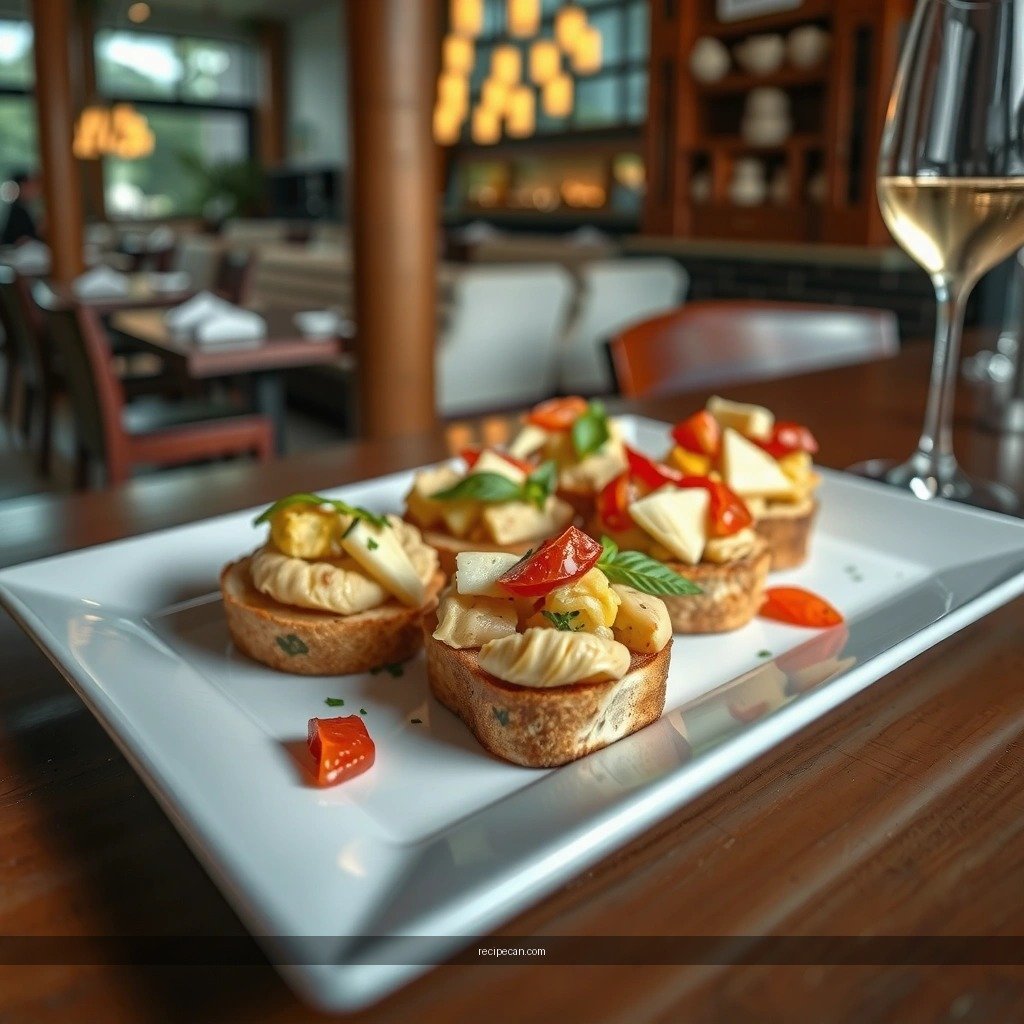
Artichoke bruschetta quality starts with the artichokes themselves. The good news is that you can choose between convenience and craftsmanship—jarred, canned, and fresh all work, but they behave differently in the topping.
– Use jarred marinated artichokes for fast, bold flavor
Jarred marinated artichokes are typically already seasoned (often with garlic, herbs, and sometimes olive oil or vinegar). That means your bruschetta filling needs less work and still tastes “restaurant-level.” If you want punchier flavor, choose brands that list garlic, oregano, and lemon (or similar) in the marination.
– Drain well and chop for easy spreading on bread
Excess liquid is the enemy of crispy bruschetta. Drain artichokes thoroughly, then chop into small, even pieces so the topping spreads without watery pockets. A good size is roughly “peppercorn to pea” for easy mouth coverage.
– Add extras like roasted peppers or capers for more depth
Small add-ins elevate the filling from “tasty” to “memorable.” Roasted red peppers add sweetness and smoky notes; capers contribute salty brine and sharp tang. If you like complexity, stir in a tablespoon of chopped roasted pepper and 1–2 teaspoons of capers per cup of chopped artichokes.
To keep your options grounded, here’s how common artichoke choices compare in real-world usage for bruschetta.
Artichoke Options for Bruschetta: Flavor, Prep Time, and Typical Use (Cook-Friendly Benchmarks)
| # | Artichoke Type | Flavor Intensity | Average Prep Time | Recommended for | Overall Rating |
|---|---|---|---|---|---|
| 1 | Marinated Jarred Artichokes | ★★★☆ (3.8/5) | 5–10 min | Weeknights + platters | ★★★★★ |
| 2 | Canned Artichoke Hearts (Rinsed) | ★★★ (3.2/5) | 10–15 min | Budget-friendly builds | ★★★★☆ |
| 3 | Marinated Artichokes in Oil + Herbs | ★★★★ (4.2/5) | 7–12 min | Bold garlic-forward toppings | ★★★★★ |
| 4 | Fresh Artichoke Hearts (Pre-cooked) | ★★★☆ (3.9/5) | 20–30 min | “From-scratch” flavor | ★★★★☆ |
| 5 | Frozen Artichoke Hearts | ★★★ (3.1/5) | 15–20 min | Off-season convenience | ★★★☆☆ |
| 6 | Marinated Quartered Hearts (Chunky) | ★★★☆ (3.7/5) | 5–10 min | Rustic bruschetta | ★★★★☆ |
| 7 | Whole Hearts (Must Chop Heavily) | ★★ (2.8/5) | 20–25 min | Texture-focused prep | ★★☆☆☆ |
Build the Flavor Base
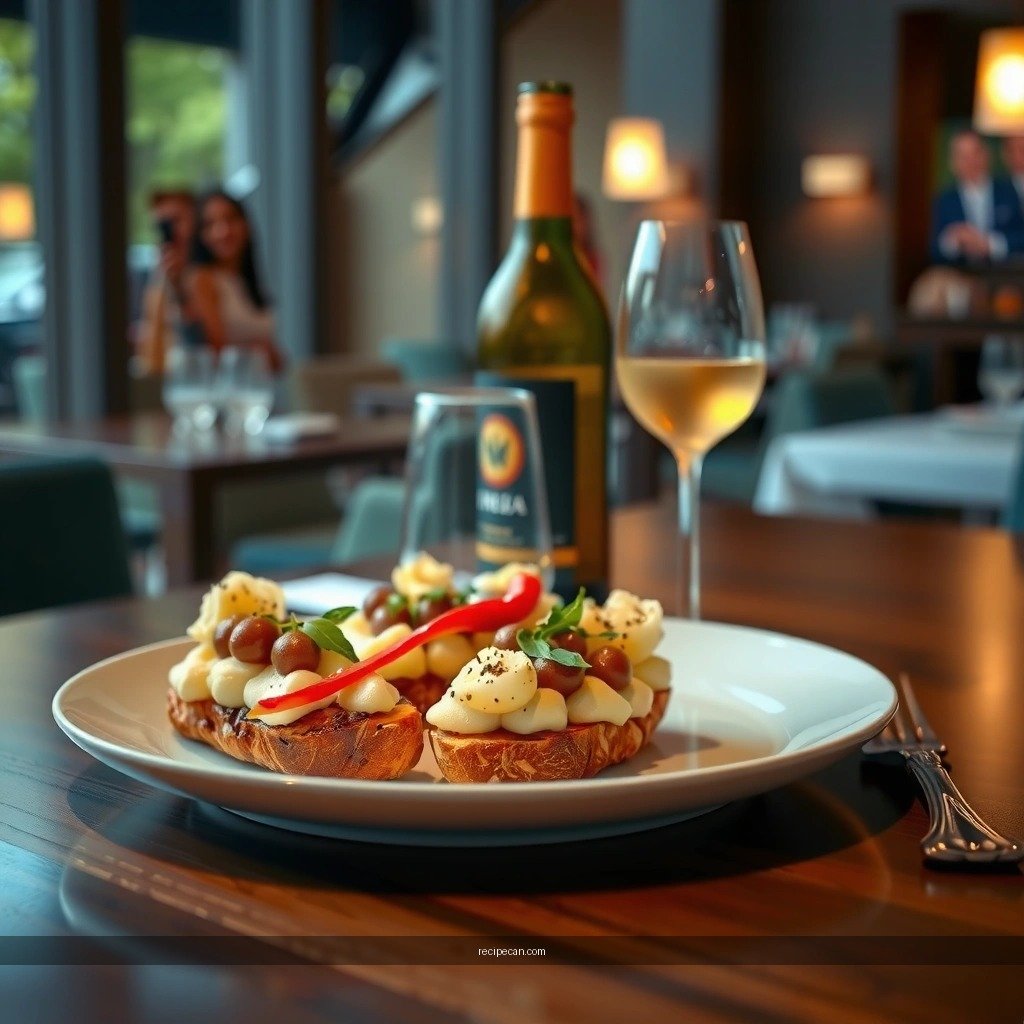
Once you’ve selected good artichokes, the next step is building a topping that clings to toast instead of sliding off. The flavor base should balance garlic + olive oil + acid + salt, then lock everything in with cheese (or a vegan substitute).
– Sauté garlic lightly, then mix with olive oil and seasonings
Don’t brown the garlic—aim for fragrant and mellow. Warm olive oil in a skillet, add minced garlic, and sauté briefly (about 30–60 seconds). If you prefer no stovetop, you can stir raw garlic into olive oil and let it sit for 10 minutes, but sautéing typically gives a smoother result.
– Stir in artichokes with salt, pepper, and lemon juice
Lemon juice is essential for brightness; it cuts through the richness of olive oil and cheese. Start with 1–2 teaspoons lemon juice per cup of chopped artichokes, then taste and adjust. Salt should be measured: artichokes (especially marinated ones) can already be salty.
– Include Parmesan or mozzarella for a rich, cohesive topping
Parmesan adds savory depth and a slightly nutty profile; mozzarella offers stretch and a softer melt. For classic bruschetta texture, many home cooks use Parmesan as the backbone, then add mozzarella (or provolone) for melting. If you’re not baking the topping, you can skip mozzarella and lean harder into Parmesan and herbs.
A useful method: combine everything in a bowl first, then do a quick “holding test.” Spoon a small amount onto a piece of bread—if it looks glossy and cohesive, you’re set. If it looks loose, add cheese; if it looks dry, add a touch more olive oil or lemon.
Toasting Tips for Crispy Bruschetta
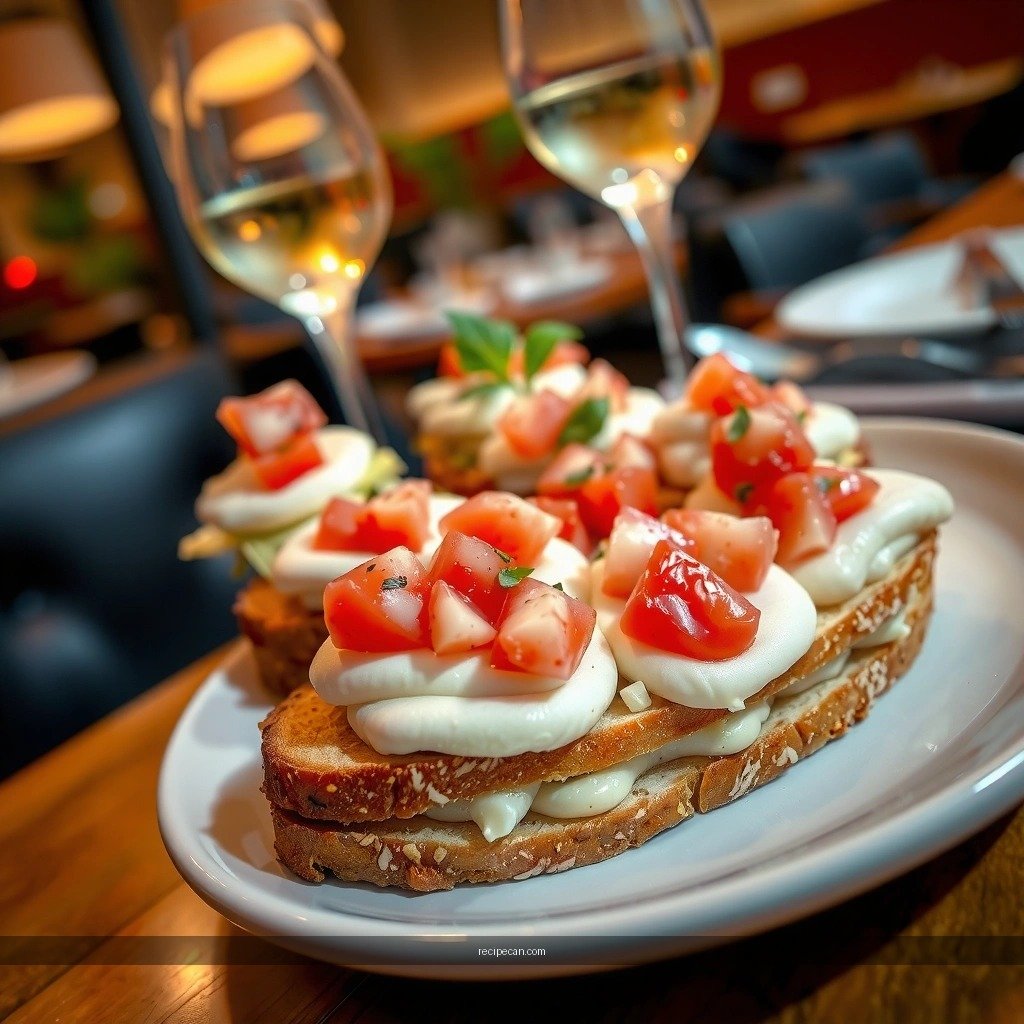
Great artichoke bruschetta is only as good as its bread. The right toast prevents sogginess and makes the topping taste more concentrated.
– Toast bread until crisp but not hard, then rub with garlic if desired
Use a sturdy bread like ciabatta, sourdough, or a rustic baguette. Toast until the surface is crisp and golden, but still slightly springy. For extra aroma, rub the warm toast lightly with a cut clove of garlic.
– Aim for a sturdy base so the topping doesn’t soak through
Thick slices perform best because they hold up to a generous topping. If your bread is thin, toast a second time or lightly brush with olive oil before toasting.
– Serve immediately for the best crunch and texture contrast
Bruschetta is a “timed event.” Assemble right before serving. If you must prep in advance, keep the artichoke mixture separate and toast bread close to serving time.
Practical serving workflow for parties: toast bread on a sheet pan, set it aside, then spoon on topping in batches as guests arrive. This maintains crunch without rushing.
Classic Artichoke Bruschetta Recipe
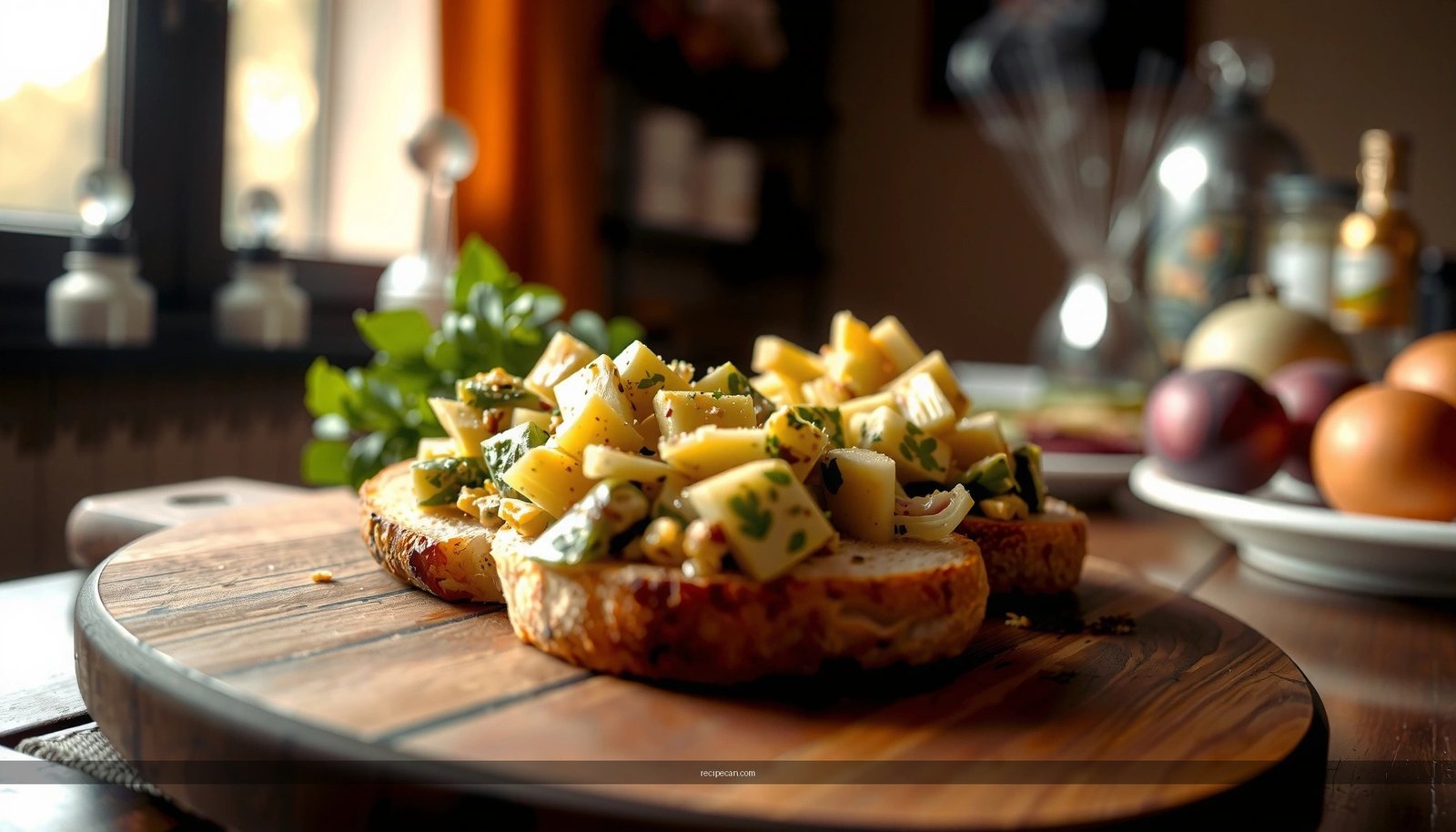
This classic version delivers the familiar Mediterranean profile: briny artichokes, garlicky olive oil, and a cheesy, herb-forward topping.
Ingredients (makes ~10–12 slices):
– 1 (14–16 oz) jar marinated artichoke hearts, drained and chopped
– 2–3 cloves garlic, minced
– 3–4 tablespoons extra-virgin olive oil
– 1/2 cup finely grated Parmesan (plus more for finishing, optional)
– 1–2 tablespoons chopped parsley (or basil), plus extra for garnish
– 1 teaspoon lemon juice (start with 1, then adjust)
– 1/2 teaspoon black pepper (to taste)
– Optional: 1–2 teaspoons capers, drained
– Optional finish: balsamic glaze; extra lemon squeeze; black pepper
Steps:
1. Prepare the artichokes: Drain very well, then chop into small pieces. Transfer to a mixing bowl.
2. Build the flavor base: Warm olive oil in a skillet over low heat. Add minced garlic and sauté briefly until fragrant—do not brown.
3. Combine: Pour the garlic oil into the bowl with artichokes. Add Parmesan, herbs, lemon juice, black pepper, and salt if needed (taste first because marinated artichokes can be salty). Stir until the mixture looks cohesive.
4. Toast the bread: Toast bread until crisp and golden. For extra flavor, rub toasted bread lightly with garlic.
5. Assemble and finish: Spoon topping onto each slice. Finish with black pepper and a squeeze of lemon. If you like sweet-savory balance, drizzle a thin line of balsamic glaze.
Quality checks:
– If topping is too wet, add a bit more Parmesan.
– If topping is too salty, add another teaspoon of lemon and a splash of olive oil to round it out.
Creamy or Vegan Variations
Different occasions call for different textures. Here are two variations that stay faithful to artichoke bruschetta while shifting the mouthfeel and dietary needs.
– Creamy option: use cream cheese or ricotta for a smoother texture
Swap part of the Parmesan-heavy topping with a creamy base. For example, mix 4 oz cream cheese (softened) or 1/2 cup ricotta into the artichoke mixture after sautéing the garlic oil. The result is a spreadable, spoon-friendly topping that feels luscious without becoming sloppy.
Tip: add lemon gradually. Creamy bases can mute acidity, so you’ll usually need a slightly higher lemon-to-butter ratio than with the classic version.
– Vegan option: use dairy-free cheese or nutritional yeast
Use a dairy-free cheese that melts well (or crumble it for a no-melt topping), then boost savory depth with nutritional yeast. Start with 2–3 tablespoons nutritional yeast per cup of artichokes for a Parmesan-like “umami” note.
*Tip:* vegan bruschetta benefits from extra acidity. If using olive oil and vegan cheese, you may want closer to 2 teaspoons lemon juice per cup.
– Keep it balanced with acidity (lemon) and salt to boost flavor
Whether you go creamy or vegan, taste early and adjust in layers: acid first (lemon), then salt/seasoning, then the cheesy ingredient. This prevents “flat” flavors, especially when substitutes are involved.
If you’re serving a mixed group, consider making the artichoke mixture the same for both versions, then split into two bowls: one with cream/cheese, one with nutritional yeast and vegan topping.
Make-Ahead and Serving Ideas
Artichoke bruschetta is easy to plan because the filling can be prepared ahead; the bread just needs timing.
– Prepare the artichoke mixture ahead, then toast and assemble right before serving
Mix the artichokes with the garlic-oil base, herbs, cheese (or vegan topping), and lemon. Store in the refrigerator in a sealed container up to 3 days. Stir before using.
– Store topping separately to maintain bread crunch
Refrigerate topping without the toast. When ready, toast bread fresh or re-crisp in a hot oven for 3–5 minutes. Then assemble and finish with lemon and black pepper for maximum brightness.
– Pair with salads, pasta sides, or serve as an appetizer platter
Bruschetta is versatile:
– Serve with a crisp salad (arugula + lemon vinaigrette) to contrast the richness.
– Pair with pasta sides like spaghetti aglio e olio or lemony orzo.
– For entertaining, build an appetizer platter with olives, marinated artichokes (extra), roasted peppers, and fresh mozzarella or vegan alternatives.
Batching tip: For gatherings, keep toppings in labeled bowls (classic, creamy, vegan). Guests can sample without waiting for a “single” version to finish.
Artichoke bruschetta is at its best when you start with flavorful artichokes, build a balanced garlic-olive-oil topping with the right amount of lemon, and serve it on bread that’s toasted to crisp perfection. Choose a classic cheese-forward approach, switch to creamy for a richer texture, or go vegan with nutritional yeast and dairy-free cheese. Prep the artichoke mixture ahead for speed, then assemble fresh for maximum crunch—then try one variation tonight and build your own signature topping next.
Frequently Asked Questions
What are the best ingredients for an artichoke bruschetta recipe?
A classic artichoke bruschetta starts with crusty bread, marinated artichoke hearts, garlic, olive oil, and fresh tomatoes (or diced sun-dried tomatoes). Add mozzarella or parmesan for creaminess and salt, black pepper, and red pepper flakes for flavor. For the best results, include fresh basil and a splash of lemon juice or balsamic to brighten the artichoke topping and balance richness.
How do you keep bruschetta from getting soggy when using artichokes?
To prevent sogginess, toast or grill the bread slices until crisp and let them cool slightly before topping. Pat the artichoke hearts dry and drain any jarred marinades well, then mix the topping with a small amount of olive oil only as needed. If using fresh tomatoes, salt them first and drain off excess liquid, or use cherry tomatoes and keep the topping portions dry and thick.
How do you make creamy artichoke bruschetta without it turning watery?
Use a binding base like cream cheese or ricotta, and stir it with well-drained artichokes and grated parmesan so the mixture holds its shape. Keep moisture under control by using drained artichoke hearts and squeezing any wet ingredients (like thawed frozen spinach, if you add it). Add cheese gradually and taste as you go—too much liquid will thin the spread and make your artichoke bruschetta slide off the toast.
Why does roasted garlic work better than raw garlic in artichoke bruschetta?
Roasted garlic becomes sweet and mellow, which complements the briny, earthy flavor of artichoke hearts without overpowering the tomatoes or herbs. Raw garlic can taste sharp on toasted bread, especially when combined with acidic ingredients like lemon or balsamic. Roasting also helps the garlic blend smoothly into the olive oil and topping, improving the overall texture and mouthfeel of your artichoke bruschetta recipe.
Which bread is best for artichoke bruschetta recipes?
Use a sturdy, crusty bread that can handle toppings, such as ciabatta, baguette, or sourdough slices. Thicker pieces toast more evenly and stay crisp longer under a generous artichoke topping. Cut bread into slices and lightly brush with olive oil before toasting so the surface browns well and forms a barrier against moisture from the artichokes and tomatoes.
References
- Google Scholar Google Scholar
https://scholar.google.com/scholar?q=artichoke+bruschetta+recipe - Google Scholar Google Scholar
https://scholar.google.com/scholar?q=bruschetta+with+artichokes+crostini+recipe - Google Scholar Google Scholar
https://scholar.google.com/scholar?q=mediterranean+appetizers+artichokes+bruschetta - Bruschetta
https://en.wikipedia.org/wiki/Bruschetta - Artichoke
https://en.wikipedia.org/wiki/Artichoke - Crostini
https://en.wikipedia.org/wiki/Crostini - Tapenade
https://en.wikipedia.org/wiki/Tapenade - https://en.wikipedia.org/wiki/Marinated_artichokes
https://en.wikipedia.org/wiki/Marinated_artichokes - Olive oil
https://en.wikipedia.org/wiki/Olive_oil - Garlic
https://en.wikipedia.org/wiki/Garlic