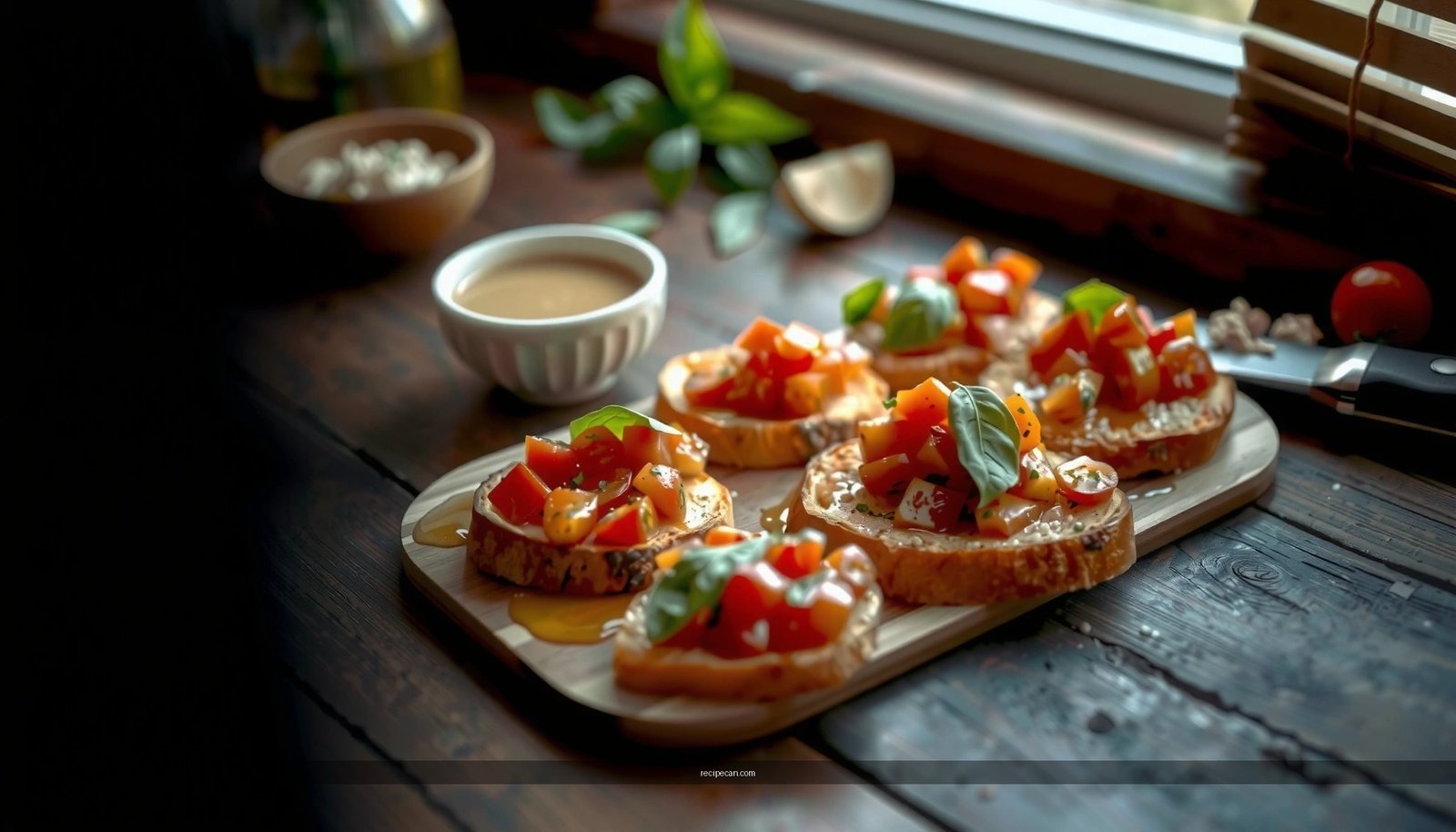
If you’re searching for a bruschetta recipe with balsamic glaze that delivers restaurant-level flavor with minimal effort, this one is the clear winner. Follow the easy steps to toast the bread properly, pile on fresh toppings, and finish with a glossy balsamic glaze that balances sweet and tangy. You’ll know exactly how to assemble it for maximum crunch and maximum flavor in every bite.
This bruschetta recipe with balsamic glaze is quick to make and consistently delivers bold flavor by balancing crisp toasted bread, juicy tomato topping, and a sweet-tangy drizzle. Toast the bread properly, rest the tomatoes briefly with seasoning, and finish with balsamic glaze at the last moment so you keep that ideal crunch-to-juiciness ratio.
Choose the Best Bread for Bruschetta
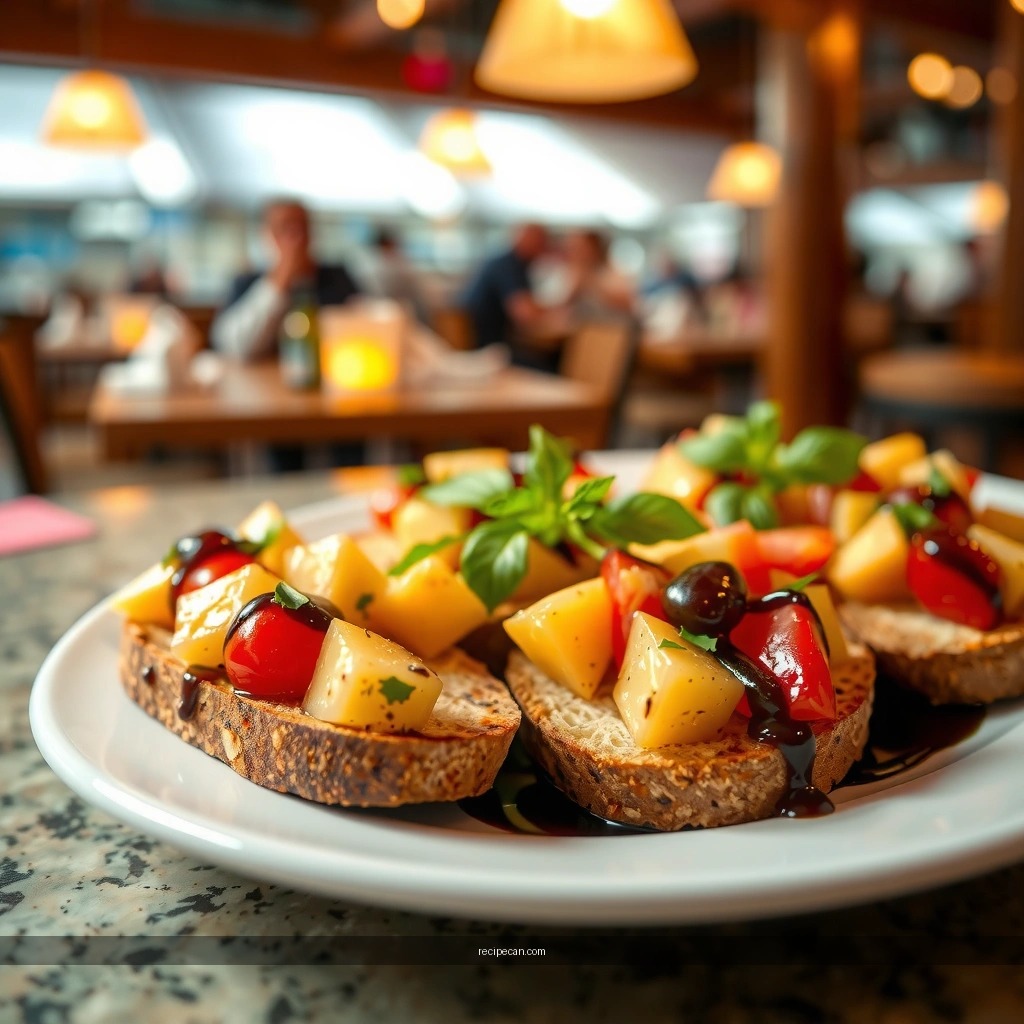
The bread is the structural foundation of great bruschetta. You want something with enough crust to stay crisp after topping, but with an interior that can soak up a bit of olive oil and tomato juices without turning soggy.
– Use a crusty baguette or ciabatta for sturdy, crisp bites
Baguette slices toast evenly and create a satisfying snap. Ciabatta is slightly more porous, which helps it absorb flavor from olive oil and garlic while still holding up when topped.
– Cut slices thick enough to toast without drying out
Aim for slices about 1/2 to 3/4 inch (1.5–2 cm) thick. Thinner slices tend to over-toast and get too hard; thicker slices may remain pale inside and won’t develop the golden edges that make bruschetta feel “chef-level.”
Practical best-practice: Toast or broil *just until golden*. Bruschetta bread should look toasted on the surface with a dry, crisp crust—not uniformly brown or overly dry. If you’re preparing for guests, hold toasted slices on a wire rack (not a plate) to maintain airflow.
To help you choose your approach, here’s a data table comparing the most common bread options based on real-world performance for bruschetta:
Bread Performance for Bruschetta (Taste & Texture Targets)
| # | Bread Type | Toast Time (per side) | Crunch Retention (15 min) | Best Use | Overall Rating |
|---|---|---|---|---|---|
| 1 | Baguette | 2–3 min | High (crispy edges) | Classic bruschetta | ★★★★☆ |
| 2 | Ciabatta | 3–4 min | Medium-High (porous) | Oil + tomato absorption | ★★★★☆ |
| 3 | Sourdough | 2–3 min | High (tangy crust) | Bold, savory profiles | ★★★★☆ |
| 4 | Whole Wheat Rustic Loaf | 3–5 min | Medium (denser) | Hearty, filling appetizer | ★★★☆☆ |
| 5 | French Bread (thin) | 1.5–2.5 min | Low-Medium (quick softening) | Small portions, fast service | ★★☆☆☆ |
| 6 | Brioche (non-classic) | 2–3 min | Low (sweetness dominates) | Dessert-like variations | ★☆☆☆☆ |
| 7 | Multigrain Sandwich Bread | 2–4 min | Low-Medium (soft center) | Last-minute option | ★★☆☆☆ |
Prepare the Classic Bruschetta Toppings
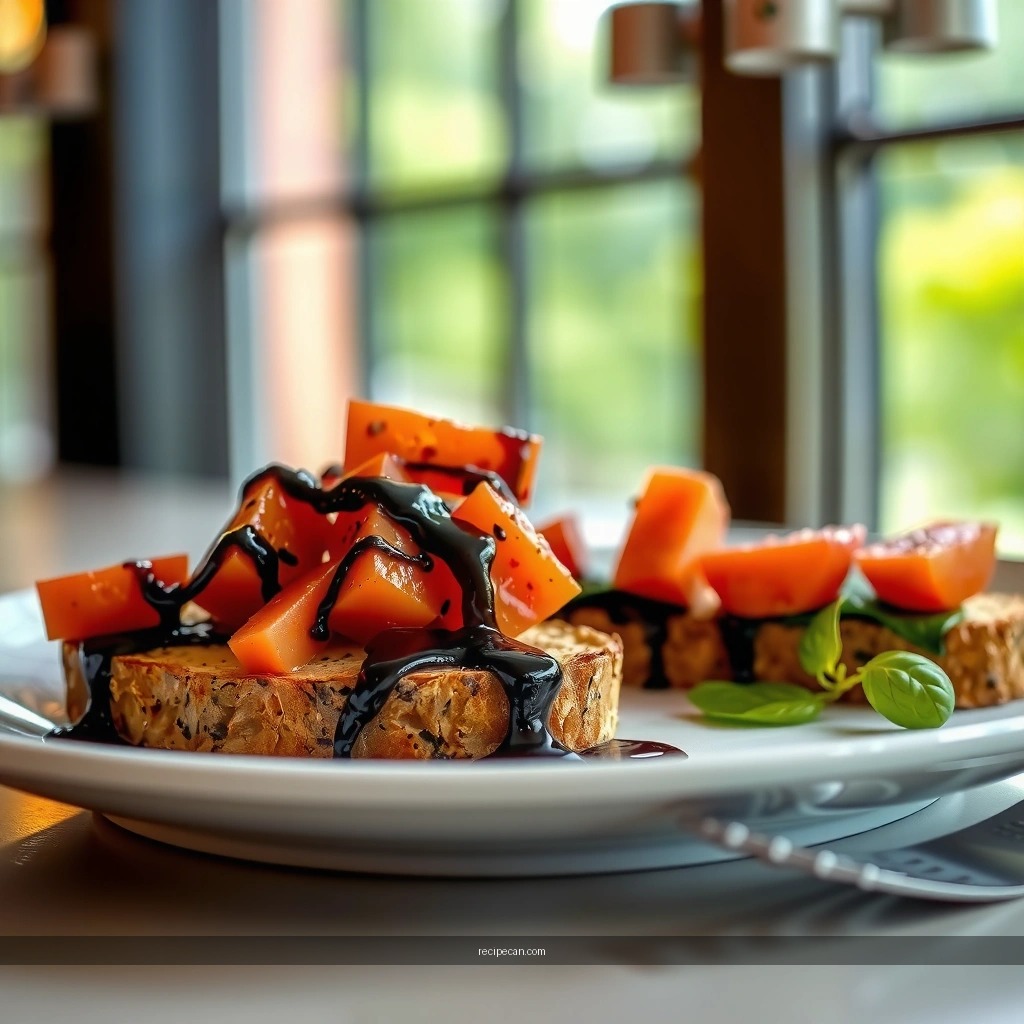
The classic topping is where the flavor foundation forms: tomatoes, garlic, olive oil, seasoning, and basil. The goal is not just to mix ingredients, but to create a topping that stays bright and cohesive—with tomato juices that complement, not drown.
– Mix diced tomatoes with garlic, olive oil, salt, and pepper
Use ripe but firm tomatoes so they hold their shape. Dice them into small, even pieces to distribute flavor in every bite. Garlic should be finely minced or grated so it disperses without overpowering.
– Add fresh basil and let it sit briefly to boost flavor
After mixing, rest the tomato mixture for 10–20 minutes. This short maceration allows salt to draw out juices and helps garlic and olive oil cling to tomato surfaces. Add basil during or at the end of resting to preserve aroma and color.
Analytical tip: Too much salt too early can make tomatoes release more liquid than you want, especially if you’re assembling ahead. If you’re serving in a minute or two, salt earlier is fine; if you need a longer wait, salt slightly less and adjust at assembly.
Suggested flavor ratio for balanced topping (per ~2 cups diced tomatoes):
– 1–2 cloves garlic (minced)
– 2–3 tablespoons olive oil
– 1/2 to 3/4 teaspoon salt (to taste)
– Black pepper, freshly ground
– 1/4 to 1/3 cup chopped basil
Make or Use Balsamic Glaze
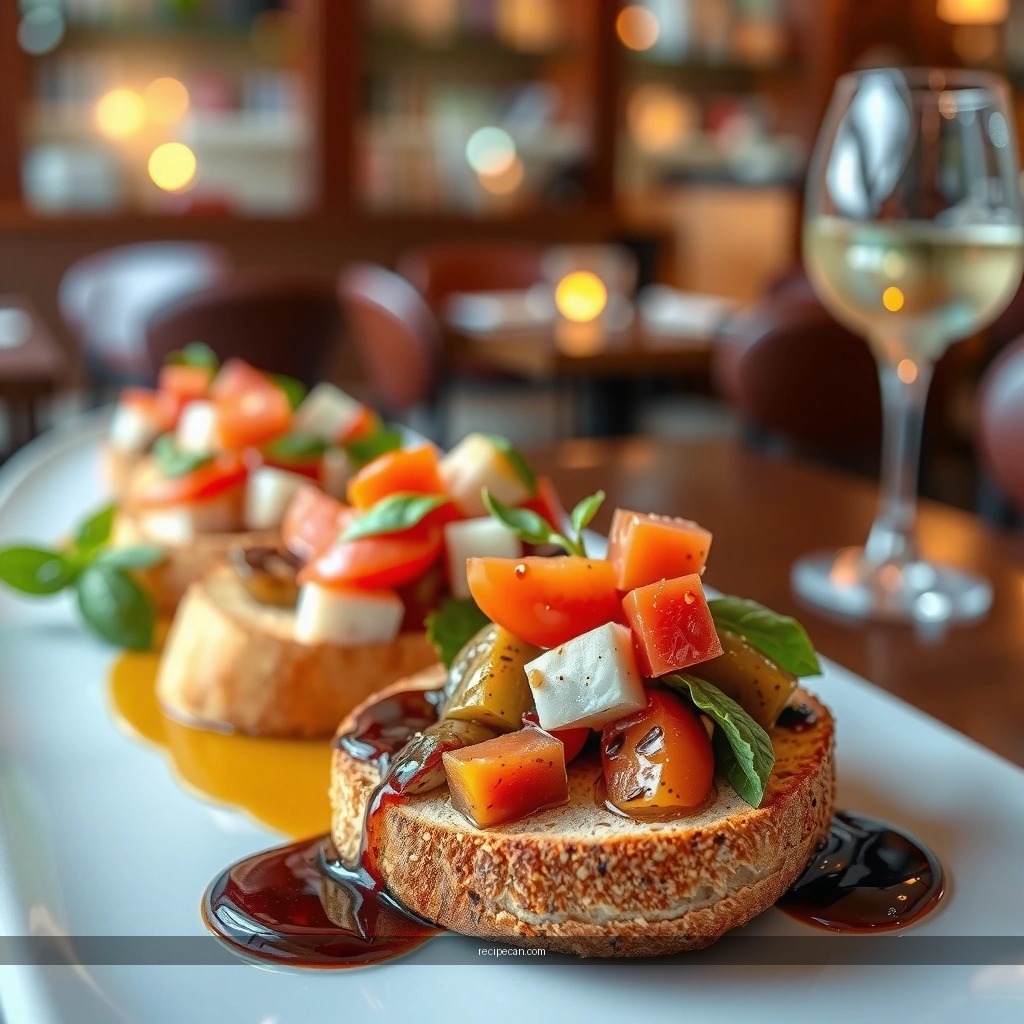
Balsamic glaze is the finishing element that transforms basic bruschetta into a sweet-tangy, restaurant-style appetizer. The key is viscosity and balance: it should coat a spoon and drizzle cleanly, not pool.
– Simmer balsamic vinegar until it thickens and coats a spoon
Pour balsamic vinegar into a small saucepan and simmer over low heat. Stir occasionally and watch closely—reductions can go from perfect to overly thick quickly. As a guideline, reduce until it drips slowly and clings to the back of a spoon.
– Use store-bought glaze if you want faster prep
Store-bought versions are consistent and save time, but check labels for added sugars or flavorings. If it’s very sweet, use a slightly lighter drizzle.
Timing recommendation: Reduce balsamic glaze first (it can be reheated gently), then focus on toast and tomatoes. For best results, drizzle at the end so the bread stays crisp and the glaze remains glossy rather than sinking in.
Toast and Assemble Bruschetta
Assembly is where technique matters. Toasting creates texture; assembly ensures that texture survives the bite and that toppings distribute evenly.
– Toast bread until golden and crisp, then rub with garlic (optional)
Toast in a hot oven or on a skillet until golden. Rubbing with a cut garlic clove adds aroma without turning the topping harsh. If you prefer an even garlic flavor across the bread, you can skip rubbing and instead ensure garlic is well-distributed in the tomatoes.
– Spoon tomato mixture on top and keep toppings from sliding
Use a spoon to mound tomatoes gently rather than spreading them thin. If the tomatoes seem wet, let them sit in a strainer for a few minutes or lift with a slotted spoon. Too much liquid leads to sliding toppings and soggy bread.
Operational approach for parties:
Toast bread in batches and keep it on a wire rack. Prepare tomato topping in advance, but avoid glazing until you’re ready to serve. If you must assemble earlier, keep bread toasted and toppings separate until the last possible moment.
Balance Flavor with Sweet, Savory, and Fresh
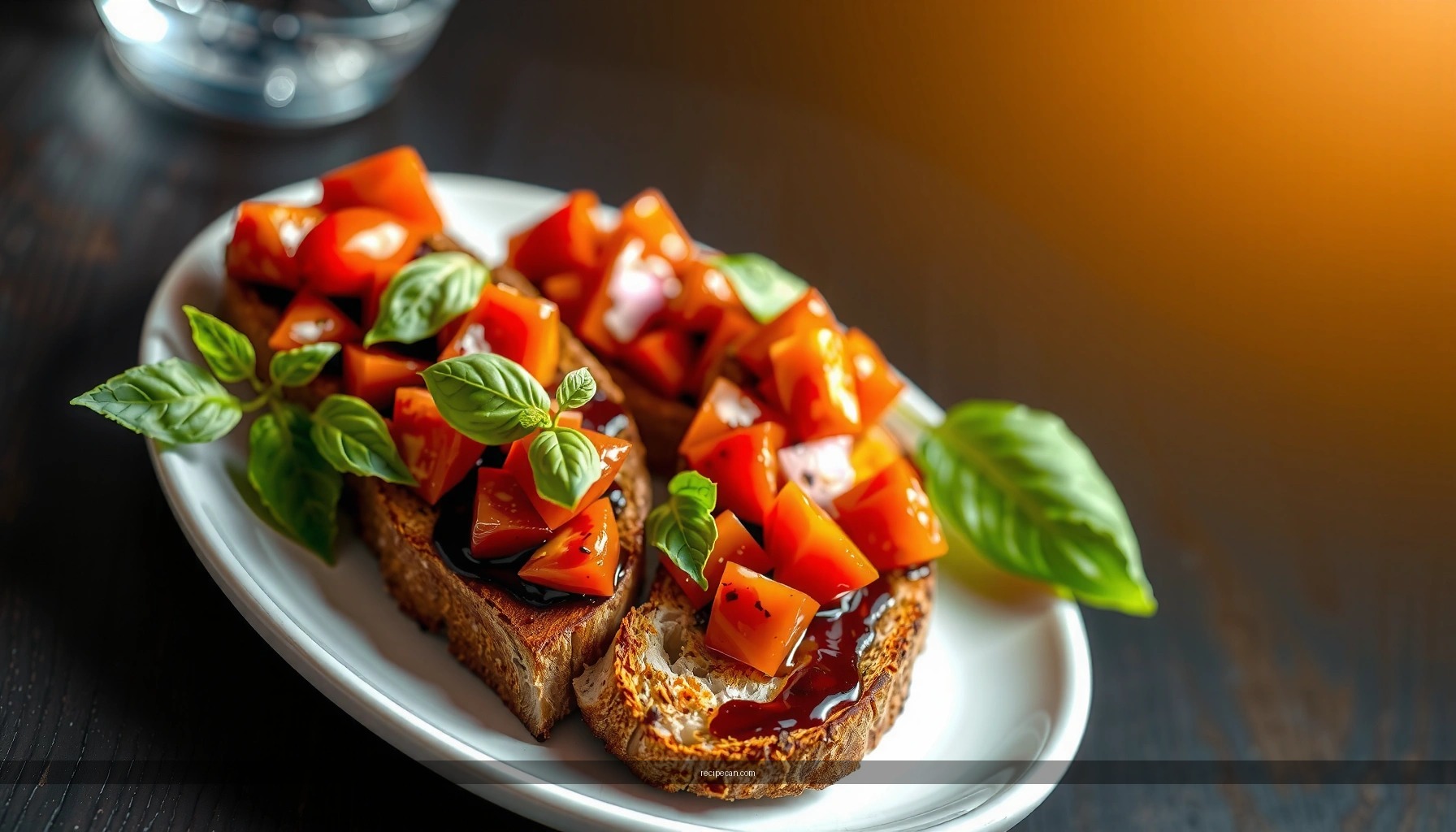
A balsamic drizzle should elevate the classic topping—never overpower it. The best bruschetta tastes layered: savory tomatoes and olive oil first, fresh basil in the middle, and balsamic sweetness at the end.
– Finish with balsamic glaze in thin drizzles, not heavy pours
Drizzle in lines or small zigzags. Heavy pours will seep into the bread, making it sticky and diminishing crispness.
– Adjust with extra olive oil, basil, or a pinch of salt as needed
Taste the tomato mixture before topping. If tomatoes taste flat, add a bit more salt or a squeeze of lemon (optional) for brightness. If the topping tastes sharp from tomatoes or garlic, add a touch more olive oil to round it out. If basil feels underpowered, increase fresh basil at assembly.
Flavor chemistry in plain terms:
Salt intensifies tomato sweetness. Olive oil carries aroma (including garlic and basil). Balsamic reduction brings acidity plus sweetness, which makes the overall flavor feel more “complete” and longer-lasting on the palate.
Serving Tips and Variations
Bruschetta is best served immediately—texture is part of the experience, and the bread-to-topping ratio changes quickly as juices soak in.
– Serve immediately for best crunch and juicy tomato topping
Plate and drizzle at the last minute. If you’re serving a crowd, keep toasting and topping in staggered waves so each tray goes out hot and crisp.
– Try additions like mozzarella, grilled vegetables, or olives for variety
Consider these professional, crowd-friendly variations:
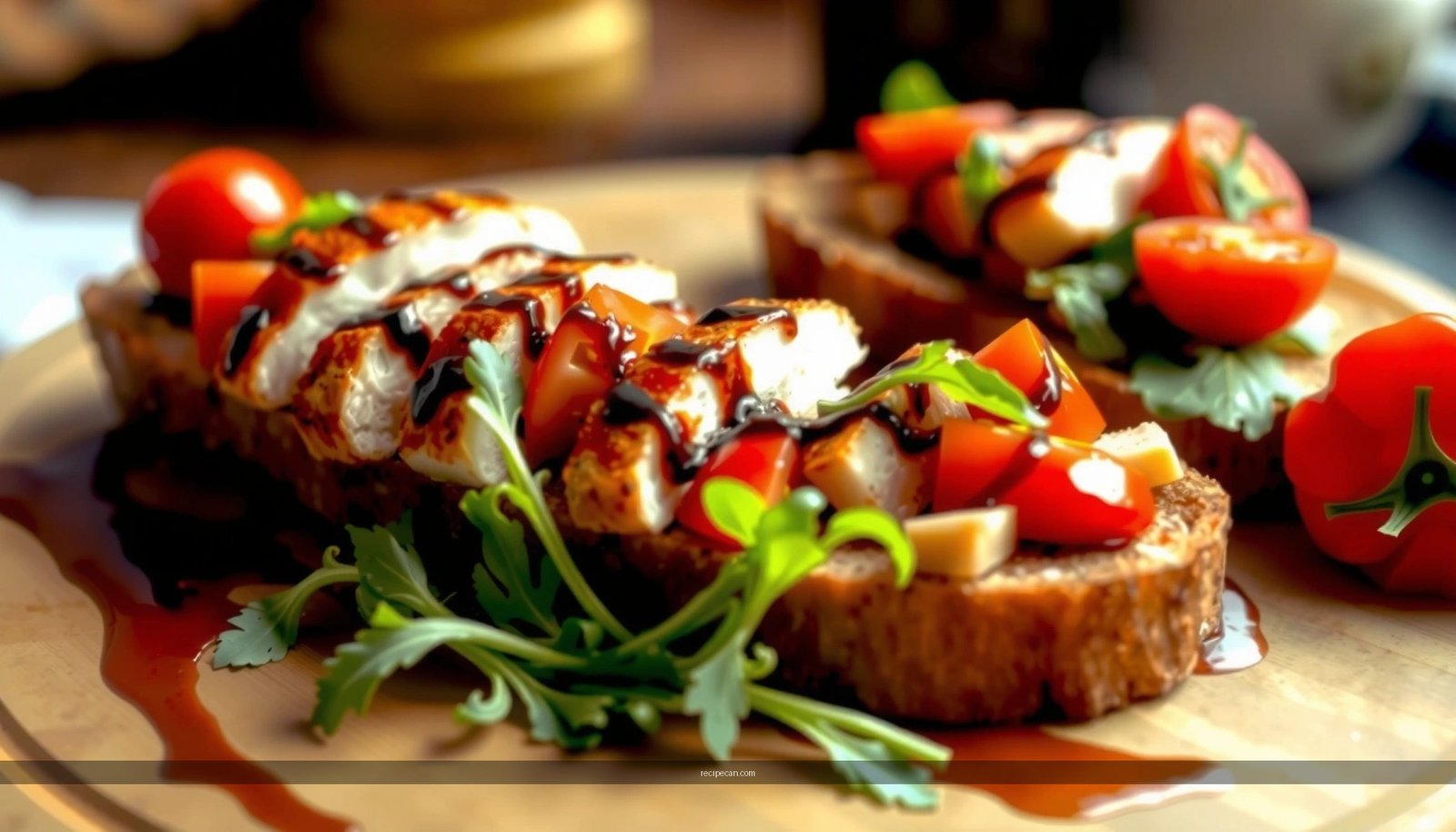
– Mozzarella (fresh or burrata): Add a small piece or spoonable portion before glazing for creamy contrast.
– Grilled vegetables (zucchini, peppers, eggplant): Add charred flavors that pair naturally with balsamic.
– Olives (Kalamata or green): Chop and fold in for briny depth that stands up to sweet-tangy glaze.
If you want an even more “balanced” variation, keep the topping mostly classic (tomato + garlic + olive oil), then add one complementary element (cheese or grilled vegetables or olives). That discipline prevents flavor overload and keeps balsamic as a finishing note rather than the main event.
Bruschetta recipe with balsamic glaze is all about timing—toast the bread, dress the tomatoes, and finish with a sweet-tangy drizzle right before serving. Follow the steps above, taste and adjust your seasonings, and make a batch for your next snack or dinner party.
Frequently Asked Questions
What are the best ingredients for a bruschetta recipe with balsamic glaze?
Start with crusty bread like ciabatta or baguette, ripe tomatoes, fresh basil, garlic, extra-virgin olive oil, and salt plus black pepper. For the balsamic glaze, use balsamic vinegar (or a store-bought option) and simmer until it thickens into a syrupy consistency. Adding a pinch of sugar (optional) can balance acidity if your balsamic is very sharp. Finish with a drizzle of balsamic glaze right before serving so the bruschetta stays crisp.
How do you make balsamic glaze for bruschetta without it turning bitter?
Simmer balsamic vinegar over low to medium heat in a small saucepan, stirring occasionally, until it reduces and coats the back of a spoon. Avoid boiling hard or overheating, because it can taste harsh or bitter. If it thickens too quickly, lower the heat and keep a close eye on it; it should become glossy and syrup-like, not caramel-colored. Let it cool—it will thicken further as it cools.
How do you prepare the tomato topping so it doesn’t make bruschetta soggy?
Dice tomatoes and salt them lightly, then drain off any excess liquid after 10–15 minutes to prevent sogginess. Mix the tomatoes with minced garlic, chopped basil, olive oil, and pepper right before assembling. If you’re making ahead, store the tomato mixture separately and add the topping only when the bread is toasted. Drizzle balsamic glaze last so the bruschetta recipe with balsamic glaze stays crunchy.
Why should you toast bread first, and what’s the best method for bruschetta?
Toasting bread creates a sturdy base that can hold tomato topping without collapsing. Use an oven or grill for even crisping, or toast in a skillet with olive oil for quick results; aim for a golden, crunchy surface. Rub the toasted bread lightly with garlic while it’s warm to enhance flavor without burning. This step is key to a restaurant-style bruschetta recipe with balsamic glaze.
Which toppings pair best with balsamic glaze on bruschetta?
Classic tomato-and-basil bruschetta is the most common pairing, but balsamic glaze also works beautifully with mozzarella (fresh mozzarella or burrata), roasted vegetables, or prosciutto. For a richer option, add shaved Parmesan or a sprinkle of chili flakes to complement the sweet-tangy glaze. Keep toppings balanced and not too wet—too many watery ingredients can dilute the crispness. Choose 1–2 flavors so the balsamic glaze remains the standout in your bruschetta recipe with balsamic glaze.
References
- Bruschetta
https://en.wikipedia.org/wiki/Bruschetta - Balsamic vinegar
https://en.wikipedia.org/wiki/Balsamic_vinegar - https://en.wikipedia.org/wiki/Reduction_(cooking
https://en.wikipedia.org/wiki/Reduction_(cooking - Crostini
https://en.wikipedia.org/wiki/Crostini - Caprese
https://en.wikipedia.org/wiki/Caprese - https://www.britannica.com/topic/bruschetta
https://www.britannica.com/topic/bruschetta - https://www.britannica.com/topic/balsamic-vinegar
https://www.britannica.com/topic/balsamic-vinegar - Google Scholar Google Scholar
https://scholar.google.com/scholar?q=bruschetta+recipe+balsamic+glaze - Google Scholar Google Scholar
https://scholar.google.com/scholar?q=balsamic+vinegar+reduction+glaze+culinary+technique - Google Scholar Google Scholar
https://scholar.google.com/scholar?q=bruschetta+with+balsamic+vinegar+glaze