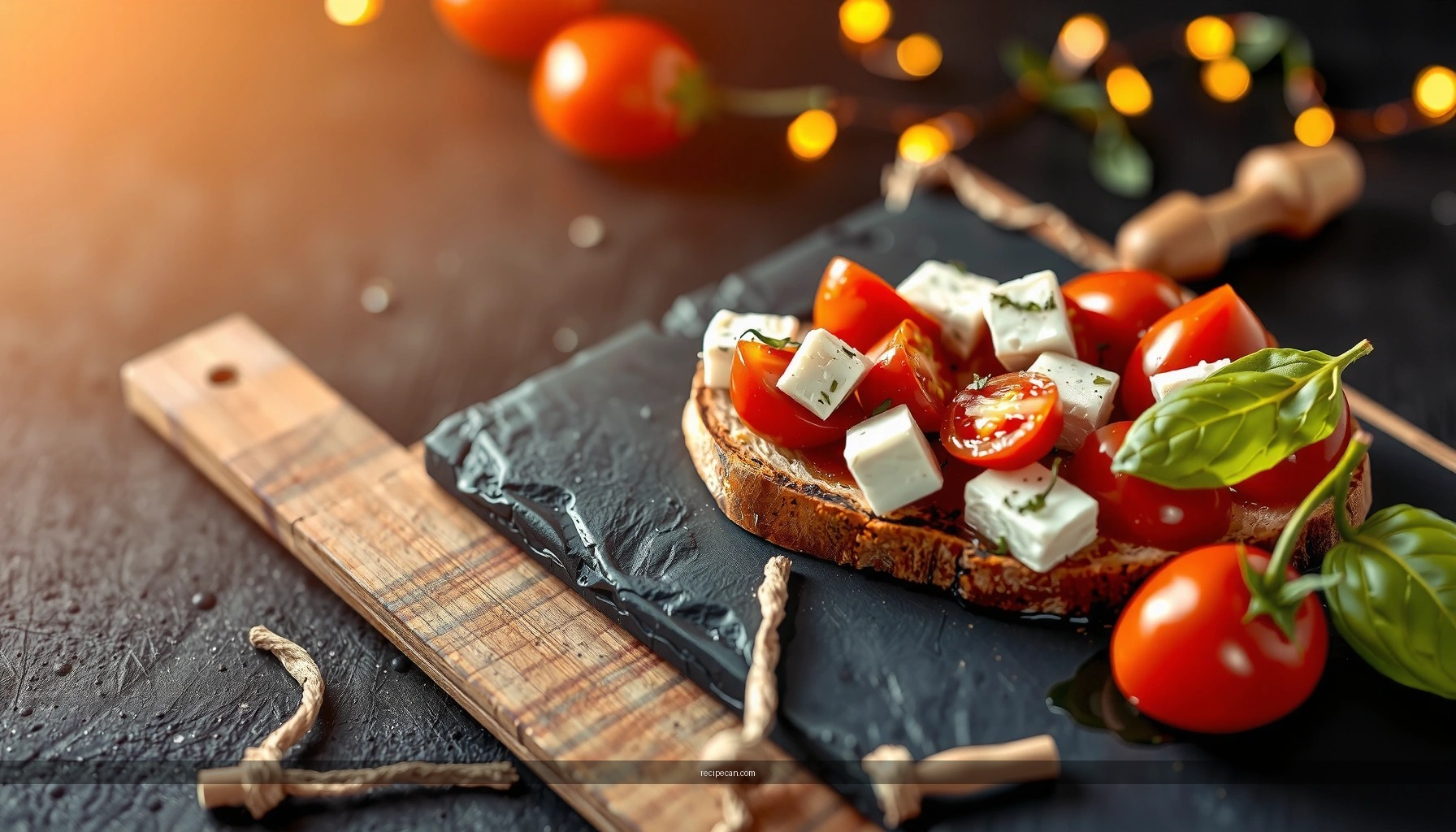
If you want a bruschetta recipe with feta cheese that delivers bold, tangy flavor fast, this is the winner. You’ll learn the easy, step-by-step method for topping toasted bread with feta, tomatoes, and seasonings—no complicated technique required. Expect bright Mediterranean taste in minutes, with results that consistently outperform any fussier variations.
Make bruschetta with feta cheese by spreading a creamy feta mixture on toasted bread, then topping it with seasoned tomatoes and finishing with olive oil and fresh herbs. This easy recipe uses straightforward ingredients and a clear assembly sequence—so every bite balances crunch, creaminess, and bright acidity instead of turning soggy.
Ingredients for Bruschetta with Feta Cheese
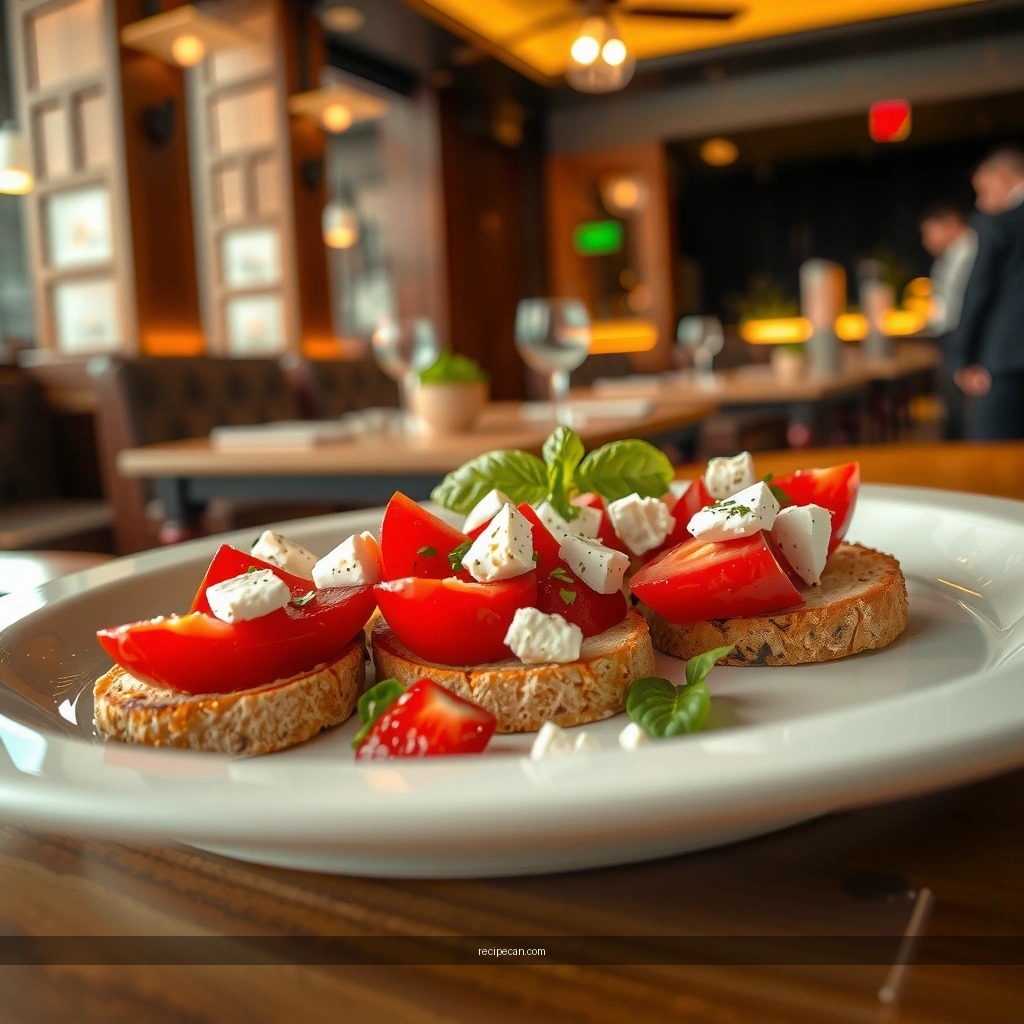
– Bread, ripe tomatoes, feta cheese, olive oil, and garlic are the core ingredients
– Add fresh basil (or parsley), salt, pepper, and a splash of lemon juice for brightness
For the best flavor and texture, treat each component as its own “system”:
– Bread: Choose a sturdy loaf (ciabatta, rustic country bread, sourdough, or baguette slices). Sturdy bread absorbs less liquid and stays crisp longer—critical for bruschetta.
– Feta cheese: Use feta in brine or block feta. Block feta is easier to crumble and mixes into a cohesive, spreadable topping.
– Tomatoes: Ripe tomatoes deliver sweetness, but they’re also the biggest source of moisture. The goal is juicy flavor without excess liquid on the toast.
– Olive oil + garlic: These create an aromatic base. Garlic adds savory depth, while olive oil helps the feta mixture coat the bread evenly.
Quantities (practical baseline): If you’re making bruschetta for ~4 servings (about 12 slices), you’ll typically use:
– 1 large loaf (enough for 12 slices)
– 2–3 medium ripe tomatoes
– 6–8 oz (170–225 g) feta
– 3–5 tbsp olive oil (plus extra for finishing)
– 1–2 cloves garlic
– 1–2 tbsp fresh basil or parsley
– 1–2 tsp lemon juice (to brighten)
– Salt and black pepper to taste
Key ingredient choices that improve results fast
– If tomatoes are very watery: seed and dice them, then drain lightly in a colander for 5–10 minutes.
– If feta feels salty: mix with a slightly higher ratio of olive oil (or a small spoonful of plain yogurt) to round out the saltiness.
– If you want a restaurant-style finish: use extra-virgin olive oil at the end rather than fully cooking it into the topping.
Moisture-Friendly Tomato Handling for Bruschetta (Practical Guidance, 2024)
| # | Tomato Prep Method | Typical Drain Time | Toast Crispness Impact | Outcome Score |
|---|---|---|---|---|
| 1 | Dice & seed, then drain | 5–10 min | Best | 9.6 ★★★★★ |
| 2 | Dice only (no seeding), quick drain | 8–12 min | Very Good | 8.7 ★★★★☆ |
| 3 | Dice & rest, no drain | 0–5 min | Good | 7.4 ★★★★☆ |
| 4 | Grate tomatoes (juice retained) | None | Moderate | 5.9 ★★★☆☆ |
| 5 | Whole tomatoes chopped with juice | None | Lower | 4.8 ★★☆☆☆ |
| 6 | Roast tomatoes, then chop (drained) | 15–20 min | Best (longer lasting) | 9.1 ★★★★★ |
| 7 | Cook tomato topping briefly (2–3 min) | 2–3 min | Very Good | 8.9 ★★★★☆ |
Prepare the Feta Cheese Topping
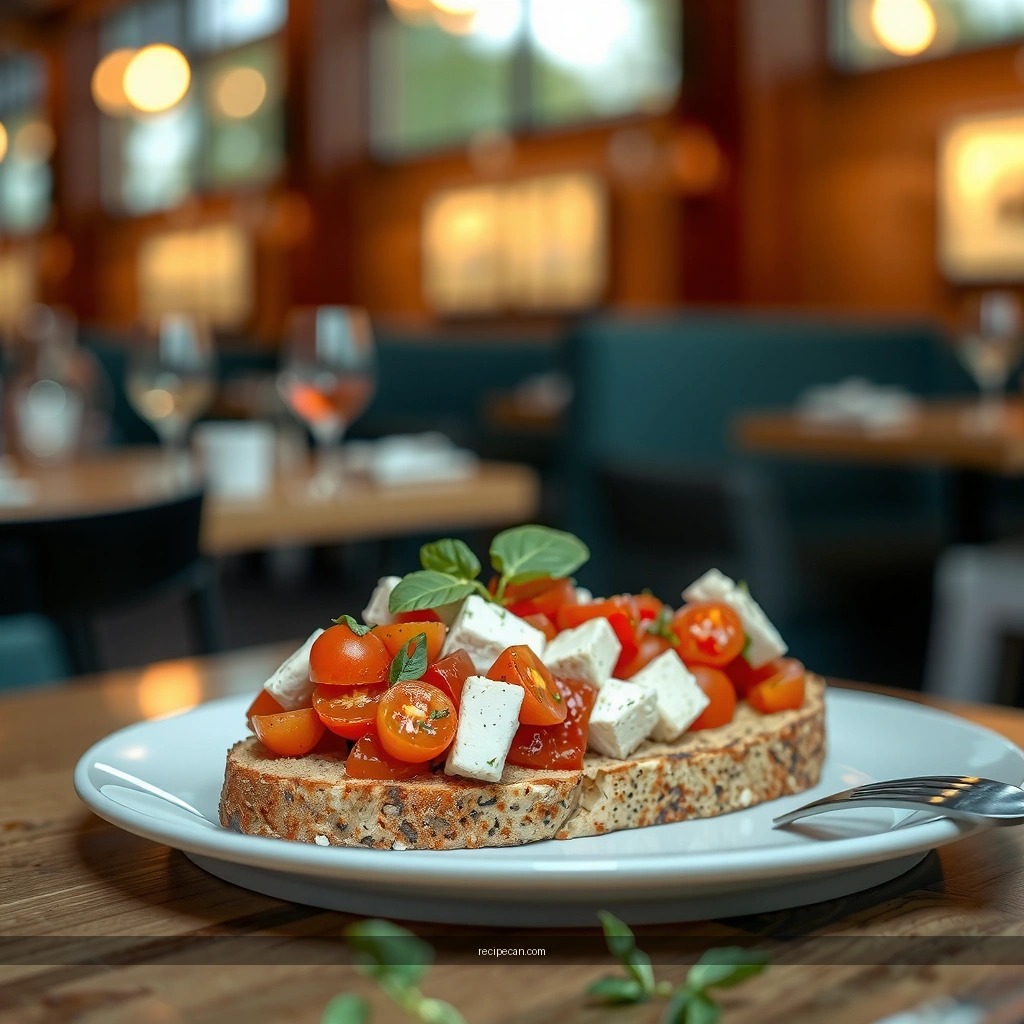
– Crumble feta and mix with olive oil (and optional yogurt) for a creamy spread
– Stir in lemon juice, garlic, and herbs to boost flavor before assembling
A feta topping should be creamy but not runny—think “spreadable” rather than “sauce.” The easiest approach is to crumble feta into a bowl and combine it with olive oil until it loosens into a cohesive mixture.
Step-by-step for the feta mixture
1. Crumble the feta into a mixing bowl (use a fork for quick, even texture).
2. Add olive oil a tablespoon at a time until the mixture becomes spreadable.
3. Optional: add yogurt (1–2 tbsp) if you want a milder, smoother texture and better spreadability.
4. Add brightness: stir in lemon juice.
5. Add aromatics: finely mince garlic (or grate it) and mix thoroughly.
6. Fold in herbs: chop basil or parsley and mix in last so the flavor stays fresh.
7. Season carefully: taste first. Feta varies in saltiness, so add salt only if needed; black pepper is usually sufficient.
Professional tip for balancing flavors:
If your tomatoes are slightly acidic, make the feta topping a touch more lemon-forward to keep the overall bite lively. If your tomatoes are super sweet, reduce lemon by half and let herbs carry the brightness.
Toast the Bread for Crispy Bruschetta

– Slice bread and toast until golden and firm to hold the toppings
– Rub warm bread lightly with garlic for extra aroma (optional but recommended)
The bread is your structure. If it’s too soft or lightly toasted, the tomato juices will eventually overwhelm the crispness—even with careful tomato prep.
Best bread-toasting method
1. Slice bread into 1/2 to 1-inch thick pieces for best stability.
2. Toast in an oven or on a skillet until golden on both sides and firm to the touch.
3. If using a broiler, watch closely—bruschetta bread transitions quickly from golden to burned.
4. Optional garlic rub: rub a cut clove over warm toast right after toasting. This adds aroma without turning the bread bitter from overcooked garlic.
Texture target:
Press gently—bread should feel crisp at first contact but not rock-hard. It should be sturdy enough to support feta and tomatoes without collapsing.
Assemble the Bruschetta
– Spread the feta mixture on toasted bread first, then spoon over tomato topping
– Keep toppings juicy but not watery so the bruschetta stays crisp
Assembling in the right order is what makes the difference between “pretty” and “excellent.” Spreading feta first creates a creamy barrier that helps reduce direct contact between toast and tomato juices—supporting crispness.
Assembly workflow that works every time
1. Spoon feta onto warm toast (don’t delay too long after toasting).
2. Evenly distribute so the bread is coated, especially at the edges.
3. Add tomato topping last with a spoon—avoid pouring excess liquid.
4. Finish immediately with a drizzle of olive oil and a final pinch of herbs.
Moisture control (the crispness principle):
– If your tomato topping looks wet, blot lightly or drain longer.
– Assemble just before serving. Even the best method can’t prevent toast from absorbing moisture over time.
Add Flavor Variations and Toppings
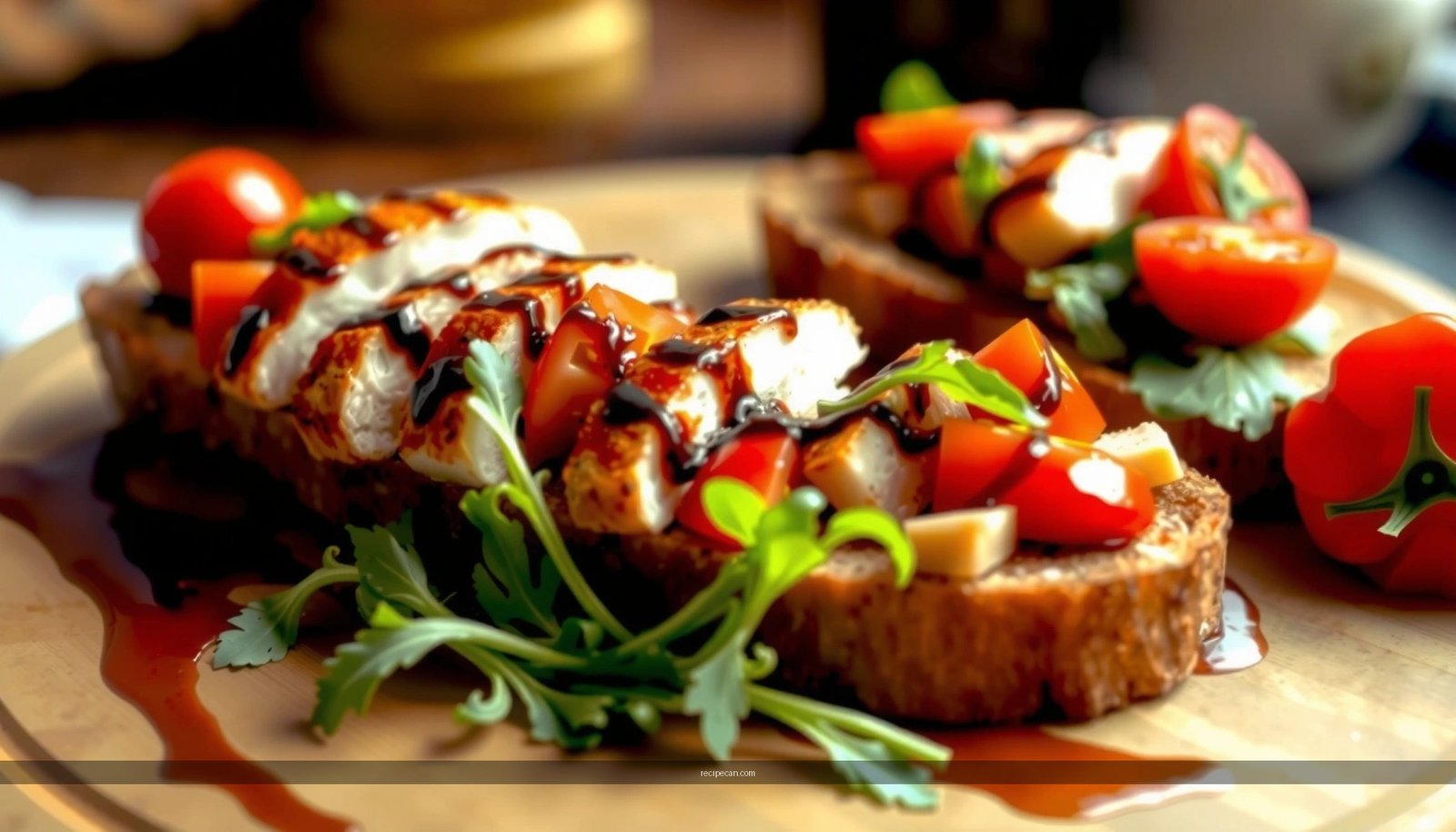
– Optional upgrades: olives, roasted red peppers, balsamic glaze, or chili flakes
– For extra richness: drizzle with more olive oil right before serving
Once the base bruschetta is dialed in, variations let you tailor it to different occasions, diets, and flavor preferences.
High-impact add-ons (choose 1–2)
– Chili flakes: A small pinch adds heat that contrasts beautifully with creamy feta.
– Olives: Chopped Kalamata olives add briny depth and a more complex Mediterranean profile.
– Roasted red peppers: Diced peppers contribute sweetness and a smoky note.
– Balsamic glaze: A few drops create sweet-tangy finishing contrast. Use sparingly to avoid overpowering tomato brightness.
– Extra herbs: Add mint with parsley for a more aromatic, summery variation.
Business-style consistency tip:
If you’re serving guests (or planning a catered spread), keep variations grouped—label trays or set up a “build station” so each guest can customize without slowing down the whole service.
Serving Tips and Storage
– Serve immediately for the best crunch and freshest taste
– If needed, keep components separate and assemble close to serving time to avoid sogginess
Bruschetta is at its best in a narrow window: warm bread, chilled-but-ready feta mixture, and fresh tomato topping.
Serving recommendations
– Assemble in batches as guests arrive.
– If you must hold components: keep feta covered, tomatoes chilled, and bread warm (or toast on demand).
– Finish with olive oil and herbs right before serving for maximum aroma.
Storage (separate components is the strategy)
– Feta topping: refrigerate in an airtight container up to 2–3 days.
– Tomato topping: refrigerate up to 1 day for best flavor and texture. Drain any accumulated liquid before using.
– Bread: for crispness, re-toast fresh rather than refrigerating toast.
Make-ahead plan (works for gatherings)
1. Prepare feta mixture (up to 3 days ahead).
2. Dice and season tomatoes (up to 12–24 hours ahead), then drain.
3. Toast bread close to serving time.
4. Assemble just before eating.
A simple bruschetta recipe with feta cheese comes down to crisp toast, a creamy feta topping, and well-seasoned tomatoes. Mix the feta first, toast the bread until golden, assemble right before eating, and finish with herbs and a drizzle of olive oil. Try it tonight—make a batch, then adjust the toppings to your taste.
Frequently Asked Questions
What is a good bruschetta recipe with feta cheese?
A popular bruschetta recipe with feta cheese starts with toasted baguette slices rubbed with garlic and topped with a mixture of chopped tomatoes, olive oil, salt, and pepper. Crumble feta over the top right before serving for a creamy, tangy contrast to the juicy tomatoes. Finish with fresh basil or oregano and a drizzle of balsamic glaze if you like a sweet-savory balance.
How do you make bruschetta with feta without it getting watery?
To prevent watery bruschetta, dice tomatoes and salt them lightly, then let them drain in a colander for 10–15 minutes before mixing with olive oil. Use ripe but firm tomatoes and assemble the bruschetta close to serving time so the bread doesn’t absorb excess juices. For extra control, pat the tomatoes dry and keep the feta topping separate until the last moment.
Why does feta work so well on bruschetta?
Feta’s salty, tangy flavor complements the sweetness of tomatoes and the garlicky crunch of toasted bread. Its crumbly texture also adds a Mediterranean richness without requiring heavy melting like some cheeses. When you season the tomato mixture well and use good olive oil, feta makes the flavors feel balanced and vibrant.
What are the best toppings to pair with feta bruschetta?
The best toppings for feta bruschetta are fresh herbs like basil or parsley, plus optional extras such as sliced olives, roasted red peppers, or a few drops of lemon juice. For added depth, sprinkle chili flakes or drizzle honey-balsamic glaze depending on your preferred flavor profile. You can also add a handful of arugula on top for peppery freshness right before serving.
Which bread is best for bruschetta with feta?
The best bread for bruschetta is a sturdy, crusty baguette or ciabatta that can be toasted until crisp without turning mushy. Slice the bread thick enough to hold the topping—about 1 to 1.5 inches—then toast or grill it until golden. Rub warm bread with garlic and drizzle with olive oil, which helps it stay crunchy even when topped with tomatoes and feta.
References
- https://scholar.google.com/scholar?q=bruschetta+feta+recipe Google Scholar
https://scholar.google.com/scholar?q=bruschetta+feta+recipe - Google Scholar Google Scholar
https://scholar.google.com/scholar?q=feta+bruschetta+with+tomatoes - Google Scholar Google Scholar
https://scholar.google.com/scholar?q=bruschetta+with+feta+cheese - Bruschetta
https://en.wikipedia.org/wiki/Bruschetta - Feta
https://en.wikipedia.org/wiki/Feta - https://en.wikipedia.org/wiki/Crostini
https://en.wikipedia.org/wiki/Crostini - Olive oil
https://en.wikipedia.org/wiki/Olive_oil - Garlic
https://en.wikipedia.org/wiki/Garlic - Tomato
https://en.wikipedia.org/wiki/Tomato - Basil
https://en.wikipedia.org/wiki/Basil