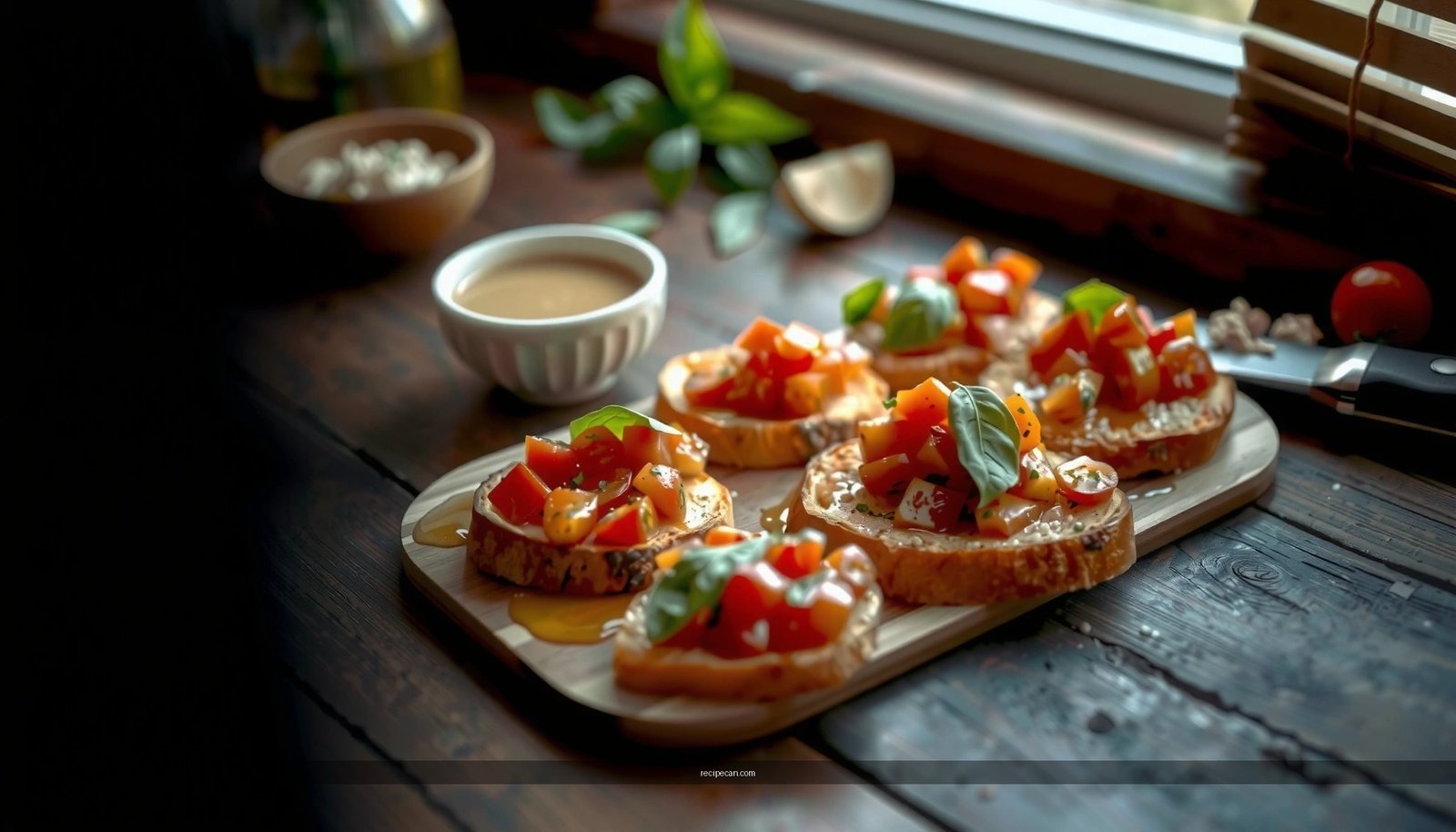
Want a bruschetta recipe with balsamic that delivers bold, restaurant-style flavor fast? This step-by-step guide walks you through the best balsamic topping strategy—sweet reduction plus fresh tomato-garlic mix—so the bread stays crisp and the flavor hits clean in every bite. If you want the most reliable win for weeknight bruschetta, follow these easy steps and you’ll get it.
Make bruschetta with balsamic by topping crisp, garlic-rubbed toast with diced ripe tomatoes, olive oil, garlic, basil, and a final drizzle of balsamic glaze—then serve immediately for maximum crunch and bright flavor. If you follow a simple tomato “season-and-rest” step and time the toast + balsamic finish right before serving, you’ll get a restaurant-style balance of fresh, sweet, and tangy in minutes.
Gather Ingredients for Bruschetta with Balsamic
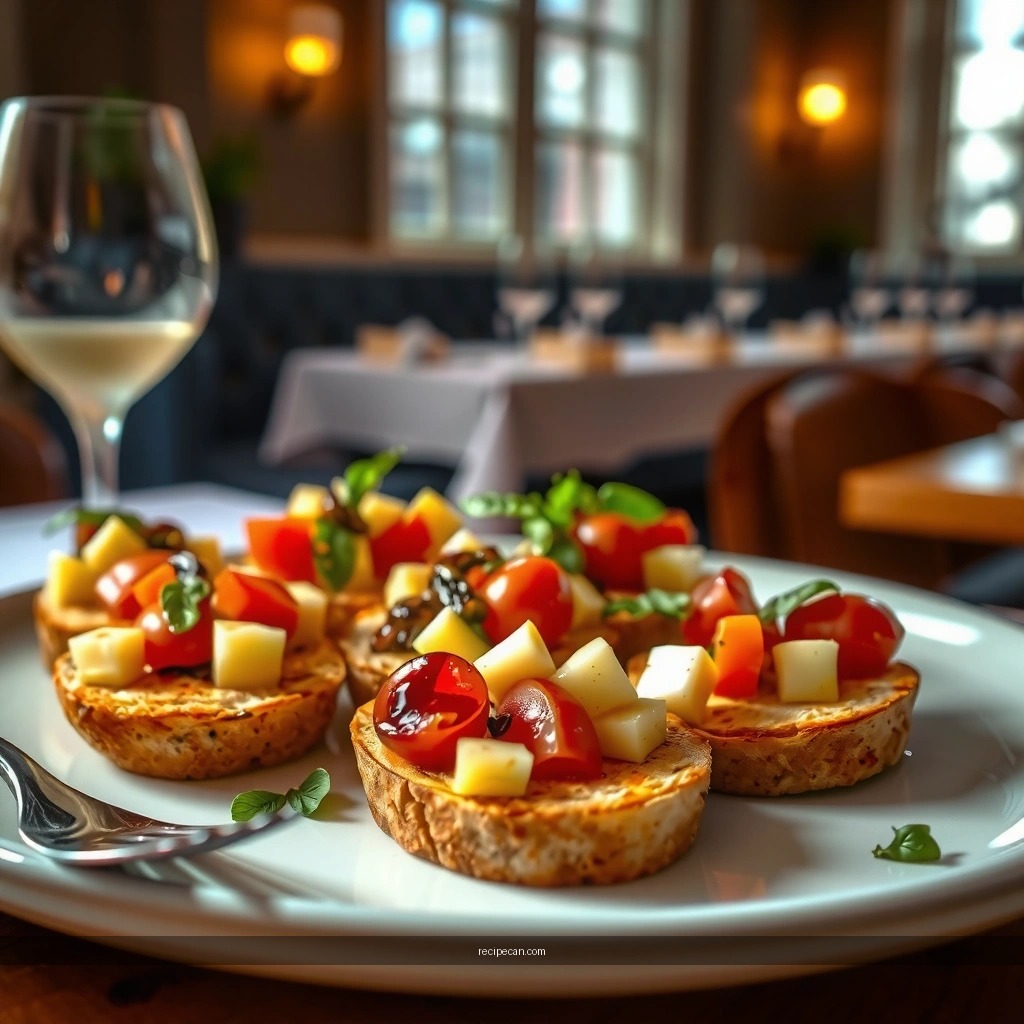
– Use crusty bread (ciabatta or baguette), ripe tomatoes, and fresh garlic
Look for bread that toasts well and holds structure—thicker slices give you better bite.
– Include olive oil, salt, black pepper, and basil for a classic flavor
Basil adds an aromatic lift that softens balsamic’s tang and makes the tomato taste fuller.
– Add balsamic vinegar (and optional glaze) for that signature tang
Balsamic vinegar concentrates as it sits on warm toast, so finishing it at the last moment keeps it glossy, fragrant, and not harsh.
Baseline quantities (serves ~4–6):
– Bread: 1 crusty loaf (about 12–18 slices depending on thickness)
– Tomatoes: 3 large ripe tomatoes (or ~2½ cups diced)
– Garlic: 2 cloves (1 for the topping, 1 optional for rubbing toast)
– Olive oil: 3–4 tbsp (plus extra for finishing)
– Basil: 8–12 leaves, chopped (or ~1 tbsp)
– Salt + black pepper: to taste
– Balsamic vinegar: 1–2 tbsp (or 2–3 tbsp glaze, to taste)
Tomatoes that work best with balsamic (quick guide)
Tomato Choices for Bruschetta with Balsamic (Practical Scoring)
| # | Tomato type | Water content | Best balsamic profile | Match rating | Overall recommendation |
|---|---|---|---|---|---|
| 1 | Roma (plum) | Low–med | Sweet-leaning, classic | ★★★★☆ | Excellent |
| 2 | Heirloom (balanced) | Med | Layered sweet + tang | ★★★★★ | Great |
| 3 | Cherry (varietal mix) | Low | Naturally sweet, lighter acidity | ★★★★☆ | Very good |
| 4 | Beefsteak | High | Bright, but can get watery | ★★★☆☆ | Good (use less, drain) |
| 5 | Campari | Low–med | Sweet, consistent | ★★★★☆ | Great |
| 6 | San Marzano (typical) | Low | Even tang, classic balance | ★★★★★ | Excellent |
| 7 | Overripe/soft tomatoes | Very high | Can taste muted + acidic | ★☆☆☆☆ | Avoid |
Prepare the Tomatoes and Seasoning
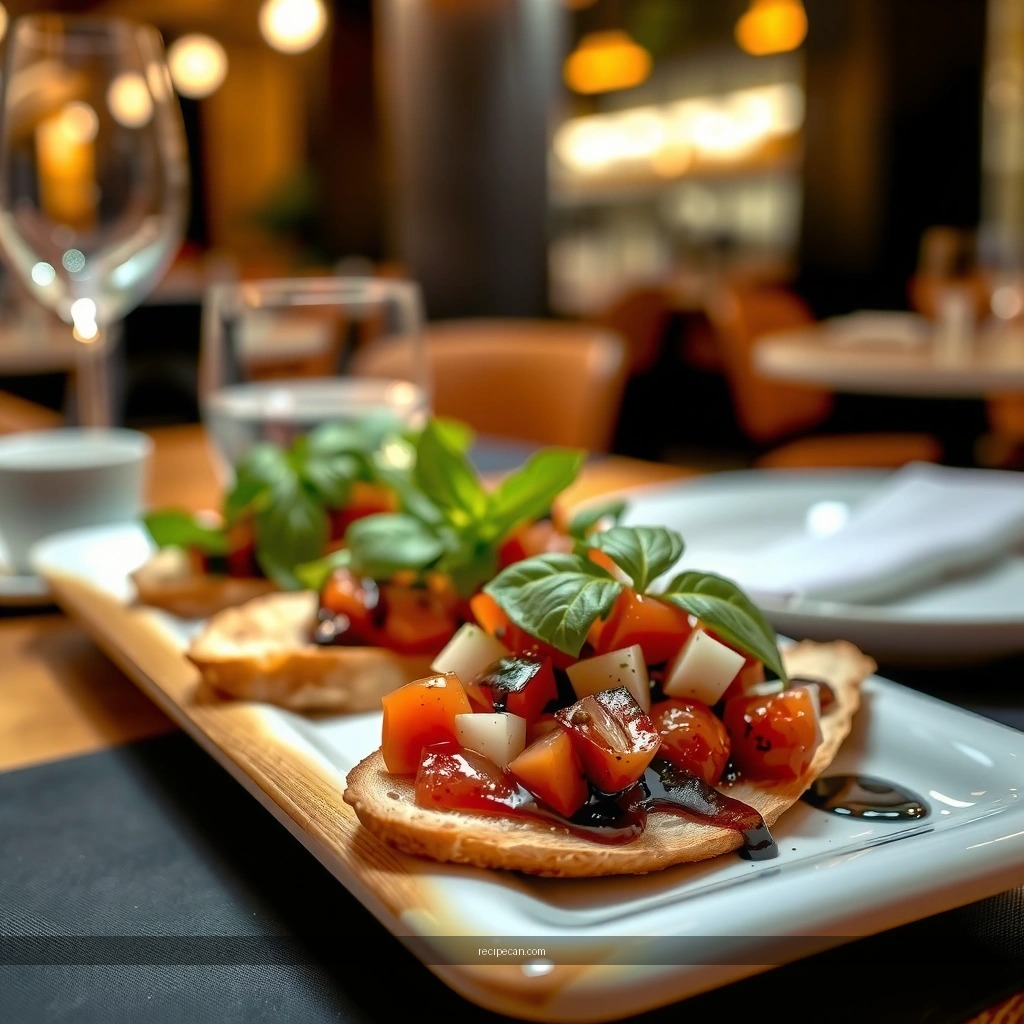
– Dice tomatoes and toss with olive oil, minced garlic, salt, and pepper
Cut into small, even pieces so every bite has tomato, garlic, and oil without overly wet pockets.
– Add chopped basil and let the mixture sit briefly to boost flavor
A 5–10 minute rest helps salt draw out moisture slightly and dissolves into the olive oil for better coating.
– Optional: add a pinch of sugar to balance very acidic tomatoes
This is not “sweetening for dessert”—it’s a corrective tool. If tomatoes taste sharp or thin, a tiny pinch restores balance for a smoother balsamic finish.
Actionable seasoning method (what works in practice):
1. Salt first, then add oil: Salt helps flavor bloom and improves how garlic tastes.
2. Use less balsamic in the topping: Keep balsamic for the final drizzle so toast stays crisp.
3. Drain if needed: If you notice excess tomato juice after resting, spoon only the thicker portion onto bread.
Time target: 5–10 minutes resting while you toast the bread.
Toast the Bread for the Best Texture
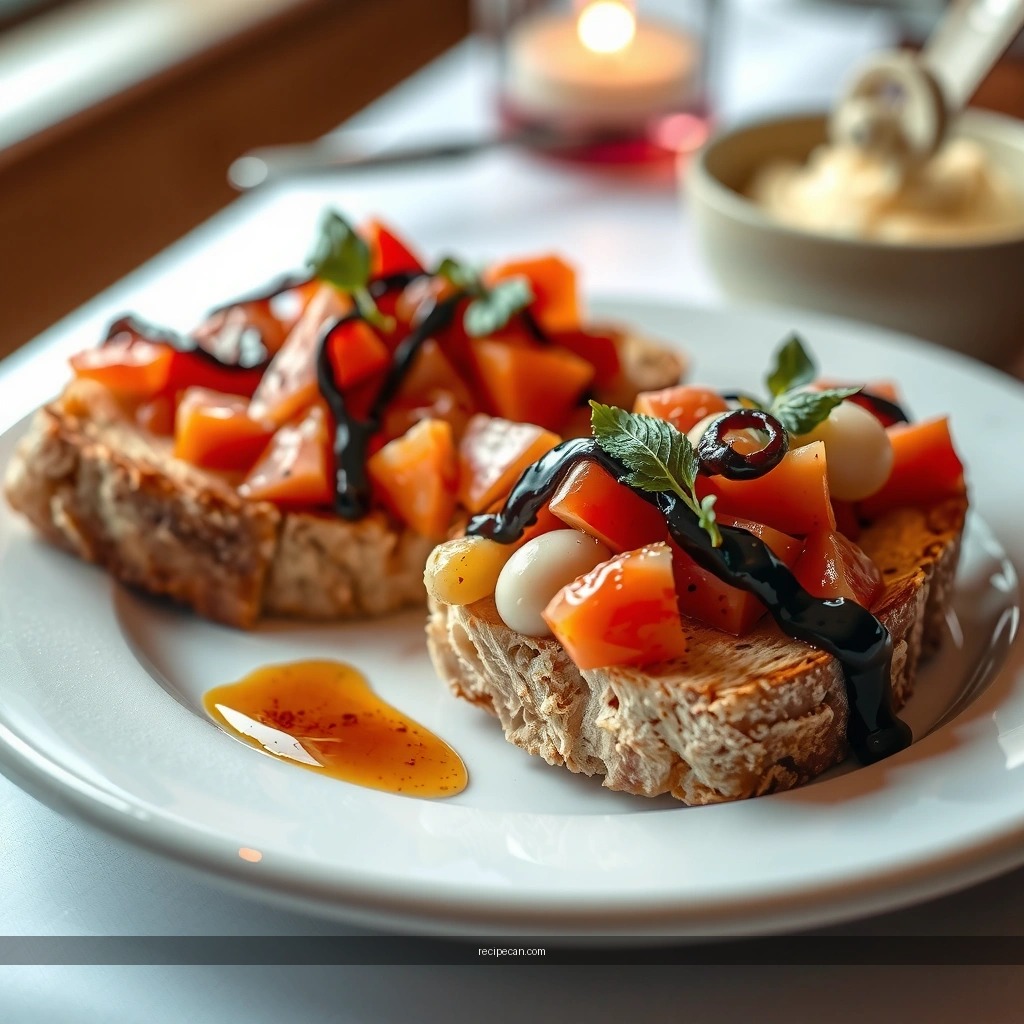
– Slice bread, then toast until crisp on the edges and lightly golden inside
Aim for structural contrast: crunchy exterior, tender-but-not-soggy center.
– Rub warm toast with a cut garlic clove for extra aroma (optional)
This technique perfumes the bread without making the garlic pieces raw or harsh.
– Brush with olive oil right after toasting to keep it flavorful
Because hot bread absorbs oil quickly, you get a glossy surface that holds up once tomatoes are added.
Practical timing (fast, repeatable):
– Oven method: 400°F / 200°C for ~6–10 minutes (depending on thickness)
– Pan method: Medium-high heat, 1–2 minutes per side, then brush immediately
Key texture principle: If your toast is already deeply browned and dry, it will stay crisp longer. If it’s pale, it will soften quickly under tomato moisture.
Assemble Bruschetta Bruschetta Recipe Steps
– Spoon the tomato mixture onto toasted bread just before serving
Waiting too long causes bleed-through. Build close to serving for best texture.
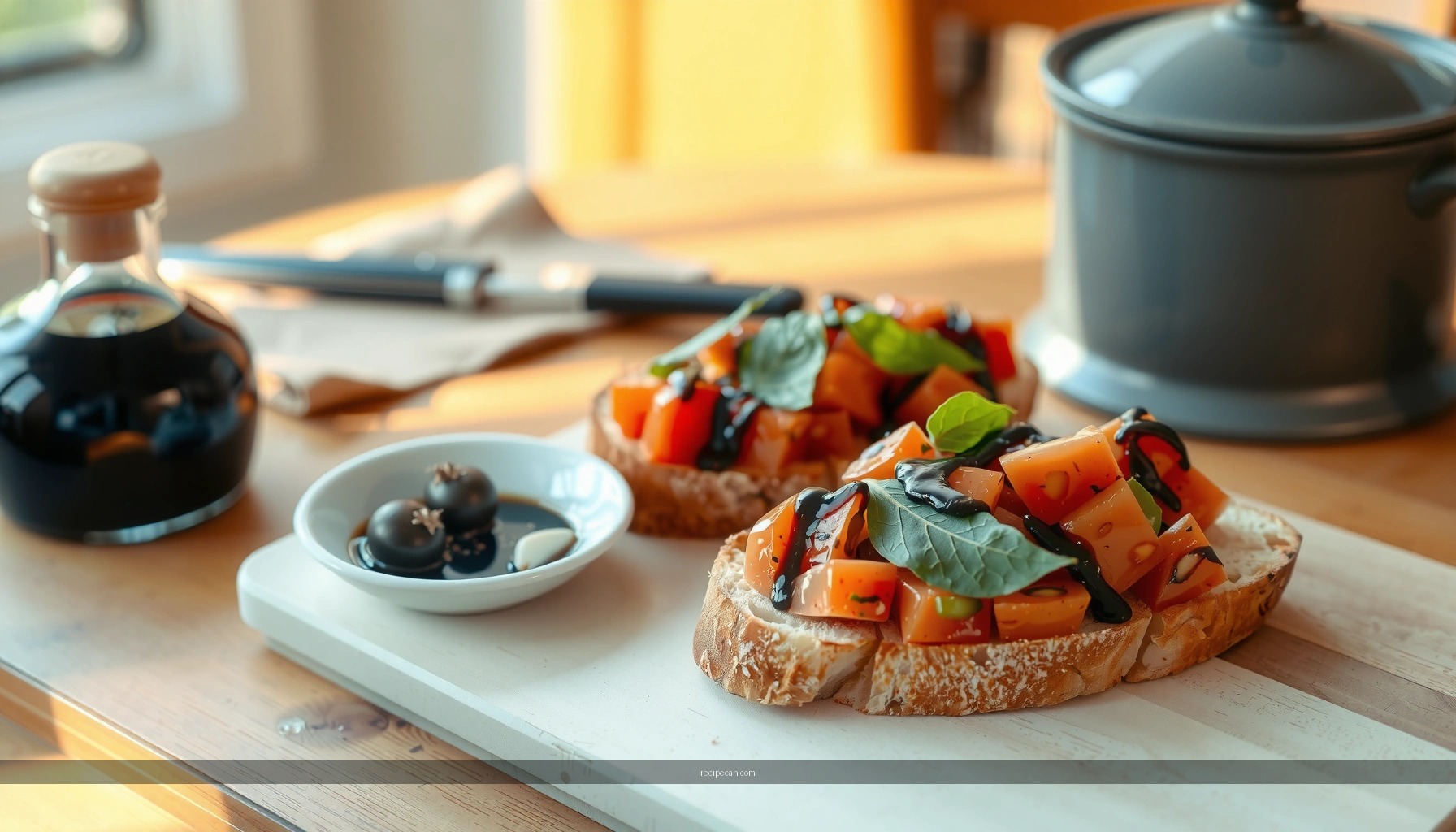
– Drizzle with balsamic vinegar (or balsamic glaze) to finish
Use a light hand first, then add more if needed. Balsamic should be a bright accent, not the dominant flavor.
– Keep toppings generous but not watery to maintain crunch
If your tomatoes released a lot of liquid, avoid ladling the juice—use a slotted spoon.
Assembly order that prevents sogginess:
1. Toast and oil the bread
2. Mix tomatoes (already seasoned)
3. Portion tomatoes onto bread
4. Finish with balsamic at the last moment
Serving throughput tip: If you’re entertaining, toast in batches and assemble on a tray in stages—then drizzle balsamic right before each plate goes out.
Balsamic Tips for Perfect Sweet-Tang Balance
– Start with 1–2 tablespoons balsamic vinegar, then adjust to taste
Different balsamics vary in sweetness and thickness. Starting lower prevents an overly sharp or syrupy result.
– Use balsamic glaze for a thicker, sweeter coating
Glaze clings better to warm toast and creates a more “polished” restaurant finish.
– For extra flavor, let balsamic sit on top for 1–2 minutes before serving
This short contact time slightly warms and melds the vinegar with the olive oil and tomato juices, deepening aroma without breaking the crunch.
How to calibrate balsamic in real time:
– If the tomatoes are very sweet: use a slightly sharper vinegar (or add a touch more vinegar).
– If tomatoes are tart: drizzle a bit more glaze rather than vinegar, or use the sugar pinch in the tomato mix.
– If everything tastes flat: add a final micro-spritz of olive oil and a tiny pinch of salt—not more balsamic.
Serving and Storage Recommendations
– Serve immediately for maximum crunch and fresh tomato flavor
Bruschetta is a “timed dish.” The best version happens right after assembly.
– Prep tomato topping ahead, but toast bread and add balsamic close to serving
This lets you streamline hosting while preserving texture and aroma.
– Store leftovers separately (tomatoes refrigerated; bread not ideal for storing)
Refrigerate the tomato mixture in a covered container for up to 2 days. Re-crisp bread in a hot oven or toaster, then reassemble for best results (expect some texture loss).
Make-ahead strategy for events:
– 1–3 hours ahead: dice tomatoes, season, chop basil, mince garlic, and refrigerate
– 30 minutes ahead: toast bread (or hold warm briefly), then assemble right before service
– Last minute: drizzle balsamic to lock in freshness
Bruschetta with balsamic is at its best when the components are timed: season tomatoes early for flavor, toast bread hot for structure, and finish with balsamic only at the end for sweet-tang brightness. Spoon, toast, and drizzle—this is the quickest path to a standout bruschetta recipe that delivers classic balance in every bite.
Spoon the tomato topping onto crisp toast just before serving, then drizzle with balsamic vinegar or glaze and let it sit briefly for aroma. Choose tomatoes with lower water content for better crunch, toast bread until evenly golden, and adjust balsamic sweetness with small increments. With these steps, you’ll consistently produce easy, flavorful bruschetta with balsamic that tastes fresh, bright, and restaurant-quality.
Frequently Asked Questions
What’s the best bruschetta recipe with balsamic vinegar?
A classic balsamic bruschetta recipe starts with toasted bread topped with a simple tomato mixture (diced tomatoes, garlic, olive oil, salt, and pepper) and finished with balsamic glaze or a drizzle of balsamic vinegar. For extra flavor, add fresh basil and let the tomatoes sit for 10–15 minutes so they release juices that cling to the bread. Use ripe tomatoes and a good extra-virgin olive oil to keep the balsamic flavor balanced rather than overpowering.
How do you make balsamic bruschetta taste less acidic?
To prevent a sharp balsamic bruschetta taste, use a balsamic glaze (reduced balsamic) instead of straight vinegar, or lightly sweeten the tomato topping with a small pinch of sugar. Also make sure the tomatoes are seasoned and rested briefly—salt helps them mellow and enhances their natural sweetness. Choose a higher-quality balsamic vinegar that’s naturally smoother and less harsh.
Why do you drizzle balsamic on bruschetta after toasting?
Drizzling balsamic on bruschetta after toasting helps protect the crunchy texture of the bread and prevents it from getting soggy too quickly. The warmth of the toast helps the balsamic glaze coat the tomatoes and aromatics without soaking through immediately. If you add it too early, the bread can soften fast, especially if your tomato mixture is juicy.
Which bread works best for bruschetta with balsamic?
Traditional bruschetta works best with sturdy bread like ciabatta, rustic Italian bread, or a good-quality baguette that can be toasted until crisp. Slice thick enough so it holds up to the tomato mixture and stays crunchy under a balsamic drizzle. Lightly rub the bread with garlic and brush with olive oil before toasting for a more aromatic balsamic bruschetta base.
How do you store and reheat bruschetta recipe with balsamic?
For best results, store the toasted bread separately from the tomato and balsamic topping, since moisture makes toast go soft quickly. Keep the tomato mixture in an airtight container in the fridge for up to 2–3 days, and reheat gently or use cold for serving. Assemble just before eating: re-toast the bread, spoon on the tomato topping, and finish with balsamic glaze for that fresh, flavorful bruschetta recipe balsamic experience.
References
- Google Scholar Google Scholar
https://scholar.google.com/scholar?q=bruschetta+balsamic+vinegar+recipe - Google Scholar Google Scholar
https://scholar.google.com/scholar?q=bruschetta+al+pomodoro+balsamic+vinegar - Google Scholar Google Scholar
https://scholar.google.com/scholar?q=balsamic+vinegar+culinary+uses+tomatoes+olive+oil - Bruschetta
https://en.wikipedia.org/wiki/Bruschetta - https://en.wikipedia.org/wiki/Bruschetta_al_pomodoro
https://en.wikipedia.org/wiki/Bruschetta_al_pomodoro - Balsamic vinegar
https://en.wikipedia.org/wiki/Balsamic_vinegar - Balsamic vinegar of Modena
https://en.wikipedia.org/wiki/Balsamic_vinegar_of_Modena - Vinegar
https://en.wikipedia.org/wiki/Vinegar - Crostini
https://en.wikipedia.org/wiki/Crostini - https://www.britannica.com/topic/bruschetta
https://www.britannica.com/topic/bruschetta