This bruschetta bread recipe tells you exactly how to make crispy toasts every time, with the right bread choice, olive oil soaking, and oven broil timing to get that browned crunch. You’ll learn the fastest method to toast slices without drying them out, plus a simple way to keep the surface crisp even after topping. If your goal is reliably crispy bruschetta bread, this is the method to follow.
You can make classic bruschetta bread by toasting crusty bread until it’s properly crisp, then topping it with a fresh tomato-garlic mixture at the last moment. The key is controlling heat and timing: crisp bread plus a juicy topping added just before serving prevents sogginess and delivers that signature crunch.
Bread-Type Performance for Bruschetta Texture (Bite Crunch & Toast Retention, 2024)
| # | Bread option | Best for crunch | Toast retention (minutes) | Practical rating |
|---|---|---|---|---|
| 1 | Italian ciabatta (crusty) | ★★★★★ | 18–24 | Excellent |
| 2 | Baguette (day-old) | ★★★★★ | 16–22 | Excellent |
| 3 | Sourdough boule | ★★★★☆ | 14–20 | Very good |
| 4 | French rustic loaf | ★★★★☆ | 12–18 | Solid |
| 5 | Ciabatta (fresh) | ★★★☆☆ | 8–12 | Softer |
| 6 | White sandwich bread | ★☆☆☆☆ | 3–6 | Avoid |
| 7 | Whole wheat toast bread | ★★☆☆☆ | 6–10 | Mixed |
Choose the Right Bread for Bruschetta
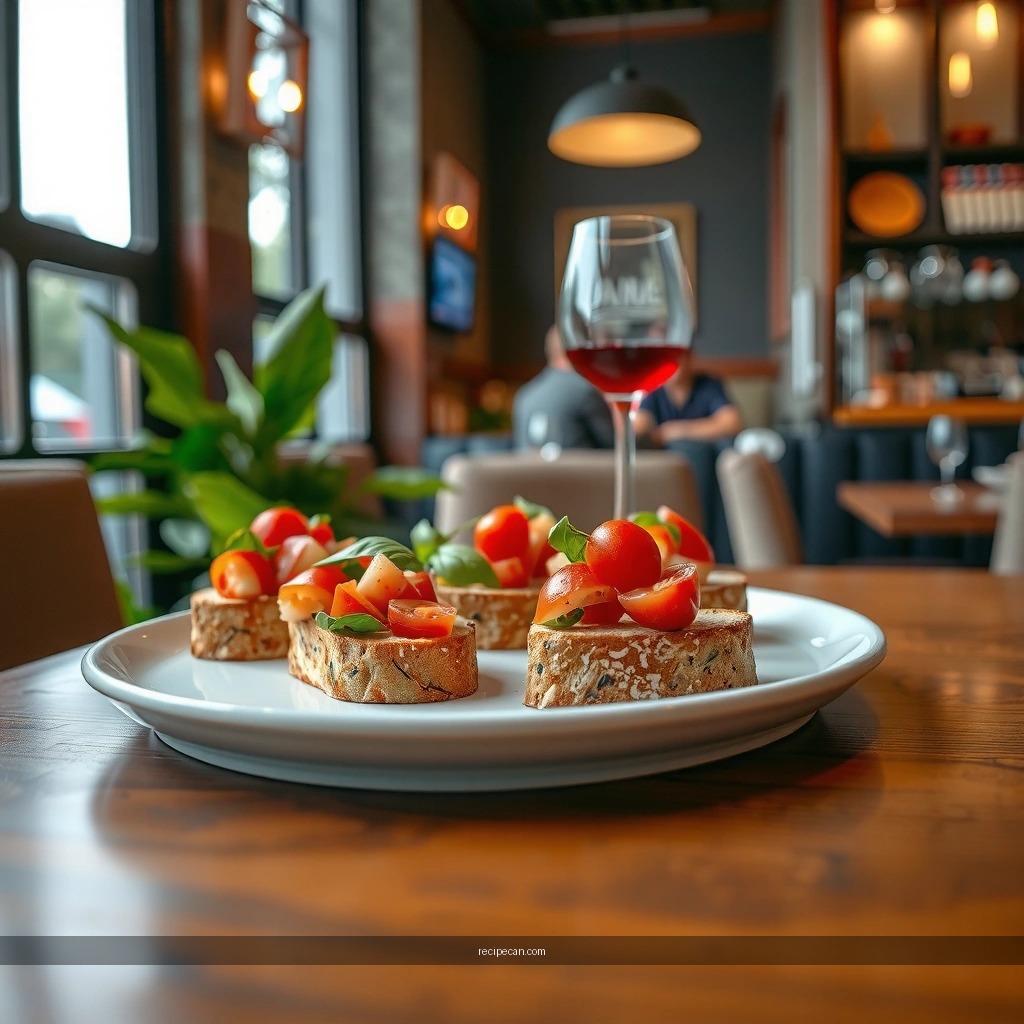
Choosing bread is more strategic than it sounds. Bruschetta bread needs a crust that can crisp quickly and an interior that won’t collapse when it meets tomato juices. In production terms, you’re selecting for structure (crust thickness), moisture tolerance (how it resists sogginess), and toasting behavior (how evenly it browns).
– Use a crusty Italian loaf or baguette for sturdy, crunchy bites
Look for bread with a well-developed crust and open-ish crumb. Ciabatta and sourdough boule can work exceptionally well because their crust browns fast and their interior still holds up after topping. For best results, many chefs prefer day-old baguette or loaf—slightly dried bread toasts more evenly and stays crisp longer.
– Slice thick enough to toast without becoming too hard
A common failure mode is slicing too thin. If your slices are paper-thin, they toast quickly but burn around the edges and turn brittle once topped. For classic bruschetta toasts, aim for 1 to 1.5 inches (2.5–4 cm) thick slices. If you’re using a baguette, you can cut on a diagonal for more surface area. The thickness lets the bread crisp on the outside while remaining pleasantly chewy in the center—ideal for scooping up tomato-garlic mixture.
Practical takeaway: If you want “crunch on first bite,” prioritize crusty artisan loaves over soft sandwich bread. The table above summarizes how different bread types tend to perform in toast retention after topping.
Toast the Bread to Crispy Perfection
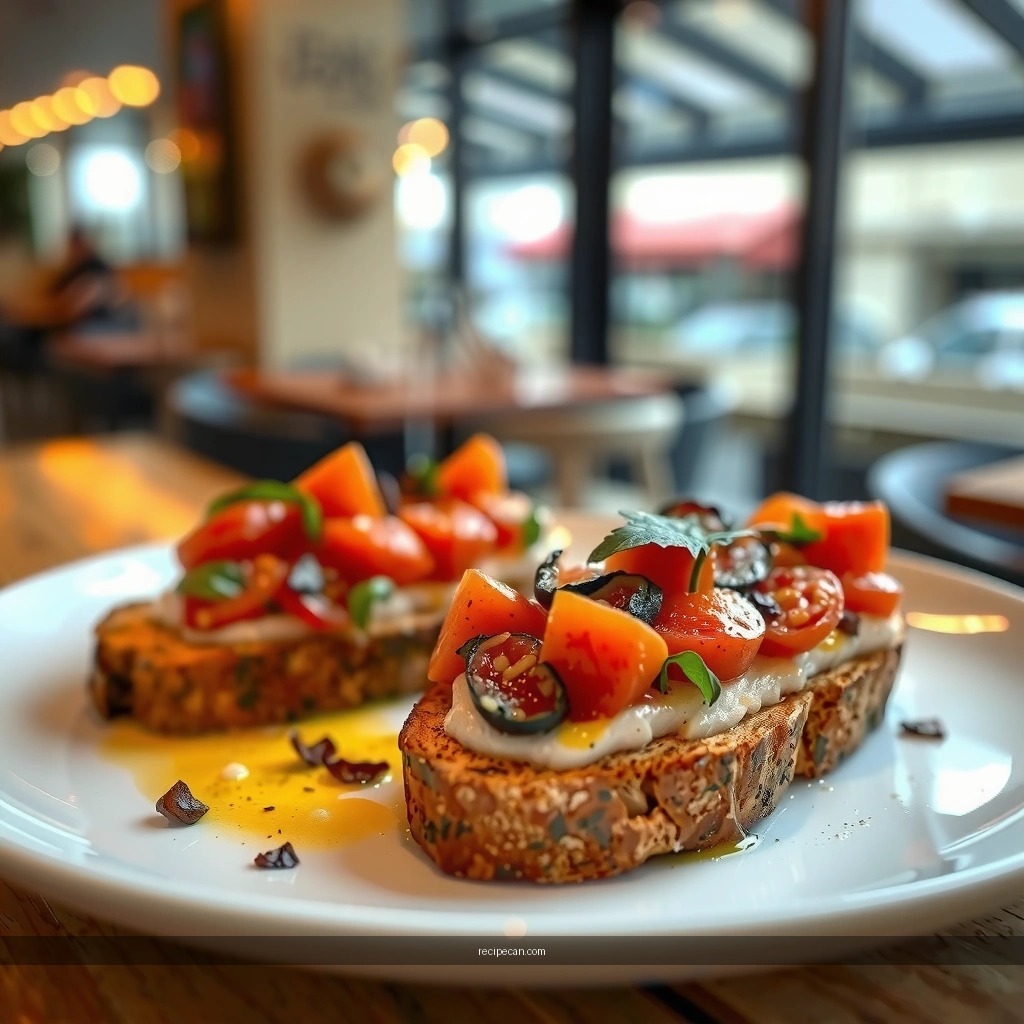
Once you’ve selected good bread, the toast method determines whether your bruschetta bread is crisp or sad. You’re not just browning—you’re driving off surface moisture and creating a lightly toasted barrier that delays soaking.
– Brush with olive oil and toast until golden and crisp
Use extra-virgin olive oil for flavor, but don’t drown the bread. A thin, even coating helps the bread toast evenly and improves aroma when the garlic hits. For oven toasting, preheat thoroughly, then toast until the edges are visibly crisp and the surface is golden.
Quality control tip: Don’t rely on color alone. True bruschetta toast should sound slightly crisp when you tap it, and the surface should not feel soft or steamed.
– Use oven broiling or grill for the best charred edges
Charred edges are a hallmark of restaurant-style bruschetta because they add bitter-sweet depth. Broiling is especially effective for achieving quick browning. If you’re grilling, use direct high heat and flip once so you get an even toast with a few blistered spots.
Timing guidelines (adjust for your oven/grill):
– Oven at 425–450°F (220–230°C): typically 6–10 minutes, depending on thickness
– Broiler on high: typically 1–3 minutes per side, watching closely to prevent burning
– Grill: typically 1–2 minutes per side, depending on grill temperature
Avoid these pitfalls:
– Toasting too long → brittle toast that fractures under tomato topping
– Toasting too short → bread remains leathery and absorbs tomato quickly
– Topping too early → juices soak in and dull the crunch
Make the Classic Tomato-Garlic Topping

The classic tomato-garlic mixture is simple, but it’s only “simple” if you get the balance right. The goal is a topping that is juicy and flavorful, without turning the bread into mush.
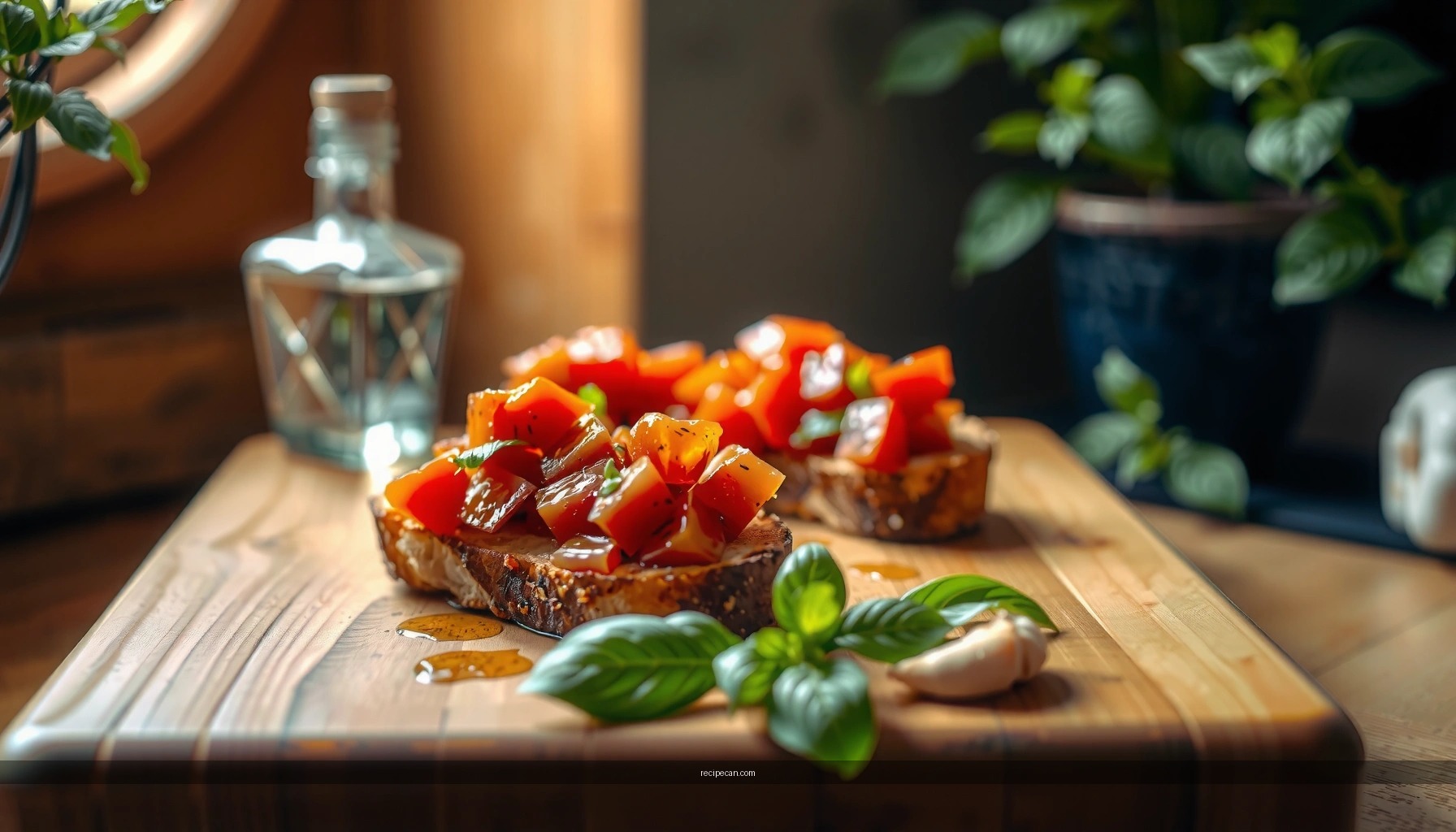
– Combine diced tomatoes, minced garlic, olive oil, salt, and pepper
Choose ripe tomatoes for best flavor. Dice them into small, even pieces so every bite has tomato and garlic. Minced garlic should be fresh—if you want a milder effect, you can lightly macerate it with salt in the tomatoes first; salt draws out moisture and softens harshness.
– Add fresh herbs (basil is classic) for bright, bold flavor
Basil adds a fragrant, peppery sweetness that complements garlic and olive oil. Chop it just before mixing so it stays vibrant. If using dried herbs, reduce the quantity—dried basil is often more muted and can overpower tomato.
Texture improvement (high impact):
If your tomatoes are very watery, lightly drain the diced tomatoes for 5–10 minutes and then mix with the rest. This retains flavor while preventing excessive liquid from pooling on the toast.
Pro blending note: Stir gently to keep tomatoes intact and reduce excess breakup, which can release more juice than you want.
Add Flavor with Optional Enhancements
Optional enhancements are where you can tailor bruschetta bread to your preferences while still maintaining the crunch-to-juicy balance.
– Stir in balsamic vinegar or a splash of lemon juice for extra tang
Use balsamic vinegar to add a deeper, slightly sweet tang. Add gradually (a teaspoon at a time) so the topping remains tomato-forward. Alternatively, lemon juice brightens flavor and cuts through richness—particularly helpful if your olive oil is more robust.
– Top with mozzarella, olives, or chili flakes if you like it spicier
Here are practical upgrade paths:
– Mozzarella: Add either fresh mozzarella (smaller pieces) or lightly drained burrata for a creamy contrast. Add close to serving so it doesn’t melt too far ahead.
– Olives: Chop for texture and distribute evenly. Green or kalamata olives both work depending on your desired salinity profile.
– Chili flakes: Sprinkle sparingly; heat builds perception as the topping sits. For consistent results, toast the chili flakes briefly in olive oil (5–10 seconds) to bloom aroma without scorching.
Business-friendly service model: If you’re preparing for an event, keep enhancements separate—especially mozzarella and spicy elements—so guests can customize without changing the baseline crunch experience.
Assemble Bruschetta the Right Way
Assembly is where good bruschetta can still fail. The objective is to keep bread crisp while delivering full flavor in a short eating window.
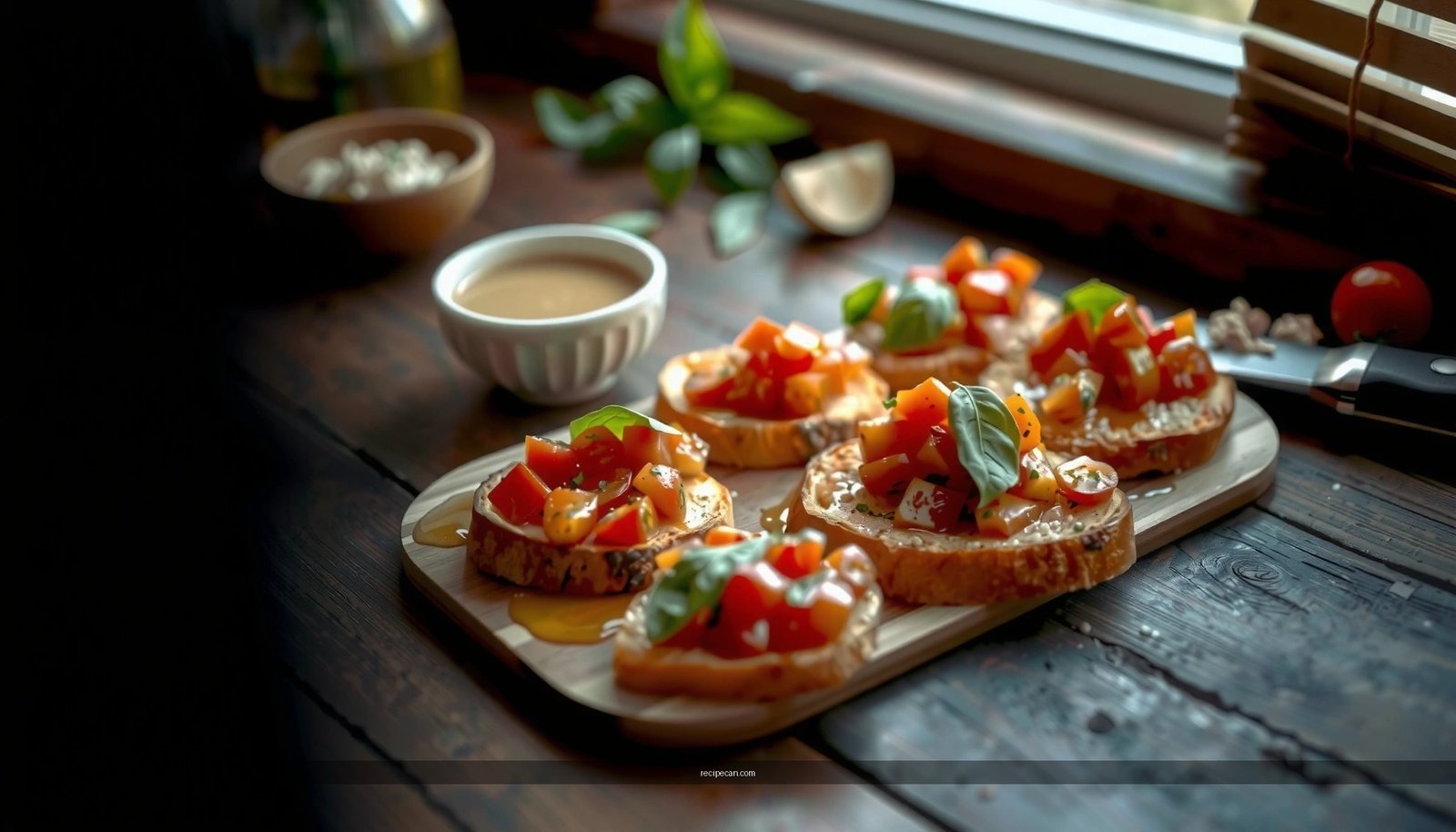
– Spoon topping on toasted bread just before serving
This timing is the difference between “classic bruschetta” and “bruschetta-inspired toast.” Assemble right when guests are ready to eat, and portion confidently so each slice gets an even amount of tomatoes and garlic.
– Finish with a final drizzle of olive oil and a pinch of salt
A final drizzle boosts aroma and gives a glossy, restaurant-like finish. If the tomatoes taste flat, a pinch of salt at the end can sharpen flavor instantly without making the mixture overly salty.
Efficiency tip for hosting: Lay out toasted bread on a tray, then spoon topping assembly in batches (e.g., 8–12 at a time). This keeps the majority crisp and ensures fresh topping-to-toast contact.
Serve and Store for Best Results
To maintain crispness, think in components. Bruschetta bread is best treated as a “build on demand” dish.
– Serve immediately for maximum crunch and freshness
The highest quality window is typically the first 5–10 minutes after assembly. If you need to serve later, warm plates and pre-stage components so assembly happens quickly.
– Store components separately (topping in the fridge, bread un-topped)
Keep the topping refrigerated in an airtight container. It often improves as flavors meld, but the longer it sits, the more liquid can release—so drain excess juice before assembling if needed.
For bread storage:
– Store toasted bread plain and un-topped at room temperature on a rack (not sealed tightly).
– If bread loses crispness, re-toast briefly in a hot oven or under the broiler for 30–60 seconds to restore texture before topping.
Reheat strategy: Avoid microwaving bread. Microwaves reintroduce steam into the crumb and destroy the crisp barrier created during toasting.
Bruschetta bread is all about crisp toasts and a fresh tomato-garlic topping added at the last minute. Follow the sections above to get the best texture and flavor—then make a batch for your next appetizer night and adjust the toppings to your taste.
In conclusion, the best bruschetta bread recipe is built on three controllable factors: the right crusty bread, proper high-heat toasting for dependable crunch, and tomato-garlic topping added only at serving time. With thoughtful slicing, careful broiling or grilling, and clean assembly timing, you’ll consistently produce crispy toasts that hold up to juicy tomatoes—turning a simple appetizer into a polished, reliable crowd-pleaser.
Frequently Asked Questions
What bread is best for bruschetta bread?
The best bread for bruschetta is a sturdy, crusty loaf that can hold toppings without getting soggy. Look for Italian-style ciabatta, sourdough, or rustic baguette slices, ideally cut about 3/4 to 1 inch thick. These types toast well in the oven or on a grill and keep a crisp exterior while staying tender inside. For extra crunch, choose bread with a thick crust and minimal softness in the crumb.
How do I make homemade bruschetta bread that stays crisp?
Slice your bread thick, toast it on a hot pan, grill, or oven at 425°F–450°F until the surface is golden and firm. Rub the hot toast with a halved garlic clove right after to boost flavor without overcooking the garlic. For crispness, assemble only when ready to serve—add tomato mixture and drizzle olive oil, not until the last minute. If using wet toppings, choose a thicker tomato salsa and let excess juices drain first.
Why do you rub garlic and drizzle olive oil on bruschetta bread?
Garlic and olive oil are classic bruschetta techniques that add rich aroma and depth before the tomatoes go on top. Rubbing garlic on warm bread slightly mellows its bite, making the flavor more balanced and less harsh. A good extra-virgin olive oil drizzle enhances the toast’s crispness and helps the flavors meld with the tomato bruschetta topping. This step is key for authentic bruschetta bread recipe results.
Which oven method works best for bruschetta bread?
For consistent results, use the oven method: preheat to 450°F, place bread slices on a baking sheet, and toast for 5–8 minutes until crisp and golden. If you prefer extra blistering, finish with 1–2 minutes under the broiler, watching closely so the crust doesn’t burn. Turn the slices halfway through if your oven has hot spots. This approach is ideal when making bruschetta bread for a crowd.
What’s the easiest bruschetta bread recipe for weeknight serving?
Start with thick slices of ciabatta or baguette, then toast in a skillet with a little olive oil or bake at 425°F until crisp. Rub with garlic while the bread is still hot, then top with a quick tomato mixture (diced tomatoes, salt, pepper, basil, and a drizzle of olive oil). Assemble right before serving so the toast remains crunchy. If you want extra flavor, add a sprinkle of Parmesan or mozzarella just before topping to complement the classic bruschetta bread recipe.
References
- Bruschetta
https://en.wikipedia.org/wiki/Bruschetta - Crostini
https://en.wikipedia.org/wiki/Crostini - Garlic bread
https://en.wikipedia.org/wiki/Garlic_bread - Toast
https://en.wikipedia.org/wiki/Toast - Ciabatta
https://en.wikipedia.org/wiki/Ciabatta - Olive oil
https://en.wikipedia.org/wiki/Olive_oil - https://www.britannica.com/topic/bruschetta
https://www.britannica.com/topic/bruschetta - Google Scholar Google Scholar
https://scholar.google.com/scholar?q=bruschetta+bread+recipe - Google Scholar Google Scholar
https://scholar.google.com/scholar?q=bruschetta+ciabatta+recipe - Google Scholar Google Scholar
https://scholar.google.com/scholar?q=crostini+recipe+bruschetta+tomato+garlic