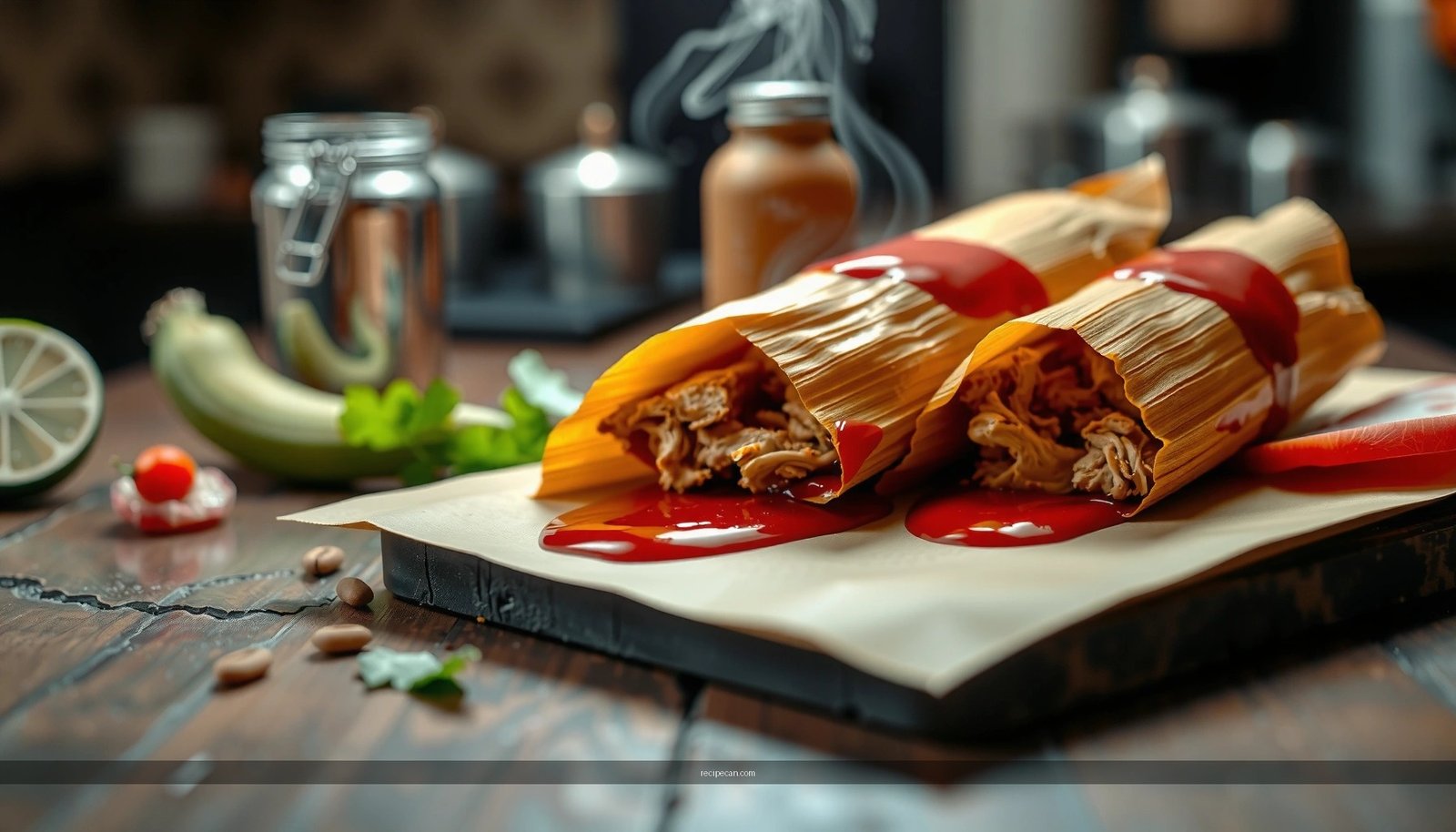
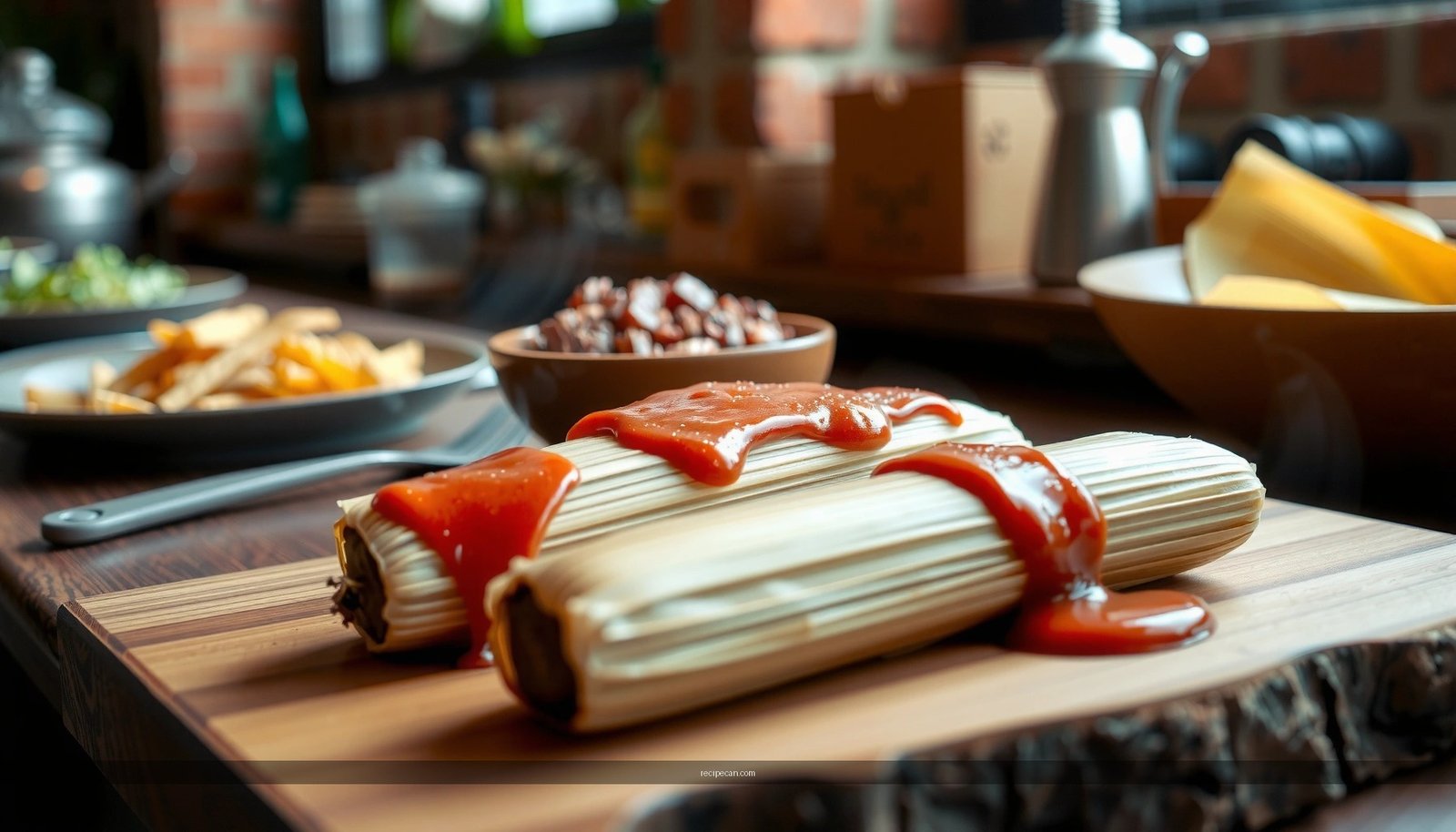
This gluten free tamale recipe delivers the most reliable way to make easy homemade tamales with masa that holds together and steams up tender every time. You’ll get step-by-step instructions for gluten-free masa, flavorful fillings, and clean assembly so you can avoid gummy texture and breakage. By the end, you’ll know exactly how to cook gluten free tamales for the right consistency—without guesswork.
Gluten free tamales are straightforward to make when you use gluten-free masa harina, get the masa consistency right, and steam them until the dough fully sets. This recipe walks you through preparing tender gluten-free masa, assembling your tamales with a classic filling, and steaming for the ideal texture—plus practical swaps and troubleshooting tips to help your tamales hold together beautifully.
Choose Your Gluten-Free Masa and Setup
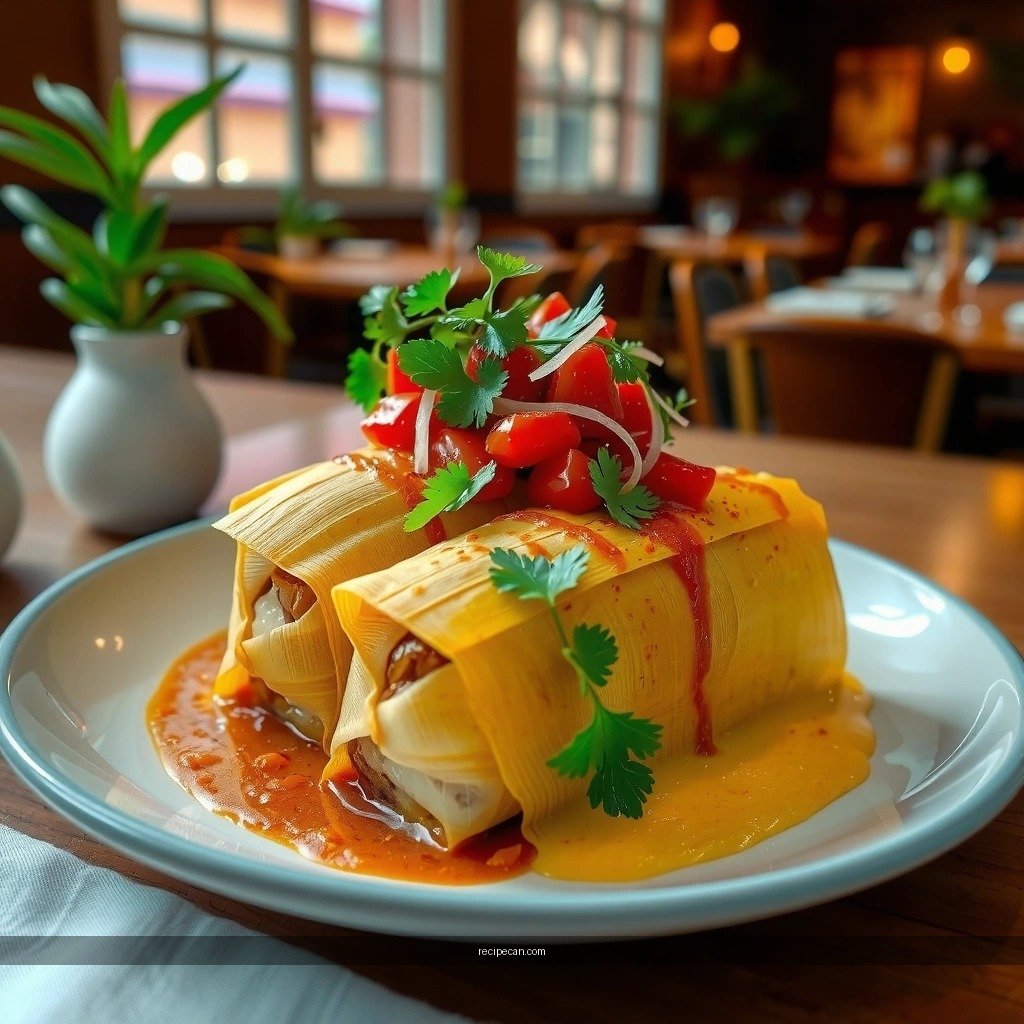
Gluten-free tamales start with the right dry base. Many “gluten-free” tamales fail because the masa isn’t actually gluten-free corn flour, or because the corn husks and setup don’t support clean assembly.
– Use gluten-free masa harina (not regular cornmeal) for best results
Look for masa harina specifically labeled gluten-free. Cornmeal (even “stone-ground”) is not interchangeable because tamale dough needs masa harina’s finely milled texture and binding behavior. Also check for cross-contamination warnings if you have celiac disease or severe gluten sensitivity.
– Gather masa, filling ingredients, broth/stock, and corn husks
Plan your “workstation” so you can assemble efficiently:
– Gluten-free masa harina
– Warm broth or stock (chicken, pork, or vegetable)
– Salt (and optionally baking powder for lift)
– Fat (lard or plant-based shortening/butter)
– Filling ingredients (cooked and seasoned)
– Corn husks (for wrapping)
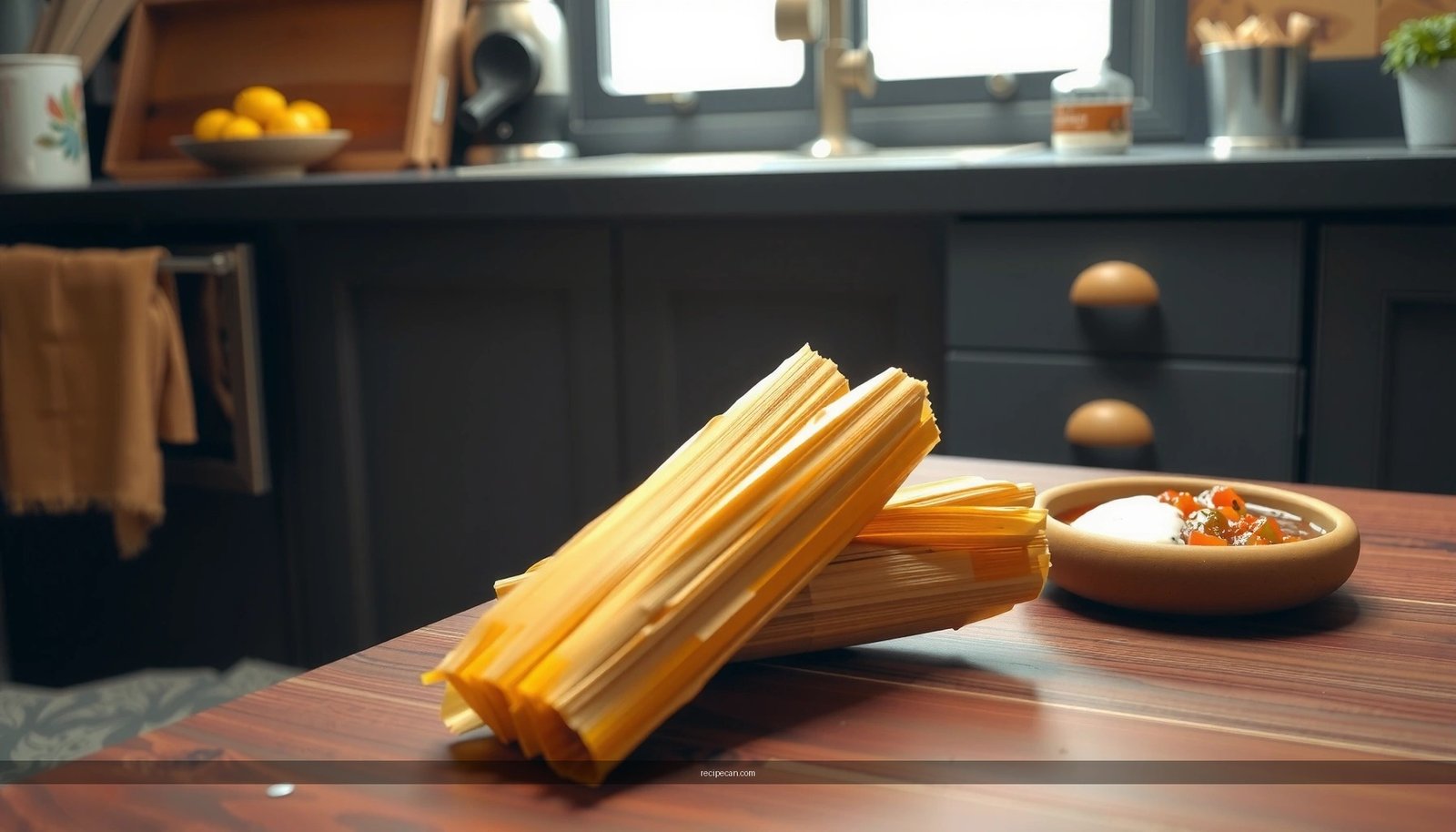
– Soak corn husks to prevent tearing and aid roll-up
Soak dried corn husks in warm water for at least 30–60 minutes, or until pliable. If they’re still stiff, they’ll crack when you fold. If they become overly soft and tear easily, you’ve soaked them too long—use flexibility cues: you want husks that bend without resistance.
To streamline assembly time, set up a towel-lined tray where finished tamales can rest upright while you continue wrapping the next batch.
Gluten-Free Masa Harina: How Different Types Affect Tamale Dough (Typical Home Results)
| # | Masa harina type (label) | Best for | Typical dough feel | Tamale set success | Result trend |
|---|---|---|---|---|---|
| 1 | 100% gluten-free corn masa harina | Classic pork/chicken tamales | Soft, spreadable, holds peaks | ★ 9/10 | Most consistent |
| 2 | Masa harina with “preserves freshness” additives | Larger batches | Slightly denser, needs more whipping | ★ 8/10 | Reliable with proper mix |
| 3 | Organic gluten-free masa harina | Veggie or bean fillings | Light, easy to spread | ★ 8/10 | Great flavor + texture |
| 4 | Gluten-free masa harina “instant” or fast-hydration | Quick weeknight tamales | Can be slightly stickier | ★ 7/10 | Good if dough rests |
| 5 | Masa harina blended for tortillas (may be “all-purpose”) but labeled GF | Smaller tamales | More elastic, less creamy | ★ 6/10 | Needs thinner spread |
| 6 | Gluten-free masa made with added sugar/sodium (rare) | Mild fillings | Over-seasoning risk | ★ 6/10 | Watch salt + steaming time |
| 7 | Gluten-free cornmeal (not masa harina) | Only if you’re experimenting | Gritty, less cohesive | ★ 3/10 | Often breaks apart |
Make the Gluten-Free Tamale Masa
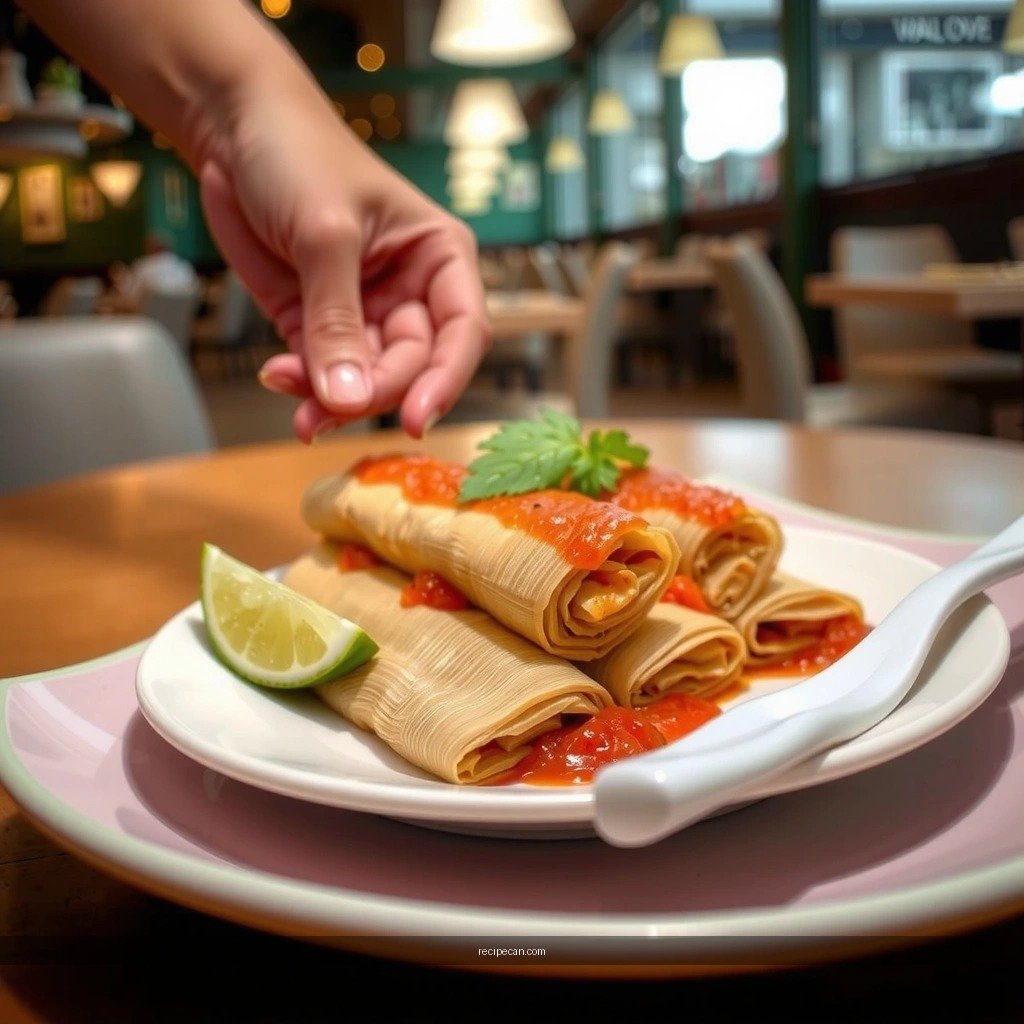
The masa (dough) is where gluten-free tamales succeed or fail. In gluten-free baking, texture is especially sensitive to hydration, mixing method, and fat balance—tamales are no exception.
– Mix masa harina with warm broth and salt until smooth
Start by combining gluten-free masa harina with warm broth a little at a time. Use warm (not boiling) liquid so the dough hydrates evenly. Salt should be added early so the masa seasons throughout, not just on the outside of the tamale.
– Keep the dough the right consistency—soft, spreadable, and not watery
The target texture is like soft cake frosting: spreadable with resistance. If it’s too thick, it will crack when folded; if it’s too loose, the filling can sink and create gummy centers. A good consistency check: when you spread masa on a husk, it should hold a thin layer without immediately pooling.
– Optional: whip in fat (like lard or a plant-based alternative) for tenderness
Whipping fat into masa improves mouthfeel and tenderness. Traditional tamales often use lard, but for a gluten-free and flavor-faithful option you can use:
– Refined coconut oil (neutral flavor)
– Plant-based shortening designed for baking
– Vegan butter (use sparingly; water content varies)
A practical approach: mix masa first to hydration, then whip in your fat until the dough turns lighter and easier to spread.
Prepare a Classic Tamale Filling
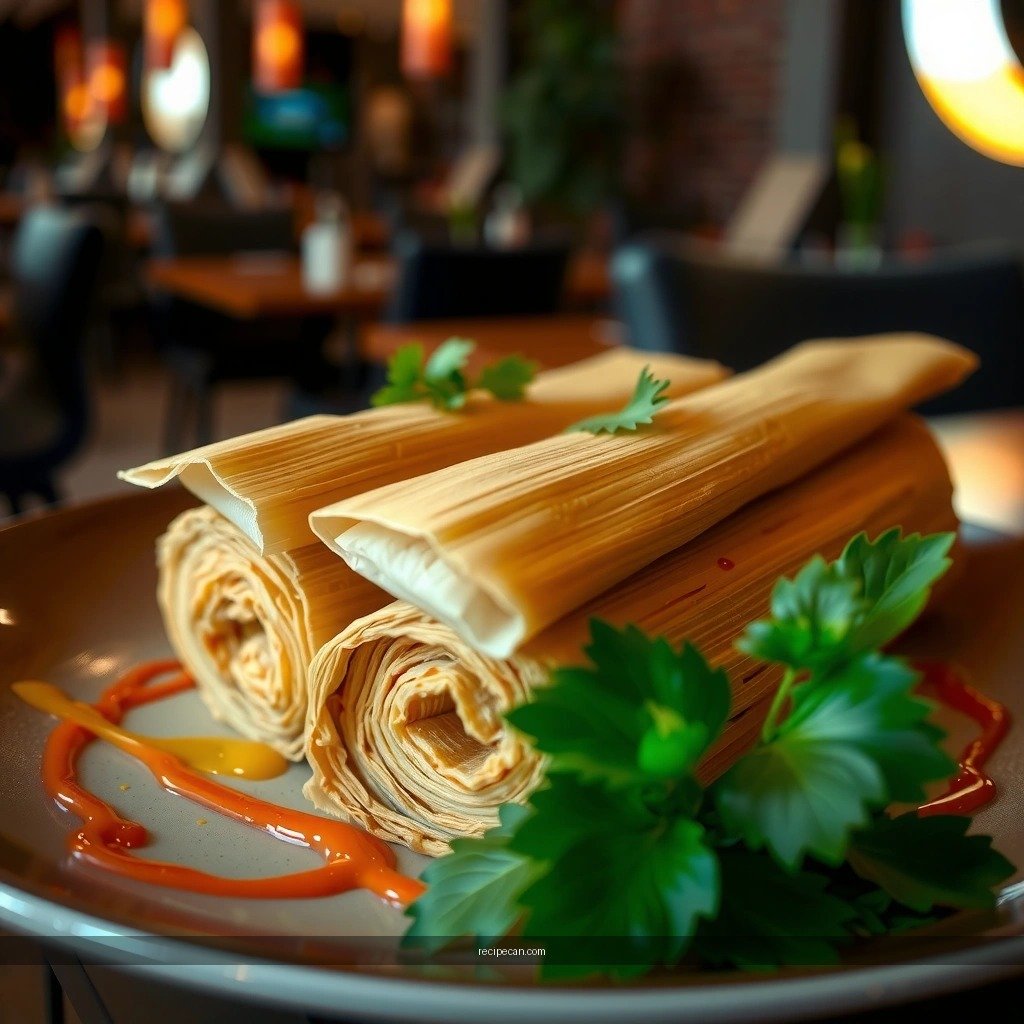
Your filling should taste “complete” on its own, but it should also complement the mild corn flavor of masa. For best results, cook the filling until thick enough to hold shape—watery fillings are a common cause of mushy tamales.
– Cook a savory filling (chicken, pork, beans, or veggies) until flavorful
Choose a classic profile:
– Chicken: braise with onion, garlic, cumin, chili powder, and salsa until tender; shred and simmer to reduce.
– Pork: slow-cook with roasted chilies, broth, and spices; simmer until saucy but not runny.
– Beans/Vegetables: use sautéed aromatics plus peppers, tomatoes, and broth; reduce to a thicker texture.
– Season well so the tamale tastes complete even with simple masa
Think of tamales as masa + filling + steam. If your filling is under-seasoned, the masa will dilute the flavor. Aim for a filling that tastes slightly bolder than you’d serve as-is, because some seasoning diffuses and gets balanced during steaming.
– Let the filling cool slightly before assembling to avoid soggy tamales
Assemble with fillings that are warm or cool—not piping hot. Excess heat plus moisture can soften masa before it sets. Cooling also makes it easier to portion without leaks.
Assemble Tamales Correctly
Assembling tamales is a technique problem as much as a recipe problem. Small changes—layer thickness, wrapping tightness, and portion size—have major effects on steaming and texture.
– Spread masa on husks, add filling, then fold and wrap
Lay soaked corn husks flat. Spread masa into a thin, even rectangle (or oval) leaving a margin so you can fold without pushing masa out. Add filling in a line down the center, then fold one side over and wrap snugly.
– Don’t overfill—use a thin, even layer for consistent steaming
Overfilled tamales take longer to steam and often end up with uneven texture: gummy masa near the center and dried edges. A consistent thin masa layer improves set timing and reduces the risk of sogginess.
– Secure with extra husk strips if needed for even shape
Tie or tuck the seam with a strip of husk. Uniform shape helps each tamale steam evenly. If you’re batch cooking, standardize: similar size, similar amount of filling, and similar masa thickness.
If you’re new to tamales, make one “test tamale” first. Once it sets properly, you’ll know your assembly thickness and filling portion are on target.
Steam the Tamales to Perfect Texture
Steaming is where tamales become tender and cohesive. For gluten-free masa, careful steaming matters because dough can transition from “soft” to “set” quickly once fully hydrated.
– Stand tamales upright with water below steaming level
A tamale steamer or a pot with a rack works well. Add water so it creates steam but does not submerge the tamales. Upright steaming helps prevent filling from migrating and keeps the dough from absorbing too much surface moisture.
– Steam until masa pulls away and tamales feel set (time varies by size)
Start checking around the midpoint of your expected cook time. The masa should look set and, when tested, feel firm enough to hold structure. A common indicator: the masa can begin to pull slightly away from the husk edges.
– Check periodically and add water if needed
Don’t let the steamer run dry. Keep a kettle or extra water nearby so you can maintain consistent steaming temperature. If your kitchen is dry or your pot lid doesn’t seal well, you’ll need more frequent checks.
Serving readiness: let tamales rest a few minutes after steaming before unwrapping. This helps the interior finish setting and makes the masa less prone to tearing.
Storage and Reheating Tips
Proper storage and reheating help gluten-free tamales retain moisture and avoid a dry, crumbly bite the next day.– Refrigerate cooked tamales and reheat gently to maintain moisture
Cool tamales fully, then store in the refrigerator in an airtight container. Reheat covered or wrapped to trap steam. If you microwave without moisture control, gluten-free masa can dry faster.
– Freeze wrapped tamales for longer storage; thaw before reheating
Freeze tamales individually or in small stacks wrapped to prevent freezer burn. Thaw in the refrigerator overnight for the most even reheating. Reheating from fully frozen can work, but it takes longer and may lead to uneven texture.
– Re-steam or microwave with a damp paper towel to prevent drying
Best texture: re-steam until hot and steamy throughout. Microwave works too—wrap tamales in a damp paper towel and heat in short intervals, flipping or rotating as needed.
A useful practice for meal prep: label freezer bags with filling type and date so you can rotate flavors without guessing.
After you’ve selected gluten-free masa harina, cooked a flavorful filling, and steamed until set, you’ll have tender gluten free tamales with great texture every time. Pick your favorite filling, follow the assembly and steaming steps closely, and adjust consistency as needed. Make a batch, share with friends, and try a second filling variation for your next meal prep win.
Frequently Asked Questions
What gluten free tamale masa is best for making tamales that hold together?
The most reliable option is masa harina labeled “gluten-free,” since traditional masa blends can sometimes contain wheat-based additives. Look for a fine grind and no “may contain wheat” warnings if you’re avoiding gluten strictly. For best structure, use warm gluten free chicken or vegetable broth and follow the recommended hydration so the gluten free tamale masa is spreadable but not runny.
How do I make gluten free tamales that aren’t dry or crumbly?
Start by ensuring your masa is properly hydrated and whipped until light, which helps the gluten free tamale masa steam evenly. Wrap tamales tightly in gluten free-friendly husks (or parchment if needed) and steam them long enough to fully set the center. If your tamales have been dry, increase moisture slightly in the gluten free tamale recipe and verify the steamer maintains consistent steam rather than cycling on and off.
Why do gluten free tamales sometimes fall apart, and how can I prevent it?
Gluten-free masa tamales can be fragile if the masa lacks enough moisture, isn’t mixed thoroughly, or if the filling is too wet. To prevent breaking, mix until the masa has a smooth, spreadable texture and let it rest briefly so it hydrates. Also drain watery fillings (like overly saucy tomatillos) before assembling gluten free tamales.
Which gluten free tamale fillings work best for traditional flavor?
Classic fillings like shredded chicken in red chili sauce, pork in green salsa, and cheese-based fillings tend to work well in gluten free tamale recipes because they’re flavorful and easy to portion. If you want a richer option, try mole—just simmer the sauce until it thickens so the gluten free tamales don’t get soggy. For vegetarian gluten free tamales, use sautéed peppers and onions or black beans with a thickened sauce for better hold.
Best steaming method for gluten free tamales—what should I do step by step?
Use a steamer that keeps a steady simmer without letting water touch the tamales directly; this ensures even cooking for gluten free tamale masa. Place tamales seam-side down (or as instructed for your husk style) and cover tightly so steam circulates consistently. Steam until the tamales are firm and the masa pulls away slightly from the wrapper, then let them rest before unwrapping to improve sliceability and texture.
References
- Tamale
https://en.wikipedia.org/wiki/Tamale - Masa
https://en.wikipedia.org/wiki/Masa_harina - Gluten-free diet
https://en.wikipedia.org/wiki/Gluten-free_diet - https://www.fda.gov/food/food-labeling-nutrition/final-rule-gluten-free-food-labeling
https://www.fda.gov/food/food-labeling-nutrition/final-rule-gluten-free-food-labeling - Celiac Disease – NIDDK
https://www.niddk.nih.gov/health-information/digestive-diseases/celiac-disease - Celiac Disease | MedlinePlus
https://medlineplus.gov/celiacdisease.html - https://www.cdc.gov/celiac/index.html
https://www.cdc.gov/celiac/index.html - Google Scholar Google Scholar
https://scholar.google.com/scholar?q=gluten-free+tamales+recipe - Google Scholar Google Scholar
https://scholar.google.com/scholar?q=masa+harina+gluten-free+tamales - Google Scholar Google Scholar
https://scholar.google.com/scholar?q=celiac+disease+gluten-free+corn+products+tamales