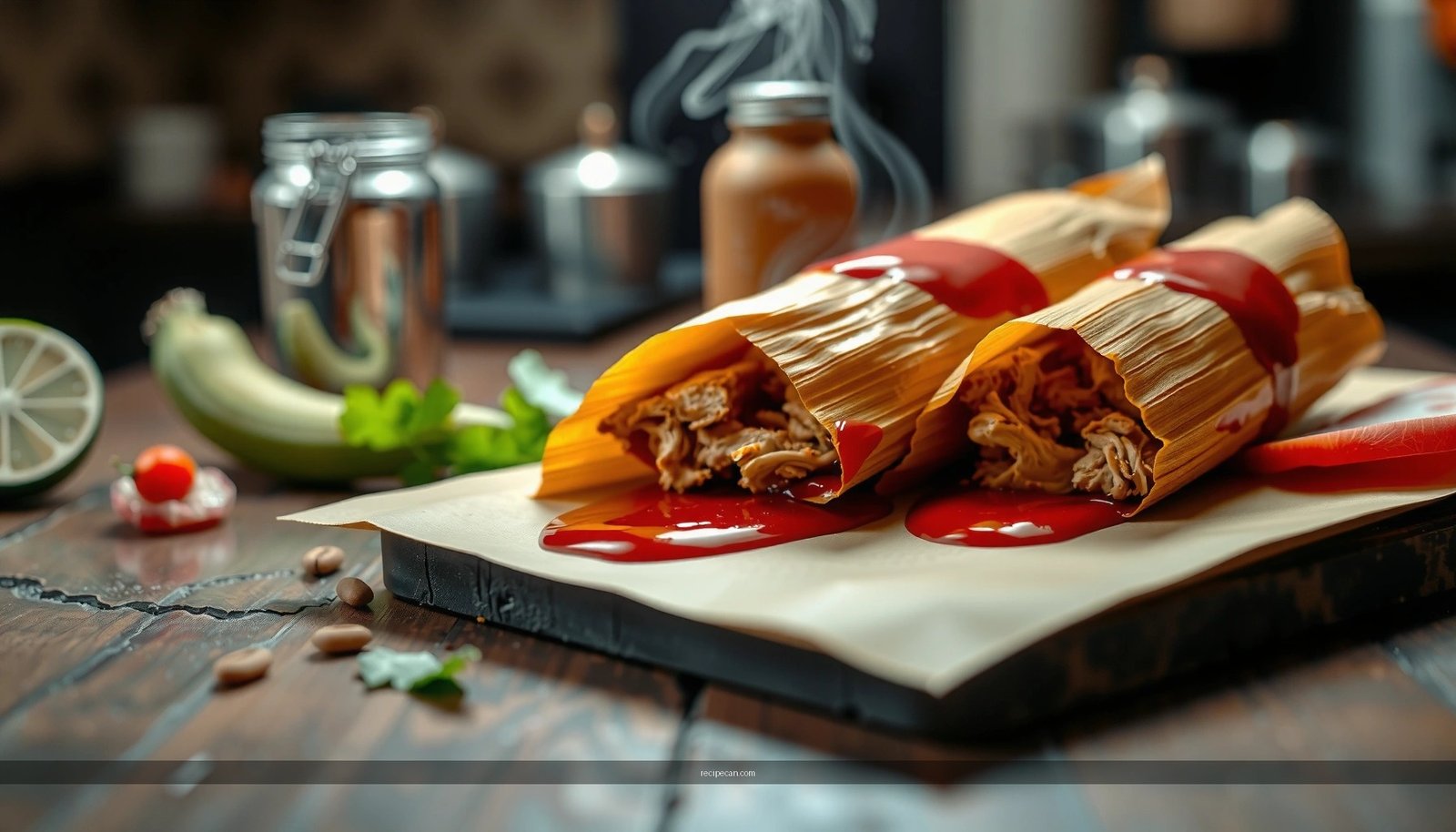
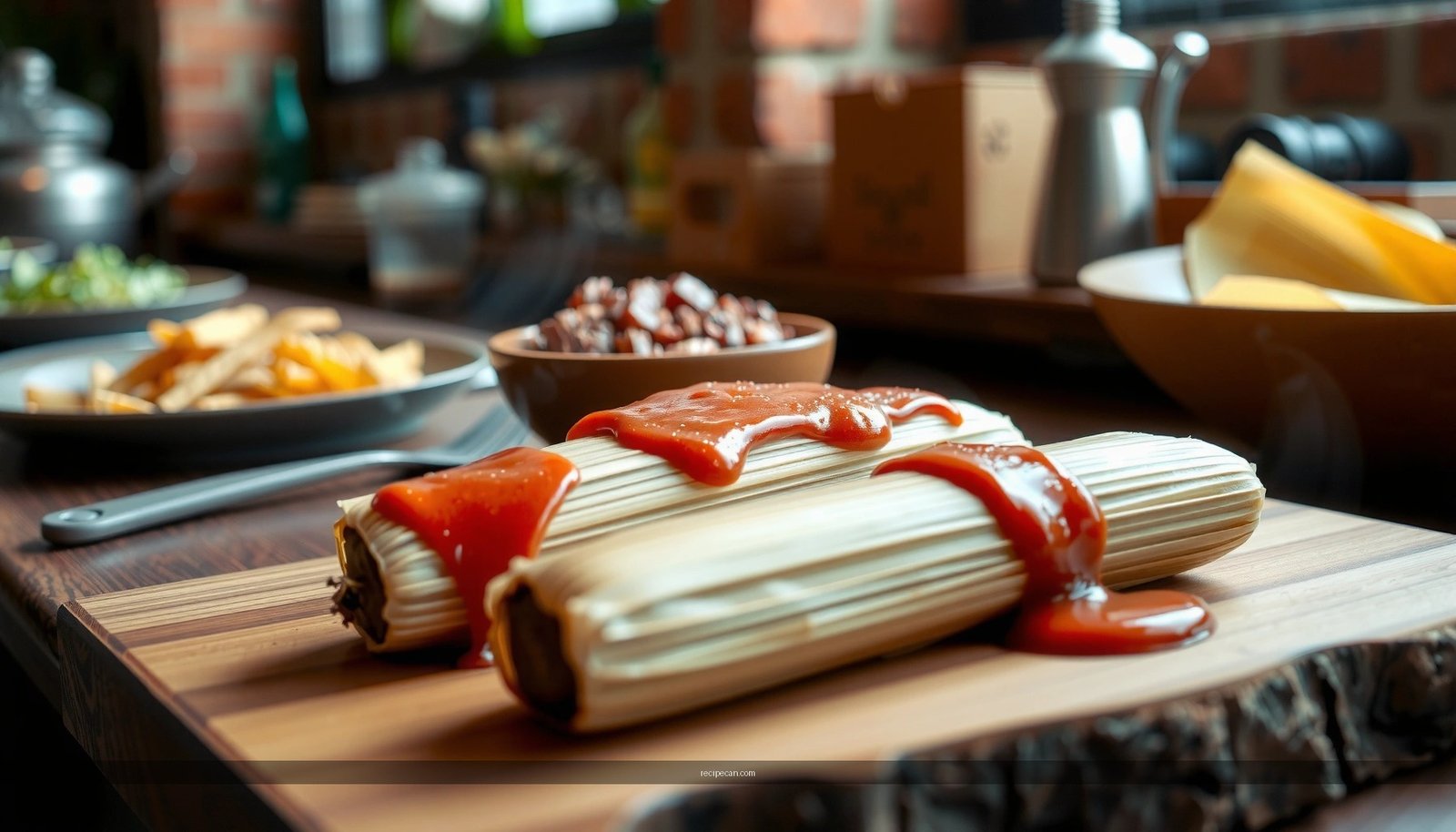
Get the best Mexican tamales recipe from scratch with a method that produces tender masa, flavorful filling, and tamales that don’t fall apart—every time. This step-by-step guide answers one question: how to make authentic, restaurant-quality tamales at home without shortcuts. Follow the exact ingredients, technique, and steaming timing, and you’ll know the right consistency and doneness to look for before you serve.
Yes—you can make restaurant-quality Mexican tamales from scratch by using masa harina for a consistent, smooth masa and steaming until the masa reliably pulls away from the husk. This guide walks you through every high-impact step—ingredient prep, dough texture control, flavorful pork or chicken fillings, careful assembly, and the exact steaming process—so your tamales come out tender, fully cooked, and easy to serve.
Essential Ingredients for the Best Mexican Tamales Recipe
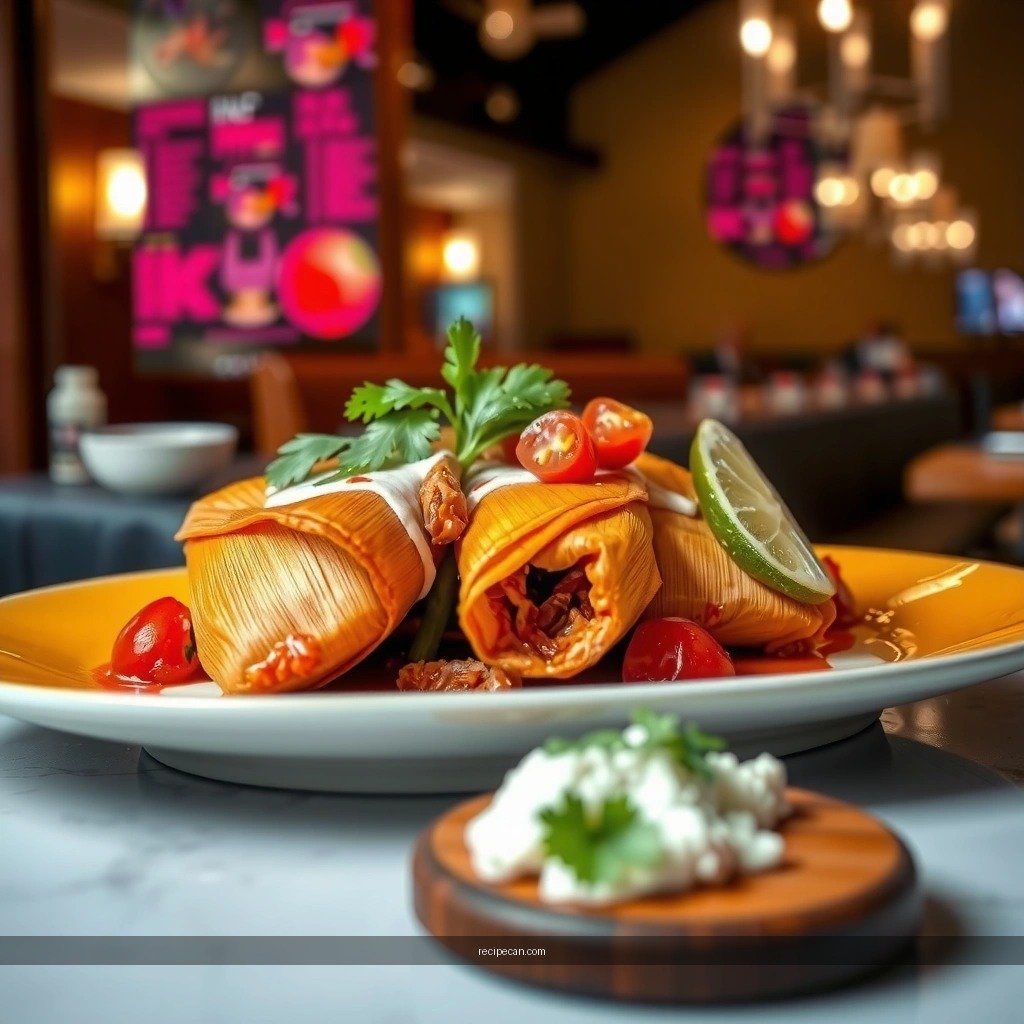
– Masa harina, pork/chicken, and dried corn husks are the foundation
– Use the right seasonings (garlic, chili sauce, cumin) for deep flavor
The “best Mexican tamales recipe” question usually isn’t about fancy extras—it’s about ingredient accuracy and preparation discipline. Here’s what matters most:
1) Masa harina (the core of great tamales)
Look for masa harina labeled for tamales. This is dried masa dough that rehydrates into a smooth, workable dough. Compared with fresh masa, masa harina is easier to control batch-to-batch and holds moisture well during steaming.
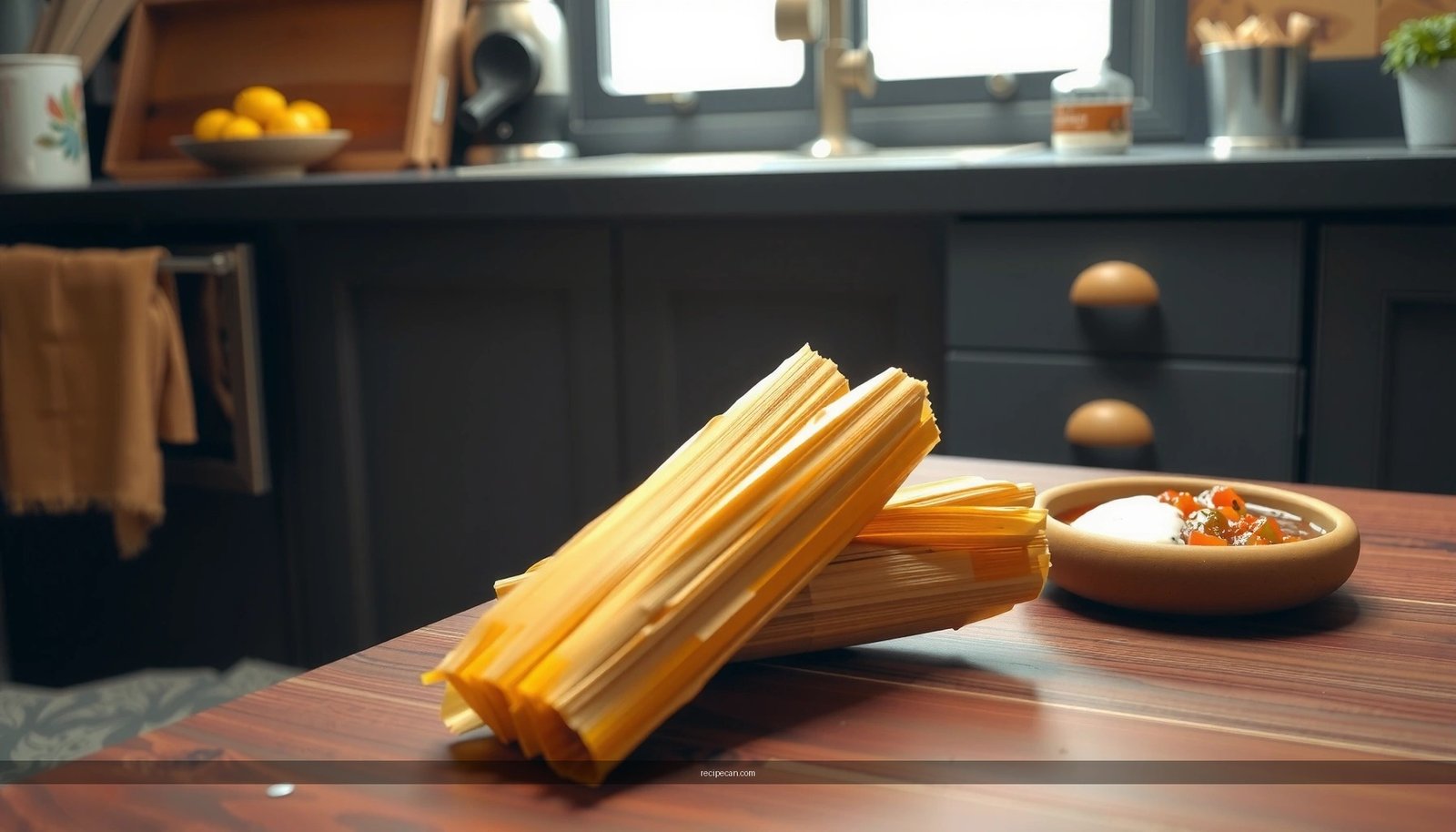
2) Dried corn husks (structure + steam cooking)
Corn husks act like a wrapper that also steams the masa gently. Choose husks that are flexible but not brittle. If they tear easily, they’ll cause messy folds and uneven cooking.
3) Pork or chicken (flavor + fat + shredability)
– Pork (often shoulder) brings richness and a classic tamale mouthfeel.
– Chicken works beautifully when simmered with aromatics and sauce so it doesn’t dry out.
4) Seasonings that build “tamale depth”
Tamale filling isn’t bland by accident—it’s flavorful because the seasoning layers distribute throughout the meat and sauce:
– Garlic for aromatic backbone
– Cumin for warmth and earthiness (especially with chili sauces)
– Chili sauce / dried chiles for that roasted, savory heat
Optional but common: oregano, bay leaf, and a touch of acid (like tomato or a splash of vinegar) to brighten the filling.
When ingredients are right, the process is simpler
Once your masa harina hydrates correctly and your filling stays moist, steaming becomes the final checkpoint—not a guessing game.
—
Steaming Checkpoints for Classic Corn-Husk Tamales (Do-Not-Understeam)
| # | Steam Time (from first boil) | Masa Status | What You Can Test | Outcome Rating |
|---|---|---|---|---|
| 1 | 30 minutes | Setting begins | Visual steam-in-place only | ★★★☆☆ |
| 2 | 60 minutes | Mass firms up | Gentle husk peel attempt (light) | ★★☆☆☆ |
| 3 | 90 minutes | Most tamales partially set | Check one tamale for pull-away edge | ★★★☆☆ |
| 4 | 120 minutes | Typically near-done | Center should feel set | ★★★★☆ |
| 5 | 150 minutes | Pull-away test often passes | Masa releases cleanly from husk | ★★★★★ |
| 6 | 180 minutes | Fully cooked for most batches | No sticky masa residue | ★★★★☆ |
| 7 | 210 minutes | May be over-softening | Texture can get fragile | ★★★☆☆ |
—
Prepare the Tamale Dough (Masa) Correctly

– Mix masa harina with broth and salt until spreadable and smooth
– Fold in whipped fat (or lard) for a lighter, richer masa texture
Tamale success is largely masa engineering. Two common mistakes lead to disappointing results: dough that’s too thick (hard, dry tamales) or dough that’s too loose (soupy masa that won’t hold structure). Use the texture cues below instead of guesswork.
1) Rehydrate masa harina with hot broth
Stir masa harina with warm broth (chicken or pork) plus salt until it turns into a smooth, spreadable paste. The dough should look like thick cake batter—able to spread but not run.
2) Beat in fat for aeration and tenderness
Traditional tamales often use lard. For a lighter texture, whip the fat (or a compatible fat) until fluffy, then fold it into the masa. This step improves:
– Tenderness (less dense crumb)
– Moisture retention during steaming
– That classic tamale “melt” when you bite
3) Check consistency before assembling
Use a spoon test: lift a spoonful—if it slowly settles and holds ridges, you’re close. If it splashes or spreads instantly, add a little more masa harina. If it looks dry and won’t smooth out, add broth a tablespoon at a time.
4) Rest the masa briefly (optional but helpful)
Let the masa sit for 10–20 minutes so hydration finishes. This makes spreading easier and reduces lumps.
—
Make Flavorful Tamale Fillings

– Cook and season pork or chicken until tender, then shred and simmer
– Keep the filling moist so it stays flavorful during steaming
A great tamale filling is not just cooked meat—it’s seasoned, saucy, and evenly distributed so every bite tastes complete even after hours of steaming.
Pork filling approach
1) Brown or season the pork first (garlic, onions, chili base).
2) Simmer until tender so shredding is easy—typically around 60–90 minutes depending on cut size.
3) Shred and simmer again with sauce to coat the meat.
Chicken filling approach
Chicken is leaner, so it needs extra attention:
1) Simmer chicken until tender.
2) Shred.
3) Return to the pot with sauce and enough liquid to stay glossy, not watery.
Keep filling moist without making tamales soggy
You want filling that looks like thick stew, not thin broth. If your sauce pools heavily, the masa can steam unevenly and feel heavy.
Practical rule:
If you spoon filling into the palm, it should cling and hold shape for a moment before slowly relaxing. That texture holds up inside the husk.
—
Assemble Tamales Step-by-Step
– Soak husks, spread masa evenly, add filling, then fold securely
– Aim for consistent thickness so every tamale cooks at the same rate
Assembly is where your tamales become uniform—and uniform cooking is what turns “good” tamales into “great” tamales.
1) Soak corn husks
Soak until pliable (often 30 minutes to 2 hours depending on husk dryness). If they still feel stiff, steam-time performance drops because the husk won’t seal and wrap snugly.
2) Spread masa evenly
Use the back of a spoon or small spatula. Too much masa in one spot can cause undercooked centers while thinner areas overcook.
3) Portion the filling carefully
Add filling lengthwise where the tamale will fold. Don’t overfill; it can leak and cause seams to open.
4) Fold securely
Tie or fold in a way that holds the masa and filling inside. If you’re new, prioritize consistency over speed.
5) Arrange for predictable steaming
When you load the steamer, keep thickness similar across the batch. This reduces the risk of one corner being done early while another stays raw.
—
Steam Tamales Until Perfectly Cooked
– Arrange tamales upright with water below the steamer rack
– Steam until set and the masa pulls away easily (typically 1.5–2.5 hours)
Steaming is the final conversion step: masa becomes tender, and the internal filling becomes fully integrated and flavorful.
1) Set up your steamer correctly
Use a steamer with a rack so water level stays below the tamales. You want sustained steam, not boiling water that could splash or over-wet husks.
2) Keep steam consistent
Once boiling begins, reduce to a steady simmer. The goal is uninterrupted steam for even cooking.
3) Steam until the masa pulls away
This is the real doneness test for tamales:
– The masa should look set and hydrated, not gummy.
– The wrapper edge should release without tearing.
– A husk peel test should show clean separation.
Typical timing: 1.5–2.5 hours, depending on tamale size, masa thickness, and how full the steamer is. If your tamales are thick or packed tightly, plan toward the longer end.
4) Don’t remove the lid too often
Every lid opening releases steam and can extend cooking. Check one tamale early (around the time you first start seeing setting), then commit to your remaining time based on that result.
—
Serving, Storing, and Reheating Tamales
– Serve with salsa, queso fresco, or crema for classic flavor
– Refrigerate or freeze, then reheat by steaming to keep them tender
Once tamales are cooked, presentation and reheating technique determine whether they taste just-made or merely “okay.”
Serving ideas that match classic Mexican tamale profiles
– Salsa roja or salsa verde for brightness
– Queso fresco for salty creaminess
– Mexican crema for smooth richness
Optional: sliced radishes, chopped onion, or a squeeze of lime for contrast.
How to store
– Refrigerate in an airtight container for up to a few days.
– Freeze tamales in freezer-safe bags or containers for longer storage.
Best reheating method: re-steam
Microwaving can dry masa or create uneven texture. For best results:
1) Re-steam tamales until hot throughout.
2) Keep them covered to trap moisture.
Re-steaming restores the tender bite you associate with freshly cooked tamales—and it’s the easiest way to preserve quality.
—
After one batch, you’ll know the key signs of great tamales—smooth masa, well-seasoned filling, and steaming until the masa releases cleanly. Follow the steps above, then taste, adjust seasoning next time, and make a double batch so you can enjoy easy reheated tamales all week—share your results or try a different filling variation!
Frequently Asked Questions
What is the best Mexican tamales recipe for beginners?
The best Mexican tamales recipe for beginners uses a simple masa base (masa harina, warm broth or water, baking powder, salt, and a little fat) and a straightforward filling like shredded chicken in salsa verde. Start by learning the right masa consistency—spreadable but not runny—and steam until the tamales release easily from the husks. Use fresh or well-soaked corn husks so they don’t tear, and follow a consistent steaming time to avoid dry masa.
How do I make the masa for Mexican tamales light and fluffy?
For fluffy masa, whip or beat the masa harina with warm broth and fat until it becomes smooth and slightly airy. Many cooks use baking powder to help with texture, and the key is getting the batter to a spreadable, not sticky-thick consistency. If possible, do the “float test” (a small dab of masa should float in water) to confirm the masa is aerated enough.
Which filling is best for classic Mexican tamales—chicken, pork, or cheese?
The best filling depends on what flavor profile you want, but classic Mexican tamales most often use chicken or pork with a flavorful sauce. Chicken tamales with salsa verde are bright and crowd-pleasing, while pork tamales with red or mole-style sauces are richer and more traditional for many regions. Cheese tamales work well if you want a milder option, but they usually pair best with something tangy like roasted salsa to keep the filling flavorful.
Why are my tamales coming out dry or gummy?
Dry tamales usually come from under-steaming or overly thick masa that doesn’t steam evenly, while gummy tamales often result from too much moisture during mixing or steaming too briefly. Make sure you have enough liquid in the steamer and steam covered consistently, checking occasionally for steady steam rather than lifting the lid constantly. Also, confirm you’re using the right ratio for masa harina to liquid—too much broth can make tamales gummy, while too little leads to dryness.
Best method for steaming Mexican tamales: how long should I cook them?
In most cases, the best steaming time for Mexican tamales is about 1 to 2 hours, depending on tamale size, how tightly they’re packed, and your steamer setup. Plan to steam until the masa is fully set and the tamales easily peel away from the corn husks, with no wet or doughy center. If you’re making a large batch, rotate the pot position partway through for even cooking.
References
- Google Scholar Google Scholar
https://scholar.google.com/scholar?q=best+mexican+tamales+recipe - Google Scholar Google Scholar
https://scholar.google.com/scholar?q=how+to+make+tamales+masa+harina+nixtamalization - Google Scholar Google Scholar
https://scholar.google.com/scholar?q=traditional+Mexican+tamales+corn+husks+steaming+technique - Tamale
https://en.wikipedia.org/wiki/Tamale - https://www.britannica.com/topic/tamale
https://www.britannica.com/topic/tamale - Masa
https://en.wikipedia.org/wiki/Masa_harina - Nixtamalization
https://en.wikipedia.org/wiki/Nixtamalization - Husk
https://en.wikipedia.org/wiki/Corn_husk - Mole (sauce)
https://en.wikipedia.org/wiki/Mole_poblano - Chili con carne
https://en.wikipedia.org/wiki/Chile_verde