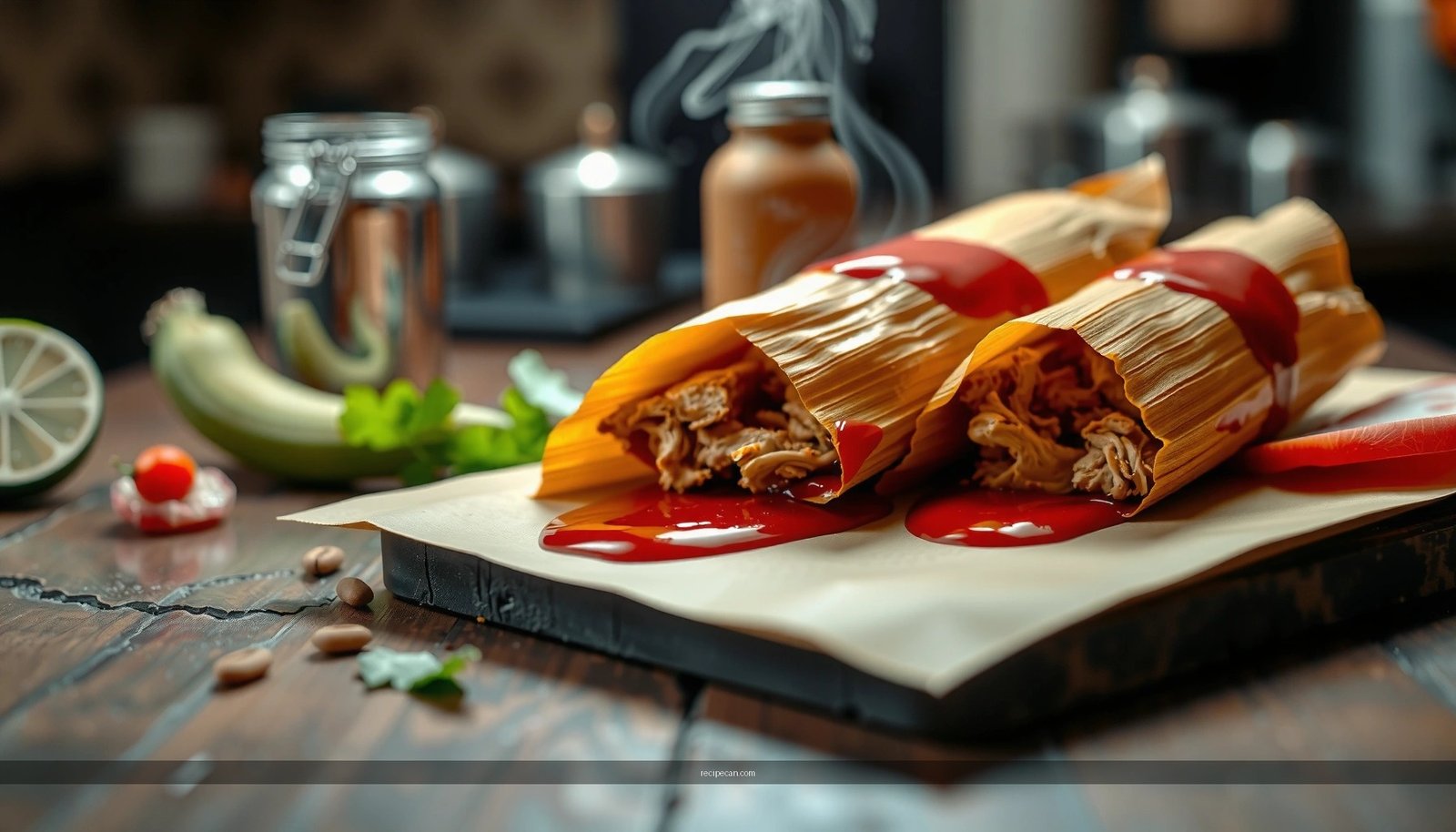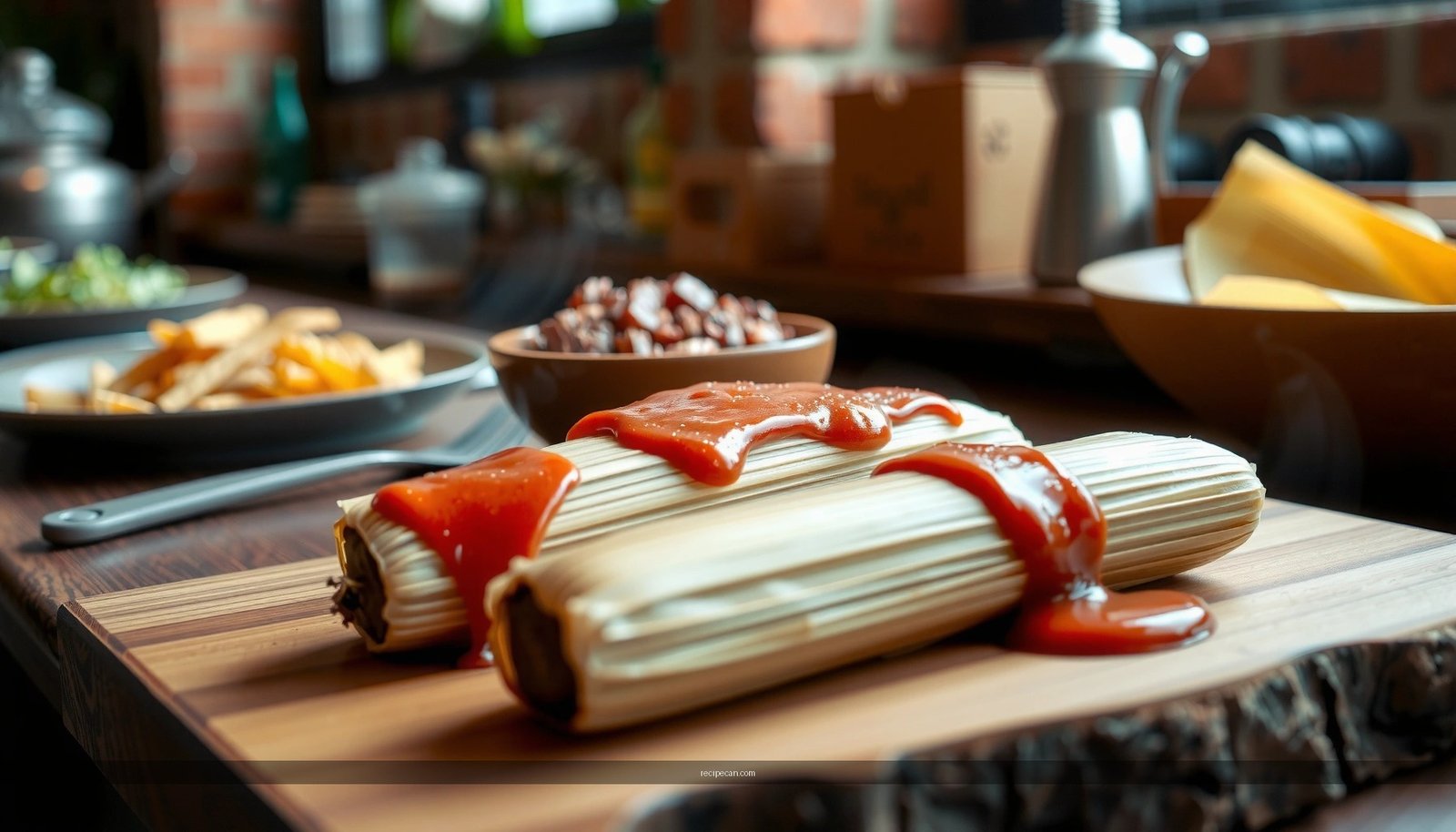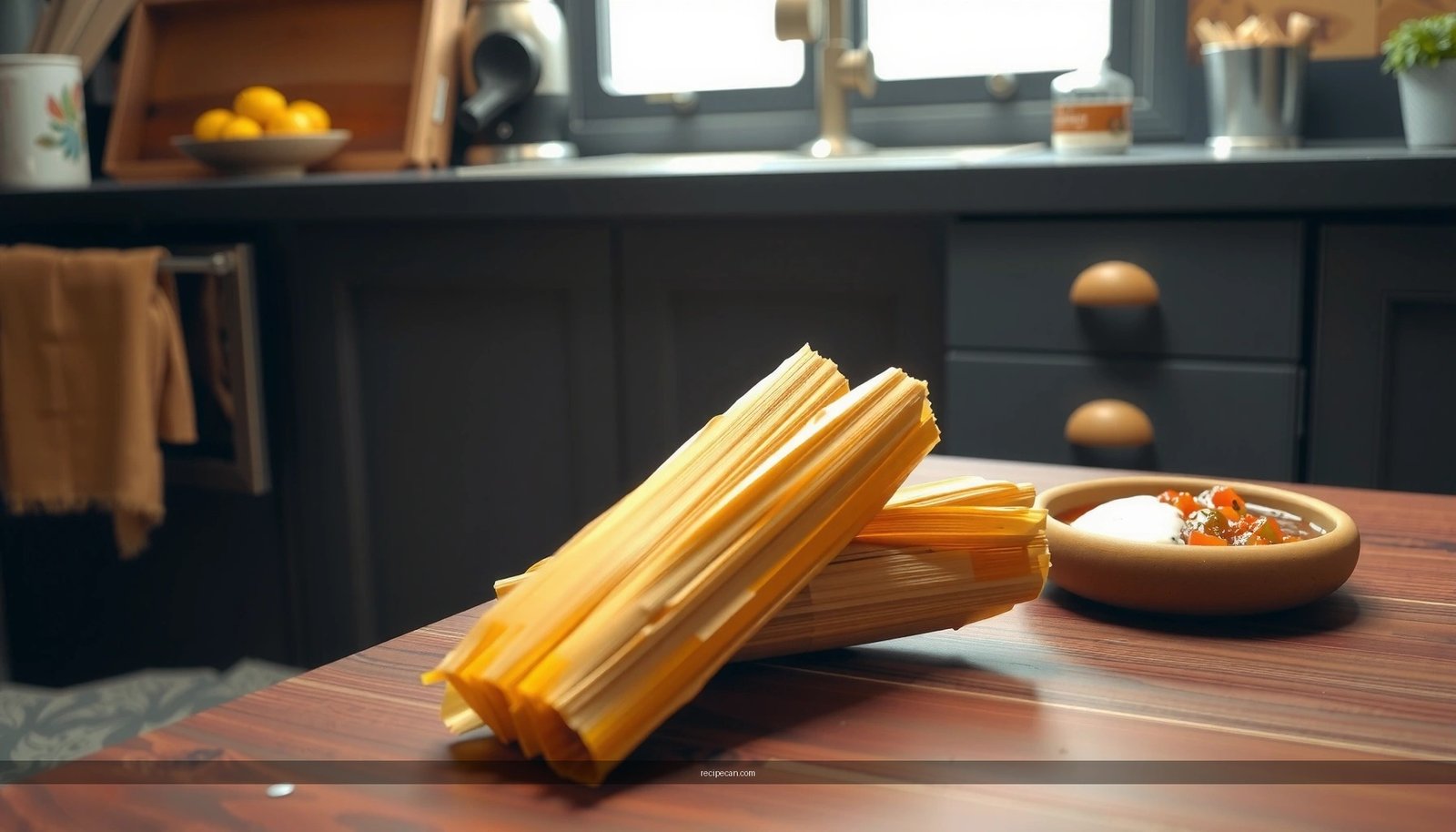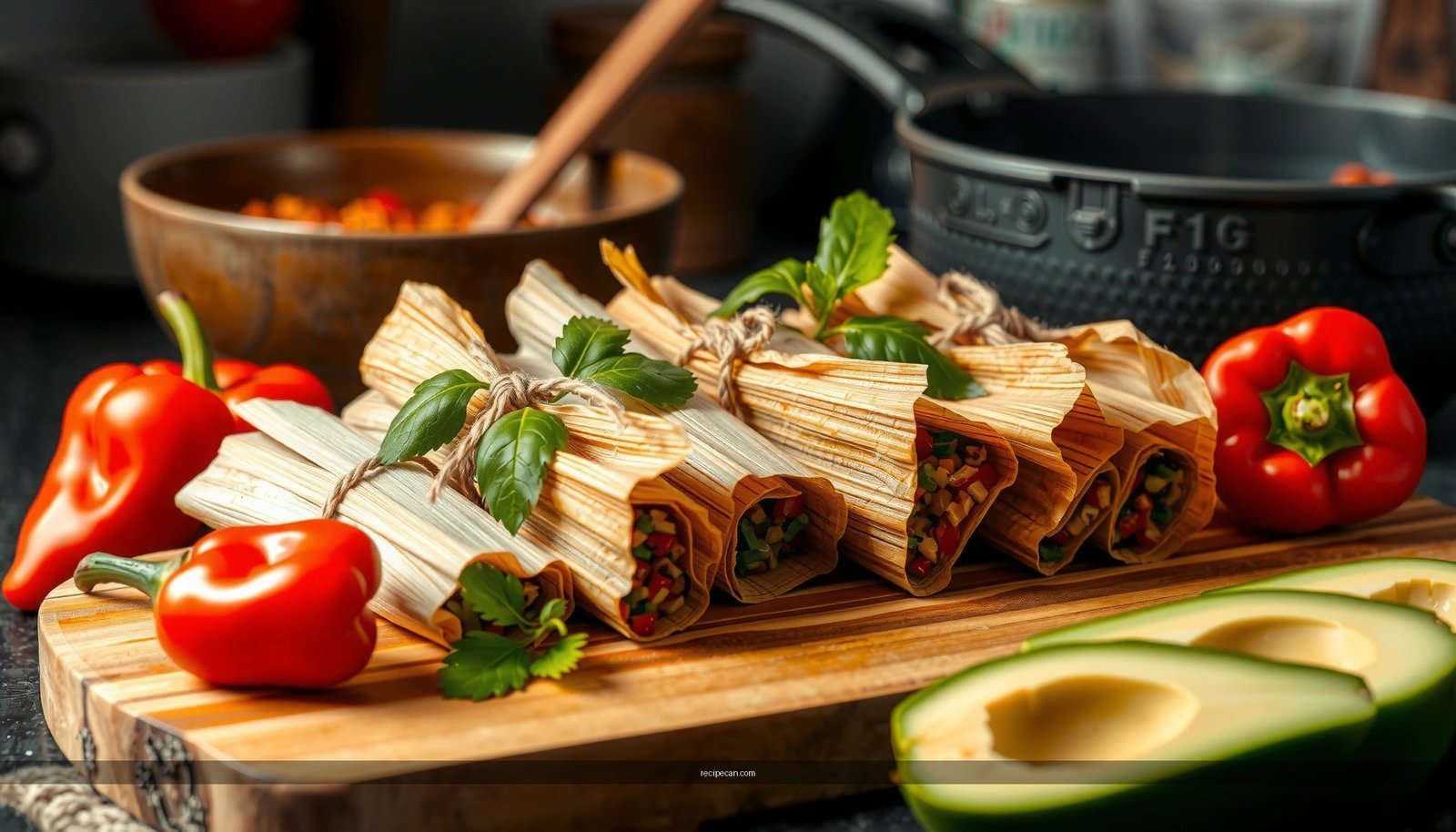
This vegetable tamales recipe delivers flavorful homemade tamales with the right masa texture and a filling that actually tastes lively, not bland. You’ll get clear, step-by-step instructions for steaming tamales without cracking or soggy wrappers, plus timing so you can nail a tender result the first time. If you want vegetable tamales that compete with the best traditional batches, start here.
Make vegetable tamales at home by building masa with well-seasoned, sautéed fillings and steaming until the dough releases cleanly from the corn husk. If you focus on three things—proper masa texture, low-water vegetable filling, and steady steaming—you’ll get consistent, flavorful tamales every time.
Choose Your Vegetables and Seasonings
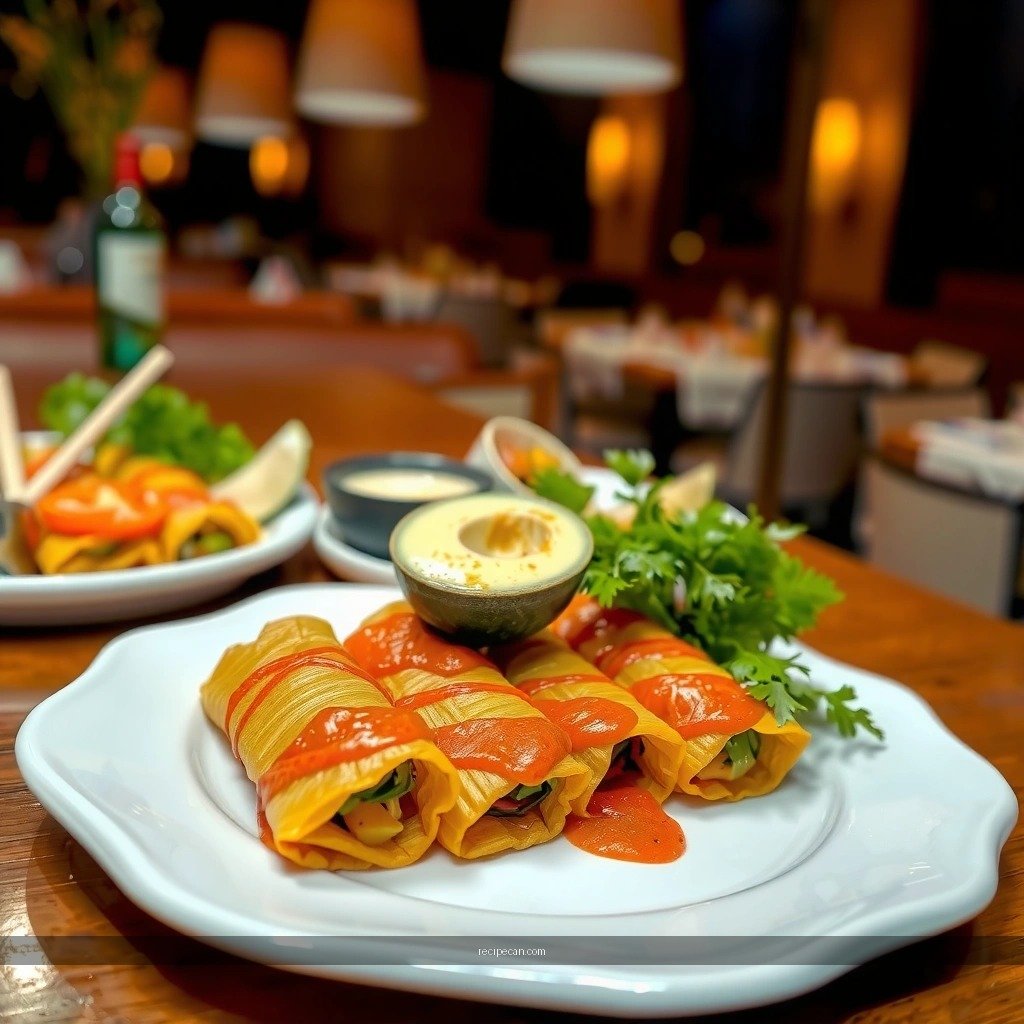
The best vegetable tamales balance two competing requirements: hearty texture and bold, tamale-style seasoning. Because tamales are steamed (not baked), watery vegetables can dilute the masa and create a gummy interior. Choose vegetables that hold their shape and release flavor instead of excess liquid.
Best veggie candidates (by texture and steam performance):
– Corn: Sweet bursts and a natural tamale flavor profile.
– Bell peppers (red/green): Crisp-tender bite with mild sweetness.
– Onions: Build depth and sweetness once sautéed.
– Zucchini or calabacita: Great volume and tenderness—use moderate amounts and sauté thoroughly.
– Spinach or chard: Adds color and nutrients; always cook down to remove moisture.
Seasonings that read “tamales” rather than “sauté”:
– Garlic (fresh or paste): Aromatic backbone.
– Cumin: Earthiness that pairs with corn and peppers.
– Chili powder: Gentle heat and smoky color.
– Salt: The non-negotiable driver of perceived flavor; under-salt will taste flat after steaming.
Actionable flavor tip: season in two stages—first lightly while sautéing, then taste the filling after cooking. The goal is for the filling to taste *slightly more seasoned than you’d expect*, because steaming softens intensity.
Suggested seasoning profile (foundation):
– 1–2 cloves garlic, minced
– 1 tsp ground cumin
– 1–1½ tsp chili powder (or to taste)
– 1–1¼ tsp kosher salt per filling batch (adjust to your quantity)
—
Vegetable Moisture Management for Tamale Fillings (Practical Targets)
| # | Vegetable | Steam-Water Risk | Sauté Time Tip | Recommended Finish | Tamale Results |
|---|---|---|---|---|---|
| 1 | Corn kernels | Low | 6–8 min | Dry-frying, lightly browned | ★★★★★ |
| 2 | Bell peppers | Medium | 8–10 min | Tight, glossy—not watery | ★★★★☆ |
| 3 | Onions | Low | 10–12 min | Caramelized edges | ★★★★★ |
| 4 | Zucchini | High | 12–16 min | Evaporated and slightly browned | ★★★☆☆ |
| 5 | Spinach | High | 6–9 min | Cooked down; squeeze if needed | ★★★☆☆ |
| 6 | Mushrooms | Medium | 10–14 min | Sauté until most liquid cooks off | ★★★★☆ |
| 7 | Green chilies | Low | 3–5 min | Stir until fragrant | ★★★★☆ |
Prepare the Masa for Tamales
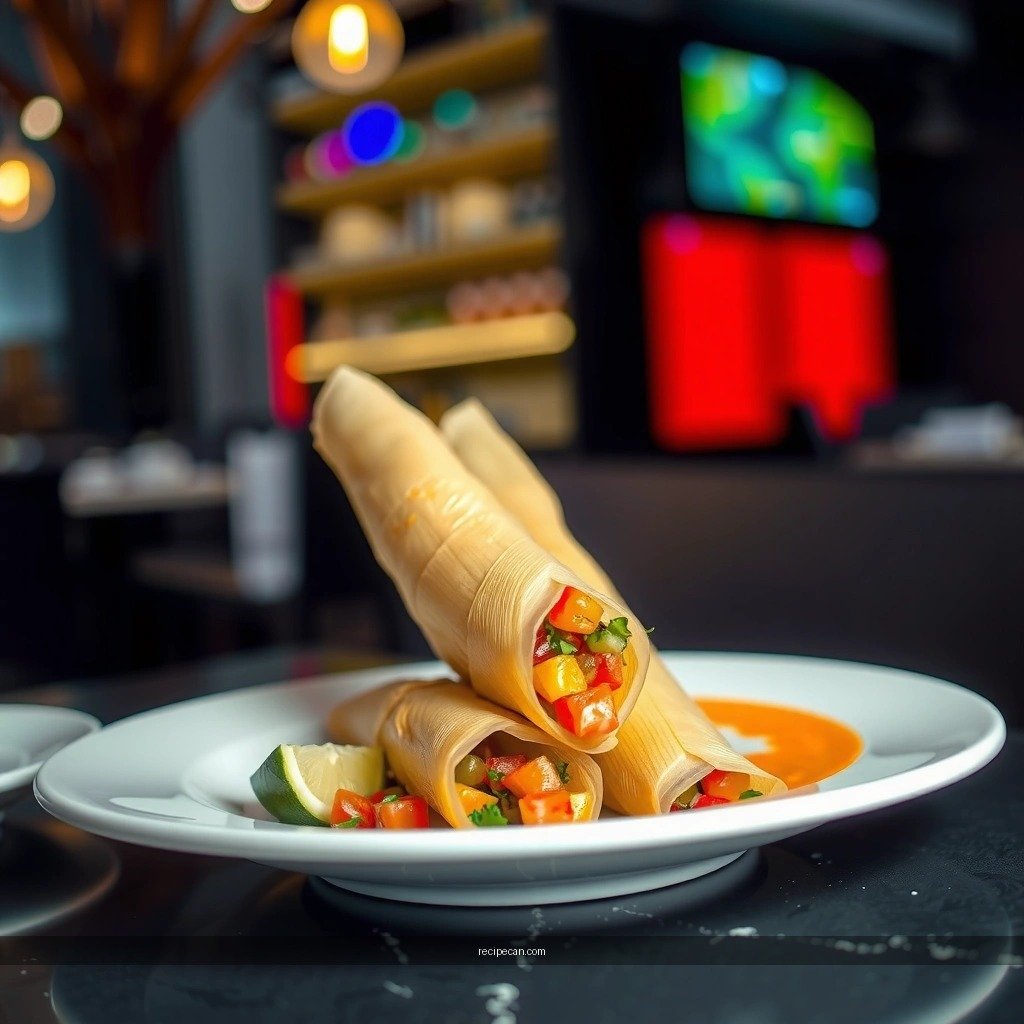
Masa is the structure of your tamales, so your consistency matters more than most ingredients. For vegetable tamales, aim for a dough that spreads smoothly and holds its shape—soft, cohesive, and not runny.
Choose the right base:
– Use masa harina (not cornmeal). Masa harina is processed for tamales and tortillas and will steam correctly.
Liquid ratio and texture control:
– Start with the liquid amount recommended on your masa harina package, then adjust gradually.
– The dough should look like thick frosting: spreadable but not watery.
Add fat for tenderness and stability:
– Traditional options: lard (classic, tender)
– Modern options: neutral oil (still works, slightly different flavor)
– Fat helps masa:
– stay moist during steaming
– resist cracking
– release cleanly when done
Mixing method that reduces lumps:
1. Mix masa harina with warm water first until smooth.
2. Rest 5–10 minutes (hydrates flour evenly).
3. Mix again and incorporate fat thoroughly until the dough becomes silky and cohesive.
Quick quality checks:
– If your masa tears when spread, it’s too dry—add water 1 tbsp at a time.
– If it smears like a paste, it’s too wet—add masa harina 1–2 tbsp at a time.
Cook the Vegetable Filling
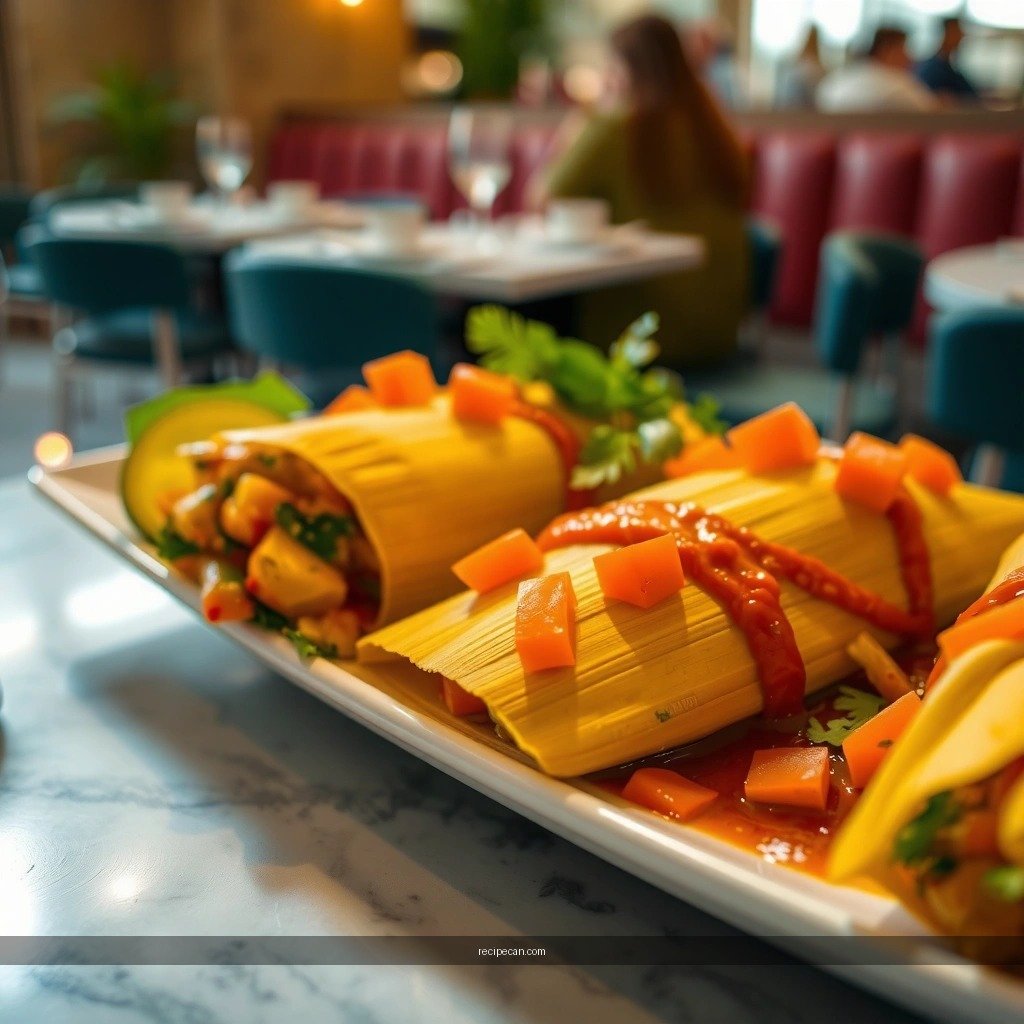
A flavorful vegetable filling should be intensely seasoned but also low in free moisture. During steaming, any excess liquid becomes steam pressure inside the tamale, which can loosen the masa and make the center feel mushy.
Sauté strategy:
– Cook onions first until translucent, then add peppers and garlic.
– Add firmer vegetables (corn, mushrooms) and sauté until they begin to brown.
– For high-water vegetables (zucchini, spinach), cook longer than you think—until the pan looks drier and the vegetables appear slightly caramelized.
Taste and adjust before assembly:
– Your filling should taste “finished” on its own—salt, chili powder, and cumin should be clearly detectable.
– Optional depth boosters:
– a pinch of smoked chili powder
– a squeeze of lime for brightness
– chopped cilantro for freshness (stir in after cooking)
Consistency target: the filling should mound on a spoon and leave minimal liquid in the bottom of the pan. If you see pooling, keep sautéing until it evaporates.
Assemble the Tamales
Assembly is where tamales turn from “ingredients” into “results.” Consistency in portions and wrapping creates even steaming and predictable texture.
Husk prep matters:
– Use dried corn husks and soak them in warm water until pliable.
– Remove any stiff stems or brittle tips that tear during folding.
Spreading the masa:
– Pat masa into an even layer—typically ¼ inch to slightly less—leaving a margin around edges.
– Too thick = long steaming and gummy interior.
– Too thin = less structure and less flavor per bite.
Filling placement:
– Spoon a line of vegetable filling down the center.
– Keep the filling off the edges so it doesn’t push masa outward and leak during steaming.
Fold and tie:
– Fold husk sides toward the center (or wrap securely based on your style).
– Tie with kitchen twine if necessary for stability.
Quality control before steaming:
– Ensure seams face the same direction within your steamer.
– Arrange tamales upright or in a way that allows steam circulation around each one.
Steam the Vegetable Tamales
Steaming is a precision process—not because it’s complicated, but because it’s easy to rush or overfill the pot. The goal is steady simmering and controlled steam contact.
Steam setup and heat:
– Use a steamer pot with enough water to generate consistent steam but not enough to boil directly against tamales.
– Maintain a steady simmer; aggressive boiling can cause uneven cooking.
Orientation:
– Steam with the seam side up so filling stays inside and masa sets properly.
How long to steam (and how to know they’re done):
– Expect roughly 60–90 minutes for many vegetable tamales, depending on size and masa thickness.
– Start checking after about 60 minutes.
Doneness test (most reliable):
– The masa should pull cleanly from the husk.
– Tamales should feel firm when pressed lightly—never sticky or wet at the surface.
Practical troubleshooting:
– If masa sticks to husks: usually under-steamed or masa too wet.
– If filling leaks: overfilled or edges not sealed with enough masa coverage.
– If centers are dense: may need longer steaming or thinner masa layer.
Serve, Store, and Reheat
Homemade vegetable tamales are ideal for planning ahead because they reheat extremely well. With the right storage and reheating method, the texture stays satisfying.
Serving suggestions (classic tamale pairing):
– Salsa (roasted tomato or tomatillo)
– Crema or Mexican crema
– Queso fresco for salty, tangy contrast
– Optional garnish: chopped radish and cilantro for crunch and brightness
Storage:
– Refrigerate in an airtight container up to 3–4 days.
– Freeze wrapped tamales in freezer-safe bags or containers up to 2–3 months.
Reheating methods (best to most consistent):
– Steaming (best texture): reheat 15–25 minutes for refrigerated tamales; 25–35 minutes for frozen.
– Microwave (fast, acceptable): wrap tamales in a moist paper towel and microwave in short intervals until hot throughout. Let rest 1 minute before serving.
Batch-cook advantage: once you dial in your masa and filling moisture, making tamales becomes a repeatable workflow—ideal for family meals, meal prep, or hosting.
Steamed vegetable tamales are easy when you focus on well-seasoned filling, properly mixed masa, and steady steaming time. Follow this layout to assemble confidently and cook until the masa releases cleanly—then serve fresh or reheat for a quick meal. Try the recipe today and make your next tamale night a veggie-friendly favorite.
If you want, I can also provide a complete ingredient list and step-by-step method with exact measurements for a specific yield (e.g., 20–24 tamales).
Frequently Asked Questions
What vegetables are best for a vegetable tamales recipe?
The best vegetables for a vegetable tamales recipe are ones that cook tender without turning watery, such as roasted poblano or poblano strips, zucchini, corn kernels, bell pepper, and carrots. For added flavor and authenticity, mix in sautéed onion, garlic, and sautéed spinach or chard. If you use watery vegetables like tomatoes, cook them down first so the filling stays thick and not soggy inside the masa.
How do you make the masa for tamales so it’s fluffy and not sticky?
To make masa for a vegetable tamales recipe, mix masa harina with warm broth or water and salt until smooth, then beat until the texture looks creamy and spreadable. Many people add a small amount of neutral oil or vegetable shortening to help the masa stay tender and not gummy. If your masa feels too sticky, add a little more masa harina; if it’s too dry, add warm broth a tablespoon at a time.
Why do my vegetable tamales turn out dry or bland?
Dry or bland tamales usually come from overcooking, under-seasoning the filling, or masa that isn’t hydrated properly. Use enough onion, garlic, and spices (and include salsa roja or a mild chili sauce for depth) so each bite has flavor. Steam at a consistent simmer and check doneness early—over-steaming can dry out the masa even if the filling is cooked.
Which is better for steaming vegetable tamales: corn husks or banana leaves?
Corn husks are the most traditional choice for a vegetable tamales recipe and give the classic flavor and structure. Banana leaves can work as an alternative because they steam well and add a subtle aroma, but they may require more careful handling to avoid tearing. Whichever you choose, make sure the leaves are properly cleaned, soaked (if needed), and patted dry so they wrap tightly and peel off cleanly.
What’s the best way to store and reheat tamales with vegetable filling?
For best results, let tamales cool completely, then store in an airtight container in the refrigerator for up to 3–4 days. To reheat, steam them until hot throughout—microwaving can make the masa softer and less tender if not done carefully. You can freeze vegetable tamales for up to 2–3 months; thaw in the fridge overnight and re-steam until fully warmed.
References
- Google Scholar Google Scholar
https://scholar.google.com/scholar?q=vegetable+tamales+recipe - Google Scholar Google Scholar
https://scholar.google.com/scholar?q=vegetarian+tamales+masa+recipe - Google Scholar Google Scholar
https://scholar.google.com/scholar?q=nixtamalization+masa+for+tamales - Tamale
https://en.wikipedia.org/wiki/Tamale - Masa
https://en.wikipedia.org/wiki/Masa_harina - Nixtamalization
https://en.wikipedia.org/wiki/Nixtamalization - https://www.britannica.com/topic/tamale
https://www.britannica.com/topic/tamale - Husk
https://en.wikipedia.org/wiki/Corn_husk - Hominy
https://en.wikipedia.org/wiki/Hominy - Steaming
https://en.wikipedia.org/wiki/Steaming