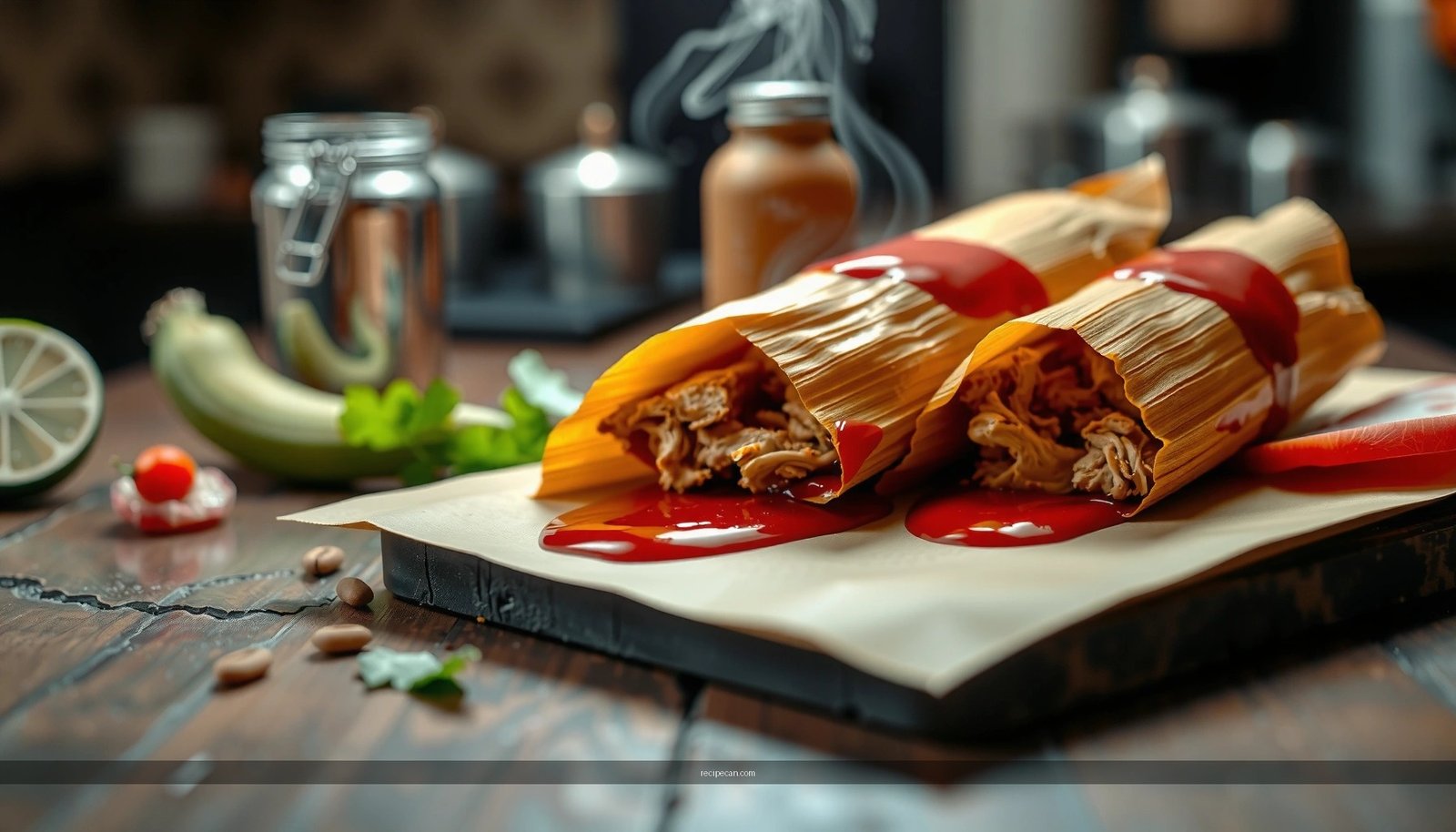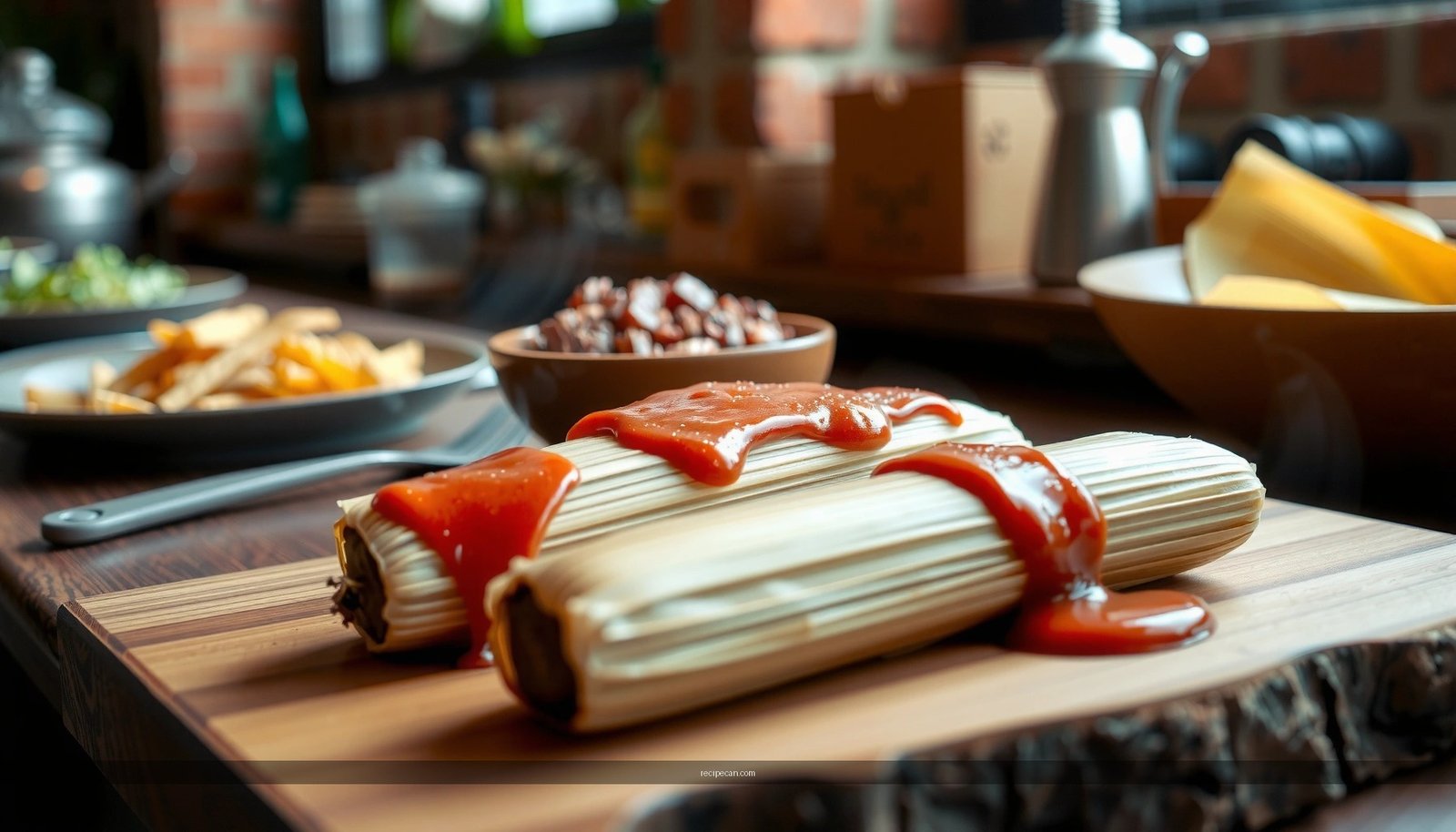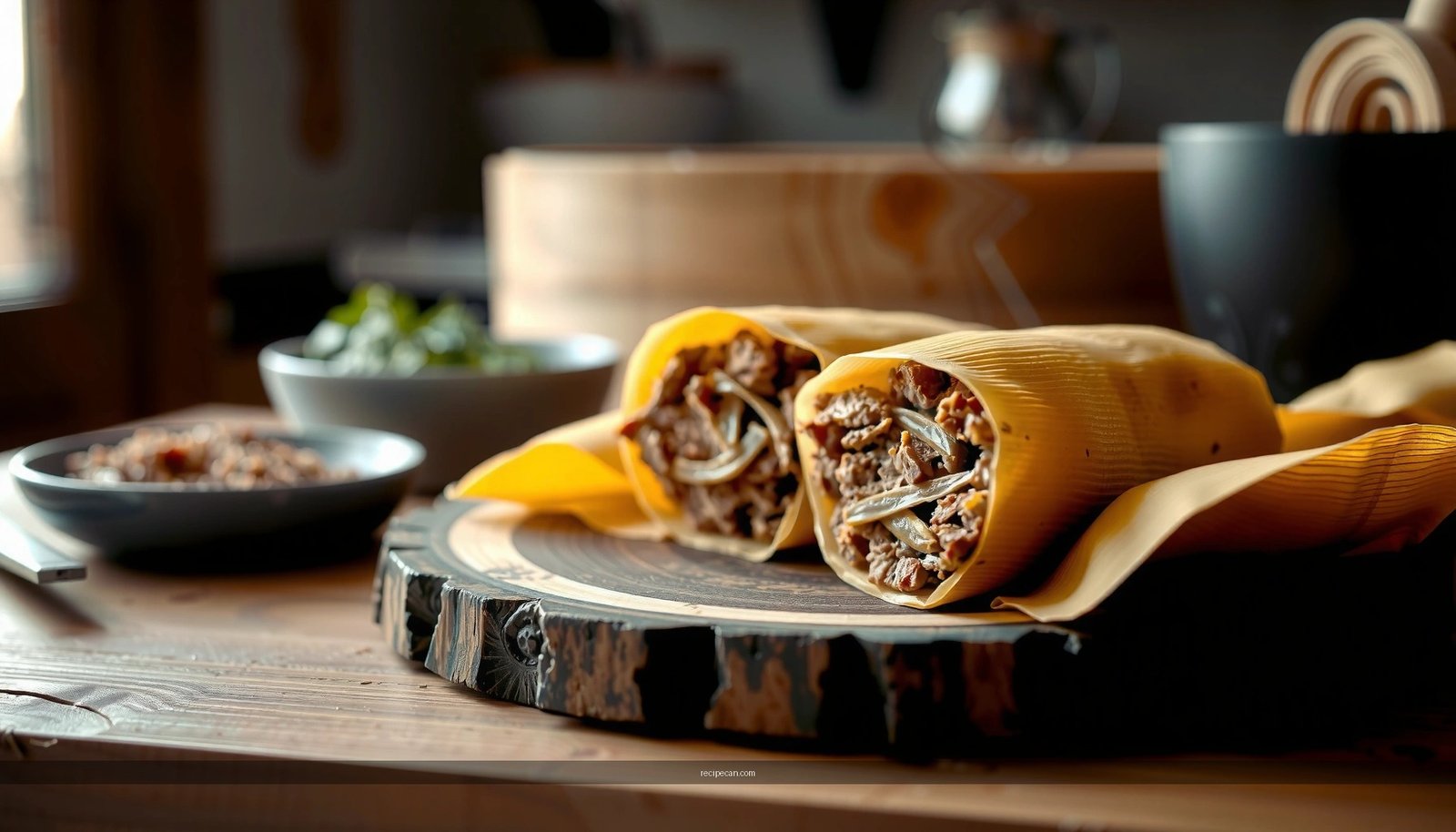
This tamales recipe beef delivers tender, flavorful beef tamales with tender meat every time, answering how to cook the beef so it won’t turn tough. You’ll learn the exact steps to prepare, season, and simmer the beef filling, then assemble and steam the tamales until the masa sets perfectly. If you want the most reliable path to moist beef tamales—not chewy or dry—this is the winner.
Beef tamales are tender, set up perfectly, and taste authentic when you build a well-seasoned beef filling, spread masa at the right consistency, and steam long enough in corn husks for the flavors to meld. This recipe walks you through the practical workflow—prepping the beef, mixing masa harina correctly, assembling clean folds, and steaming until every tamale slices neatly (not mushy), with that classic, rich beef bite.
Gather Ingredients for Beef Tamales
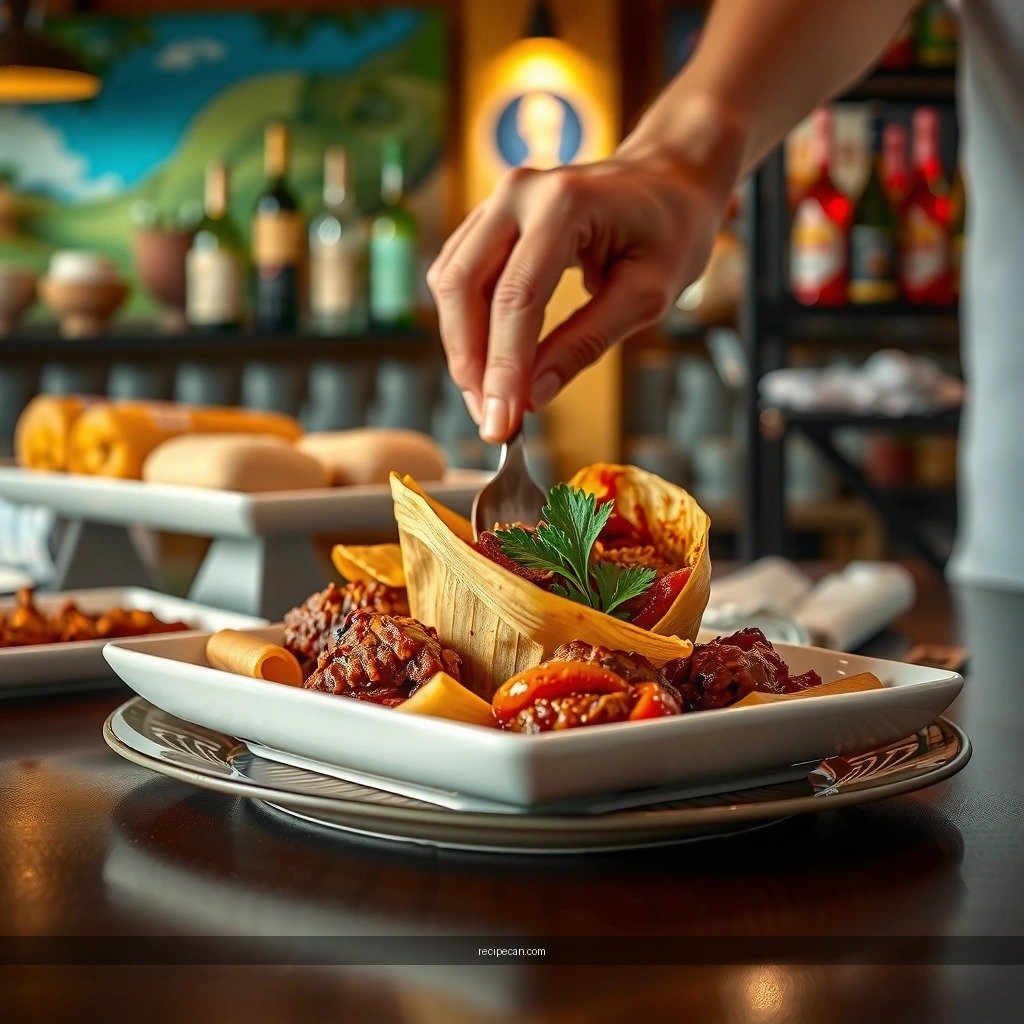
Before you start, confirm your shopping list and prep your tools. Tamales are ingredient-simple but technique-sensitive—especially for masa texture and beef filling moisture.
Essential components
You’ll need three “systems” working together: masa, beef filling, and steam-ready wrapping.
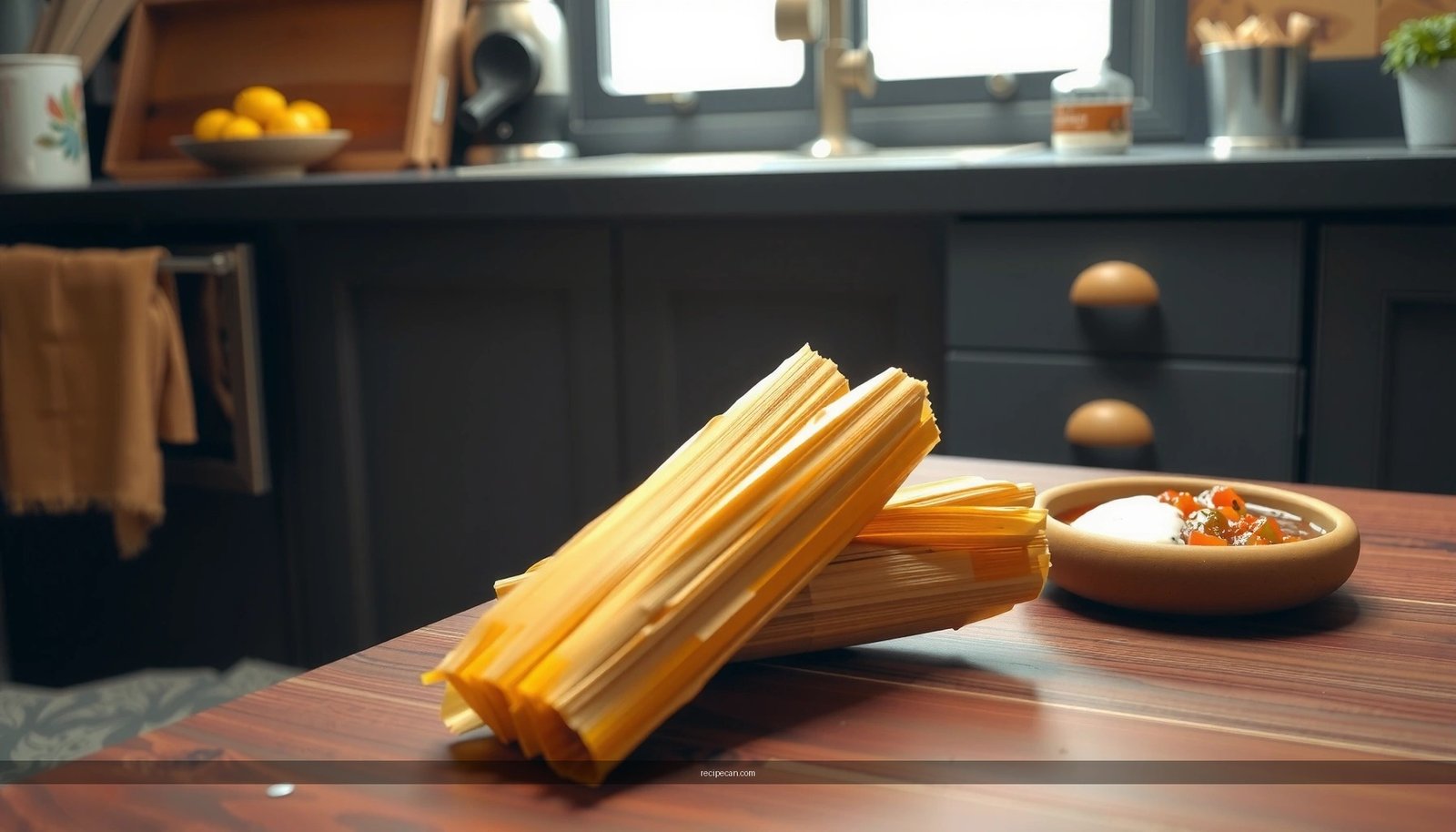
– Corn husks (for steaming)
– Look for husks that are pliable and not brittle. If they tear easily, you’ll have trouble folding and sealing.
– Masa harina (key for structure)
– Choose pure masa harina (not self-rising flour or quick masa). This consistency is what gives tamales their signature set.
– Fat + liquid
– Traditional tamale dough often uses lard or vegetable shortening plus broth/stock. The fat improves tenderness and helps the masa spread without cracking.
– Seasonings
– Salt is non-negotiable. For beef tamales, you’ll also want dried chilies (or chili powder), garlic, onion, cumin, and optional Mexican oregano.
Choose the right beef cut for tender filling
The “secret” isn’t really a secret—it’s fat-to-collagen content. Beef tamales are steamed, and the filling needs time to become shreddable, not dry.
Best Beef Cuts for Steamed Tamale Filling (Recommended Use)
| # | Beef cut | Collagen for shredding | Typical braise time (hrs) | Fat level | Tamale suitability |
|---|---|---|---|---|---|
| 1 | Chuck roast | High | 2.5–3.5 | Moderate | ★★★★★ |
| 2 | Brisket | Very high | 3.0–4.5 | Moderate–high | ★★★★☆ |
| 3 | Beef shoulder (pork-style works for beef) | High | 2.5–4.0 | Moderate–high | ★★★★★ |
| 4 | Short ribs | Very high | 3.5–5.0 | High | ★★★★☆ |
| 5 | Bottom round | Medium | 3.0–4.5 | Low–moderate | ★★★☆☆ |
| 6 | Sirloin | Low | 1.5–2.5 | Low | ★★☆☆☆ |
| 7 | Oxtail | Very high | 3.0–4.0 | Moderate | ★★★★☆ |
Takeaway: prioritize chuck, shoulder, brisket, or short ribs for the most reliable shredded-beef texture in tamales.
Make the Beef Filling
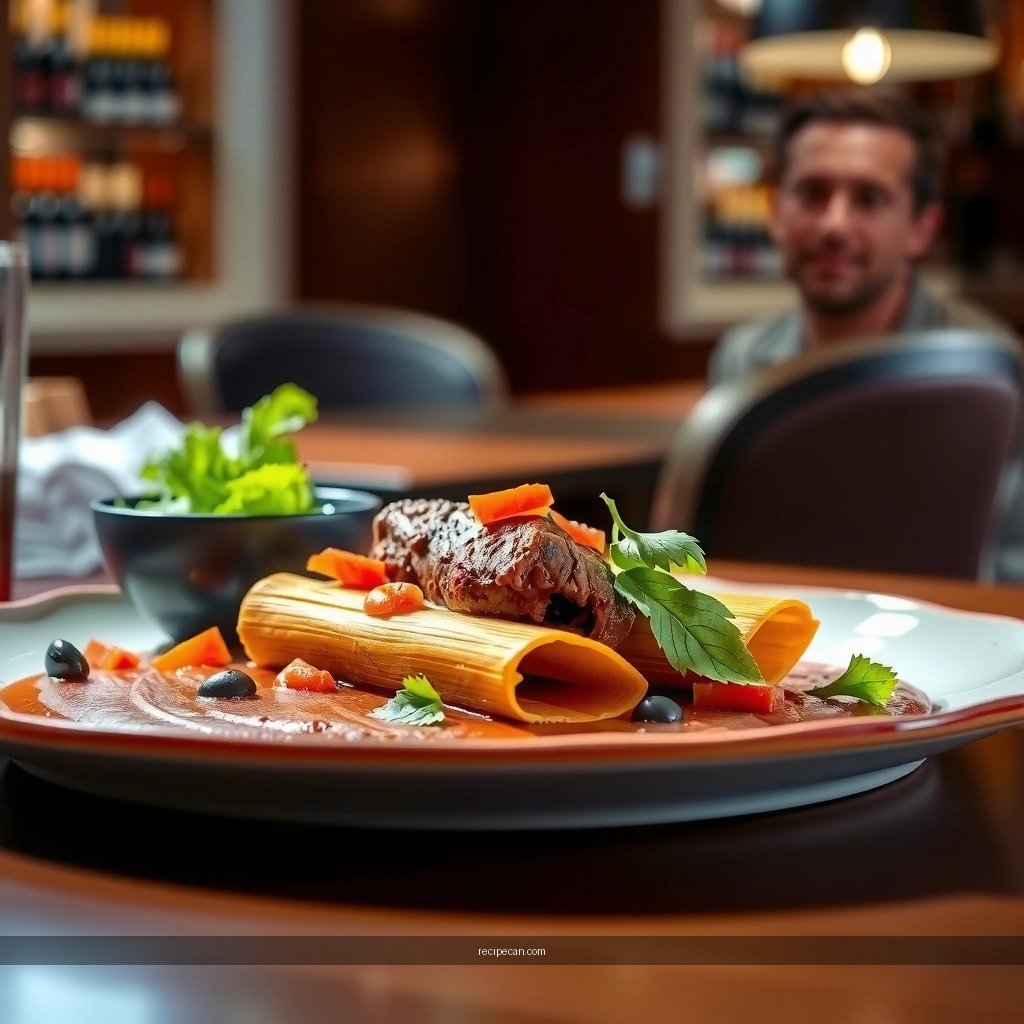
A tender beef tamal filling needs two phases: flavor-building and texture-building. Don’t skip either.
Cook beef with aromatics and chilies until rich and flavorful
1. Brown the beef (optional but beneficial): a quick sear adds deeper savory notes.
2. Sauté aromatics: onions and garlic should soften and turn fragrant, not burn.
3. Toast and rehydrate chilies (if using dried): toast briefly, then soak until pliable. Blend with broth to create a smooth chili base.
4. Simmer low and slow: return beef to the pot with the chili sauce, add spices (cumin, oregano), and cook until the beef is fork-tender.
Aim for a filling with a silky chili broth before shredding. This broth becomes the flavor carrier that soaks into masa during steaming.
Shred the beef and simmer to thicken for easy stuffing
Once tender:
1. Shred the beef with forks while it’s still warm.
2. Strain and reduce if needed: if the mixture is runny, simmer it uncovered so excess liquid evaporates.
3. Taste and balance:
– Too sharp? Add a pinch of salt or a small amount of sugar.
– Too bland? Add more salt or chili depth (cumin and oregano help round it out).
Consistency target: the filling should hold a mound on a spoon and not flood the masa. If it leaks, your tamales can turn soggy.
Prepare the Masa
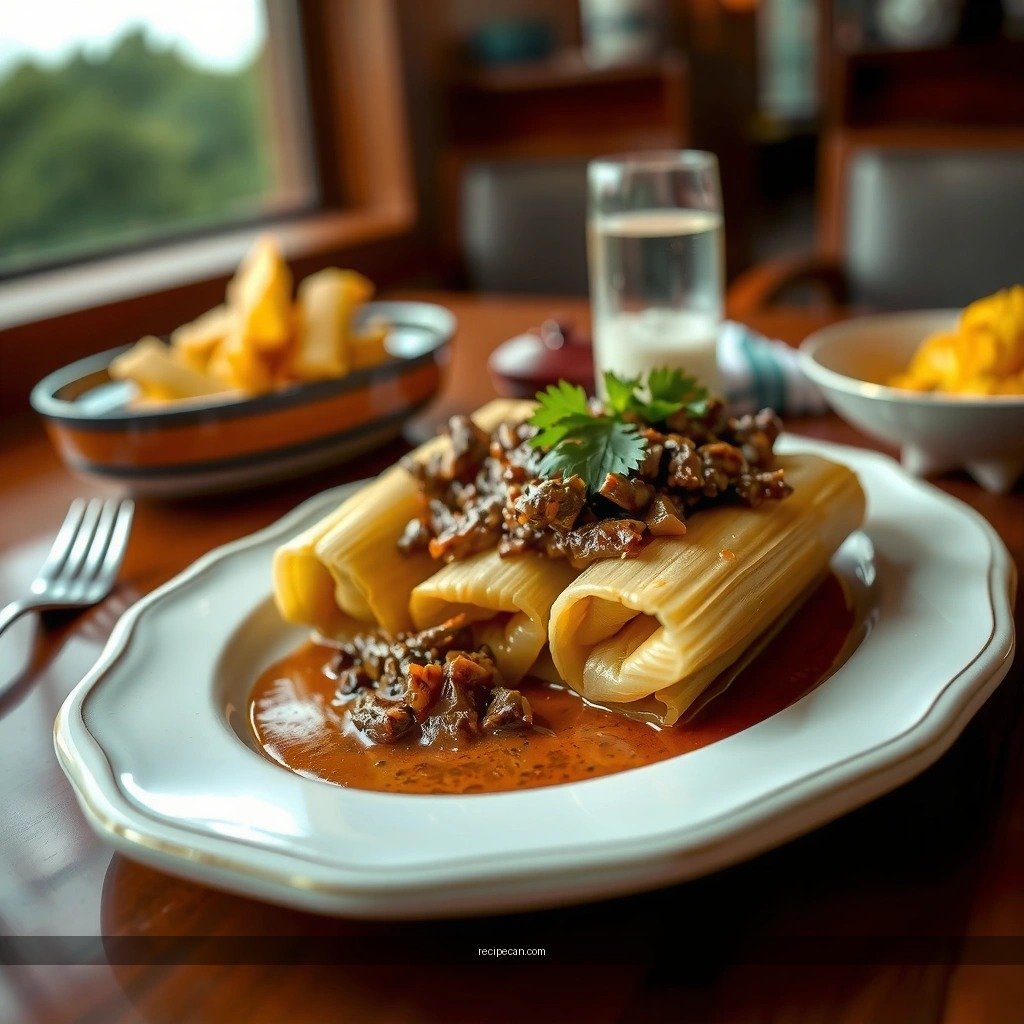
Masa is where most home cooks either win or stall. Get the texture right and everything else becomes easier.
Mix masa harina with broth/stock and salt until smooth and spreadable
1. Whisk dry first: masa harina and salt should be evenly distributed before adding liquid.
2. Add warm broth/stock gradually:
– Warm liquid integrates faster and helps avoid lumps.
3. Add fat (lard/shortening) and mix thoroughly:
– The fat improves tenderness and helps masa spread smoothly.
4. Rest briefly:
– Let masa hydrate for 10–20 minutes. This is often the difference between “grainy” and “buttery.”
Keep masa consistency right so it holds shape on the husks
The masa should:
– Spread like thick frosting,
– Hold its shape when you place it,
– Not crack when folded.
A practical test: lift a spoonful—if it slowly spreads without running, you’re in the right zone. If it’s too stiff, add broth 1 tablespoon at a time. If too loose, add masa harina 1–2 tablespoons at a time and mix again.
Assemble the Tamales
Assembly is repetitive, but you can make it consistent with one simple rule: spread evenly and seal properly.
Soften corn husks and spread masa evenly over each one
1. Soak corn husks in warm water until pliable.
2. Pat off excess water so husks aren’t dripping.
3. Spread masa in a thin, even layer:
– Aim for the thickness that will still set firm after steaming—too thick can taste heavy and cook unevenly.
Add beef filling, fold correctly, and secure for even steaming
1. Place a line or small portion of beef filling in the center of the masa.
2. Fold using your preferred style (classic wrap and tie works well).
3. Secure lightly with a strip of husk or kitchen twine:
– Tight enough to stay closed; not so tight that it squeezes out filling.
Professional consistency tip: build a “production line” (husks → masa → filling → fold → stack). It reduces handling time and keeps masa from drying while you work.
Steam the Tamales
Steaming is the final transformation—masa sets, and flavors meld. Manage steam reliably.
Steam in batches, adding water as needed to maintain steam
– Use a steamer with a tight lid.
– Add water to the base—enough to generate steady steam without boiling dry.
– Steam in batches if needed so the pot doesn’t lose too much heat each time you open the lid.
If steaming takes longer than expected, don’t crank the heat. Gentle, consistent steam yields more even set masa.
Check doneness by loosening husks and confirming set masa
After the estimated cooking time:
1. Carefully remove one tamale.
2. Let it rest for 2–3 minutes, then loosen the husk.
3. Check:
– Masa should be firm and not wet or tacky.
– Filling should be hot and cohesive.
If masa still seems under-set, return tamales to steam and check again in 20–30 minute increments.
Serve and Store Beef Tamales
The best tamales taste great the day they’re made—but proper cooling and reheating preserve that tender texture.
Pair with salsa verde, queso, or crema for the best bite
Serve hot with:
– Salsa verde for tangy brightness,
– Queso fresco for salty, milky contrast,
– Mexican crema or sour cream for smooth richness.
For a business-friendly “make it consistent” approach (think catering or meal prep), plate with sauces separately so each guest controls heat and moisture.
Cool, reheat, and store properly to keep texture great
– Cool completely before storing (prevents condensation).
– Store in an airtight container in the refrigerator for up to several days.
– Reheat:
– Best method: steam or microwave with a damp paper towel, then rest briefly.
– Avoid direct dry-heating (like oven baking without cover), which can dry masa.
To freeze: cool, wrap individually, and freeze. Thaw in the fridge, then reheat until steaming hot.
Conclusion
Tender beef tamales come down to three controllable outcomes: a richly seasoned, thickened beef filling, masa harina mixed to a spreadable consistency, and steady steaming until the masa sets cleanly. When you focus on those details—plus careful assembly in softened husks—you’ll produce tamales that slice well, hold their shape, and deliver authentic beef flavor in every bite.
Frequently Asked Questions
What is the best beef tamales recipe for beginners?
A great beginner beef tamales recipe uses simple, forgiving masa and a well-seasoned shredded beef filling. Start with a classic masa base (usually masa harina mixed with warm broth and fat) and cook the beef with onion, garlic, chile, cumin, and bay leaves until tender. Keep the filling moist, spread masa evenly, and steam until set—this helps prevent dry tamales or cracking. If you’re new, choose dried corn husks that soak well to make wrapping easier.
How do I make shredded beef filling for tamales that’s not dry?
Simmer the beef until it’s very tender, then shred and return it to the pot with enough cooking liquid to keep the meat juicy. If you’re using dried chiles, blend them with broth to create a sauce that coats the beef rather than just seasoning it. Taste and adjust salt and acidity (a touch of vinegar or lime can brighten the flavors), and let the filling cool so it thickens slightly before assembling. This approach is key to flavorful, moist beef tamales filling.
Which cut of beef works best for beef tamales?
Cuts like chuck roast, brisket, or beef shank work best because they become tender after slow cooking or braising. These cuts have enough collagen to break down during simmering, which keeps your shredded beef tamales filling flavorful and soft. Avoid very lean cuts like sirloin for a long steam because they can dry out and turn tough. If you choose something leaner, reduce steaming time and add extra broth or sauce to compensate.
Why do my beef tamales come out tough or dry, and how can I fix it?
Tough or dry tamales usually come from under-steaming, masa that’s too dry, or fat that isn’t properly incorporated. Make sure the masa for your beef tamales is spreadable and fluffy, adding warm broth gradually until it holds together. Steam long enough for the masa to fully cook and set; check by ensuring the husk comes away easily and the center is firm but not hard. For already wrapped tamales that seem dry, you can re-steam briefly with a bit more moisture in the pot to help rehydrate.
How long should I steam beef tamales, and how do I know they’re done?
Most beef tamales recipes steam about 1 to 2 hours, depending on the size of your tamales and how full the pot is. You’ll know they’re done when the masa pulls away slightly from the husk and the tamale feels firm in the center. If you have a large test batch, unwrap one tamale and check that the masa is fully cooked with no wet or doughy spots. Keep water at a steady simmer, adding hot water as needed so the steam doesn’t stop during cooking.
References
- Tamale
https://en.wikipedia.org/wiki/Tamale - https://www.britannica.com/topic/tamale
https://www.britannica.com/topic/tamale - Masa
https://en.wikipedia.org/wiki/Masa_harina - Barbacoa
https://en.wikipedia.org/wiki/Barbacoa - Husk
https://en.wikipedia.org/wiki/Corn_husk - Corn tortilla
https://en.wikipedia.org/wiki/Corn_tortilla - Chili pepper
https://en.wikipedia.org/wiki/Chile_pepper - Google Scholar Google Scholar
https://scholar.google.com/scholar?q=tamales+beef+recipe - Google Scholar Google Scholar
https://scholar.google.com/scholar?q=barbacoa+in+tamal+masa - Google Scholar Google Scholar
https://scholar.google.com/scholar?q=masa+harina+tamales+cooking+process