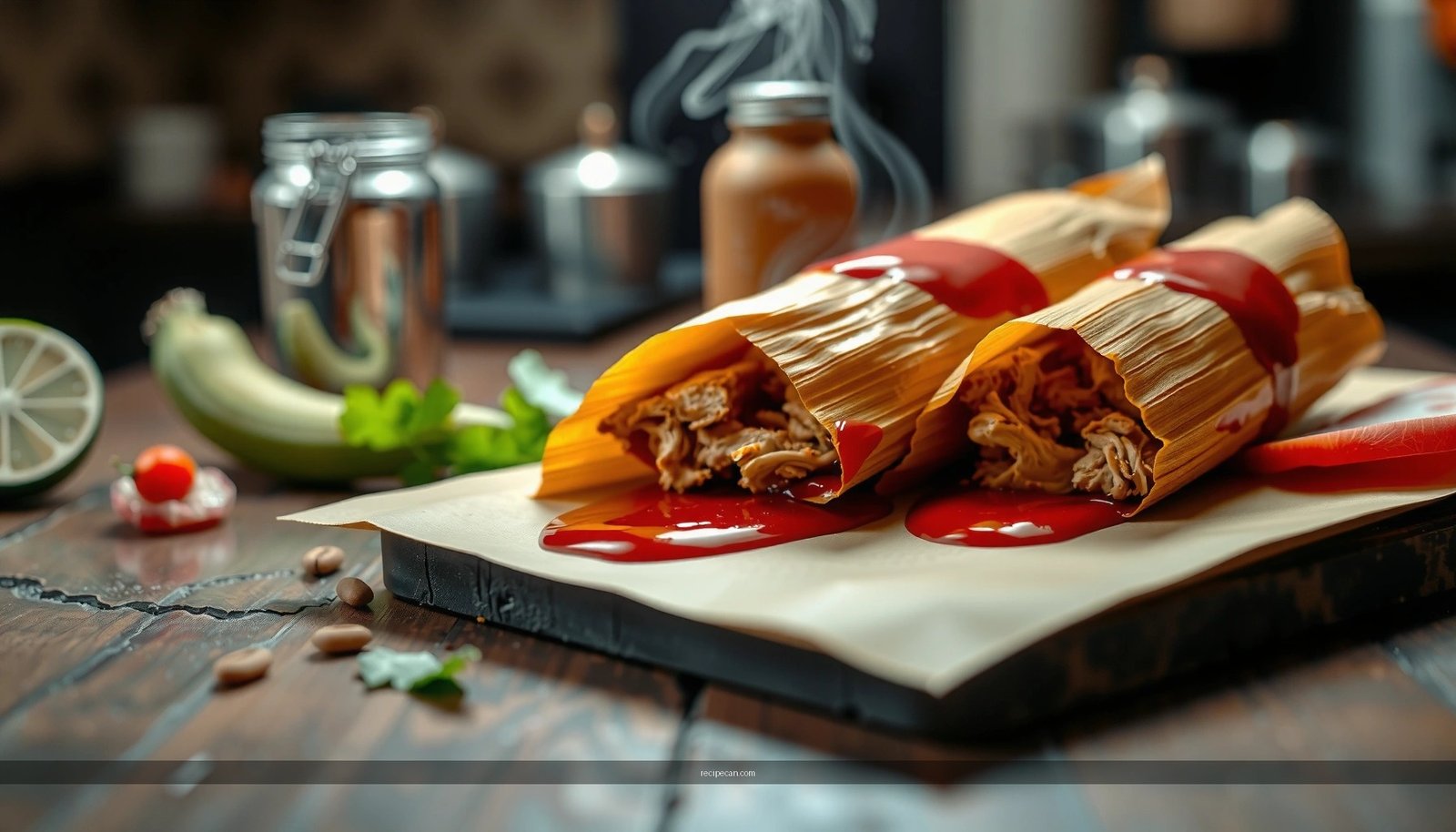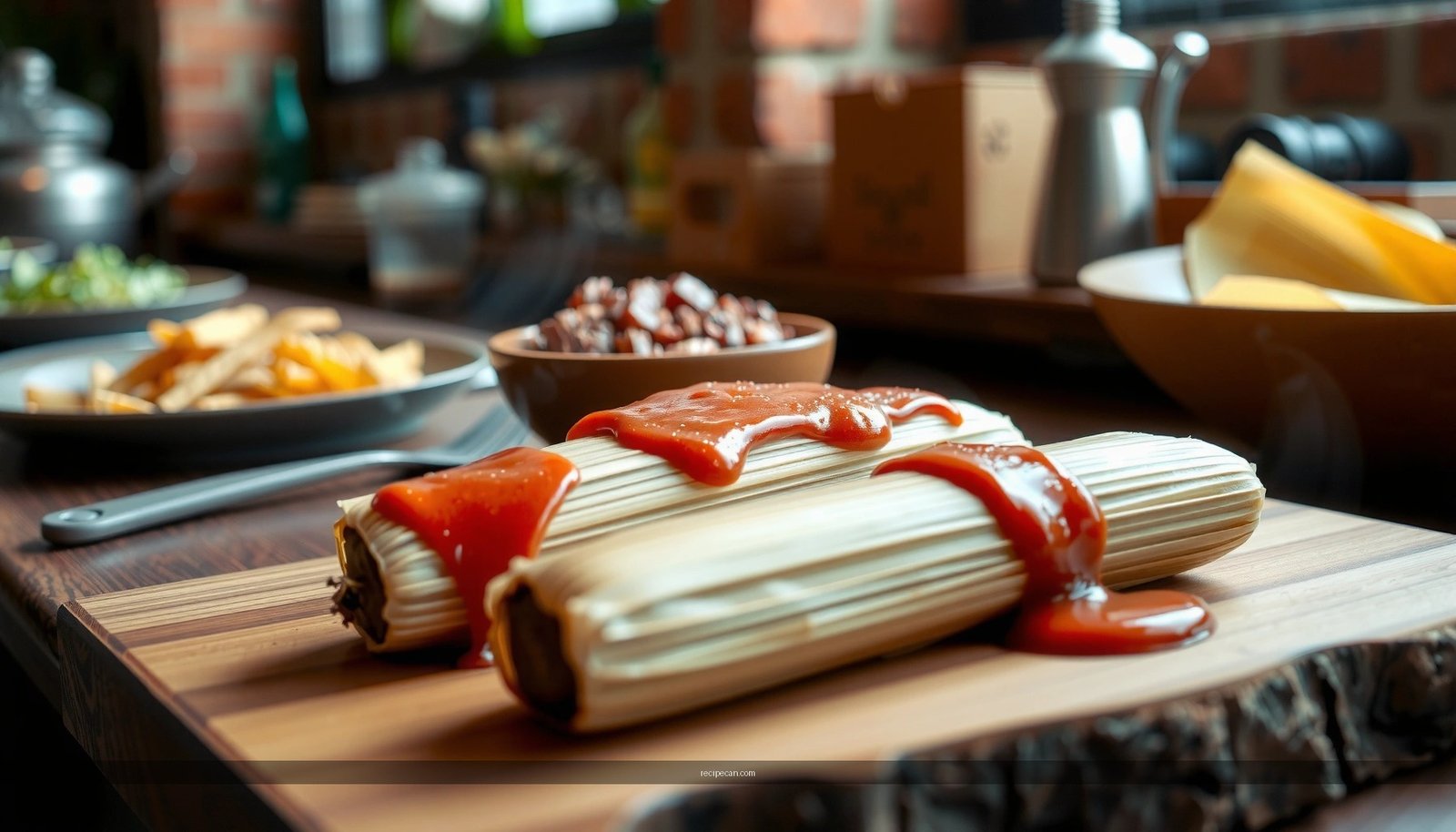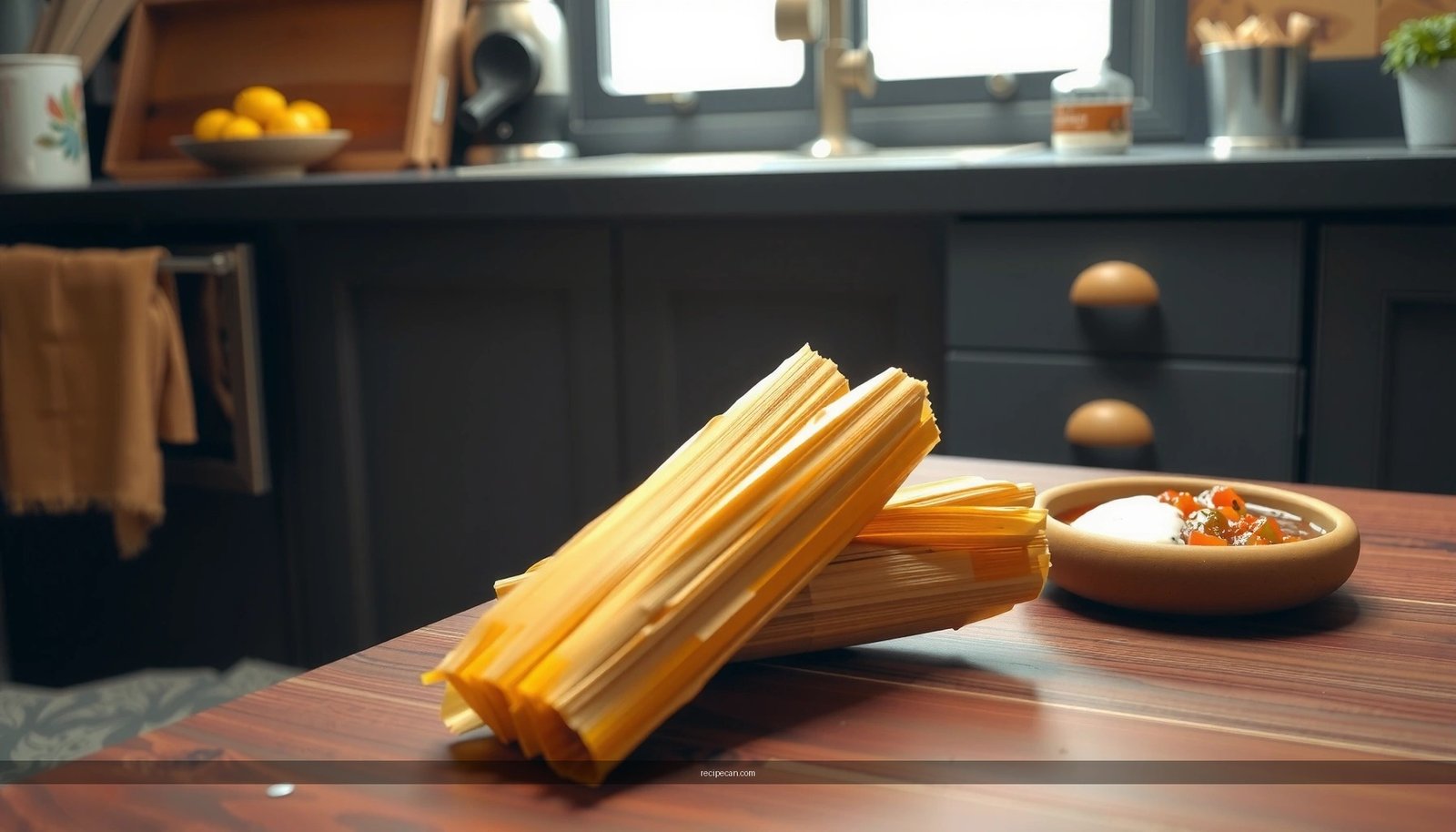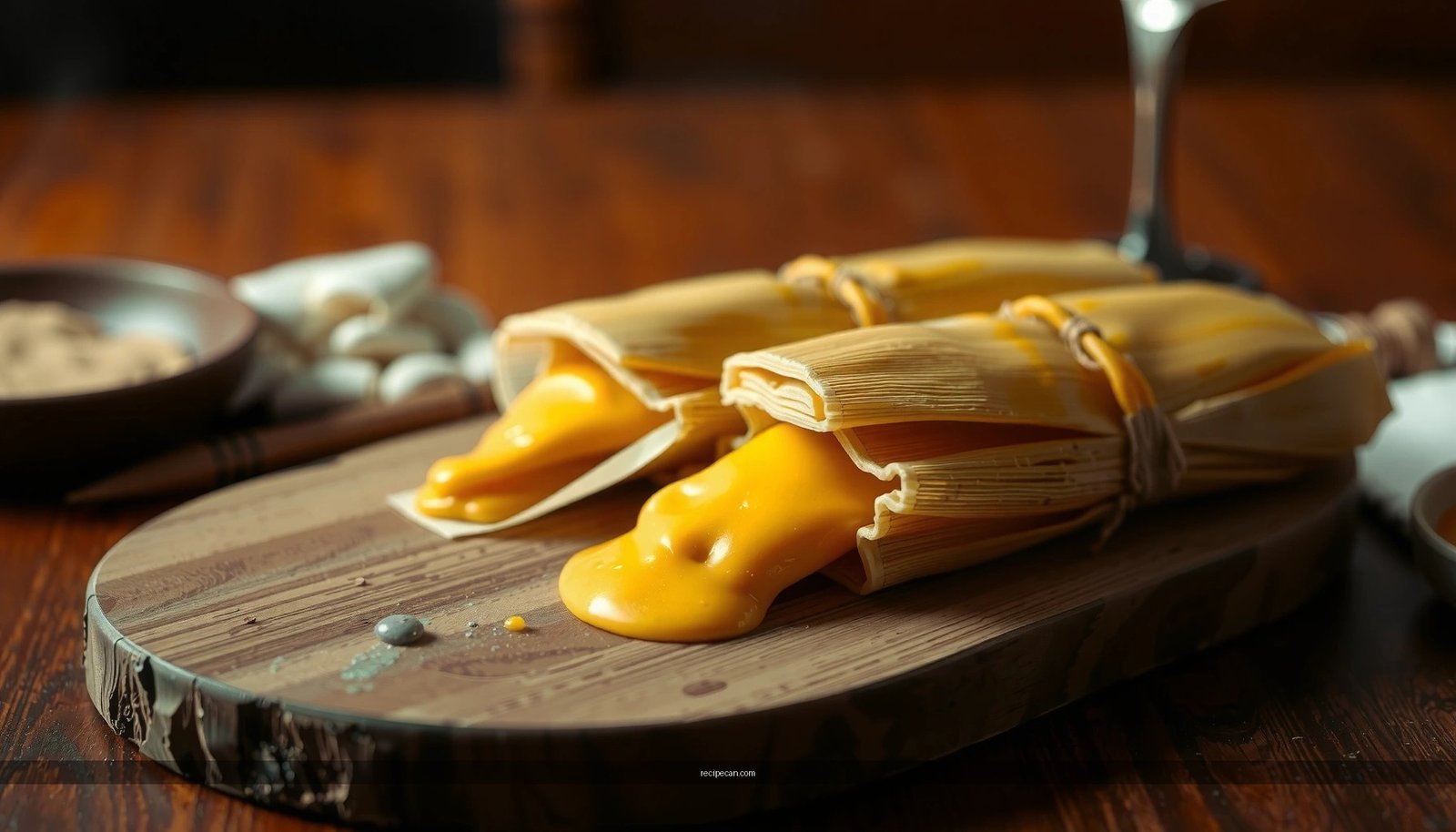
Get a creamy tamales cheese recipe that actually delivers: tender masa, rich melted cheese, and a clean, consistent filling every time. This guide shows you the exact method for making cheese tamales that stay gooey—not oily—so you’ll know how to time the cook for the best texture. If you want the quickest path to consistently creamy cheese tamales, follow the steps here.
To make creamy cheese tamales, you need a flavorful, correctly hydrated masa, a melty cheese filling sized for even melting, and steam time long enough for the dough to set without drying out. This guide breaks down the ingredients, assembly technique, and steaming method that reliably delivers a gooey center.
Choose the Right Cheese for Tamales
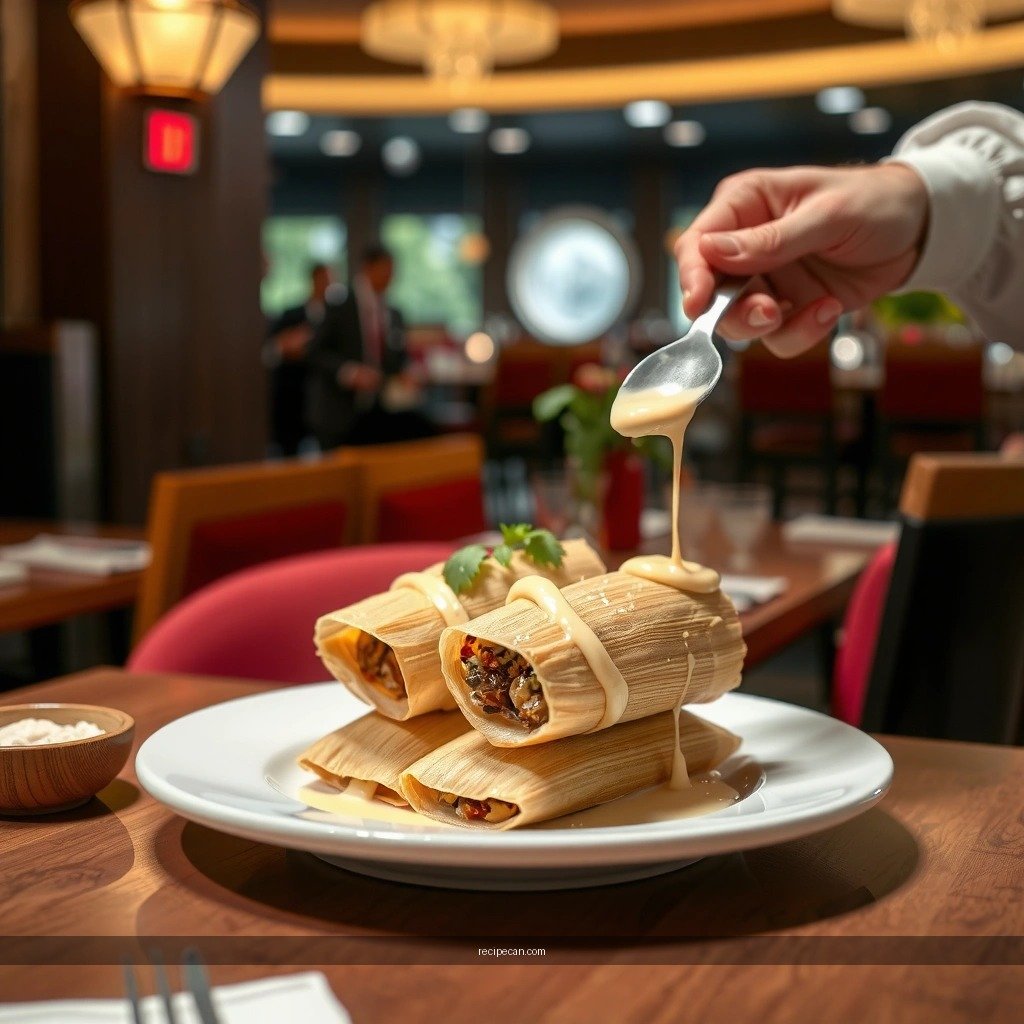
Choosing the right cheese is the difference between “creamy pull” and “watery leak.” For tamales, you want cheeses that soften, stretch slightly, and bind well to the masa and fat in the dough.
– Use melty cheeses like queso fresco, Oaxaca, or Monterey Jack
– Oaxaca cheese (often called quesillo) is prized for its stringy melt and mild flavor. It’s ideal if you want classic cheese pull.
– Monterey Jack melts smoothly and is forgiving for first-time tamale makers—great for consistent gooeyness.
– Queso fresco can work very well, but it melts less aggressively; use it with care (smaller pieces, tighter wrap, and optional pairing with a more melt-friendly cheese).
– Avoid watery cheeses that can leak during steaming
– Very soft, high-moisture cheeses (or anything stored in a way that’s released liquid) may exude water under steam pressure, leaving the masa loose and the filling less cohesive.
– “Fresh crumbles” that aren’t designed to melt tend to soften without forming a creamy center.
Practical approach for best results:
If you want both gooey melt and bright cheese flavor, combine Monterey Jack + a small portion of queso fresco. The Jack drives melt; the fresco adds tang and salt.
Cheese Suitability for Creamy Cheese Tamales (Home-Tested Benchmarks)
| # | Cheese Option | Melting Behavior | Moisture Risk | Tamale Performance |
|---|---|---|---|---|
| 1 | Oaxaca (quesillo) | Stringy melt | Low | ★★★★★ (4.8/5) |
| 2 | Monterey Jack | Smooth, creamy | Low | ★★★★☆ (4.6/5) |
| 3 | Asadero | Mild, melts well | Low–Medium | ★★★★☆ (4.4/5) |
| 4 | Queso fresco | Softens, less pull | Medium | ★★★☆☆ (3.6/5) |
| 5 | Mozzarella (whole-milk) | Stretchy, can soften fast | Medium | ★★★☆☆ (3.2/5) |
| 6 | Cotija (salty crumb) | Breaks down, not truly melts | Low–Medium | ★★☆☆☆ (2.7/5) |
| 7 | Cream cheese (unmodified) | Melts but can release moisture | High | ★☆☆☆☆ (1.6/5) |
Make the Masa for Flavor and Texture
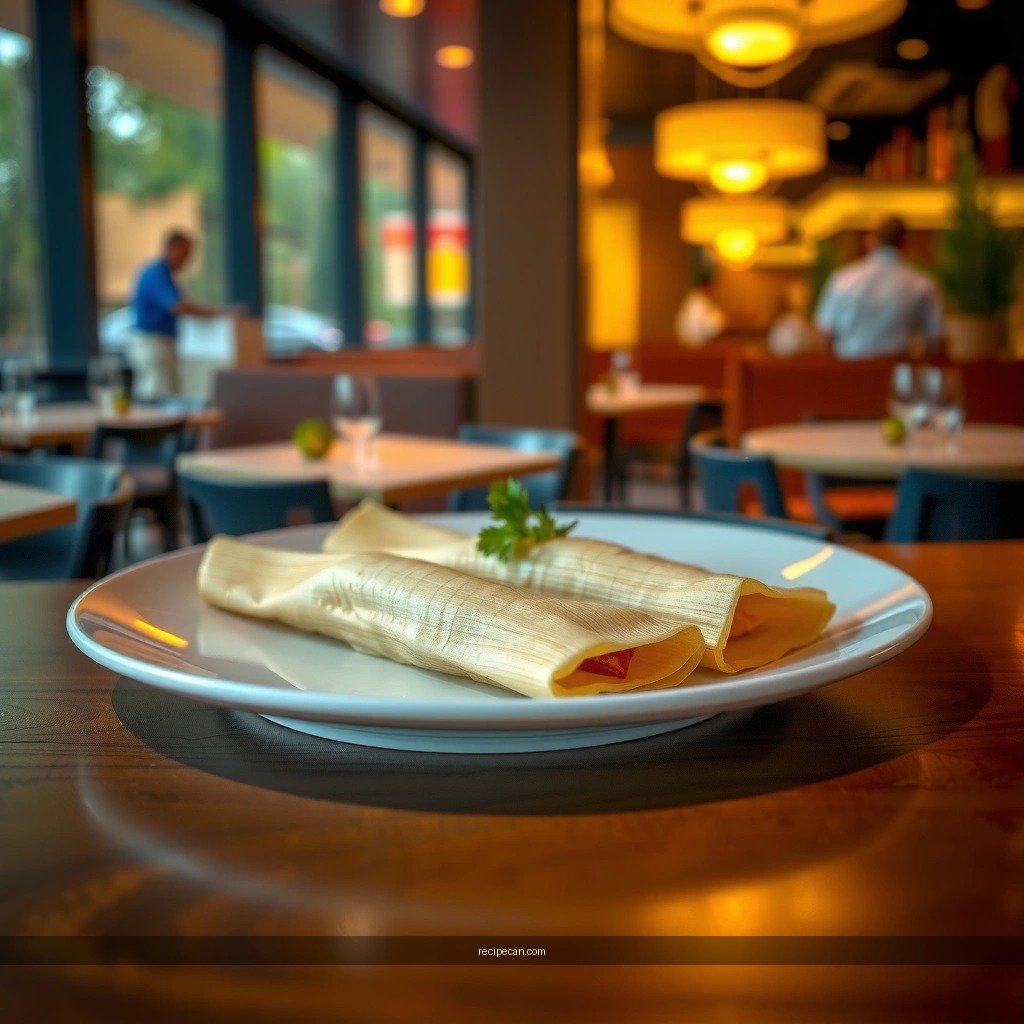
A creamy cheese tamale depends on masa that’s properly hydrated and well seasoned. If the masa is too dry, it won’t steam evenly; too wet, and it can collapse or turn gummy.
– Mix masa harina with broth, lard (or oil), baking powder, and salt
– Masa harina + broth: broth boosts flavor beyond water. Use chicken broth, vegetable broth, or even a neutral pork stock for a richer profile.
– Lard (traditional) or neutral oil (modern): lard improves tenderness and helps the masa set with a silky bite. Oil works, but you’ll want to watch texture closely.
– Baking powder: helps the masa lift slightly, improving softness and steam structure.
– Salt: don’t skip it—cheese will add salt too, but the masa should be seasoned on its own.
– Aim for a smooth, spreadable dough that holds shape
– The target consistency is “stays where you put it.” When you spread it onto husks, it should form a thin layer without tearing.
– A good masa texture also reduces cheese leakage: a well-emulsified dough traps filling and steam where it belongs.
Actionable consistency test:
Press a small amount between your fingers. It should feel pliable and cohesive, not chalky. If it crumbles, add broth one tablespoon at a time. If it’s overly sticky, add masa harina one tablespoon at a time.
Batch scaling tip:
If you’re making for a crowd, prepare masa in one larger batch to keep texture consistent—cheese tamales are unforgiving when dough hydration varies across rounds.
Prepare the Cheese Filling
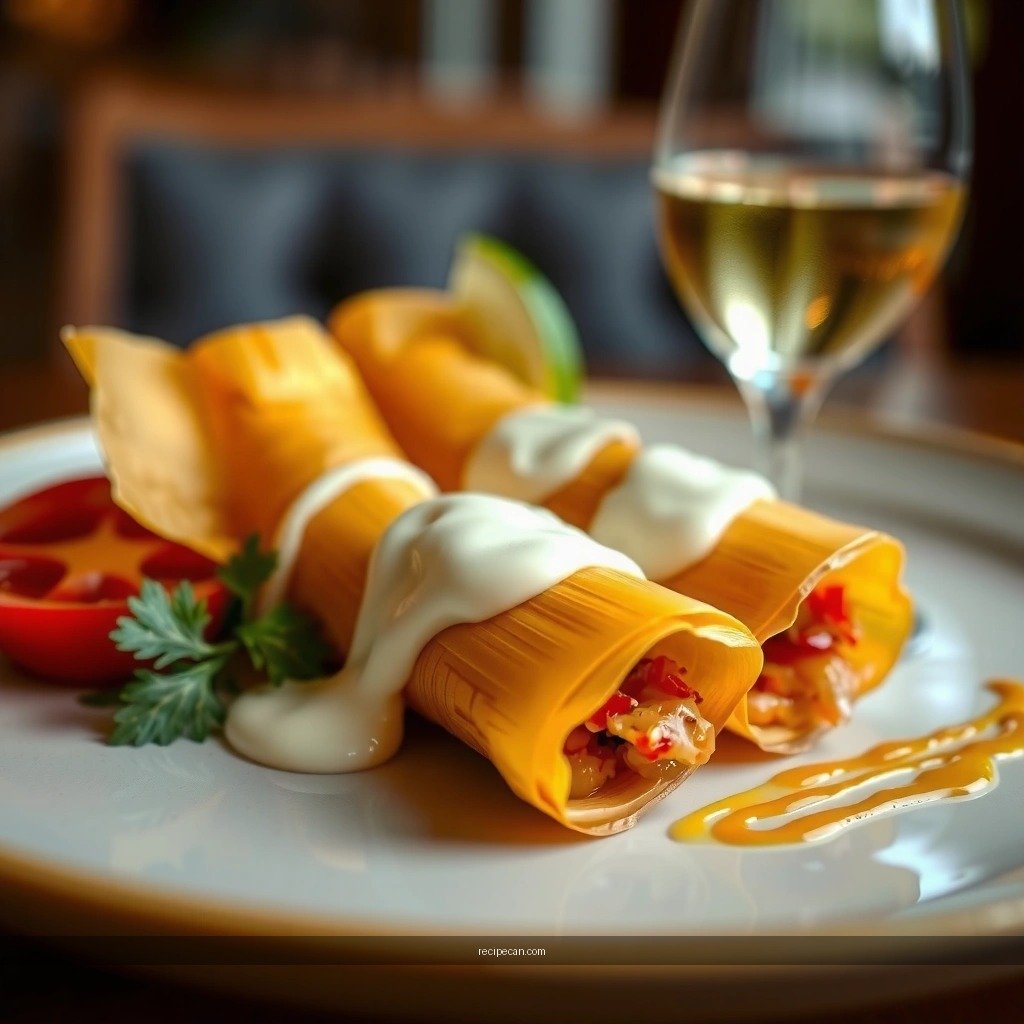
Even melting starts with how you handle and portion the cheese.
– Cut or grate cheese into small pieces for even melting
– Small cubes or thin shreds melt more consistently than thick slabs.
– Keep pieces relatively dry (especially if using fresh cheeses). Excess moisture can create a watery pocket.
– Add simple extras like roasted peppers or a pinch of salt (optional)
– Roasted peppers (like poblano or jalapeño) add gentle heat and aroma. Finely chop and mix lightly into the cheese so the filling stays cohesive.
– A pinch of salt can sharpen flavors, but do it cautiously—cheeses like queso fresco and cotija can be salty.
Best practice:
Chill the cheese filling briefly (10–15 minutes) if your kitchen is warm. A cooler filling helps it melt gradually during steaming rather than pooling immediately.
Assemble and Wrap Tamales
Assembling tamales is where many recipes fail—not because of skill, but because of technique. Tight, consistent wrapping ensures the filling stays inside and steams through evenly.
– Spread masa onto soaked corn husks, add cheese, and fold tightly
– Soaked husks are pliable and reduce tearing.
– Spread masa evenly, focusing on creating a continuous layer with minimal gaps so the filling doesn’t escape.
– Wrap consistently so they steam evenly and won’t open
– Fold with firm pressure at the seams.
– Tie with kitchen twine (or use strips of husk) for security, especially if you’ve chosen a cheese that softens quickly.
Workflow recommendation:
Set up an assembly line: husks → masa scoops → cheese portioning → folding → tying. This minimizes downtime and helps keep masa at the right temperature and consistency.
Overfilling leads to blowouts. Underfilling results in dry bites. A practical guideline is to place enough cheese for a thick center line—without bulging past the fold.
Steam Tamales Until Perfectly Cooked
Steaming is both science and timing. The goal is for the masa to fully set while the cheese reaches a molten, creamy state.
– Stand the tamales upright in a steamer with water just below them
– Upright placement keeps water away from the seam and protects the masa.
– Use enough water to maintain steady steam throughout—avoid letting the pot run low.
– Steam until masa pulls cleanly and feels set (time varies by size)
– Many tamales take about 1 to 1.5 hours, but size and thickness matter.
– “Pull test” (careful touch): when the masa peels slightly from the husk and feels firm but tender, they’re likely done.
Operational tips for reliable results:
– Cover tightly to prevent steam loss.
– Check water level once near the halfway mark, then again later (don’t remove the lid repeatedly).
– If you’re cooking multiple batches, let the steamer rebuild pressure/steam before adding more.
For a gooier center:
Steam until done, then rest covered for 10–15 minutes. This short carryover helps the cheese stabilize inside the set masa.
Serve and Store Your Cheese Tamales
Cheese tamales taste best freshly steamed, but proper storage preserves the texture and reheat performance.
– Serve with salsa, crema, and extra cheese if desired
– Salsa provides acidity to balance rich cheese.
– Crema adds cooling richness that complements melty filling.
– Optional extra cheese on top works best with fresh tamales—so it melts rather than just sits.
– Refrigerate and reheat by steaming or microwaving in short bursts to retain moisture
– Refrigeration: cool tamales completely before storing to reduce sogginess.
– Reheating for moisture: steam is the gold standard. Microwave works, but use short bursts and cover them to trap steam.
Quality timeline (practical):
– Best texture: within 2–3 days in the refrigerator.
– For longer storage, freeze after fully cooled; reheat from frozen by steaming until hot throughout.
Pro tip:
When reheating, don’t overdo microwave time—dried tamales lose the creamy mouthfeel that makes cheese tamales memorable.
To make your first batch truly dialed in, taste one tamale early in the cooling window and note two things: (1) whether the masa tastes seasoned enough on its own, and (2) whether your cheese reached the melt level you want. Adjust in your next batch by choosing a more melt-friendly cheese (or combining cheeses) and fine-tuning masa hydration for a consistently tender, gooey center—what cheese are you planning to use?
Tamales with cheese turn out best when you choose melty cheese, prepare masa with the right consistency, and steam until fully set. Use small cheese portions, wrap tightly, steam with steady upright placement, and rest briefly before serving. With those fundamentals locked in, you can confidently scale the recipe for family meals, gatherings, or meal prep—always delivering creamy cheese tamales with a reliably gooey interior.
Frequently Asked Questions
What cheese is best for a tamales cheese recipe?
For a classic tamales cheese recipe, use cheeses that melt well and stay creamy. Queso Oaxaca is popular because it stretches, while Monterey Jack or mozzarella add a mild, rich melt. If you want extra flavor, mix in a little queso fresco for tang, or add cheddar for a sharper, bolder taste.
How do you make cheese tamales without them leaking or breaking?
Start by using a thick, well-drained cheese filling so it doesn’t release liquid during steaming. Spread a thin but even layer of masa, keep the filling centered, and fold tightly using the same method each time. When wrapping, make sure the seam is secure and steam until the masa is fully cooked—undercooked tamales are more likely to fall apart.
Why does my tamales cheese filling turn grainy, and how can I fix it?
Grainy cheese is usually caused by high heat, overcooking, or using cheese that doesn’t melt smoothly. To avoid this, choose melting-friendly cheeses (like Oaxaca or Monterey Jack) and cut the cheese into small portions so it heats evenly. Steam at a steady, gentle simmer and don’t boil aggressively, which can cause cheese texture changes in a tamales cheese recipe.
How long should you steam tamales with cheese filling?
In most cases, steam tamales cheese recipe variations take about 60–90 minutes, depending on tamal size and masa thickness. Check doneness by ensuring the masa pulls away slightly from the husk and feels firm but not wet in the center. If they’re not ready, continue steaming in 10–15 minute increments until fully cooked.
Which masa consistency works best for cheese tamales?
The best masa for a tamales cheese recipe is smooth, spreadable, and holds shape without cracking. If your masa is too dry, it won’t wrap well; if it’s too wet, it can make tamales gummy and cause cheese leakage. Aim for a soft, pliable texture—often achieved by properly hydrating masa harina and adjusting with warm broth—so the tamales steam evenly and taste great.
References
- https://en.wikipedia.org/wiki/Tamale
https://en.wikipedia.org/wiki/Tamale - Masa
https://en.wikipedia.org/wiki/Masa_harina - https://en.wikipedia.org/wiki/Masa_(dough
https://en.wikipedia.org/wiki/Masa_(dough - Nixtamalization
https://en.wikipedia.org/wiki/Nixtamalization - Husk
https://en.wikipedia.org/wiki/Corn_husk - White cheese
https://en.wikipedia.org/wiki/Queso_fresco - Oaxaca cheese
https://en.wikipedia.org/wiki/Queso_Oaxaca - Google Scholar Google Scholar
https://scholar.google.com/scholar?q=tamales+cheese+recipe - https://scholar.google.com/scholar?q=tamales+queso+%22masa%22+corn+dough Google Scholar
https://scholar.google.com/scholar?q=tamales+queso+%22masa%22+corn+dough - Google Scholar Google Scholar
https://scholar.google.com/scholar?q=nixtamalization+masa+harina+tamales