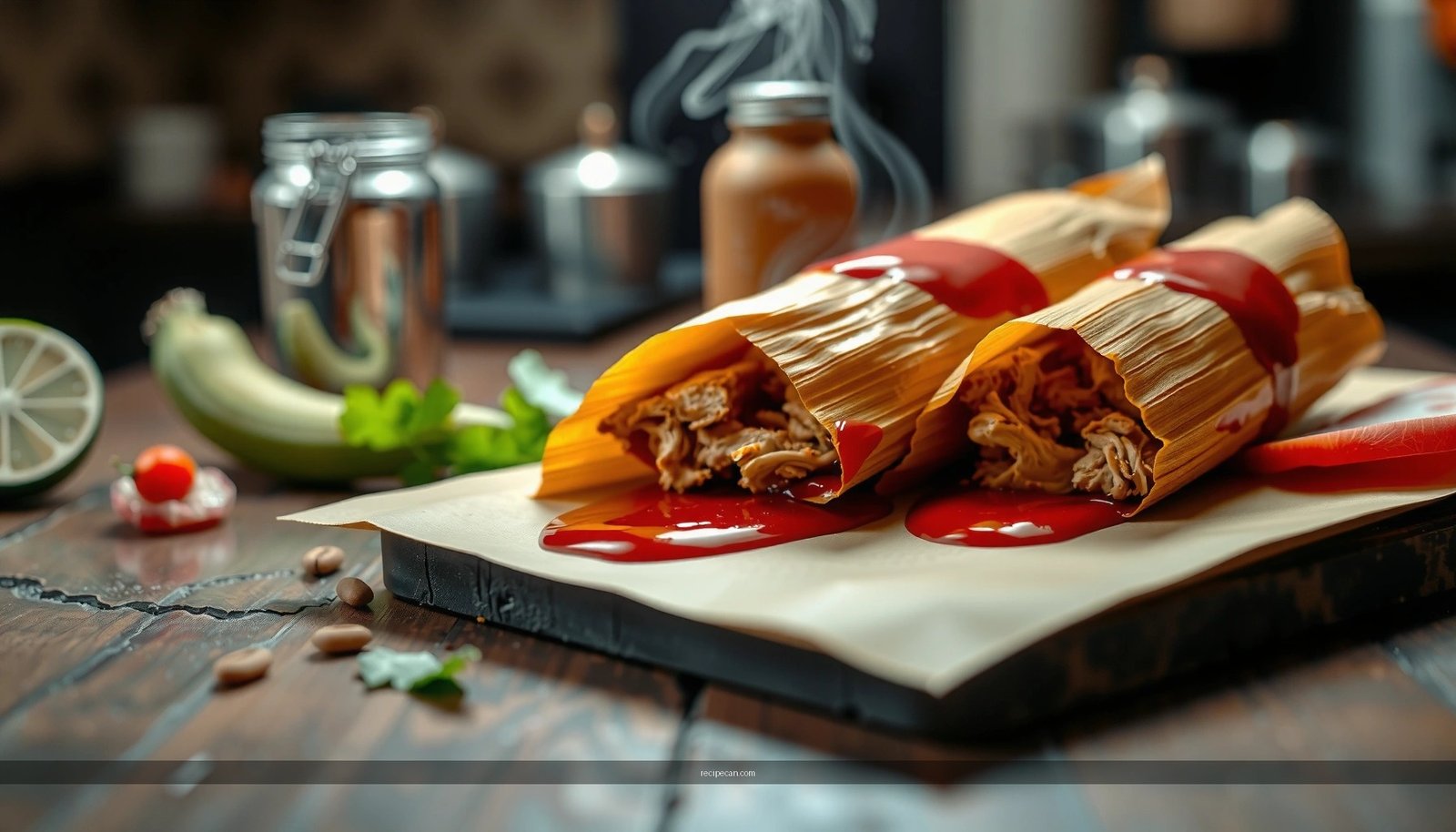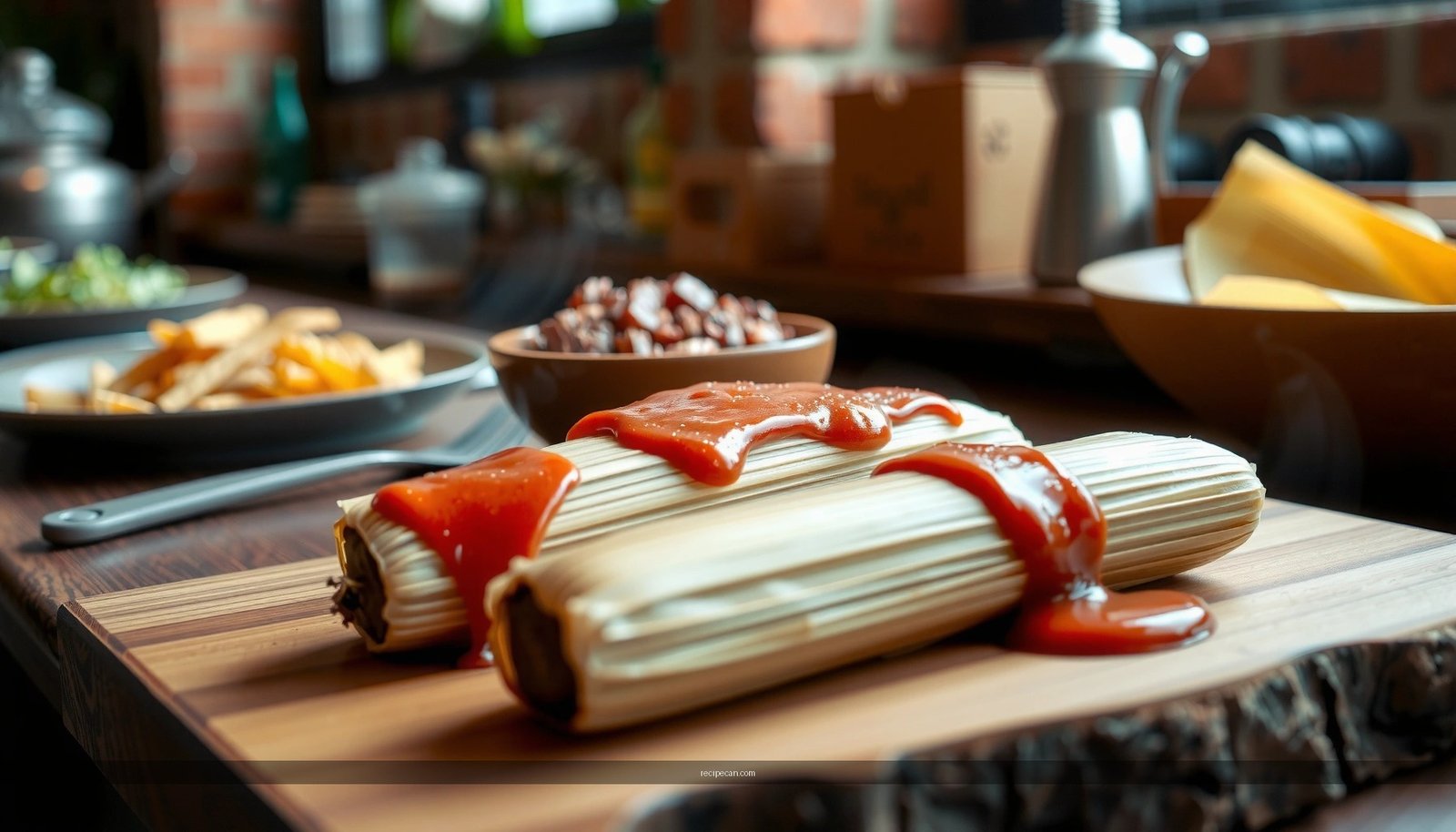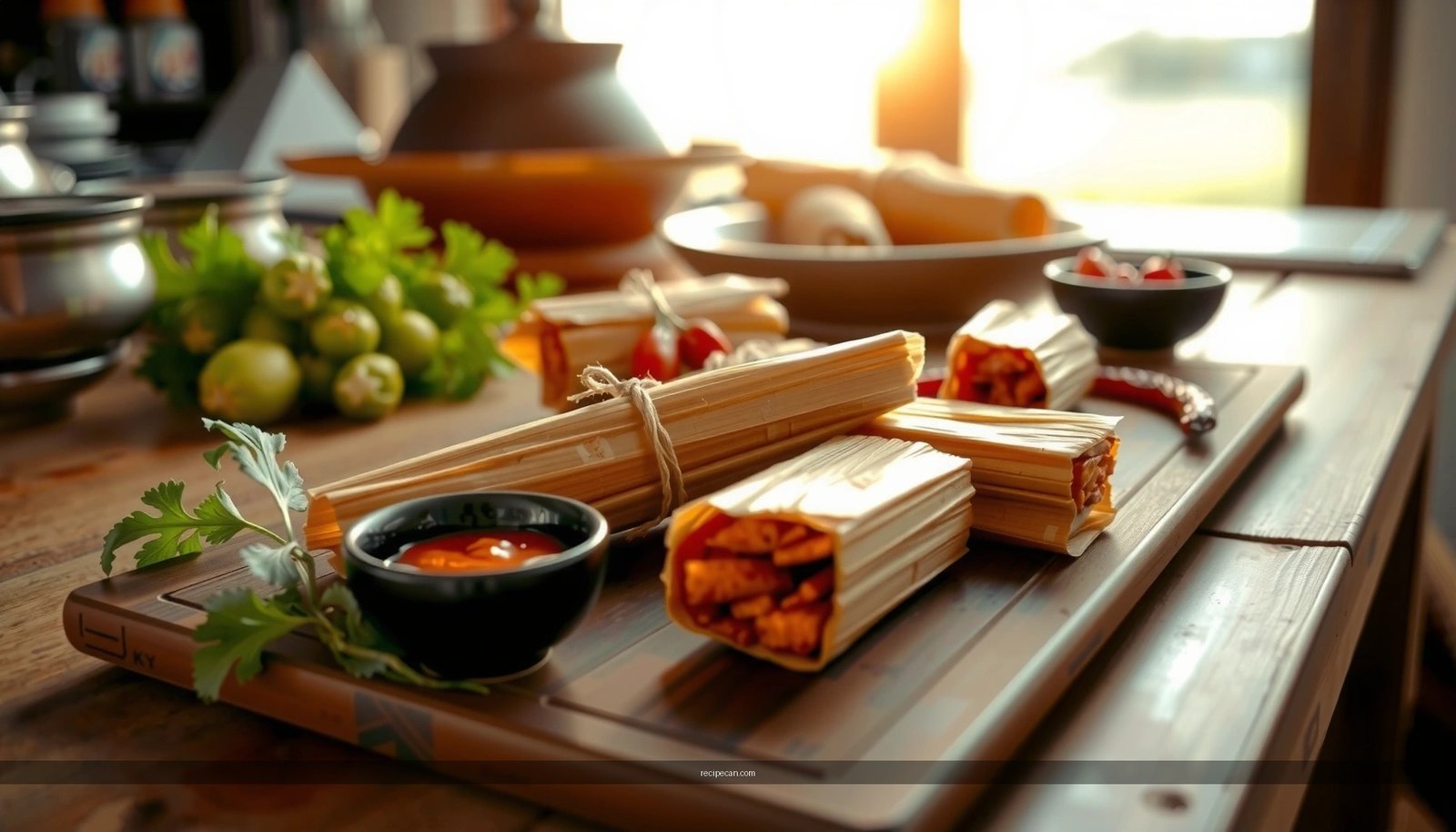
Get a step-by-step red chili tamales recipe that delivers tender masa and a deep, smoky red chile flavor without guesswork. Follow these homemade instructions end to end—from preparing the masa and red chile sauce to assembling, steaming, and testing doneness—so you know exactly when your tamales are ready. If you want reliable results for real homemade red chili tamales, this is the winner approach.
Red chili tamales are made by simmering flavorful red chili sauce, soaking masa with fat and seasonings, then steaming everything inside corn husks until tender—so you get moist masa, rich chile flavor, and a controlled heat level. This step-by-step recipe shows you how to prep the red chili, mix smooth masa harina dough, assemble tamales with your chosen filling, and steam them until the masa pulls cleanly from the husk.
Gather Ingredients and Equipment
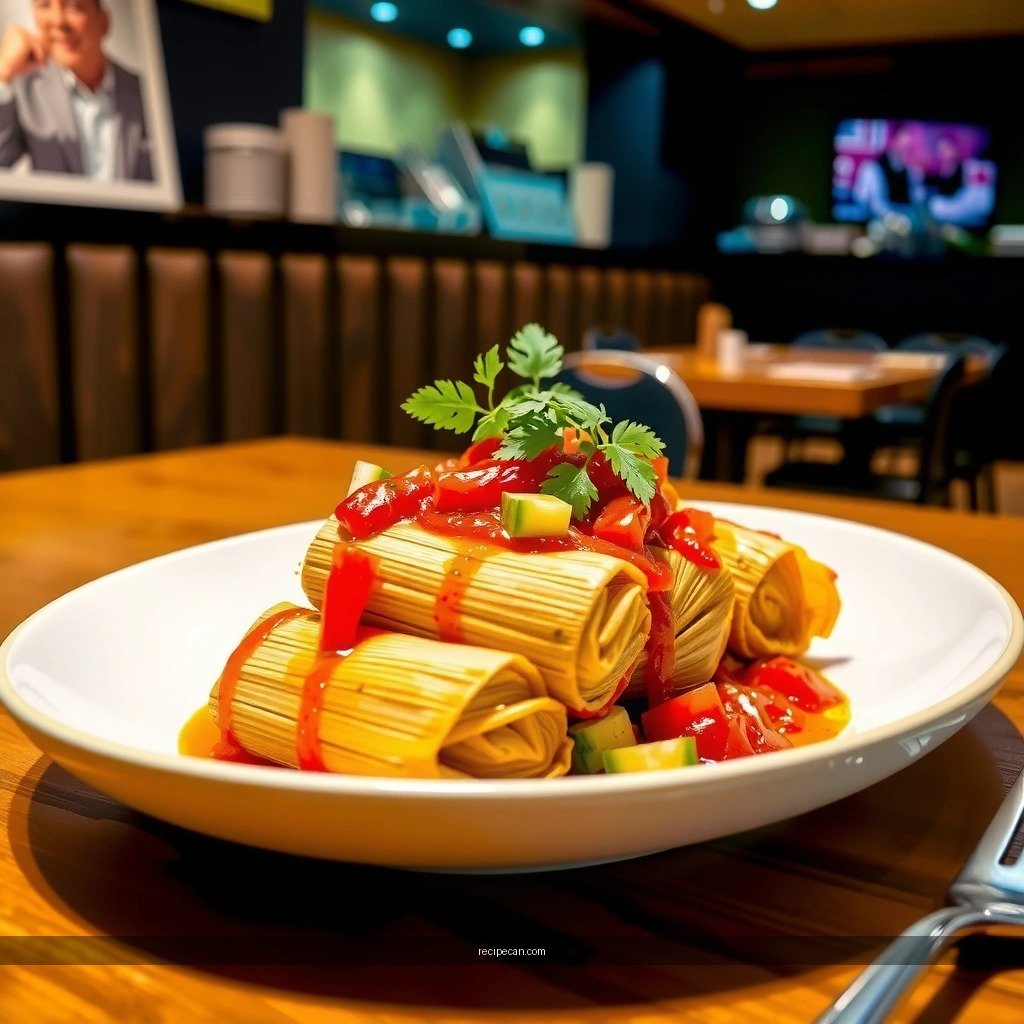
Start with the two “non-negotiables” that largely determine tamale quality: good dried corn husks and masa harina. Once those are right, everything else becomes more predictable—especially the texture of the masa and how well it steams.
Core ingredients to plan
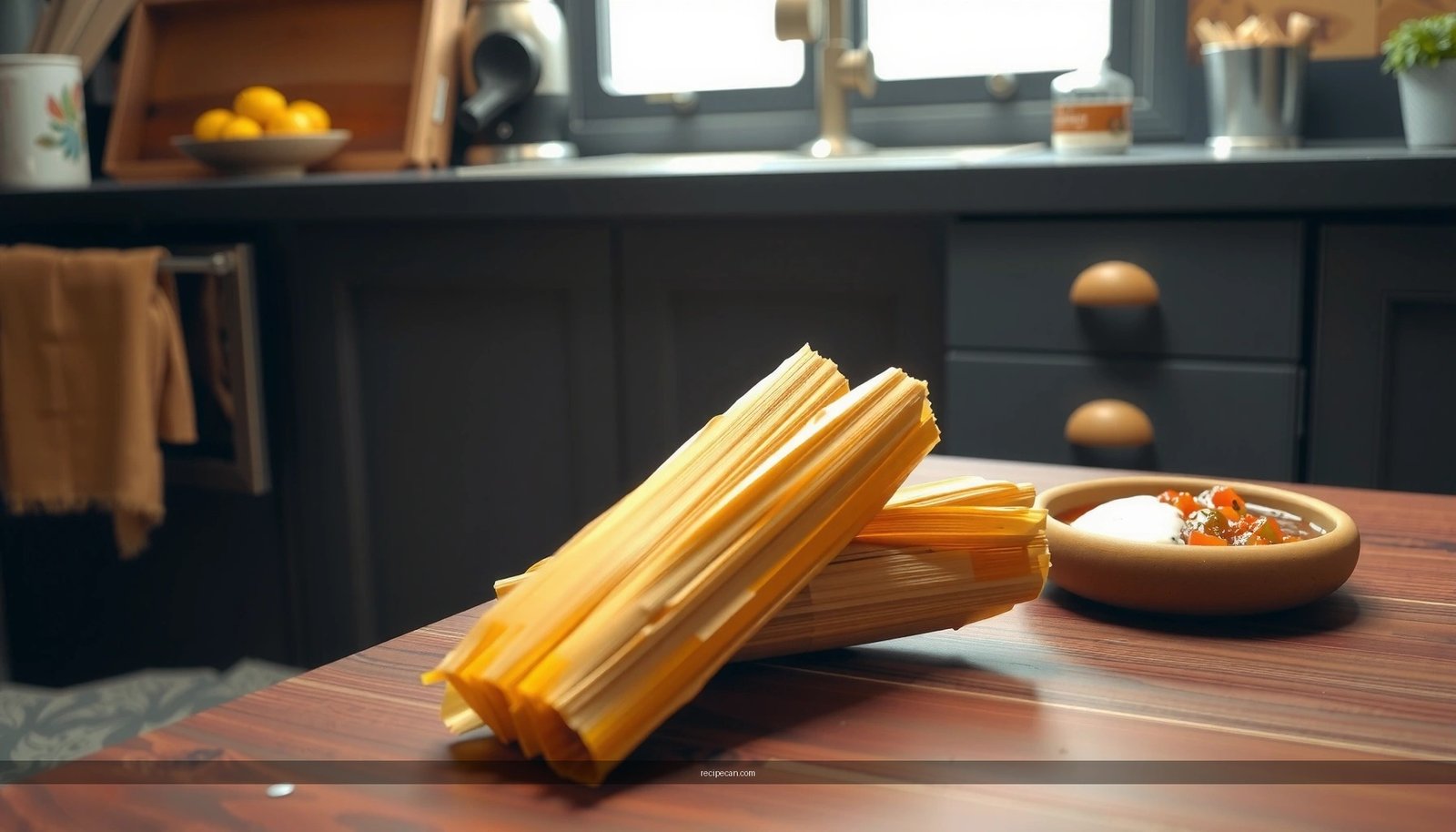
– Corn husks: Dried husks should be pliable after soaking. If they crack, they’ll tear during folding.
– Masa harina: Use nixtamalized masa harina (not instant flour) for authentic structure. Brands vary slightly, but the hydration method below keeps results consistent.
– Fat for masa: Traditional options include pork lard, vegetable shortening, or a pork-and-shortening blend. Whipping/softening fat helps create tender, evenly cooked masa.
– Salt + baking/pantry support: Salt is essential; some cooks add a small amount of baking powder for lift and a softer bite (optional, but helpful).
– Red chili peppers + aromatics: Dried chiles provide the depth. Onion and garlic build a layered, restaurant-style flavor base.
Filling direction (choose one)
– Shredded pork (classic for New Mexican–style red chile)
– Chicken (excellent if you want a lighter, faster filling)
– Cheese (for a milder, crowd-pleasing option—often paired with roasted chiles)
Suggested toppings
– Extra red chile sauce
– Queso fresco or cotija
– Cilantro and lime wedges
– Sliced radish (optional for brightness)
Equipment you’ll use repeatedly
– Large stockpot for soaking husks and steaming pot
– Mixing bowls and whisk
– Blender or food processor (for smooth sauce)
– Measuring cups/spoons
– Steamer rack (or crumpled foil on a trivet)
– Baking sheet to prep assembled tamales for easier handling
Practical timing note: Soaking husks and hydrating masa ingredients happens in parallel with chili sauce prep, so plan for about 2–3 hours total for a first batch (less if you repeat the process).
Dried Chile Guide for Red Chili Tamales (Flavor vs. Heat)
| # | Dried Chile | Typical Flavor | Heat Level | Use in Tamales |
|---|---|---|---|---|
| 1 | Guajillo | Roasted, berry-like | Mild–medium | Excellent base (great color) |
| 2 | Ancho | Dried fruit, cocoa notes | Medium | Deepens richness |
| 3 | Pasilla | Earthy, raisin-like | Medium–hot | Adds complexity |
| 4 | New Mexico Chile (dried) | Warm, classic red chile | Medium | Classic regional flavor |
| 5 | Chile de Árbol | Spicy, nutty | Hot | Use sparingly for heat |
| 6 | Chilaca | Smoky-sweet, mild | Mild | For family-friendly heat |
| 7 | Mulato | Toasty, chocolatey | Medium | Elegant body & color |
Make the Red Chili Sauce
The sauce is where red chili tamales earn their credibility. The goal isn’t just “spicy”—it’s deep, balanced chile flavor with enough body to coat and season the masa as it steams.
Step-by-step red chile sauce
1. Toast dried chiles (briefly): Warm them in a dry skillet for about 20–40 seconds per side until fragrant. Don’t burn—burning turns the sauce bitter.
2. Rehydrate: Remove stems and seeds (unless you want extra heat). Soak chiles in hot water for 15–30 minutes until softened.
3. Blend for smoothness: Blend with:
– Garlic
– Onion (often raw or lightly sautéed)
– Ground spices (commonly cumin; oregano is also common in some households)
– Salt
– A portion of soaking liquid to achieve a pourable consistency
4. Simmer to thicken: Pour the blended sauce into a saucepan and simmer 10–20 minutes, stirring. Thickness is key: too thin can lead to watery masa; too thick can scorch or bake into the pot.
Taste strategy for heat control
– If you’re making a mild batch, rely on guajillo/ancho and skip arbol or use 1–2 only.
– For medium heat, add pasilla or New Mexico dried chiles.
– For high heat, introduce chile de árbol in small quantities and taste the sauce before committing.
Pro-quality indicators
– The sauce should coat the spoon and look slightly glossy.
– When simmered, harsh “raw chile” aromas should mellow into a rounded, savory profile.
Prepare the Masa (Dough)
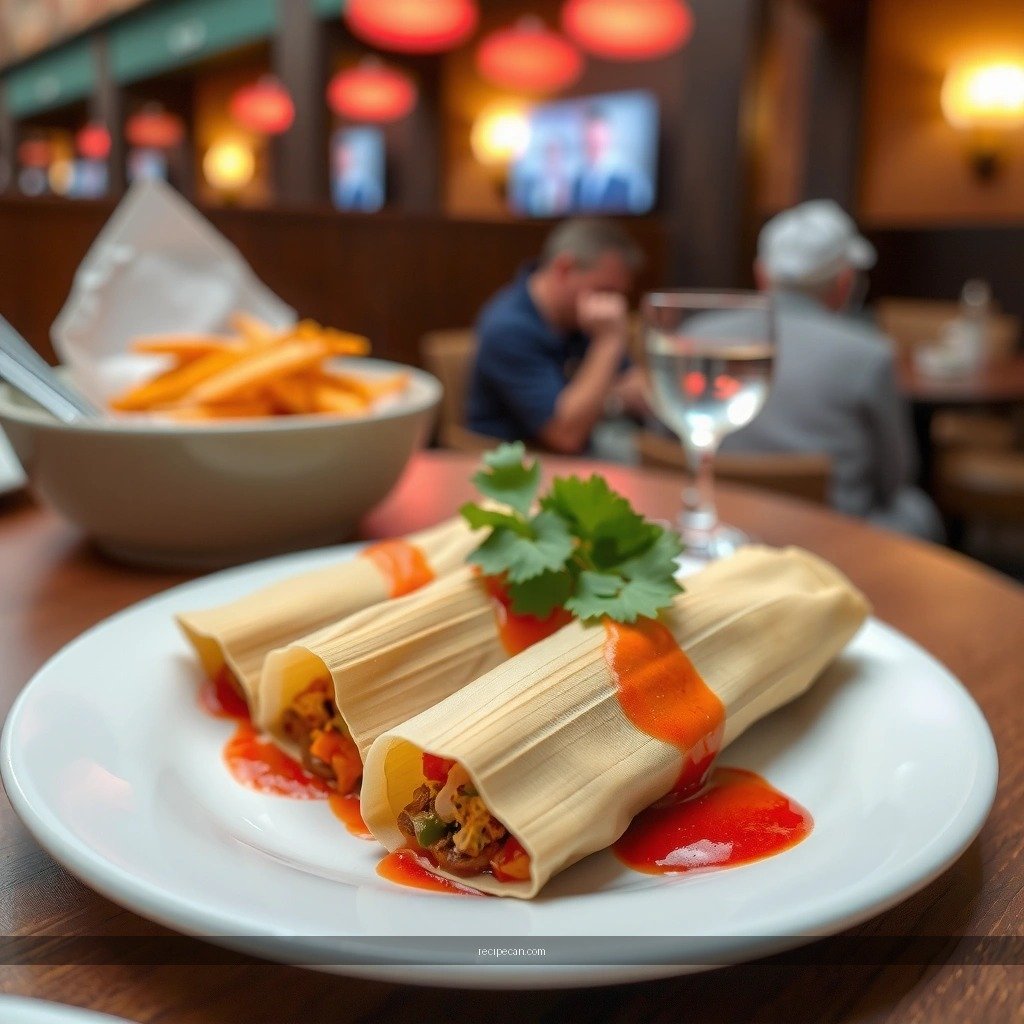
For tamales, masa is not a passive ingredient—it’s a structural system. The key outcomes are:
– Smooth, spreadable texture
– Seasoned enough to taste complete even before toppings
– Proper hydration so it cooks through during steaming
How to mix masa harina
1. Rehydrate dry ingredients: In a bowl, combine masa harina with salt (and optional baking powder).
2. Add warm liquid gradually: Stir in warm broth (often chicken broth or water) until the dough softens.
3. Incorporate fat: Add softened fat and mix until smooth. Many cooks beat or mix more than expected here—fluffiness improves tenderness.
4. Adjust consistency: Masa should spread without tearing. If it feels dry, add broth 1–2 tablespoons at a time. If it’s runny, add a small spoonful of masa harina and re-mix.
Seasoning benchmarks
– The masa should taste savory and slightly bold—not flat. Chili sauce will add additional seasoning, but masa must not be under-seasoned.
– If your red chile sauce is intensely salty, you can reduce the masa salt slightly.
Why this matters analytically
Steaming cooks the masa via steam moisture and gradual temperature transfer. If the dough is too stiff, it cooks unevenly and can dry at the edges. If it’s too wet, it can separate and create a gummy interior.
Assemble the Tamales
Assembly determines both performance and eating experience: tight folds hold filling in place, and consistent thickness ensures predictable steaming.
Step-by-step assembly
1. Soak husks first: The husks should be pliable and able to bend without cracking. Remove excess water, but don’t leave them soaking until waterlogged beyond usability.
2. Spread masa: Lay a husk flat (shiny side if applicable), then spread a thin, even layer of masa—typically thicker in the center where the filling sits.
3. Add filling: Place shredded pork or chicken in the middle. Avoid overfilling; too much filling prevents proper closure and can cause messy edges.
4. Fold tightly: Bring husk sides together and fold lengthwise or according to your regional method.
5. Arrange for steaming: Place tamales seam-side down (or angled so seams are protected) to reduce leaks and maintain shape.
Filling texture guidance
– Shredded pork/chicken should be moist but not watery. If your filling is too wet, it can create pockets that slow masa cooking.
– If using cheese, use firm cheese (or slightly thickened chili sauce with the cheese) so it doesn’t leak into the steamer.
Operational efficiency tip
If you’re making a batch for workweek meals, set up an assembly line: husks → masa spread → filling → fold → tray. This improves consistency and keeps dough from drying out.
Steam the Tamales
Steaming is the “heat management” phase—gentle, steady steam produces tender tamales, while aggressive boiling can dry them or cause uneven cooking.
Steaming method that works
1. Use a covered pot and steamer rack: Add water below the rack. Keep water simmering—not actively raging.
2. Avoid drying out: Check water level periodically. Add hot water as needed to maintain steam production.
3. Cook until masa pulls cleanly: Typical cook time ranges 1.5 to 2.5 hours, depending on tamale size and how wet your filling is.
4. Test doneness: The masa should separate from the husk edges cleanly. If it sticks, keep steaming and test again after 15–20 minutes.
Risk management
– Under-steamed: masa clings to husk, feels dense or pasty.
– Over-steamed: masa can become dry, and husks may loosen excessively.
– Uneven heat: tamales near the edges may finish faster; rotate trays if you’re using multiple layers.
Serve, Store, and Reheat
Red chili tamales are excellent for meal planning because flavors often improve as they rest. Serving is simple: keep your sauces and garnishes ready so each eater can customize heat and brightness.
– Spoon extra red chili sauce over tamales to restore moisture and intensity.
– Top with queso fresco for salt and creaminess.
– Add cilantro and a squeeze of lime for a clean finish.
Storage best practices
– Refrigerate: Store cooled tamales in an airtight container for up to 4 days.
– Freeze: Wrap tamales individually for best results, then freeze up to 3 months.
Reheating without losing texture
– Best method: steam. Re-steam until hot throughout. This restores the tamale’s original softness.
– Microwave option: If microwaving, use a damp paper towel and cover. Heat in short bursts to avoid drying.
Make-ahead advantage (business-friendly meal planning)
Cook once, portion, and reheat to serve on demand. If you’re preparing for a week, steam and portion early in the day, then reheat quickly for dinner—consistent results with minimal daily effort.
Red chili tamales are all about building great chili flavor, properly mixed masa, and steady steaming. Follow these steps to get tender tamales with a bold, spicy sauce—then make a batch ahead for easy weeknight meals. Try the recipe now and adjust the heat to your taste.
If you want, tell me your preferred heat level (mild/medium/hot) and whether you’re using pork, chicken, or cheese, and I’ll tailor the chile blend and timing to match.
Frequently Asked Questions
What is the best red chili tamales recipe for beginners?
A beginner-friendly red chili tamales recipe focuses on a well-balanced chile sauce and a tender masa that spreads easily. Use dried New Mexico or guajillo chiles blended with garlic, onion, broth, and a little salt to create a smooth, red chili filling. In the masa, add fat (lard or vegetable shortening), baking powder, and seasonings until the dough is fluffy and light. If you’re new, keep the filling simple (like shredded pork or chicken) so you can perfect the folding and steaming first.
How do you make red chile sauce for tamales from scratch?
To make red chile sauce, toast dried chiles briefly, then soak them in hot water until soft. Blend the softened chiles with garlic, onion, spices, and enough soaking liquid or broth to create a smooth sauce, then simmer it to thicken and deepen flavor. Taste and adjust with salt, a pinch of cumin or oregano, and sometimes a small amount of sugar to balance heat. The sauce should be pourable but not watery, so it coats the meat well without soaking the masa.
How do you keep red chili tamales from turning out dry or tough?
Dry or tough tamales usually come from overly thick masa, insufficient fat, or steaming too long without enough moisture. Aim for a masa consistency that spreads easily and is moist but not runny, and measure your masa and sauce so the filling doesn’t dry out. Steam tamales in a covered steamer with steady steam for the full time, checking the pot water level as needed. When done, let them rest briefly so the masa sets and the flavors of red chili tamales meld.
Why do some red chili tamales taste bitter, and how can you prevent it?
Bitter flavor in red chili tamales often comes from using chiles that were not properly toasted or having seeds and tough stems blended in. Toast dried chiles lightly—just until fragrant—and soak them until fully rehydrated, then strain the sauce to remove grit. If the chile sauce tastes sharp, simmer it longer to round out flavors and adjust with salt; a small touch of sugar or a spoon of masa can also help balance bitterness. This is a common fix when your homemade red chili tamales sauce tastes off.
Which filling is best for red chili tamales—pork, chicken, or beef?
Pork is the most classic choice for red chili tamales because it stays juicy and absorbs the smoky heat of the chile sauce well. Shredded chicken works too if you want a lighter option, and it pairs especially well with a slightly tangier red chili sauce. Beef can be delicious but often needs longer simmering to become tender enough for easy shredding. Choose your filling based on texture preferences, and season the meat generously so every bite of red chili tamales is flavorful.
References
- Tamale
https://en.wikipedia.org/wiki/Tamale - https://www.britannica.com/topic/tamale
https://www.britannica.com/topic/tamale - https://en.wikipedia.org/wiki/Chili_Colorado
https://en.wikipedia.org/wiki/Chili_Colorado - Nixtamalization
https://en.wikipedia.org/wiki/Nixtamalization - Masa
https://en.wikipedia.org/wiki/Masa_harina - Chili pepper
https://en.wikipedia.org/wiki/Chili_pepper - List of Mexican dishes
https://en.wikipedia.org/wiki/List_of_Mexican_dishes - Google Scholar Google Scholar
https://scholar.google.com/scholar?q=red+chile+tamales+recipe - Google Scholar Google Scholar
https://scholar.google.com/scholar?q=chile+Colorado+sauce+tamales - Google Scholar Google Scholar
https://scholar.google.com/scholar?q=nixtamalization+masa+harina+traditional+tamales