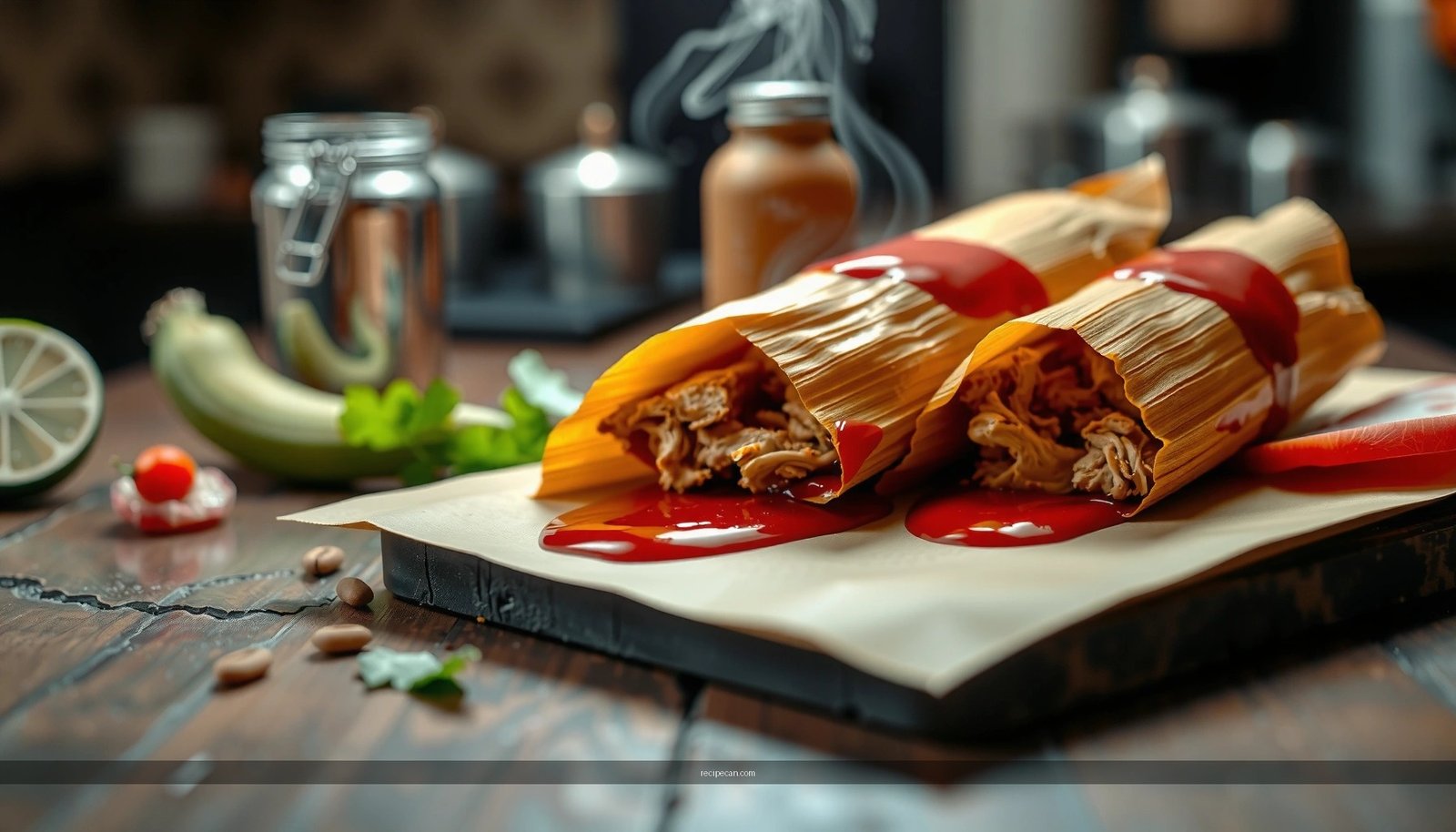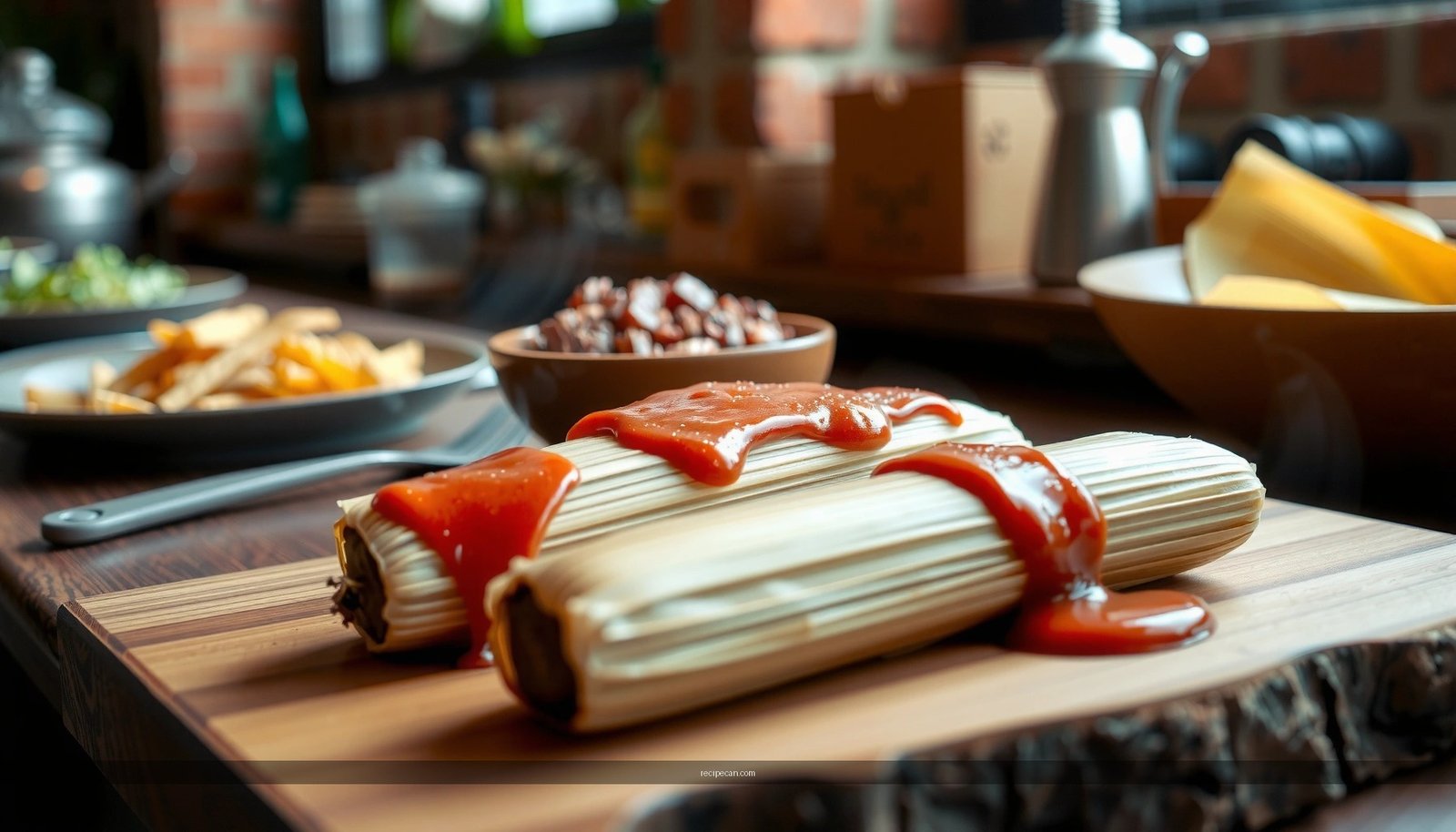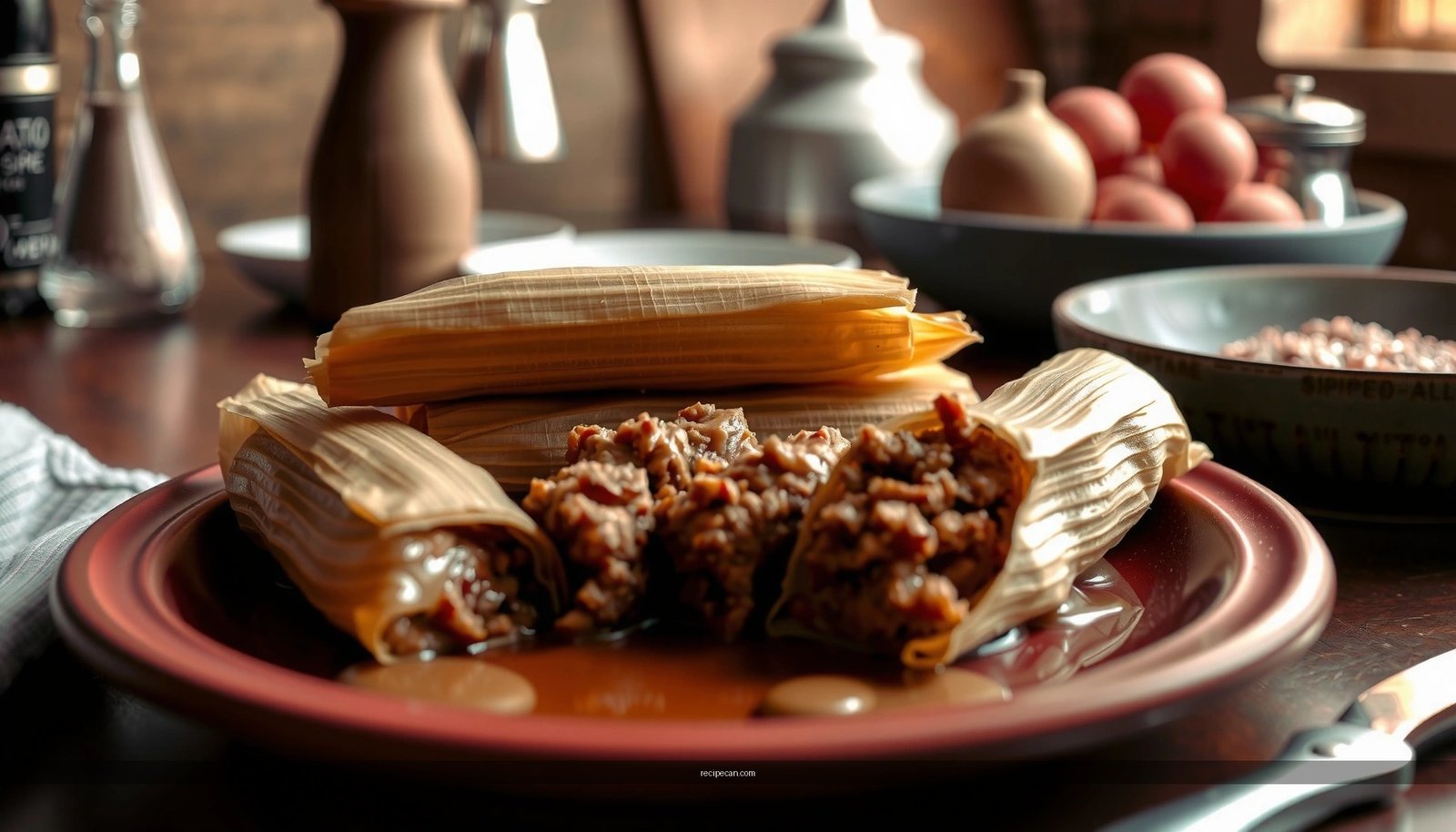
Get easy homemade pork tamale recipes that actually deliver tender masa and a deeply seasoned pork filling. If you want the quickest path to authentic-style tamales—without guesswork—this guide gives you a reliable pork filling method, clear step-by-step assembly, and timing that helps you nail the texture. By the end, you’ll know exactly how to make pork tamales that taste like they came from your best local spot.
Pork tamale recipes are easiest when you focus on three fundamentals: tender pork shoulder, properly hydrated masa, and consistent steaming. Get those right and you’ll produce homemade tamales with a rich pork filling and masa that sets cleanly—so this guide walks you through the process step-by-step, including practical ingredient guidance and doneness cues.
Pork tamales are more than a traditional recipe—they’re a workflow. You’re converting tough cuts of meat into flavorful, shreddable filling; transforming dried corn dough into a spreadable masa; and using steam to gently bind everything into a unified bite. That’s why the best approach is analytical: match the cut to the cooking method, balance seasonings so the filling tastes complete on its own, and treat masa texture as a controllable variable rather than guesswork.
To help you make confident decisions while cooking, the sections below cover what matters most: choosing the right pork, building seasoning depth, mixing masa correctly, assembling consistently, and steaming until the tamales release cleanly.
Typical Pork Cuts Used for Tamales (Performance Summary)
| # | Pork Cut | Best Tamale Use | Shredding Ease | Flavor Intensity | Overall Score |
|---|---|---|---|---|---|
| 1 | Pork shoulder (butt) | Classic filling | Very easy | High | 9.5★ |
| 2 | Pork shoulder roast (bone-in) | Extra-brothy filling | Easy | High | 9.2★ |
| 3 | Pork chuck roast | Budget-friendly swap | Moderate | Medium-high | 8.3★ |
| 4 | Pork brisket | Rich, slower braise | Moderate | Medium | 7.8★ |
| 5 | Pork shoulder trimmed | Lean-leaner versions | Easy | Medium | 6.9★ |
| 6 | Pork loin | Not ideal (overcooks fast) | Hard | Medium | 5.4★ |
| 7 | Pork ribs (meaty cut) | Flavor boosters | Easy (meat/trim) | High | 8.0★ |
Choose the Right Pork for Tamale Filling
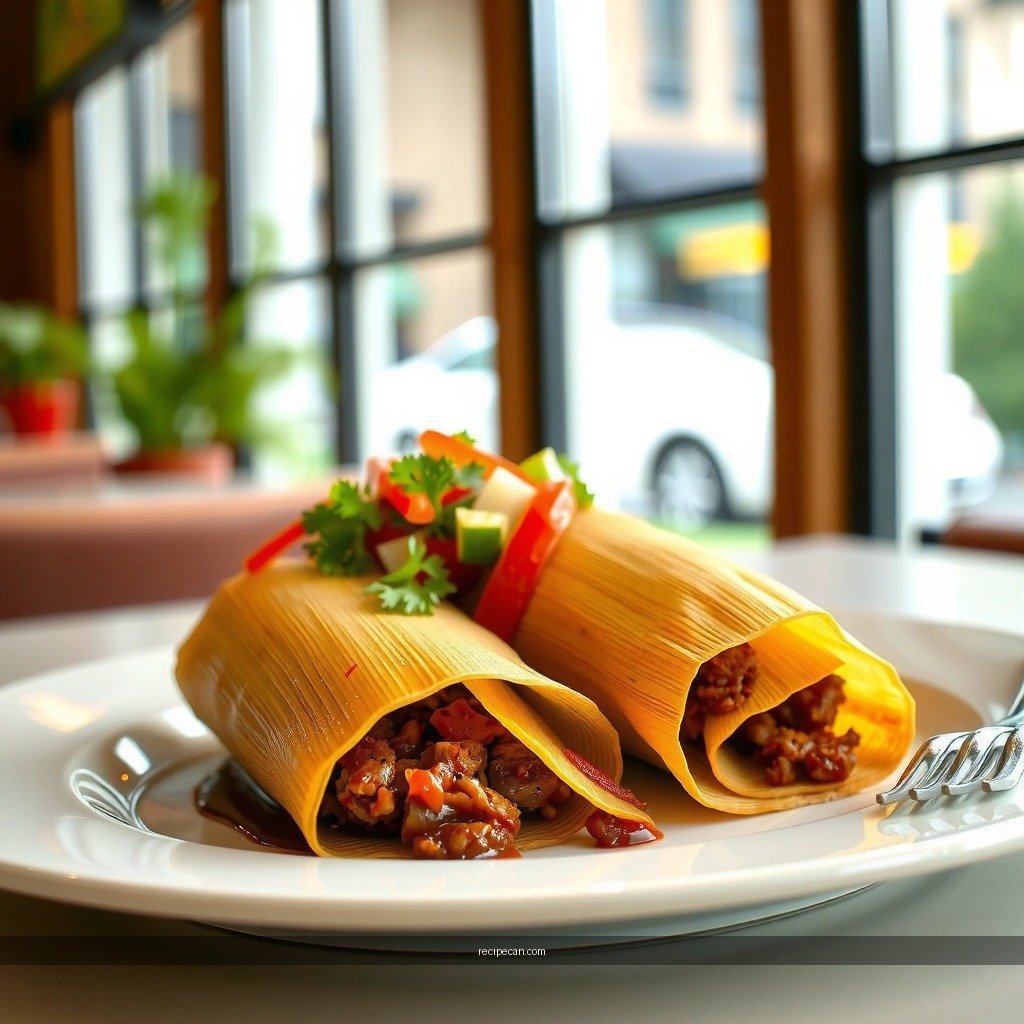
The foundation of any pork tamale recipe is the meat you can reliably shred after long, gentle cooking. Pork shoulder (also called pork butt in many markets) is ideal because it contains connective tissue and intramuscular fat that break down into a tender, spoonable filling.
– Use pork shoulder or pork butt for the best tender, flavorful results
These cuts tolerate simmering without turning dry. As the connective tissue melts, your pork becomes naturally juicy and easier to distribute through the masa.
– Cut into chunks and simmer until easy to shred
Aim for chunks roughly 1.5–2 inches so they cook evenly. Simmering (rather than hard boiling) helps you keep the pork tender and prevents the filling from becoming stringy.
Practical benchmarks:
– For stovetop braising, plan 2 to 3 hours of simmering until pork shreds easily with a fork.
– If using a pressure cooker, expect 45 to 75 minutes depending on chunk size and machine model.
– Reserve some cooking liquid—this becomes a powerful tool later when you need to loosen filling or adjust overall richness.
Business-like planning tip: If you’re making tamales in batches, cook pork fully, shred it, and cool. Cold shredded meat blends with seasonings more consistently during assembly.
Make Flavorful Pork Tamale Seasoning
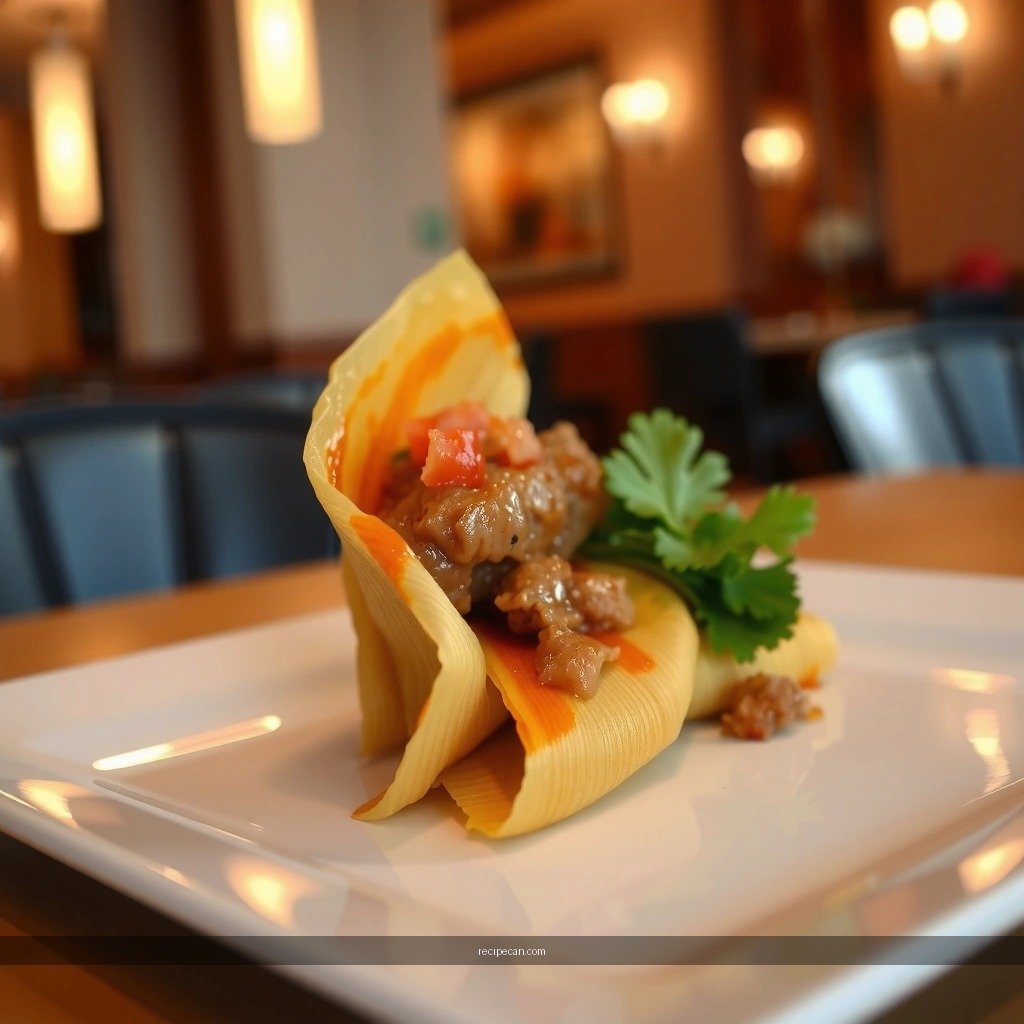
A great pork tamale seasoning should taste good on its own because the filling is doing most of the flavor work. The goal is balance: savory depth, gentle heat, and aromatic warmth that doesn’t overwhelm the masa.
– Season with chili sauce, garlic, onion, cumin, and optional Mexican oregano
Start by building a flavor base. A classic approach uses blended chili (for color and heat), plus aromatics like garlic and onion, and spices like cumin. If you like that distinctive tamale profile, add Mexican oregano in moderation—it’s more robust and earthy than common dried oregano.
– Balance salt and spice so the filling tastes great on its own
Many home cooks under-season fillings because masa feels “bland” at first. In reality, the best filling tastes slightly bolder than you’d expect—then the masa evens it out. Taste after simmering and before assembly, and adjust salt and chili until it hits your target.
Actionable method (high reliability):
1. Brown or sweat aromatics (garlic/onion) briefly in a little oil.
2. Add chili sauce and spices (including cumin).
3. Simmer shredded pork in the seasoned chili mixture for 20–30 minutes so flavors integrate.
Consistency matters: If your pork looks watery after simmering, reduce it a bit. Tamale filling should be moist but not soupy, otherwise it can weaken the masa’s set during steaming.
Prepare the Masa (Corn Dough) Correctly
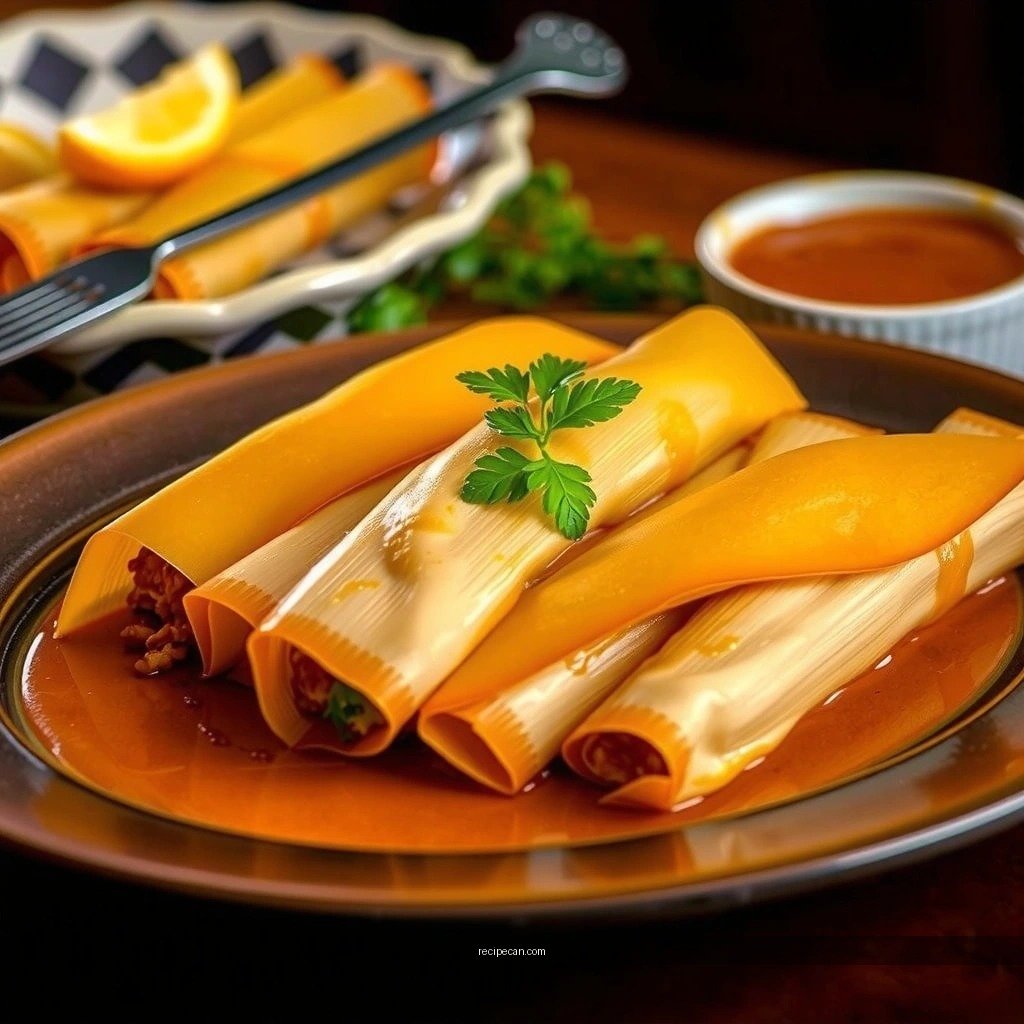
Masa is not just “dough”—it’s the structure of your tamales. Even if your pork filling is perfect, poor masa texture will lead to tearing, dry bites, or inconsistent cooking.
– Use masa harina and mix to a smooth, spreadable consistency
Masa harina rehydrates differently depending on brand and humidity. Mix gradually with broth so you can control viscosity. The ideal masa should spread without cracking and should hold a soft, thick layer when spread on the husk.
– Add broth for richness and adjust thickness as needed
Use pork cooking broth or stock for a deeper savory profile. Add broth slowly. If the masa is too thick, it will be heavy and can dry out during steaming. If it’s too thin, it will soak into the husk and fail to set cleanly.
Texture checks that prevent mistakes:
– When spread with a spoon, it should leave a smooth surface and not immediately drip.
– If you lift a bit with a spoon, it should fall slowly like thick batter—reluctant, not runny.
Why this is “analytical”: Masa is sensitive to liquid ratio. Treat it like a controllable system: add broth incrementally, rest briefly, then remix. Resting hydrates starches and improves spreadability.
Assemble Tamales Step-by-Step
Assembly is where homemade tamales become a production task—except you’re doing it with love. The payoff is uniform cooking, cleaner texture, and easier portioning for guests.
– Spread masa on the corn husk, add pork filling, then fold and tie
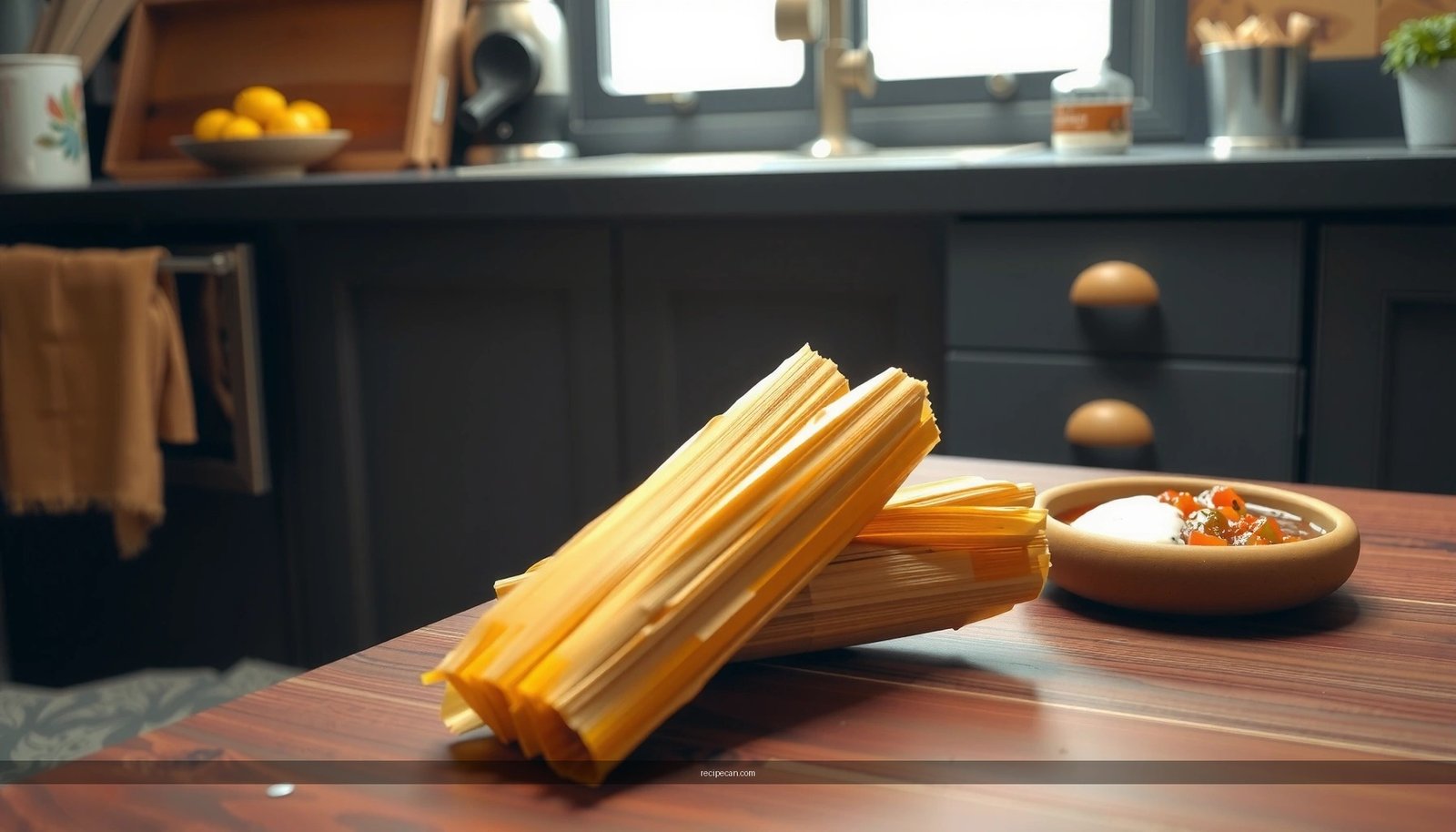
Soak dried corn husks until pliable. Then pat them dry so excess water doesn’t dilute masa. For each tamale:
1. Spread a layer of masa on the husk (not too thin, not too thick).
2. Add a line or small mound of pork filling down the center.
3. Fold and tie (or fold and secure) so the filling stays contained.
– Keep portions even so they cook uniformly
Uneven tamales are the #1 cause of batch inconsistency—some finish early and others remain soft. Use a consistent spoon size for masa and filling. If you’re working with a team, assign roles: one mixes masa, one spreads, one fills, one ties.
Quality control during assembly:
– Don’t overfill. Filling expands slightly and can push out, causing messy steaming.
– Leave a small margin around the edges so masa seals better when folded.
– If your filling is thicker, use a smaller portion. If it’s looser, use slightly less to reduce seepage.
Steam Tamales Until Perfectly Done
Steaming is where patience delivers professional results. You’re relying on steady heat and trapped steam to cook masa through without drying it out.
– Steam in batches and keep water level steady throughout cooking
Avoid overcrowding the steamer; steam needs circulation. Keep water at a consistent level so cooking time doesn’t fluctuate. If you frequently lift the lid to check, compensate by extending cook time.
– Test doneness by checking that masa pulls away and tamales feel set
Start testing near the end:
– Masa should look set and not wet-looking.
– When gently peeled from the husk, masa should separate more easily.
– Tamales should feel firm enough to hold shape but still tender.
Estimated steaming times (practical ranges):
– Most homemade pork tamales steam in 60 to 90 minutes depending on size and masa thickness.
– Larger tamales, thicker masa layers, or cold batch starting temperature may take closer to the upper end.
Operational best practice: Once they’re done, let tamales rest 10–15 minutes before serving. Resting firms structure and improves clean peeling.
Troubleshooting Common Pork Tamale Problems
Even experienced cooks troubleshoot. The trick is diagnosing the cause early—most tamale issues trace back to masa texture, over/under-steaming, or uneven arrangement.
– Fix dry masa by adding small amounts of liquid while mixing
If masa feels crumbly, stiffness usually means insufficient hydration. Sprinkle in broth a teaspoon at a time, mix thoroughly, and let it rest briefly. Then reassess spreadability. For already-assembled tamales, dry masa can’t be “fixed” easily—so correct during mixing.
– Prevent uneven steaming by arranging tamales upright and tightly packed
Place tamales standing upright when possible so steam exposure is consistent. Pack them snugly without crushing husks. If your steamer has limited space, cook in smaller batches to maintain steady heat.
Common signs and fixes:
– Masa tears when peeled: too dry masa or under-steamed. Next batch, slightly increase broth and steam a bit longer.
– Filling leaks out: overfilled tamale or masa too thin on the husk edge. Next batch, leave more margin and use a slightly thicker masa layer.
– Center feels undercooked: steam longer or reduce size/thickness. Uniform tamale size is the key lever.
For first-time makers, consider tasting the pork filling before assembling—this avoids the situation where you discover seasoning gaps after the labor of wrapping.
Pork tamale recipes are simple once you nail the masa texture, season the pork well, and steam consistently. Try this recipe method, taste the filling before assembling, and adjust seasonings to your preference—then make your next batch even easier by keeping your husks and masa prepped ahead of time.
Frequently Asked Questions
What are the best pork tamale recipes for beginners?
A great beginner-friendly pork tamale recipe uses pork shoulder cooked until tender, then shredded and simmered with a simple red or green chile sauce. Choose a masa harina based on regular cornstarch-free instructions and spread a consistent thin layer so the tamales steam evenly. Look for recipes that include step-by-step guidance for soaking corn husks and assembling tamales to reduce common failures like dry masa or uneven texture.
How do I make pork tamales with tender, flavorful pork filling?
Start by braising pork shoulder with onions, garlic, and broth until it’s fork-tender, then shred it for the filling. Simmer the shredded pork with roasted red chiles (or tomatillos for green) plus spices like cumin, oregano, and chili powder, tasting until the sauce is balanced. This approach helps the pork tamales develop deep flavor while keeping the filling moist and not greasy.
Why do my pork tamales come out dry or tough, and how can I fix it?
Dry or tough tamales usually come from masa that wasn’t hydrated enough or from over-steaming. Use warm broth and beat the masa until light and fluffy, and follow the recipe’s guidance for corn husk prep so moisture doesn’t escape during steaming. If your masa feels stiff, add small amounts of warm liquid; if they’re overcooked, reduce steaming time and check for readiness early.
Which is better for pork tamales: red chile or green chile?
Red chile is often richer and smokier, making it a popular choice for pork tamales with a deeper, earthy flavor profile. Green chile (tomatillo-based) tends to be brighter and tangier, which can cut through the richness of pork. Either works well, but the “best” option depends on whether you prefer a bold smoky taste or a fresh, tangy sauce.
How long do pork tamales need to steam, and how do I tell when they’re done?
Most pork tamale recipes require steaming for about 60 to 90 minutes, depending on tamale size and whether the pot has a steady simmer. They’re ready when the masa pulls away slightly from the corn husk and the center feels set rather than wet or sticky. If you’re unsure, unwrap one tamale after the minimum time—once the masa is fully cooked and consistent, the rest should be ready as well.
References
- Tamale
https://en.wikipedia.org/wiki/Tamale - Google Scholar Google Scholar
https://scholar.google.com/scholar?q=pork+tamales+recipe - Google Scholar Google Scholar
https://scholar.google.com/scholar?q=how+to+make+tamales+pork+masa - Google Scholar Google Scholar
https://scholar.google.com/scholar?q=traditional+tamale+preparation+techniques+meat+filling - https://www.britannica.com/topic/tamale
https://www.britannica.com/topic/tamale - The Walkman’s Invention 40 Years Ago Launched a Cultural Revolution
https://www.smithsonianmag.com/arts-culture/inside-tamal-making-history-180972552/ - https://www.bbc.co.uk/food/recipes/homemade_tamales_71210
https://www.bbc.co.uk/food/recipes/homemade_tamales_71210 - https://www.theguardian.com/food/2020/dec/05/how-to-make-tamales
https://www.theguardian.com/food/2020/dec/05/how-to-make-tamales - https://cooking.nytimes.com/recipes/1018142-homemade-tamales
https://cooking.nytimes.com/recipes/1018142-homemade-tamales - Google Scholar Google Scholar
https://scholar.google.com/scholar?q=pork+tamale+recipes