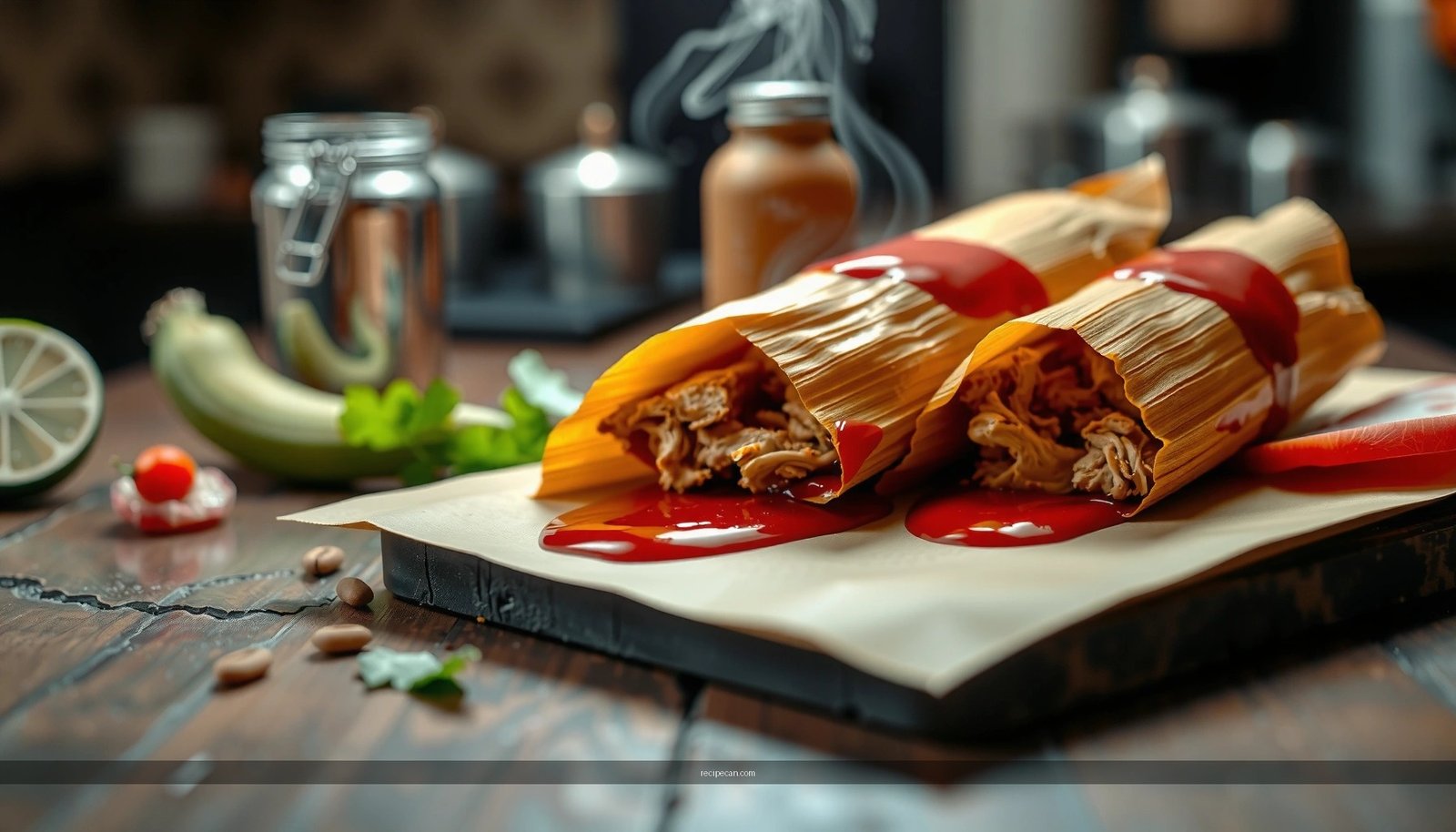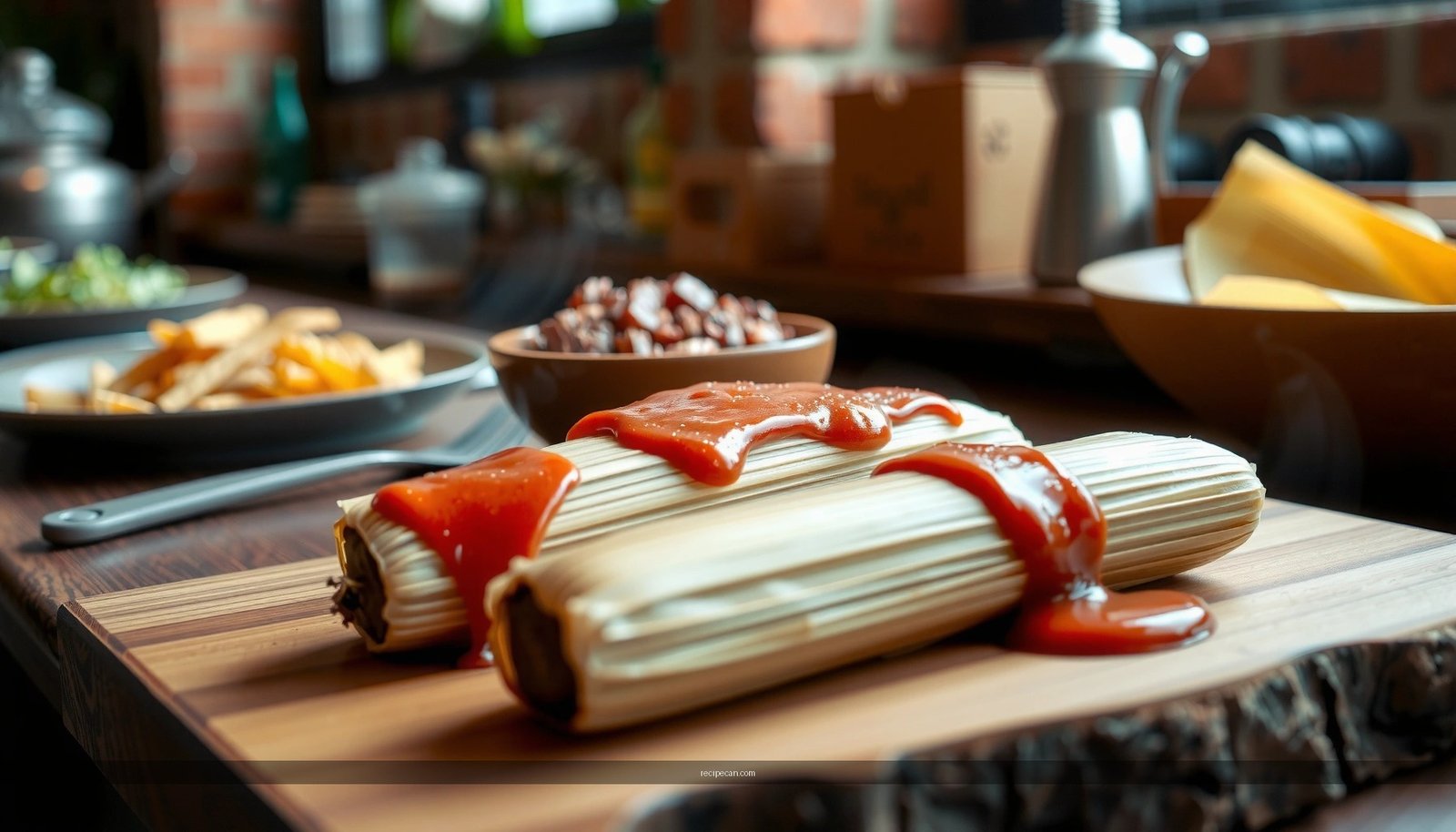
You can follow this New Mexico tamale recipe step by step to make authentic, tender tamales with masa and chile that actually set up right the first time. The guide answers the key question—how to build, steam, and time New Mexico-style tamales for the perfect texture. Get clear instructions from prep through serving, so you’ll know exactly what to do at every stage.
New Mexico tamales are made by steaming masa filled with seasoned pork and red chile (or green chile) until tender—so if you follow the right texture for masa and steam consistently, you’ll get authentic flavor at home. This step-by-step New Mexico tamale recipe walks you through building the chile-forward filling, mixing smooth masa harina dough, assembling in corn husks, and steaming until the husks separate cleanly.
Choose Your Chile (Red or Green)
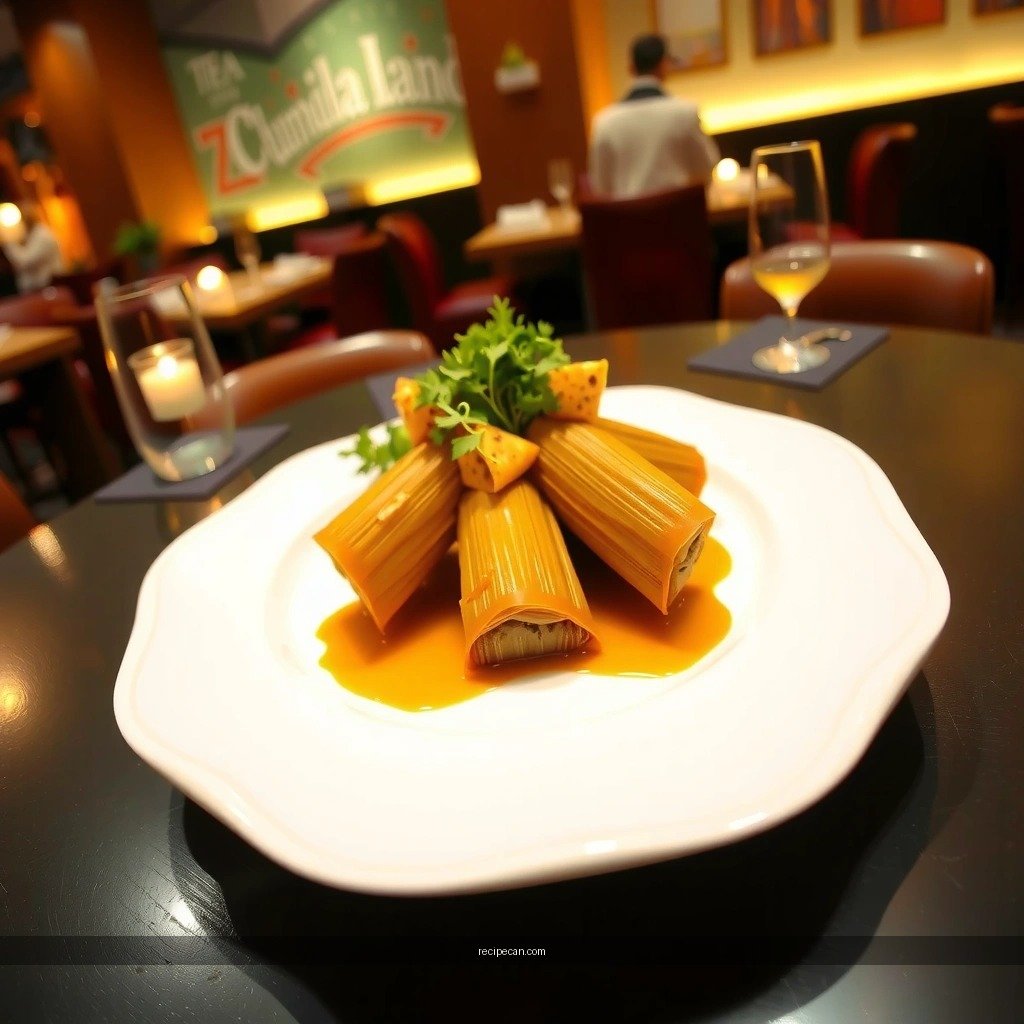
Choosing between red chile and green chile determines the character of the finished tamales. Red chile is typically made from dried New Mexico chiles (often Hatch), which deliver a deeper, smoky, slightly sweet heat. Green chile is usually made from fresh or roasted green chiles blended into a chile sauce; it’s brighter, more vegetal, and often feels “fresher” even when it’s just as hot.
Red chile (dried New Mexico chile)
– Expect a more complex, smoky profile with a warmer, earthier heat.
– Great if you want classic “New Mexico chile” depth in every bite.
– Best practice: roast and rehydrate dried chiles, then simmer into a thick sauce that clings to the pork.
Green chile (roasted green chile sauce)
– Expect a tangier, grassy, lightly roasted flavor.
– Great if you’re serving guests who prefer chile flavor that tastes less smoky and more “alive.”
– Best practice: use roasted green chile (not bland canned pepper sauce) and reduce so it coats the meat rather than pools.
If you want both
Many home cooks make a mixed batch—red for one half, green for the other—because both are distinctive. Season the pork filling similarly, then adjust the chile intensity so the tamales aren’t overly salty or overly hot. A small amount of chile reduction in both versions helps achieve a consistent, tamable thickness.
Chile ingredient decision checklist
– Traditional flavor: dried New Mexico chiles for red.
– Convenience: prepared red chile sauce or roasted green chile sauce, but reduce it to concentrate flavor.
– Heat control: add chile gradually and taste; dried chiles vary dramatically by brand and harvest.
Red vs. Green Chile: Typical Taste & Heat Benchmarks
| # | Chile Type | Flavor Profile | Typical Heat Range* | Best Use in Tamales | Home Cook Rating |
|---|---|---|---|---|---|
| 1 | Dried New Mexico Red Chile (Hatch-style) | Smoky, earthy, slightly sweet | 2,500–5,000 SHU | Classic red chile pork tamales | ★★★★☆ |
| 2 | Red Chile Powder (Blend) | Smoky, concentrated chile taste | 2,000–6,000 SHU | Quick sauce thickening | ★★★☆☆ |
| 3 | Roasted Green Chile (Mild) | Bright, roasted, lightly tangy | 500–2,500 SHU | Family-friendly green pork tamales | ★★★★☆ |
| 4 | Roasted Green Chile (Medium/Hot) | Roasted, herbal heat | 2,500–7,500 SHU | Spicier green chile batches | ★★★☆☆ |
| 5 | Prepared Red Chile Sauce | Varying smokiness, consistent convenience | 1,500–5,000 SHU | Weeknight chile filling (reduce first) | ★★★★☆ |
| 6 | Prepared Green Chile Sauce | Roasted aroma, mild to medium heat | 800–3,500 SHU | Consistent green chile tamales | ★★★☆☆ |
| 7 | Chile-Flavored Stock (for thicken + color) | Subtle chile flavor, good for balancing salt | 200–1,000 SHU | Adjusting consistency before steaming | ★★★☆☆ |
Heat ranges vary by cultivar, roast level, and sauce formulation. SHU values are typical benchmarks rather than guarantees.
Make the Tamale Filling
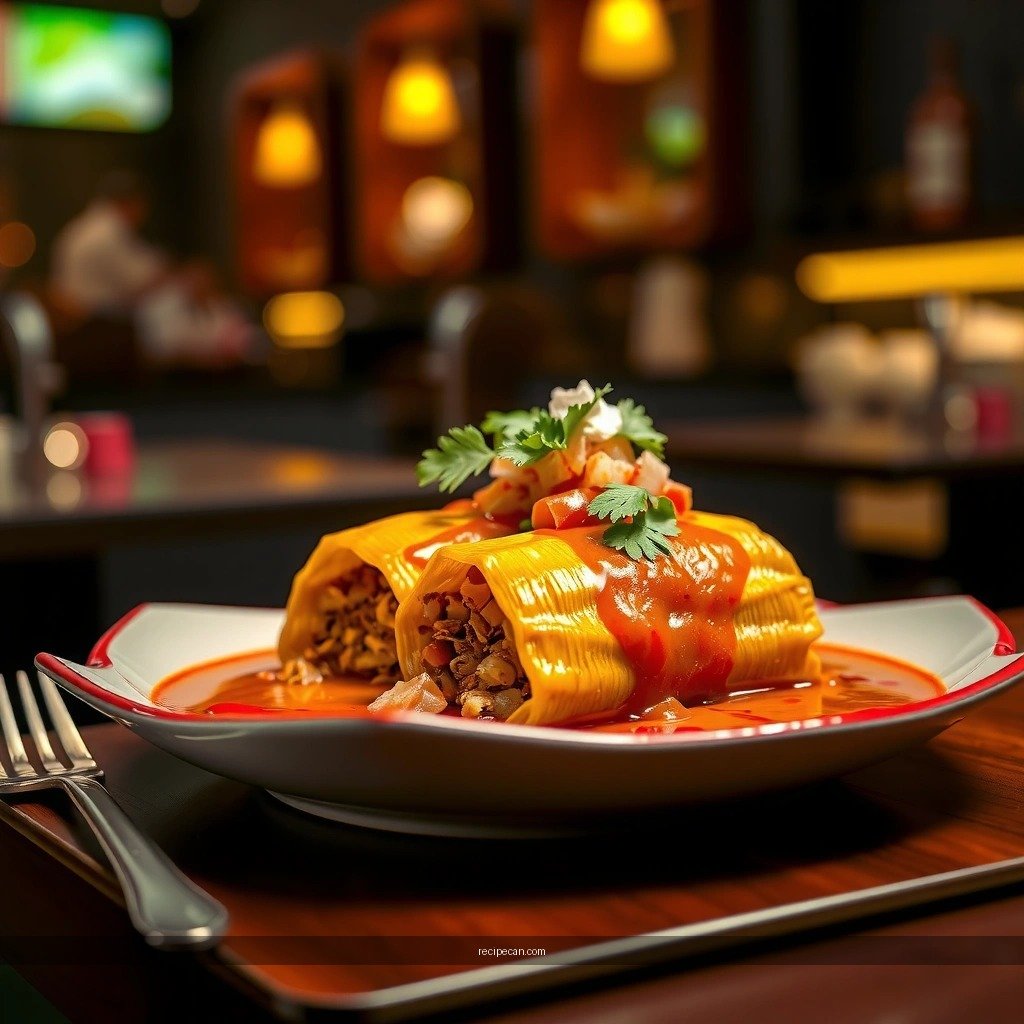
A great New Mexico tamale filling is tender, well-seasoned, and thick enough that it stays put when you fold the masa. The most common approach uses pork shoulder (or pork butt) because it shreds cleanly after simmering. Some cooks use beef, but pork is a classic baseline for chile pork tamales.
1) Simmer until shreddable
– Start with pork shoulder and enough liquid (water or broth) to keep the meat moist.
– Add aromatics: onion, garlic, and dried spices (commonly cumin and oregano).
– Simmer gently until the meat shreds easily with a fork—typically about 2 to 3 hours for shoulder.
2) Build chile flavor
– For red: rehydrate dried chiles, blend, strain if desired, then simmer the chile sauce to thicken.
– For green: use roasted green chile sauce and reduce it so the filling isn’t watery.
3) Combine and adjust
– Shred the cooked pork, then mix it with the chile sauce.
– Season to taste with salt. This is where you balance “chile-forward” vs. “just spicy.”
– Add a little fat back if needed (from the cooked meat or broth reduction) to keep the filling juicy.
4) Consistency matters
Your chile filling should be spoonable and clingy—not runny. If it slides off a spoon, simmer longer. If it’s too thick, loosen with a splash of broth.
Actionable tip: Taste the filling before assembling tamales. Masa will mellow flavors, and steaming distributes them. If the filling tastes slightly stronger than you expect, it usually becomes perfect after steaming.
Prepare the Masa Dough
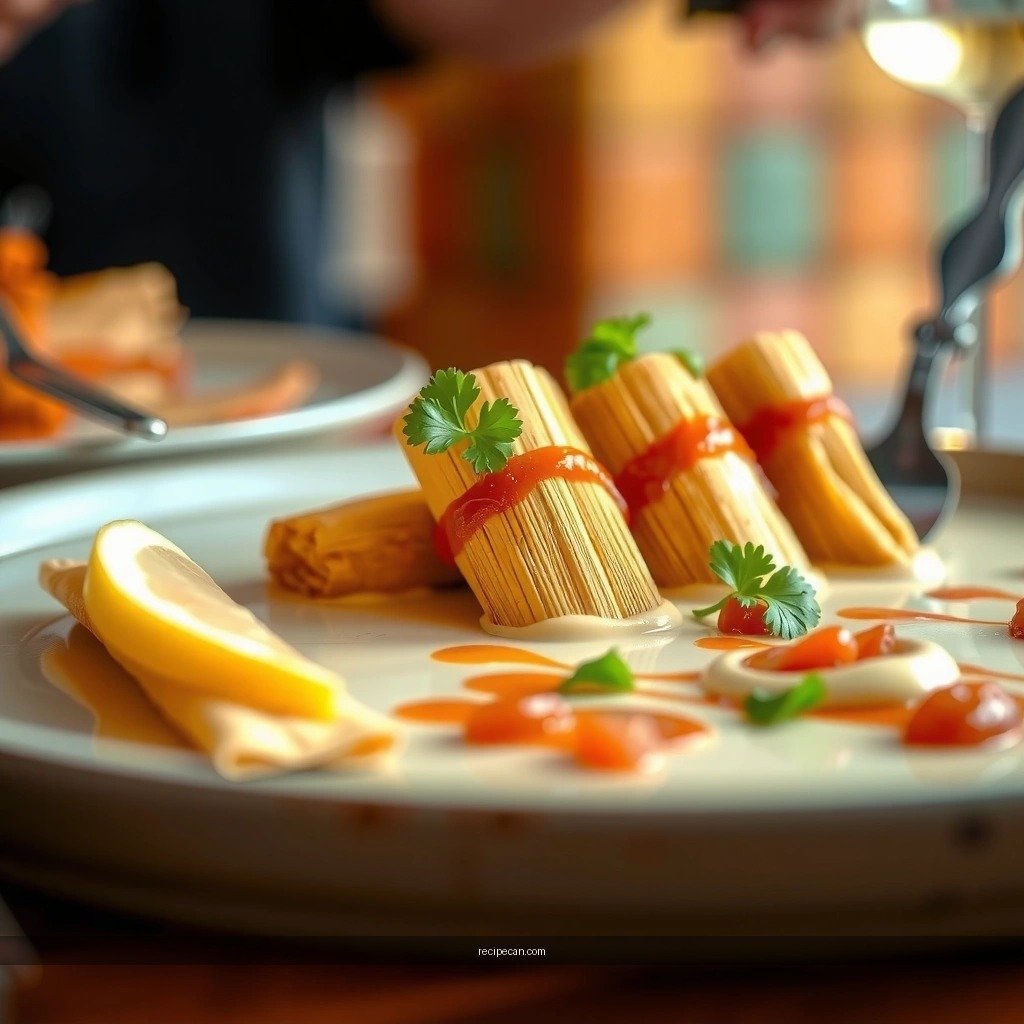
Masa harina is the heart of tamales—getting the dough right is the difference between tamales that slice cleanly and tamales that tear or split.
Core idea: masa should be smooth, spreadable, and able to hold shape. You want it to spread on husks with minimal tearing and set during steaming.
Steps that improve reliability
1. Mix dry + liquid gradually
Combine masa harina with warm broth (or pork cooking liquid), plus salt.
2. Add fat for tenderness
Many recipes use lard or a neutral cooking fat. The fat helps with flavor and a tender, cohesive texture.
3. Mix until the dough is cohesive
Beat until no dry pockets remain and the masa looks like thick cake batter.
4. Check texture using the spread test
– If it’s too stiff: add a teaspoon or two of warm broth at a time.
– If it’s too loose: add a bit more masa harina and mix.
Optional but effective: rest the dough
Let masa rest 15–30 minutes. Hydration improves texture and reduces cracking during assembly.
How to avoid common masa failures
– Cracking husks / dry dough: masa is too stiff or hasn’t been hydrated enough.
– Loose, soggy tamales: too much liquid, too little fat, or filling is too watery.
– Bland tamales: salt level in masa and filling needs to be deliberate because chile won’t “season” masa by itself.
Assemble the Tamales
Assembly is where you control portioning, stability, and steaming efficiency. Aim for uniform tamales so everything finishes at the same time.
1) Prepare corn husks
Soak corn husks until pliable (commonly 30 minutes to overnight). You should be able to bend them without tearing.
2) Spread masa correctly
– Pat the husk flat and spread a layer of masa evenly.
– Leave space near the top edge so you can fold without spilling.
– Thickness matters: too thin leads to tearing; too thick can overwhelm chile and increase uneven steaming.
3) Add filling with restraint
Place a line or small mound of pork chile filling in the center. A good rule is to use enough that each bite is rich, but not so much that it pushes out when folded.
4) Fold and secure
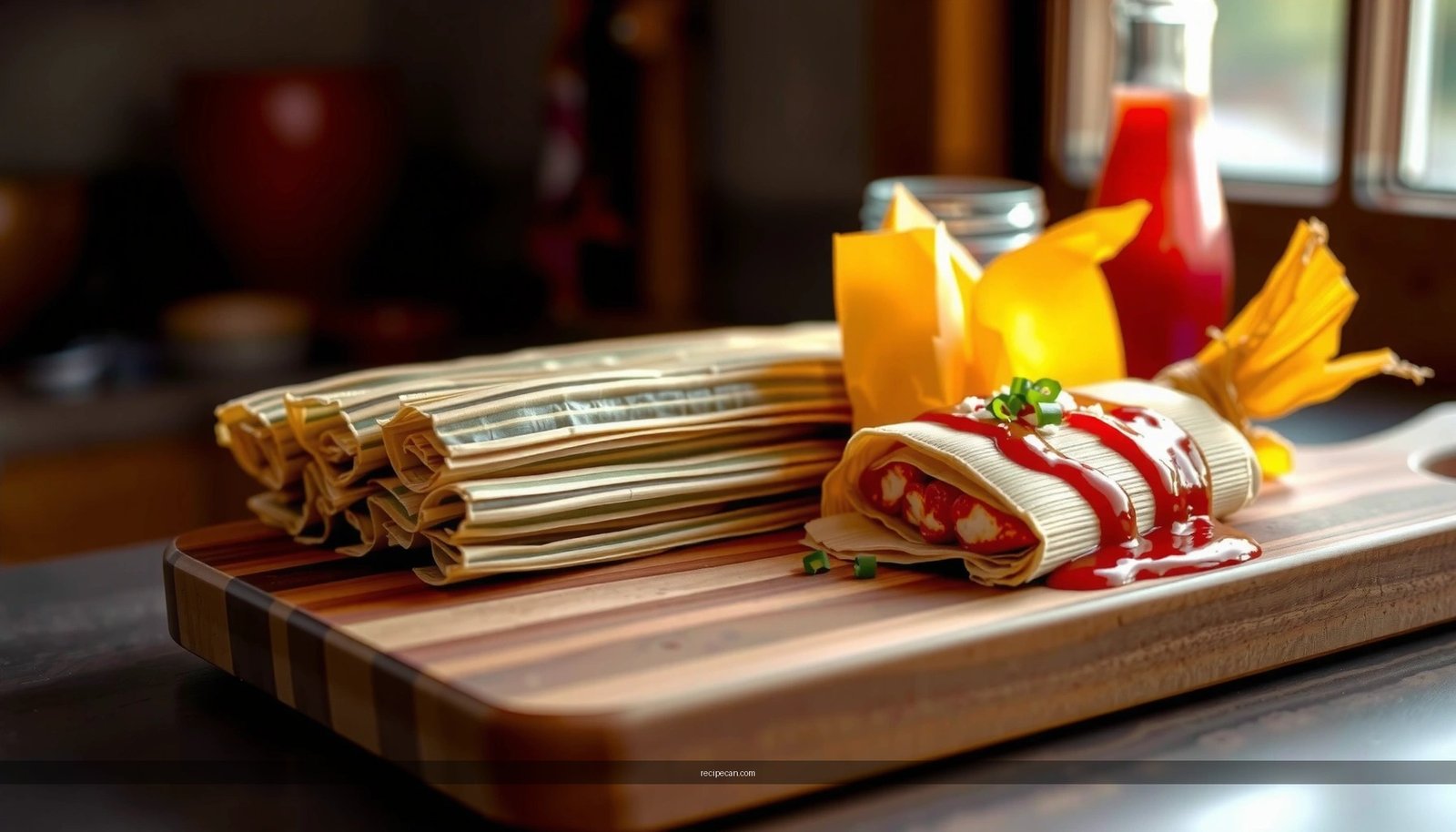
Fold husks so masa stays enclosed during steaming. Many cooks tie with kitchen twine; others rely on a snug fold depending on husk size and tamale shape.
Quality check before steaming
– Tamales should stand upright or be arranged securely so steam circulates evenly.
– There should be no obvious gaps where chile filling can leak out excessively.
Professional takeaway: Consistent assembly is a “process control” problem. Small variations in masa thickness and filling quantity can produce noticeably different doneness. If you’re making a large batch, portion with a consistent scoop or measuring spoon.
Steam Until Tender
Steaming is the final transformation step—gentle, sustained steam sets masa and cooks everything through without drying it out.
1) Set up your steamer
– Use a tamale steamer or large pot with a rack.
– Add water to the bottom portion, keeping it at a simmer.
– Make sure water doesn’t boil vigorously; you want steady steam.
2) Arrange correctly
– Stand tamales upright in rows when possible.
– Leave space so steam can circulate around each tamale.
3) Steam in batches (and avoid rushing)
Tamales typically steam until husks pull away easily and masa is fully set. Many cooks steam for roughly 60–90 minutes for formed batches, then check doneness and continue as needed. The exact time depends on tamale size and the steamer’s steam strength.
4) Check doneness safely
– Don’t open too frequently—steam loss slows the cook.
– Use a test tamale: open one carefully and look for firm, not gummy masa.
– If masa is still soft in the center, steam longer.
Common steaming issues and fixes
– Gummy center: under-steamed—continue steaming with lid on.
– Dry edges: temperature too high or steaming too long—reduce simmer intensity.
– Husks peeling inconsistently: varies batch thickness; next batch, aim for tighter uniformity.
Serve and Store Your Tamales
Resting improves texture and makes tamales easier to serve without falling apart. After steaming, let them rest briefly—often 10–20 minutes—before unwrapping and plating.
– Plate tamales with extra chile sauce on the side.
– Add toppings that complement chile: chopped onion, queso fresco, cilantro, or a squeeze of lime for brightness.
– For breakfast, serve with eggs; for dinner, pair with beans and a simple salad.
Storage for best quality
– Refrigerate: Store in an airtight container for up to 3–4 days.
– Freeze: Wrap individually to prevent freezer burn, then freeze up to 2–3 months.
Reheating without drying
– Best method: steam again until hot throughout.
– Microwave option: reheat with a damp paper towel and a splash of water, then heat in short intervals.
Practical tip: If your batch is large, freezing is the “business logic” solution—consistent results with minimal daily prep. Label bags by chile type (red vs. green) so reheating stays predictable.
New Mexico tamales come out best when you balance rich chile filling with properly mixed masa and steam them until the husks pull away easily. Choose red chile for deeper smoky flavor or green chile for a fresher profile, simmer the pork until shreddable, mix masa harina to the right spreadable texture, and assemble consistently so every tamale steams evenly. If you tell me whether you want red chile, green chile, or both, I can tailor the filling seasoning and timeline to your exact heat preferences.
Frequently Asked Questions
What ingredients do you need for a classic New Mexico tamale recipe?
A traditional New Mexico tamale recipe usually uses masa harina (corn flour), lard or vegetable shortening, salt, and warm broth for the masa. For the filling, you’ll often use red chile (New Mexico red chile), pork or chicken, garlic, onion, and spices like cumin and oregano. Some recipes also include raisins or olives for added flavor, but the core is masa plus a rich New Mexico chile sauce.
How do you make red chile filling for New Mexico tamales without it turning bitter?
Start by toasting and rehydrating dried New Mexico chiles, then blend them with hot water and strain for a smoother sauce. Simmer the chile puree with sautéed onion and garlic, then cook it down until it’s thick and fragrant—this reduces harsh flavors. If your chile tastes bitter, it’s often from undercooking or using stems/seeds; make sure you remove them and simmer gently to mellow the sauce.
How do you assemble New Mexico tamales step-by-step using corn husks?
Soak corn husks in warm water until pliable, then shake off excess water. Spread masa (about a few tablespoons) on a husk, add a spoonful of red chile filling, and fold the sides toward the center, leaving the top slightly open. Steam tamales in a steamer with water that doesn’t touch the masa, typically 60–90 minutes depending on size.
Why do my New Mexico tamales come out dry or tough, and how can I fix it?
Dry tamales usually come from masa that’s too stiff or from steaming too long, which can dehydrate the interior. To fix this, whip the masa with warm broth and fat until smooth and spreadable, then keep the steamer level and covered to maintain consistent steam. If they’re tough, check doneness—overcooking can make masa chewy, so aim for testing by pulling one tamale and seeing if the masa pulls away cleanly from the husk.
Which side dishes pair best with New Mexico tamales?
Classic pairings include Mexican-style rice, refried beans, or a fresh pico de gallo with lime. Many people also serve tamales with charred salsa or extra New Mexico red chile sauce for dipping, plus queso fresco or shredded cabbage for crunch. If you want a traditional plate, add warm tortillas and a simple side salad with cumin-lime dressing to balance the rich chile flavor.
References
- Tamale
https://en.wikipedia.org/wiki/Tamale - New Mexican cuisine
https://en.wikipedia.org/wiki/New_Mexican_cuisine - Masa
https://en.wikipedia.org/wiki/Masa_harina - Nixtamalization
https://en.wikipedia.org/wiki/Nixtamalization - Chili pepper
https://en.wikipedia.org/wiki/Chile_pepper - https://www.britannica.com/topic/tamale
https://www.britannica.com/topic/tamale - Chili pepper | Spicy Heat, Capsaicin, Cultivation, & Uses | Britannica
https://www.britannica.com/plant/chili-pepper - Google Scholar Google Scholar
https://scholar.google.com/scholar?q=New+Mexico+tamale+recipe - Google Scholar Google Scholar
https://scholar.google.com/scholar?q=New+Mexican+red+chile+tamales - Google Scholar Google Scholar
https://scholar.google.com/scholar?q=masa+harina+tamales+New+Mexico+recipe