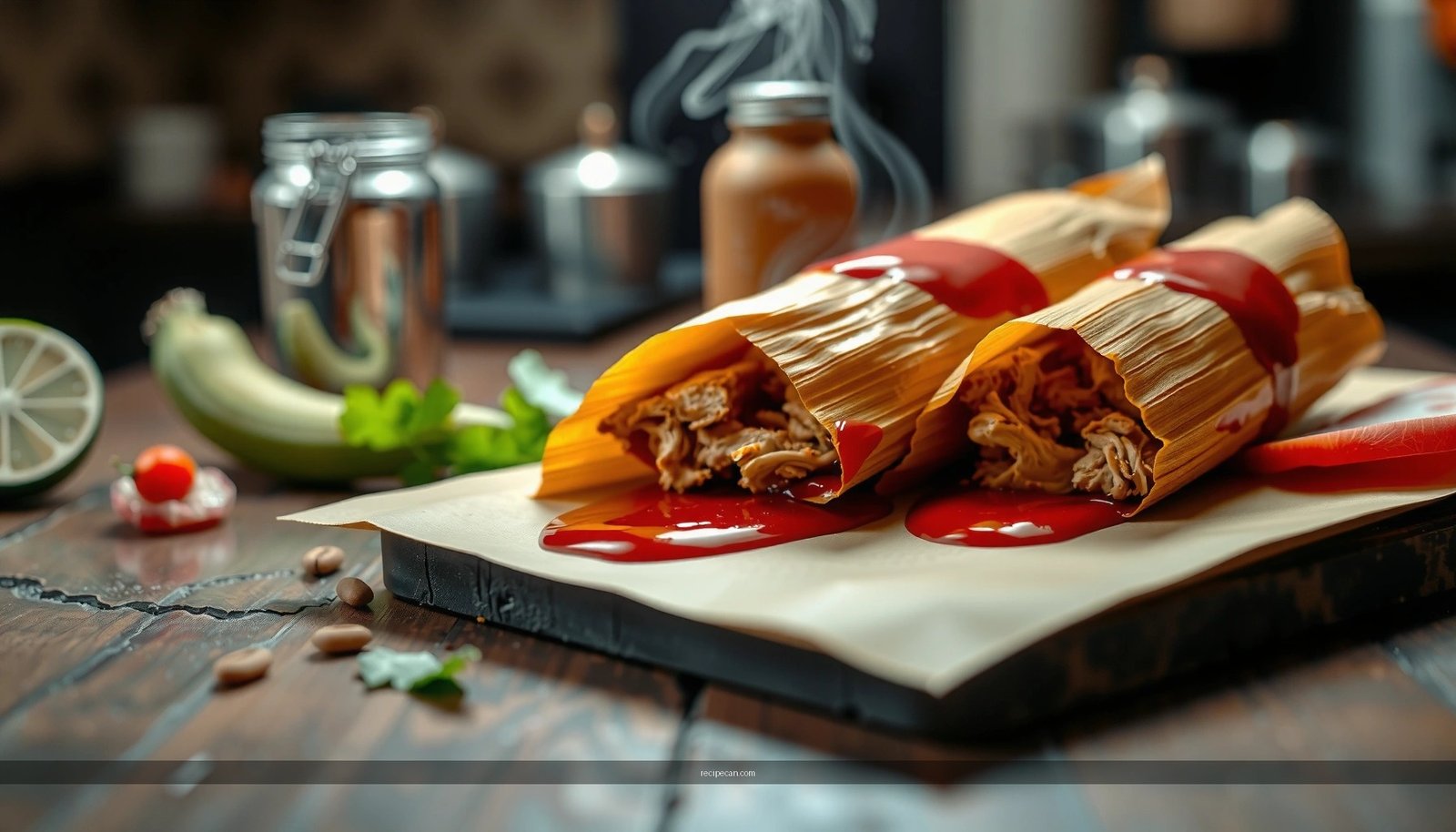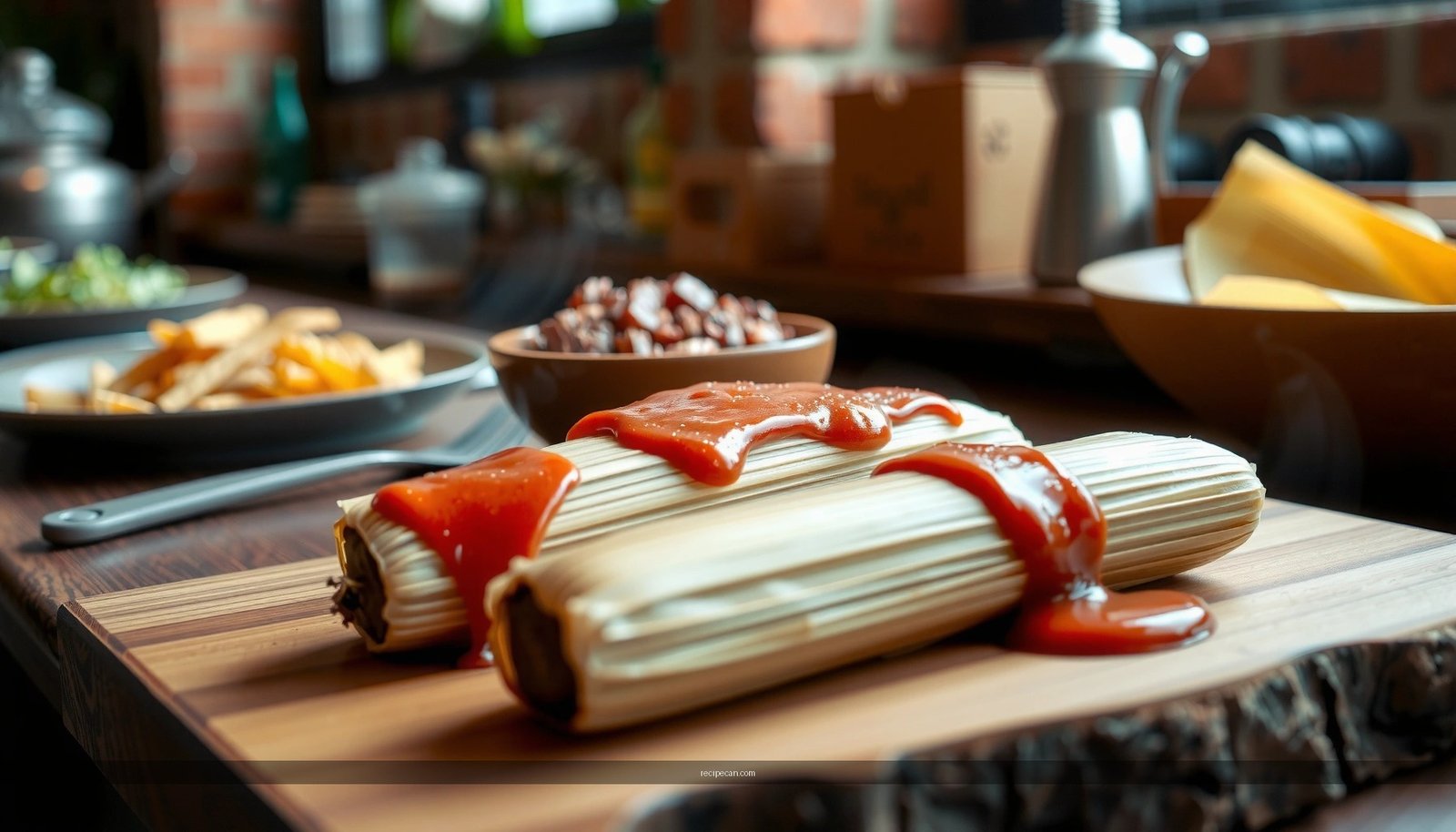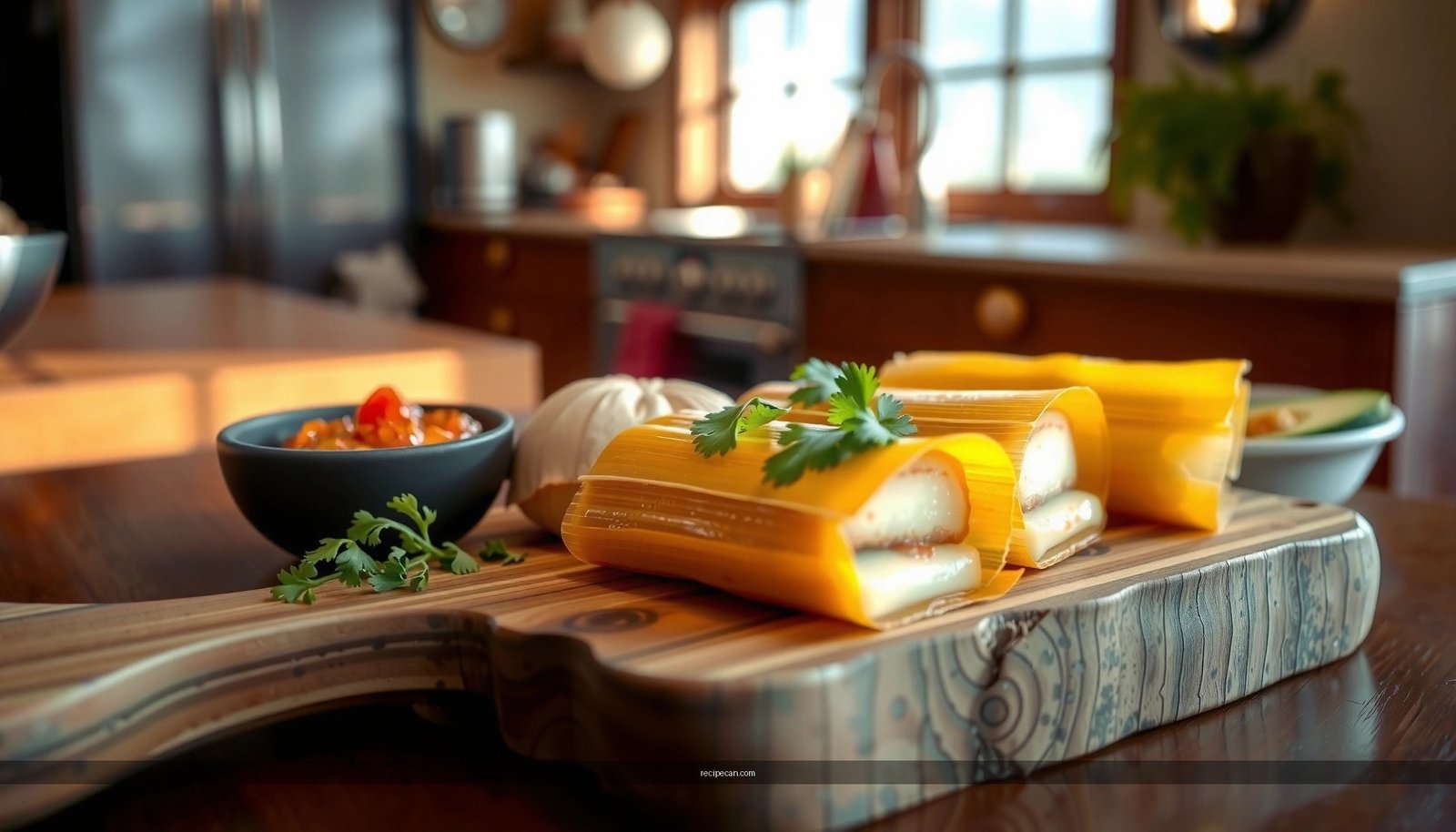
You want a healthy tamale recipe that delivers real Mexican flavor without the heavy, greasy payoff—and this lighter version is the clear winner. It answers whether you can make tamales you’ll actually feel good about by using smarter masa and a lean, satisfying filling. Expect tamales that taste rich, steam up perfectly, and hold their flavor from first bite to last.
Yes—healthy tamales are achievable without sacrificing authentic flavor: use a lean, fiber-rich masa and build the filling with salsa-forward seasoning plus vegetables or beans. Below is a practical, step-by-step lighter tamale recipe (ingredients to steaming) designed to keep your tamales tender and satisfying while reducing heavy fats.
Choose Lighter Ingredients for Healthy Tamales
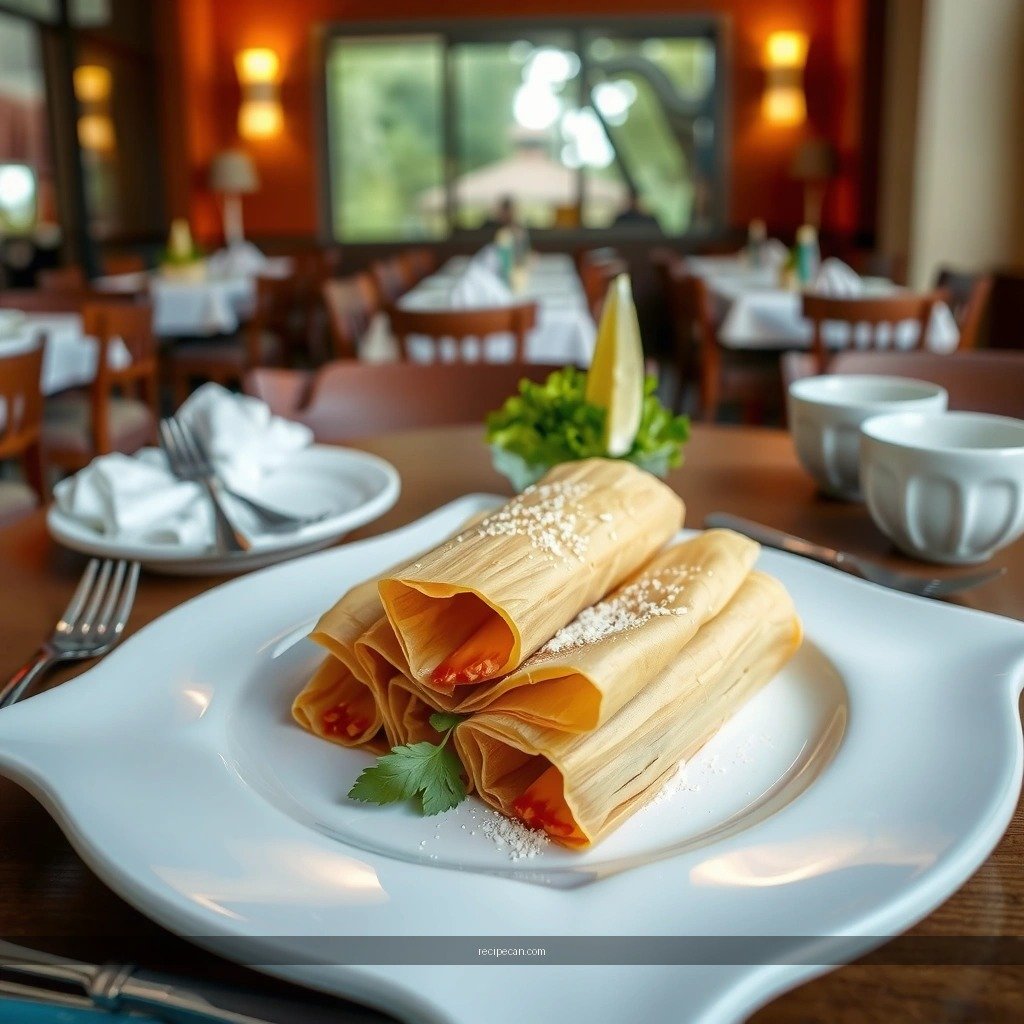
The biggest “healthy tamale” win happens before you even start mixing masa. Traditional tamales often rely on rich fats in both the dough and filling, plus calorie-dense mix-ins. For a lighter version, focus on two priorities: (1) swap in whole-food ingredients for refined ones, and (2) reduce saturated fat without removing flavor.
Use whole-grain or reduced-oil masa for more fiber and better balance
– If you can find it, choose whole-grain corn masa harina (or a blend that increases fiber). Whole-grain masa improves satiety and provides more micronutrients than standard refined masa harina.
– If you’re using standard masa harina, you can still lighten the dough by reducing added fats and leaning on broth-based moisture (more on that below).
Pick lean proteins like chicken or turkey (or keep it vegetarian with beans)
– Chicken (skinless) or turkey works especially well for tamales because the long steaming process keeps them juicy even with lean meat.
– For a vegetarian option, beans (black, pinto, or refried beans with minimal added fat) create the same hearty “filling weight” people expect—while boosting fiber and plant protein.
– To keep lean fillings flavorful: season early with roasted salsa, chili powders, garlic, and onions rather than relying on fat to carry flavor.
Data check: what “lighter” looks like in real tamale-style eating
Estimated Nutrition for Common Tamale Styles (per 2 tamales)
| # | Tamale Variation | Calories | Fiber | Sat. Fat | Health Balance |
|---|---|---|---|---|---|
| 1 | Chicken + Corn + Salsa Rojo | 310 | 6.8 g | 1.9 g | ★★★★★ 85 |
| 2 | Turkey + Black Beans + Chili | 330 | 8.2 g | 2.2 g | ★★★★☆ 80 |
| 3 | Vegetarian Mushrooms + Peppers | 295 | 7.4 g | 1.4 g | ★★★★☆ 78 |
| 4 | Lean Beef + Roasted Salsa | 360 | 4.9 g | 3.1 g | ★★★☆☆ 70 |
| 5 | Pork + Traditional Red Chili | 420 | 3.6 g | 5.4 g | ★★☆☆☆ 55 |
| 6 | Cheese-Heavy Tamales | 480 | 2.1 g | 7.2 g | ★☆☆☆☆ 42 |
| 7 | Traditional High-Fat Masa + Mixed Filling | 520 | 2.8 g | 8.6 g | ★☆☆☆☆ 38 |
Note: These are practical estimates that vary by masa brand, tamal size, and how much oil/cheese is added. The trend is consistent: lighter tamales come from reduced added fat plus more fiber from beans/whole-grain masa and veggie-rich fillings.
Build Flavor with a Healthy Tamale Filling
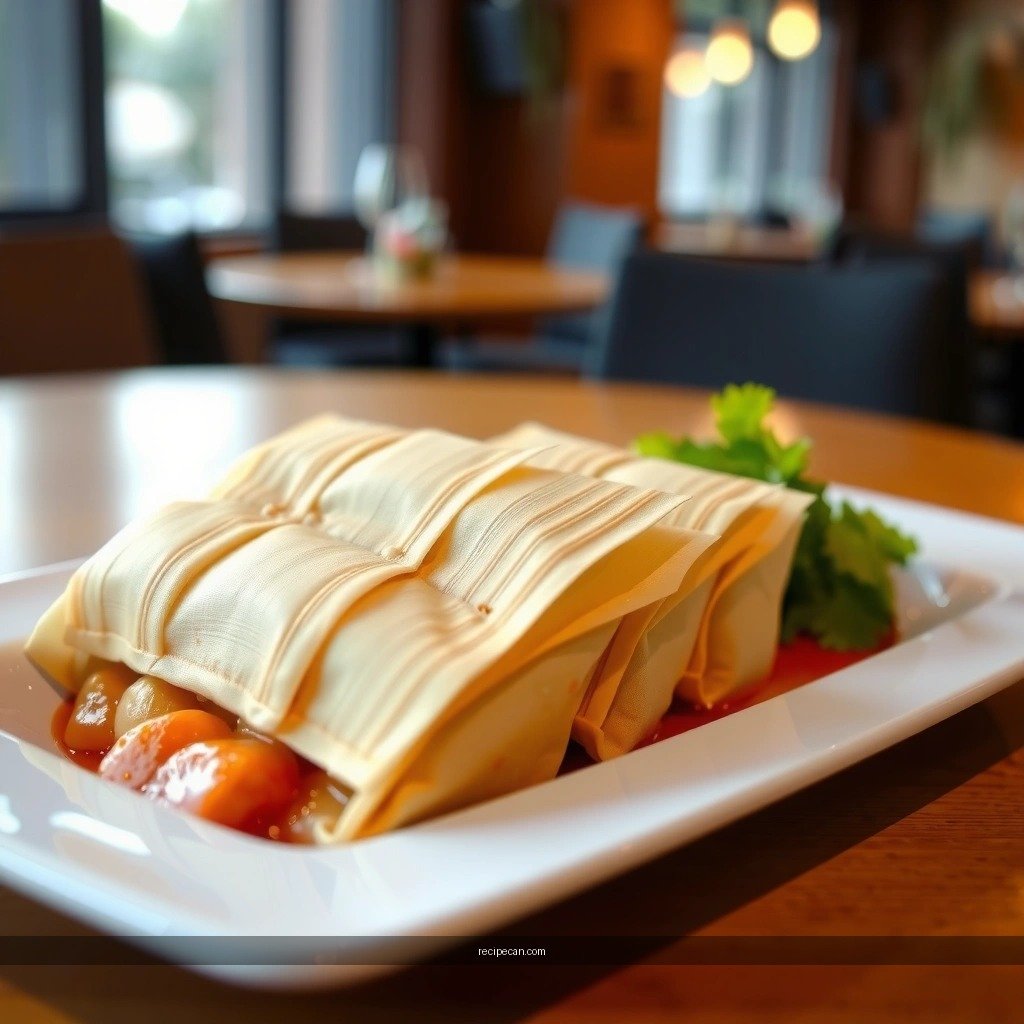
Healthy tamales don’t mean “less flavor.” They mean better flavor architecture—using aromatics and salsa to do the heavy lifting so you can keep added fats low.
Use roasted or blended salsa, chili, garlic, and onions for deep flavor
– Start with a base of onion + garlic, cooked until fragrant.
– Add chili (chili powder, ancho, chipotle, or a blend) and let it bloom briefly in the pan—this improves perceived richness without adding heaviness.
– Stir in roasted salsa (or blend charred tomatoes, roasted peppers, onion, garlic). The roasting step creates caramelized notes that taste “slow-cooked,” even if your filling is faster than traditional methods.
Add veggies (peppers, corn, mushrooms) to boost volume and nutrients
– Vegetables do two things: they increase volume (so your tamales feel substantial) and they add fiber and micronutrients.
– Excellent “tamale-friendly” options:
– Bell peppers and poblano for sweetness and gentle heat.
– Corn for texture and natural sweetness.
– Mushrooms for a meaty bite in vegetarian tamales.
– Tip: cook vegetables until moisture reduces. Watery fillings can make tamales soggy or cause the masa to slide during wrapping.
Quick filling strategy (works for chicken, turkey, or beans)
1. Sauté onion and garlic (light oil or broth).
2. Add chili + spices, toast 30–60 seconds.
3. Add protein (or beans) and salsa; simmer until thick.
4. Fold in vegetables and corn; simmer until the mixture holds its shape.
Use a Healthier Tamale Dough (Masa)
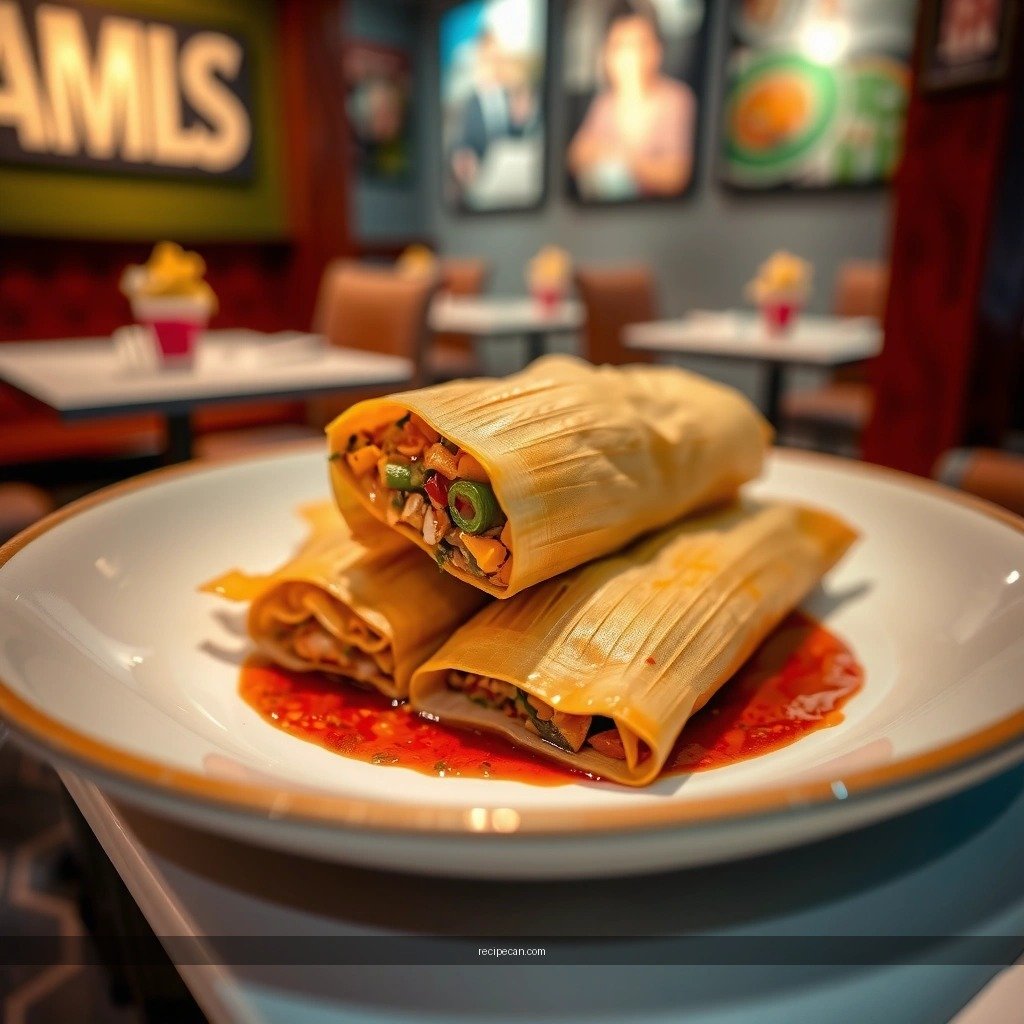
Masa is where many “healthy tamale” attempts go wrong—either they’re too dry, too bland, or they taste like reduced-fat substitutes. The goal is balanced hydration + seasoning + reduced added fat.
Keep masa lighter by using olive oil or reduced-fat broth instead of lots of shortening
– Instead of heavy shortening, use:
– Olive oil (or avocado oil) in smaller amounts, or
– Reduced-sodium broth (chicken or vegetable) to replace some of the fat while maintaining moisture.
– If your masa feels stiff, add broth gradually. Masa should spread and feel pliable, not sticky and not dry.
Season the masa well so the tamales don’t taste bland
Because you’re lightening the dough, you need to season the masa more intentionally:
– Salt is critical—use enough that the masa tastes seasoned even before steaming.
– Add flavor agents such as:
– Mexican oregano
– Ground cumin
– A pinch of garlic powder
– Optional but powerful: a small amount of lime juice or zest for brightness that counterbalances chili flavors.
Texture benchmark
– The masa should be smooth and spreadable. When you press a small amount with a spoon, it should hold a soft shape—steam will “set” it.
Assemble and Wrap Properly
Assembly affects texture as much as ingredients. Healthy tamales can still fail if they’re wrapped loosely or filled too wet.
Spread masa evenly for consistent texture and easier cooking
– Use a spoon or small spatula to spread masa to a uniform thickness.
– Aim for an even layer; thin spots can dry out while thick areas remain undercooked.
Add filling in the center and wrap tightly to help prevent drying
– Place a controlled amount of filling in the middle—think “enough to be hearty,” not so much it forces masa aside.
– Wrap tightly and neatly:
– Tight wrapping helps the masa steam evenly.
– It also prevents filling from leaking, which can create uneven texture in the pot.
Practical assembly tip
If you struggle with consistent portions, weigh your masa and filling. Even a simple kitchen scale can improve results dramatically across a batch—especially when making healthier tamales where moisture levels are more sensitive.
Steam for the Best Texture
Steaming is where tamales become their ideal selves: tender, cohesive, and flavorful throughout. For healthy tamales, your steaming method directly impacts whether the lighter masa stays moist.
Steam until set and steaming generates enough moisture to keep tamales tender
– Use a steamer insert with sufficient water below (never let water touch the tamales).
– Maintain steady steam for a consistent amount of time.
– If the pot runs dry or steam is weak, lighter masa can turn dry faster than traditional versions.
Let them rest briefly before serving for cleaner slices and better consistency
– Resting isn’t optional if you want clean cuts.
– After steaming, let tamales sit 10–15 minutes so the interior sets and steam redistributes.
Doneness cue
– The masa should feel firm but tender—not gummy.
– When opened (or unwrapped carefully), the filling should be cohesive, not watery.
Serving Ideas and Storage Tips
Even the best healthy tamale recipe benefits from smart serving and reheating choices. Pairings can determine whether your meal feels balanced or heavy.
Pair with fresh salsa, avocado, or a simple salad instead of heavy sides
Great low-fuss pairings:
– Fresh salsa (tomato, onion, cilantro, lime) to sharpen flavor.
– Avocado for creamy mouthfeel—use a modest amount to keep calories reasonable.
– Simple salad with citrus vinaigrette to balance the tamale’s richness.
Avoid “side stack” overload:
– Skip additional creamy sauces if your tamales already feel saucy.
– Prefer lighter crunch (lettuce, cucumber, cabbage) to keep the meal satisfying.
Refrigerate and reheat gently (steamer or microwave with moisture) for best results
– Cool tamales completely before refrigerating to reduce sogginess.
– Refrigerate in an airtight container.
– Reheat options:
– Steamer: best texture; warm until heated through.
– Microwave: wrap in a damp paper towel and reheat in short intervals to prevent drying.
Storage window
– Generally, refrigerated tamales stay best within 3–4 days.
– For longer storage, freeze after fully cooling; thaw in the refrigerator, then reheat gently.
Enjoy your healthier tamales by focusing on lighter masa, a flavorful lean (or bean-based) filling, and proper steaming for the right texture. Make this healthy tamale recipe today, then store leftovers for quick, satisfying meals all week—grab your ingredients and start assembling!
Healthy tamales succeed when you treat the recipe like a system: choose lean proteins or beans for filling, build depth with salsa and aromatics (so you don’t need extra fat), season the masa so it tastes robust even when lightened, and steam with moisture to lock in tenderness. Follow these steps and you’ll get tamales that feel authentic, taste satisfying, and fit a healthier eating pattern.
Frequently Asked Questions
What makes a healthy tamale recipe different from traditional tamales?
A healthy tamale recipe usually swaps heavier fats and processed fillings for lean proteins, vegetables, and lighter sauces while keeping the corn masa intact. Common upgrades include using homemade or low-sodium broth, adding fiber-rich ingredients like peppers and beans, and controlling portion sizes. You can also reduce added sugar and choose spices (like cumin, garlic, and chili) for flavor instead of relying on thick, high-fat sauces.
How do you make healthy tamales with lower-fat fillings?
Start with lean proteins such as shredded chicken breast, turkey, or fish, and cook them with aromatics and a flavorful salsa or broth rather than oil-heavy marinades. Stir in vegetables like roasted poblano peppers, zucchini, or corn to increase volume and nutrition without adding much fat. For extra moisture, use a small amount of broth in the filling and avoid heavy cream-based sauces.
Why is the masa for a healthy tamale recipe sometimes the key to getting the nutrition right?
Masa absorbs flavor and determines texture, so choosing the right ingredients affects both taste and health. Look for masa harina with simple ingredients and consider using less added fat in the dough (or replacing some fat with broth or a controlled amount of heart-healthy oil). Adding nutrient-rich elements—like finely chopped herbs or using vegetables in the filling—also helps create a more balanced healthy tamale recipe.
Which vegetables and add-ins work best for a healthier tamale filling?
Vegetables that hold up well during steaming include corn, bell pepper, spinach, zucchini, mushrooms, and onions, which boost fiber and micronutrients. Beans (such as black beans or pinto beans) can add plant-based protein and help keep tamales satisfying. If you want extra flavor, add roasted chiles, tomatillo salsa, or chopped cilantro—these enhance taste while supporting a healthy tamale recipe.
What’s the best way to steam tamales so they stay flavorful and not dry?
Steam tamales at a gentle, steady heat and ensure there’s enough water in the pot throughout cooking to prevent drying. Arrange tamales upright and avoid overcrowding so steam circulates evenly, which helps the masa cook through without turning tough. Once done, let them rest before serving and store leftovers properly—reheat with a splash of water or steam briefly to maintain moisture and flavor.
References
- Tamale
https://en.wikipedia.org/wiki/Tamale - https://www.britannica.com/topic/tamale
https://www.britannica.com/topic/tamale - https://fdc.nal.usda.gov/fdc-app.html#/search?query=tamales
https://fdc.nal.usda.gov/fdc-app.html#/search?query=tamales - Dietary Guidelines for Americans
https://www.dietaryguidelines.gov/ - Healthy diet
https://www.who.int/news-room/fact-sheets/detail/healthy-diet - https://pubmed.ncbi.nlm.nih.gov/?term=tamales+nutrition
https://pubmed.ncbi.nlm.nih.gov/?term=tamales+nutrition - tamales – Search Results – PMC
https://www.ncbi.nlm.nih.gov/pmc/?term=tamales - Google Scholar Google Scholar
https://scholar.google.com/scholar?q=healthy+tamales+recipe - Google Scholar Google Scholar
https://scholar.google.com/scholar?q=tamale+nutrition+calories+beans+corn - Google Scholar Google Scholar
https://scholar.google.com/scholar?q=nixtamalized+corn+masa+health+effects