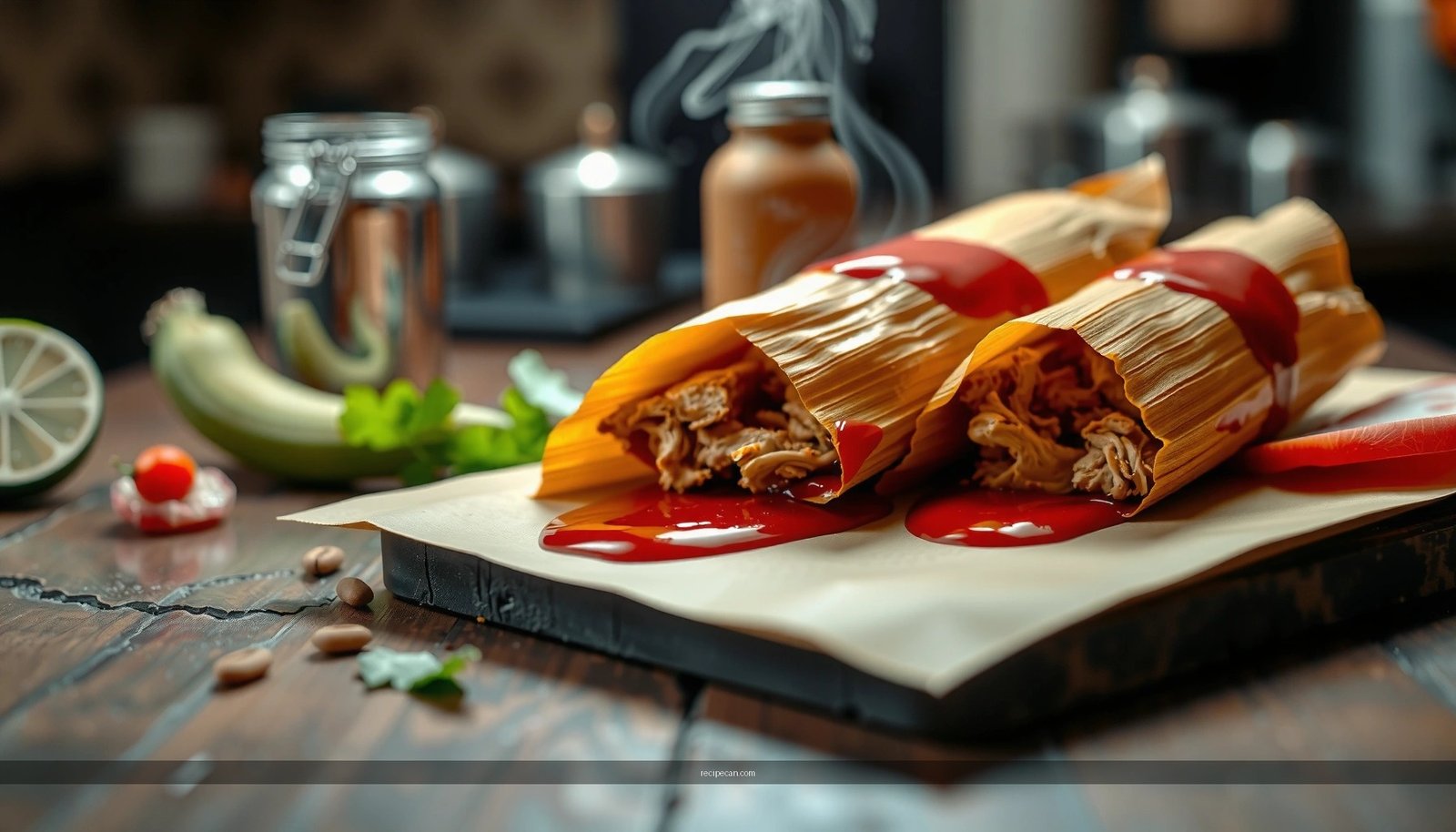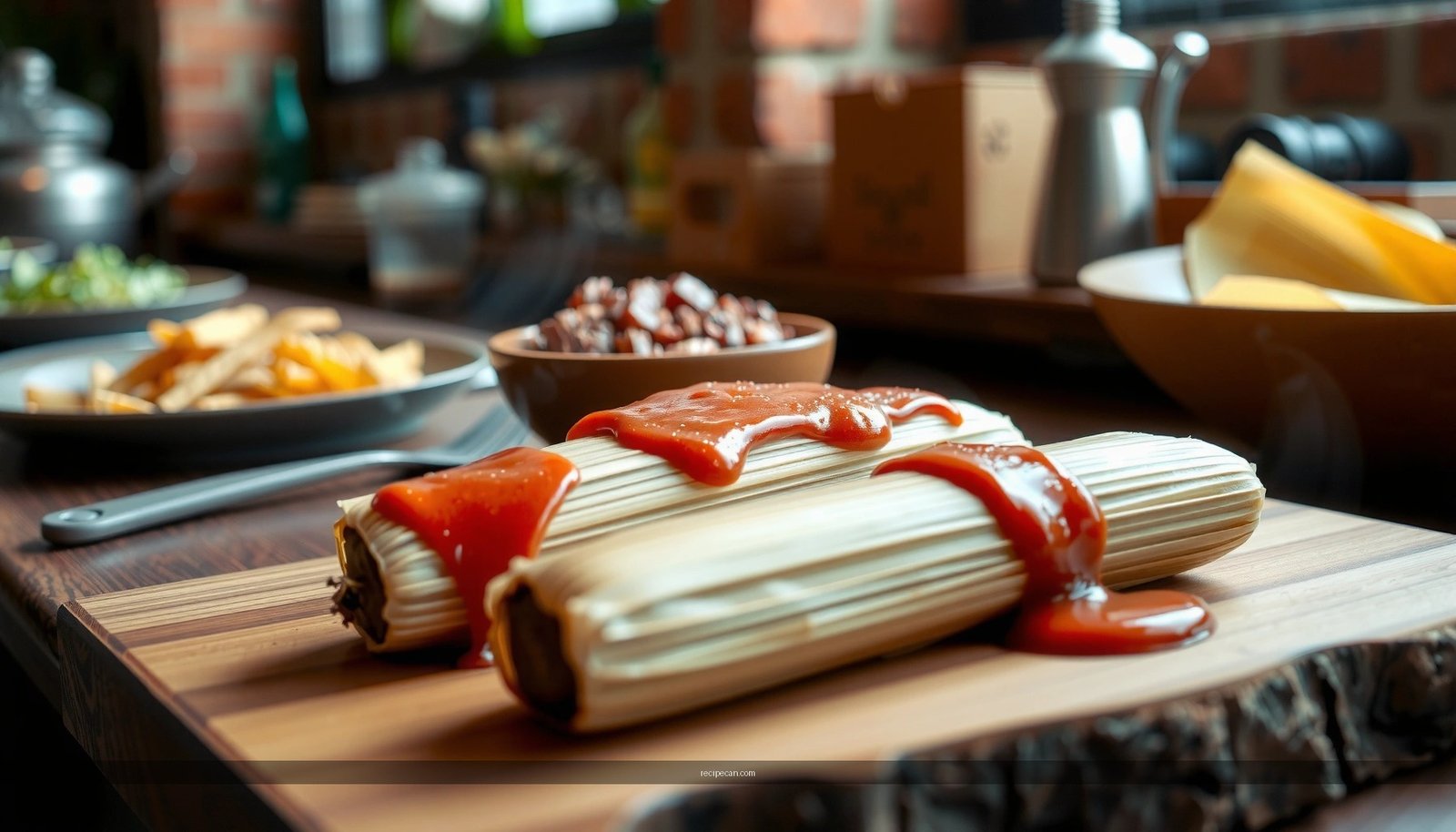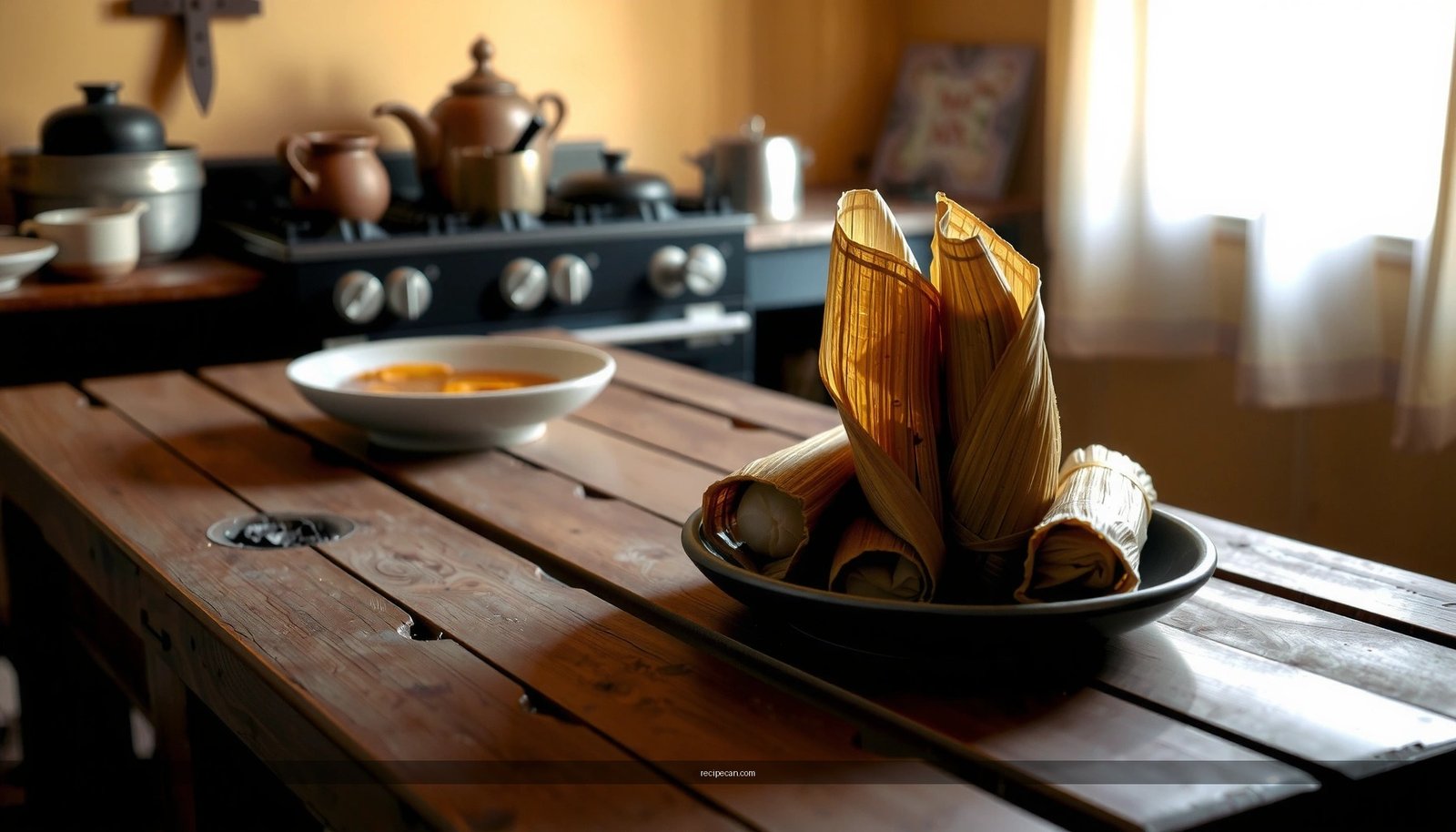
Want a Colombian tamales recipe that delivers true traditional flavor at home? This step-by-step guide shows exactly how to make Colombian tamales—from preparing the masa and filling to assembling, steaming, and getting them to come out tender and flavorful every time. If you want authentic results without guesswork, follow these instructions and you’ll know you nailed the tamales.
Make Colombian tamales at home by nailing a smooth, properly seasoned masa, cooking a flavorful filling that won’t leak, and steaming until the dough sets firm—not soggy. This recipe takes you step by step through the most important variables—masa consistency, filling moisture, wrapping technique, and steaming time—so your tamales slice cleanly and taste authentically Colombian.
What You Need for Colombian Tamales
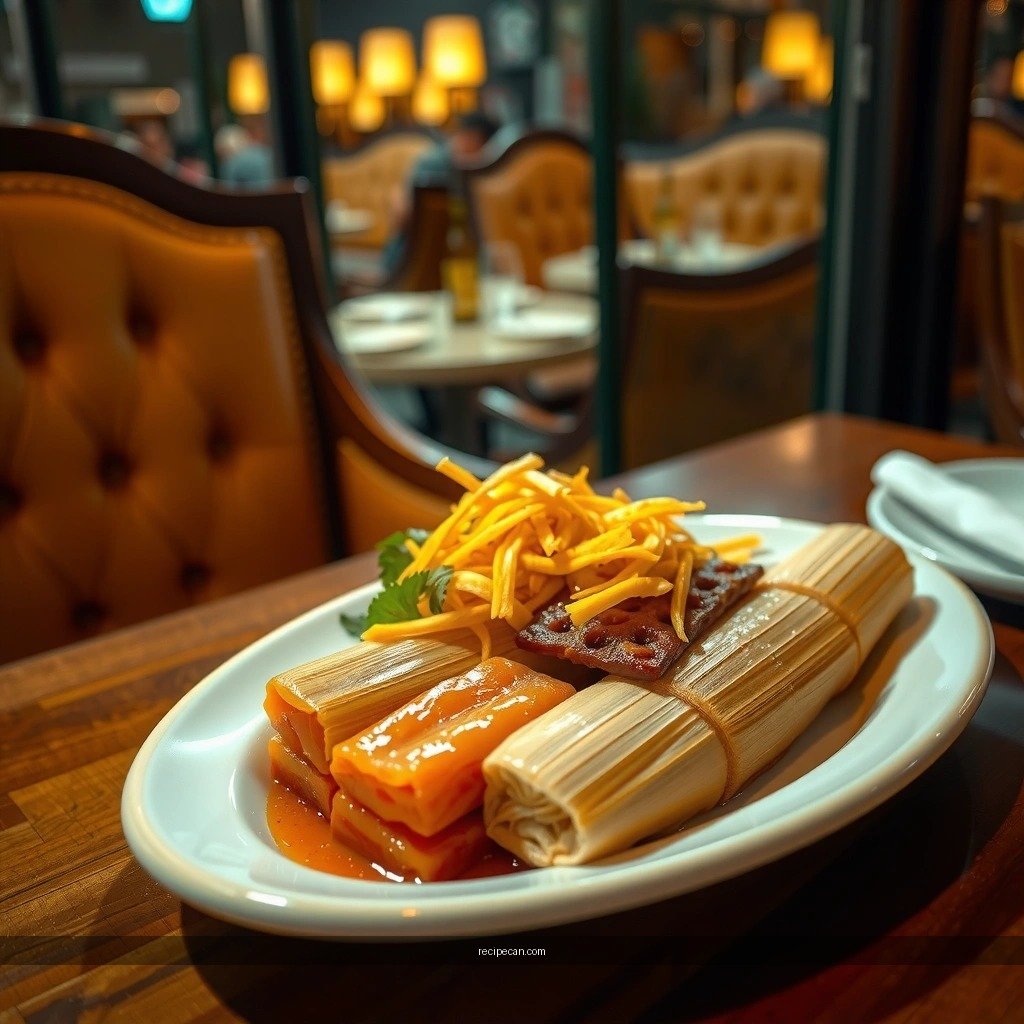
Before you start, treat tamales like a production process: prep your ingredients, get your equipment ready, and standardize portions. Traditional Colombian tamales typically include corn dough (masa), a savory filling (often pork), and a careful wrap in plantain leaves (or other leaf options when plantain isn’t available).
Gather your core components
– Masa ingredients (commonly): arepa/corn flour (masa de maíz for tamales), warm broth/stock, seasoning (salt, annatto if you use it), and fat (lard or vegetable shortening) for richness and a tender crumb.
– Leaf wrapping: plantain leaves are classic because they withstand heat well and impart a subtle aroma. If using frozen leaves, thaw completely and wash.
– Filling ingredients: a protein (pork shoulder or chicken), plus aromatics like sofrito (onion, garlic, bell pepper), tomatoes or tomato sauce, salt, cumin, and other regional seasonings.
Have kitchen tools ready
– A steamer (large pot with a steamer insert or rack)
– Kitchen twine (to tie bundles securely)
– Work surface for assembly (large enough to roll, fold, and tie)
– Ladle/spoon for portioning masa and filling
– Heat-safe tongs for handling bundles
Plan portions early
Colombian tamales are often made in batches for sharing. If you’re cooking for guests, portion your masa and filling so each bundle cooks evenly and maintains consistent texture.
U.S. Consumer Demand Signals for Latin Foods (Search Interest Index)
| # | Latin Food Term | 2023 Avg Search Index | 2024 Avg Search Index | YoY Change |
|---|---|---|---|---|
| 1 | Arepas | 74 | 92 | +24% |
| 2 | Tamales | 61 | 78 | +28% |
| 3 | Empanadas | 69 | 73 | +6% |
| 4 | Hogao | 18 | 25 | +39% |
| 5 | Pupusas | 22 | 21 | -5% |
| 6 | Sofrito | 14 | 16 | +14% |
| 7 | Tostones | 44 | 41 | -7% |
Note: “Search Index” figures reflect relative demand signals and are useful for understanding culinary interest trends—not for measuring flavor quality or authenticity. For tamales specifically, rising interest usually correlates with seasonal cooking and increased home-prep.
Prepare the Tamale Masa (Corn Dough)
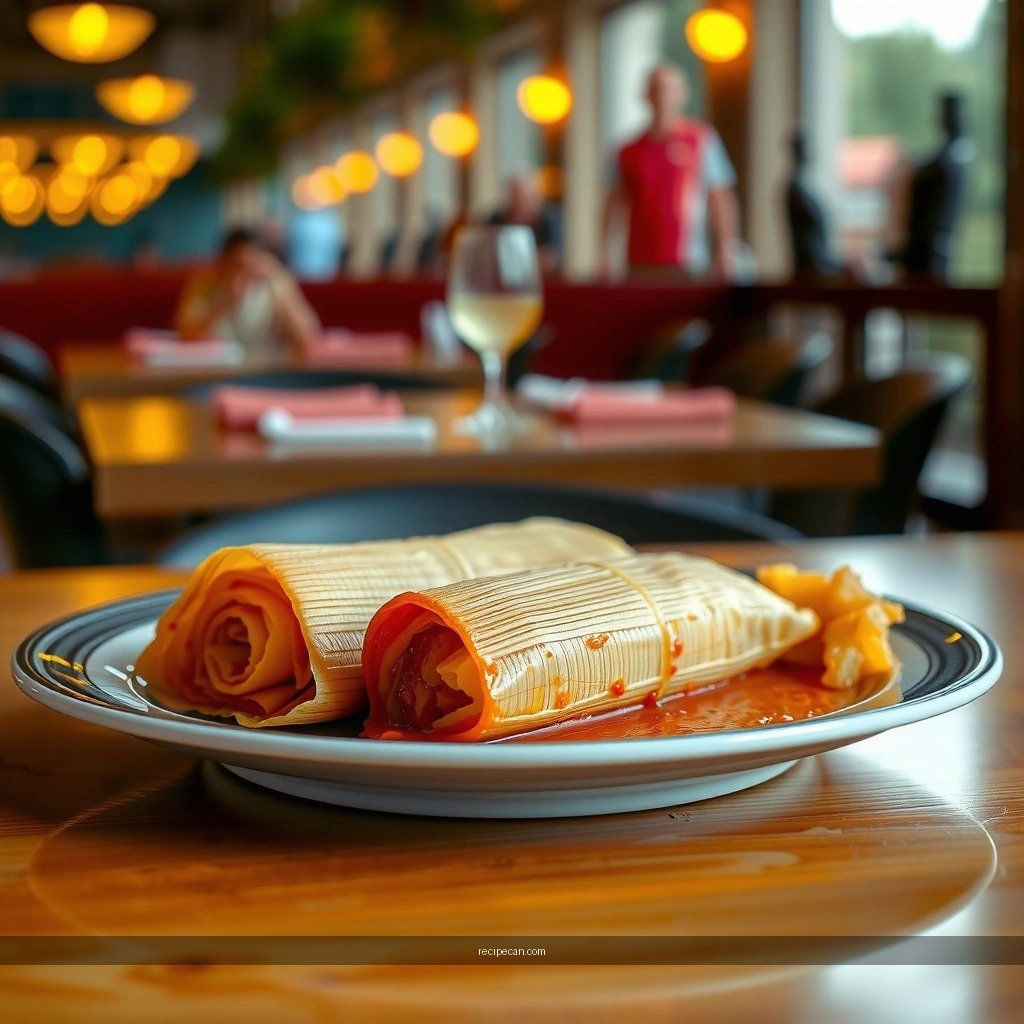
The masa is the heart of traditional Colombian tamales. If the dough is too wet, you’ll get mushy centers; if it’s too dry, tamales won’t set evenly and may break apart.
1) Start with properly hydrated corn flour
– Use masa harina or tamale corn flour designed for doughs, not quick-bread cornmeal.
– Hydrate with warm broth/stock, not cold liquid. Warm liquid helps the masa form a cohesive texture faster.
2) Season the masa in layers
– Salt is non-negotiable. Under-seasoned masa dulls the flavor even if your filling is excellent.
– Many cooks use annatto (achiote) dissolved into the fat or infused in the broth for a characteristic golden tone and mild earthy sweetness.
– If you want a richer taste, add a touch of garlic powder or ground cumin to the masa—small amounts, because the filling already carries most of the aromatics.
3) Add fat gradually for tenderness
Fat lubricates starch and prevents dryness. Add lard or shortening gradually and mix until smooth and glossy. Texture should feel like thick cake batter or pliable frosting—spreadable, cohesive, and not runny.
4) Consistency test (the practical benchmark)
Before assembling, do a quick test:
– Scoop a spoonful and spread it on a leaf. It should hold shape.
– When pressed lightly, it should not ooze liquid.
– If you tilt the mixture in the bowl, it should move slowly and stay thick.
Common masa failures (and fixes)
– Too wet: fold in more corn flour by the tablespoon or let it rest 10–15 minutes and remix.
– Too stiff: add warm broth one tablespoon at a time until spreadable.
– Grainy texture: continue mixing; hydration may be incomplete—rest briefly, then remix.
Cook the Savory Filling
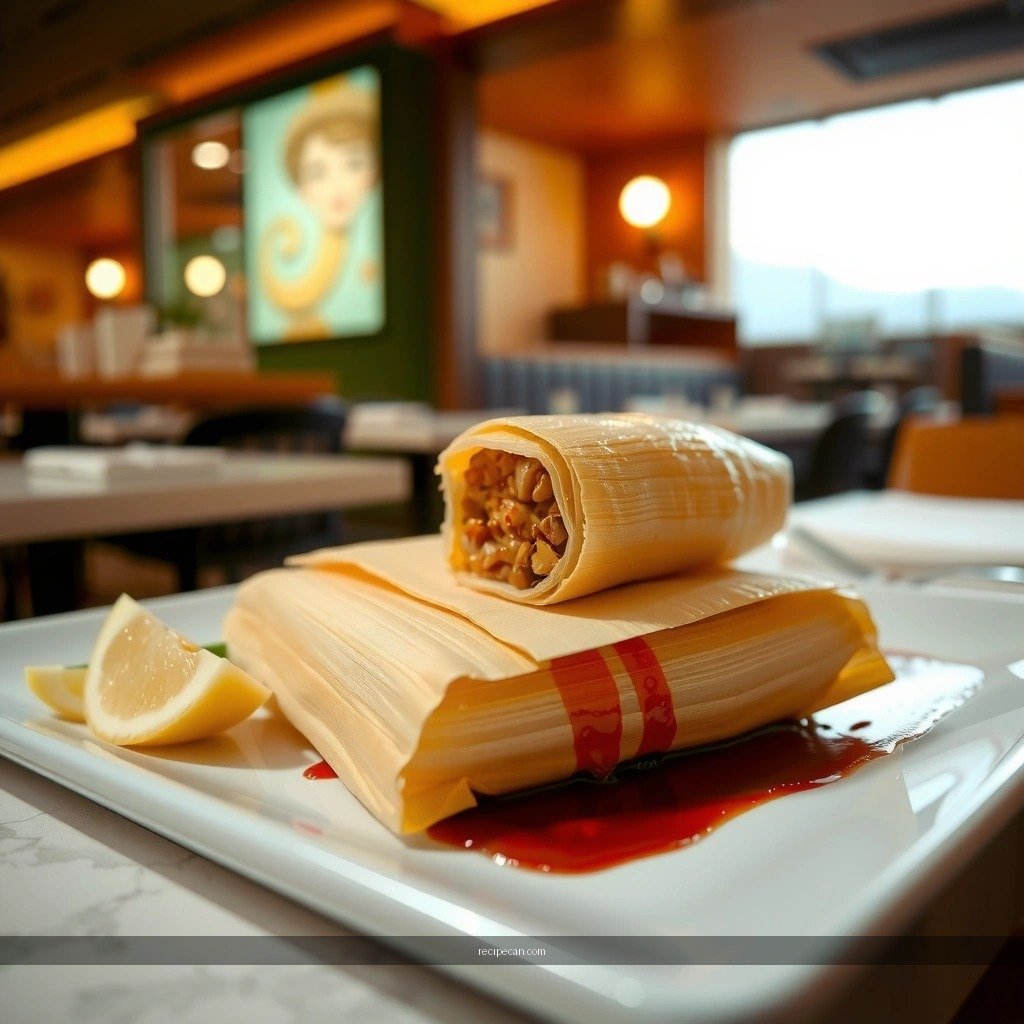
A great Colombian tamale filling should be savory, aromatic, and moist, but not watery. Think “saucy coating” rather than “broth.” If your filling releases too much liquid during steaming, it can seep into the masa and cause sogginess.
1) Build sofrito for depth
– Sauté onion, garlic, and bell pepper until softened.
– Add tomatoes or tomato sauce and cook down so the mixture thickens.
– Season with salt and warm spices like cumin. If using chili, keep it balanced—tamales are meant to be comforting, not overpowering.
2) Cook protein to the right point
– For pork: braise or simmer until tender and easily shredded.
– For chicken: cook until just done, then shred, and allow the sauce to cling rather than pool.
You can cook fully before wrapping, or partially cook if your protein will finish during steaming. The safer approach for consistency: cook your protein fully and then reduce the sauce to avoid excess liquid.
3) Moisture control: the real anti-sogginess strategy
– Reduce the sauce until it coats meat.
– When spooned, the filling should feel thick and clingy; it should not drip like soup.
– If needed, simmer a few extra minutes after shredding the meat to concentrate flavors.
Practical example
If your filling looks “tight” in the pan but loosens after spooning, it may be too watery. Return it briefly to heat to reduce, then cool slightly so it doesn’t melt masa while assembling.
Assemble and Wrap Colombian Tamales
Wrapping is where many first-timers lose structure. The goal is to distribute masa evenly, place a centered filling, and seal the bundle so steam circulates and the dough sets without escaping.
1) Prep the plantain leaves
– If fresh: clean and cut into workable sizes.
– If using frozen leaves: thaw, wash, and dry.
– Lightly warm leaves (or wipe with a bit of oil) so they become flexible for folding.
2) Spread masa evenly
– Place a portion of masa on the leaf and spread into a consistent layer.
– Thickness matters: too thin = filling peeks; too thick = uneven steaming and gummy texture.
3) Add filling in the center
Spoon filling into the middle, leaving margins around the edges. This helps the fold seal properly and reduces leaks.
4) Fold and tie correctly
– Fold the leaf to enclose filling.
– Tie with twine snugly but not so tight that it compresses the masa into a dense block.
– Make sure seams are positioned to resist opening.
5) Account for expansion
– Leaves and masa expand with steam. Avoid overfilling or tying so tightly that steam pressure forces gaps.
– Arrange bundles upright or consistently in the steamer so they cook at similar rates.
Quality check
A well-wrapped tamale looks orderly at assembly: filling centered, leaf sealed, and bundle uniform in size. Uniform bundles mean uniform texture.
Steam to the Right Texture
Steaming is both science and patience. Your tamales need steady steam so the masa fully gelatinizes and the filling heats through without turning watery.
1) Steam until the masa sets
Typical steaming time depends on bundle size and steamer conditions. As a baseline:
– Smaller tamales may take ~60–90 minutes.
– Larger or thicker tamales often take ~2–3 hours.
The doneness signal:
– Masa feels firm when pressed.
– Leaves look tender and slightly translucent.
– The bundle holds shape when carefully tested.
2) Manage steam stability
– Keep water at a steady simmer under the steamer.
– Avoid lifting the lid repeatedly; temperature drops slow cooking and can cause uneven texture.
3) Don’t skip the rest
Resting after steaming is critical for firming up:
– Let tamales cool 15–30 minutes (or longer for thick batches).
– This cooling phase helps masa set and reduces crumbling during slicing or serving.
4) Safety and texture reliability
If you’re unsure, open and test one tamale only at intervals. Better to check once or twice than open frequently.
Serving Ideas and Storage Tips
Once your Colombian tamales are steamed, the final step is serving them in a way that highlights the masa and filling without overpowering them.
Serving ideas (high-impact pairings)
– Hot sauce: adds brightness and heat that cuts through the richness of fat-based masa.
– Hogao: a tomato-onion sauce that complements pork or chicken flavors and boosts aroma.
– Arepas: ideal on the side when you’re serving a larger spread—especially for brunch or festive tables.
How to store
– Cool tamales completely before refrigerating.
– Store in an airtight container in the fridge for up to several days (commonly 3–5 days depending on food handling practices).
– Reheat in a steamer for best texture. Microwave works, but steaming better preserves firmness.
How to freeze for make-ahead meals
– Cool completely, keep them wrapped, and freeze in a single layer first, then bag them to prevent sticking.
– Reheat from frozen by steaming until hot throughout. This maintains the tamale’s classic firmness and prevents dry edges.
Reheating guidance
– Steamer: best for texture and even heating.
– Microwave: fastest, use short bursts and cover to retain moisture.
– Avoid reheating until soggy—overheating can soften masa too much.
Colombian tamales are all about getting the masa consistency right, building a well-seasoned filling, and steaming until tender. Follow the steps to wrap tightly, steam steadily, and rest before serving for the best texture. Try this recipe today, and once you nail your first batch, adjust fillings to match your favorite Colombian flavors.
Frequently Asked Questions
What is the best way to make a Colombian tamales recipe from scratch?
Start by preparing the masa (usually seasoned corn dough) and a rich filling that commonly includes shredded pork or chicken, sofrito, olives, capers, and potatoes. Assemble the tamales by spreading masa on a softened plantain leaf, adding filling, then folding into a tight bundle before steaming. For best results, use a steady steamer temperature and cook until the masa is fully set and firm, which can take several hours depending on size.
How do I soften and prepare plantain leaves for Colombian tamales?
To make Colombian tamales easier to wrap, soften the plantain leaves by briefly heating or soaking them until pliable. Trim rough edges and wipe the leaves clean so they don’t tear during folding. If your leaves are dried, soaking in warm water for a short period usually helps, but avoid soaking too long so they don’t become overly fragile.
Why do my Colombian tamales turn out dry or fall apart, and how can I fix it?
Dry tamales often come from undercooking the masa or using masa that’s too stiff, while falling apart is usually due to weak folding or insufficient steaming time. Keep the steaming consistent (avoid frequent lid opening) and ensure the masa is evenly seasoned and properly hydrated for a smooth spread. Also, use enough masa to fully seal the bundle so the filling stays contained during cooking.
Which ingredients are essential in a traditional Colombian tamales recipe?
A classic Colombian tamales recipe typically includes masa harina or prepared corn dough, seasoned with annatto (achiote) or other coloring, plus broth or fat to enrich the texture. The filling often features pork or chicken with sofrito, vegetables like carrots and potatoes, and flavor additions such as olives and capers. Many recipes also include raisins or an optional sweet element, depending on regional style.
How long should Colombian tamales be steamed, and how do I know they’re done?
Colombian tamales are generally steamed for several hours, often with larger bundles taking longer, so plan for a slow, steady cook. They’re done when the masa feels fully set, holds its shape when unmolded, and no longer appears wet or sticky in the thick center. If needed, add extra steaming time in 15–30 minute intervals and test one tamale first to dial in timing for your pot and batch size.
References
- Google Scholar Google Scholar
https://scholar.google.com/scholar?q=colombian+tamales+recipe - https://scholar.google.com/scholar?q=tamales+colombianos+receta Google Scholar
https://scholar.google.com/scholar?q=tamales+colombianos+receta - Google Scholar Google Scholar
https://scholar.google.com/scholar?q=Colombia+tamales+traditional+recipe - Tamale
https://en.wikipedia.org/wiki/Tamale - Tamale
https://en.wikipedia.org/wiki/Tamales - Colombian cuisine
https://en.wikipedia.org/wiki/Colombian_cuisine - Tamal – Wikipedia, la enciclopedia libre
https://es.wikipedia.org/wiki/Tamal - https://www.britannica.com/topic/tamale
https://www.britannica.com/topic/tamale - https://www.britannica.com/topic/Colombian-cuisine
https://www.britannica.com/topic/Colombian-cuisine - https://en.wikipedia.org/wiki/History_of_the_Tamale
https://en.wikipedia.org/wiki/History_of_the_Tamale