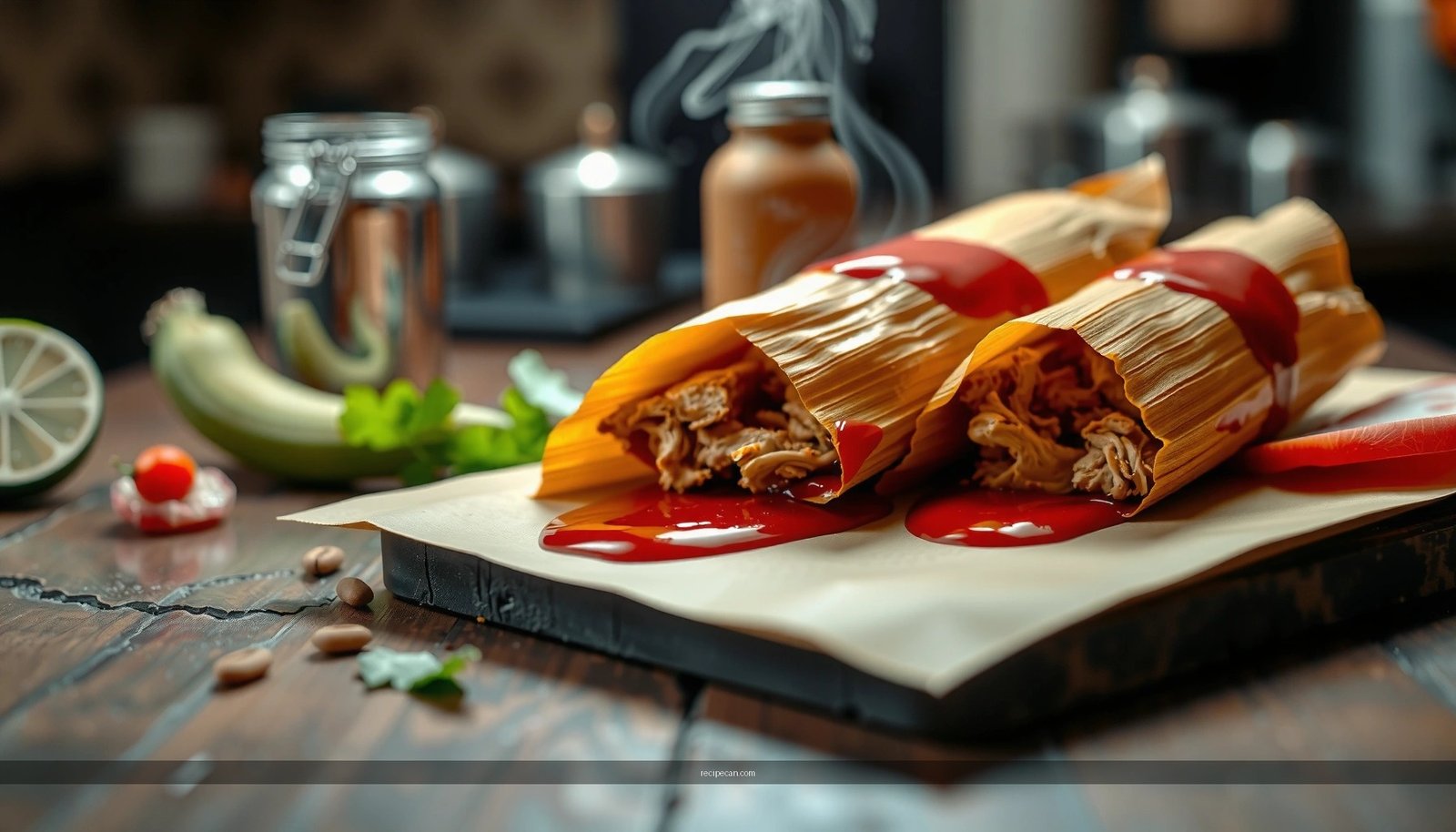
Get the traditional Mexican pork tamales recipe you can follow start-to-finish, with clear steps that deliver tender masa and perfectly seasoned shredded pork. This guide answers whether you’ll get authentic results—showing how to prep the dough, assemble the fillings, steam tamales correctly, and know they’re done. If you want tamales that taste like they came from a trusted family kitchen, follow these instructions exactly.
Make traditional Mexican pork tamales at home by steaming tender, well-seasoned pork inside a silky masa dough wrapped in softened corn husks—without guesswork. If you follow the workflow below (tenderize and season the pork, build a properly hydrated masa, assemble tightly, then steam consistently), your tamales will cook evenly and pull cleanly from the husk.
Traditional Pork Filling: Seasoned, Juicy, and Flavorful
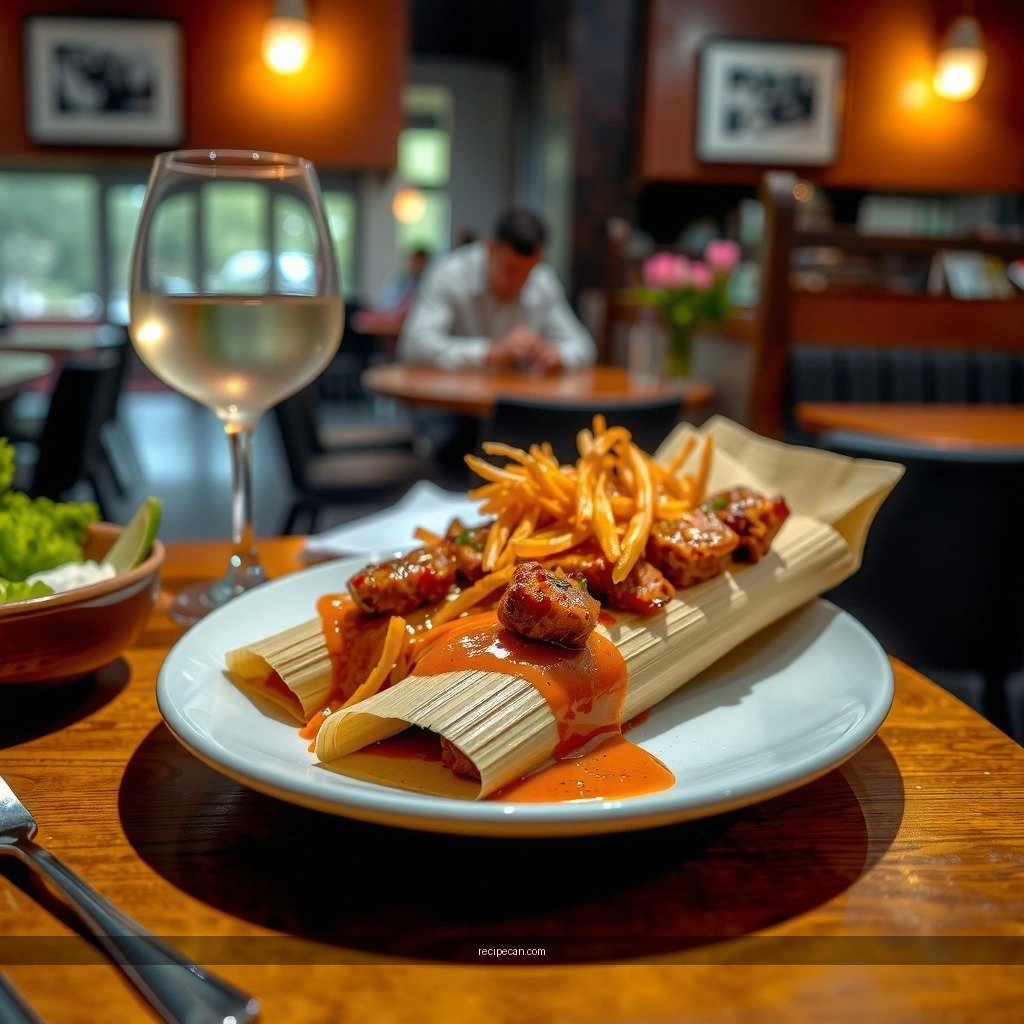
The pork filling is where most “real tamale” flavor comes from. Traditional pork tamales are typically made with pork shoulder (or Boston butt) because its fat content stays resilient during long cooking, which helps the meat stay moist after shredding. The goal is not just cooked pork—it’s a filling with enough seasoning and liquid/sauce to keep the interior juicy.
What to cook and why
– Choose pork shoulder or butt: You’re looking for a cut that becomes tender with relatively low fuss and holds moisture when shredded.
– Cook low and slow: Whether you braise, simmer, or pressure-cook, tender pork is easier to shred and better at absorbing sauce.
Classic seasoning profile (what to aim for)
A typical traditional-style pork filling leans on chile + aromatics + broth/stock. Common ingredients include:
– Chiles (often guajillo, ancho, and/or pasilla), rehydrated and blended into a sauce
– Garlic and onion
– Bay leaf
– Mexican oregano (or oregano, if that’s what you have)
– Salt adjusted to taste
– Optional but common: a hint of cumin, clove, or tomato for depth (use lightly)
How to keep it moist after shredding
Once the pork is tender, shred it while it’s still warm. Then mix it back into the chile sauce or cooking juices until the meat looks evenly coated—not swimming, but glossy and supple. If the pork seems dry, add a splash of the cooking liquid and continue mixing.
Actionable benchmark
– After mixing, the filling should spoon easily and hold together without falling apart into dry strands.
– You should be able to taste salt + chile in the filling—masa is neutral by design and benefits from a well-seasoned interior.
Suggested filling yield
For a consistent batch, plan on filling enough for about 20–28 tamales, depending on how thick you spread the masa and how large you fold the husks.
Masa for Tamales: Classic Corn Dough Texture
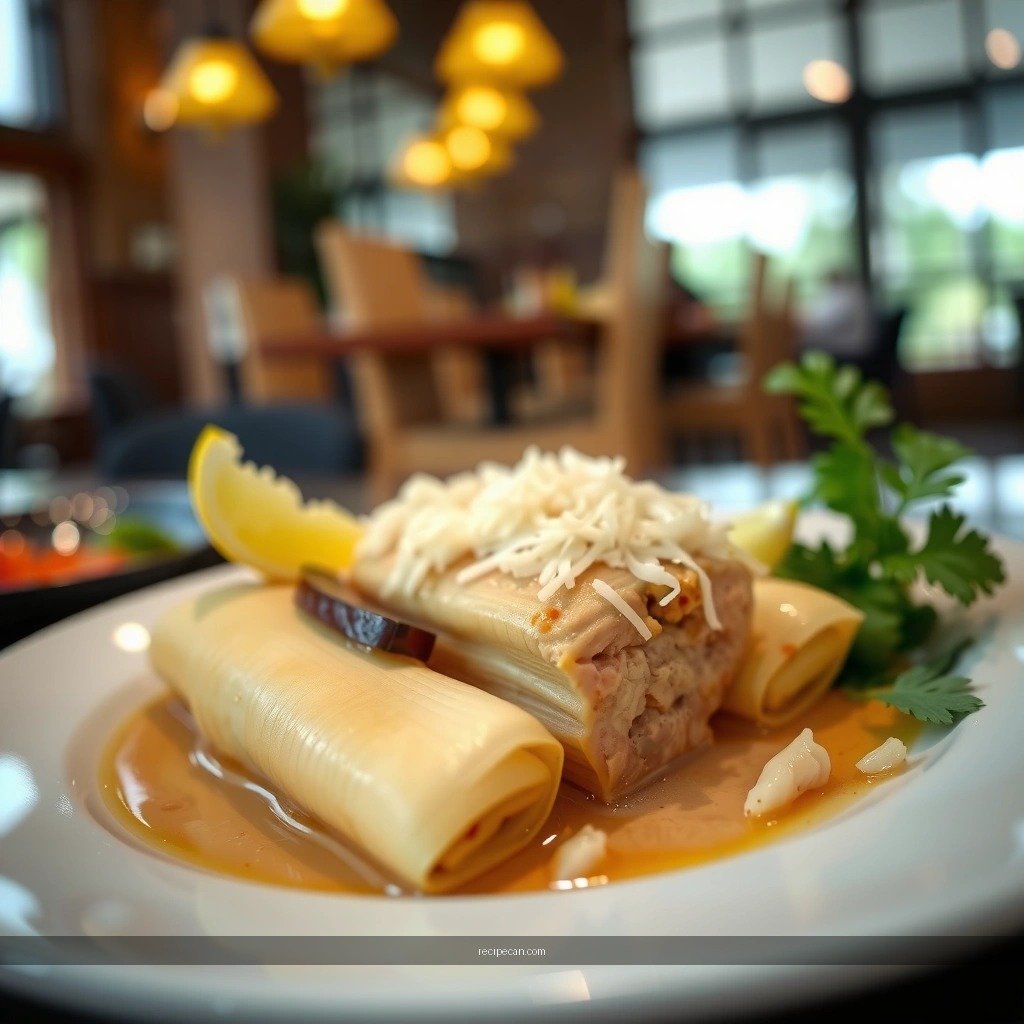
Masa is the structural backbone of tamales: it’s the dough that holds shape, steams evenly, and delivers that characteristic corn flavor. Using the right liquid and fat ratios is what separates good tamales from ones that taste flat or feel rubbery.
Use masa harina, not “cornmeal”
Traditional tamales rely on masa harina (nixtamalized corn flour). Regular cornmeal won’t hydrate and steam the same way, and it can turn gritty or uneven.
Key ingredients and their roles
– Masa harina: provides the corn flavor and starch needed for structure
– Warm broth (or stock): hydrates the masa so it spreads without tearing
– Fat (lard or a high-quality neutral fat): improves tenderness and mouthfeel and helps masa steam into a soft, not-dry texture
– Salt: necessary for corn flavor to come through
The texture target
Your masa should be:
– Spreadable (like thick peanut butter or soft hummus)
– Pliable (holds a ridge when you spread it)
– Not crumbly and not runny
How to confirm hydration
Before assembling, do a quick consistency check:
– If the masa looks dry and cracks as you spread, it needs more warm broth.
– If it slumps too easily, add a small amount of masa harina and mix thoroughly until it firms up.
Why fat matters
Fat is one of the biggest drivers of tamale tenderness. If you’re using lard, you’ll get a classic result; if substituting, choose something that behaves similarly when steamed. The goal is a dough that becomes tender and cohesive.
Flavor tip for authenticity
Add a little salt and consider a small amount of broth seasoning. Since your filling is bold, the masa should be savory but not overpowering.
Batch Planning for Pork Tamales (Estimated Guide)
| # | Batch Size | Pork Shoulder | Masa Harina | Cook/Steam Time | Expected Yield |
|---|---|---|---|---|---|
| 1 | Small (weeknight) | 2 lb | 3 1/2 cups | 1 hr 30 min | ≈12–16 tamales ★★★★★ |
| 2 | Standard (family) | 3 lb | 5 cups | 1 hr 45 min | ≈18–24 tamales ★★★★★ |
| 3 | Large (meal prep) | 4 lb | 6 1/2 cups | 2 hr | ≈24–30 tamales ★★★★★ |
| 4 | Mini (kids friendly) | 1 1/2 lb | 2 1/2 cups | 1 hr 20 min | ≈10–12 tamales ★★★★☆ |
| 5 | Extra filling-heavy | 3 1/2 lb | 4 3/4 cups | 1 hr 50 min | ≈18–22 tamales ★★★★★ |
| 6 | Extra masa (thicker) | 3 lb | 5 1/2 cups | 2 hr 5 min | ≈16–20 tamales ★★★★☆ |
| 7 | First-time comfort batch | 2 3/4 lb | 4 1/4 cups | 1 hr 40 min | ≈14–20 tamales ★★★★★ |
Assemble Tamales: Husks, Layering, and Wrapping
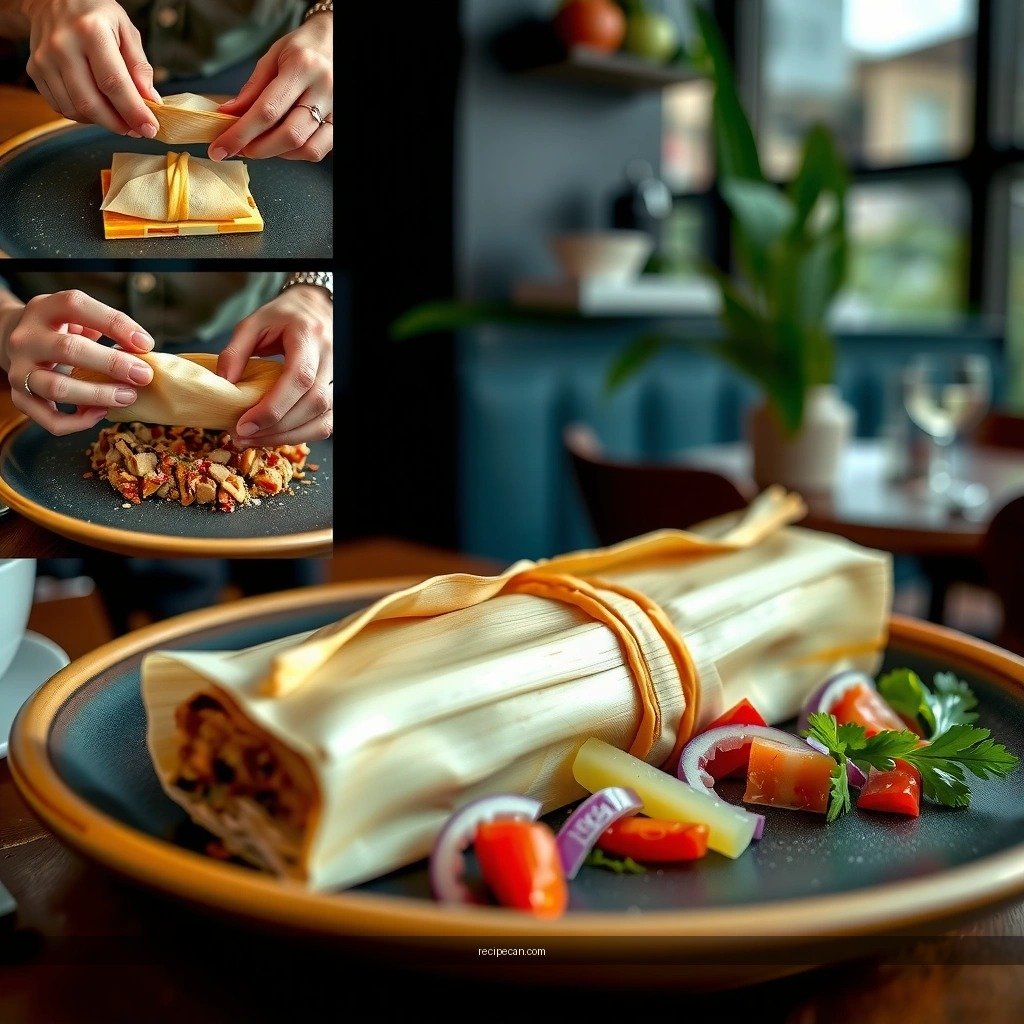
Assembly is where technique influences texture. If husks tear or tamales aren’t packed tightly, steam can circulate poorly and create uneven cooking. The good news: once you establish a consistent “spread + fill + fold,” your tamales will come out uniform.
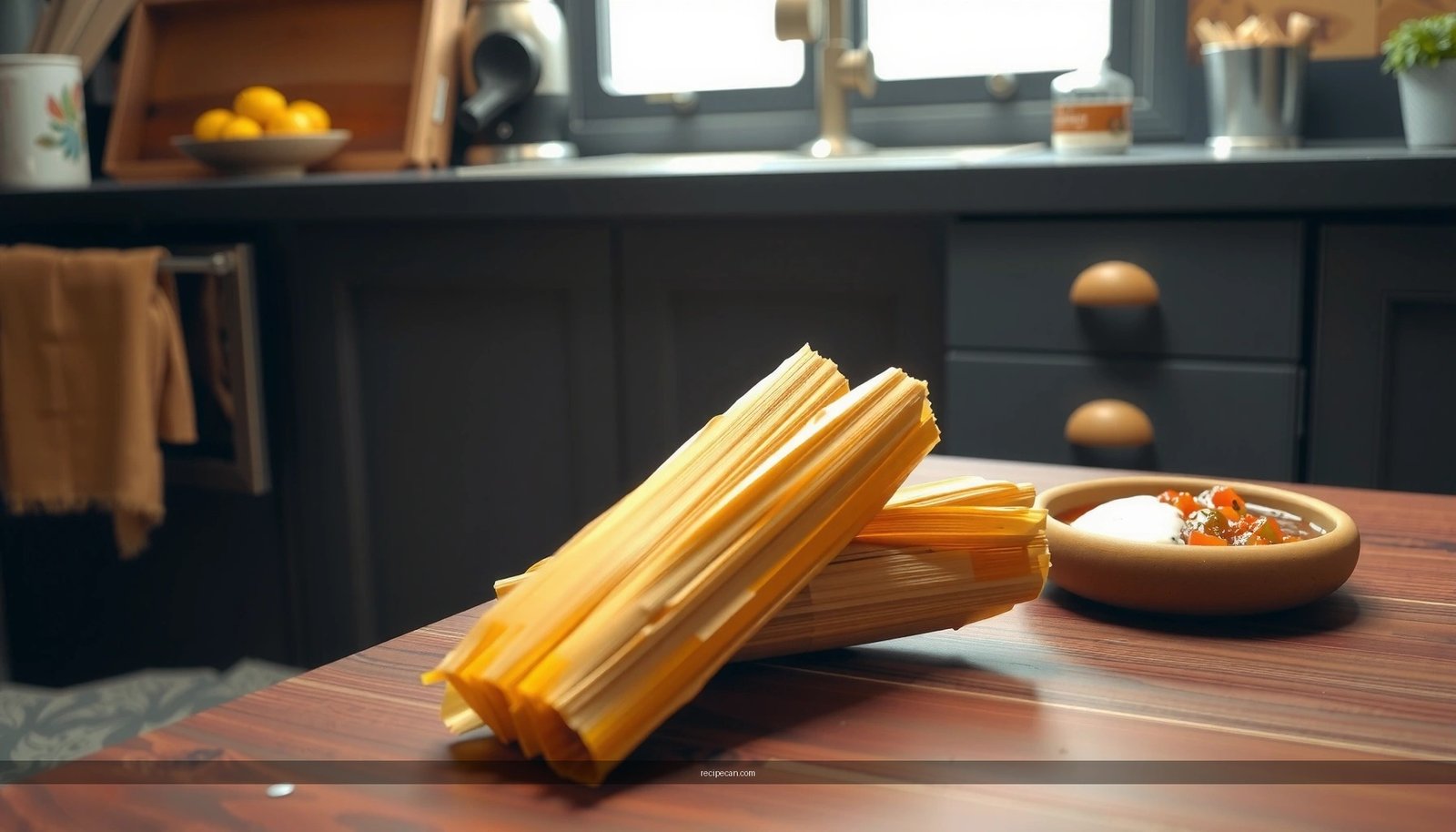
Soften the corn husks properly
Before assembling:
– Soak husks in hot water (not just room temperature) until pliable.
– If they still feel stiff, keep soaking and check every few minutes.
You want the husk to bend without cracking. Remove excess water so husks don’t steam too wetly.
Layering for even steam
A reliable method:
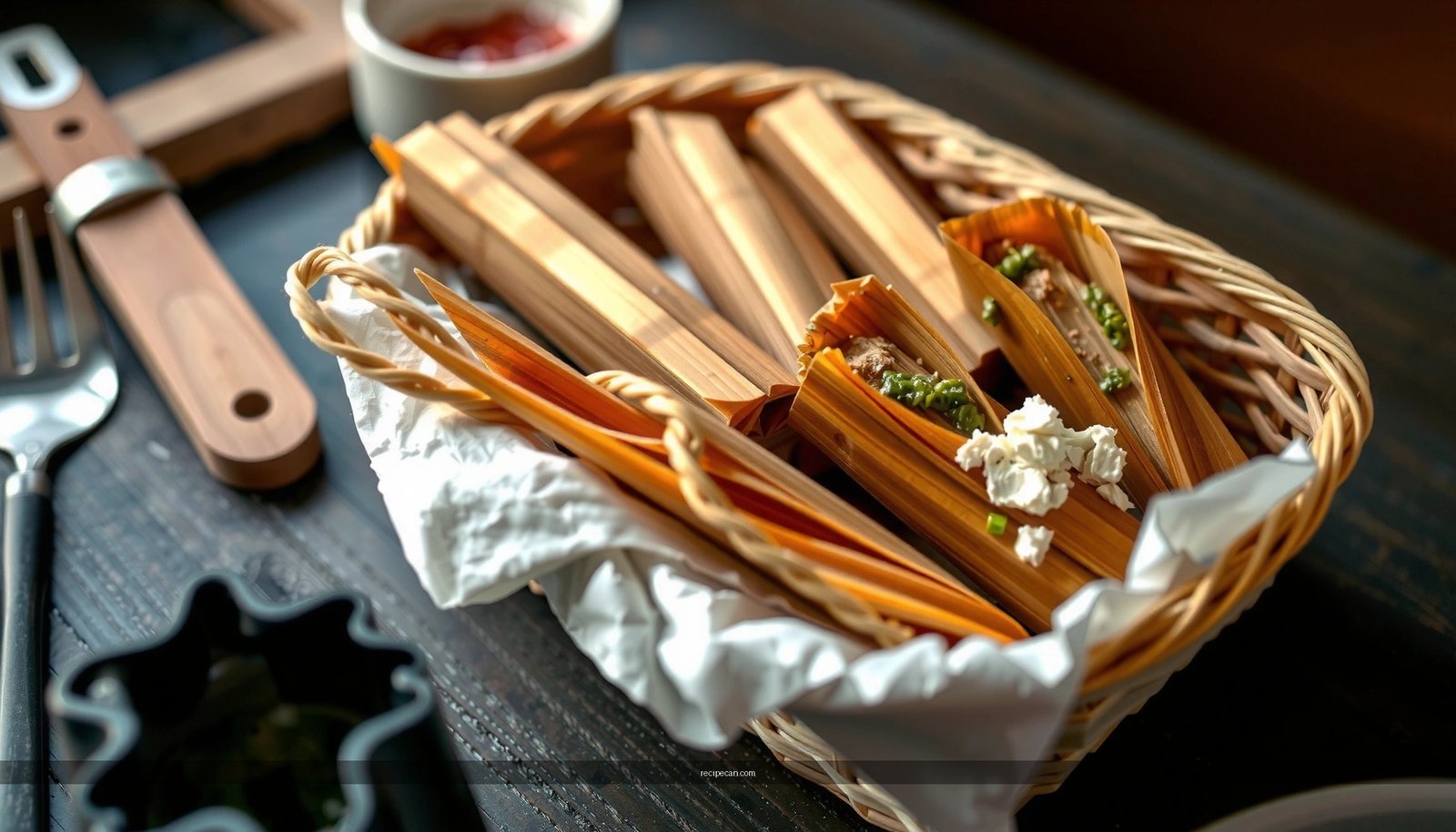
1. Lay husk flat (wider side up).
2. Spread a thin, even layer of masa, leaving a border near the top edge.
3. Place a line of pork filling in the center.
4. Fold sides around the filling (or fold in a style you prefer) and wrap tightly.
Common assembly mistakes
– Too thick a masa layer: can leave centers undercooked.
– Overfilling: causes leaks and uneven steaming.
– Loose wrapping: steam gets in, masa cooks unevenly, and husk separation becomes more likely.
Consistency matters more than perfection
Even pressure and even thickness beat artistry. Aim for a tamale that looks slightly compressed once wrapped—this improves contact and helps the masa set properly.
Steam Tamales: Timing, Water Levels, and Doneness
Steaming turns assembled dough into tender tamales. The most important variables are steady simmer and enough water. Boiling aggressively can damage husk structure, while low heat can undercook the masa.
Set up your steamer
– Steam tamales upright if your pot allows, so steam circulates and the masa cooks evenly.
– Use a rack or steamer insert so the tamales don’t sit directly in water.
Maintain water level
Check water periodically:
– You should see consistent steam production without letting the pot run dry.
– Add hot water when necessary to prevent temperature drops.
Timing (what to expect)
Timing varies by batch size, tamale thickness, and whether pork filling is fully cooked (it should be). As a practical range, many cooks plan around 1 hour 30 minutes to 2 hours for traditional pork tamales.
Doneness test: masa pulls clean
Use the “pull test”:
– After steaming, test one tamale by peeling back a small edge of the husk.
– Properly cooked masa will release cleanly and feel set, not wet or doughy.
What undercooked tamales feel like
– Masa sticks to husk and tears into uneven pieces.
– Texture feels dense or gelatin-like instead of tender.
If needed, steam additional 10–15 minute increments, rechecking until done.
Serving & Storage: Best Ways to Eat and Reheat
Tamales are excellent for make-ahead meals because they reheat well while retaining comforting texture when done correctly.
Classic serving style
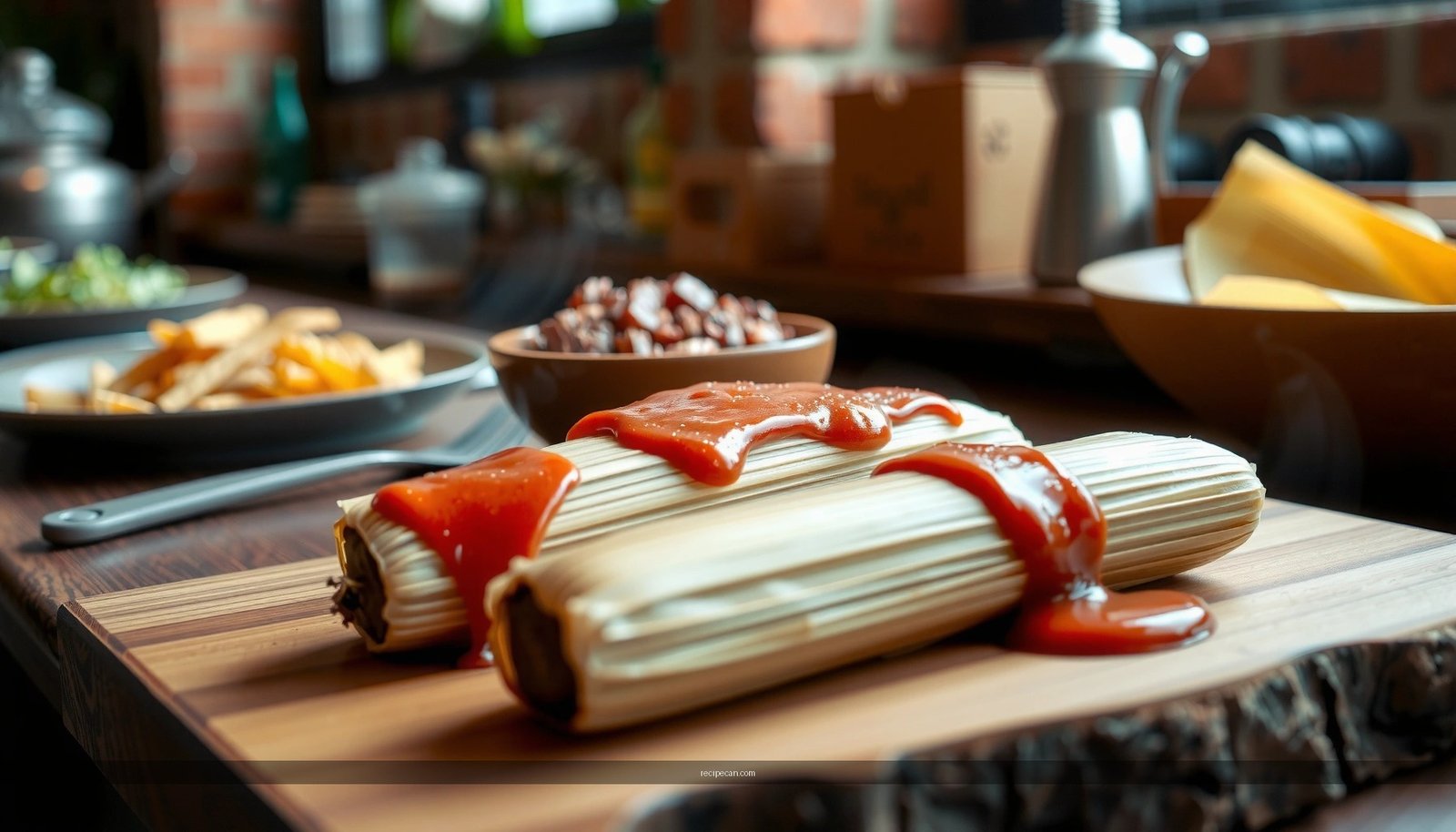
For an authentic Mexican-style plate, serve tamales with:
– Salsa roja or salsa verde
– Crema
– Queso fresco
– Optional: extra chile sauce from the pork filling for a deeper flavor hit
Balance matters: keep the toppings flavorful, but not so heavy that they mask the masa.
How to store
– Let tamales cool completely before refrigerating or freezing.
– Store in airtight containers or sealed bags to reduce drying.
Reheating without drying
Best methods:
– Steamer: Reheat until hot throughout; this preserves texture best.
– Microwave (quick): Place tamales on a plate and cover with a damp paper towel. Heat in short intervals to avoid overcooking the masa edges.
Portion strategy
If you’re meal-prepping, freeze tamales individually (or in small stacks) so you can thaw only what you need. This reduces friction and improves consistency week to week.
Common Fixes: How to Avoid Dry or Rubbery Tamales
Even with the best process, tamale issues can happen—usually from masa hydration, thickness, or steaming instability. Use these fixes as fast diagnostics.
Problem: Dry, stiff, or crumbly masa
– Cause: masa too dry or under-hydrated.
– Fix: mix in warm broth a little at a time until spreadable.
– Prevention: measure mass of masa harina as consistently as possible and keep broth warm so fat emulsifies smoothly.
Problem: Rubbery, gummy, or sticky masa
– Cause: overmixing, oversteaming, or masa that’s too wet/sloppy.
– Fix: slightly firm the next batch by adding a small amount of masa harina; steam future tamales at a steady simmer rather than hard boiling.
– Prevention: aim for correct texture at assembly—masa should hold shape when spread, not run.
Problem: Tough tamales (interior not tender)
– Cause: insufficient steaming time or weak steam.
– Fix: steam longer in 10–15 minute increments. Also ensure you maintain the water level so steam stays strong.
– Prevention: don’t overcrowd the pot; allow steam to circulate around each tamale.
Problem: Masa won’t pull from husk
– Cause: undercooked masa or husk insufficiently steamed/softened.
– Fix: steam longer and verify husks were adequately soaked and pliable before assembly.
Workflow mindset
Treat tamales like a process-driven product: once your masa consistency and steaming stability are dialed in, results become repeatable.
Tuck all the steps together—seasoned pork, well-textured masa, tight wrapping, and steady steaming—to get tender traditional Mexican pork tamales you’ll be proud to serve. Try this recipe next, and if you want, make a batch and store extras for quick, delicious meals throughout the week.
Frequently Asked Questions
What cut of pork is best for a traditional Mexican pork tamales recipe?
For tamales, many people prefer pork shoulder (pork butt) because it stays tender during long steaming and shreds easily. You can also use pork leg for a slightly leaner but still flavorful option—just expect it to need a bit more time to become fork-tender. Aim for pork with enough fat to keep the masa and filling moist after steaming.
How do you make traditional Mexican pork tamales with red chile sauce (and avoid a runny filling)?
Start by simmering the pork in a seasoned broth with dried chiles, garlic, and onion, then blend the chile mixture until smooth and cook it down until thickened. Shred the pork and mix it back into the red chile sauce so the filling clings to the meat instead of pooling. If your chile sauce is watery, simmer it longer or add a small amount of masa harina slurry to help it thicken.
Why does my tamale masa crack or pull away from the husk in a traditional Mexican pork tamales recipe?
Cracking usually happens when the masa is too dry, while pulling from the husk can mean the masa isn’t fully hydrated or isn’t cooked long enough. Make sure you properly whip or mix masa harina with warm stock and fat until light and spreadable, then steam at a steady simmer without opening the pot. Also, give the tamales enough time to set—undercooked masa won’t adhere well to the corn husk.
How long should you steam tamales for a classic pork tamales recipe, and how do you test doneness?
Most traditional Mexican pork tamales take about 1 to 2 hours of steaming depending on tamale size and your steaming setup. To test doneness, unwrap one tamale: the masa should look firm, matte, and cooked through, and a toothpick inserted into the center should come out without wet raw batter. If the masa feels dense or sticky, steam longer in 10–15 minute increments.
Which corn husks (or banana leaves) work best for wrapping traditional Mexican pork tamales, and how do you prep them?
Dried corn husks are classic for traditional Mexican pork tamales because they steam well and give a recognizable flavor. Soak husks in hot water until pliable (usually 30–60 minutes), then pat them dry so excess water doesn’t affect the masa. If some husks tear, use banana leaves or reserve intact husks for the outer layers, but corn husks remain the most traditional choice.
References
- Google Scholar Google Scholar
https://scholar.google.com/scholar?q=traditional+mexican+pork+tamales+recipe - Google Scholar Google Scholar
https://scholar.google.com/scholar?q=how+to+make+tamales+pork+masa+nixtamalization+corn - Google Scholar Google Scholar
https://scholar.google.com/scholar?q=Mexican+tamales+tradition+corn+masa+preparation+study - Tamale
https://en.wikipedia.org/wiki/Tamale - https://www.britannica.com/topic/tamale
https://www.britannica.com/topic/tamale - Masa
https://en.wikipedia.org/wiki/Masa_harina - Nixtamalization
https://en.wikipedia.org/wiki/Nixtamalization - Lard
https://en.wikipedia.org/wiki/Lard - Husk
https://en.wikipedia.org/wiki/Corn_husk - Mexican cuisine
https://en.wikipedia.org/wiki/Mexican_cuisine