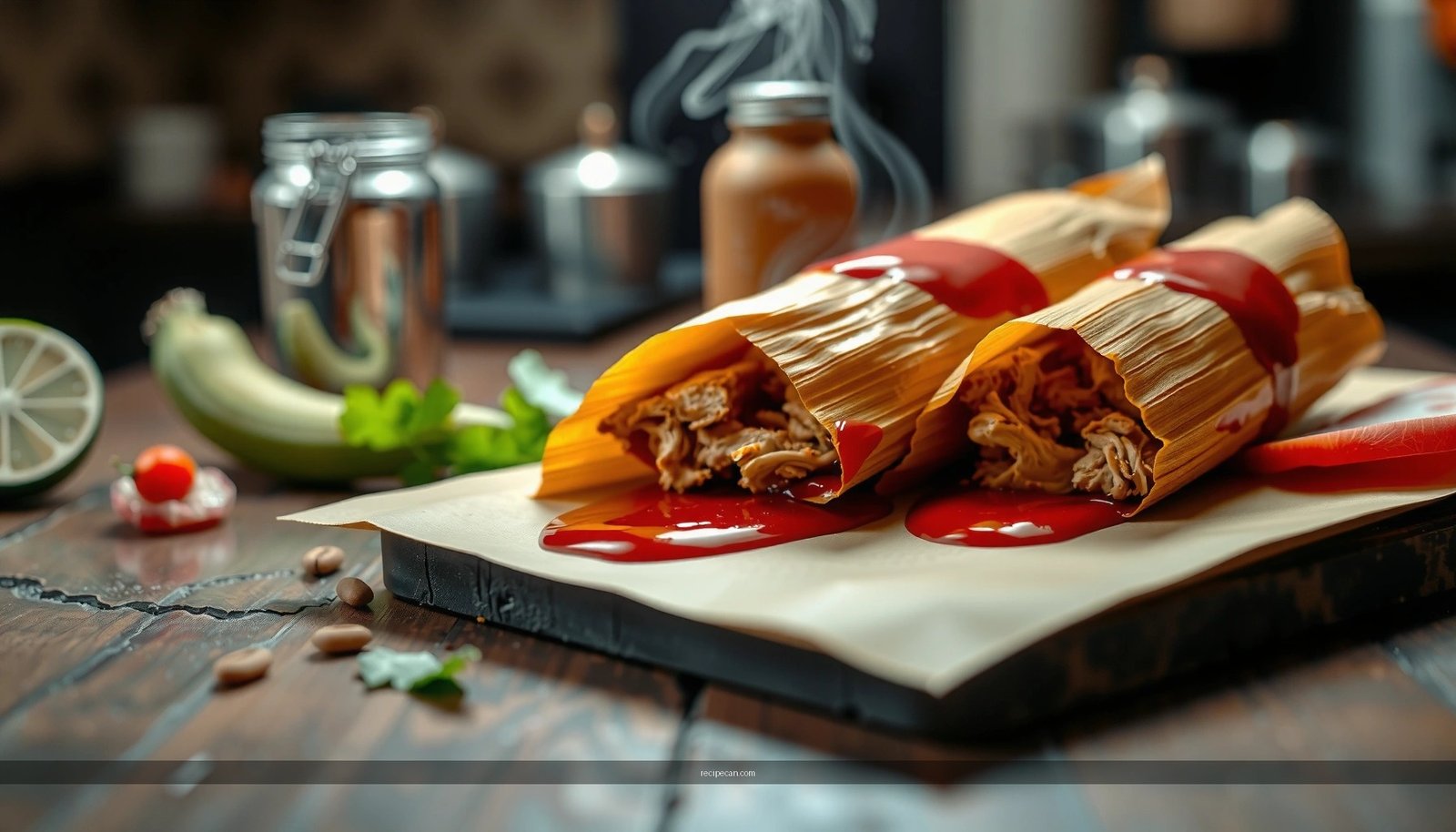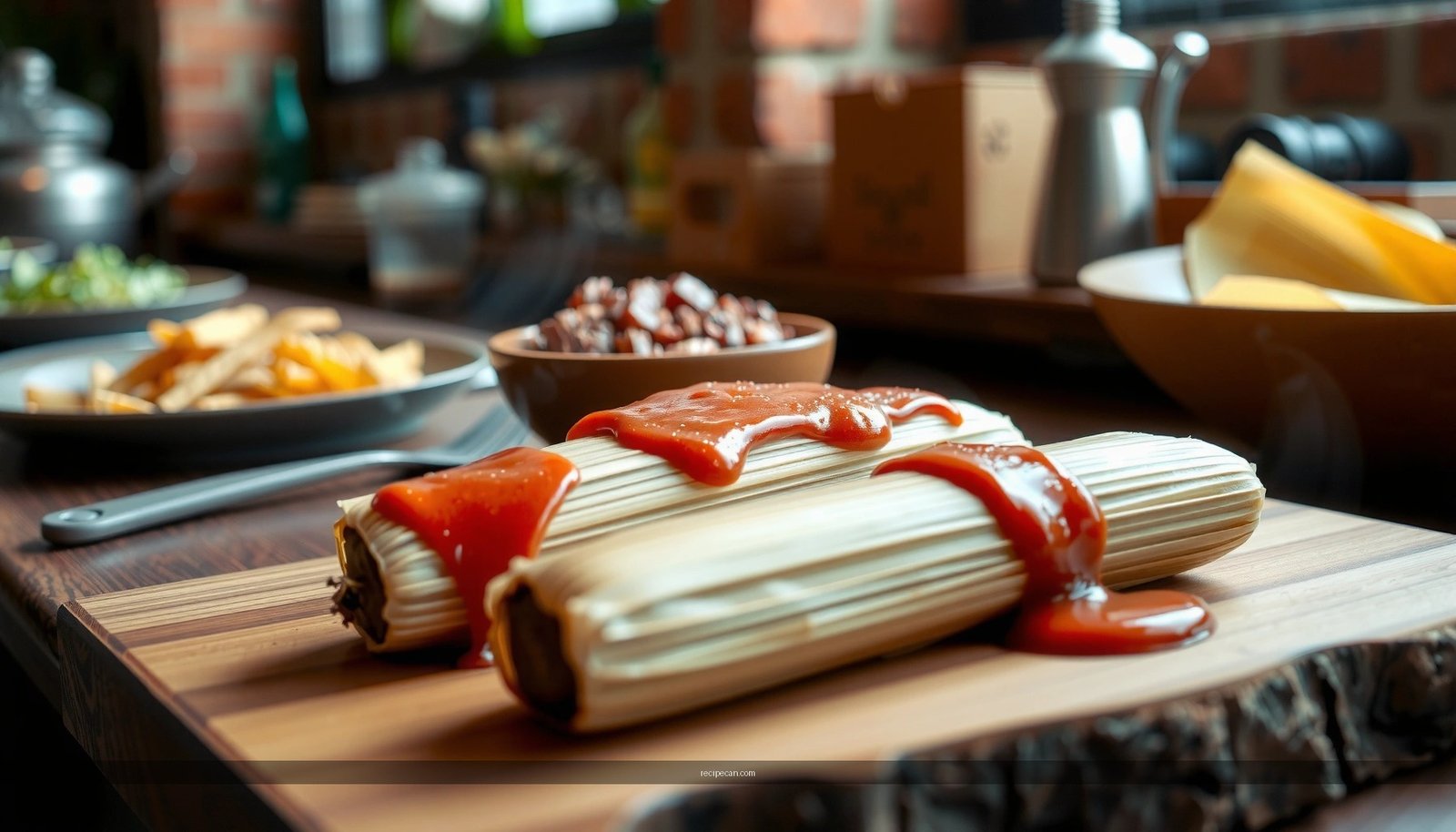
Find the best recipes for homemade tamales with tamale-making steps that reliably produce classic, flavorful results without a complicated process. This guide delivers clear, easy tamale options—complete with the masa and filling you’ll need—to answer which recipes work when you want authentic flavor and dependable texture. If you want tamales that taste right and turn out cleanly the first time, these are the ones to make.
Homemade tamales are totally doable if you build a reliable masa, choose a filling that matches your spice goals, and steam with consistent heat until the masa sets. With the right process—soft husks, smooth masa, tightly sealed rolls, and steady steaming—you’ll get tamales that hold their shape, slice cleanly, and taste richly seasoned every time.
Gather Ingredients and Tools for Tamales
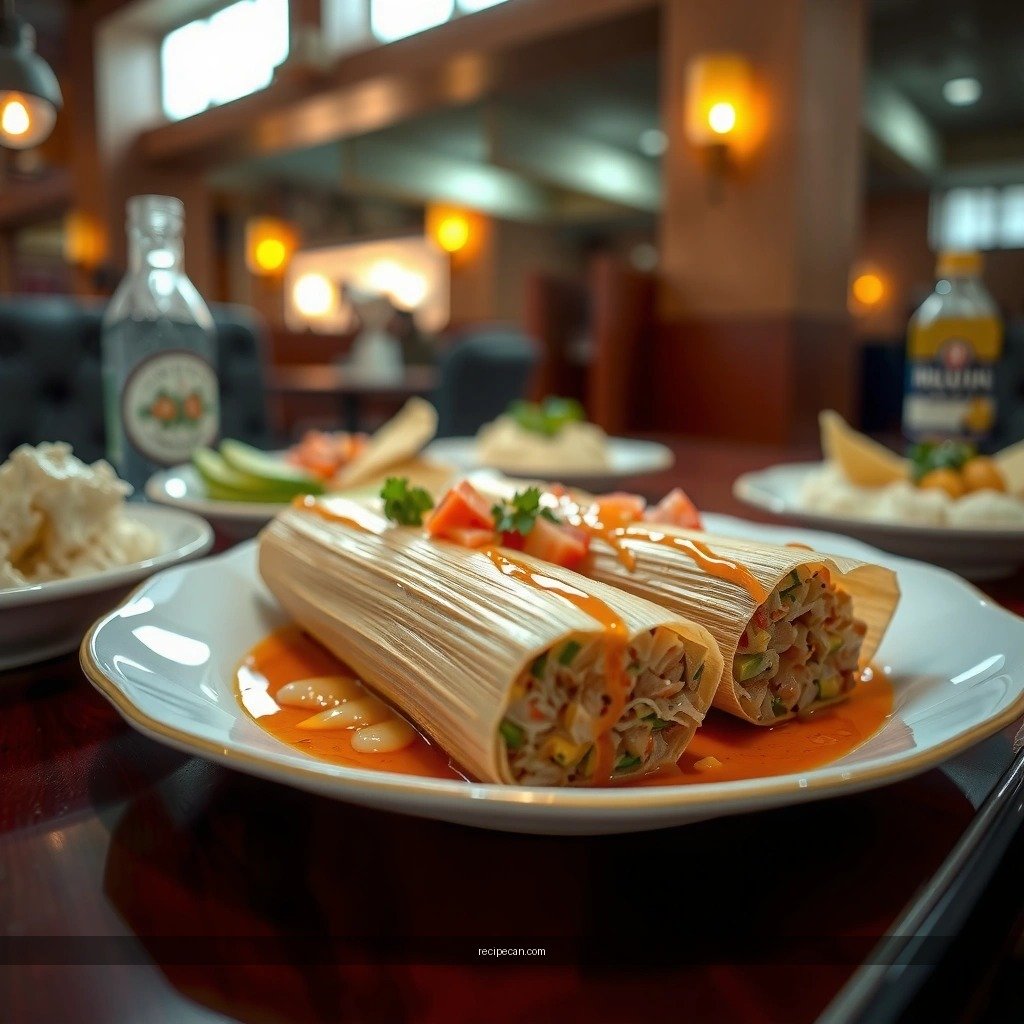
Before you start, treat tamales like a production system: the ingredients matter, but so do the tools and timing. Having everything staged reduces breakage, uneven cooking, and the most common frustration—rushing when the masa is ready and the steamer isn’t.
Core ingredients (classic tamale building blocks):
– Stock masa flour (masa harina): the foundation for the masa; it hydrates and thickens when combined with warm broth and fat.
– Lard or neutral oil: fat improves tenderness and helps the masa steam into a cohesive, not crumbly, texture. Lard is traditional and flavorful; oil is a convenient alternative.
– Broth (chicken or pork): replace water with broth for instant seasoning depth. Use warm broth so the masa hydrates quickly and stays smooth.
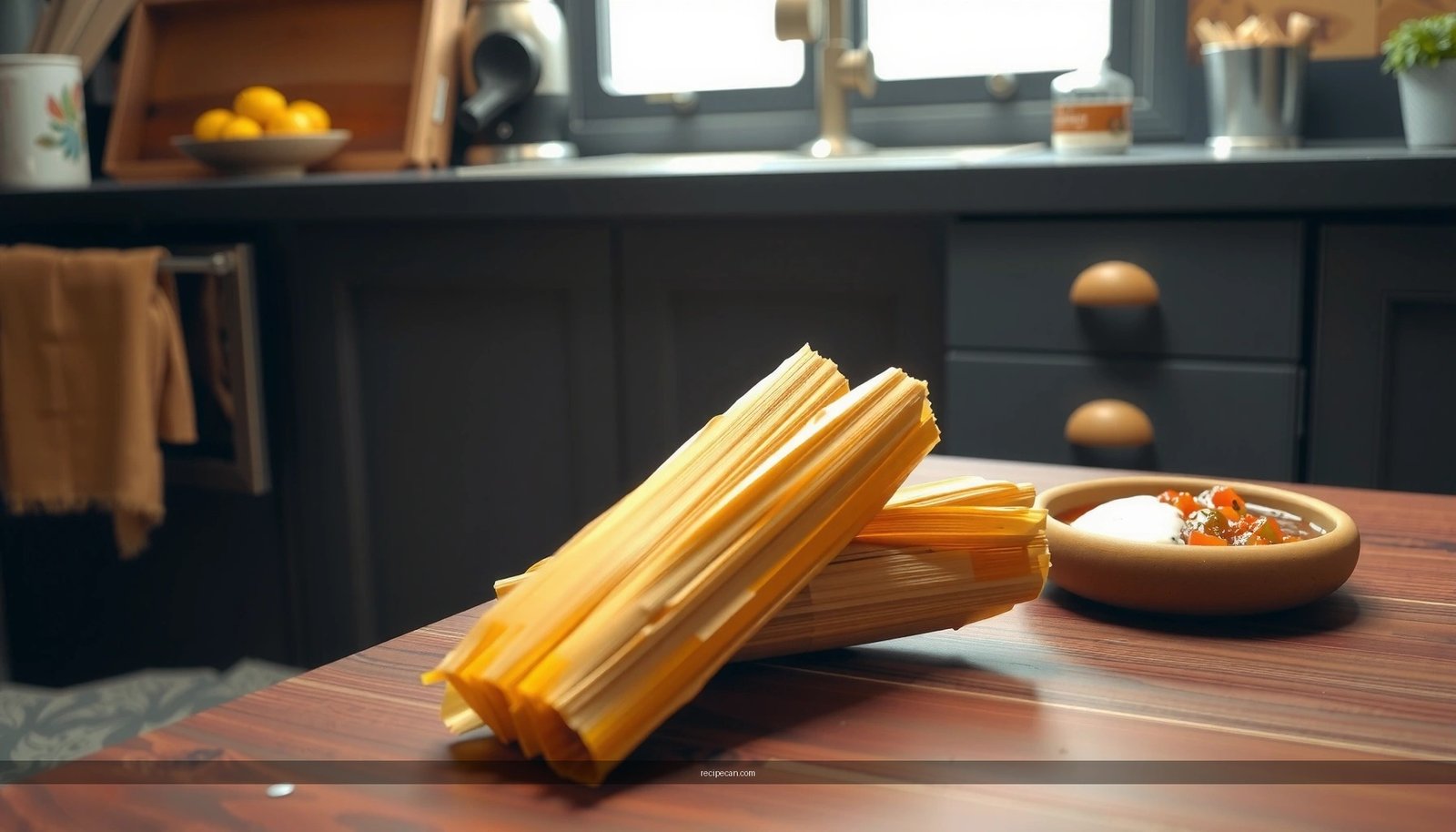
– Corn husks (or banana leaves): the wrapper controls steaming and moisture. Husk thickness varies; banana leaves can add aroma and are common for regional adaptations.
Recommended tools (to make the process efficient and consistent):
– Steamer with a lid and rack: upright steaming is key for even set. A basket-style steamer or a large pot with a trivet/rack works.
– Mixing bowls: at least one for masa, one for water/batch adjustments (small increments fix texture).
– Tamale wrapper setup: keep soaked husks close, plus a clean towel for wiping excess water.
– Spatula or spoon + measuring tools: consistent masa thickness leads to consistent cook times.
Plan your filling before assembling. Tamales steam on a schedule; fillings should be fully cooked already (braised, sautéed, or roasted) so the steaming phase is only for setting and melding flavors—not cooking raw meat.
Business-style prep tip: Create a “line” workflow—husks soaking → masa mixing → filling portioning → rolling → steaming—so each stage finishes at the right time without downtime.
Make the Perfect Tamale Masa
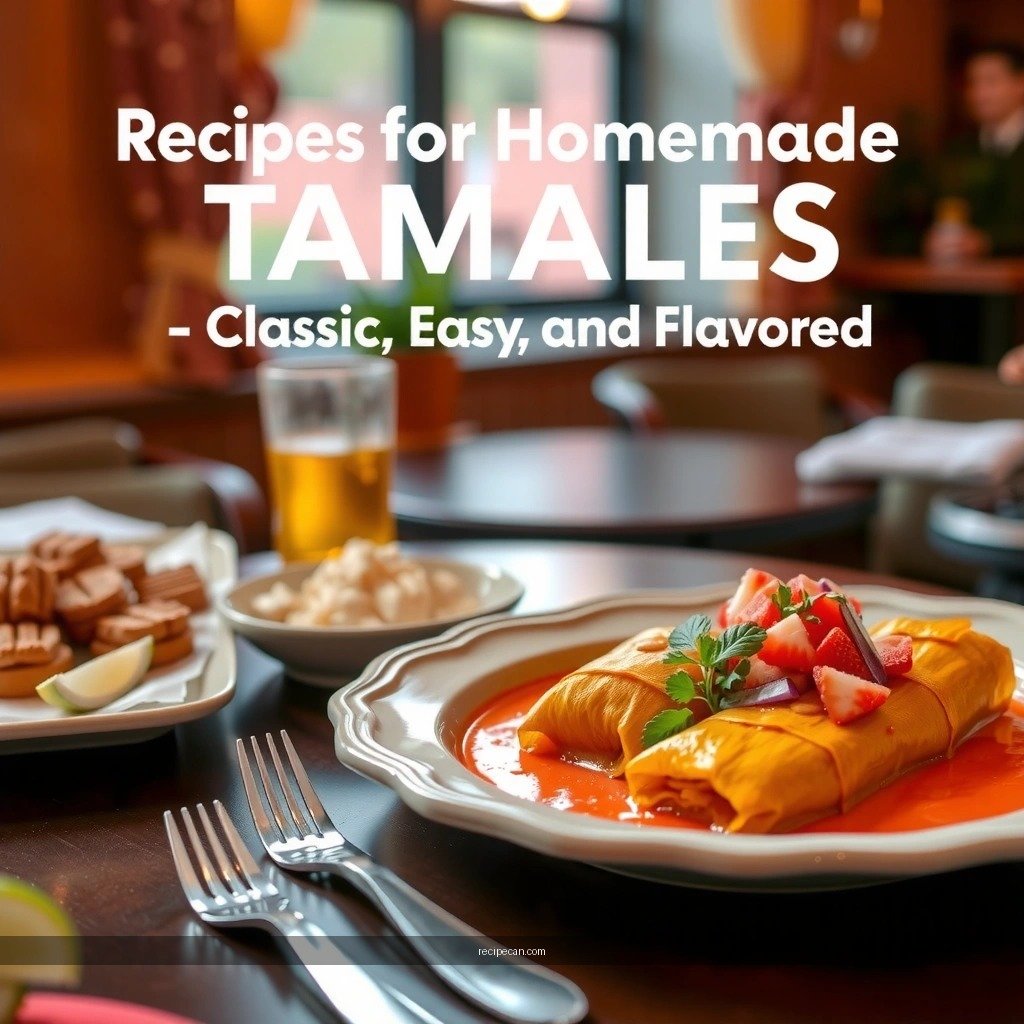
Tamale success often comes down to masa texture. If your masa is under-hydrated, tamales can tear or feel dry. If it’s too loose, they may slump or cook unevenly.
1) Mix masa with warm broth and fat until smooth and spreadable
– Start with masa harina in a bowl.
– Add warm broth gradually while mixing to prevent lumps.
– Work in lard or oil until the mixture turns glossy and cohesive.
This is why warm broth matters: it hydrates masa harina quickly and keeps the masa workable longer, which improves spread consistency.
2) Add salt and balanced seasonings
Masa is not just a carrier—it’s a flavor layer. Salt should be noticeable but not salty; think “seasoned butter” rather than “salted dough.”
Common additions (adjust to your region and taste):
– Salt
– Mexican oregano (optional)
– Ground cumin (optional)
– A small amount of chili powder or mild chile paste (optional) for a subtle backbone
3) Test texture (spreadability, not runniness)
Use a practical test during mixing:
– The masa should spread evenly and hold a shape when pressed onto a husk.
– If it’s too thick, add broth by the teaspoon/tablespoon.
– If it’s too thin, let it rest 5–10 minutes (masa continues hydrating), then remix; if needed, add a small amount of masa harina.
Quick reference: masa consistency targets
Aim for a texture similar to thick peanut butter: spreadable, cohesive, and not watery.
Tamale Masa Performance Targets for Consistent Steaming
| # | Masa Check | What “Right” Feels Like | If Off, Adjust | Reliability Score |
|---|---|---|---|---|
| 1 | Spread control | Holds its shape on husk | Thick → add broth; Thin → rest 5–10 min then remix | ★★★★☆ |
| 2 | Smoothness | No dry masa clumps | Add warm broth 1 Tbsp at a time and mix until uniform | ★★★★★ |
| 3 | Fat incorporation | Glossy, cohesive texture | If grainy, mix longer; small fat addition only if needed | ★★★★☆ |
| 4 | Rest time | Slightly thickens after 5–10 min | Under-hydrated → extend rest; Over-thick → add broth gradually | ★★★★☆ |
| 5 | Cook-set behavior | Firms without shrinking excessively | Too crumbly → add fat next batch; too soft → steam longer | ★★★★☆ |
| 6 | Husk adhesion | Binds without tearing the leaf | Tear risk → soak husks longer; add a touch of broth for flexibility | ★★★☆☆ |
| 7 | Season depth | Masa tastes seasoned on its own | If bland → increase salt/broth seasoning next batch | ★★★★☆ |
Choose Flavorful Fillings (Chicken, Pork, Cheese)
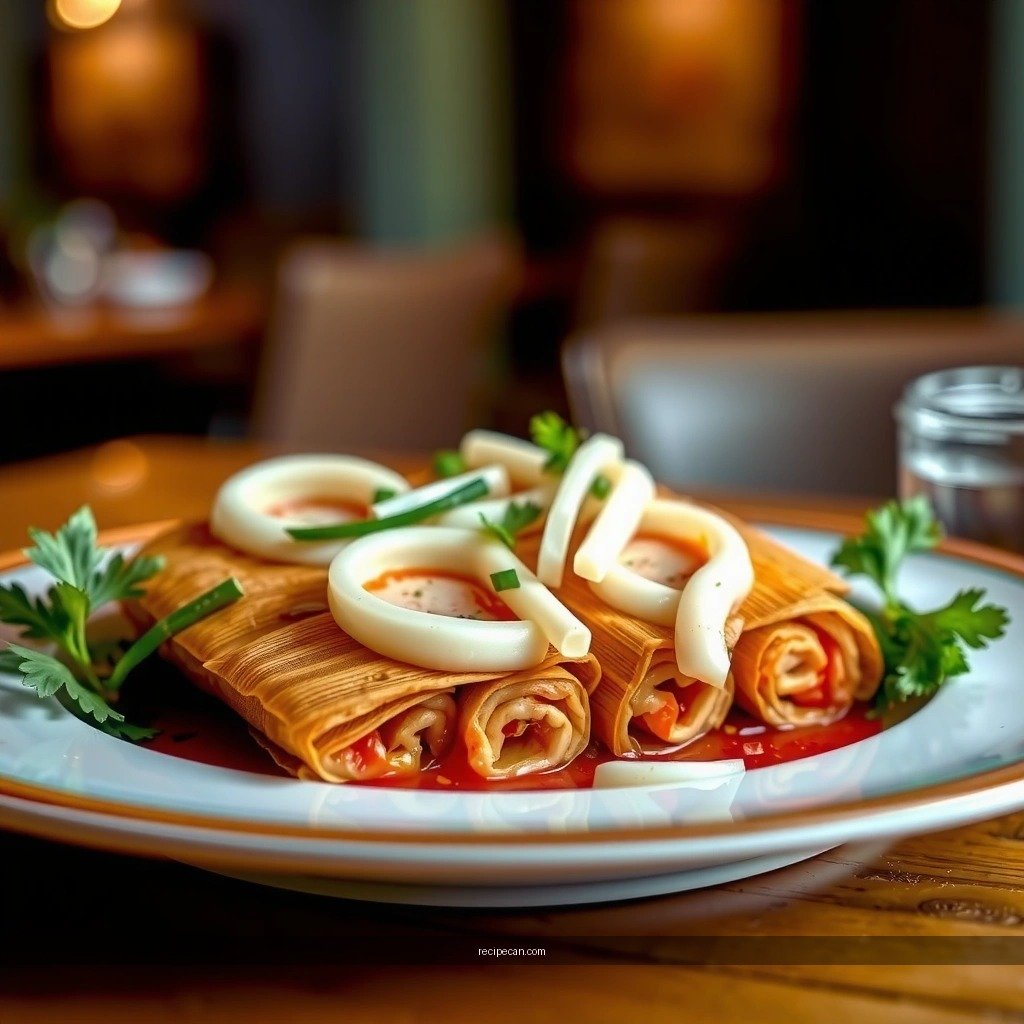
Tamale fillings are where you dial in identity—classic comfort, bold heat, or vegetarian richness. Treat filling as a braised flavor system: it should be moist enough to steam through without drying out.
Chicken tamales (braised shredded chicken)
– Cook chicken until tender (braise or pressure-cook), then shred.
– Build flavor with warm spices and broth-based seasoning.
– Add depth using onion, garlic, and a chile sauce (mild to medium).
Pork tamales (braised shredded pork)
– Use pork shoulder for ideal fat balance.
– Season with cumin, garlic, and chile, then braise until shreddable.
– Keep the filling slightly saucy; it should spread and meld, not pool.
Add heat with chiles for a reliable flavor path
For both chicken and pork:
– chiles (fresh or dried rehydrated)
– garlic
– cumin
– optional tomato or salsa to round acidity and sweetness
Cheese tamales (mild cheese + chile)
– Pair mild cheese with roasted chile or herb-forward fillings.
– Choose a cheese that melts but doesn’t turn greasy (commonly mild melting cheeses).
– If you add extra chiles, keep them flavorful rather than purely hot—your masa needs balance.
Consistency matters: Aim for a filling portion that’s similar across rolls. Even if your masa is perfect, an overstuffed batch will steam inconsistently and may burst.
Assemble Tamales Step-by-Step
Assembly is the “craft” phase, but it’s still measurable. Your goal is even masa thickness, a centered filling line, and a tight seal so steam penetrates while the roll stays intact.
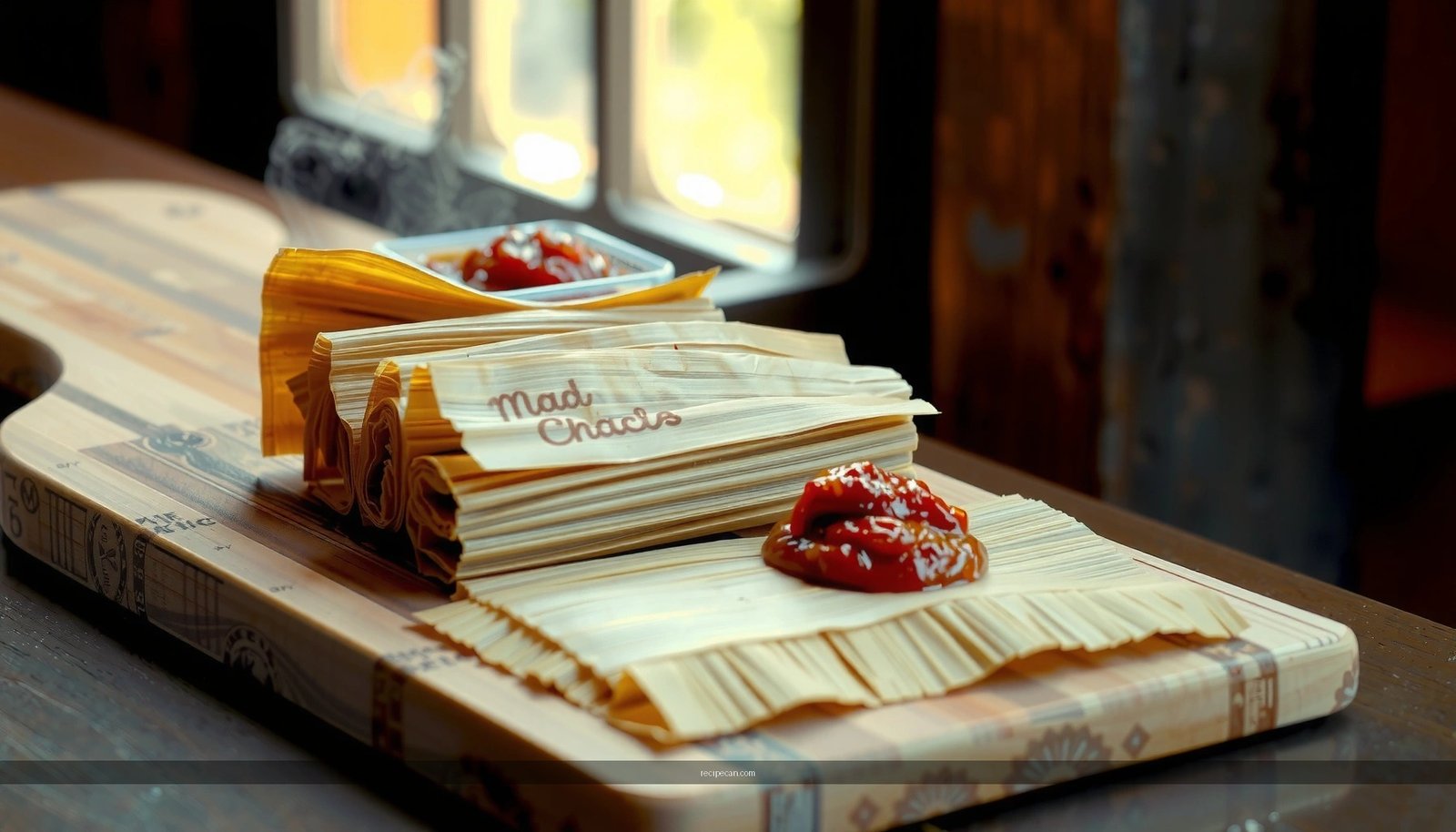
1) Soften husks
– Soak corn husks in warm water until pliable.
– Rinse and pat lightly so excess water doesn’t water down the masa.
Banana leaves also require handling care: keep them flexible and avoid brittle edges that can crack during folding.
2) Spread masa evenly
– Place masa in an even layer (not a thick mound).
– A consistent layer helps the tamale steam at the same rate from edge to center.
3) Add filling and fold/roll tightly
– Add a line of filling across the masa.
– Fold to seal firmly—think “tight enough to hold shape,” not “packed so hard it squeezes out.”
4) Keep portions consistent
– Weighing or using the same spoon measure reduces cooking variability.
– When tamales are similar size, steaming time becomes predictable.
Quality control tip: If your first 2–3 tamales look uneven, stop and adjust your spreading pressure and portion size before continuing. It saves time later and improves batch reliability.
Steam Tamales Until Ready
Steaming is where the masa transforms—hydration completes, fat sets tenderly, and the masa pulls away slightly from the wrapper.
1) Stand tamales upright in the steamer
Upright steaming supports even heat circulation and helps prevent soggy bottoms.
2) Maintain steady steam and check water levels
– Use enough water to avoid drying out the steamer.
– Keep the lid on; frequent lifting cools the system and extends cooking time unevenly.
3) Know they’re done when masa pulls away and feels firm
A reliable doneness check:
– Masa edges lift slightly from the husk.
– The tamale feels firm but tender, not mushy.
Practical timing note: Cook time depends on tamale size and thickness, but doneness checks beat clock watching. If your first batch is larger, give extra steaming time rather than assuming the next batch will match.
Troubleshooting and Storage Tips
Even experienced cooks get tamale batch issues. The difference is that they troubleshoot early—adjusting texture, sealing methods, and steaming conditions before the entire batch is compromised.
If masa is too thick or thin, adjust with small amounts of broth
– Thick masa: add warm broth gradually until spreadable.
– Thin masa: let the masa rest 5–10 minutes; then remix. If needed, add a small amount of masa harina.
Prevent tearing by soaking husks longer and sealing folds firmly
– Tears usually come from brittle husks or aggressive folding.
– Soak longer, keep the wrapper supple, and avoid overloading.
Cool, store, and reheat with steaming or microwaving for best texture
– Cool tamales fully before storing to prevent condensation from loosening masa texture.
– Reheat by steaming for the most “fresh-cooked” texture.
– Microwaving works for convenience, but steam-reheat generally yields better masa integrity.
Storage guidance (high level):
– Keep refrigerated in a sealed container.
– Reheat thoroughly until steaming hot throughout.
– If freezing, wrap well to prevent freezer burn; thaw before reheating for best texture.
Homemade tamales come down to three wins: great masa, flavorful fillings, and steady steaming. Pick one filling style you want to master (chicken, pork, or vegetarian/cheese), follow the assembly steps carefully, and don’t skip texture checks—then steam your next batch with confidence. If you want, tell me your preferred filling and spice level, and I’ll help you choose the best tamale recipe approach (mild, medium, or bold chile-forward) for your next cook.
Frequently Asked Questions
What are the best homemade tamales recipes for beginners?
A beginner-friendly homemade tamales recipe usually focuses on one clear filling and a simple masa technique, like pork in red chile sauce or chicken in green salsa. Choose a masa that spreads easily and use a reliable lard-to-corn masa ratio so the dough stays smooth and workable. Start with smaller batches to dial in steaming time and wrapping without pressure.
How do you make tamales masa from scratch and avoid a sticky dough?
To make homemade tamales masa, beat lard (or vegetable shortening) until light, then mix it with masa harina, warm broth, and salt gradually until the dough is spreadable. If your tamales masa is sticky, add masa harina a little at a time; if it’s dry, add warm broth in small splashes. A common test is the “float test,” where well-mixed masa should loosen slightly and float in water.
How long should you steam homemade tamales for perfect results?
Steam homemade tamales until the masa is fully cooked and the husk peels away easily, which typically takes about 1 to 2 hours depending on tamale size and steamer setup. Keep water at a steady simmer and avoid letting the pot go dry, since gaps in steaming can lead to undercooked masa. For best results, rotate the steamer trays halfway through if you’re cooking multiple batches.
Which fillings work best for easy homemade tamales?
The most popular and easiest fillings for homemade tamales are pork in red chile sauce, chicken in green salsa, and shredded beef with a mild red or mole-style sauce. These fillings keep well, season nicely as they simmer, and hold up during steaming without becoming watery. For consistent results, cook fillings until tender and reduce sauces slightly so the filling isn’t too liquid inside the corn husks.
Why do tamales fail—like tough masa or watery filling—and how can you fix it?
Tough tamales masa often comes from under-mixing, incorrect hydration, or insufficient steaming time, so aim for smooth, airy masa and steam until the dough pulls cleanly from the husk. Watery tamales usually happen when the filling sauce is too thin or the tamales are overloaded, so reduce the sauce before assembling and distribute filling evenly. Using fresh, pliable corn husks and letting the sauce cool slightly before stuffing can also improve texture and consistency.
References
- Tamale
https://en.wikipedia.org/wiki/Tamale - https://www.britannica.com/topic/tamale
https://www.britannica.com/topic/tamale - Google Scholar Google Scholar
https://scholar.google.com/scholar?q=homemade+tamales+recipe+masa+preparation - Google Scholar Google Scholar
https://scholar.google.com/scholar?q=tamales+making+procedures+steaming+corn+masa - Google Scholar Google Scholar
https://scholar.google.com/scholar?q=tamale+nixtamalization+and+masa+dough+recipe - Food | FDA
https://www.fda.gov/food - News
https://www.who.int/news-room/questions-and-answers/item/food-safety - Food Safety | Food Safety | CDC
https://www.cdc.gov/foodsafety/index.html - https://pubmed.ncbi.nlm.nih.gov/?term=tamales
https://pubmed.ncbi.nlm.nih.gov/?term=tamales - Mortality at Ages 5 to 19: Levels and Trends, 1990–2010 – Child and Adolescent Health and Develop…
https://www.ncbi.nlm.nih.gov/books/NBK525236/