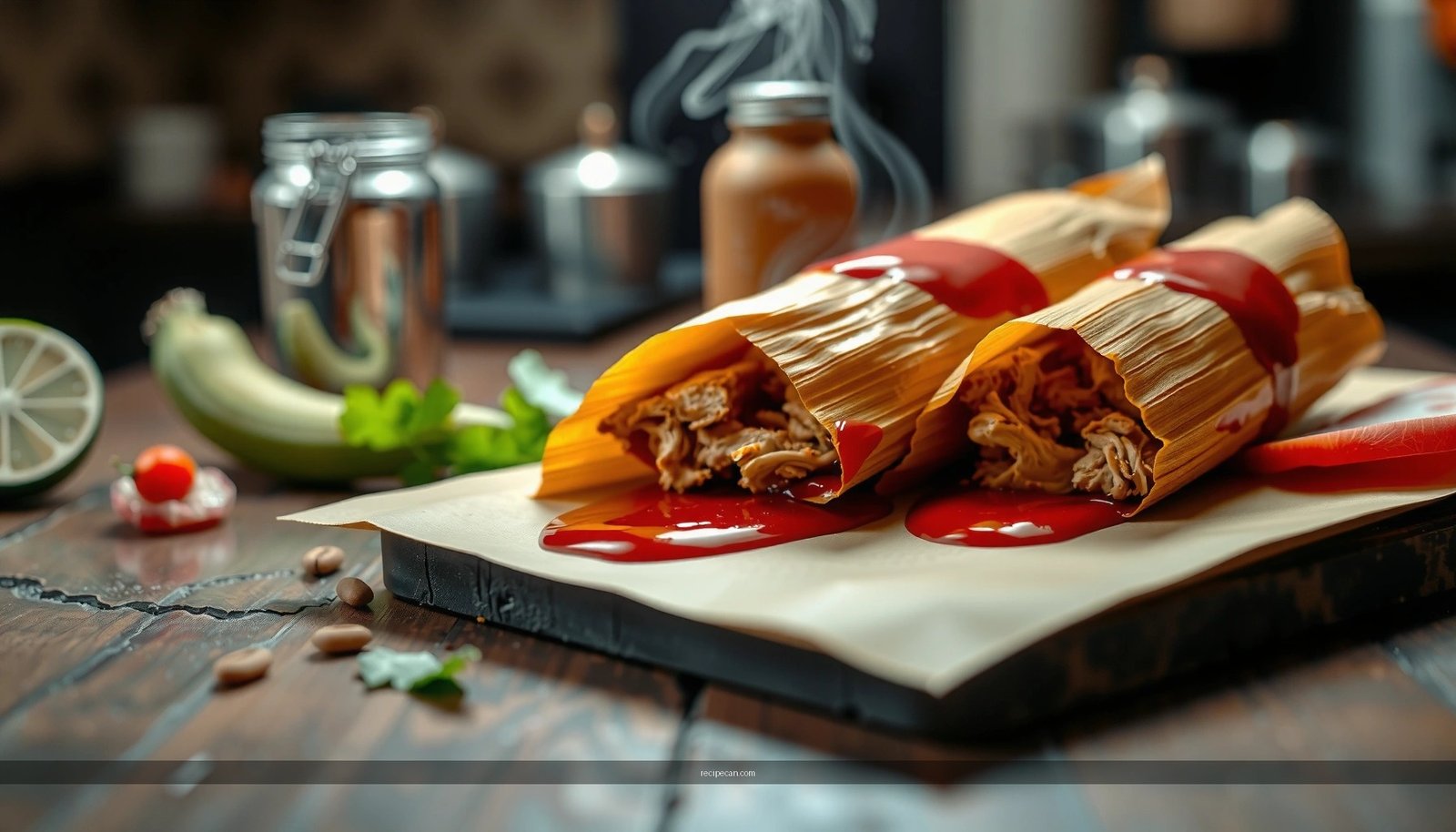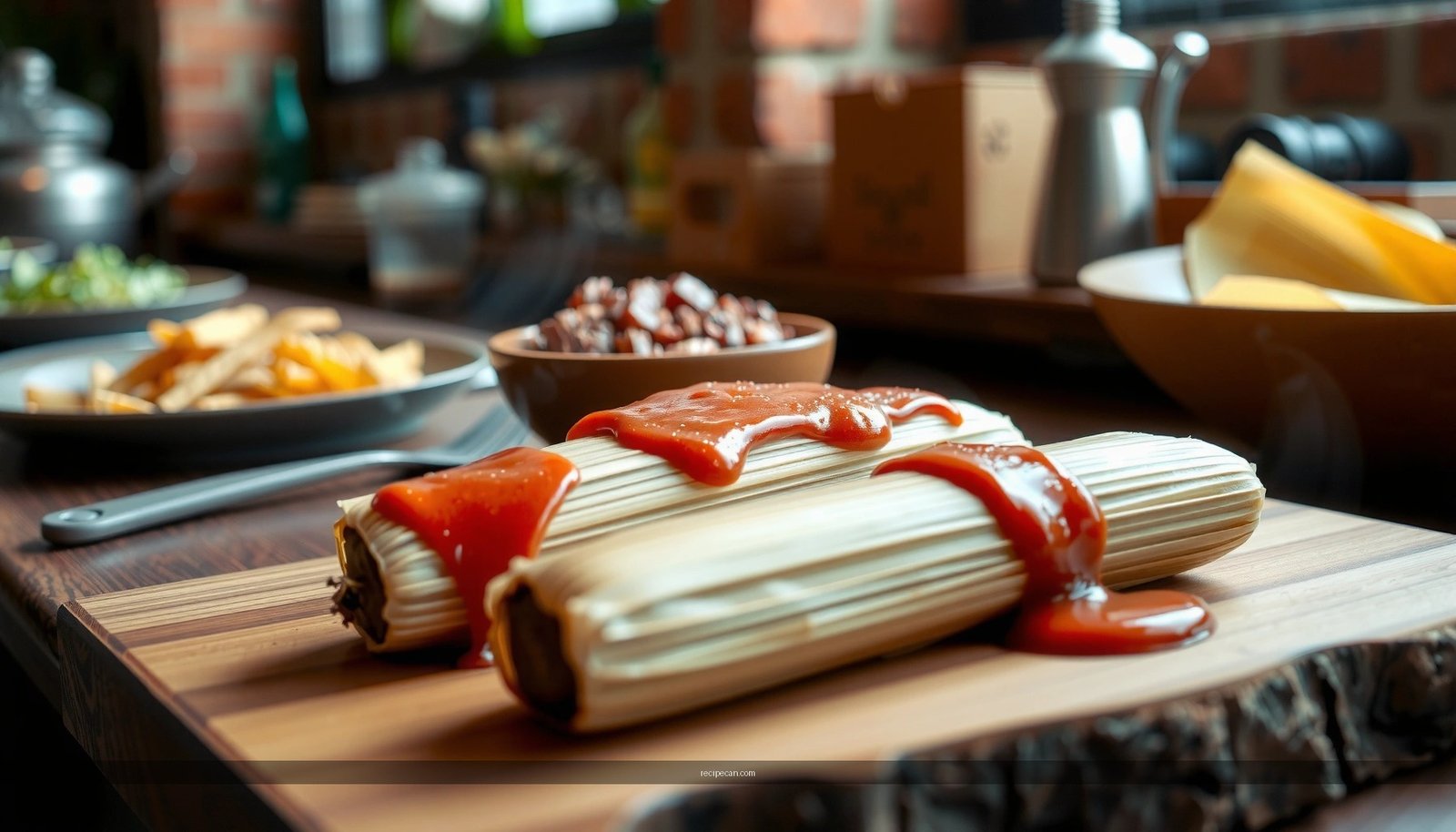
Get a reliable Maseca recipe for tamales with an easy, step-by-step walkthrough that tells you exactly how to mix, steam, and finish tamales that actually come out tender. This guide is the clear winner for cooks who want consistent results without guesswork—covering the masa proportions, filling timing, and the key doneness checks. If you’ve struggled with dense masa or wet centers, this method fixes the process from start to steam.
Use this Maseca recipe for tamales by combining masa harina with warm broth, fat, and seasonings, then steaming the filled masa until set. The key is getting the masa consistency right, tightening the assembly, and steaming long enough—so your tamales come out soft, flavorful, and reliably tender even if you’re making them for the first time.
Tamale Consistency Benchmarks (Masa Harina + Broth)
| # | Masa Target | Water/Broth %* | Spreadability | Result Likelihood |
|---|---|---|---|---|
| 1 | Correct tamale masa (benchmark) | 55–58% | Holds shape, spreads with effort | ★ Reliable tenderness |
| 2 | Slightly dry (common first batch) | 50–54% | Cracks when spread | ★ Less tender |
| 3 | Too dry (overcompacted masa) | <50% | Difficult to spread; stiff | ★ Likely chewy |
| 4 | Slightly loose (fixable) | 59–62% | Spreads easily, may smear | ★ May still set well |
| 5 | Too loose (risk of gaps) | >62% | Runs; weak structure | ★ Unstable assembly |
| 6 | Fat-integrated properly | N/A | Fluffy, smoother texture | ★ Higher moisture retention |
| 7 | After-rest masa (best working point) | Auto-corrects after hydration | Improved spread without adding more liquid | ★ Easier folding |
Water/broth percentage is relative to masa harina weight (e.g., 1,000 g masa harina ≈ 550–580 g warm liquid).
Choose Your Tamale Fillings
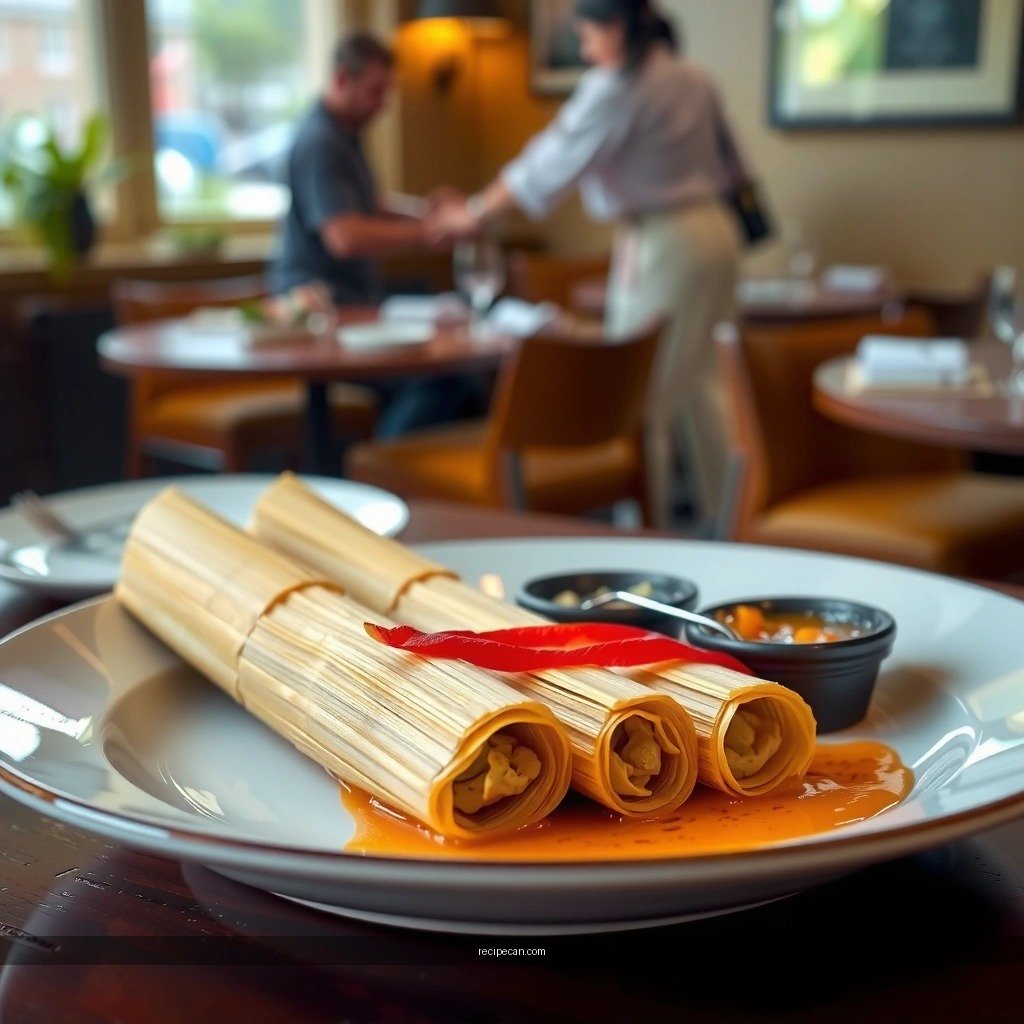
A reliable Maseca recipe for tamales starts with filling strategy. The masa steams relatively slowly, so fillings should already be fully cooked and seasoned; otherwise, you’ll end up with meat that’s underdone while the masa is already set.
– Pick traditional options like pork, chicken, or rajas (peppers)
Pork tamales (like pork in red chile or pork in green sauce) are especially forgiving because the fat content helps the filling stay juicy. Chicken fillings work well when shredded fine and simmered until the sauce thickens. Rajas (poblano strips with onion and crema) are ideal for cooks who want a lighter, vegetarian-friendly profile—just ensure moisture is controlled.
– Keep fillings fully cooked and seasoned before assembly
Simmer sauces until they coat the back of a spoon. For example, if you’re using chile sauce, reduce it so it clings rather than pools; excess liquid can make masa separate or prevent clean setting.
– Let fillings cool slightly to avoid melting the masa
Aim for “warm, not hot.” When fillings are too hot, they can soften the masa prematurely and cause sliding during folding. A practical workflow is to assemble while your fillings are warm from the stove but off heat for 10–20 minutes.
Pro tip: If you’re batch-cooking for an event, keep fillings in shallow containers and stir occasionally so they cool evenly before assembly.
Gather Ingredients for the Maseca Masa
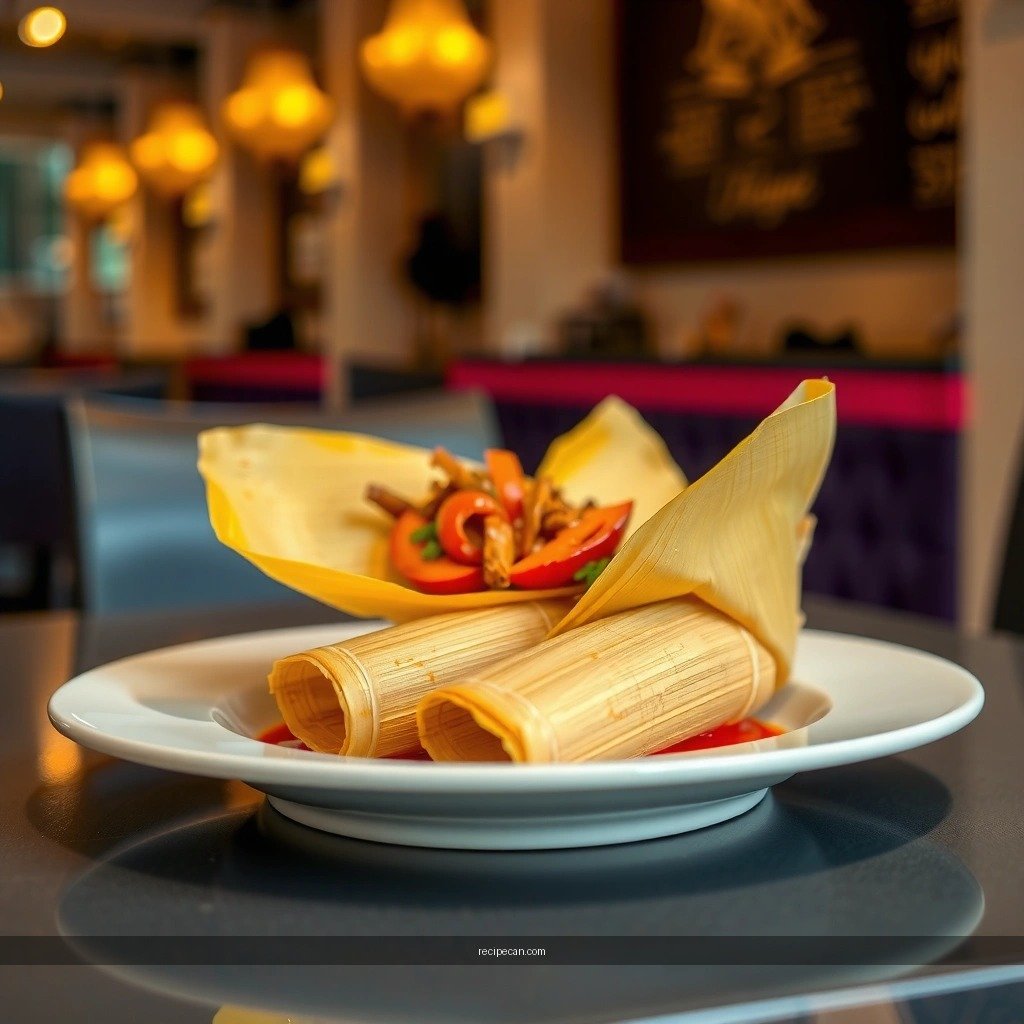
Your masa harina is the foundation, but it needs the right balance of liquid and fat to produce tamales that are tender rather than dense.
– Use Maseca masa harina, warm broth (or water), and lard or shortening
Warm broth improves seasoning distribution compared to plain water. Lard (traditional) and shortening (common in modern kitchens) both create tenderness by coating masa particles and supporting moisture retention during steaming. Choose one and be consistent across your batch.
– Add salt and optional baking powder for better texture
Salt is the simplest lever for flavor. If you want a slightly lighter masa, use a small amount of baking powder (commonly about 1/2 teaspoon per 2 cups masa harina). Too much can alter taste, so measure carefully.
– Have ancho/chile sauce ready if your filling calls for it
Many tamale recipes rely on chile sauces for depth—especially in pork or chicken fillings. Keep a portion of chile sauce on hand for adjusting seasoning in the filling so the tamales taste balanced even after steaming.
A common ratio approach for a dependable masa: start with warm liquid gradually, then stop once the masa is smooth, spreadable, and holds its shape. Your target texture is “soft but structured”—it should spread without tearing.
Mix and Rest the Maseca Tamale Masa
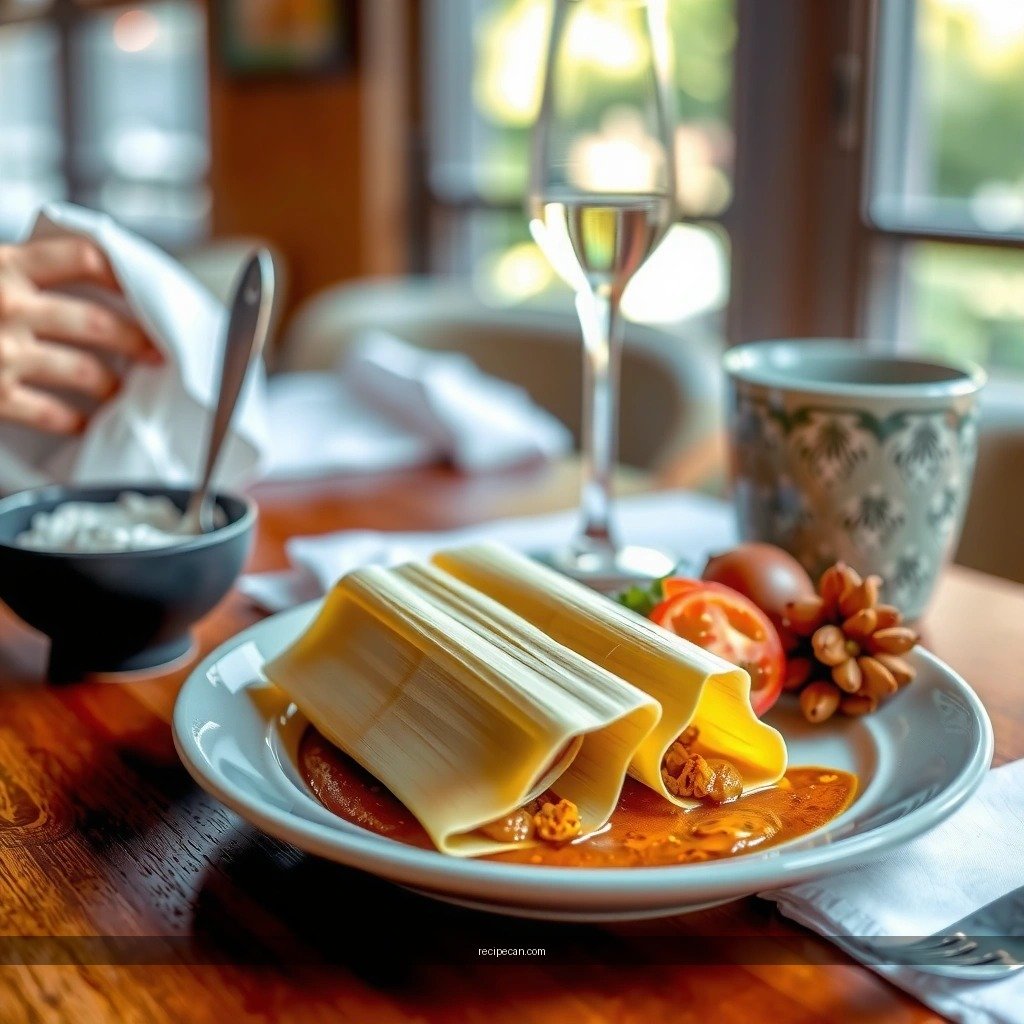
This is where most tamale outcomes are won or lost. With Maseca, the hydration step and thorough fat incorporation are what transform masa harina into a pliable, tender “wrap-able” dough.
– Mix masa harina with warm liquid until smooth and spreadable
Start with a mixing bowl large enough to avoid splashing. Combine masa harina and warm broth/water gradually, stirring until no dry pockets remain. The goal is a smooth batter-like consistency before fat goes in.
– Incorporate fat thoroughly for a lighter, tender masa
Beat lard/shortening into the masa until the mixture looks smoother and slightly lighter in texture. This matters because fat helps the masa steam evenly and prevents a gummy or heavy bite.
– Rest the masa so it hydrates and becomes easier to work with
Resting is not optional. After mixing, cover the bowl and let the masa sit at least 30–45 minutes (60 minutes is even better if your schedule allows). During rest, the masa absorbs liquid, which improves spreadability and reduces tearing when you assemble corn husks.
Quality-control check: After rest, take a small amount and spread it on a husk. If it’s stiff or cracking, add warm broth a teaspoon at a time. If it smears and looks watery, add masa harina in small increments.
Assemble Tamales with Corn Husks
Assembly is both a technique and a quality-control process. Tight folds and secure tying keep the masa intact while steam sets it fully.
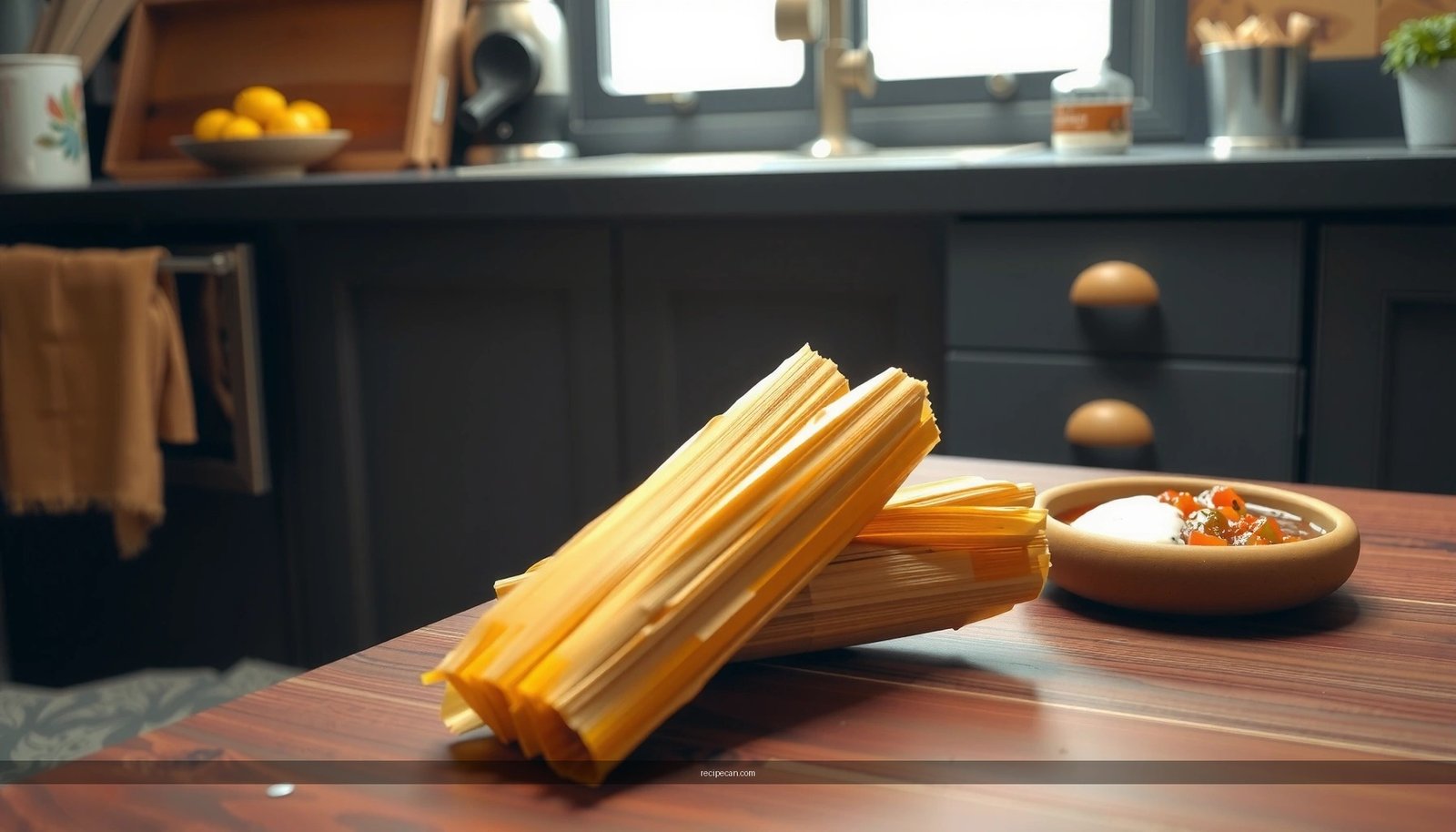
– Soak corn husks until pliable, then pat dry
Soak husks in warm water until they bend without tearing (often 30–60 minutes depending on thickness). Drain and pat lightly—if they’re dripping wet, they can create steam pockets and messier folds.
– Spread masa evenly, add filling, and fold tightly
Use a consistent thickness across tamales. Place filling in a line or small mound, then fold so the masa seals around it. Uneven masa thickness is a common reason some tamales set faster while others remain dense.
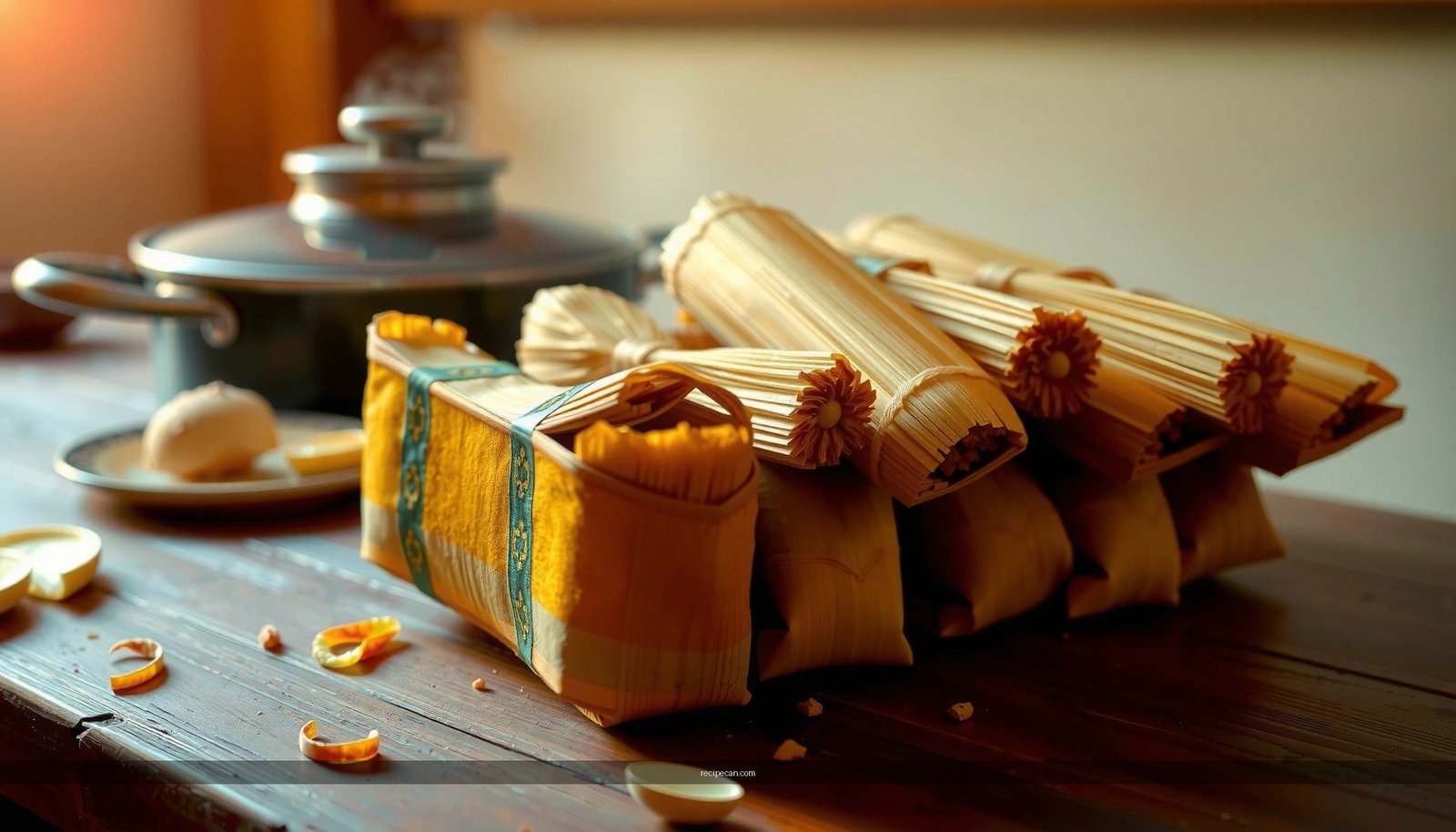
– Tie or secure as needed to keep tamales from opening
Tie with kitchen string or use husk strips. The tie doesn’t need to be tight like a knot at a pack; it just needs to prevent the open seam from gapping during steaming.
Efficiency strategy: If you’re making a large batch, set up a “station” layout: husks on the left, masa in the center, filling spoon nearby, and tied tamales lined up ready for the steamer. This minimizes downtime and prevents masa from drying out while you work.
Steam the Tamales (Timing + Doneness)
Steaming transforms the masa from hydrated dough into a firm, cohesive wrap. Timing varies by steamer size, tamale thickness, and how tightly you pack the pot.
– Steam with the lid mostly closed and keep water at a steady level
Keep the water level consistent so steam production doesn’t stall. If your lid is fully off for long checks, you’ll extend cook time and risk uneven doneness. Use a tight lid and add hot water only as needed.
– Start checking after about 1.5–2 hours (varies by size)
For standard-sized tamales, plan for about 2–3 hours total depending on filling moisture and tamale thickness. Start checking around 90 minutes, especially for smaller tamales.
– Tamales are done when masa pulls cleanly from the husk
Doneness is best verified by texture: a properly steamed tamale has masa that releases cleanly from the corn husk without sticking or smearing.
Workflow tip: Steam a small “test tamale” first (or early in the batch). Cut it open to confirm the masa texture matches the timing you’ll use for the remaining tamales.
Troubleshooting Common Problems
Even experienced cooks adjust on the fly. Use these fixes as targeted interventions rather than changing everything at once.
– Masa too dry? Add small splashes of warm broth
Dry masa tears and releases flavor unevenly. Add broth gradually (1–2 teaspoons at a time), mix again thoroughly, and rest 10–15 minutes before assembling more.
– Masa too loose? Mix in a bit more masa harina
Loose masa won’t hold structure; filling can leak or the masa can separate. Add masa harina a spoonful at a time until spreadable and cohesive.
– Bland tamales? Increase salt and ensure chile/filling is well seasoned
Mildness usually comes from the filling or salt level, not from lack of steaming. Adjust salt in the masa next time, and also ensure chile sauce and cooked meat/rajas taste “slightly strong” before assembly.
Analytical approach: If multiple batches taste off, compare your process: liquid temperature, resting time, fat incorporation, and whether fillings were fully reduced. Tamales rarely fail due to one single factor—they fail due to a chain of small differences.
When you follow a reliable Maseca recipe for tamales—mixing the masa correctly, assembling tightly, and steaming until set—you’ll get tamales that are tender and full of flavor. Pick your favorite filling, prep your husks, steam in manageable batches, and taste one early to fine-tune salt and masa consistency before committing to the entire pot.
In the end, the tamale you want is achievable with a disciplined workflow: hydrate and rest the masa, incorporate fat thoroughly, assemble with even spread and a sealed fold, and steam until the masa pulls cleanly from the husk. Once you nail those fundamentals, you can confidently iterate on fillings—pork, chicken, rajas, or chile-forward variations—while keeping your results soft, consistent, and professional.
Frequently Asked Questions
What is the best Maseca recipe for tamales dough?
Start by mixing Maseca masa harina with warm water or broth, then season with salt and fat (usually lard or vegetable shortening) until you get a smooth, spreadable consistency. For richer flavor, whisk in a small amount of baking powder (optional) and let the dough rest so the masa absorbs moisture evenly. If your dough feels dry, add warm liquid a little at a time; if it’s too soft, add a bit more Maseca until it holds shape.
How do I make tamales masa using Maseca so the dough isn’t dry or sticky?
Use warm liquid rather than cold water, and gradually add it while mixing so you can control the texture. The tamales dough should be soft and pliable, not wet—then it will spread easily on the corn husk without tearing. A classic test is to whip the masa with fat until light and fluffy; if it breaks or crumbles, add a bit more warm liquid, and if it smears, mix in a little more Maseca.
Why do my Maseca tamales turn out tough, and how can I fix the masa?
Tough tamales often come from overmixing, under-hydrating, or using masa that’s too dry before steaming. Make sure the masa has enough fat and hydration so it cooks tenderly and stays cohesive in the steamer. Letting the dough rest briefly after mixing helps the masa harina fully hydrate, which can improve tenderness.
Which fat is best to use in a Maseca tamales recipe: lard or shortening?
Lard is traditional and typically gives tamales a deeper, richer flavor and excellent texture. Vegetable shortening can also work well and produces a consistent result, especially if you want a more neutral taste. Either option should be creamed into the masa so the dough becomes light and spreads smoothly, which helps your tamales steam evenly.
How much Maseca do I need for tamales, and what’s the right dough-to-liquid ratio?
Many Maseca tamales recipes use about 2 to 3 cups of Maseca masa harina to roughly 2 cups of warm liquid, but the exact amount depends on humidity and how you mix. Start with slightly less liquid than you think you need, then add warm broth/water gradually until the masa reaches a spreadable consistency. For best results, measure ingredients consistently and adjust small amounts rather than adding large changes at once.
References
- Tamale
https://en.wikipedia.org/wiki/Tamale - Masa
https://en.wikipedia.org/wiki/Masa_harina - Nixtamalization
https://en.wikipedia.org/wiki/Nixtamalization - Corn tortilla
https://en.wikipedia.org/wiki/Corn_tortilla - https://www.britannica.com/topic/tamale
https://www.britannica.com/topic/tamale - Google Scholar Google Scholar
https://scholar.google.com/scholar?q=maseca+tamales+recipe - Google Scholar Google Scholar
https://scholar.google.com/scholar?q=nixtamalization+masa+harina+corn+dough - Google Scholar Google Scholar
https://scholar.google.com/scholar?q=traditional+tamales+corn+masa+dough+steaming - https://pubmed.ncbi.nlm.nih.gov/?term=nixtamalization+corn+masa
https://pubmed.ncbi.nlm.nih.gov/?term=nixtamalization+corn+masa - https://pubmed.ncbi.nlm.nih.gov/?term=masa+harina+composition+refrigeration+fermentation
https://pubmed.ncbi.nlm.nih.gov/?term=masa+harina+composition+refrigeration+fermentation