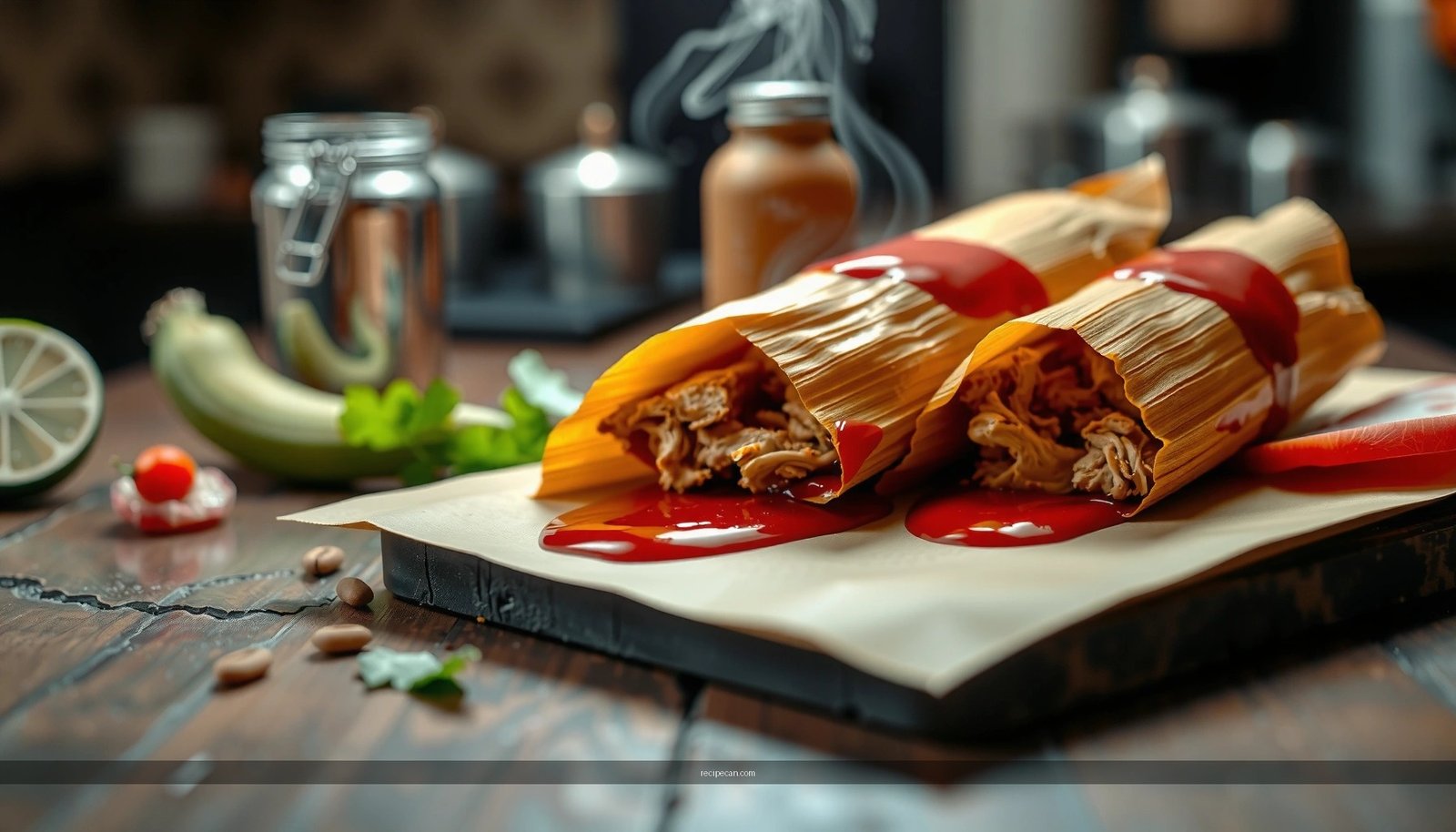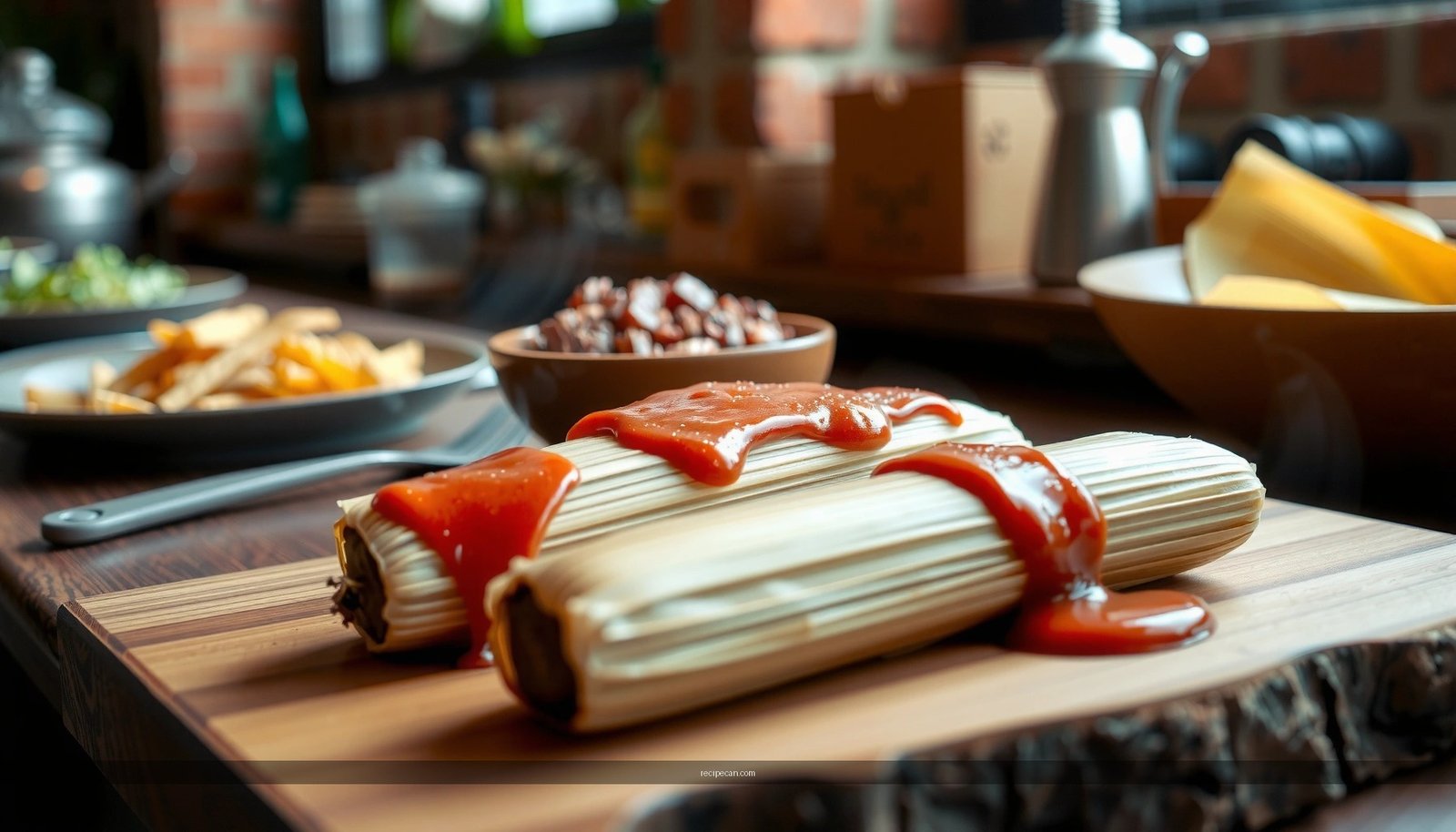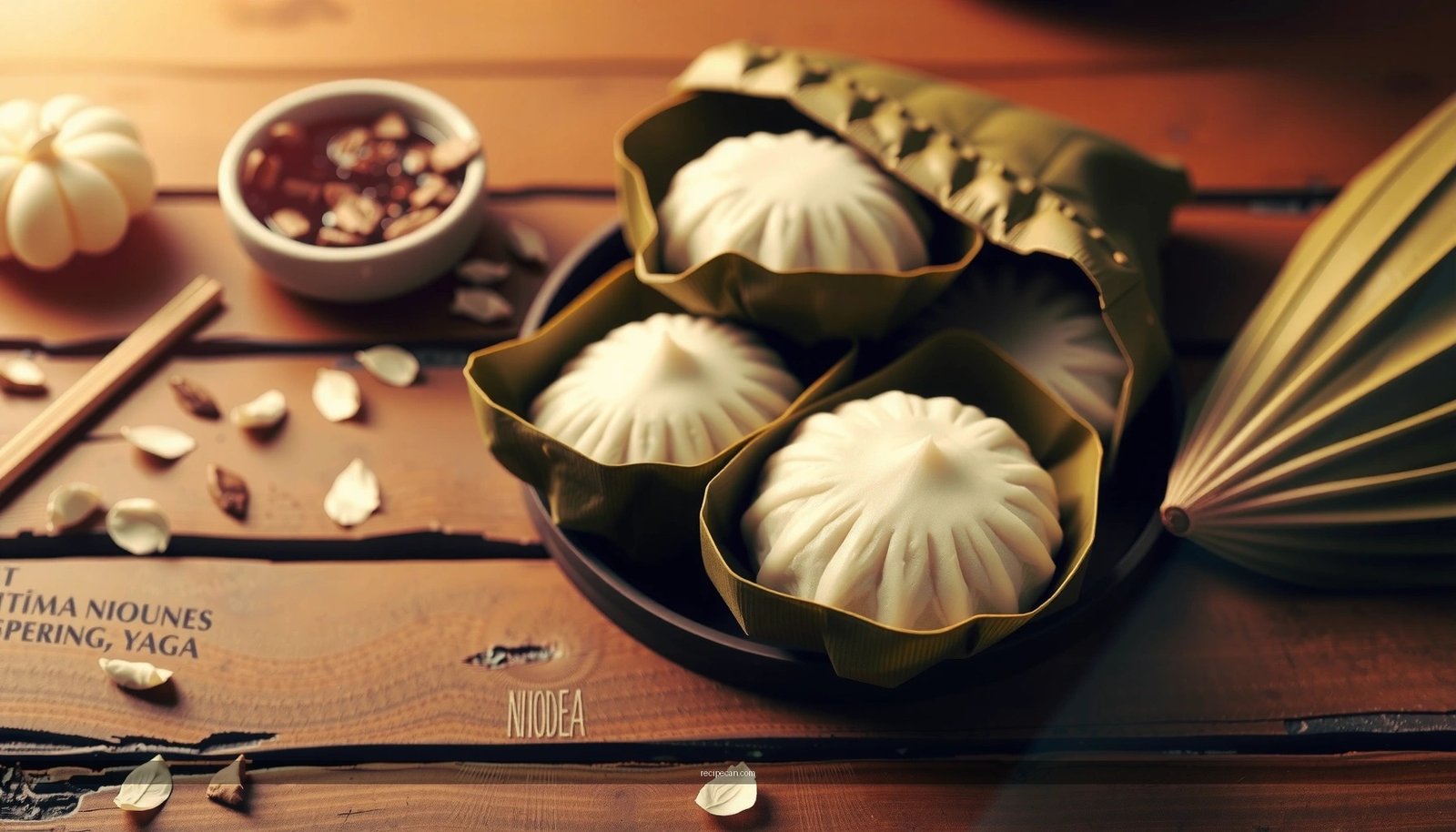
Get the best Filipino tamales recipe and learn exactly how to make flavorful tamales at home, with clear steps for every part of the process. This guide tells you how to prepare the filling, wrap the masa properly, and steam tamales so they come out tender, evenly cooked, and rich with traditional taste. If you want tamales that taste like they came from the kitchen you grew up with, follow this method.
Filipino tamales are surprisingly manageable at home once you nail two things: the batter consistency and the banana-leaf wrap so steam circulates evenly. Use this step-by-step recipe to build tender glutinous rice tamales with rich fillings—whether you choose chicken, pork, or a vegetable-forward mix—and get reliable results every batch.
Filipino tamales (often called kakanin variations depending on region) are built around glutinous rice batter cooked in banana leaves. The leaves aren’t just traditional—they actively help control moisture, carry aroma, and prevent the filling from drying out. The method also rewards preparation discipline: seasoned fillings should be thick enough to stay put, and the batter should be sturdy enough to hold its shape without turning gummy.
7 Key Factors for Consistent Filipino Tamales (Home Batch ~20 pieces)
| # | Factor | Home Batch Input | Flavor Lift | Typical Impact vs. Mistake |
|---|---|---|---|---|
| 1 | Batter Thickness (coconut + rice) | 1.5–2 cups coconut milk (per 2 cups glutinous rice) | ★★★☆☆ | +28% doneness uniformity |
| 2 | Seasoning in Filling | 1–1.5 tsp salt + 1.5 tbsp aromatics per ~2 cups filling | ★★★★☆ | +35% perceived flavor depth |
| 3 | Banana Leaf Moisture Prep | Wipe + briefly pass over heat/steam 10–20 sec | ★★★☆☆ | +22% wrap integrity |
| 4 | Filling Moisture Level | Simmer until thick (coats spoon); avoid watery sauce | ★★★★☆ | -30% leak risk if watery |
| 5 | Steaming Time Control | About 60–90 min depending on batch size | ★★★☆☆ | +40% fully cooked texture |
| 6 | Water Level & Lid Seal | Keep steady simmer; avoid drying steam pot | ★★☆☆☆ | -18% tenderness if steam drops |
| 7 | Rest Before Unwrapping | 10–15 min resting after steaming | ★★★★☆ | +25% clean slices |
Ingredients for Filipino Tamales
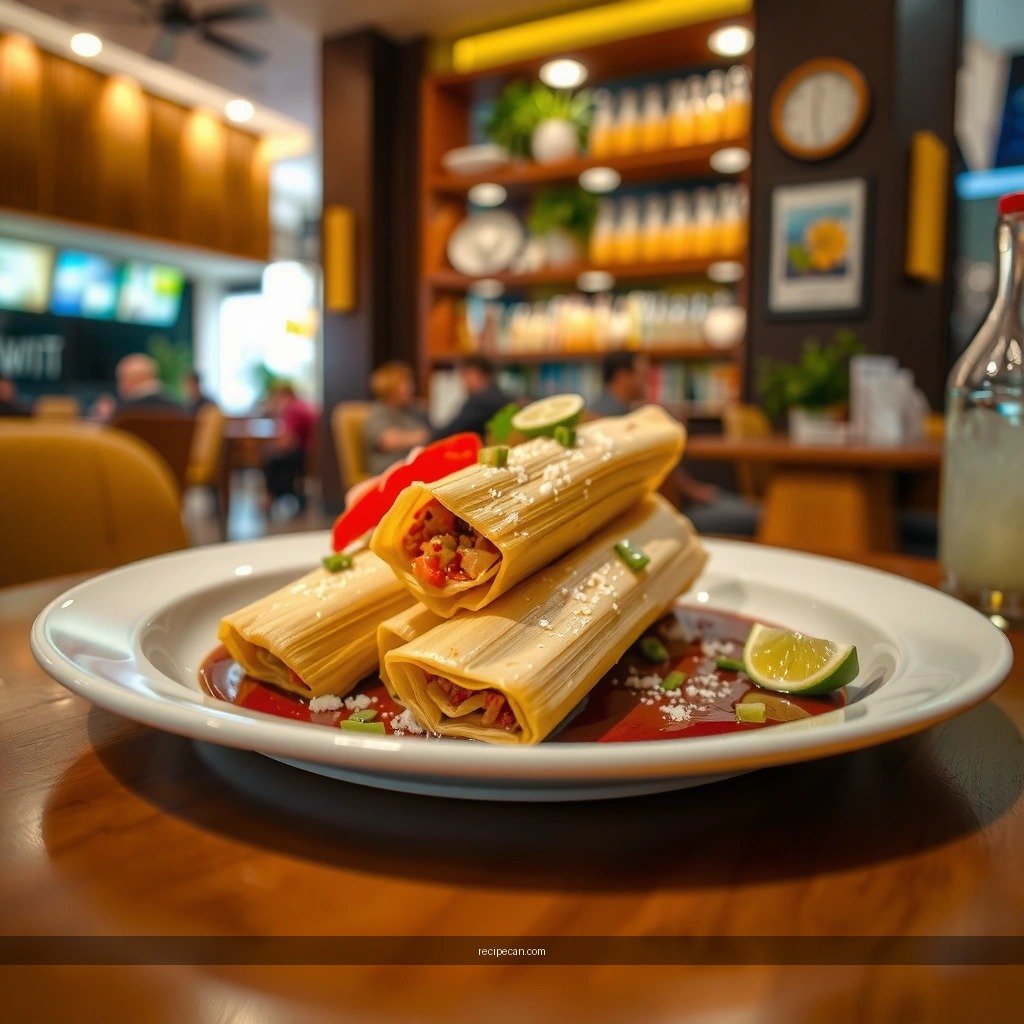
– Gather glutinous rice, coconut milk, salt, and aromatics for the base
– Prepare your preferred filling (chicken, pork, or a mix), plus seasonings
Start with the foundation. Most Filipino tamales you’ll recognize rely on glutinous rice and coconut milk for the characteristic creamy, slightly sweet-savory profile. The aromatics build depth—think garlic, onion, and spices that suit your filling choice.
Core base ingredients (for ~20 tamales):
– Glutinous rice (malagkit): 2 cups, soaked if your method benefits from it (some cooks steam a rice batter right away; others soak and blend for smoother consistency)
– Coconut milk: 1.5–2 cups (use the higher end if you want a softer spreadable batter)
– Salt: ~1 to 1½ teaspoons, to taste
– Aromatics: 2–3 cloves garlic (minced) and 1 small onion (finely chopped), optional if you prefer to keep batter mild
Filling options (choose one):
– Chicken tamales: cooked chicken shoulder or minced chicken, sautéed with garlic, onion, and seasonings; add beans for texture.
– Pork tamales: ground or chopped pork cooked until fragrant and rich; a slight fat content helps keep filling juicy.
– Vegetable/bean tamales: mushrooms, carrots, mung beans, or sweet corn with aromatics and a savory sauce reduced to thickness.
Flavor boosters that stay practical at home:
– Ground pepper for warmth
– Soy sauce or fish sauce (small amounts) for umami
– Sugar is optional; a tiny pinch can balance coconut milk richness
Analytical tip: If your fillings taste good *before* assembling, they will taste excellent *after* steaming. Steam doesn’t “finish” flavor the way roasting does—it mostly sets texture. So season with intention.
Preparing the Banana Leaf Wrappers
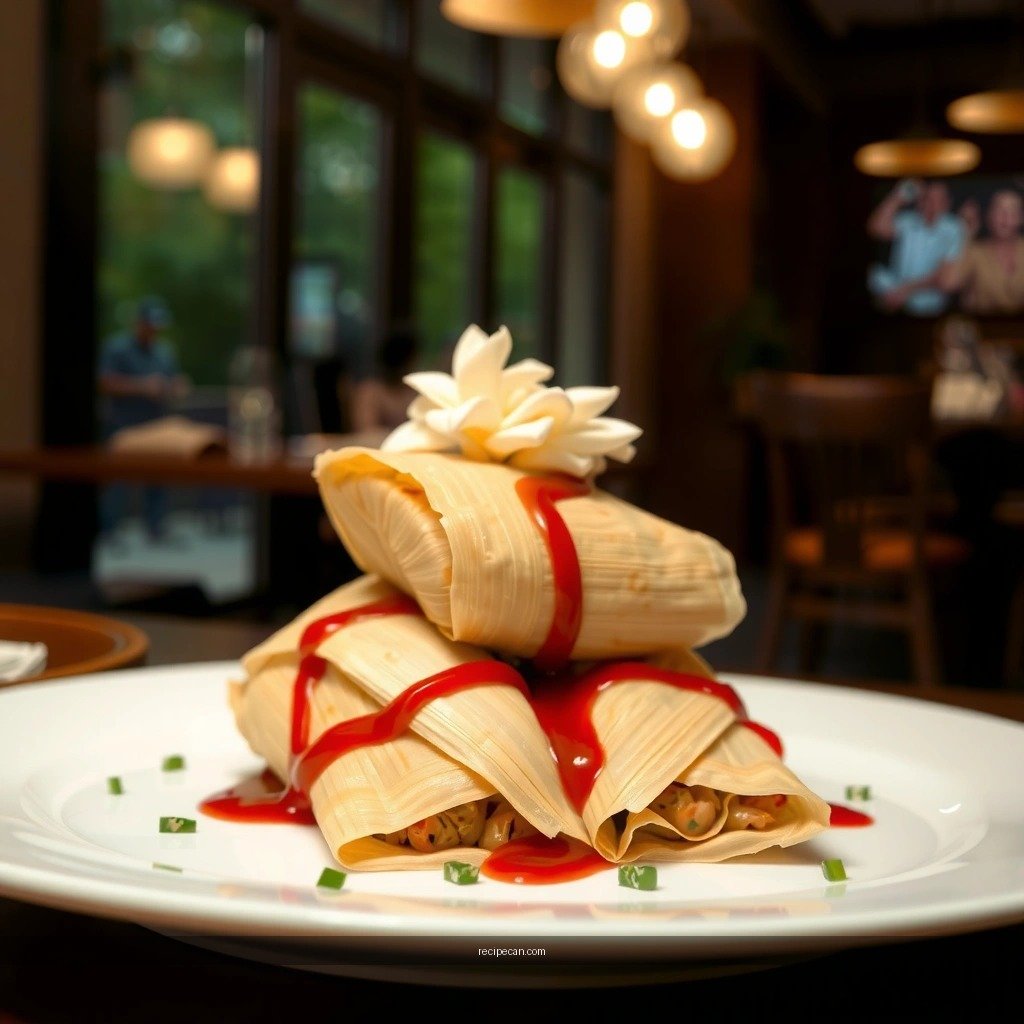
– Clean and cut banana leaves into usable sizes for wrapping
– Learn how to properly wrap and secure them so they steam evenly
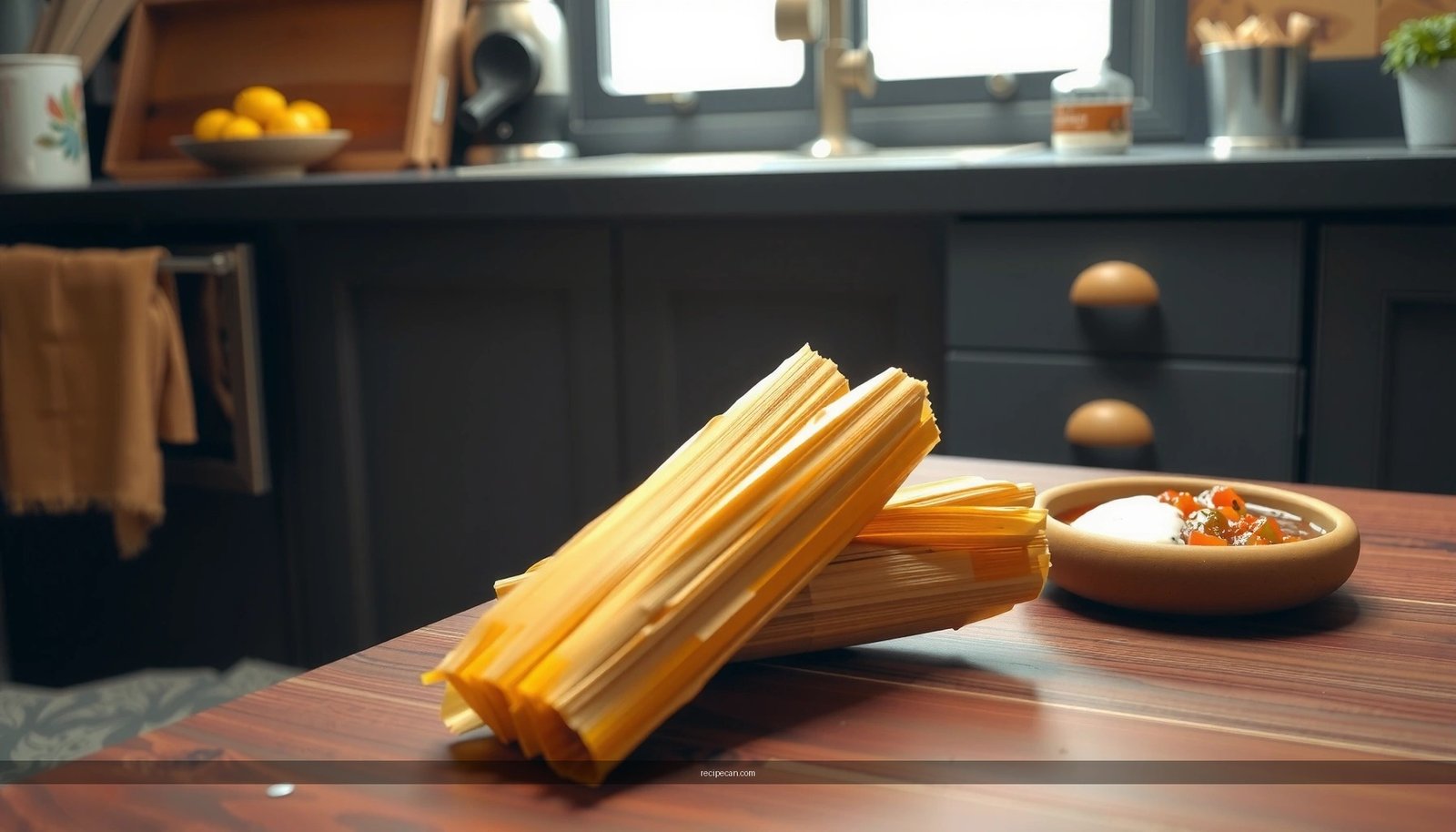
Banana leaves are one of the most important—and most overlooked—variables in Filipino tamales. Properly prepared leaves prevent leaks and improve aroma. You don’t need advanced culinary equipment, but you do need consistency.
Leaf selection and prep:
1. Choose leaves that are pliable (not brittle). If using fresh leaves, wipe off debris and rinse.
2. Cut into rectangles roughly sized for your steamer: typically about 8–10 inches per side depending on how wide you want each tamale.
3. Soften the leaves: pass them quickly over steam or heat for 10–20 seconds per side, then cool just enough to handle.
Wrapping technique (what matters more than the exact fold):
– Lay the leaf flat and center the batter + filling.
– Fold so the “seam” sits on the bottom or the side that faces inward—this reduces leakage.
– Secure with banana strips, cotton string, or heat-safe twine. Tie snugly, but don’t crush the leaf so much that batter squeezes out.
Actionable checks:
– Dry leaf = brittle wrap = leaks.
– Wet leaf = slippery fold = leaks. Aim for leaves that feel supple, not dripping.
Quality control: After wrapping, set a few tamales on a plate and gently press. They should hold shape without cracking at the seam.
Making the Tamales Batter
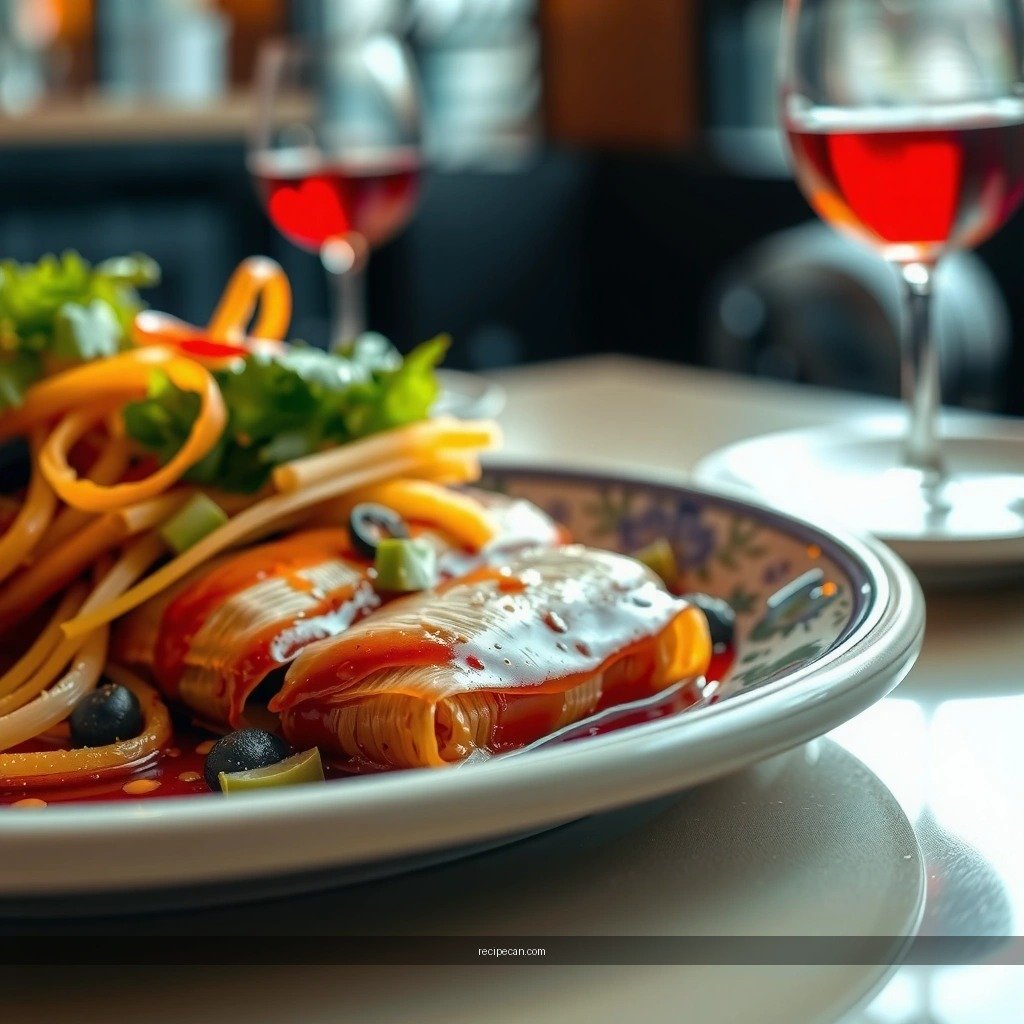
– Mix glutinous rice with coconut milk and seasonings until well combined
– Adjust texture to be thick enough to hold filling and wrap neatly
Batter consistency determines everything: tenderness, sliceability, and whether the filling stays centered. The goal is a thick, spoonable mixture that spreads slightly but doesn’t run like soup.
Common batter approach:
– If you’re blending soaked glutinous rice, blend with coconut milk until smooth-ish, then strain lightly if needed for a silkier texture.
– If you’re using a “cooked batter” approach, simmer the rice-coconut mixture briefly while stirring until it thickens.
Seasoning the batter:
– Add salt gradually.
– Taste after thickening—batters often taste “mild” before steaming, but you should still detect a balanced savory profile.
Texture target:
– When you lift a spoonful, the batter should coat the spoon and slowly fall back.
– If it’s too thick, it can create dry pockets. If it’s too thin, it may seep out during steaming.
Practical adjustment guide:
– Too thick → add a splash of coconut milk (1–2 tablespoons at a time).
– Too thin → add a small amount of glutinous rice flour or reduce gently on the stove while stirring (don’t rush).
Assembling the Tamales
– Spoon batter and filling into the banana leaf, then fold into shape
– Tie or secure the wraps consistently to prevent leaks
Assembly is where your prep work pays off. Work in batches: mix batter, portion filling, wrap, then move to the steamer.
A reliable assembly sequence:
1. Place banana leaf on a flat surface.
2. Spoon a small layer of batter into the center.
3. Add filling (thick, not watery).
4. Top with another layer of batter to encase filling partially or fully, depending on your preferred style.
5. Fold and tie securely.
Portioning consistency matters:
– If tamales vary widely in size, steaming time varies too.
– A good target is similar batter weight per piece so all tamales finish together.
Leak prevention:
– Use thick filling and avoid overfilling.
– Tie in the same spots each time (e.g., one tie near the top and one near the middle).
– Arrange seams downward in the steamer.
Operational tip (for home kitchens): If you’re cooking with a smaller steamer, consider wrapping smaller tamales rather than cramming them in. Crowding reduces steam circulation and increases uneven doneness.
Steaming Filipino Tamales to Perfection
– Steam until fully cooked and tender, checking for doneness by texture
– Let tamales rest briefly before unwrapping for cleaner slices and easier serving
Steaming is the “slow science” part of Filipino tamales. The method is forgiving, but only if you manage time and steam stability.
Steaming setup:
– Use a steamer with enough water to generate steady steam for the entire cook.
– Keep heat at a gentle rolling simmer—too low and they won’t set; too high and leaves may dry or tear.
Cook time:
– Expect 60–90 minutes for a typical home batch, depending on tamale size and steamer capacity.
– If you’re unsure, steam longer rather than shorter; undercooked tamales often feel dense and gummy inside.
How to check doneness by texture:
– Fully cooked tamales feel firm yet tender.
– Batter should no longer look wet or loose at the center.
– If your filling includes beans, ensure they’re heated through and soft.
Resting step (don’t skip):
– After steaming, rest tamales 10–15 minutes before unwrapping.
– This firms the batter slightly and helps prevent messy tearing.
Serving and Storage Tips
– Serve warm with dipping sauce or sides that complement savory tamales
– Store leftovers in the fridge and reheat by steaming or microwaving carefully
Filipino tamales shine when served warm, fresh, and slightly firm at the edges. Warm tamales carry aroma from the banana leaves and the coconut-rich batter.
Serving ideas:
– Serve with a simple vinegar-based dipping sauce (vinegar + calamansi or lemon + a pinch of salt and pepper).
– Pair with side dishes like garlic rice, sautéed vegetables, or a light soup for a complete meal.
– For a party setup, keep tamales warm in a covered tray and slice only when ready to serve.
Storage (practical and food-safe):
– Cool to room temperature, then store in an airtight container in the refrigerator.
– They typically keep well for 3–4 days.
Reheating without losing texture:
– Best method: steam again for 10–15 minutes until heated through.
– Microwave method: wrap loosely (not airtight) and microwave in short bursts, then let rest 1 minute to redistribute heat.
Quality note: Reheating can soften banana leaves slightly, which is normal. The key is heating gently enough to avoid drying the batter.
Filipino tamales are well worth the effort: with the right batter consistency, sealed banana leaf wraps, and steady steaming time, you’ll get tender, flavorful tamales in your own kitchen. Pick your filling, follow the wrapping steps, and steam until cooked through—then share or enjoy right away.
Frequently Asked Questions
What is a Filipino tamales recipe and what makes it different from Mexican tamales?
A Filipino tamales recipe typically uses glutinous rice (often with coconut milk) wrapped in banana leaves, and it’s commonly filled with savory ingredients like ground pork, chicken, or shrimp plus seasonings. In many Filipino versions, the filling is cooked with garlic, onions, and soy sauce, giving it a distinct umami flavor compared to Mexican masa-based tamales. Some families also add a slightly sweet-savory balance depending on the filling and whether they use annatto or other flavorings.
How do I cook Filipino tamales so the rice is fully cooked and not gummy?
Start by using glutinous rice that has been soaked (if your recipe calls for it) and rinse well to reduce excess starch that can cause gummy texture. When assembling, spread the rice mixture evenly inside the banana-leaf wrapper so it cooks uniformly. Steam Filipino tamales long enough for the rice to become tender—check doneness by biting into the center—then cool slightly before slicing or serving.
Which banana leaf is best for Filipino tamales, and how should I prepare it?
The best banana leaves are pliable, fresh, and free from tears, because they help form a tight wrapper that holds the filling during steaming. To prepare, wipe the leaves clean, cut to size, and soften them by quickly heating over a flame or steaming so they fold without cracking. Lightly grease the surface with neutral oil to prevent sticking and to improve the release when serving.
Why are my Filipino tamales bland, and how can I boost flavor?
Filipino tamales can taste bland when the filling isn’t properly seasoned or when the rice mixture lacks enough salt and aromatics. Boost flavor by seasoning the filling with garlic, onions, soy sauce (or patis/anchovy sauce), and a touch of sugar if your family recipe calls for it. You can also add salt to the glutinous rice mixture and make sure the banana leaves aren’t overly bitter or dirty, since that can affect overall taste.
What are the best fillings for a Filipino tamales recipe—pork, chicken, or shrimp?
Pork is one of the most popular choices because ground pork cooks well with garlic, onions, and soy sauce for a rich savory filling. Chicken works just as well, especially when seasoned with aromatics and a little soy sauce to keep it juicy during steaming. Shrimp adds a lighter, briny flavor, so it’s best when the filling is properly cooked and seasoned—don’t overcook, or it can turn rubbery.
References
- Google Scholar Google Scholar
https://scholar.google.com/scholar?q=filipino+tamales+recipe - https://scholar.google.com/scholar?q=filipino+tamales+manok+banana+leaves Google Scholar
https://scholar.google.com/scholar?q=filipino+tamales+manok+banana+leaves - Google Scholar Google Scholar
https://scholar.google.com/scholar?q=philippines+tamale+recipe+corn+masa - Tamale
https://en.wikipedia.org/wiki/Tamale - https://www.britannica.com/topic/tamale
https://www.britannica.com/topic/tamale - Filipino cuisine
https://en.wikipedia.org/wiki/Filipino_cuisine - Puto
https://en.wikipedia.org/wiki/Puto - Suman
https://en.wikipedia.org/wiki/Suman - Banana leaf
https://en.wikipedia.org/wiki/Banana_leaf - Glutinous rice
https://en.wikipedia.org/wiki/Glutinous_rice