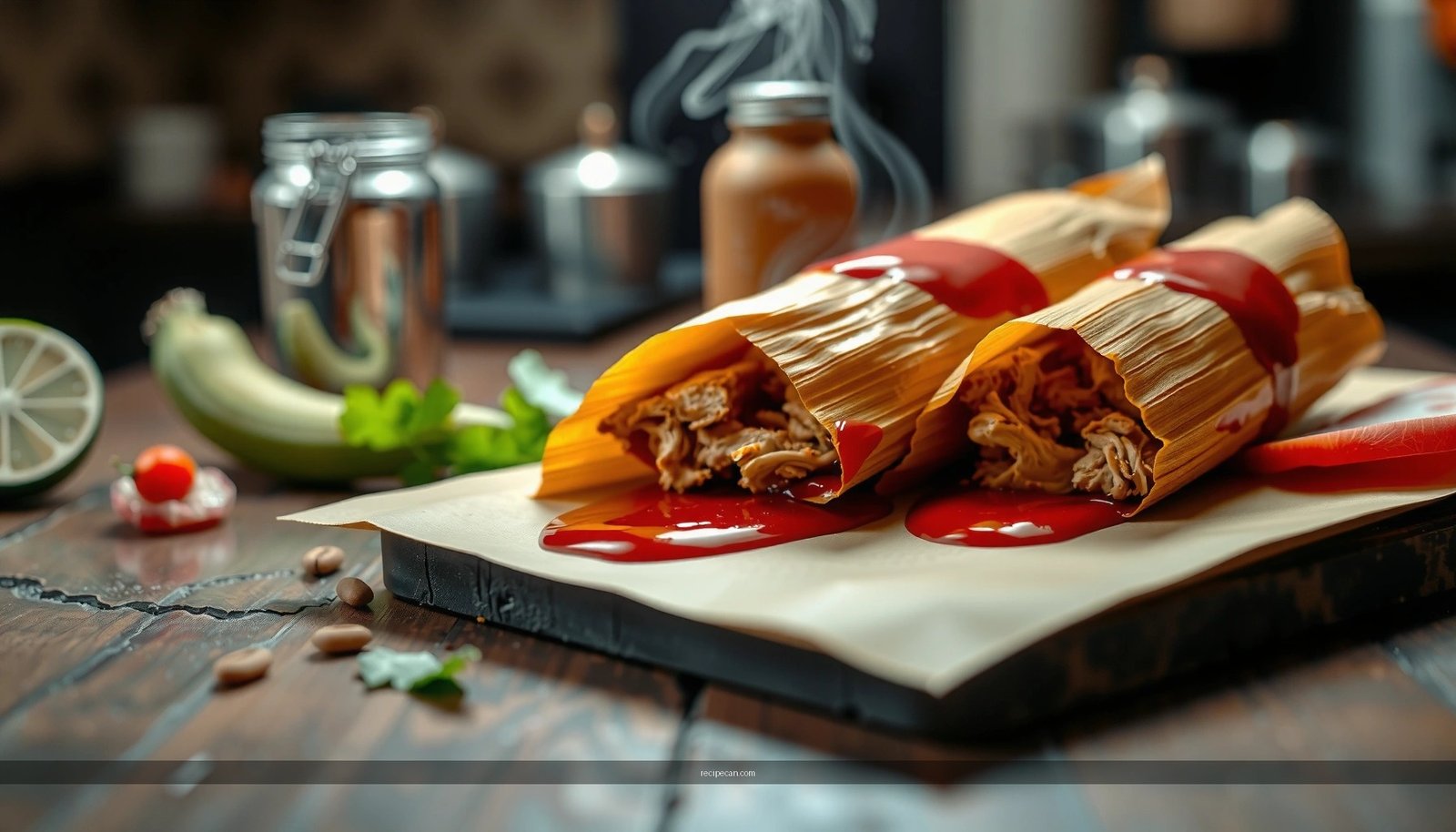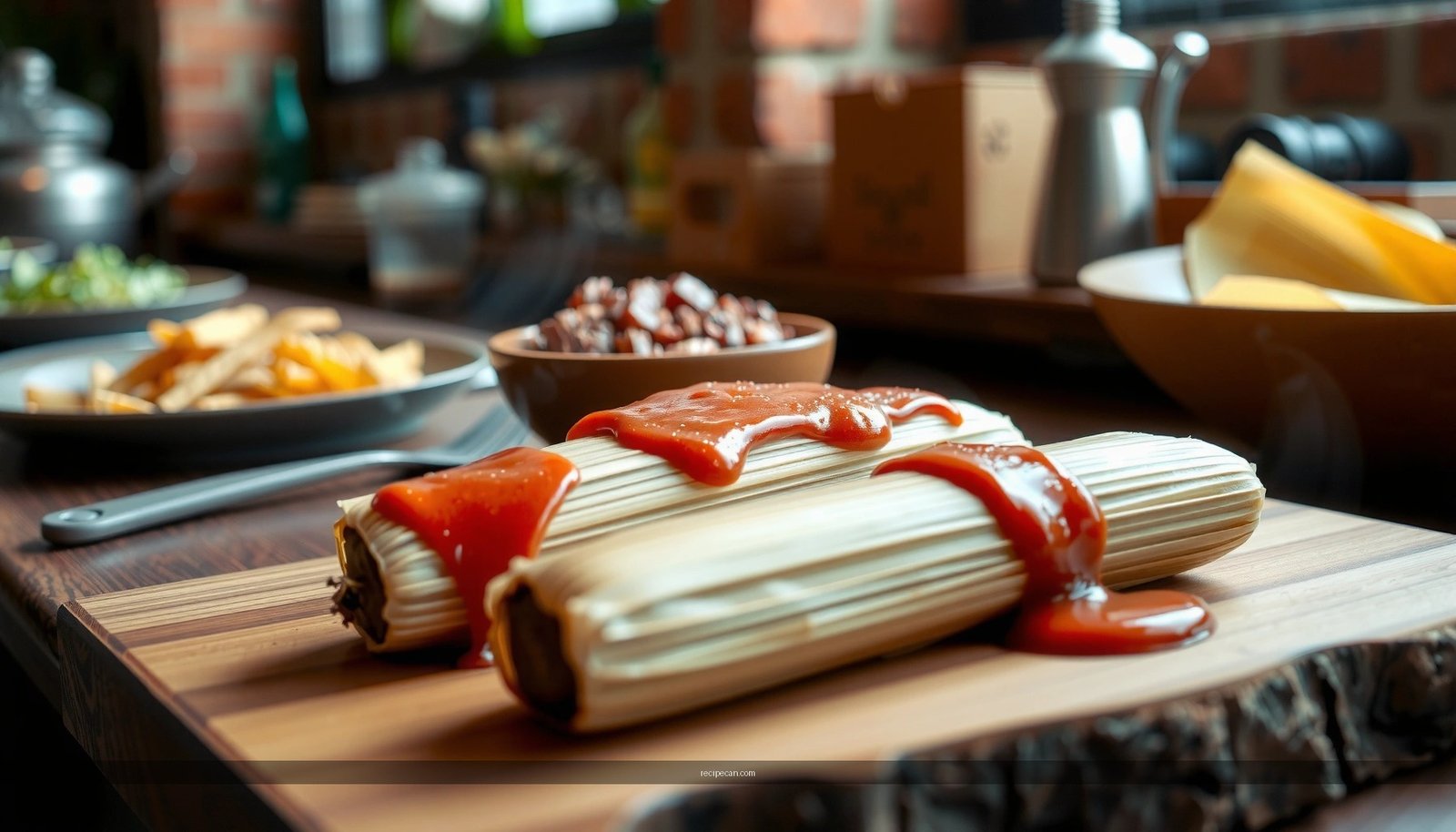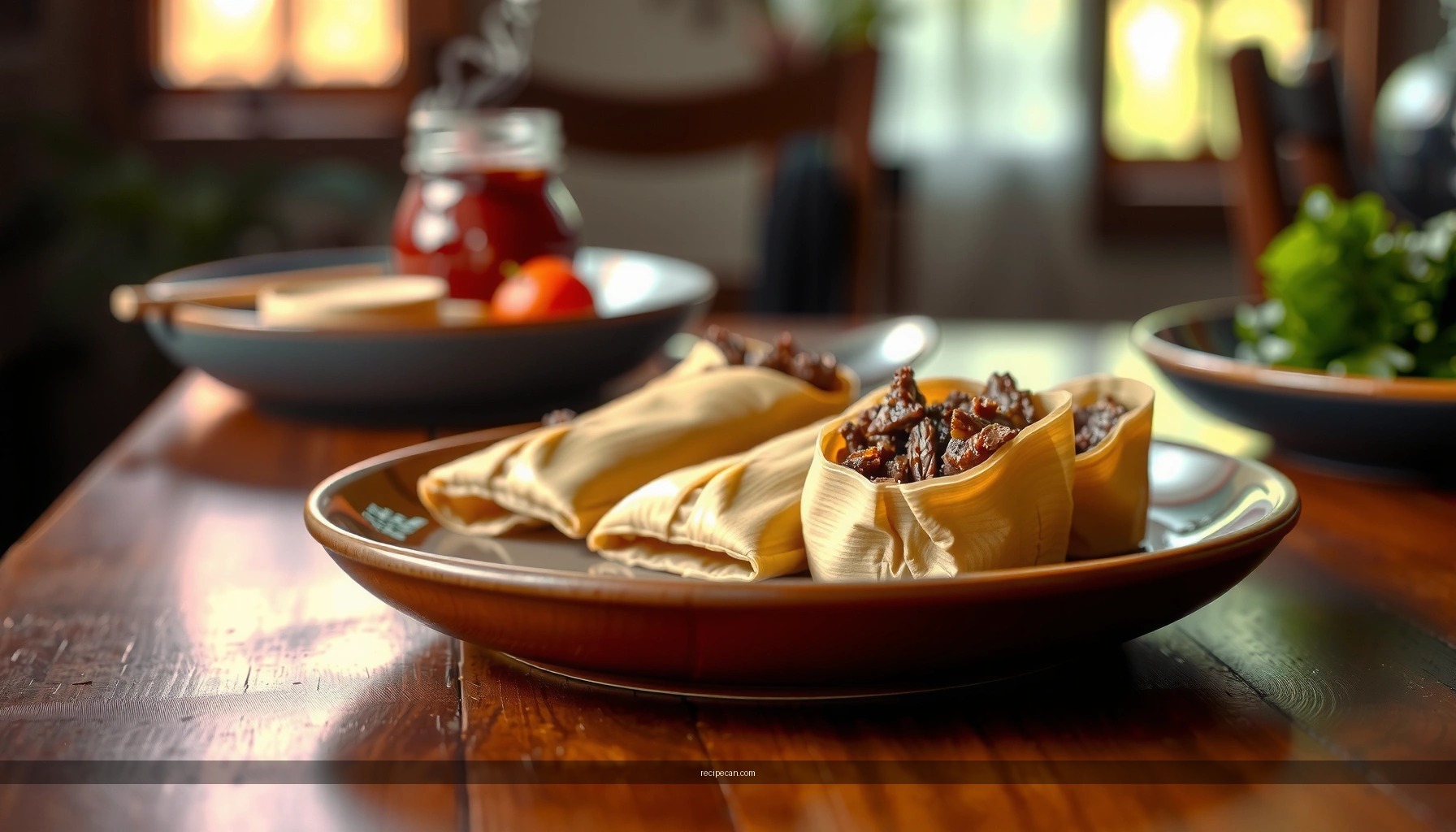
Looking for an authentic beef tamale recipe that you can make from scratch and get right the first time? This step-by-step guide delivers the winning method—savory, well-seasoned shredded beef, proper masa consistency, and tamales that steam cleanly without turning gummy. You’ll know exactly how to assemble, wrap, and cook beef tamales until the masa releases in one piece.
Authentic beef tamales are made by simmering a well-seasoned beef filling, spreading masa evenly, and then steaming until the masa sets and pulls cleanly from the corn husk. If you follow a few non-negotiable techniques—proper masa consistency, a thick “spoonable” filling, and steady steaming—you’ll end up with tender, flavorful tamales that actually hold their shape (and don’t turn out dense or gummy).
This recipe is structured to help you get the same results you’d expect from a long-simmered, family-style tamalada: rich chile-beef flavor, masa that’s seasoned all the way through, and steaming that finishes the job without overcooking. Along the way, you’ll learn what to watch for, what to adjust, and how to store or freeze tamales so they reheat beautifully.
Essential Ingredients for Authentic Beef Tamales
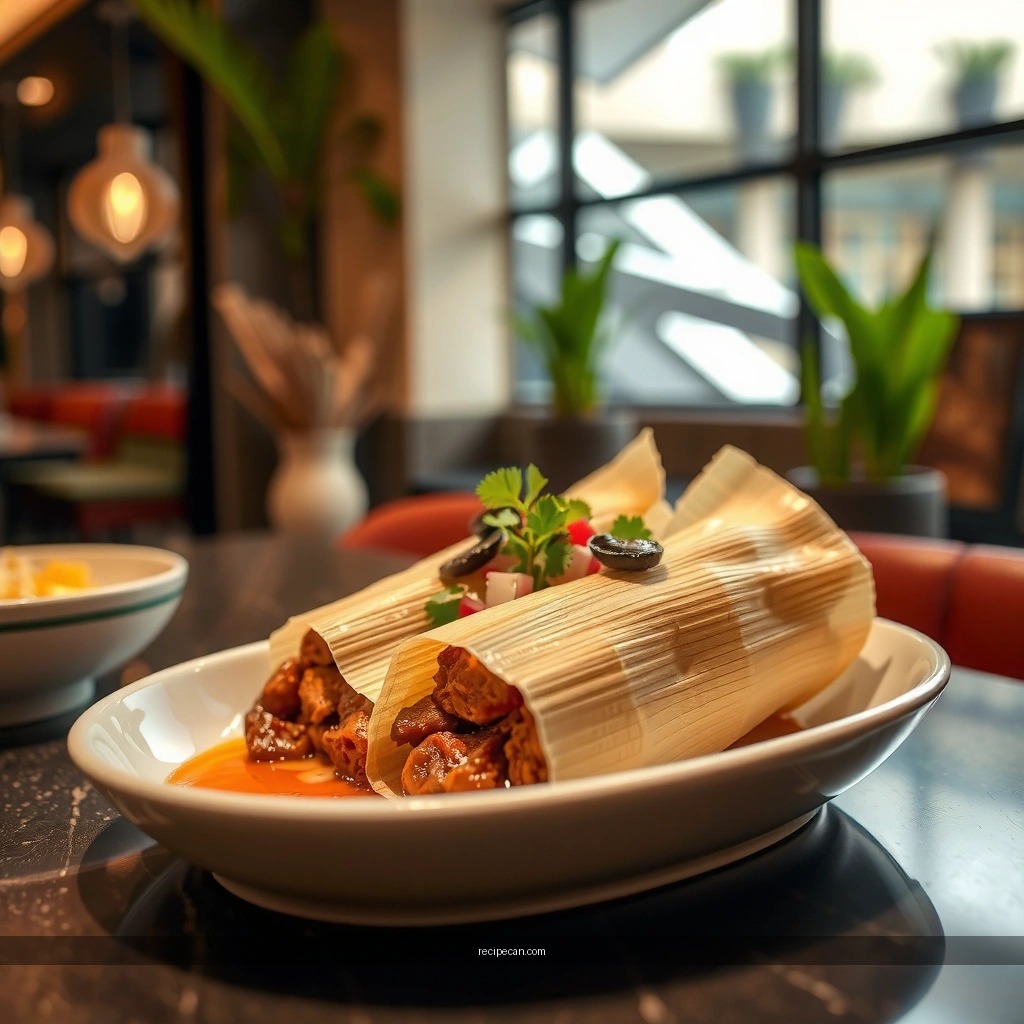
– Use masa harina and warm broth/stock for smooth, spreadable masa
– Build the beef filling with chile, garlic, onion, and a flavorful simmering sauce
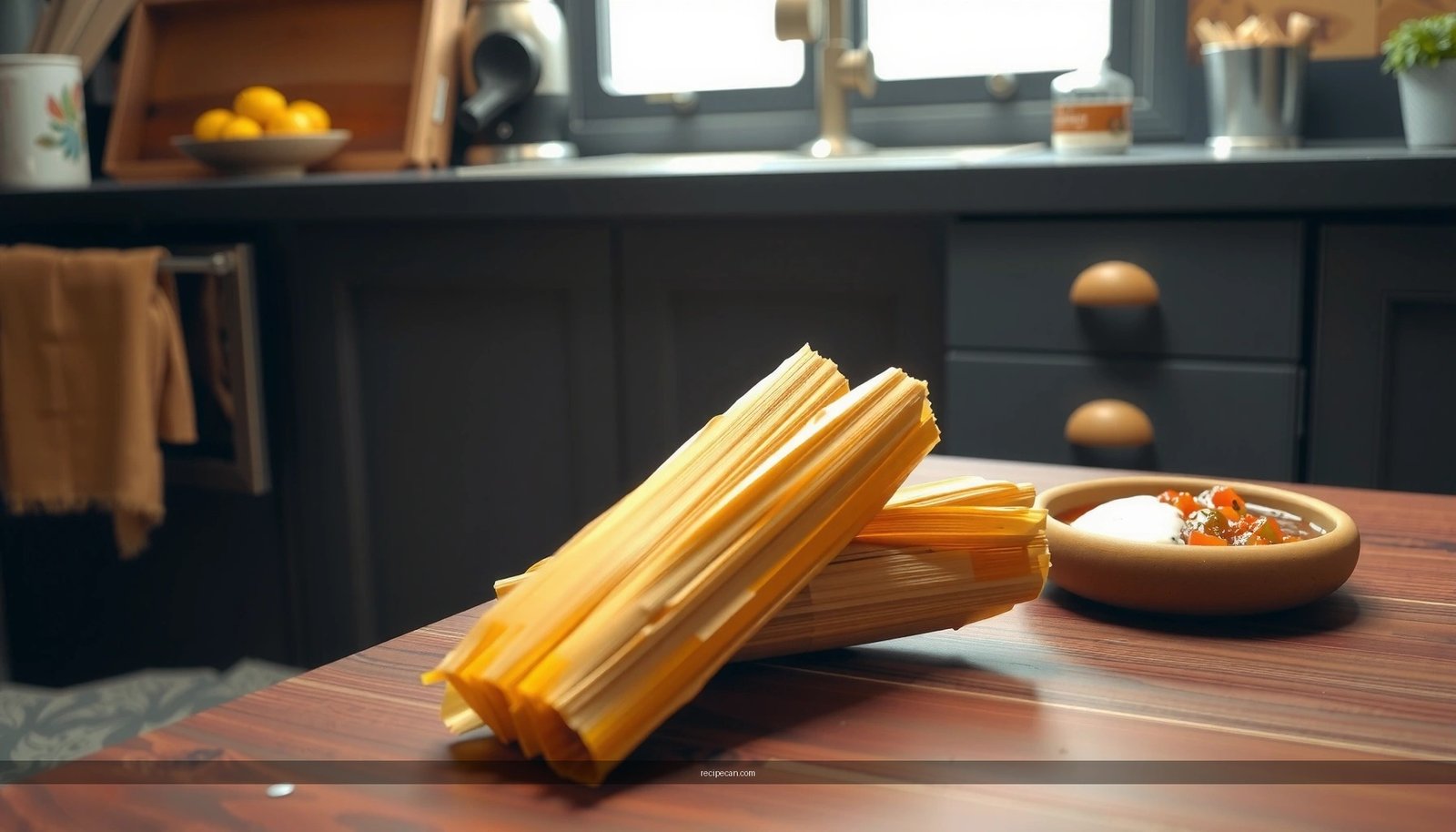
– Gather corn husks (or alternative wrappers) ahead of time and soak them thoroughly
Authentic beef tamales start with the three systems that determine final texture: wrapper hydration, masa consistency, and filling moisture management. Corn husks should be flexible enough to fold without tearing; if they’re too dry, you’ll struggle to assemble cleanly and you risk uneven steaming. Masa harina is your foundation—without it, you can’t get that classic, tender crumb.
For the filling, traditional flavor comes from toasted or rehydrated dried chiles, aromatics (onion and garlic), and a simmering sauce that reduces to thickness. If the filling is too watery, the masa can become gummy. If it’s too dry, the tamales can taste bland and feel dry.
Here’s a practical “shopping and preparation” lens: buy good chile varieties, use beef with enough collagen (chuck, brisket, or stew beef), and commit to steaming time. Tamale success is less about shortcuts and more about executing a sequence.
Tamale Consistency Targets (Beef + Masa) — What “Right” Looks Like
| # | What to Check | Target Range | If It’s Low | If It’s High |
|---|---|---|---|---|
| 1 | Masa spreadability (thickness) | ~3–5 mm | Patchy, cracks when folded | ★ Ideal: holds together |
| 2 | Masa hydration vs. broth | Moist, glossy; not sticky-wet | Dry dough, tough bite | ★ Smooth, elastic spread |
| 3 | Beef filling thickness | Spoonable; coats meat | Watery sauce = gummy masa | ★ Thick sauce clings |
| 4 | Final simmer reduction time | ~25–35 minutes after tenderizing | – Too thin sauce | ★ Properly reduced |
| 5 | Steamer water level | Below racks; not soaking husks | – Too high = soggy bottom | ★ Steady dry steam |
| 6 | Cook time to set masa | ~90–120 minutes | – Under-steamed | ★ Clean pull test |
| 7 | Rest after steaming | 10–15 minutes | – Cuts/opens too easily | ★ Firms up for serving |
Make the Beef Filling (Rich, Authentic Flavor)
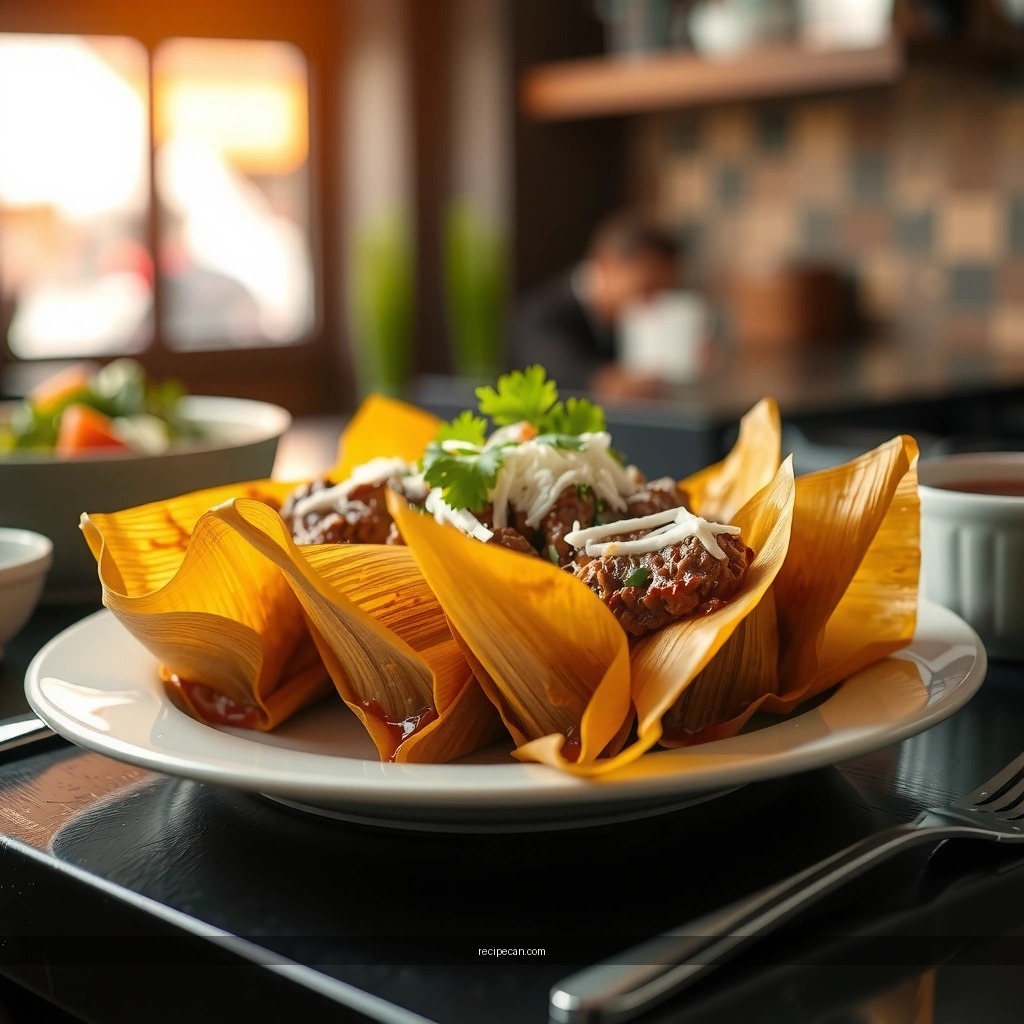
– Brown the beef, then simmer until tender with spices and chile-based sauce
– Reduce the sauce to a thick, spoonable consistency before assembling
– Taste and adjust with salt and seasoning for a well-balanced filling
A truly authentic beef tamal filling doesn’t begin with sauce—it begins with building depth. Start by browning the beef well. That caramelization provides the “meaty base” that even great chile can’t replace. Use a heavy pot and avoid crowding; brown in batches if needed.
Next, simmer the beef with your aromatics and chile mixture. Dried chiles typically need rehydration (hot water), then blended with aromatics and a bit of their soaking liquid until smooth. From there, you cook until the beef is tender enough to shred or spoon.
The most common mistake is not reducing the sauce. Even if the beef is tender, a thin chile broth will leak and interfere with masa structure. Reduce the mixture until it becomes thick enough to mound slightly on a spoon. Think “coats and clings”, not “pourable.”
Finally, taste critically. The filling should be flavorful enough that, when paired with mild masa, every bite tastes intentional—not bland, not overly salty, and not harshly chili-spiced. Adjust with:
– Salt (most important)
– A pinch of ground cumin or Mexican oregano (optional but traditional in many regions)
– A splash of vinegar or more aromatics if the sauce tastes one-note
Tip for professional consistency: remove a spoonful of filling and let it cool for 2–3 minutes. If it thickens into a cohesive, spreadable texture, you’re there.
Prepare the Masa for Perfect Tamales
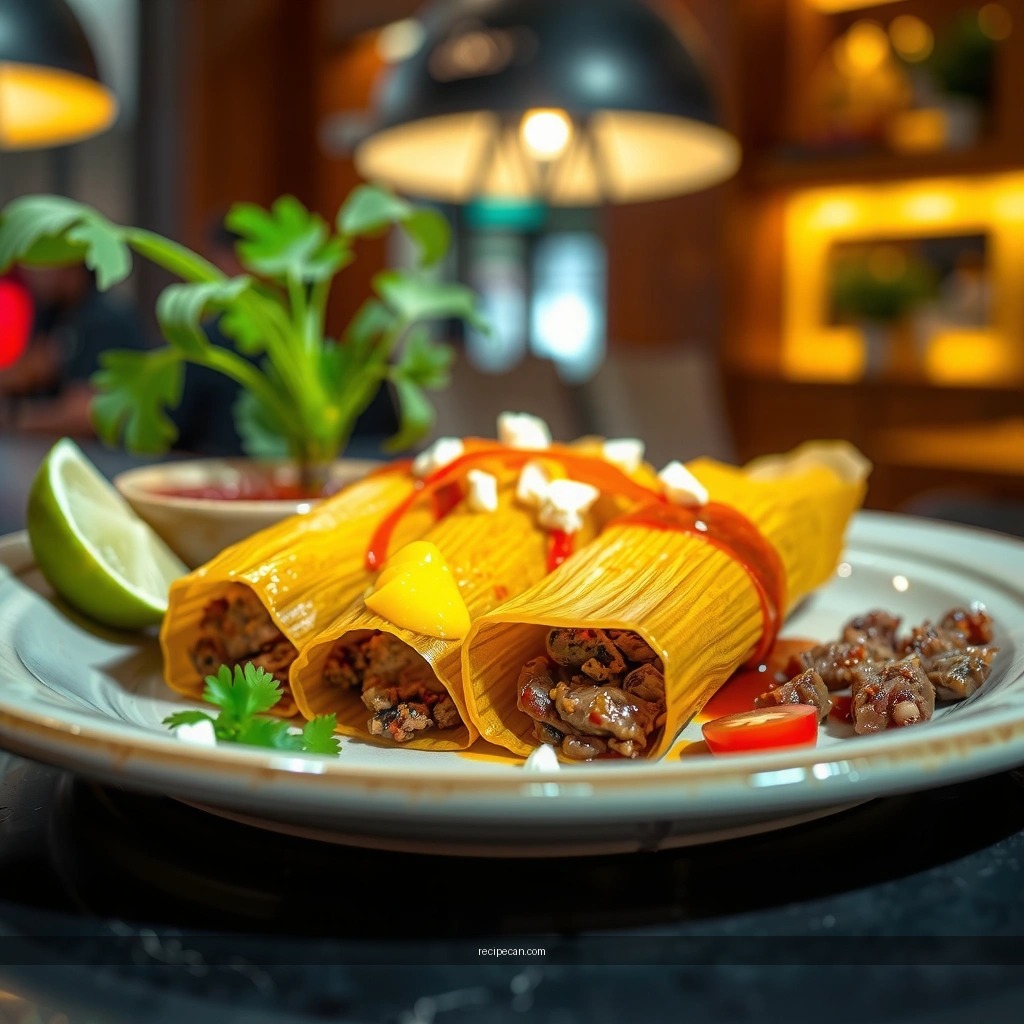
– Whip masa with broth/stock until fluffy and easy to spread
– Season the masa properly so it tastes great on its own
– Aim for a spreadable texture that holds shape without cracking
Masa harina behaves differently depending on brand, humidity, and the age of the product. That’s why the “exact” liquid amount is less important than your texture target. Add warm broth/stock gradually while you mix. The goal is masa that looks soft and creamy, then turns airy as you beat it.
From a process perspective, masa preparation has three phases:
1. Hydration: dissolve and soften the masa harina fully so there are no dry pockets.
2. Aeration: whip until lighter and spreadable (this improves tenderness and helps steam set evenly).
3. Seasoning: salt must be balanced; sweet, acidic, or spice notes can be adjusted, but the base must taste good.
Seasoning is a make-or-break step. Plain masa tastes flat, and you’ll end up compensating with overly salty filling (which can cause uneven flavor). Use salt as your primary lever, then consider a mild addition of fat (traditionally lard, or a neutral fat) depending on your style. Fat contributes mouthfeel and helps masa “release” from husks once steamed.
Finally, watch your spread behavior. If your masa cracks along folding lines, it’s too dry or too firm. If it slumps off the husk, it’s too wet. Adjust immediately—add broth by the teaspoon for dryness, or add extra masa harina by tablespoon for looseness. Don’t wait until assembly to fix it.
Practical assembly rule: when spread on a husk, masa should form a thin, even layer that you can fold around the filling without tearing.
Assemble Tamales the Right Way
– Spread masa evenly on the soaked corn husk, leaving edges for folding
– Add a generous strip of beef filling in the center
– Fold and secure consistently so tamales steam evenly
Assembly is where “good flavor” turns into “good tamales.” Begin by soaking corn husks until pliable—typically 1–2 hours in hot water, with occasional flipping. Then pat them lightly to remove excess water so they don’t steam-waterlog your bottoms.
Spread masa evenly:
– Use the back of a spoon or a small offset spatula.
– Leave the top and sides relatively clean so the fold seals.
– Aim for consistent thickness. Uneven masa thickness leads to uneven cooking: thin spots dry out while thick spots remain dense.
For the filling, add a generous strip in the center, not a pile. A strip creates better contact and reduces the chance that filling breaks through the fold. Keep the filling slightly below the top edge of the masa layer so it stays protected during steaming.
Fold consistently. Whether you fold into a long rectangle (or wrap into a more compact shape depending on regional style), the goal is uniform steam contact and a tight seam that holds the filling.
Securing doesn’t need to be elaborate—just reliable. Use corn husk strips or kitchen twine. The more consistent your bundles are, the more predictable your steaming results will be.
Operational insight if you’re making a batch: set up a small “assembly line.” One person can spread masa, another can fill and fold, and a third can load the steamer. Professional kitchens do this because it improves throughput and consistency.
Steam Tamales Until Fully Cooked
– Arrange tamales upright or in a steamer in a way that allows steady steam circulation
– Steam until the masa is set and pulls cleanly from the husk
– Rest briefly after steaming so tamales firm up and serve cleanly
Steaming is a controlled process, not a “set and forget” moment. Use a steamer large enough to hold tamales without crowding. Crowding restricts airflow and can create zones that steam faster than others.
Arrange tamales so steam circulates evenly. Many cooks stand tamales upright (especially if using a tiered basket), while others lay them in a rack where husks don’t sit directly in pooled water. The key is: steady steam, not direct boiling and soaking.
How long? For most beef tamales steamed from raw or partially assembled masa, plan for about 90–120 minutes depending on tamale size and steamer capacity. Check periodically by looking for consistent steam output and avoiding unnecessary opening.
Doneness test (the most reliable):
– The masa should feel set, not doughy.
– It should pull cleanly from the husk with minimal resistance.
If masa clings aggressively, steam longer in 10–15 minute increments.
After steaming, rest tamales for 10–15 minutes. This allows the masa to firm up and makes them easier to serve cleanly—especially if you’re transporting them or plating for a large group. Cutting into them immediately often smears the interior.
Storage, Reheating, and Make-Ahead Tips
– Refrigerate cooked tamales and reheat in steamer or microwave with a damp paper towel
– Freeze wrapped tamales for longer storage—reheat from thawed or partially thawed
– Make filling and masa ahead of time to streamline assembly
Tamales are ideal for meal prep because their flavor matures in the fridge and they reheat well when you keep moisture under control.
Refrigeration: Cool tamales to avoid trapping steam. Store in airtight containers or bags. They’re typically best within 3–4 days. Reheat in a steamer for the best texture. If using a microwave, wrap tamales in a damp paper towel to prevent drying, then heat in intervals until hot throughout.
Freezing: Freeze tamales wrapped (still in husk if possible) and sealed tightly to prevent freezer burn. Label with dates and freeze in single layers initially, so they don’t stick together. Reheat from thawed or partially thawed—steaming is again the gold standard for tenderness.
Make-ahead strategy: This is how you keep the process manageable:
– Make the beef filling a day ahead, then rewarm gently. In fact, it often thickens slightly as it cools, which can improve assembly.
– Make masa ahead and keep it covered to prevent drying. Masa can be re-whipped with a splash of warm broth/stock to restore spreadability.
For larger batches, consider freezing in the assembly-ready stage (if your process supports it) or freezing fully cooked tamales depending on your comfort level with texture. Either way, consistency is the priority.
Authentic beef tamales come down to three essentials: flavorful beef filling, properly seasoned masa, and patient steaming. Follow this layout step-by-step—reduce the chile sauce until it’s thick, whip and season masa for a smooth spread, assemble with consistent thickness, and steam until the masa pulls cleanly. With these habits, you’ll serve tamales that taste genuinely homemade, and you’ll be able to freeze a batch with confidence for the next craving.
Frequently Asked Questions
What makes an authentic beef tamale recipe different from other tamales?
An authentic beef tamale recipe typically uses traditional masa harina (often with lard for authentic flavor and texture) and slow-cooked, well-seasoned beef filling. The flavor comes from classic regional seasonings—commonly chile-based sauces, onions, garlic, cumin, and dried chiles—rather than modern shortcuts. Authentic tamales also rely on proper steam time so the masa cooks through and stays tender without turning gummy.
How do you make authentic beef tamales that don’t turn out dry or tough?
Start with masa that’s mixed until it’s smooth and properly hydrated; if it feels too stiff, add warm broth a little at a time. For the most authentic texture, use lard (or a traditional fat) and avoid overmixing the masa, which can make it dense. Steam the tamales consistently—usually about 60–90 minutes depending on size—and let them rest so the masa firms slightly and releases cleanly from the husk.
How do you season the beef filling for authentic tamales?
Brown the beef, then simmer it with onions, garlic, and a chile sauce made from dried chiles or chile powder plus broth for a deep, tamale-style flavor. Season with cumin, oregano, and salt, and cook until the beef is fork-tender and easy to shred. Finish by reducing the sauce slightly so the filling isn’t watery, which helps the masa stay cohesive when you assemble and steam.
Which corn husks are best for authentic beef tamales, and how should you prepare them?
Choose dried corn husks that are flexible and not overly brittle; they should soak up water and bend without cracking. Soak the husks in hot water for at least 30–60 minutes (or until pliable), then trim any tough ends. Keeping the husks well-hydrated helps prevent tearing, makes wrapping easier, and supports even steaming for an authentic beef tamale result.
Why are your tamales falling apart, and what’s the best fix when assembling?
Tamales often fall apart when the masa is too dry, the filling is too wet, or the masa layer is uneven. For the best results, spread a thin, consistent layer of masa, add a modest portion of seasoned shredded beef filling, and fold or roll tightly using the soaked husk. If your filling releases lots of liquid, let it simmer longer to thicken before assembling—this is key for authentic beef tamales that hold together.
References
- Tamale
https://en.wikipedia.org/wiki/Tamale - https://www.britannica.com/topic/tamale
https://www.britannica.com/topic/tamale - Google Scholar Google Scholar
https://scholar.google.com/scholar?q=authentic+beef+tamale+recipe - Google Scholar Google Scholar
https://scholar.google.com/scholar?q=Mexican+tamales+masa+harina+beef+filling - Google Scholar Google Scholar
https://scholar.google.com/scholar?q=traditional+tamales+carne+de+res+recipe+corn+husk - Masa
https://en.wikipedia.org/wiki/Masa_harina - Husk
https://en.wikipedia.org/wiki/Corn_husk - Mexican cuisine
https://en.wikipedia.org/wiki/Mexican_cuisine - List of Mexican dishes
https://en.wikipedia.org/wiki/List_of_Mexican_dishes - Carne asada
https://en.wikipedia.org/wiki/Carne_asada