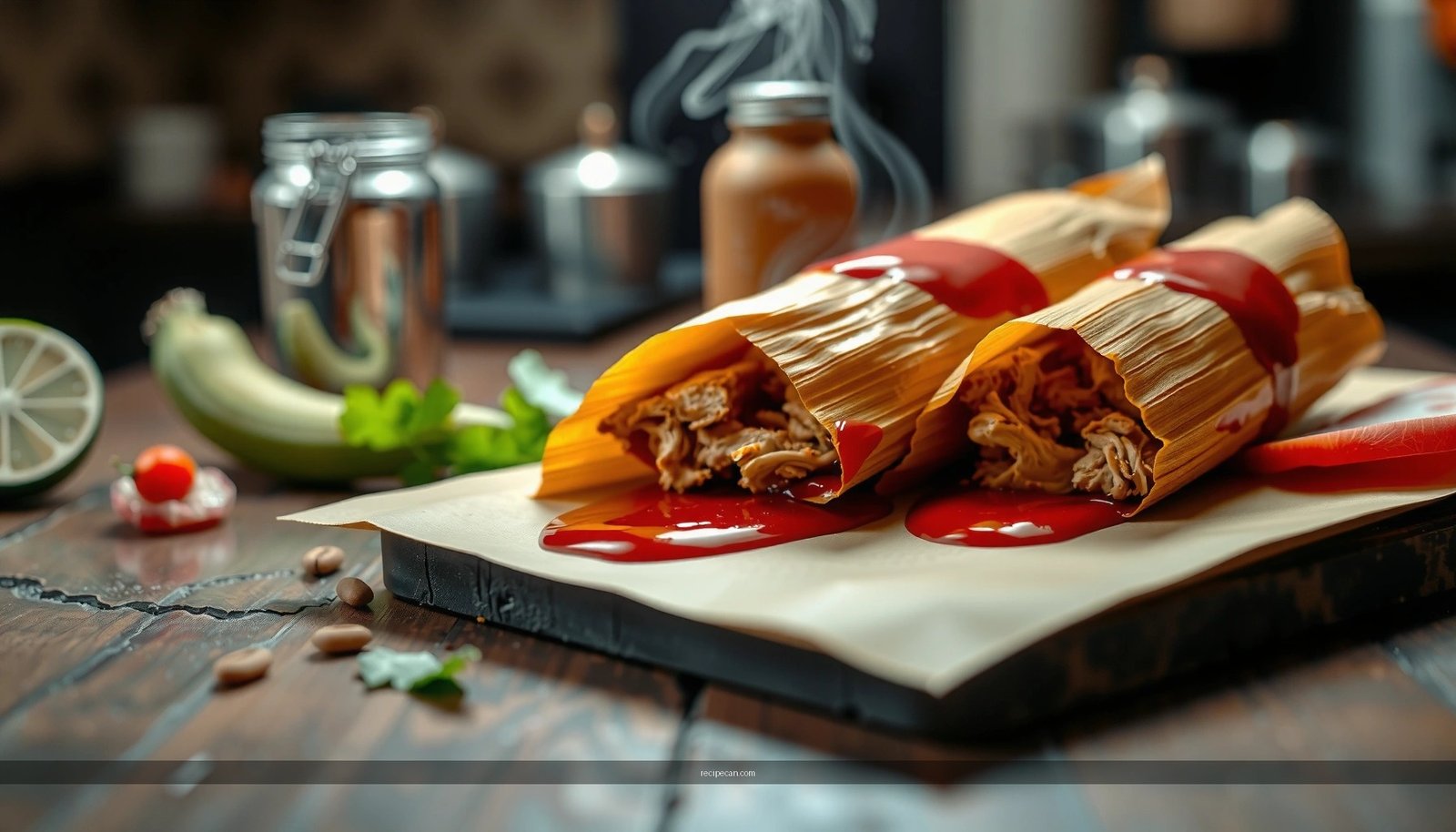
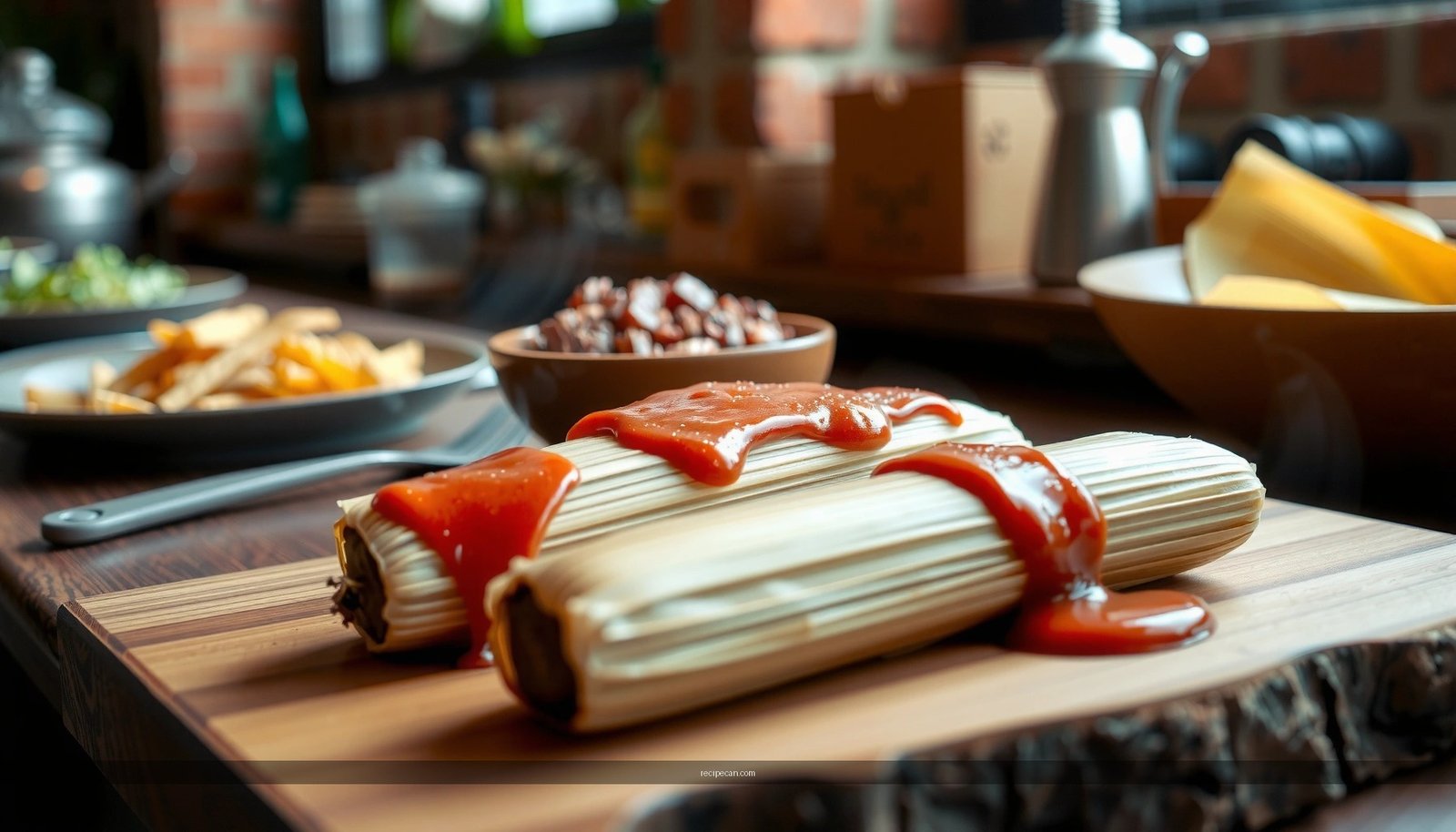
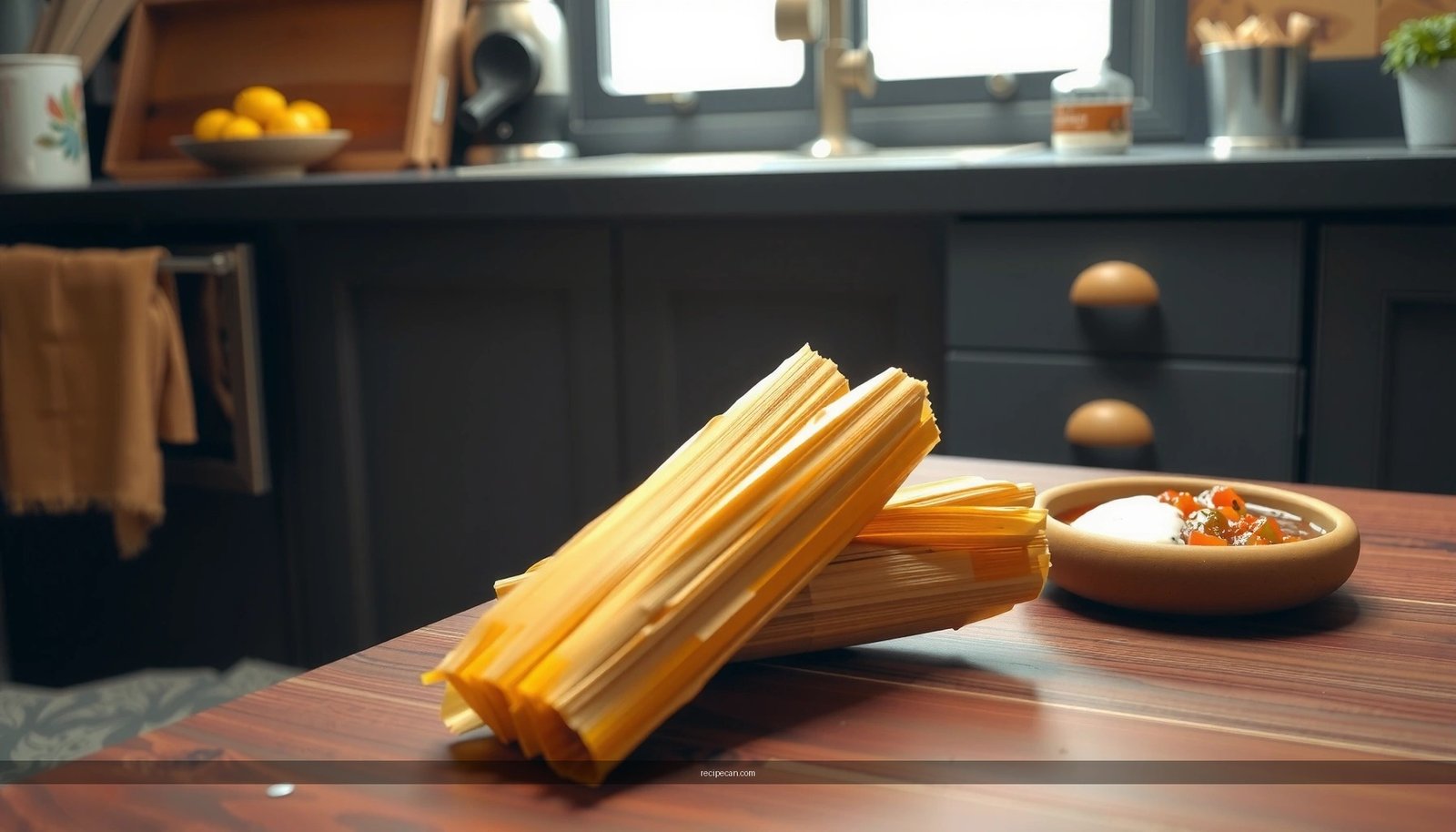
This veggie tamale recipe delivers the easiest way to make plant-based tamales that taste rich, hold together cleanly, and impress without hours in the kitchen. You’ll get a straightforward method for building a flavorful vegetable filling and wrapping it for tender, satisfying bites. If you want a dependable tamale with big flavor and no meat, this is the winner.
Veggie tamales are straightforward to make when you build flavor in two places—well-seasoned sautéed vegetables for the filling and smooth, correctly hydrated masa for the dough—then steam them until fully set. In this plant-based veggie tamale recipe, you’ll learn a reliable veggie mix, how to assemble tamales for clean folds, and the timing that produces tender, sliceable results.
Choose the Right Veggie Tamale Filling
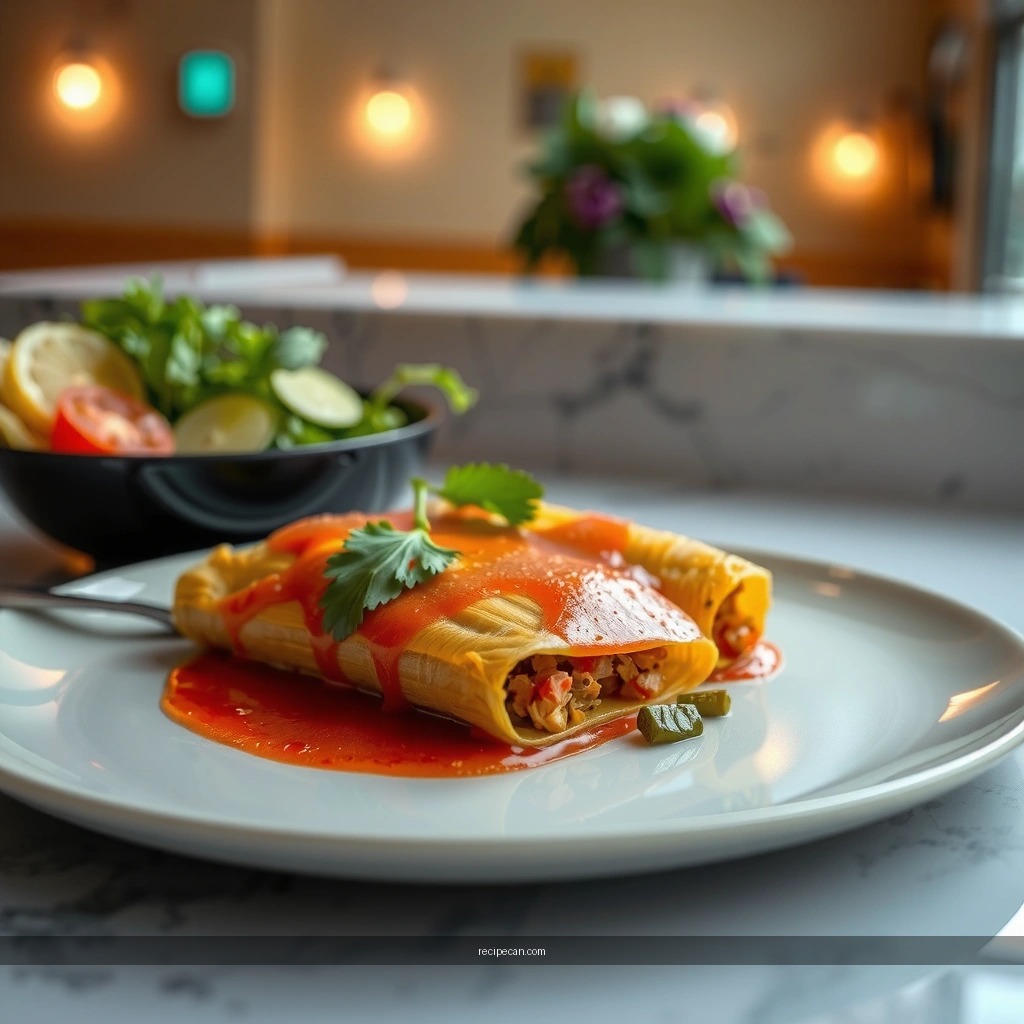
A great veggie tamale filling is less about using “more vegetables” and more about using the right mix to achieve balance, moisture, and bite. Aim for a combination that includes (1) aromatics for depth, (2) vegetables with complementary textures, and (3) a starchy element to help the filling feel cohesive rather than watery.
A proven veggie blend for tamales
– Bell pepper + onion: These provide sweetness and aromatic base notes as they soften and caramelize slightly.
– Zucchini: Adds volume and moisture, but needs proper cooking to avoid excess water.
– Corn (fresh or thawed frozen): Gives natural sweetness and pops of texture. It also helps “thicken” the overall feel without relying on meat.
– Optional but highly effective: garlic (for aroma) and cilantro (for freshness once cooked).
Seasoning strategy (where most homemade tamales succeed or fail)
Tamale filling should taste bold before it goes into the masa. As it steams, flavors mellow, so you’ll want seasoning that can stand up to that transformation:
– Chili powder: Adds warmth and color.
– Cumin: Brings a smoky, earthy note that pairs extremely well with corn and peppers.
– Garlic powder or fresh minced garlic: Boosts savory depth.
– Salt: Ensures the filling tastes complete and not “vegetable-only.”
How to keep the filling from turning watery
– Cook vegetables until the excess liquid has cooked off—especially zucchini.
– If your vegetables look wet after sautéing, keep cooking 2–4 minutes longer.
– For a thicker filling, simmer briefly with a spoon of tomato sauce or salsa (not required, but helpful).
Below is a practical reference table showing typical filling ingredients and how they contribute to texture and flavor—use it to customize your veggie tamale recipe confidently without guessing.
Veggie Tamale Filling: Ingredient Roles & Prep Targets
| # | Ingredient | Role | Cooking Target | Moisture Impact | Best When |
|---|---|---|---|---|---|
| 1 | Onion (diced) | Aromatics | 6–8 min sauté | Low–Medium | Soft & translucent |
| 2 | Bell pepper (diced) | Sweetness & body | 5–7 min sauté | Medium | Tender but not mushy |
| 3 | Zucchini (diced) | Volume & moisture | 8–10 min simmer | High if undercooked | Liquid cooked off |
| 4 | Corn (kernels) | Texture & sweetness | 3–5 min heating | Low–Medium | Bright, not mushy |
| 5 | Garlic (minced) | Savory depth | 30–60 sec sauté | Very low | Fragrant, not browned |
| 6 | Chili powder + cumin | Heat & earthiness | 1 min toast in pan | Neutral | Color looks toasted |
| 7 | Salt + optional salsa | Finish & cohesion | Add last; 2–3 min simmer | Controls texture | Filling holds shape |
Prepare the Masa for Easy Assembly
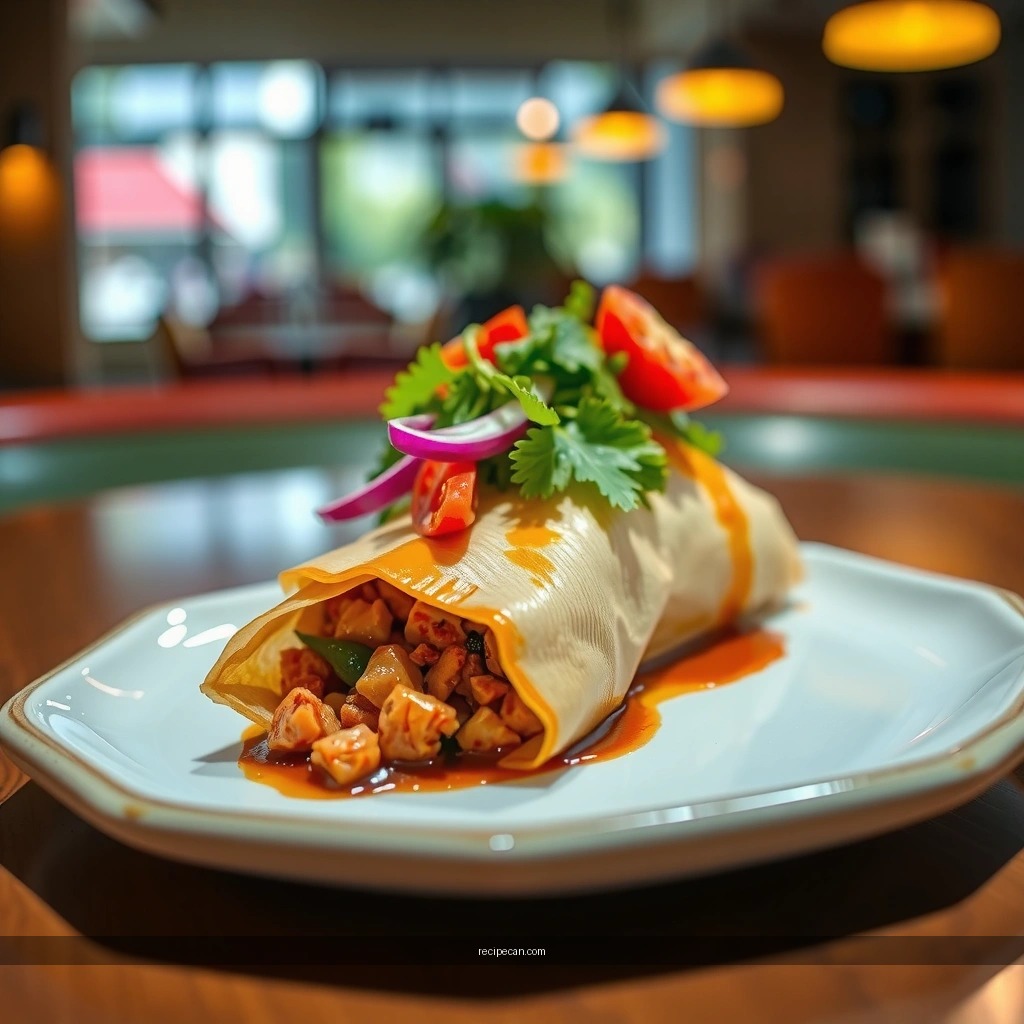
Masa quality determines everything: flavor, spreadability, and whether tamales slice cleanly once steamed. For a consistent veggie tamale recipe, use masa harina (not cornmeal) and hydrate it with warm broth/stock.
Masa hydration: the “smooth and spreadable” test
– Whisk masa harina into warm broth/stock until smooth.
– Let it rest briefly so the flour fully hydrates.
– The correct consistency should be spreadable like thick peanut butter—not crumbly, not pourable.
Moisture control
– If masa feels dry: add broth 1 tablespoon at a time.
– If masa feels too loose: sprinkle in 1–2 tablespoons masa harina, then mix and rest.
– A small amount of oil (or extra broth) can improve spreadability and help prevent dry tamales.
Why warm liquid matters
Warm broth accelerates hydration and reduces lumps, which means easier assembly and more consistent steaming—especially important when you’re making multiple tamales for meal prep.
Assemble Your Veggie Tamales
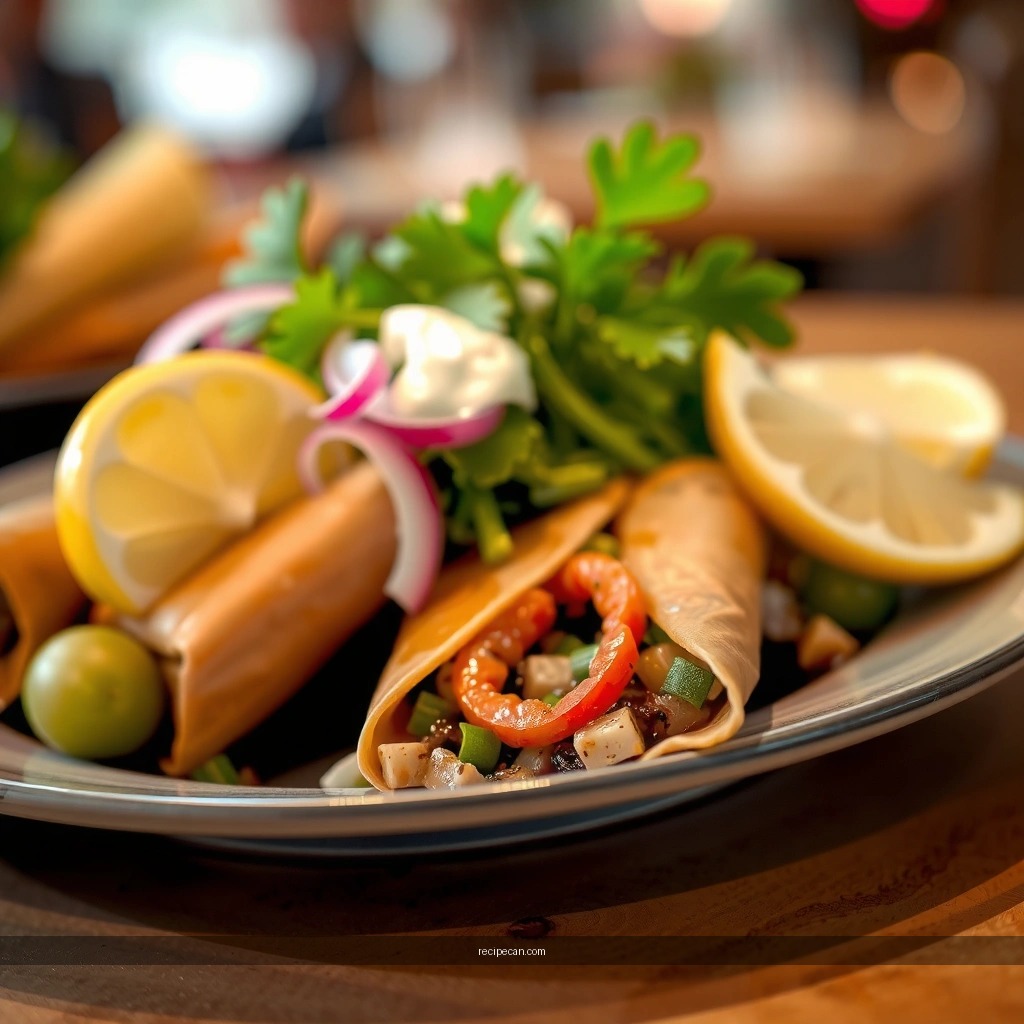
Assembly is where practice pays off quickly. Your goal: even masa thickness, a centered filling portion, and folds that hold during steaming.
Step-by-step assembly workflow
1. Soak corn husks (if using dried): soak until pliable, then pat dry.
2. Spread a layer of masa on each husk—aim for an even thickness so the tamale cooks uniformly.
3. Place the vegetable filling in the center. Use enough filling to taste hearty, but not so much that it pushes the fold open.
4. Fold and secure:
– Some styles fold like a packet and tie with kitchen string.
– Others crease the husk and rely on the structure of the fold. Either works—just keep it tight enough to prevent leakage.
Prevent leaks and uneven cooking
– Don’t overfill. If filling reaches the edges, it can interfere with masa setting.
– Ensure husks are flexible and not brittle—cracked husks reduce structural integrity.
Portion guidance (for consistency)
If you want predictable results across a batch, portion your masa and filling with the same scoop each time. This yields tamales that steam at the same rate and slice evenly.
Steam for the Best Texture
Steaming is the final, make-or-break stage. The key is controlled heat: enough steam to cook and set the masa, not so much boiling that tamales become tough or soggy.
Steam method
– Use a steamer insert or a tamale pot with a steady simmer.
– Keep water from boiling dry by monitoring throughout cooking.
– Maintain consistent steam pressure—don’t open the pot repeatedly.
Timing for tender, sliceable results
– Plan for 60–90 minutes, depending on tamale size and masa thickness.
– Start checking around the 60-minute mark:
– Masa should feel set rather than gummy.
– The tamale should peel away from the husk more easily once done.
– Let finished tamales rest 10–15 minutes for best slice/serve performance.
Quality check
If the masa looks soft and doesn’t firm up after steaming, continue in 10-minute increments. Overboiling is more common than undercooking, so use gentle simmering rather than aggressive bubbling.
Storage and Reheating Tips
Proper storage protects texture. Tamales often taste even better the next day because flavors settle and masa hydrates slightly as it cools.Storage
– Refrigerate in an airtight container for up to 4–5 days.
– Freeze for longer storage (for meal prep). Cool completely before freezing to avoid condensation.
Reheating without drying
– Best option: re-steam until hot throughout.
– Microwave method: wrap tamales in a damp paper towel and reheat in short bursts, then rest briefly.
Batch-friendly best practices
– Label containers by date.
– Consider freezing in “serving quantities” (e.g., 3–4 tamales per bag) so reheating stays portion-efficient and texture-consistent.
Flavor Variations to Try
Once you have your technique down, the easiest way to build variety is to change the vegetable profile and finishing sauce—without changing the base assembly process.
Reliable filling upgrades
– Roasted sweet potato: Adds sweetness and a silky texture that pairs beautifully with smoky spices.
– Black beans: Boosts protein and makes the filling more robust. Combine with corn and peppers for a balanced profile.
– Mushrooms: Provide an umami-forward, meat-like satisfaction. Sauté until browned for best flavor depth.
Serving finishes that elevate veggie tamales
– Salsa verde: Bright, tangy, and excellent for cutting through richness.
– Avocado: Adds creaminess and mild flavor contrast.
– Extra chili sauce: For heat lovers who want a bolder finish.
How to choose a variation
If you want “classic corn-pepper” energy, keep it simple. If you want heartier, meal-prep-friendly tamales, choose black beans or mushrooms. If you want comforting sweetness, add roasted sweet potato.
Veggie tamales come together when you nail the seasoned vegetable filling, maintain the right masa consistency, and steam until fully set. Follow the steps above, try one flavor variation, and then serve hot with your favorite salsa—want to make a batch for meal prep? Start by doubling the filling.
Frequently Asked Questions
What are the best vegetables to use in a veggie tamale recipe?
Great vegetables for a veggie tamale recipe include sweet corn, zucchini, bell peppers, mushrooms, and black beans for hearty texture. You can also add roasted poblano or diced tomatoes for extra flavor and moisture. To avoid watery tamales, cook or sauté the vegetables first, and then let them cool before assembling so the masa stays consistent.
How do you make veggie tamales with masa that doesn’t turn out dry or crumbly?
For a reliable veggie tamale recipe, use masa harina and mix it gradually with warm broth or water until it reaches a spreadable, fluffy consistency. A common test is that the masa should be soft enough to hold its shape and shouldn’t crumble when you press it gently. If it’s dry, add a little more warm liquid; if it’s too wet, mix in a bit more masa harina until it firms up.
Why do tamales sometimes steam unevenly or come out rubbery, and how can you fix it?
Uneven steaming often happens when tamales are packed too tightly or the pot loses steam during cooking—use a steamer rack and keep water at a steady simmer. Rubbery tamales can result from over-steaming or overly dense masa, so aim for consistent steaming time and check doneness periodically. Let the tamales rest briefly after steaming so the masa sets and textures improve.
Which is better for a veggie tamale recipe: homemade masa or store-bought masa harina?
Most veggie tamale recipes rely on masa harina because it’s convenient and delivers consistent results when mixed correctly. You can still make homemade masa, but it requires more time and careful consistency control. Store-bought masa harina works best if you follow the package instructions and adjust liquid gradually to achieve that light, spreadable masa texture.
What’s the best way to reheat leftover veggie tamales without drying them out?
Reheat veggie tamales in a steamer or covered pot so they warm through evenly, which helps prevent dryness. If reheating from the fridge, steam until hot throughout; if frozen, thaw first or steam longer depending on size. You can also lightly mist the tamales with water before reheating to maintain moisture and keep the masa tender.
References
- Tamale
https://en.wikipedia.org/wiki/Tamale - Masa
https://en.wikipedia.org/wiki/Masa_harina - Masa
https://en.wikipedia.org/wiki/Masa - Husk
https://en.wikipedia.org/wiki/Corn_husk - Tomatillo
https://en.wikipedia.org/wiki/Tomatillo - Poblano
https://en.wikipedia.org/wiki/Poblano_pepper - https://www.britannica.com/topic/tamale
https://www.britannica.com/topic/tamale - Google Scholar Google Scholar
https://scholar.google.com/scholar?q=vegetarian+tamales+recipe - Google Scholar Google Scholar
https://scholar.google.com/scholar?q=veggie+tamale+masa+recipe+corn+husks - Google Scholar Google Scholar
https://scholar.google.com/scholar?q=Mexican+tamale+vegetarian+filling+tomatillo+pepper