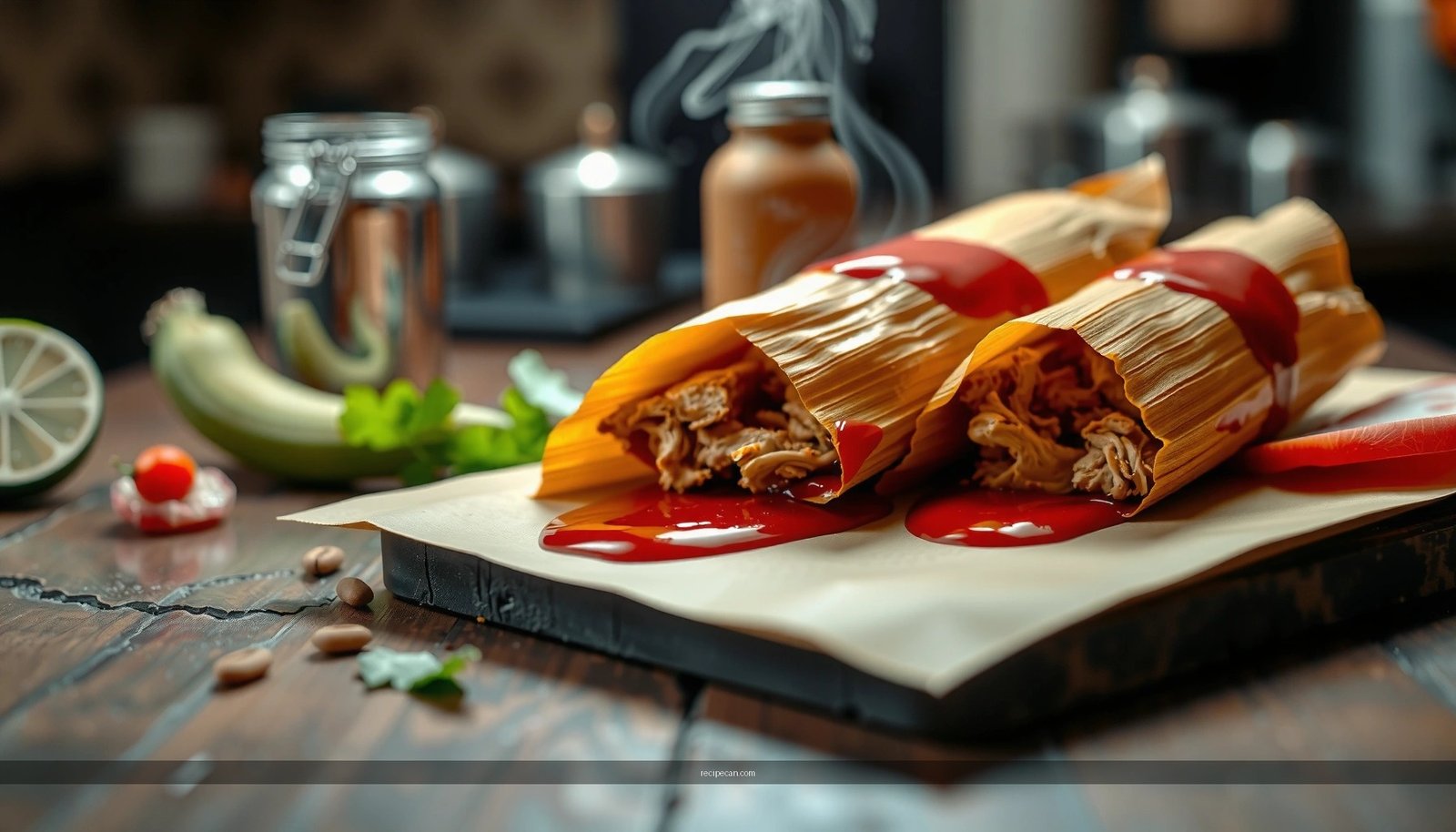
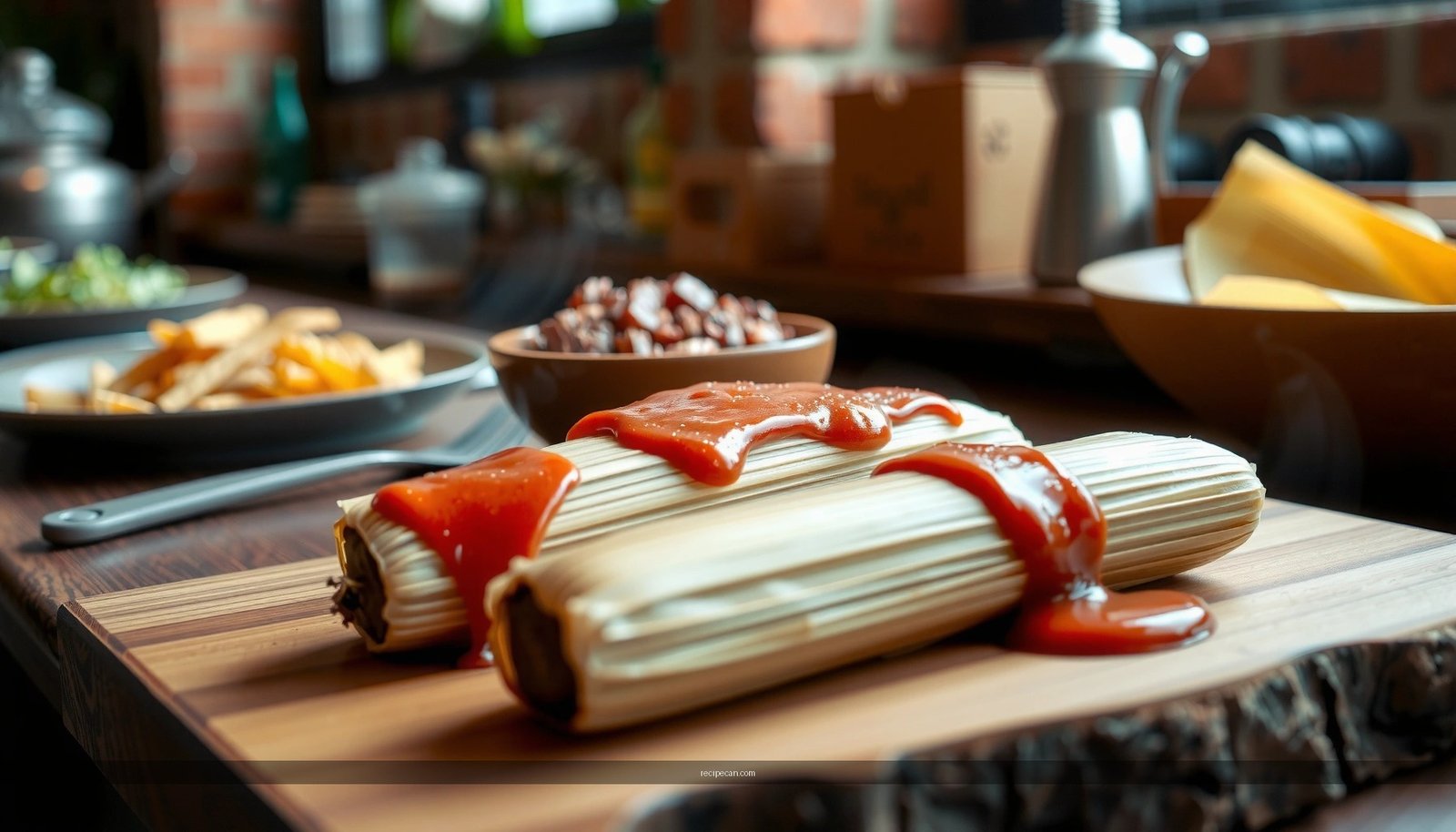
This green corn tamale recipe delivers the most reliable path to tender, flavorful tamales with a bright corn taste—without complicated techniques. You’ll learn the exact step-by-step process for preparing the masa, building the filling, and assembling and steaming tamales so they cook evenly every time. Follow it for a dependable win when you want traditional flavor with an approach that’s actually easy to repeat.
Make tender, authentic-style green corn tamales by blending green corn into a masa with bold seasonings, then steaming the wrapped husks until the masa fully sets. This green corn tamale recipe walks you through soaking the husks, mixing a fresh masa, assembling neatly, and steaming consistently so every batch comes out flavorful, sliceable, and ready to serve.
Choose Your Ingredients for Green Corn Tamales
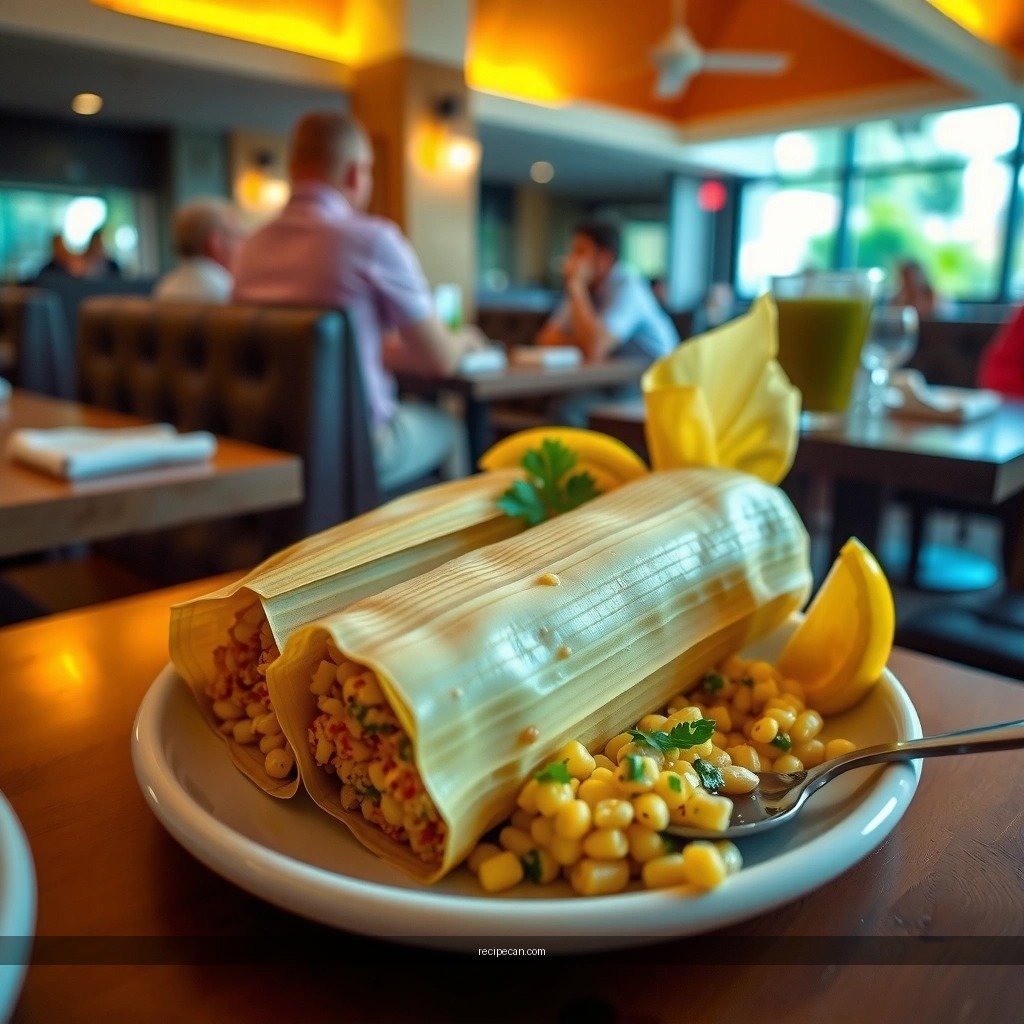
Great tamales start with ingredients that build flavor at three layers: the corn masa, the seasoning profile, and the fat that improves texture. For green corn tamales, the “green” character should come from sweet corn (and optionally fresh chiles or herbs), not from food coloring or shortcuts.
– Use fresh or thawed frozen green corn for the best sweet, corn-forward flavor
Green corn (often sold as fresh ears, canned “elote,” or frozen whole kernels) contains more natural sugars than dried corn. That sweetness balances the salt, chile, and aromatics in the masa.
– Gather masa harina, broth or water, salt, and aromatics (like onion/garlic) for a well-balanced base
Masa harina is what gives tamales their iconic structure—its fine grind absorbs moisture and thickens as it steams. Broth (chicken or vegetable) adds depth; water keeps flavors lighter.
Pro-quality buying tips (so your masa behaves):
– Choose masa harina labeled for tamales (often “masa para tamales”), not instant corn flour. The texture should remain cohesive when mixed.
– If your frozen corn releases a lot of liquid, reduce added broth/water slightly—your goal is a masa that’s thick but spreadable.
– For aromatics, use fresh onion and garlic for a clean savory backbone. If you want heat, add a roasted green chile or mild jalapeño.
Green Corn Tamale Batch Guide (Yields & Timing)
| # | Batch Size | Corn Used | Masa Harina | Estimated Yield | Steam Time |
|---|---|---|---|---|---|
| 1 | Starter batch | 2 cups kernels | 2 cups masa harina | ~12 tamales | ~60–75 min |
| 2 | Family batch | 4 cups kernels | 4 cups masa harina | ~25 tamales | ~75–90 min |
| 3 | Large gathering | 6 cups kernels | 6 cups masa harina | ~38 tamales | ~90–105 min |
| 4 | Extra-masa for thicker spread | 4 cups kernels | 4.5 cups masa harina | ~25–28 tamales | ~80–95 min |
| 5 | Lower-salt lean masa | 4 cups kernels | 4 cups masa harina | ~24–25 tamales | ~75–90 min |
| 6 | Thawed frozen corn (extra moisture) | 4 cups kernels* | 4 cups masa harina | ~24–26 tamales | ~75–95 min |
| 7 | Whole-corn texture (chunkier green masa) | 4 cups kernels | 4 cups masa harina | ~25 tamales | ~85–100 min |
Prep the Corn and Make the Green Masa
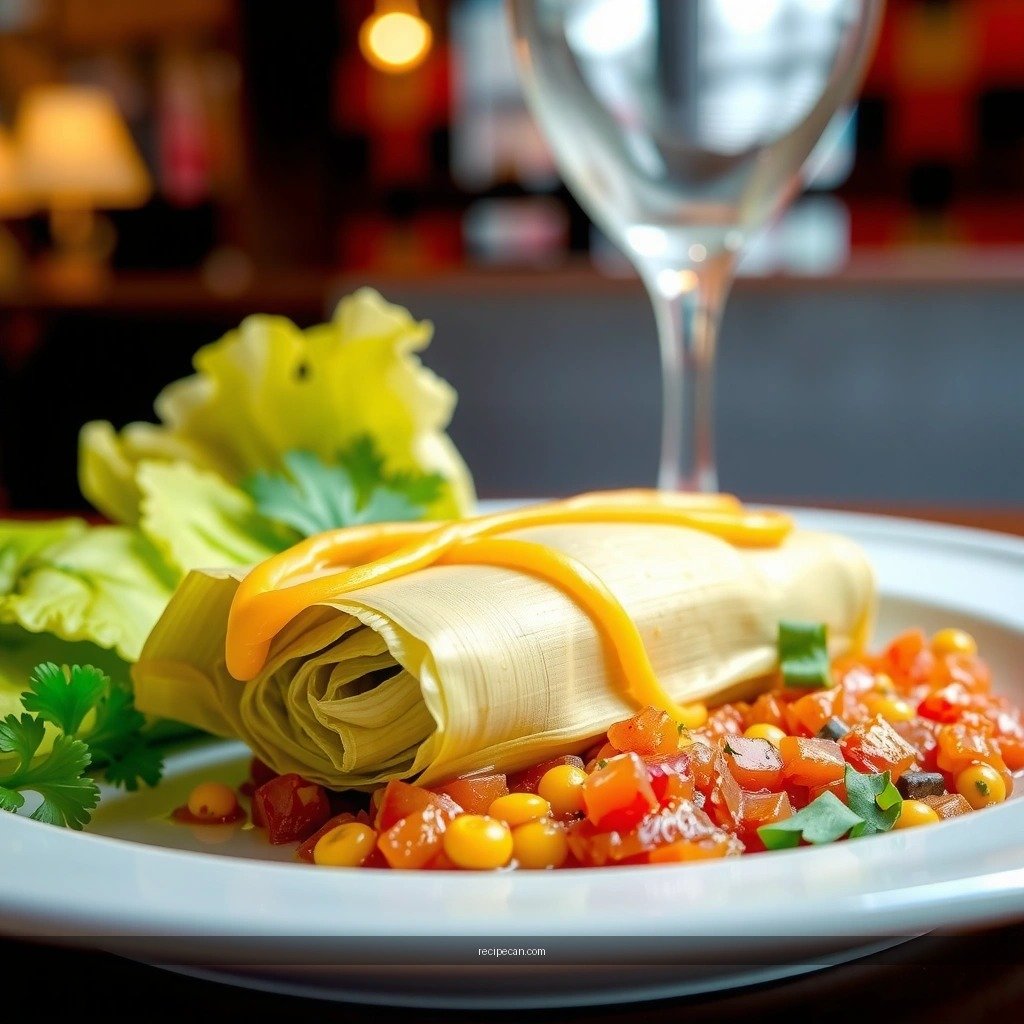
The heart of green corn tamales is a masa that tastes like fresh elote and holds its shape after steaming. In practice, masa quality comes from how thoroughly you process the corn, how you hydrate the masa harina, and how you incorporate fat.
– Blend or process cooked green corn into a smooth, thick mixture
Cook the corn briefly (or thaw and drain if frozen), then blend with a small splash of broth to create a thick base. For a more “tamales de elote” style, aim for a smooth puree; for “chunkier” texture, pulse instead of fully blending.
– Mix masa with corn, seasonings, and a little fat (like lard or oil) for rich texture
Fat improves tenderness and helps the masa spread without tearing. Many traditional recipes use lard; a neutral oil works too, though the flavor profile will be slightly different.
Seasoning blueprint (adjust to your heat tolerance):
1. Sauté onion and garlic until fragrant (this removes raw bite).
2. Add blended corn and simmer 3–5 minutes to concentrate flavor.
3. Season with salt and optional chile (jalapeño, serrano, or roasted green chile).
4. Stir in a fat source (lard/oil) and let the mixture cool slightly before mixing into masa harina.
Masa consistency test (fast, reliable):
Your masa should be thick enough to hold a shape on a spoon but not stiff. If it looks dry, add broth 1 tablespoon at a time. If it’s gummy or spreads too thinly, add masa harina 1–2 tablespoons at a time and rest 5 minutes.
Soak and Prepare the Corn Husks
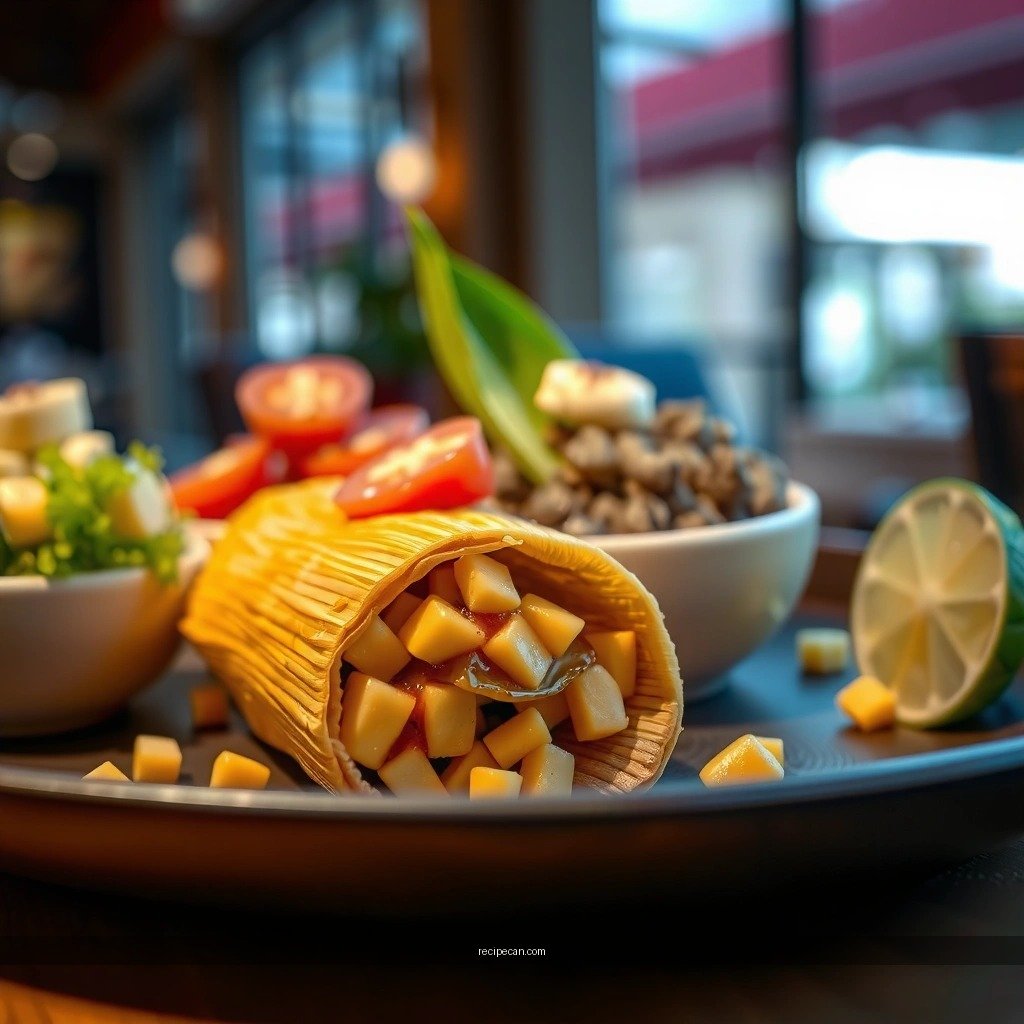
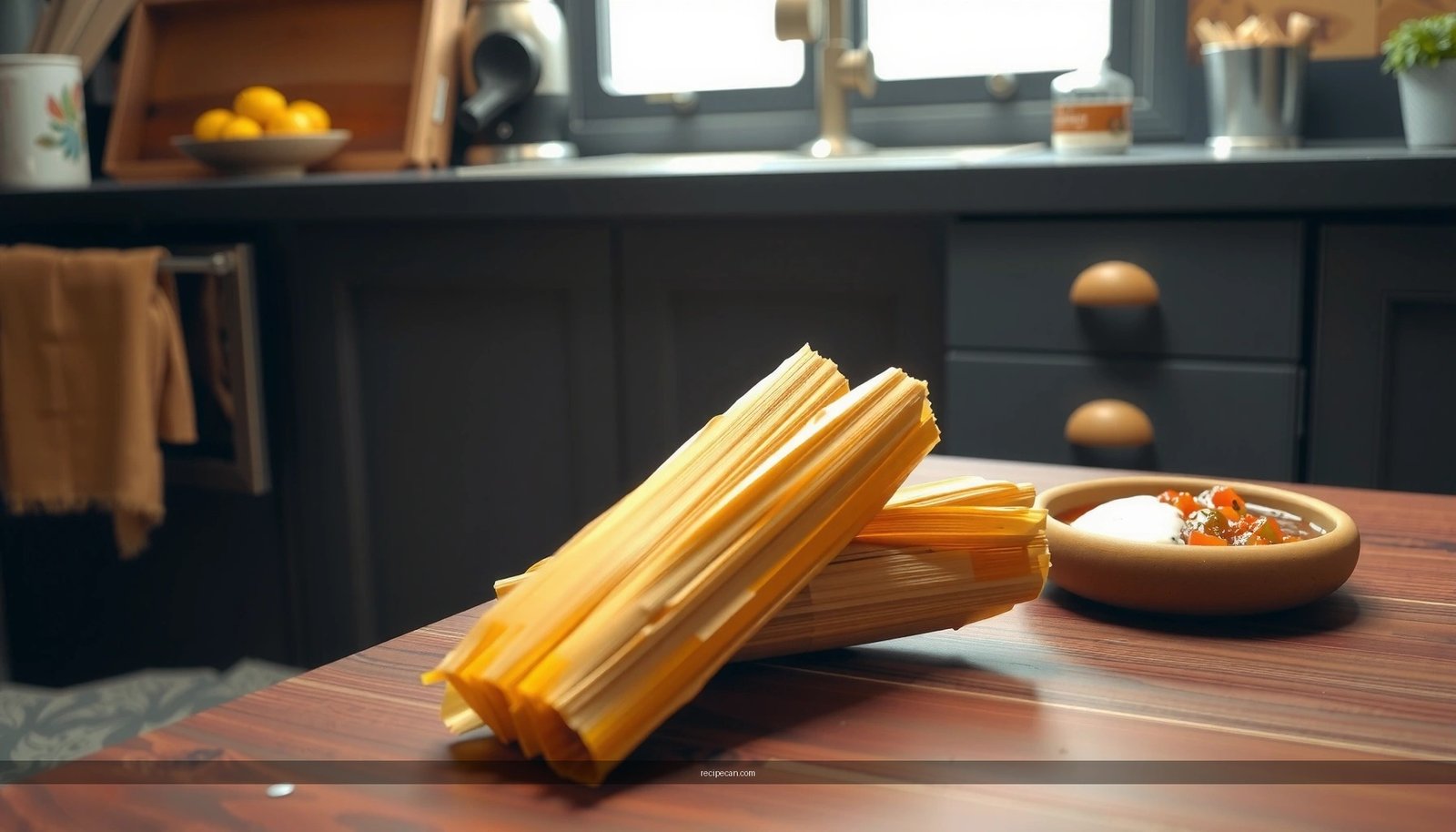
Corn husks are your steam pouch and your first “packaging” signal for authentic results. If husks are not pliable, you’ll get cracking, uneven folds, and leakage of masa.
– Soak husks until pliable so they won’t crack while wrapping
Soak in warm water for at least 30–60 minutes, or until flexible. If your husks are very dry, soak longer—unflexible husks often cause tears.
– Rinse and trim as needed to keep the tamales neat and easy to assemble
Remove tough stems and any dark, brittle edges. Trim to consistent lengths so steaming stays even.
Operational tip:
Keep a bowl of soaked husks near your assembly area. When you remove one husk, shake off excess water so the masa doesn’t slide around.
Assemble the Tamales
Assembly is where “easy” becomes real: a consistent layer thickness and a secure fold create uniform steaming and prevent raw centers.
– Spread masa evenly on husks, add filling (optional), and fold to form a tight bundle
Use a spoon to spread a layer of green masa across the husk, leaving space at the edges for folding. If you add filling, keep it modest—too much filling extends cook time and can loosen the bundle.
– Leave the top slightly open so the tamales steam evenly
Many cooks create a “lid-like” openness at the top to let steam circulate fully through the masa.
Filling ideas that complement green corn:
– Shredded chicken in mild salsa verde
– Cheese (fresh queso, Oaxaca-style, or crumbled cotija)
– Beans with chile-lime seasoning
– Roasted poblano strips for a smoky profile
Best practice for beginners:
Do one tamale as a “test build.” Steam it and check the masa set and taste. Once you confirm doneness, match that approach across the batch.
Steam the Tamales to Perfect Tenderness
Steaming is the technical step that determines success. Too little steam time leaves raw masa; too much time can dry or toughen the tamale.
– Steam in batches with a steady simmer and enough water to prevent drying
Use a steamer pot with enough water to generate consistent steam. Check that the water level stays below the steaming rack but not too low that it stops producing steam.
– Check doneness by firmness of the masa and easy release from the husk
Doneness indicators include: masa feels set (not wet or sticky), and the tamale releases cleanly from the husk without tearing.
How long should green corn tamales take?
Timing depends on masa thickness and pot performance, but a typical range is 75–105 minutes for full-size tamales. If you’ve made thicker masa (or chunkier corn), expect the upper end.
Common failure points and fixes:
– Masa is wet inside: steam longer and ensure the pot maintains a true simmer.
– Masa separates or smears: your masa may have been too loose—next time, tighten hydration and rest the masa 10 minutes before assembling.
– Husks stick excessively: roast/steam-ready husks can be partially dried from soaking—ensure proper soaking and don’t leave tamales sitting too long before steaming.
Serve, Store, and Reheat
Serving is when aroma and texture meet—warm tamales with bright toppings show off the green corn flavor immediately.
– Serve warm with salsa, crema, or queso fresco
Salsa verde adds tang and acidity; crema softens heat; queso fresco boosts saltiness and freshness. For a restaurant-style finish, add a squeeze of lime and chopped cilantro.
– Store leftovers refrigerated or frozen, then reheat by steaming for best texture
Refrigerated tamales stay best for several days when wrapped well. Freezing is ideal for make-ahead cooking and meal prep.
Reheating method (recommended):
Steam until hot throughout. Microwaving can work in a pinch, but steaming preserves the masa’s tenderness and prevents rubbery edges.
Make-ahead strategy:
Cook a full batch, cool completely, and freeze in stacks. When you need dinner, reheat by steaming from frozen (expect a longer time), then finish with fresh salsa and crema.
—
Steaming is the key to turning your green corn masa into tender, flavorful tamales—so follow the soak-and-steam steps carefully. If you want a reliable result, start with well-soaked husks, mix masa until it spreads evenly, and steam until fully set before serving right away. Try this green corn tamale recipe today, and you’ll build a homemade favorite you can repeat with confidence.
Frequently Asked Questions
What is a classic green corn tamale recipe and what ingredients do I need?
A classic green corn tamale recipe uses fresh or frozen green corn (often blended into a masa base), a bit of onion and garlic, and masa harina to help bind the tamales. You’ll also need broth (or water), oil or lard for richness, salt, and optional spices like cumin or cilantro for flavor. Many recipes include fresh green chile or jalapeño for heat, plus banana leaves or corn husks for steaming.
How do I make green corn tamales without them turning out dry or crumbly?
Dry or crumbly green corn tamales usually come from masa that’s too thick or not enough fat/binder. Aim for a smooth, spreadable masa consistency—add warm broth gradually until it spreads but doesn’t run. Use proper steaming time and keep the water at a steady simmer so the tamales cook through without drying. If you’re making masa from whole kernels, blend just enough to keep it creamy while still giving it body.
Why do my green corn tamales fall apart when I unwrap them?
Tamales can fall apart if the masa isn’t hydrated enough or if you under-steamed them, leaving the interior undercooked. Make sure the masa has enough liquid and resting time so it hydrates evenly, then steam until the tamales are firm and the center sets. Also, avoid overloading husks with too-thick filling layers, which can prevent even cooking. Finally, let them cool slightly before unwrapping so the structure firms up.
What’s the best way to steam green corn tamales so they cook evenly?
The best way to steam green corn tamales is to pack them snugly in the steamer and maintain a consistent gentle simmer, not a hard boil. Add enough water so it doesn’t run dry, but don’t let the pot boil aggressively because that can cause uneven cooking and soggy bottoms. Cover the pot tightly and rotate the tamales partway through if your steamer has hot spots. Test doneness by checking that the masa feels set and pulls away cleanly from the husk.
Which green corn tamale variations are most popular—chicken, cheese, or vegetarian?
Popular green corn tamale variations include chicken tamales with shredded chicken and a mild green chile sauce, and cheese tamales that use Oaxaca/queso fresco for a creamy melt. Vegetarian options often rely on roasted green chiles, corn, sautéed vegetables, or beans for a hearty filling that still lets the sweet corn flavor shine. Choose a variation based on heat level and texture preference, but keep the masa balance consistent so the tamales don’t overpower or get gummy.
References
- Tamale
https://en.wikipedia.org/wiki/Tamale - https://www.britannica.com/topic/tamale
https://www.britannica.com/topic/tamale - https://en.wikipedia.org/wiki/Masa_hominy
https://en.wikipedia.org/wiki/Masa_hominy - Nixtamalization
https://en.wikipedia.org/wiki/Nixtamalization - Chili con carne
https://en.wikipedia.org/wiki/Chile_verde - Tomatillo
https://en.wikipedia.org/wiki/Tomatillo - Chili pepper
https://en.wikipedia.org/wiki/Chili_pepper - Google Scholar Google Scholar
https://scholar.google.com/scholar?q=green+corn+tamale+recipe - Google Scholar Google Scholar
https://scholar.google.com/scholar?q=tamales+nixtamalization+masa+corn - Google Scholar Google Scholar
https://scholar.google.com/scholar?q=tomatillo+salsa+tamale+recipe