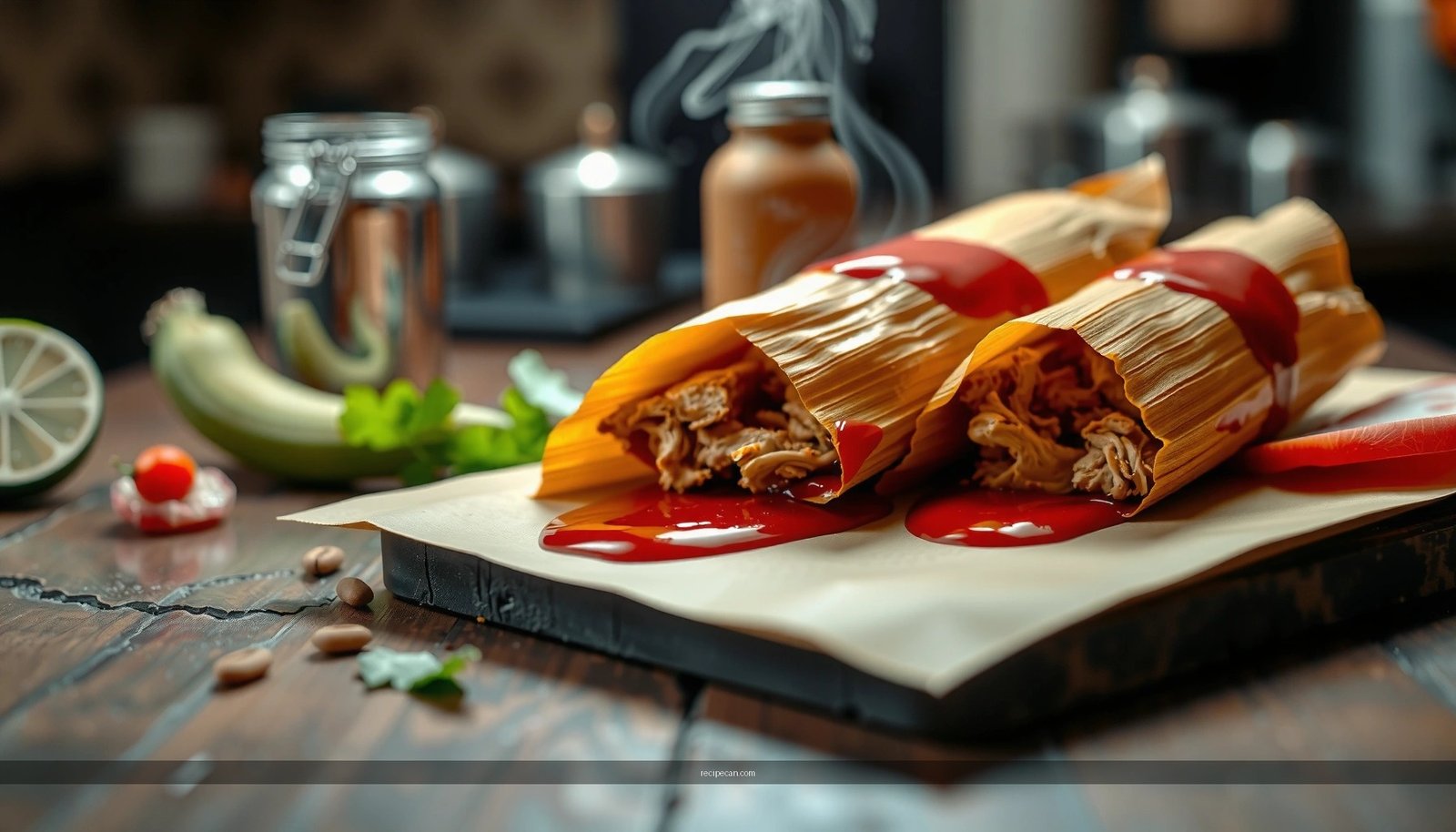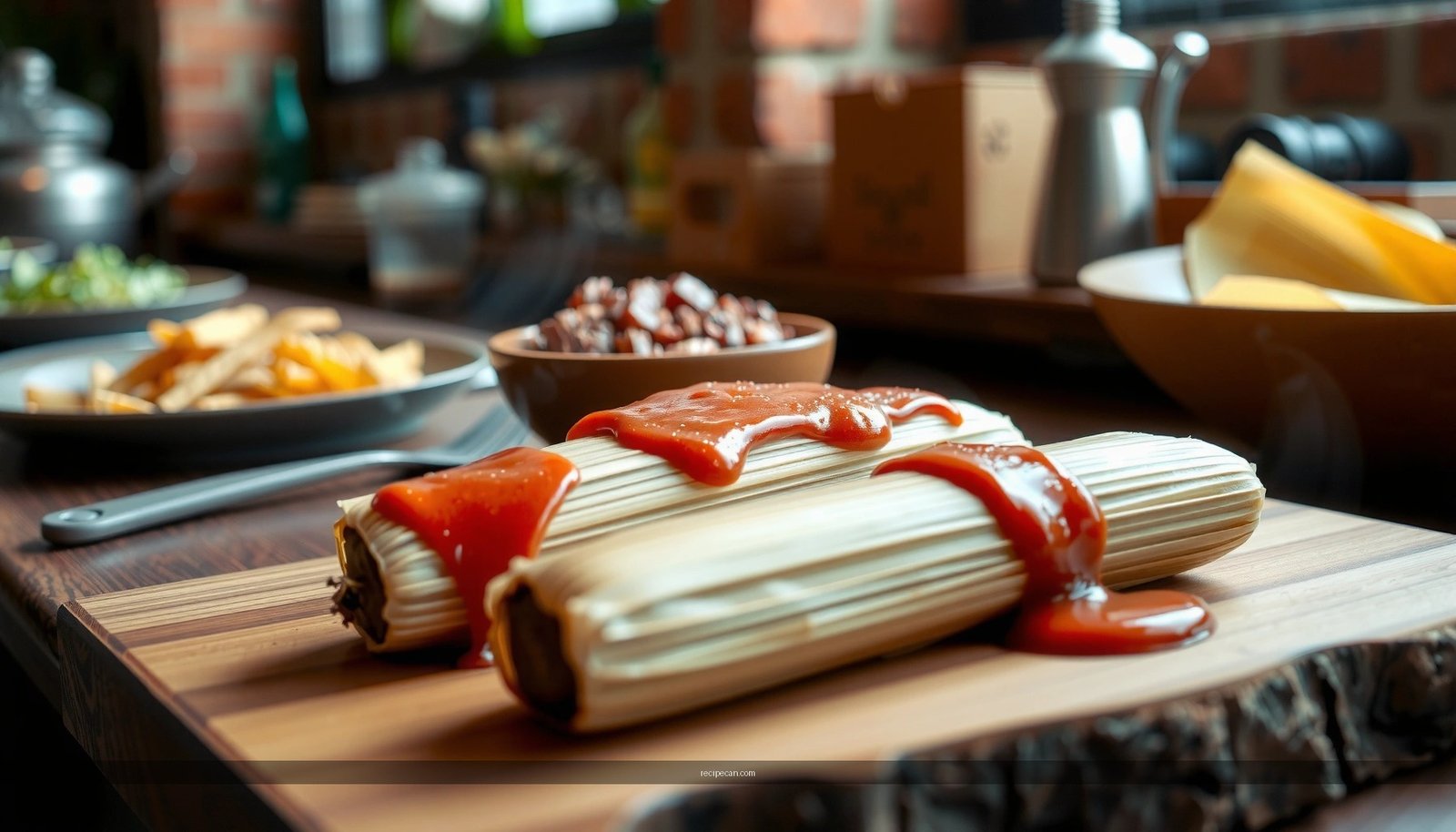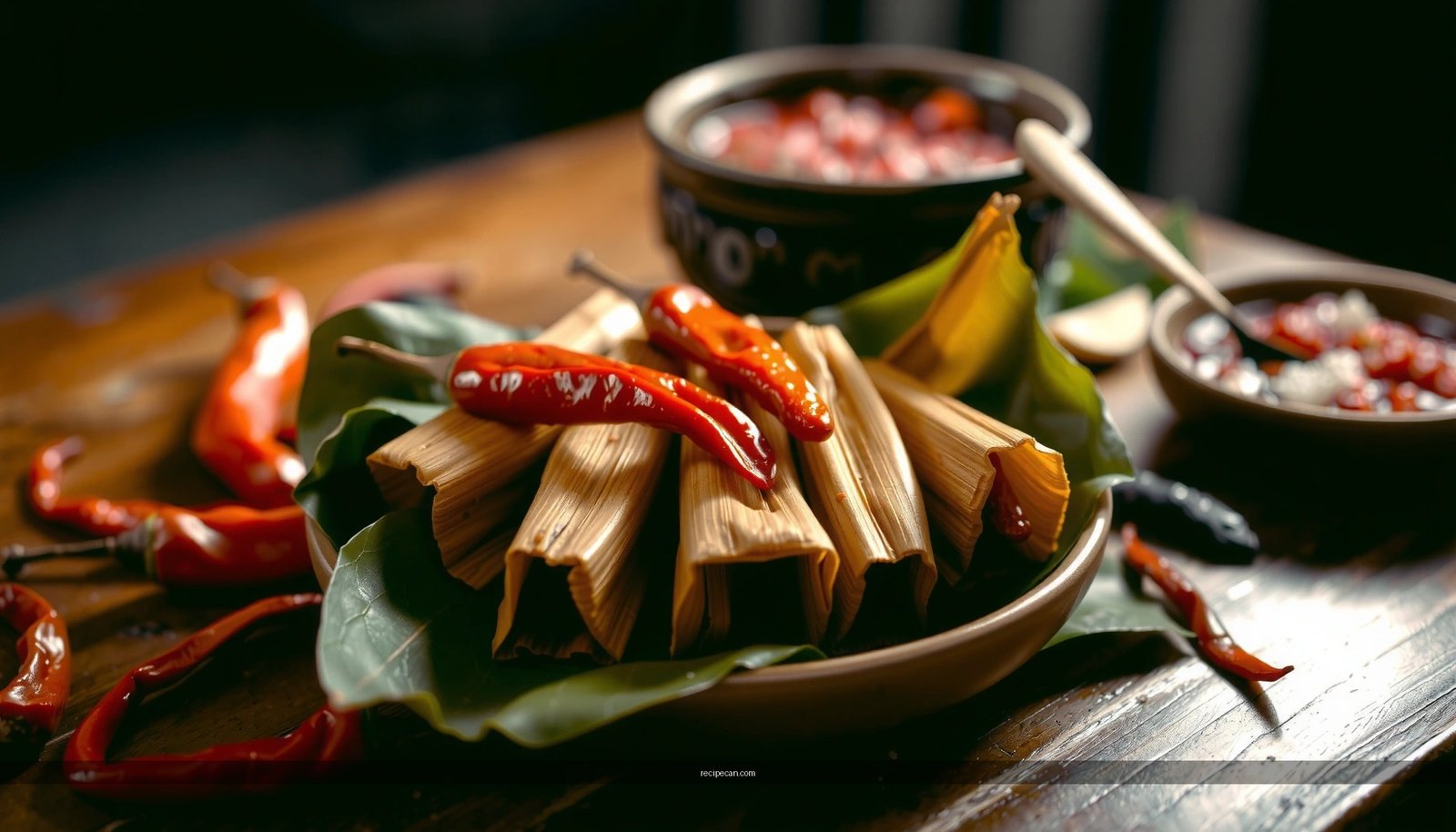
If you want a hot tamale recipe that actually turns out at home, this is the clearest path to real, spicy hot tamales—step by step. You’ll get a dependable masa method, the right filling-to-dough ratio, and clear steaming timing so they’re tender and flavorful, not mushy or dry. By the end, you’ll know exactly how to make hot tamales with the heat level that fits your taste.
Make hot tamales at home by spreading seasoned masa on softened corn husks, adding a flavorful spicy filling, then steaming until the masa pulls cleanly and tastes tender. Use this hot tamale recipe as a step-by-step guide—so your tamales come out moist, evenly cooked, and properly set, with heat you can dial to your exact preference.
Tamales, Masa, and Water: How Key Variables Affect Results
| # | Variable | Typical Range | Effect on Texture | Cook Reliability |
|---|---|---|---|---|
| 1 | Masa consistency | Spreadable “peanut-butter” | Even setting, fewer cracks | +High |
| 2 | Corn husk prep | Soaked 20–40 min, pliable | Better folds, less tearing | +High |
| 3 | Filling moisture | Thick, spoonable, not watery | Prevents soggy masa | +High |
| 4 | Steam time | ~60–90 min (batch dependent) | Tender masa, hot filling | +High |
| 5 | Lard/oil in masa | About 2–4 tbsp per 2 cups masa | Richer, softer mouthfeel | +Moderate |
| 6 | Pot water level | Enough to steam, not soak | Consistent heat, cleaner texture | -Risky |
| 7 | Doneness test | Masa pulls from husk | Predictable “set” finish | +High |
Choose Your Hot Tamale Filling
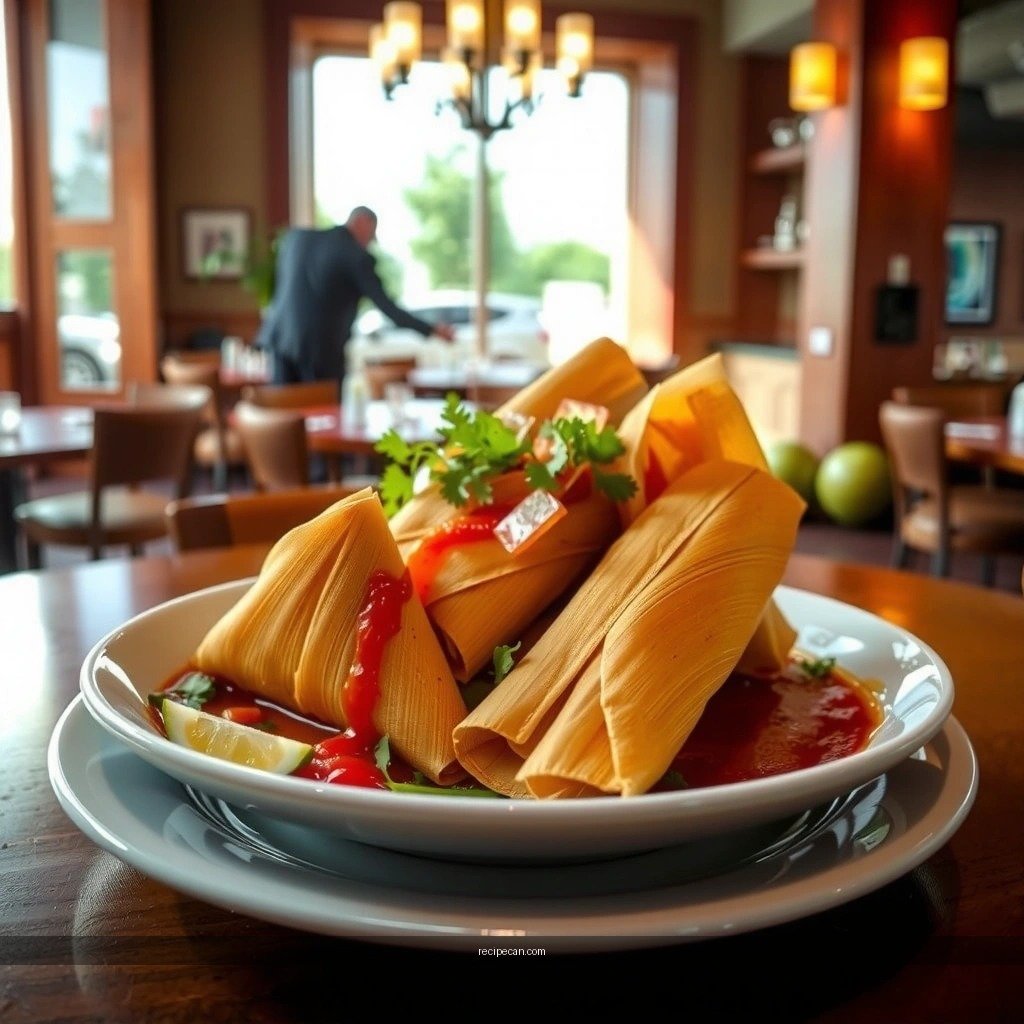
The filling is where your hot tamales get their signature character—heat, depth, and satisfaction. Start with a protein-forward option (like shredded pork) or a bean-based filling if you prefer something hearty and vegetarian. The key is balance: your filling must be seasoned well enough to carry flavor through the masa, but not so loose that it turns the corn husk stack into a steaming “soup.”
Best spicy filling options
– Shredded pork with chili sauce: Simmer pork until tender, shred, then combine with a thick chili base (chile paste, blended dried chiles, or a sauce you reduce).
– Spiced beef or chicken: Works similarly—cook until shred-ready, then coat with chili sauce.
– Bean-based filling: Use refried beans, black beans, or pinto beans plus sautéed onion, garlic, cumin, and chili powder. Add a splash of broth and reduce so it stays thick.
Seasoning benchmarks for bold flavor
To keep your hot tamales tasting “finished” (not bland despite the chili heat), season the filling as deliberately as you season the masa:
– Chili powder or ground chiles for warmth and color
– Garlic (fresh minced or garlic powder) for savory lift
– Salt to make the flavors pop
Optional but high-impact add-ins include smoked paprika, oregano, and a touch of vinegar or citrus to brighten the chili.
Moisture control prevents soggy masa
Aim for a filling that’s spoonable but thick—it should cling to a spoon. If your chili sauce pools or looks thin, reduce it on the stove until it thickens. This one adjustment often separates “good homemade tamales” from “restaurant-quality hot tamales.”
Prepare the Masa for the Best Texture
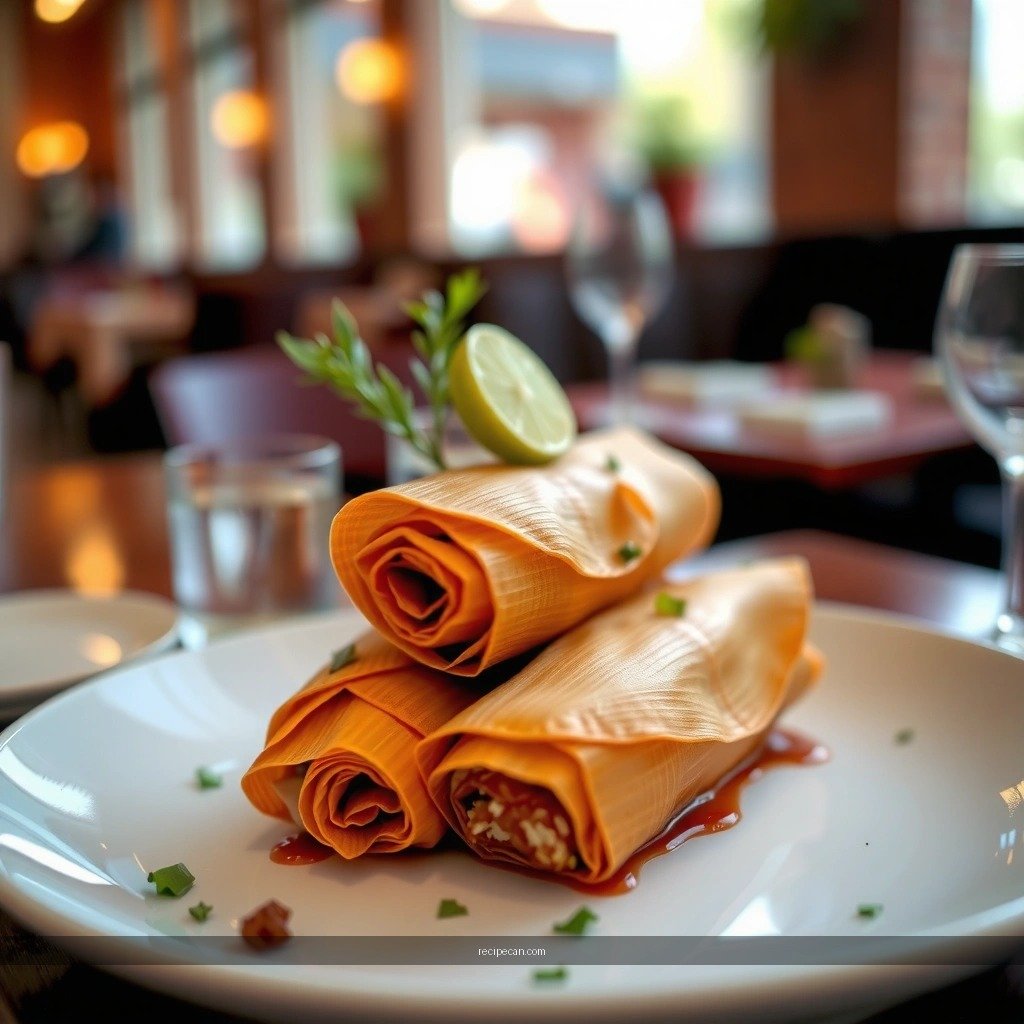
Your masa is the structural layer and the flavor platform. For a hot tamale recipe that reliably delivers tender, moist masa, focus on three things: texture, fat, and seasoning.
Mixing masa harina for a spreadable dough
– Combine masa harina with warm broth (chicken or vegetable) a little at a time.
– Mix until smooth and free of dry lumps.
– Adjust with more warm broth until the dough becomes spreadable—think thick paste that holds a shape when you spread it, not runny batter.
Add fat for richness and tenderness
Most excellent tamale masa includes fat (commonly lard, but neutral oil or a firm plant-based shortening can also work). The fat helps:
– Keep the masa soft during steaming
– Improve mouthfeel
– Support a clean “pull” away from the husk when done
Season inside the masa
A common mistake is seasoning only the filling. Season the masa with:
– Salt (essential for balanced flavor)
– Optional aromatics like garlic powder or onion powder
– If you like deeper warmth, a small amount of cumin or a mild dried chile powder can enhance the profile
Texture goal (use this as a quality check)
– The masa should hold shape on a husk and spread evenly without tearing.
– It should not feel dry or crumbly.
– If it cracks while spreading, it’s too dry—add a bit more warm broth.
– If it spreads too thin or looks loose, add more masa harina and mix thoroughly.
Assemble Hot Tamales in Corn Husks
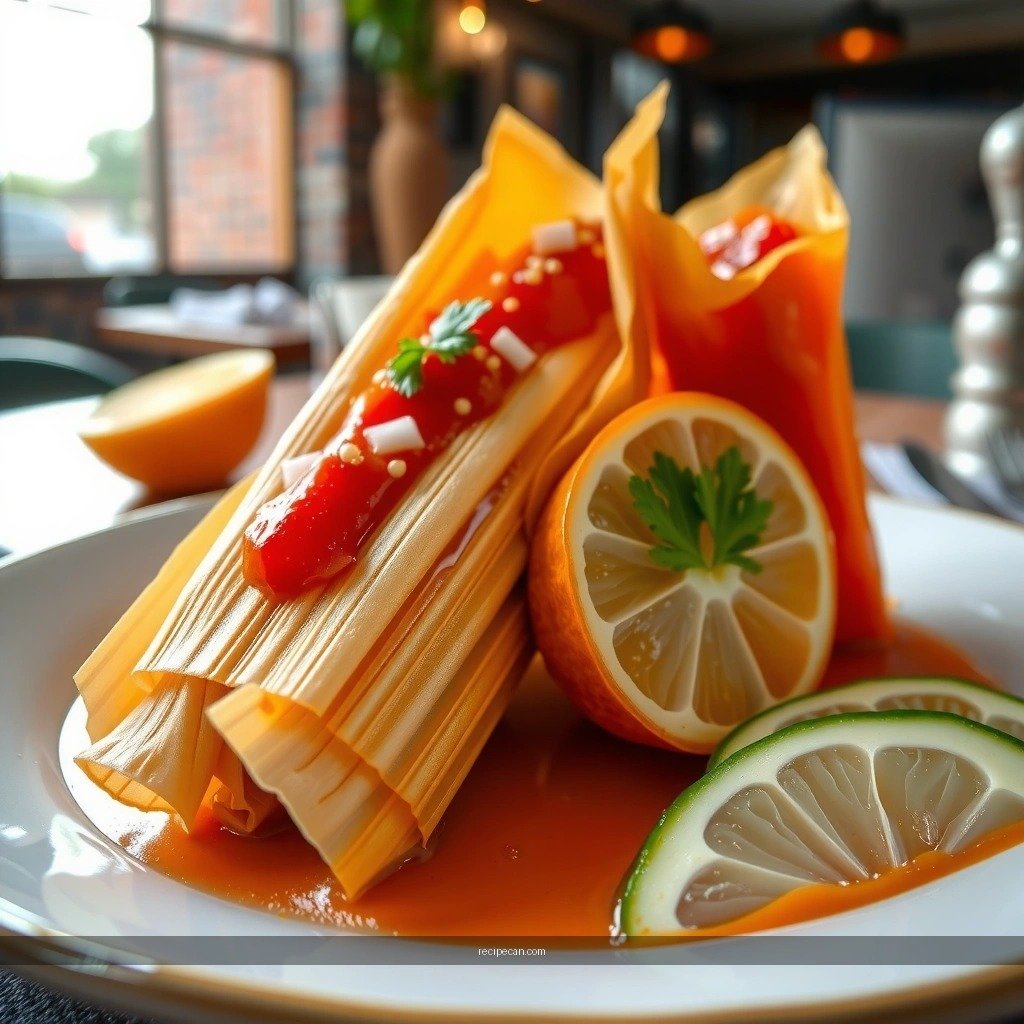
Assembly is where you translate your work into consistent results. Hot tamales cook evenly when the husks are prepared correctly and each tamale is filled and folded securely.
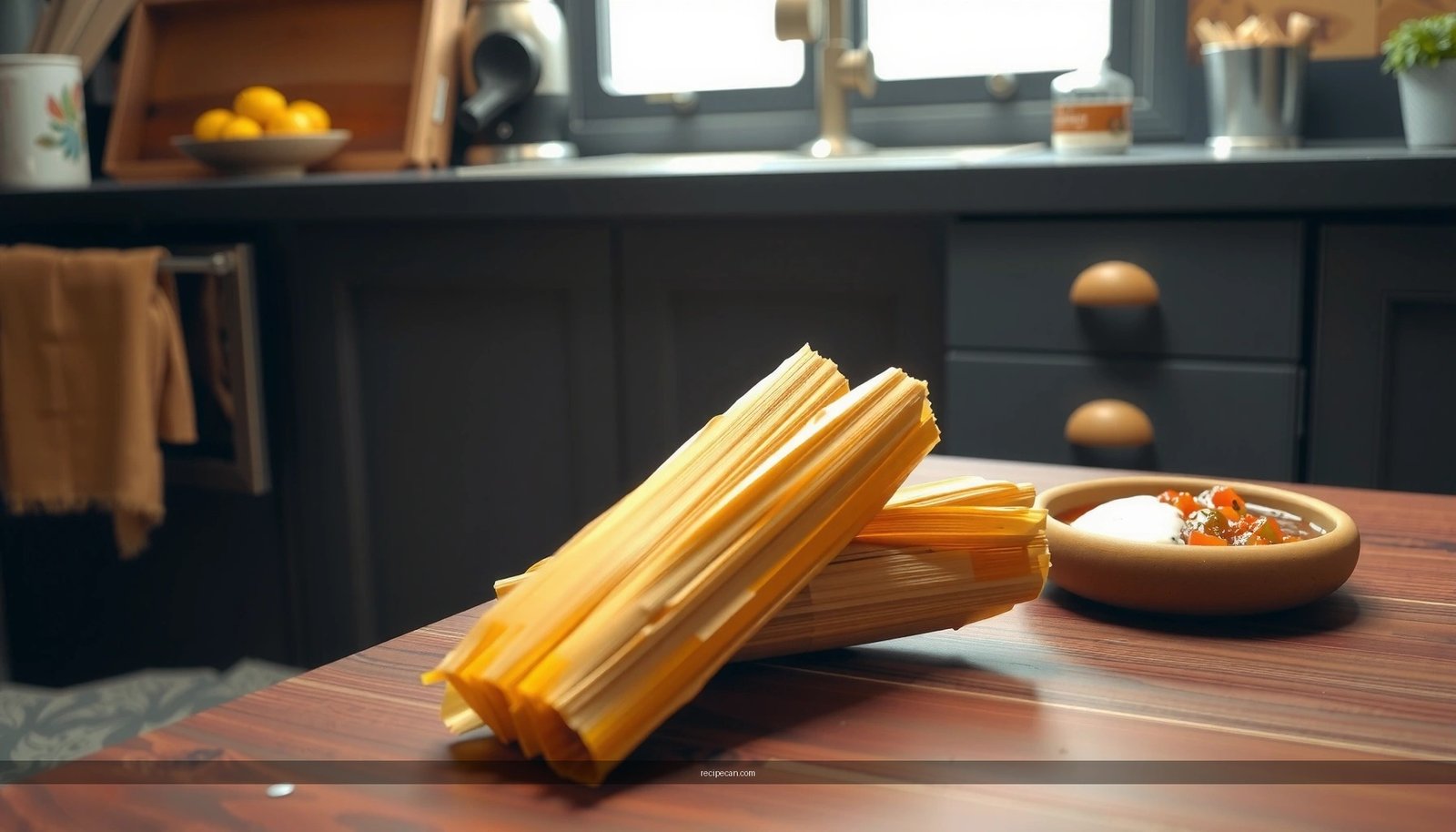
Soften and prep corn husks
– Soak corn husks in warm water until flexible (typically 20–40 minutes, depending on thickness).
– Drain and pat lightly dry so you’re not starting with dripping husks.
Spread, fill, fold—repeat with consistency
– Spread masa in a thin, even layer on the inside of the husk.
– Add filling in a line (don’t mound so high that it forces overflow).
– Fold and secure using the husk flap or a tie (some cooks use kitchen twine).
Pack for steady steaming
Arrange tamales in the steamer so they don’t collapse:
– Place them upright or snugly depending on your steamer design.
– Avoid overcrowding that blocks steam circulation.
– Tightly packed tamales typically steam more consistently—while leaving enough space for steam to flow.
Pro tip for uniform cooking
Aim for similar masa thickness and filling quantity across the batch. Even small differences can cause some tamales to overcook while others finish early.
Steam Hot Tamales Correctly
Steaming is the method that turns masa and filling into the tender, flavorful result you’re after. This step requires patience—but not guesswork. Use reliable indicators and maintain consistent steam.
Use enough water to create steam (not soak)
– Keep water in the steamer pot so it produces constant steam.
– Avoid letting the tamales touch or sit in water, which can lead to uneven texture and bland flavor dilution.
Steam until the masa “sets”
A dependable doneness sign for hot tamales is:
– Masa pulls from the husk when gently tested.
– The tamale interior is hot and the masa tastes tender, not dense.
Timing guidance
Because tamale size varies, cooking times are typically ~60–90 minutes for most homemade batches. Start checking at the 60-minute mark. If you’re making larger tamales, expect to go closer to 90 minutes.
Refill water as needed
If your water level drops too far, steam temperature fluctuates and the batch takes longer to finish. Refill as needed to keep steaming stable for the entire cook window.
Serve and Customize Your Heat Level
Hot tamales are ideal because they can be customized at two levels: in the filling and at the table. That flexibility makes them perfect for mixed spice preferences.
Top with classic, high-contrast toppings
– Salsa for brightness and acidity
– Crema or sour cream for cooling richness
– Extra chili sauce if you want more punch
Adjust heat without changing everything
– For hotter tamales: add hotter chiles to the filling (or increase the amount of chili sauce and reduce to thicken).
– For milder tamales: use fewer hot dried chiles and lean on smoky, aromatic spices like paprika or mild chili powders.
Garnish for freshness
A finishing touch keeps the flavors from feeling heavy:
– Cilantro
– Lime wedges for a fast, clean lift
Serving strategy
Serve tamales hot straight from the steamer. If you’re feeding a group, set out toppings so each person can calibrate their heat level without affecting overall cooking quality.
Storage and Reheating Tips
Good hot tamales are as good the next day—if you store and reheat them the right way. The main challenge with leftover tamales is dryness. The fix is simple: reheat with moisture.
Cool completely before storing
– Let tamales cool until warm, not hot.
– Store airtight in the fridge for up to several days or freeze for longer storage.
Best reheating methods
– Steam to re-warm: Place tamales back in a steamer and steam until hot throughout. This preserves texture best.
– Microwave (with moisture): Microwave with a damp paper towel and short bursts, checking frequently. This prevents the masa from drying out.
Keep leftovers moist
If the tamales dry during reheating, the masa can firm up and lose that tender feel. A damp towel, a steamer, and controlled reheating time are your best tools.
Flavor note
Many cooks find the chili flavor tastes even better after resting overnight—because the seasoning in the filling redistributes and melds with the masa.
Steaming is the key to getting tender masa and a juicy, spicy filling—so follow the assembly and timing closely. Try this hot tamale recipe once, then adjust your chili levels and filling for your perfect heat; make a batch, steam them properly, and serve hot with your favorite toppings.
Frequently Asked Questions
What is the best hot tamale recipe for a spicy, flavorful batch?
A great hot tamale recipe balances smoky masa, well-seasoned filling, and the right level of heat from chiles. Use masa harina mixed with warm broth or pork stock, then season lightly with salt so the tamales don’t taste flat. For the filling, simmer pork with roasted red chiles, garlic, onion, cumin, and oregano for a rich base that tastes great even when wrapped. Steam until the masa pulls away slightly from the husk for the best tender bite.
How do I make hot tamales ahead of time and reheat them without drying out?
To make hot tamales ahead, cook and steam them fully, then cool to room temperature and refrigerate in an airtight container. Reheat by steaming again until hot throughout, or microwave briefly with a damp paper towel and then rest covered. The key is moisture control—dry heat can turn masa crumbly—so keep a splash of water in the reheating process. For best results, avoid reheating too long in a microwave and instead finish with steaming for even heat.
How can I keep my hot tamale masa from being too dry or too runny?
Masa should be spreadable and hold shape when spooned; if it feels dry, mix in small amounts of warm broth a tablespoon at a time. If it’s too runny, let the masa rest so the flour hydrates, then mix again and add a little extra masa harina only if needed. Many people also improve texture by whipping or beating the masa until lighter before assembly. Consistent hydration is the difference between tender hot tamales and tough, crumbly ones.
Why do my hot tamales turn out tough, and how do I prevent it?
Tough tamales usually come from over-steaming, using cold or under-hydrated masa, or under-seasoning the dough and filling. Steam long enough for the filling to heat and the masa to set, but don’t keep them going after they’re done—overcooking dries the masa. Also ensure the masa is well-mixed and spreadable before wrapping so it cooks evenly. If you’re unsure, check doneness by looking for masa that pulls cleanly from the husk edges.
Which chili peppers work best for making hot tamale filling really spicy?
For a classic hot tamale filling, many recipes use guajillo and ancho peppers for smoky depth, then add heat with chile de árbol or cayenne depending on your spice tolerance. If you want bold “hot tamale” flavor without overwhelming heat, start by blending guajillo and ancho and then increase chile de árbol gradually. Toast dried chiles lightly before soaking to enhance flavor, then blend into a smooth sauce for even seasoning. This approach helps you dial in the heat while keeping the filling rich and balanced.
References
- Tamale
https://en.wikipedia.org/wiki/Tamale - https://www.britannica.com/topic/tamale
https://www.britannica.com/topic/tamale - Google Scholar Google Scholar
https://scholar.google.com/scholar?q=hot+tamale+recipe - Google Scholar Google Scholar
https://scholar.google.com/scholar?q=tamales+recipe+masa+nixtamalization+food+science - Google Scholar Google Scholar
https://scholar.google.com/scholar?q=chili+sauce+for+tamales+recipe - Masa
https://en.wikipedia.org/wiki/Masa_harina - Chili pepper
https://en.wikipedia.org/wiki/Chili_pepper - Cornmeal
https://en.wikipedia.org/wiki/Cornmeal - https://en.wikipedia.org/wiki/Mole_(sauce
https://en.wikipedia.org/wiki/Mole_(sauce - Husk
https://en.wikipedia.org/wiki/Corn_husk