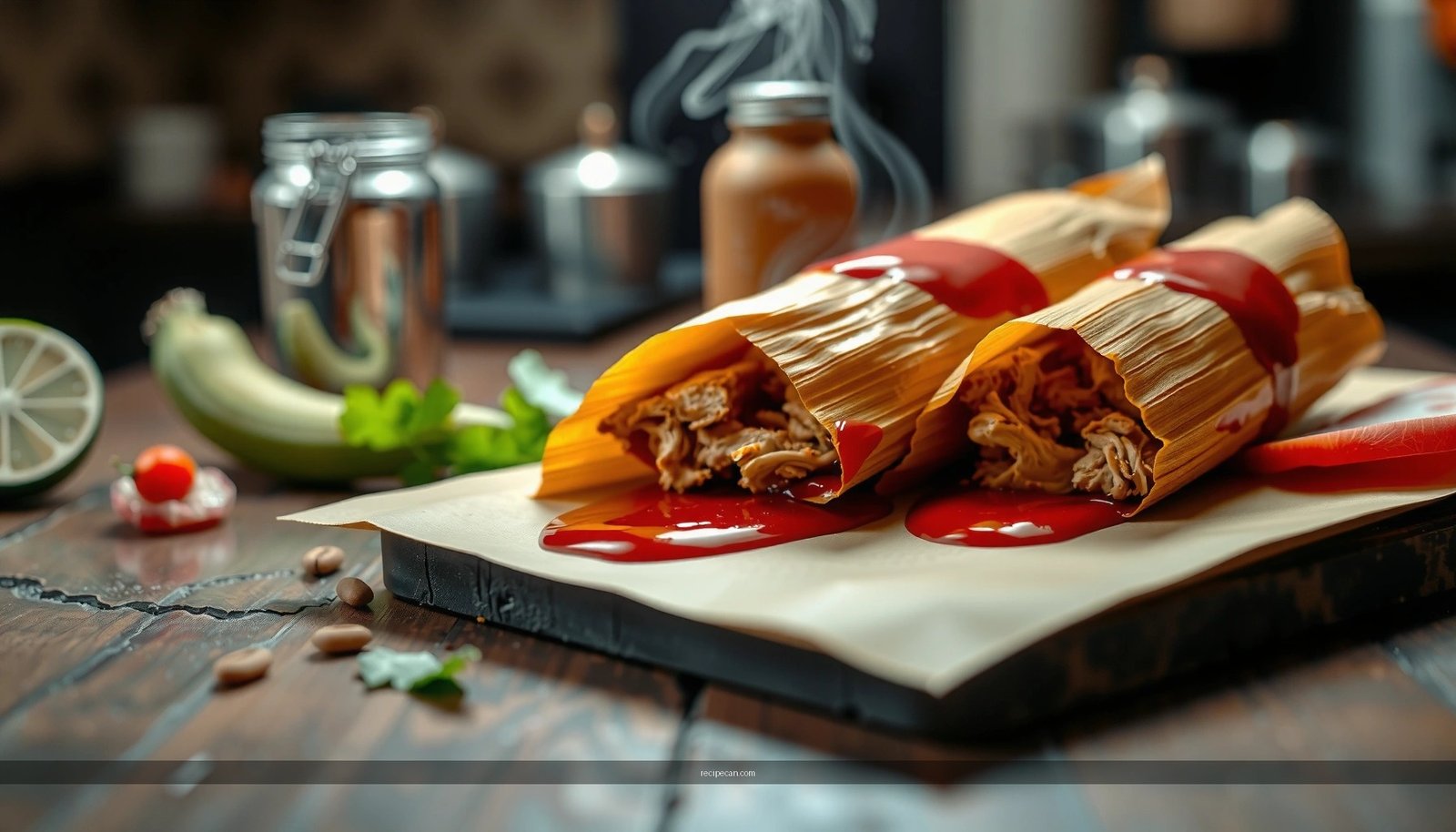
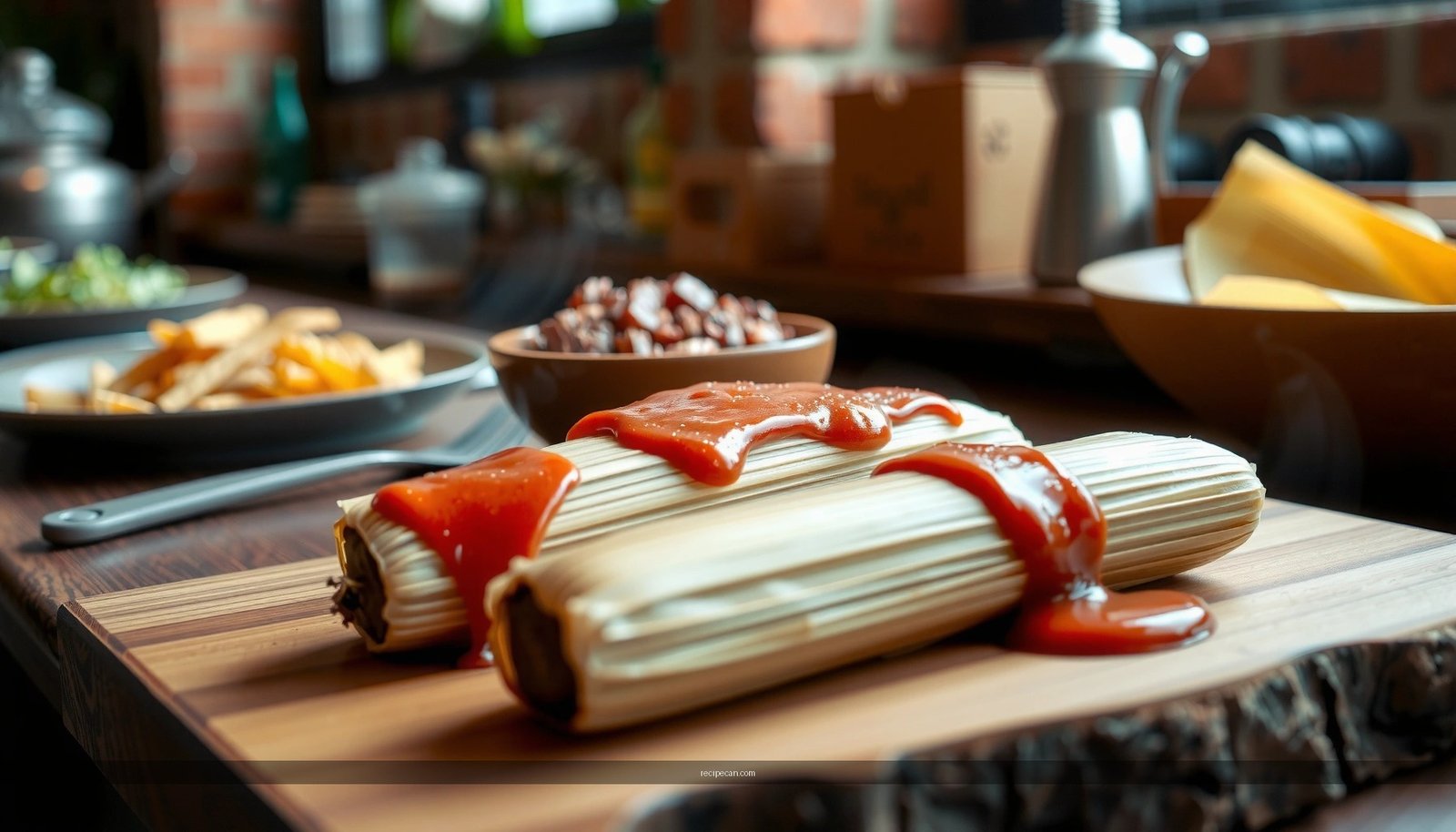
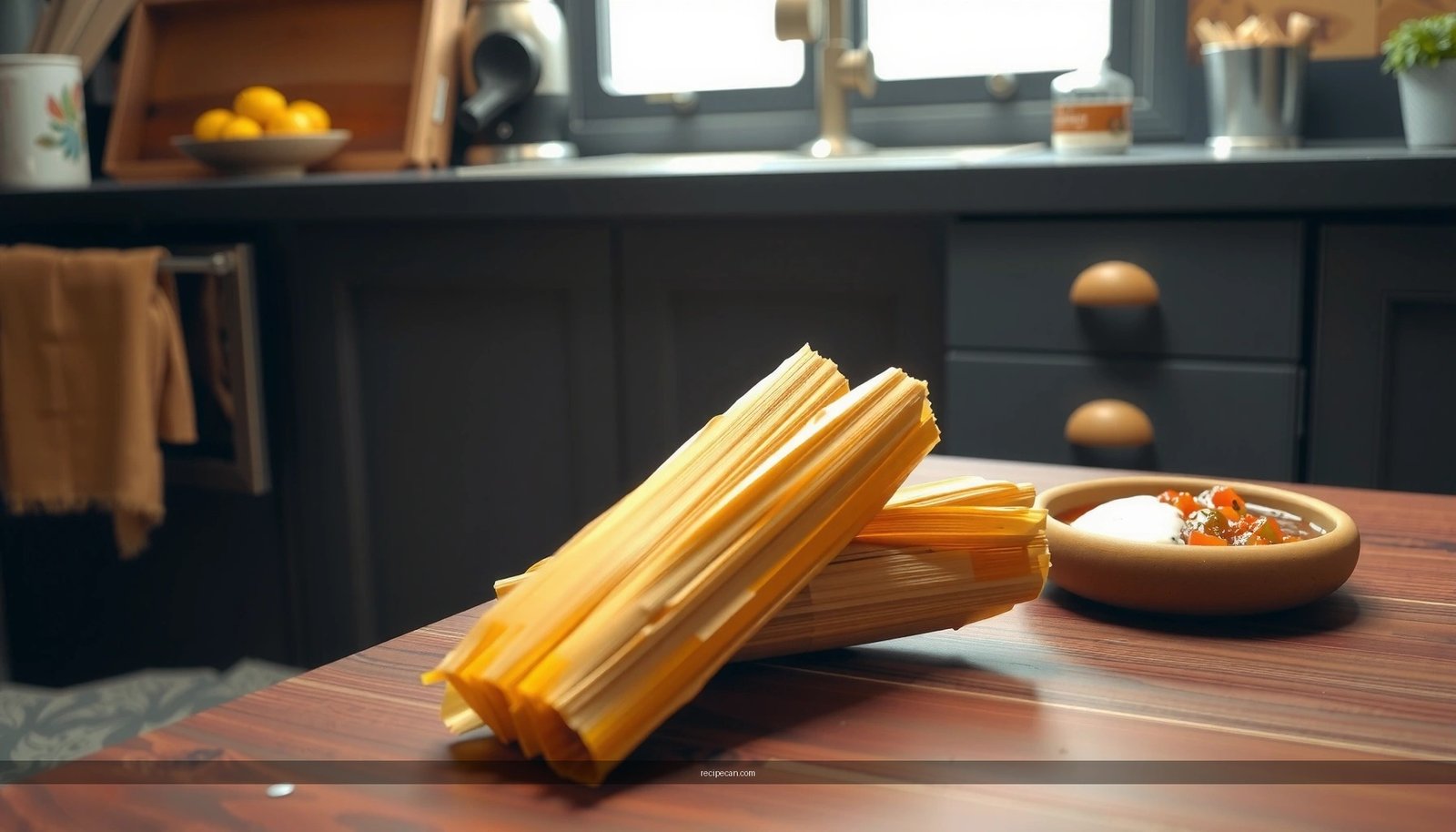
Get a traditional Mexican tamale recipe you can make successfully, with a step-by-step guide that takes you from masa to filling and steaming. This is the clear winner for home cooks who want authentic flavor and reliable results without guesswork. Follow these instructions exactly and you’ll serve tamales that are tender, properly set, and ready to eat.
Traditional Mexican tamales are made by preparing smooth masa, building a flavorful filling, and steaming them until the masa releases cleanly from the husk. If you follow the step-by-step process below—especially the consistency of the masa and the steaming technique—you’ll get tender, authentic tamales with classic flavor and texture every time.
In Mexico, tamales aren’t just food; they’re a practiced craft. Great results come from repeatable ratios, disciplined assembly, and steady steaming. Below is a reliable, traditional approach you can execute at home without guesswork—whether you’re making chicken, pork, or bean tamales for a family meal, batch cooking, or meal prep.
Gather Ingredients and Supplies
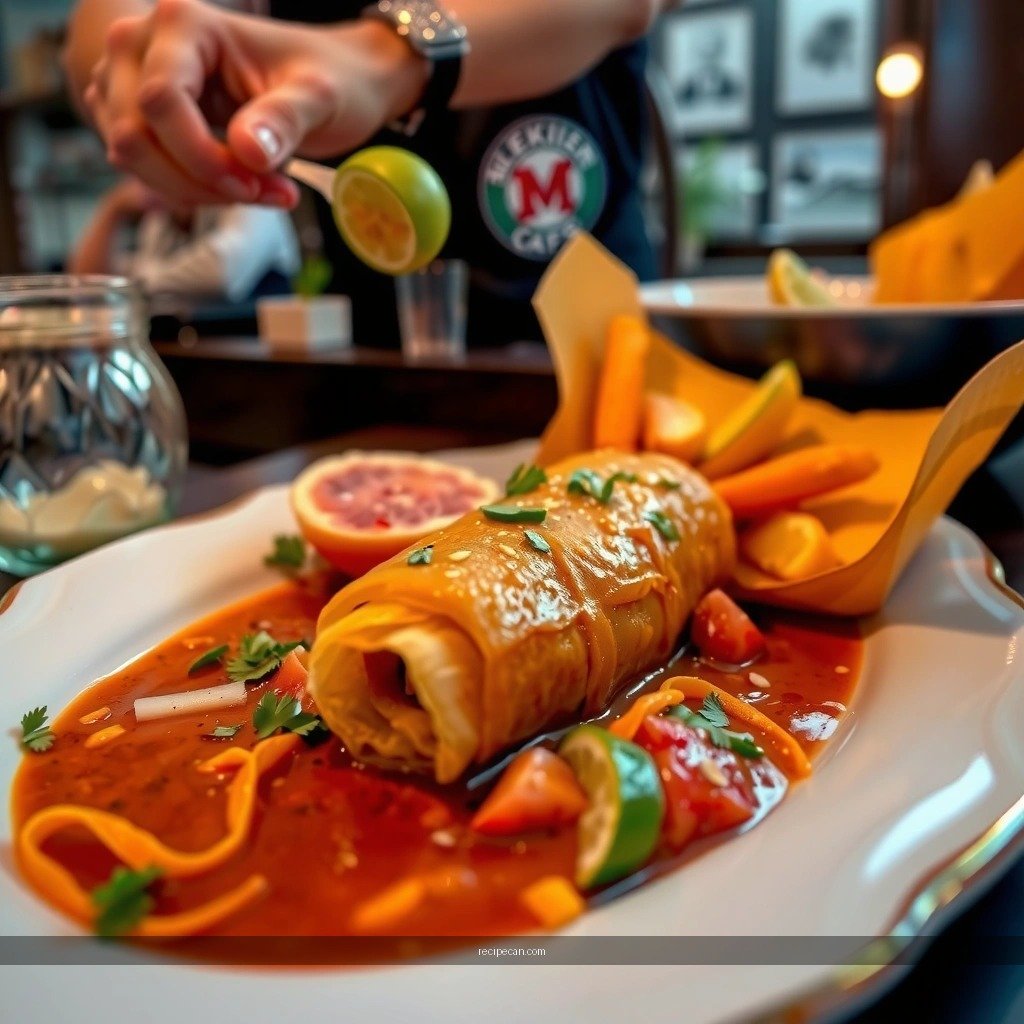
Start with the right inputs. Traditional tamales rely on masa harina (not flour), rendered fat (commonly lard), and a filling that’s cooked down until it clings to the meat or beans.
Core masa ingredients (classic):
– Corn masa harina (masa dough base)
– Lard (traditional) or butter (acceptable substitution; flavor/texture will vary slightly)
– Salt
– Baking powder (helps tenderize and lighten the masa)
Key tools for assembly and steaming:
– Husks (corn husks are traditional; banana leaves work in some regions)
– A steamer setup (pot + steamer rack or tamale steamer)
– Kitchen string (optional but useful for securing tamales)
– Large mixing bowl(s)
– Clean hands or spatula for spreading masa and assembling
Filling approach (choose one):
– Chicken cooked with aromatics and chiles until moist and savory
– Pork braised and shredded, then finished with chile sauce
– Beans cooked or mashed with enough sauce to stay juicy
Before you begin, set up a workstation: husks soaking, filling reheating (so it’s hot and spreadable), and masa ingredients measured. Tamales move faster once you start assembling.
Make the Traditional Tamale Masa
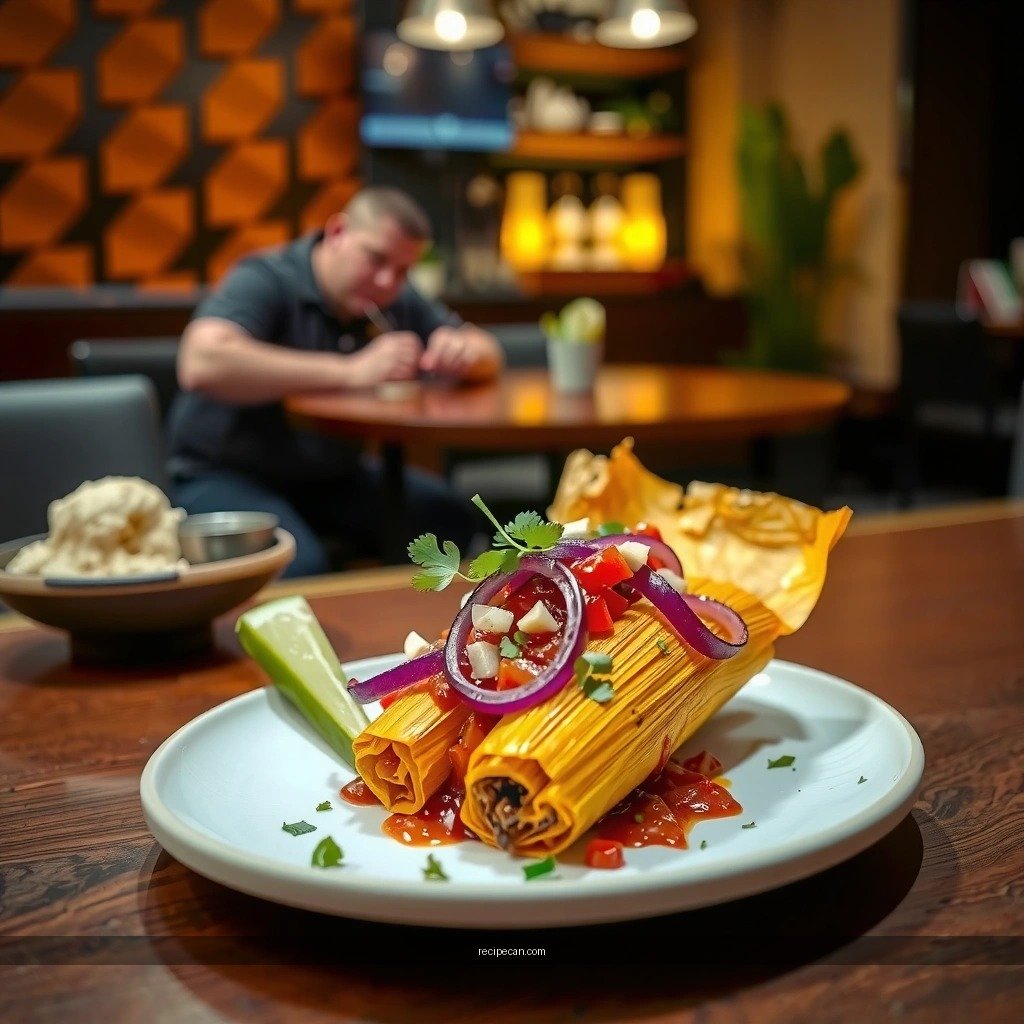
Your masa is the foundation of traditional Mexican tamales. The most common reason for tamales that turn out dense is incorrect consistency or insufficient aeration.
1. Bloom and warm the liquids
– Use warm broth or warm water (not boiling). Warm liquid helps the masa hydrate evenly and reduces lumps.
2. Mix the fat and seasonings into the masa
– Combine masa harina, salt, and baking powder.
– Add warm broth gradually, then mix until it forms a cohesive dough.
– Add lard (or softened butter) and continue mixing until smooth and spreadable.
3. Whip for lightness
– Traditional tamales often benefit from beating/whipping the masa. This adds aeration that improves tenderness.
– Mix until the dough looks slightly fluffy and can be spread without tearing.
4. Check consistency before assembling
– The masa should spread like thick frosting—firm enough to hold shape, but not dry or crumbly.
– If too thick, add warm broth a tablespoon at a time. If too soft, mix in a small amount of masa harina.
Practical benchmark: When you lift a spoonful, the masa should fall back slowly and hold ridges briefly. If it runs like batter, it’s too wet; if it cracks, it’s too dry.
Masa Quality Guide (What “Good” Looks Like)
| # | Target Trait | How to Check | Recommended Range | Expected Result |
|---|---|---|---|---|
| 1 | Spreadability | Spread a thin line on husk | Holds shape (no dripping) | Tender, even layer ★★★★☆ |
| 2 | Hydration | Pinch test | Soft and cohesive | No cracks after steaming ★★★★☆ |
| 3 | Aeration | Beat until lighter | Visibly fluffier than start | Lighter, more tender bite ★★★★☆ |
| 4 | Salt balance | Taste a tiny cooked pinch | Savory, not flat | Flavor carries with filling ★★★★☆ |
| 5 | Baking powder role | Observe final texture | Softer, less gummy | Improved mouthfeel ★★★★☆ |
| 6 | Moisture retention | Press lightly on husk | Stays cohesive, not watery | Pulls cleanly when done ★★★★☆ |
| 7 | Finish after steaming | Husk release test | Masa detaches cleanly | Firm but tender ★★★★☆ |
(Use this as a practical checklist. If your masa misses on spreadability or husk release, adjust consistency or continue steaming—don’t rush.)
Prepare the Classic Filling
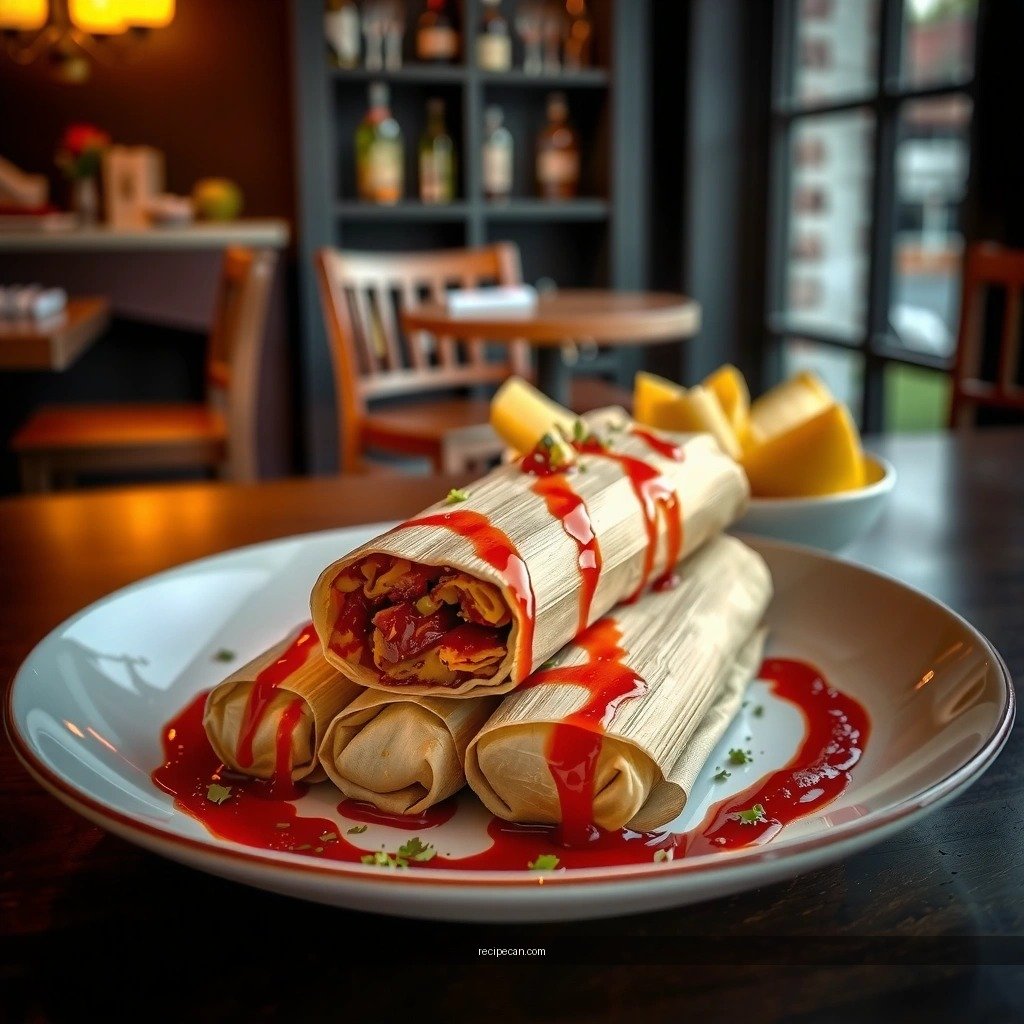
The filling is where traditional Mexican tamales become memorable. It should be fully cooked, well-seasoned, and moist enough that tamales don’t dry out during steaming.
1. Cook aromatics to build a flavor base
– Start with onion and garlic, then add chiles/spices (for example, guajillo, ancho, cumin, oregano, or chili powder depending on your style).
– Toasting spices lightly can deepen flavor without burning.
2. Simmer meat until tender
– For chicken: simmer until it shreds easily, then shred.
– For pork: braise until tender, then shred.
3. Finish with chile sauce and keep it moist
– Blend or reduce chile sauce, then mix shredded meat back into it.
– The goal: the filling should look saucy but not watery—think “coating,” not “pooling.”
4. Adjust salt and heat
– Taste the sauce and filling. Masa can mute flavors slightly, so err toward slightly bolder seasoning.
Pro tip for bean tamales: Beans should be mashed and thickened with a sauce (not plain, dry beans). If your filling is dry, tamales may taste bland or the masa will feel heavy.
Assemble and Wrap the Tamales
Assembling tamales is a process of consistency and control—especially when spreading masa and sealing the filling.
1. Soften husks
– Soak corn husks in warm water until flexible. They should bend without cracking.
– Drain briefly so they don’t release excess water.
2. Spread masa evenly
– Place husk flat. Add masa in an even layer, typically about the thickness of a soft cookie dough or thick frosting.
– Aim for coverage that reaches near the edges (but leaves room for folding).
3. Add filling down the center
– Spoon filling in a line. Don’t overfill; overflow creates gaps and uneven steaming.
4. Fold and secure
– Fold sides toward the center, then fold closed (or roll, depending on husk shape).
– Tie with kitchen string if needed to keep the seam closed.
Quality control during assembly: If your masa is too stiff, it tears and creates gaps. If it’s too loose, it won’t seal well. Adjust consistency before you commit to a full batch.
Steam the Tamales Until Perfect
Steaming is the “make or break” step. Traditional tamales depend on steady moisture and enough time for masa to cook through.
1. Set up a steady simmer
– Keep water at a gentle simmer, not a rolling boil.
– Add water as needed so the steaming environment stays consistent.
2. Steam in batches
– Don’t overcrowd. Tamales should have room for steam circulation.
3. Steam time
– Typical ranges: about 60–90 minutes for smaller tamales and up to 2 hours for larger ones.
– Times vary by steamer type, batch size, and tamale size.
4. Check doneness with the husk release test
– When tamales are done, masa pulls away from the husk cleanly.
– They should feel firm yet tender—not gummy.
5. Rest briefly before handling
– Let them rest 10–15 minutes. Masa sets slightly as they cool, making them easier to unwrap and more flavorful when served.
Avoid a common mistake: Don’t continuously open the steamer. Every lift releases heat and slows cooking.
Store, Reheat, and Serve
One advantage of making tamales at home is that they freeze beautifully—so you can plan meals around the effort.
1. Cool fully before storing
– Let tamales cool completely to prevent condensation, which can soften masa.
2. Refrigerate or freeze
– Refrigerate for short-term storage.
– Freeze for longer storage. Wrap well to protect from freezer burn.
3. Reheat properly
– Best method: steam until hot.
– Microwave can work, but use it carefully and consider covering to reduce drying. Steaming preserves the masa’s texture.
4. Serve with classic accompaniments
– Serve with salsa, crema (Mexican table cream), queso fresco, or extra salsa roja/verde depending on your filling.
Batch strategy: Make one larger filling base (like chile sauce) and portion it across multiple proteins—your tamale lineup becomes flexible for guests and family dinners.
—
Tasty traditional Mexican tamales come from well-seasoned masa, flavorful filling, and patient steaming. Focus on masa consistency, cook the filling until it’s properly moist, assemble without gaps, and steam until the masa pulls cleanly from the husk. Make a batch this week, then reheat them for easy, authentic comfort whenever you want.
Frequently Asked Questions
What is a traditional Mexican tamale recipe and what ingredients do I need?
A traditional Mexican tamale recipe typically includes masa harina (corn dough), fat like lard or vegetable shortening, baking powder, salt, and a flavorful filling such as red or green chile sauce, shredded chicken, or pork. You’ll also need dried corn husks (for steaming) or banana leaves, plus optional add-ins like broth for moistening and spices like cumin and garlic. Many regions season the masa differently and use specific chiles, so the ingredients can vary by state and family tradition.
How do I make authentic masa for tamales that’s fluffy and flavorful?
To make traditional tamale masa, combine masa harina with salt, baking powder, and warm broth, then beat in softened lard or shortening until the dough becomes smooth and airy. Many cooks use the “float test”: a small bit of masa should float in cool water, indicating good texture. If your masa feels dry, add a little more broth; if it’s too wet or sticky, sprinkle in small amounts of masa harina until it spreads and holds shape.
How do I prepare chile-based filling for traditional Mexican tamales?
For classic tamale fillings, soak dried chiles (like guajillo or ancho) in hot water until rehydrated, then blend into a smooth sauce with garlic, onion, cumin, and seasonings. Cook the chile sauce with your protein (such as shredded pork or chicken) until thick and rich, then keep it moist with some broth. This step matters because the filling should be flavorful and not watery; otherwise, tamales can turn gummy or lack depth.
Why do my tamales come out dry or tough, and how can I prevent it?
Dry or tough tamales usually come from masa that’s under-mixed, insufficient fat, or steaming too long without enough moisture. Make sure the lard is properly beaten into the masa for a tender crumb and use broth to achieve a spreadable consistency. When steaming, keep steady steam but avoid boiling water touching the tamales; if possible, add extra hot water to the pot during cooking to maintain an even steam level.
Which corn husks should I use, and what’s the best way to fold and steam tamales?
For traditional Mexican tamales, use dried corn husks that are pliable—soak them in warm water until soft, then pat dry before assembling. Spread masa on the husk, add a generous spoonful of chile filling, fold the sides in, and then tie or secure the tamale if needed. Steam in a steamer with water simmering steadily for about 1 to 2 hours (timing varies by tamale size) until the masa separates easily from the husk and feels set.
References
- Google Scholar Google Scholar
https://scholar.google.com/scholar?q=traditional+mexican+tamale+recipe - Google Scholar Google Scholar
https://scholar.google.com/scholar?q=how+to+make+tamales+mexico+masa+corn+husk+nixtamalization - Google Scholar Google Scholar
https://scholar.google.com/scholar?q=mexican+tamales+traditional+preparation+methods+history - Tamale
https://en.wikipedia.org/wiki/Tamale - Tamal – Wikipedia, la enciclopedia libre
https://es.wikipedia.org/wiki/Tamal - https://www.britannica.com/topic/tamale
https://www.britannica.com/topic/tamale - Masa
https://en.wikipedia.org/wiki/Masa_harina - Nixtamalization
https://en.wikipedia.org/wiki/Nixtamalization - https://en.wikipedia.org/wiki/Mole_(sauce
https://en.wikipedia.org/wiki/Mole_(sauce - Husk
https://en.wikipedia.org/wiki/Corn_husk