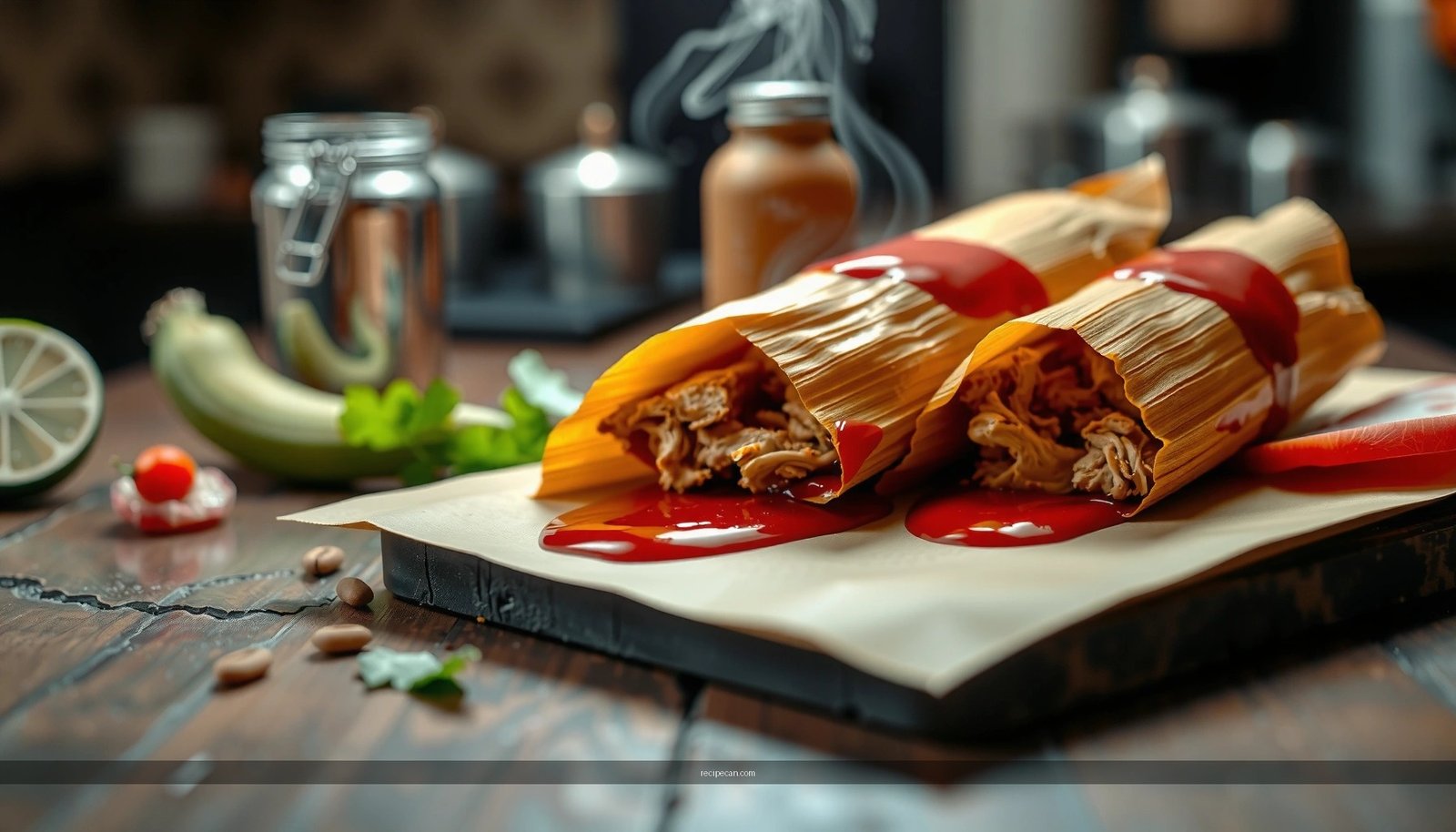
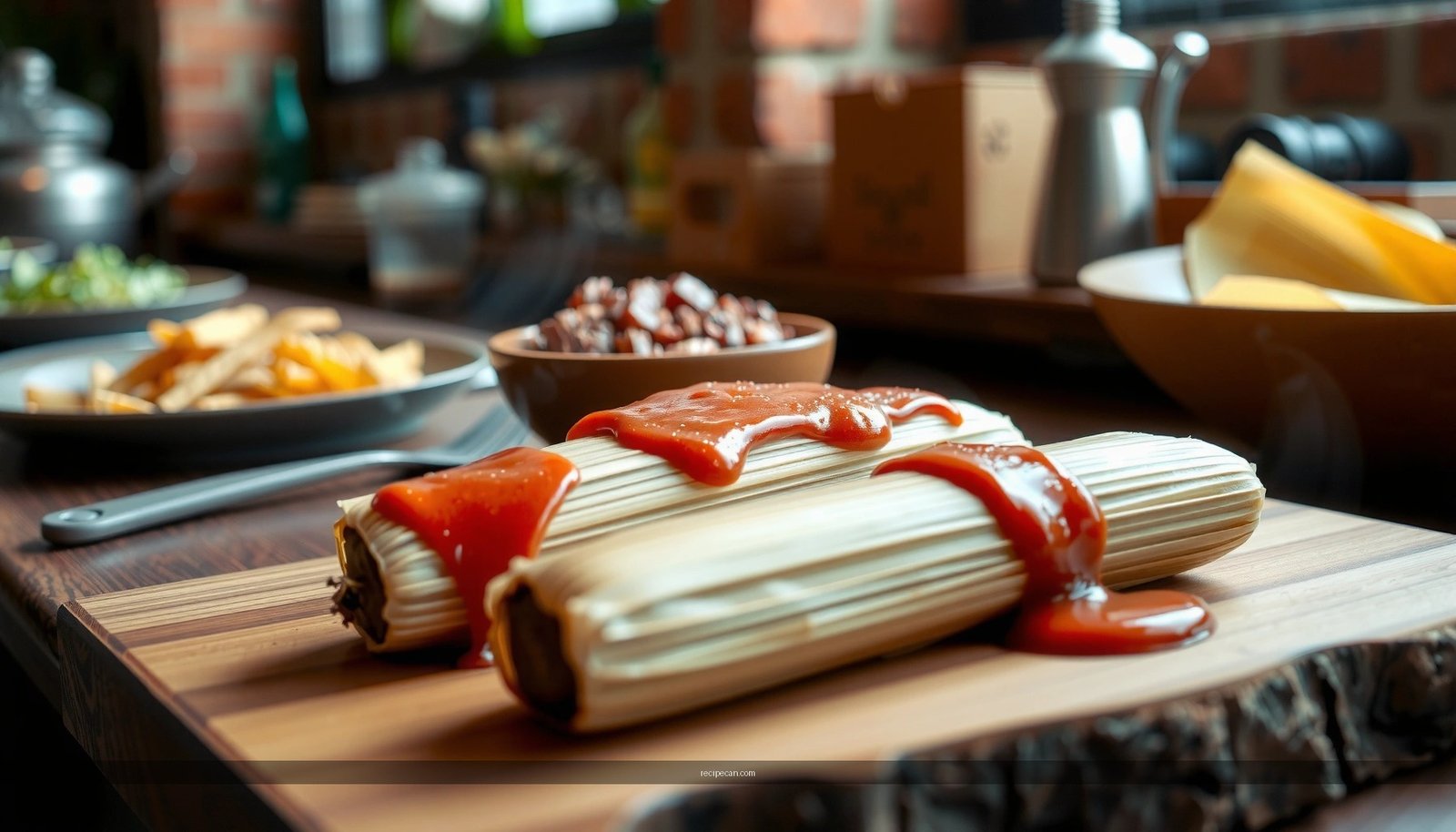
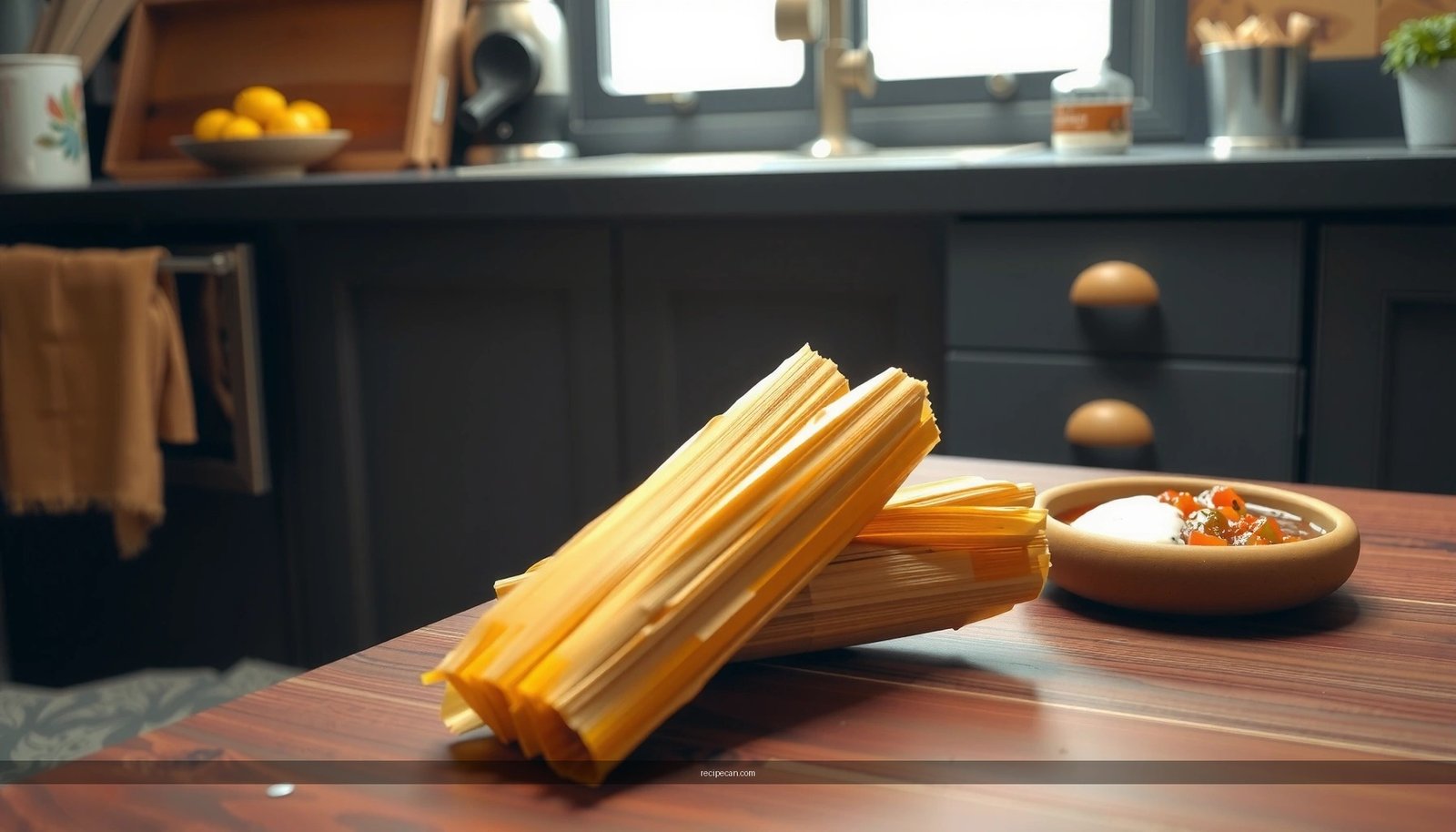
Find the best tamale masa recipes for easy, reliably smooth masa that bakes and steams up tender every time. This guide delivers the single go-to masa method—complete with the right hydration, fat-to-dough ratio, and seasonings—so your tamales don’t crack or turn out dense. If you want perfect results with minimal guesswork, this is the easy tamale masa approach to follow.
Use the right hydration and beat-in fat to get tamale masa that’s smooth, fluffy, and spreadable—then adjust only in small increments. This guide gives you dependable tamale masa recipes, ingredient insights, and practical troubleshooting so your masa behaves reliably from batch to batch.
Essential Tamale Masa Ingredients
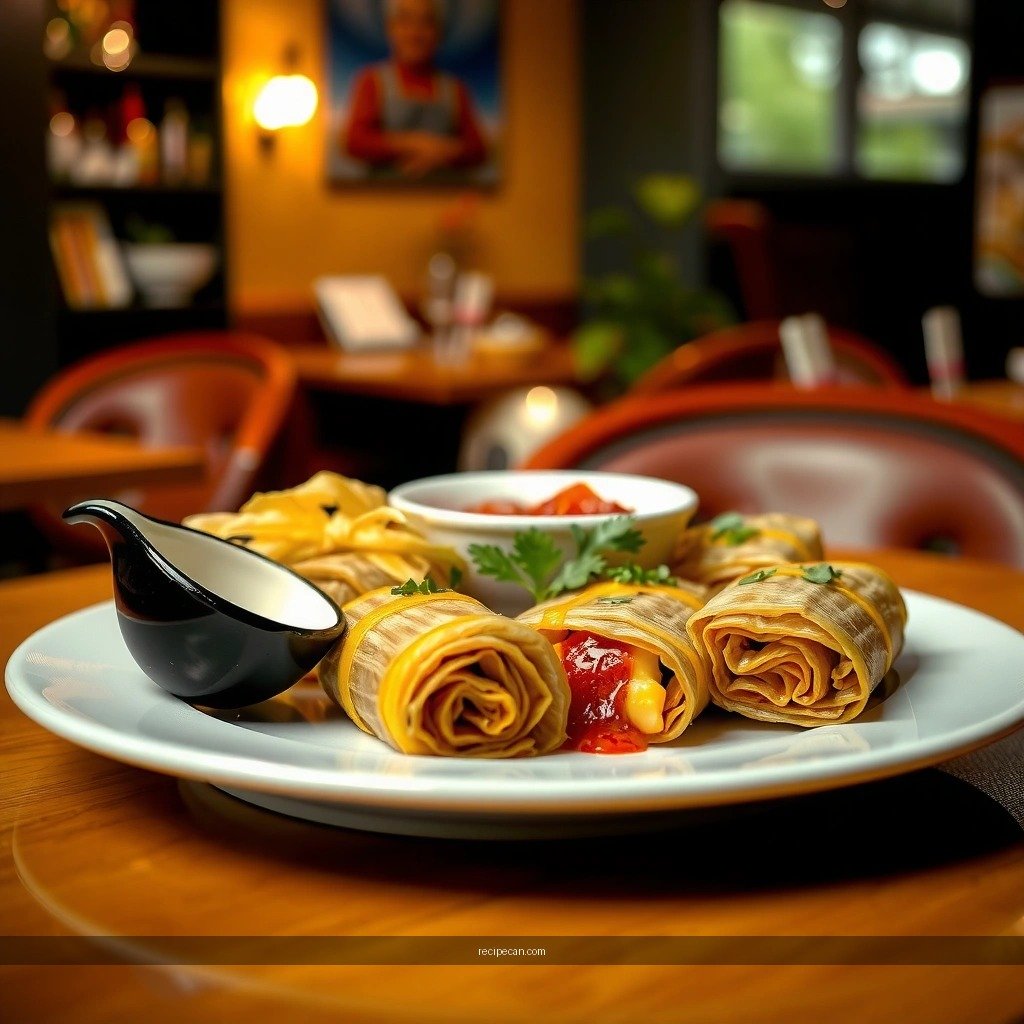
Tamale masa is essentially masa harina plus water (often warm broth) and fat, with salt and sometimes a leavening boost. The difference between “good” and “perfect” tamales is usually consistency: the masa should hold its shape, smear smoothly onto the husk, and steam into a tender, cohesive texture rather than turning gummy or crumbly.
– Use masa harina as your base and choose the right type for tamales
Masa harina is treated corn dough flour made for corn-based preparations. For tamales, look for masa harina specifically labeled for tamales or that clearly describes itself as “for tamales/other doughs.” Different masa brands can vary in grind, starch content, and how much water they absorb. Using a tamale-appropriate masa harina reduces the likelihood you’ll end up with dough that’s too thick or too loose.
– Add warm broth for hydration and fat (lard or oil) for tenderness
Warm broth does two jobs: it hydrates the masa harina evenly and helps develop a deeper savory flavor than plain water. For fat, lard is the classic choice because it produces tender structure and a silky mouthfeel; neutral oils can work too, but the texture can be slightly different. Regardless of which fat you use, mix until fully incorporated—undissolved fat streaks are a common cause of uneven texture.
– Salt and baking powder (if needed) help flavor and texture
Salt supports corn flavor and balances chile/filling richness. As for baking powder, many tamale masa recipes use it to lighten the crumb and improve texture, but it’s optional. If your masa harina brand already produces a good “rise” during steaming, you may not need it. If your tamales consistently come out heavy or dense, a small amount of baking powder can help—without turning the masa cake-like.
Tamale Masa Hydration Benchmarks (By Masa Harina Brand)
| # | Masa harina (reference brand) | Recommended broth per 2 lb (32 oz) | Start target consistency | Batch texture score |
|---|---|---|---|---|
| 1 | Maseca (tamales label) | 2.5 cups (590 ml) | Spreads, doesn’t drip | 9/10 ★ |
| 2 | La Cocina (cooking masa) | 2.25 cups (530 ml) | Holds shape on spoon | 8.6/10 ★ |
| 3 | Minsa (masafina-style) | 2.75 cups (650 ml) | Thick paste, smearable | 8.8/10 ★ |
| 4 | Instant-style masa harina (quick cook) | 2.1 cups (495 ml) | Spoon leaves peaks | 8.2/10 ★ |
| 5 | Stone-ground masa harina | 2.6 cups (615 ml) | Creamy, but not runny | 7.4/10 ★ |
| 6 | Gluten-free masa harina (corn-only) | 2.35 cups (555 ml) | Spreadable with elasticity | 8.5/10 ★ |
| 7 | Yellow-hominy style masa harina | 2.8 cups (660 ml) | Slightly looser after rest | 7.9/10 ★ |
Classic Tamale Masa Recipe (Basic & Reliable)
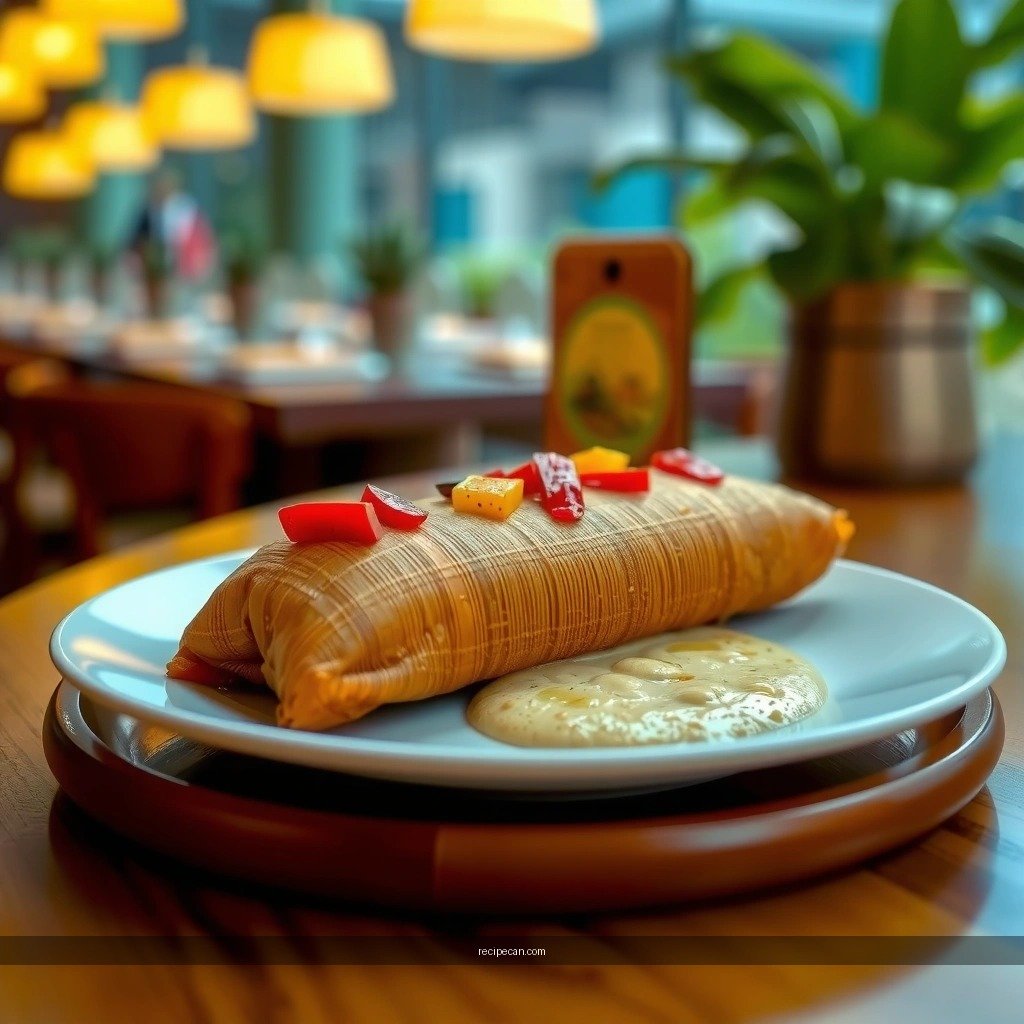
If you want tamale masa recipes that work “every time,” start with a classic ratio and then fine-tune hydration. Most masa problems come from skipping the brief rest or adding liquid too fast.
Makes: enough masa for ~24–30 tamales (depending on husk size and thickness)
Base ratios (easy baseline):
– Masa harina: 2 lb (about 907 g)
– Warm broth (chicken or vegetable): start with ~2.25–2.75 cups (530–650 ml)—you’ll adjust
– Fat: 1/2 to 3/4 cup (about 120–180 g) lard or neutral oil
– Salt: 1 1/2 tsp fine salt (adjust to taste)
– Baking powder (optional): 1 to 2 tsp
Steps
1. Hydrate the masa harina evenly
In a large bowl, combine masa harina and salt. Add warm broth gradually while mixing until no dry pockets remain. Your goal at this stage is a smooth, thick paste—not yet fully “whipped.”
2. Rest briefly for hydration to catch up
Cover and let the dough rest 10–20 minutes. This matters because masa harina continues absorbing moisture during rest; skipping it often leads to dough that later feels unexpectedly stiff.
3. Beat in fat thoroughly for a lighter, fluffier masa
Add soft fat (lard) or room-temp oil and beat vigorously for 3–6 minutes. A stand mixer with paddle attachment works well, but a sturdy hand mixer also does the job. Proper aeration improves spreadability and yields a tender bite.
4. Adjust with broth or masa harina to reach spreadable consistency
– If the masa is too thick, add warm broth 1–2 tbsp at a time, mixing well.
– If the masa is too soft/runny, sprinkle in 1–2 tbsp masa harina, mix, and re-check after a short pause.
Consistency test (practical):
Scoop a spoonful and spread it on the husk. It should spread into a smooth layer and keep its shape at the edges without tearing holes or sagging like batter.
Flavor Variations for Tamale Masa
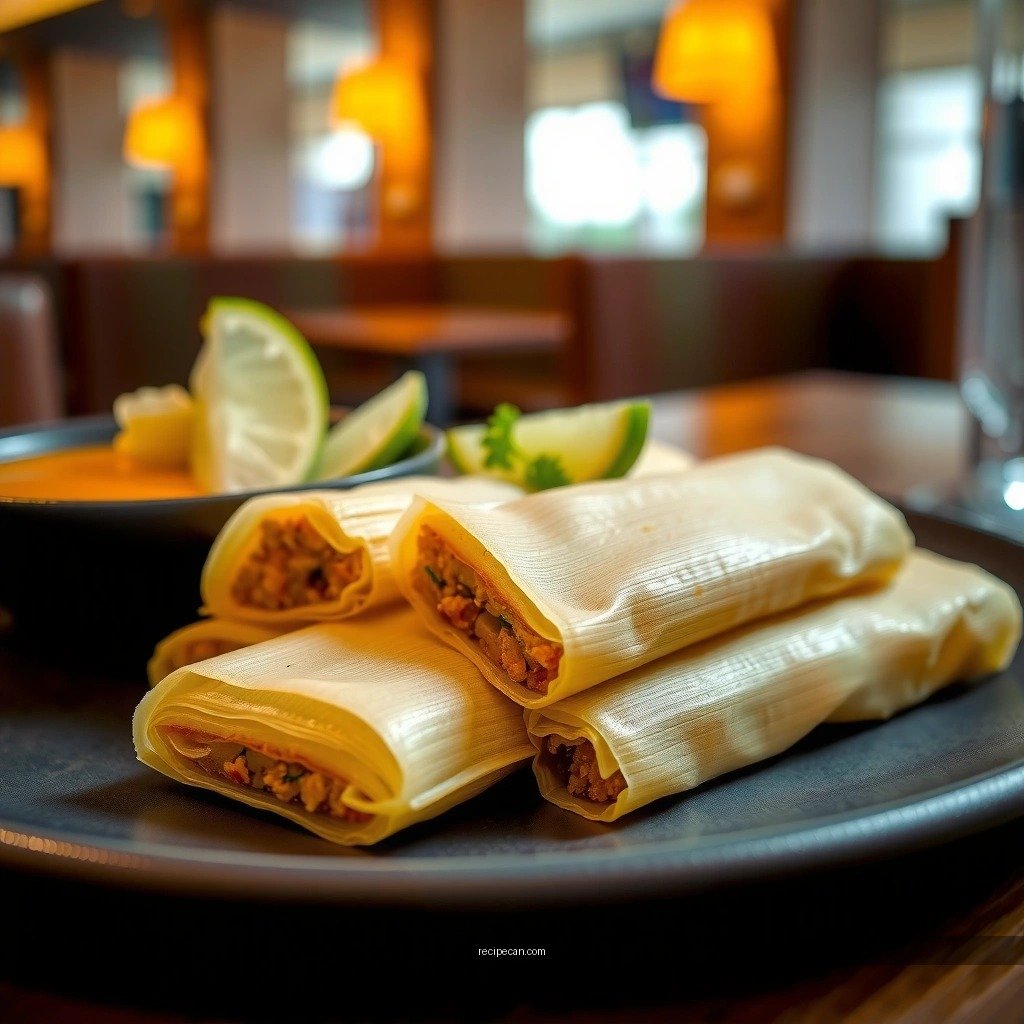
Once you’ve nailed texture with a classic base, flavor becomes customization—without breaking the structure. The masa is meant to support the filling, not compete with it, so choose seasonings that complement your protein and chile profile.
– Add chili, garlic, cumin, or broth seasoning for extra depth
Consider whisking mild chile purée (or chile powder rehydrated in hot broth) directly into the broth before hydration. For garlic and cumin, use them sparingly—these are powerful in corn dough. A good starting point is 1–2 tsp ground cumin per 2 lb masa, and 1–2 tsp garlic powder or 1–2 tbsp finely minced garlic (depending on intensity).
– Use different broths (chicken, vegetable) to match your filling
– Chicken broth pairs naturally with pork, chicken, and mild chile sauces.
– Vegetable broth keeps masa lighter for bean, cheese, and roasted chile fillings.
If your broth is already well-seasoned, reduce added salt slightly.
– Keep flavor balanced so the masa supports—never overwhelms—the filling
A common professional-grade approach is to make masa taste slightly “under-seasoned” on its own, then rely on the filling for boldness. When masa tastes fully seasoned by itself, it often amplifies beyond the filling during steaming.
Quick strategy:
Make two small test batches—one plain (classic base) and one flavored with your intended seasoning—then evaluate how the steamed masa tastes with a representative spoonful of filling.
Getting the Right Masa Texture
Texture is your primary success factor. Tamale masa should be cohesive, elastic, and spreadable enough that you can form an even layer without it cracking.
– Aim for masa that holds shape and spreads without tearing
Think “soft frosting,” not pancake batter. When you lift a spatula, the masa should mound briefly and then relax—not collapse into liquid.
– If it’s too thick, add broth a little at a time
Add broth gradually and mix thoroughly. Because masa absorbs water over a few minutes, you’ll often see the texture “change” after the first 30–60 seconds of mixing. Don’t over-correct.
– If it’s too soft, mix in a small amount of masa harina and re-check
For runny masa, add masa harina in small increments. After each adjustment, give it a 5–10 minute rest; the starch hydrates and tightens the dough.
Common texture “feel” cues
– Too stiff: looks clumpy, won’t spread smoothly, tears when applied to husks.
– Too wet: smears too thin, edges slump, and masa separates from husk during steaming.
– Just right: spreads evenly, holds ridges from a spatula, and steams into a tender, sliceable tamale.
Common Mistakes (And How to Fix Them)
Even experienced cooks run into problems. The key is diagnosing the cause fast and correcting with targeted adjustments.
– Lumpy masa: ensure broth is warm and mix until smooth
Lumps often come from cold liquid or rushed mixing. Use warm broth and mix until fully integrated. If lumps remain, pause and let the dough hydrate, then mix again.
– Dense tamales: whip/beat fat well and don’t skip resting
Density is usually fat-incorporation and aeration issues, or insufficient hydration time. Beat until the masa looks smoother and lighter. Resting allows moisture distribution so the dough steams evenly.
– Flavor issues: adjust salt gradually rather than all at once
Over-salting is hard to reverse. Add salt in increments, taste after resting, and remember that steaming slightly mutes perceived salt.
Pro troubleshooting workflow (fast)
1. Check texture first (thick vs. runny).
2. Then check fat incorporation (does it feel light and cohesive?).
3. Finally tune salt/chile seasoning after the dough rests.
How to Store and Prep Tamale Masa
Meal prep and batch cooking are where masa technique pays off. Proper storage preserves hydration so masa stays spreadable when you’re ready to assemble.– Refrigerate covered masa and use within a few days for best results
Store masa in an airtight container to prevent drying. Most cooks get best results using refrigerated masa within 2–3 days. After that, you can still use it, but you may need slight broth adjustments.
– Bring masa to workable temperature before assembling
Cold masa tends to feel stiffer. Let it sit at room temperature 20–30 minutes, then mix briefly. If needed, correct with a small splash of warm broth.
– Freeze in portions and thaw in the fridge before use
Freeze masa in portions for easier batch management. Thaw overnight in the refrigerator, then mix and adjust hydration as needed. Freezing can tighten dough slightly, so expect a small broth or rest adjustment.
Storage tip for consistency:
If you plan to freeze, portion your masa into amounts you normally use for an assembly session, so you can standardize hydration corrections across future batches.
You’ll get consistently delicious tamale masa by following a dependable base recipe, beating in fat for a fluffy texture, and adjusting hydration to the right spreadability. Pick one classic tamale masa recipe to start, test the consistency, then customize flavor to match your filling—try your first batch this week and refine from there.
Frequently Asked Questions
What is the best tamale masa recipe ratio for masa to filling?
A common starting point is about 2 cups of masa harina to 1 to 1¼ cups of warm liquid (broth or water), plus salt to taste. For a well-structured tamale, mix until the masa is soft and spreadable but not runny. Many cooks rely on the “float test” and add more liquid a little at a time until the masa stays fluffy and holds shape. Adjust based on the brand of masa harina, since some absorb more liquid than others.
How do you make tamale masa from scratch and get the right texture?
Start by hydrating masa harina with warm broth, then rest the mixture for 10–20 minutes so the grains fully absorb moisture. Whip or beat the fat (usually lard or vegetable shortening) until light, then fold it into the masa for a tender, airy tamale masa. The ideal texture is smooth and spreadable—like thick frosting—so it spreads easily without tearing. If it feels dry or crumbly, add broth 1 tablespoon at a time; if it’s too wet, add a few spoonfuls of masa harina.
Why does my tamale masa come out dry or crumbly, and how can I fix it?
Dry, crumbly tamale masa usually means the masa harina didn’t hydrate fully or the mixture lacks enough warm liquid. It can also happen if the fat wasn’t creamed well, making the masa less tender and cohesive. To fix it, add warm broth gradually and mix thoroughly, then let it rest again for 10 minutes before assembling. For next time, measure accurately and use warm broth to improve tamale masa consistency.
Which fat is best for tamale masa—lard or shortening?
Both lard and shortening work, but lard is a traditional choice that many people say gives richer flavor and a more authentic tamale masa texture. Shortening can also make masa tender and creamy, and it may be easier to work with for some cooks. If you use lard, keep it at room temperature so it creams smoothly into the masa, which helps prevent a dense dough. Choose based on flavor preference and dietary needs, but either can produce excellent homemade tamale masa recipes.
How do you know when tamale masa is ready to spread on the husks?
Ready tamale masa should be smooth, elastic, and hold a soft shape when spread—without cracking or sliding off the husk. A practical check is the “spoon or spread test”: it should spread like thick frosting and stay in place when you lift the spoon. For extra certainty, some cooks use the float test—when mixed correctly, a small spoonful may float slightly in water. If the masa looks grainy or won’t spread, mix longer and add warm broth slowly to reach the proper tamale masa consistency.
References
- Tamale
https://en.wikipedia.org/wiki/Tamale - Masa
https://en.wikipedia.org/wiki/Masa_harina - Nixtamalization
https://en.wikipedia.org/wiki/Nixtamalization - https://en.wikipedia.org/wiki/Masa_(food
https://en.wikipedia.org/wiki/Masa_(food - https://www.britannica.com/topic/tamale
https://www.britannica.com/topic/tamale - Google Scholar Google Scholar
https://scholar.google.com/scholar?q=tamales+masa+harina+recipe - Google Scholar Google Scholar
https://scholar.google.com/scholar?q=homemade+masa+for+tamales+nixtamalization - https://scholar.google.com/scholar?q=corn+dough+masa+composition+tamales+study Google Scholar
https://scholar.google.com/scholar?q=corn+dough+masa+composition+tamales+study - https://pubmed.ncbi.nlm.nih.gov/?term=nixtamalization+corn+dough
https://pubmed.ncbi.nlm.nih.gov/?term=nixtamalization+corn+dough - https://pubmed.ncbi.nlm.nih.gov/?term=masa+harina+water+lard+emulsion+corn+dough
https://pubmed.ncbi.nlm.nih.gov/?term=masa+harina+water+lard+emulsion+corn+dough