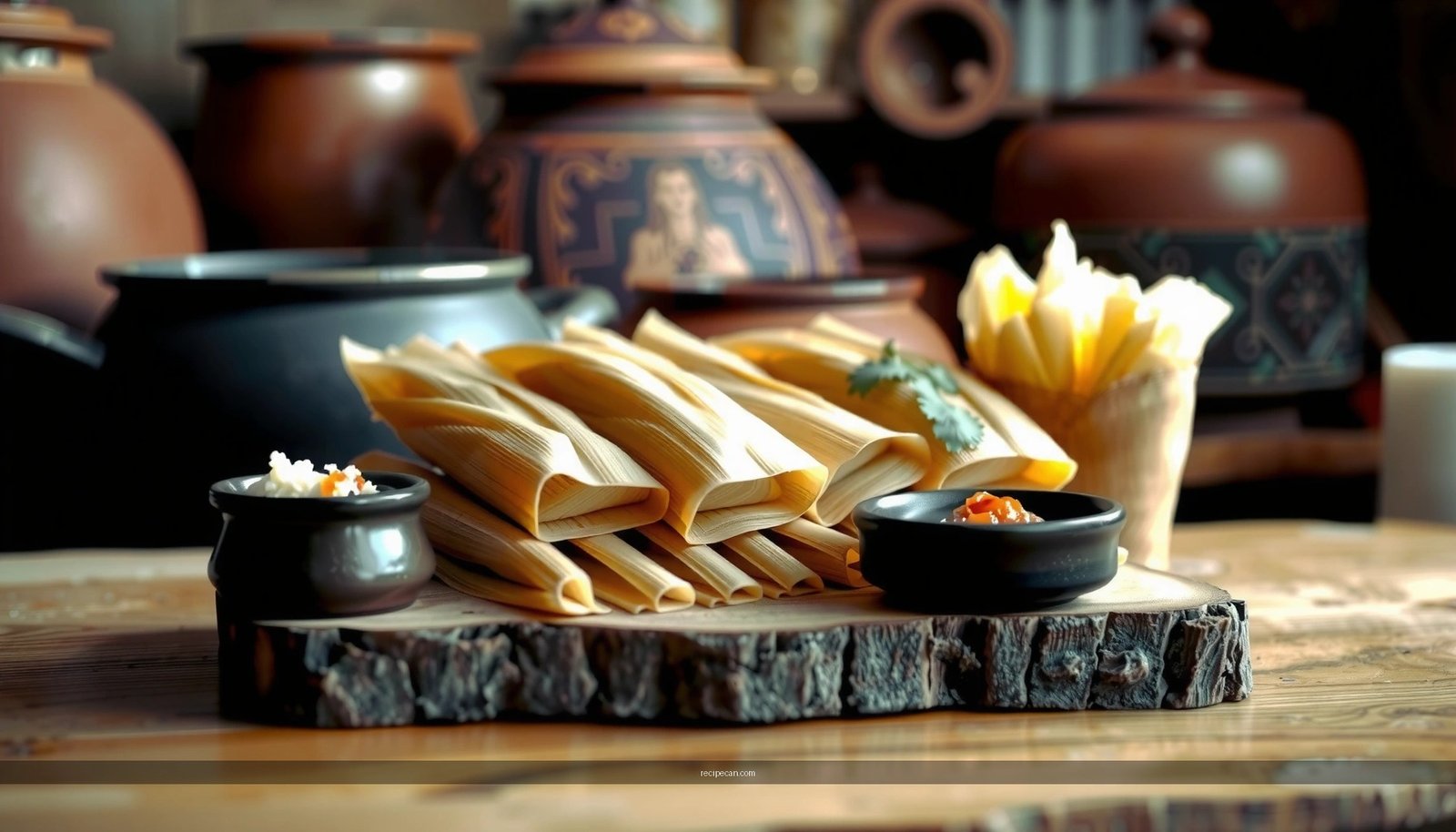
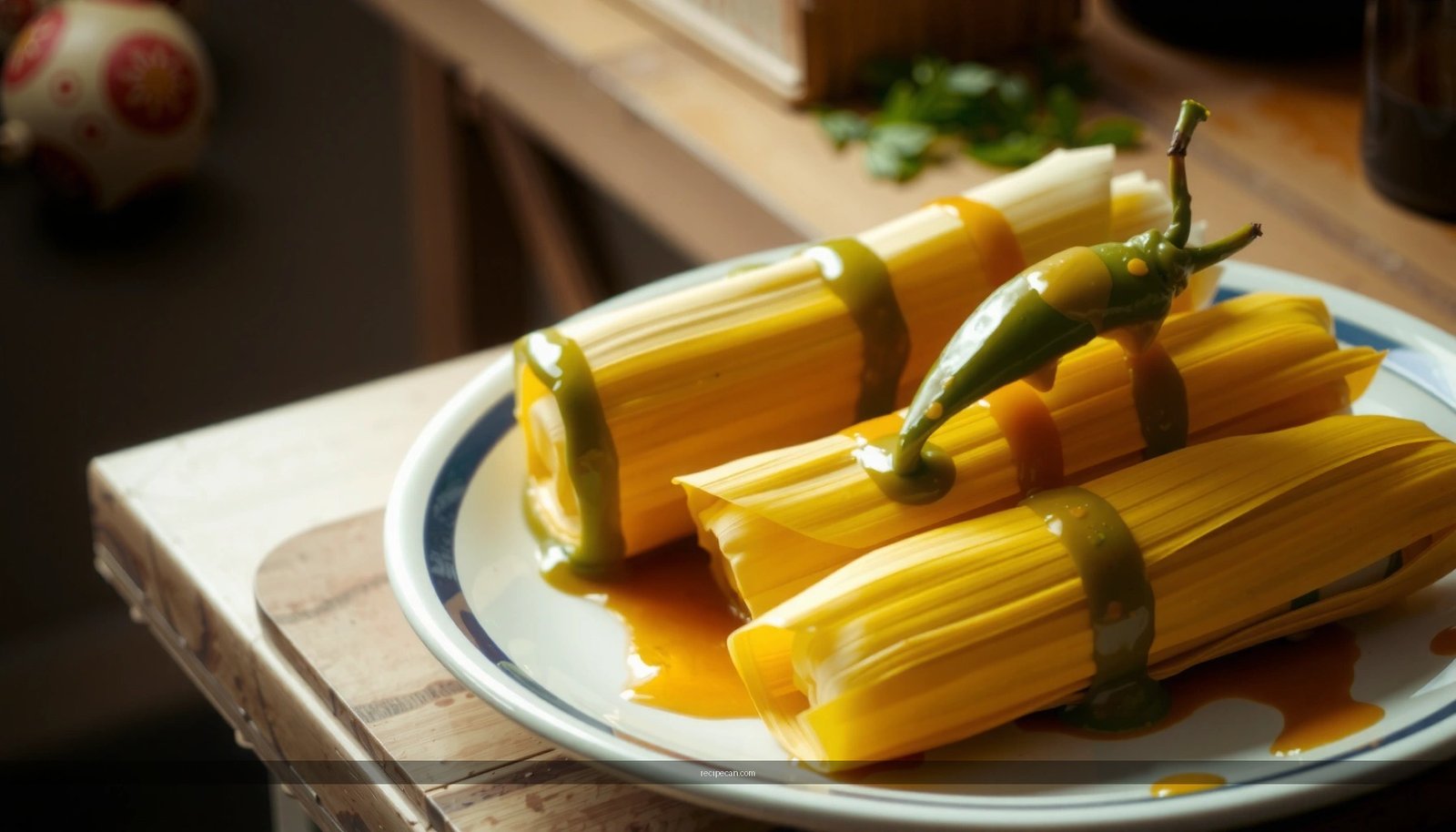
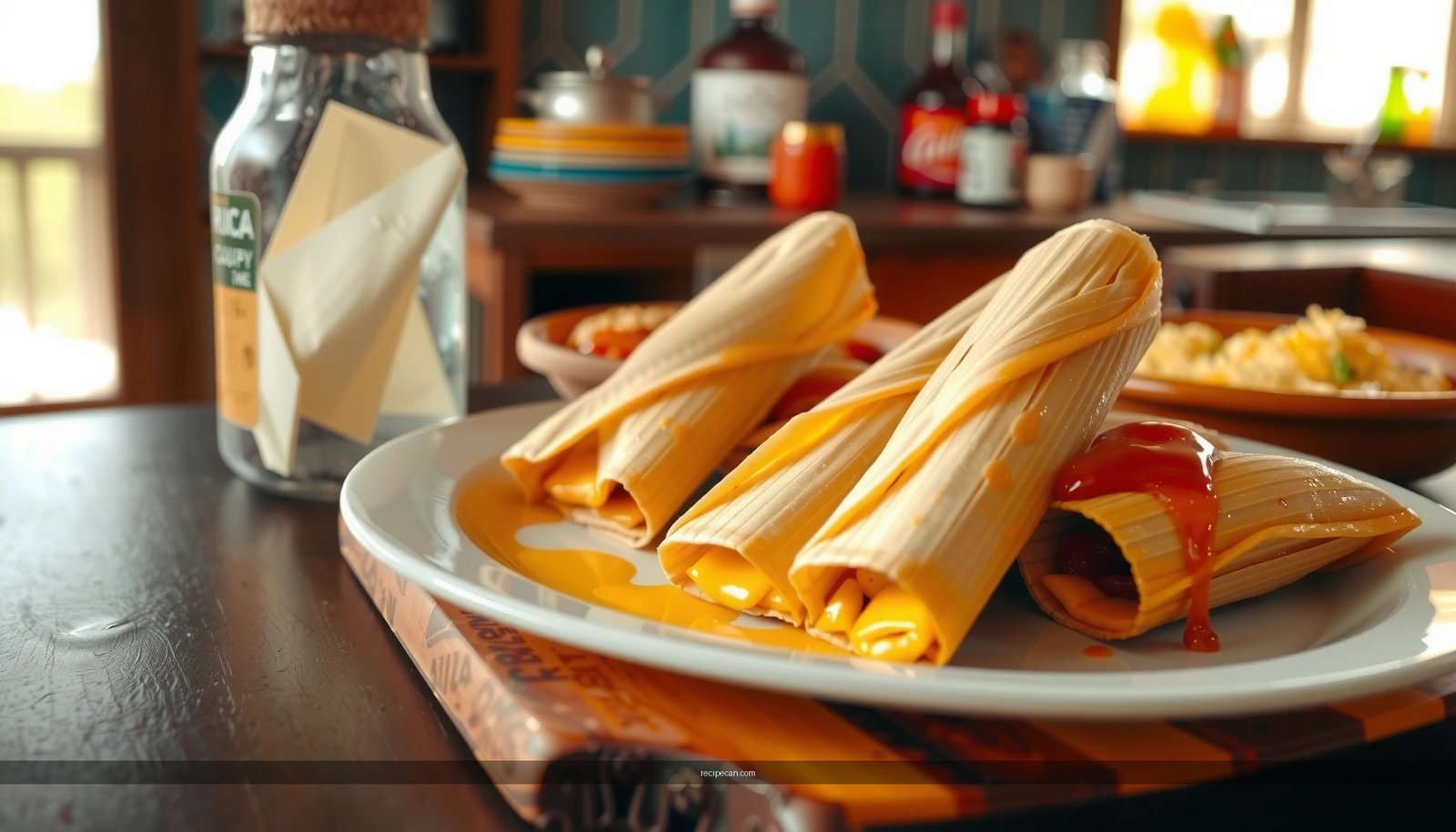
Get a foolproof masa recipe tamales that turns out tender, spreadable homemade masa every time—no bland or gritty results. This guide gives you the exact ingredients and step-by-step method to cook tamale masa with consistent texture and rich flavor. If you want easy homemade masa for tamales that actually holds up when you steam, this is the version to follow.
Yes—this masa recipe makes perfect, flavorful tamales by using masa harina, warm liquid, and fat in the right proportions to create smooth, cohesive dough that steams evenly. In the sections below, you’ll learn how to mix and rest masa for the ideal spreadable texture, how to season it so it tastes balanced (not bland or greasy), and how to assemble tamales that stay intact and cook through without dry spots.
Gather Ingredients for Masa Recipe Tamales
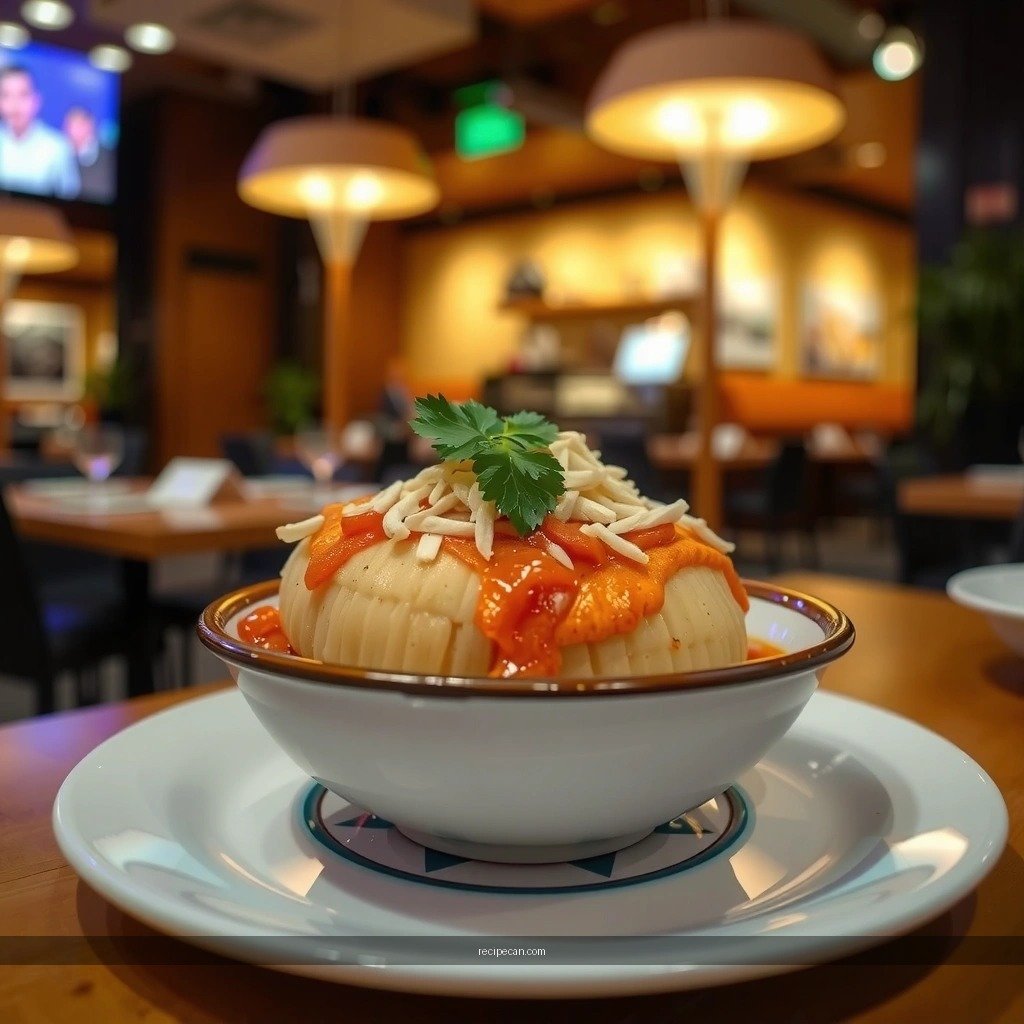
A reliable masa recipe starts with a dependable base: masa harina plus the correct liquid temperature, fat, and leavening. The goal is consistent hydration and tenderness, so your tamales don’t crack, turn gummy, or separate during steaming.
Core ingredients (reliable and easy to source):
– Masa harina: The essential flour for traditional tamales. Use *nixtamalized* masa harina for best flavor and binding.
– Warm water or broth: Warm liquid helps hydrate masa harina faster, which improves smoothness and reduces lumping.
– Baking powder (small amount): Provides lift and a tender crumb after steaming.
– Salt: Essential for flavor development; masa without salt tastes flat even if it’s perfectly textured.
– Fat (typically lard; can use alternatives): Lard gives classic taste and texture. You can also use vegetable shortening or a neutral oil, but texture may be slightly different.
Recommended ingredient ratios (works as a foundation):
– For roughly 30–36 tamales (depending on size), a practical benchmark is 2 cups masa harina with ~1 1/2 cups warm broth/water, ~1/3 cup fat, 1–1 1/2 tsp baking powder, and 1 1/2 tsp salt—then adjust seasoning to taste and texture after mixing.
Fat choice matters (texture + flavor):
– Lard: Traditional, rich, and helps masa spread evenly.
– Vegetable shortening: Good substitution with a milder flavor; often yields a slightly firmer bite.
– Neutral oil: Works, but some cooks find masa can feel less creamy. If using oil, mix thoroughly and rest longer to improve cohesion.
Masa Harina–to–Liquid & Fat Benchmarks (For Consistent Tamale Masa)
| # | Masa Harina (Cups) | Warm Liquid (Cups) |
Fat (Lard/Shortening) (Tbsp) |
Salt (Tsp) | Texture Outcome |
|---|---|---|---|---|---|
| 1 | 2 | 1.50 | 5 | 1.5 | ★ Cohesive & spreadable |
| 2 | 2 | 1.65 | 5 | 1.5 | ★ Softer set after rest |
| 3 | 2 | 1.35 | 5 | 1.75 | ★ Slightly firm (may crack if over-spread) |
| 4 | 2 | 1.50 | 4 | 1.5 | ★ Less tender (more “dry” perception) |
| 5 | 2 | 1.50 | 6 | 1.25 | ★ Creamier mouthfeel |
| 6 | 2 | 1.75 | 5 | 1.5 | ★ Risk of runnier masa |
| 7 | 3 | 2.25 | 8 | 2.25 | ★ Scale-friendly batching |
Mix Masa for Tamales (Best Texture Tips)
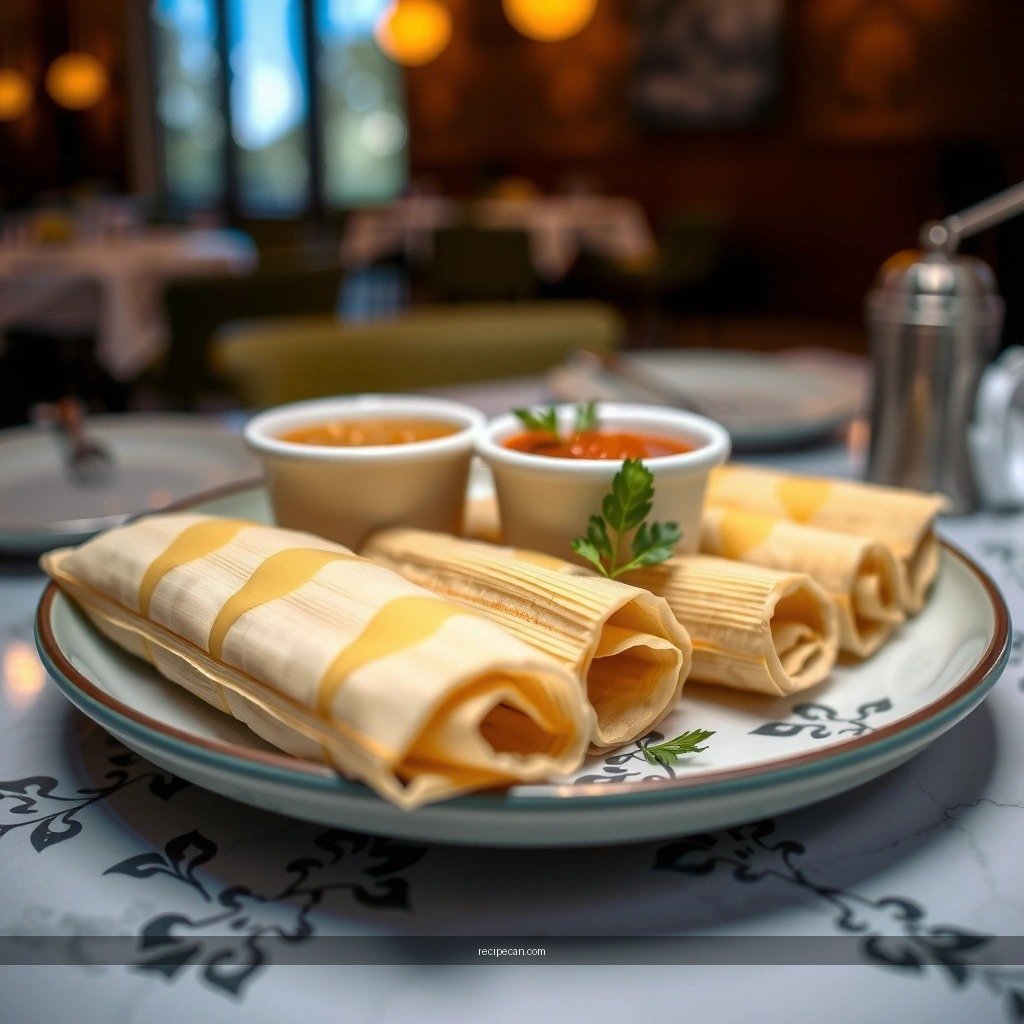
Mixing is where most masa recipes succeed—or fail. Even if your measurements are correct, poor mixing can leave lumps, break the dough’s structure, or produce uneven steaming.
Practical mixing method:
1. Soften fat first (if using lard/shortening): Cream it briefly until it’s workable. This helps it blend into masa harina evenly.
2. Combine dry base: In a large bowl, whisk masa harina, baking powder, and salt to distribute seasonings.
3. Add warm liquid gradually: Pour warm broth/water in increments while stirring to hydrate. Avoid dumping all liquid at once.
4. Mix until smooth and cohesive: Use a wooden spoon, sturdy spatula, or mixer on medium. The texture you want is *spreadable and cohesive*—like thick peanut butter or soft cake batter.
Texture checkpoints that matter:
– No visible dry pockets: If masa harina isn’t fully hydrated, it can form gritty streaks.
– Lump-free spread: Small lumps usually smooth out with rest, but persistent graininess signals too little liquid.
– Spreads without running: When you lift a spoonful, it should hold shape briefly before settling slowly—not pour like batter.
Fixes if your masa isn’t right:
– Too thick: Add warm liquid 1–2 tablespoons at a time, then mix again.
– Too loose: Add masa harina 1 tablespoon at a time (and rest), because additional hydration often thickens the dough as it relaxes.
– Lumpy: Keep mixing 2–3 minutes more; then rest 20–30 minutes for hydration to catch up.
Cook or Rest the Masa for Tamales
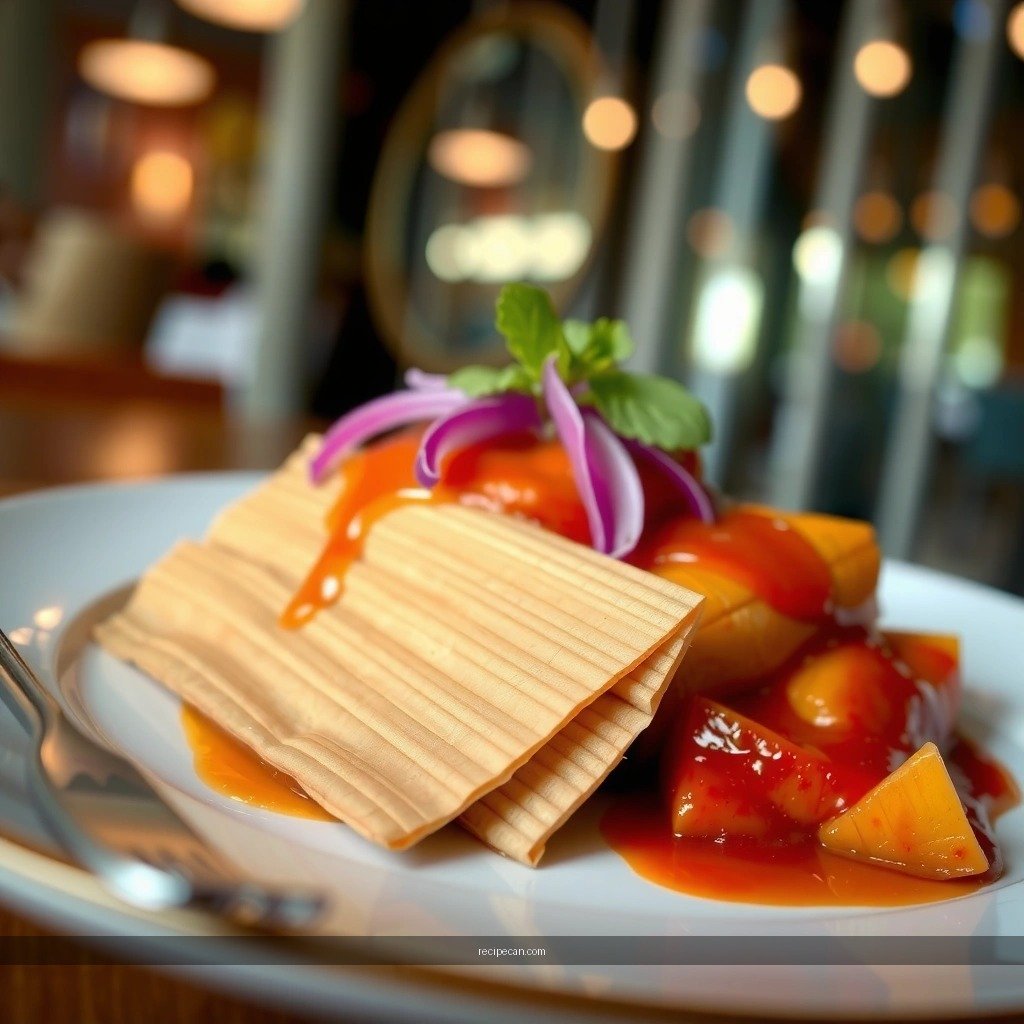
Resting is not optional if you want restaurant-level tamale masa at home. After hydration, masa harina develops a more uniform structure and improves its ability to steam into a cohesive interior that doesn’t crumble or pull away from the husk.
Why rest works:
– Hydration completes: Starch absorbs liquid more evenly over time.
– Fat distribution stabilizes: The dough becomes smoother and more elastic.
– Flavor integrates: Salt and fat mellow while masa’s base flavor comes forward.
How long to rest:
– Minimum: 20–30 minutes.
– Better: 1–2 hours, covered at room temperature (or refrigerated briefly, then re-softened with light stirring before assembly).
Do you need to cook the masa?
Some cooks “cook” masa briefly (lightly thickening it) to improve consistency. If you do:
– Use low heat and stir constantly.
– Remove when the masa looks slightly firmer than your desired final spread.
– Overcooking can cause dryness and a dense bite.
Rest vs. quick cook—choose based on your schedule:
– Busy day: Rest thoroughly and skip cooking.
– Unpredictable masa harina brands: A brief cook can help tighten the texture before assembly.
Seasoning and Flavor Variations for Masa Tamales
Traditional tamales rely on masa that tastes balanced on its own—even though the filling does most of the heavy lifting. Well-seasoned masa improves perceived flavor depth, especially when your filling is mild or tangy.
Seasoning fundamentals:
– Salt should be noticeable but not salty. A common mistake is using too little salt because fillings are already seasoned. Masa needs its own foundation.
– Fat impacts seasoning perception. More fat can round flavors; if you increase fat, you may slightly reduce salt—or keep salt stable and rely on the overall balance.
Easy flavor additions (use sparingly):
– Cumin (1/2 tsp for 2 cups masa harina): Adds warm, earthy aroma.
– Garlic powder (1/2–1 tsp): Boosts savoriness without overpowering.
– Touch of chili (like mild ancho or chipotle powder): Adds gentle heat and color.
– Optional broth infusion: Replace part of the liquid with reduced chicken broth or vegetable stock for deeper flavor.
A professional approach: taste and adjust before assembly
After mixing and resting, cook a small test piece (or pan-toast a tiny smear) and taste it. Tamale masa should taste “finished”—not bland. If you’re planning very flavorful fillings (spicy pork, smoky chicken), you can keep masa slightly milder to avoid overpowering.
Prepare Tamales with Masa (Assembly Basics)
Assembly is where texture and structure become visible. The goal is even coverage so each tamale steams uniformly and sets cleanly.
Spread technique:
– Use a consistent thickness: A uniform layer helps avoid dry, undercooked centers.
– Leave a thin edge margin: When you wrap, a small border helps the masa seal and prevents gaps.
– Don’t overfill: Too much filling pushes the masa and can cause seams to open during steaming.
Sizing guidance:
– Aim for a masa layer that comfortably holds filling without making the wrapper bulky.
– Spread from near the center outward in smooth strokes, rotating husk as needed for consistent coverage.
Wrapper handling affects masa performance:
– Soak corn husks until pliable (typically 30–60 minutes).
– Pat off excess water so masa adheres rather than sliding off.
Quality indicator: If your masa tears or crumbles while spreading, it likely needs more mixing or a longer rest to fully hydrate.
Steam Tamales for Even Cooking
Steaming is the final transformation stage. Proper steaming sets the masa structure so it holds together, pulls cleanly from husks, and stays tender rather than gummy.
Steaming targets:
– Steam until masa is set: You should be able to peel or pull a small portion away cleanly when fully cooked.
– Even steam = even texture: Rotate the steamer trays partway if your setup cooks unevenly.
Time considerations (practical ranges):
– Many tamales steam 60–90 minutes, depending on size and filling temperature.
– If using raw fillings, plan longer until the internal temperature is safe and the masa is fully set.
Avoid common steaming errors:
– Don’t let water level run low: Maintain a steady simmer.
– Minimize opening the steamer: Each lift of the lid interrupts steam and extends cooking time unevenly.
– Use a steady heat: Hard boiling can cause wrappers to shift and masa to loosen at the seams.
Doneness checklist (high signal, low guesswork):
– Masa looks matte rather than wet or glossy.
– Wrapper edges release easily.
– Filling is hot throughout (and if meat is involved, fully cooked).
When you follow a well-measured masa harina + fat + seasonings ratio, rest the dough for the right texture, and steam until fully set, you’ll get tamales with soft, flavorful masa every time. Make this masa recipe for tamales next, then customize flavors to match your favorite fillings—try a batch and adjust seasonings to your taste.
In conclusion, great tamales begin long before the wrapper closes: it’s all about building a smooth, cohesive masa from the right ingredients, mixing for lump-free texture, resting for hydration, and seasoning so the masa tastes complete. Assemble with consistent thickness and sealable edges, then steam patiently until the dough sets and releases cleanly—those steps together deliver tamales that hold together beautifully and steam evenly.
Frequently Asked Questions
What masa recipe is best for tamales so they don’t crack?
A great tamales masa starts with well-hydrated masa harina and properly creamed fat (lard or vegetable shortening) for a light, fluffy texture. Whip the masa until it turns smooth and airy, then add warm broth gradually to reach a consistency that spreads but holds shape. If your masa feels dry or dense, it will crack during steaming—so adjust with small amounts of warm stock until it’s soft and spreadable.
How do I make masa for tamales from scratch using masa harina?
Combine masa harina with warm chicken or vegetable broth and salt, then mix until there are no dry lumps. In a separate bowl, cream lard (or shortening) until fluffy, then incorporate it into the masa mixture. Keep kneading/mixing until the tamales masa is smooth and consistently thick, and let it rest briefly so the harina fully hydrates for better flavor and texture.
Why does my tamales masa turn out lumpy or tough?
Lumps usually happen when cold liquid is added too quickly or the masa harina isn’t mixed thoroughly. Tough tamales masa can result from overmixing after the harina has hydrated, using too little fat, or adding broth that’s too hot/too little so the dough doesn’t become tender. To fix it, gradually mix with warm broth and make sure the fat is well incorporated for a tender, even-steaming masa.
Which broth should I use for masa recipe tamales—chicken, pork, or water?
Using flavorful broth (often chicken or pork) gives your tamales masa more depth than water alone, especially if the tamales filling is mild. For classic masa recipe tamales, many cooks use warm chicken broth for a lighter taste or pork broth for a richer profile that pairs well with savory fillings. Whatever you choose, keep the broth warm so it absorbs evenly and helps the masa become smooth without lumps.
How do I test if my masa is ready before steaming tamales?
A common method is the “float test”: take a small bit of masa and drop it into cold water—if it floats, it’s properly hydrated and fluffy. If it sinks, mix in a little more warm broth and re-test until the masa recipe tamales reaches the right consistency. Also check texture: the masa should spread smoothly and feel soft but not runny, so it holds shape in the corn husks while steaming.
References
- Tamale
https://en.wikipedia.org/wiki/Tamale - Masa
https://en.wikipedia.org/wiki/Masa_harina - Nixtamalization
https://en.wikipedia.org/wiki/Nixtamalization - Hominy
https://en.wikipedia.org/wiki/Hominy - Corn tortilla
https://en.wikipedia.org/wiki/Corn_tortilla - Cornmeal
https://en.wikipedia.org/wiki/Corn_meal - https://en.wikipedia.org/wiki/Masa_(cuisine
https://en.wikipedia.org/wiki/Masa_(cuisine - Google Scholar Google Scholar
https://scholar.google.com/scholar?q=masa+recipe+tamales - Google Scholar Google Scholar
https://scholar.google.com/scholar?q=masa+harina+nixtamalization+chemistry - Google Scholar Google Scholar
https://scholar.google.com/scholar?q=prepared+corn+dough+tamales+cooking+method