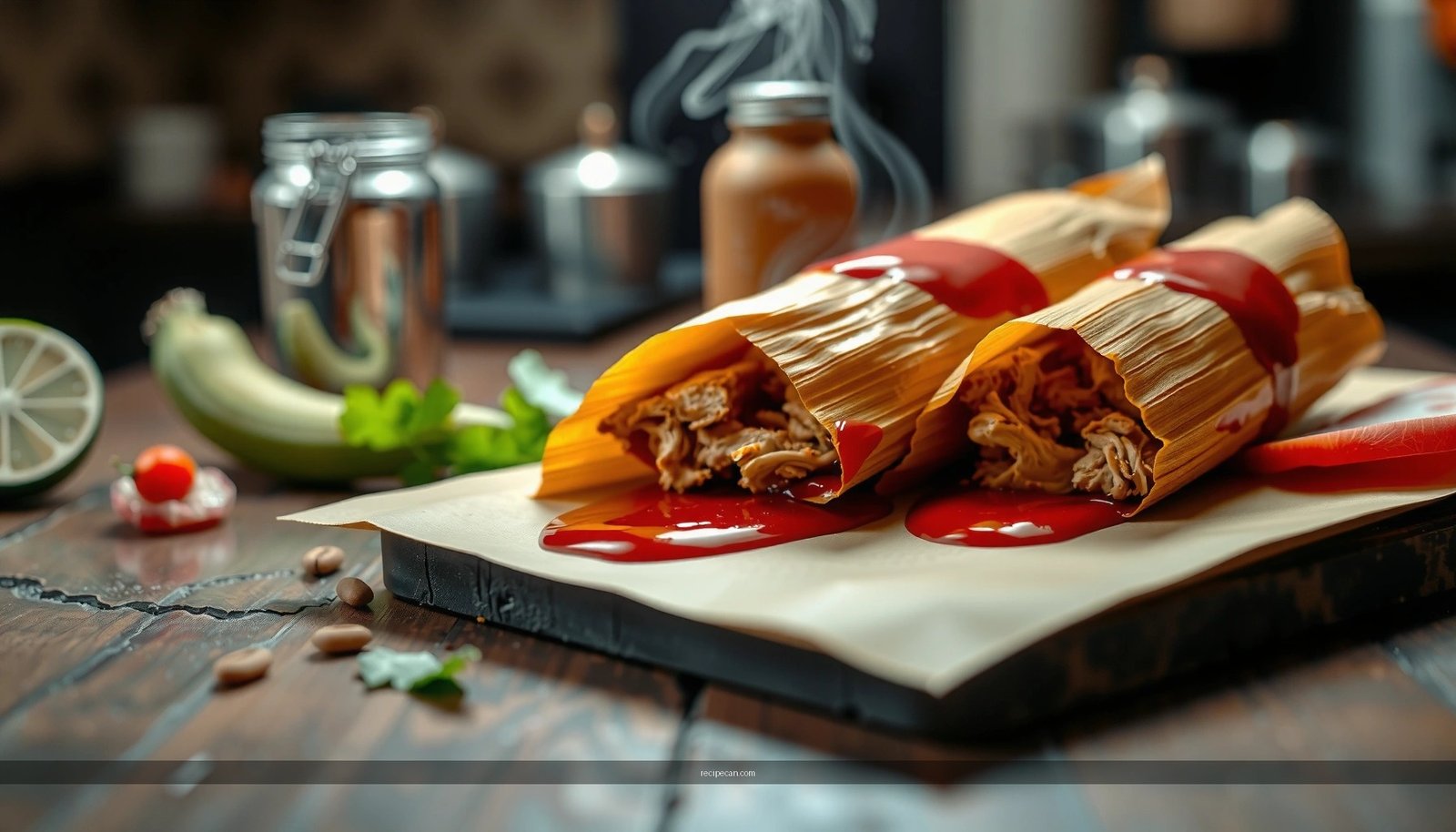
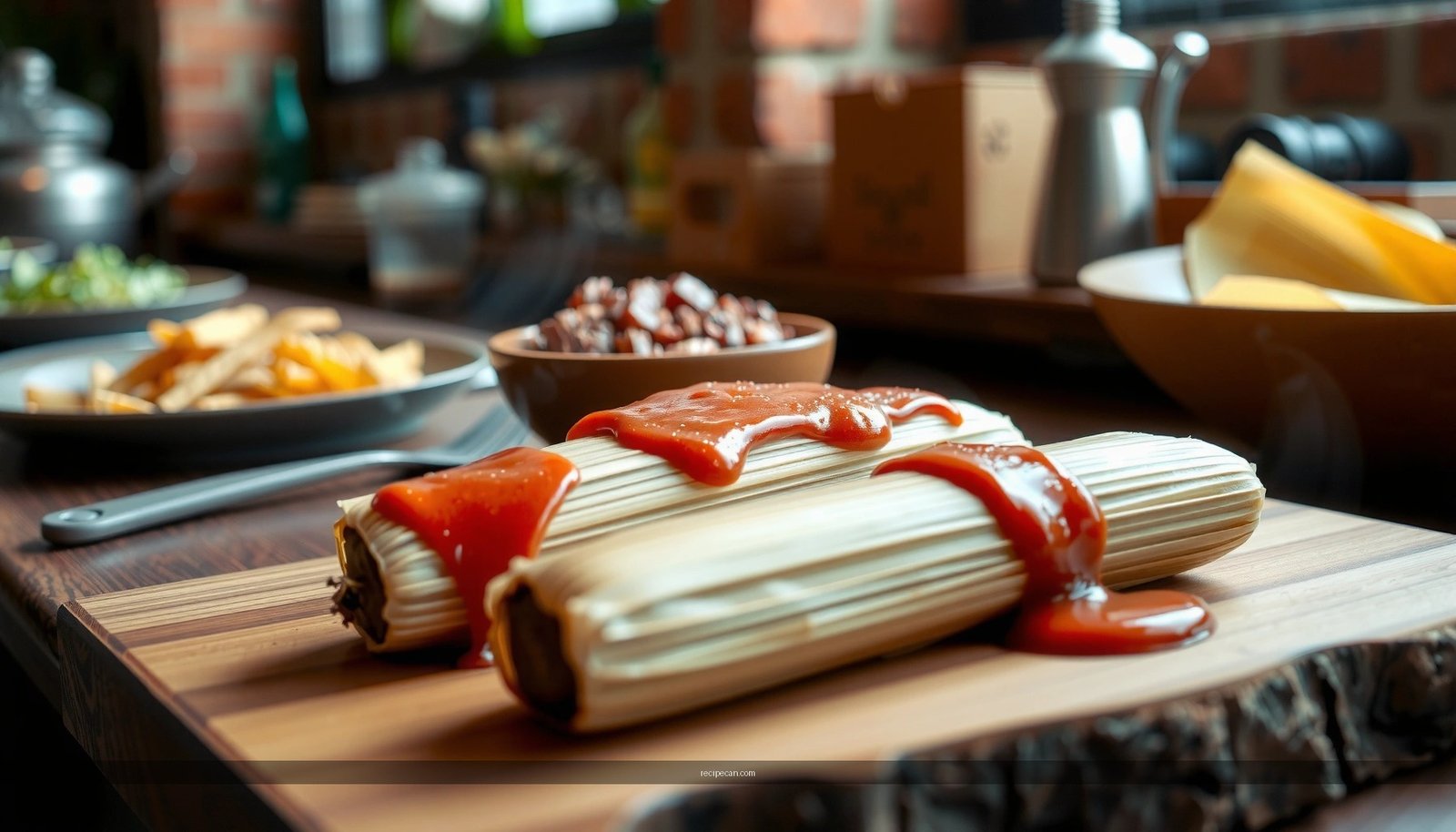
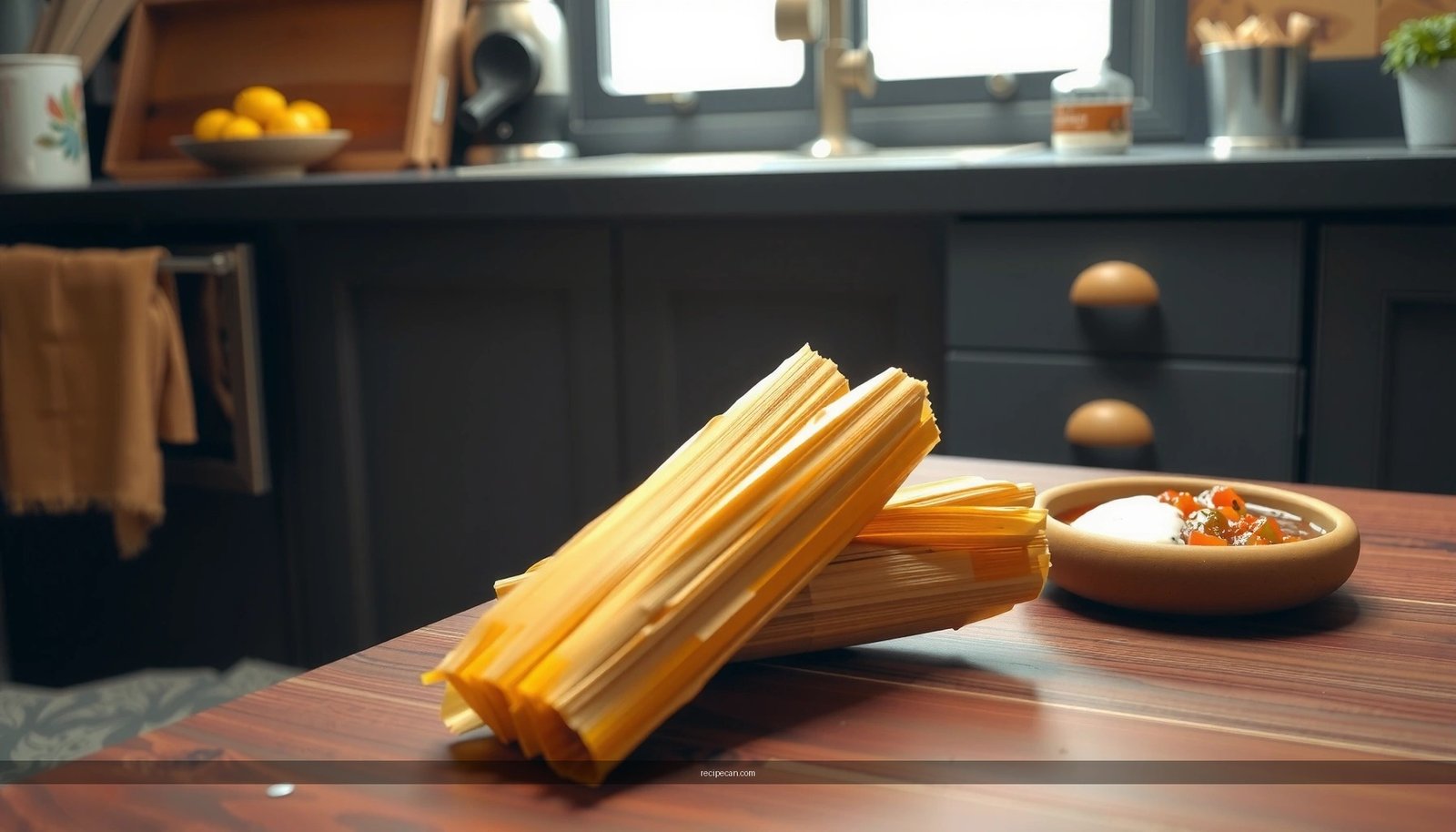
This masa dough recipe for tamales delivers consistently smooth, pliable dough that spreads cleanly and holds shape when steamed. Follow the step-by-step method for mixing, hydrating, and seasoning masa so every batch stays tender instead of gritty or dry. It’s the fastest path to tamales with the right texture—without guesswork or complicated techniques.
If you want tender, sliceable tamales every time, the secret is getting masa dough consistency right—soft, spreadable, and lightly fluffy—before you steam. This easy step-by-step masa harina recipe shows you exactly how to mix, rest, cream in fat, season, wrap, and steam so your tamales set properly without turning dense or gummy.
Gather Ingredients for Masa Dough
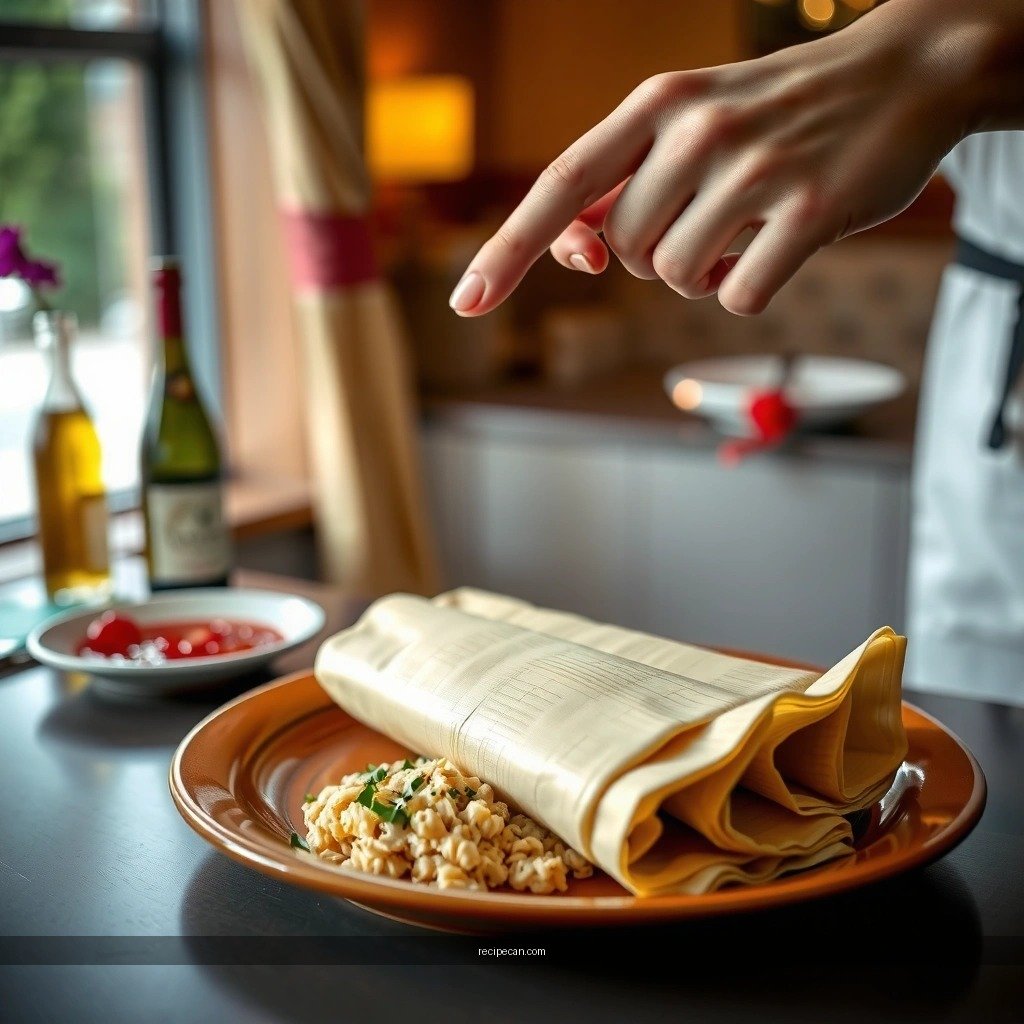
A great masa dough recipe starts with the right ingredients in the right proportions. For tamales, you’re not just making dough—you’re building a structure that will expand slightly in steam, trap moisture, and hold a filling without falling apart.
– Use masa harina (not instant flour) as the base for authentic tamales
Masa harina is nixtamalized corn flour, meaning it has already been processed to create the dough that tamales need. It hydrates differently than all-purpose flour and produces the characteristic tender texture once steamed.
– Plan for fat (lard or vegetable shortening) plus broth/stock for proper moisture
Fat helps soften the crumb and improves spreadability, while warm broth/stock supplies the moisture that activates the masa’s thickening.
– Add salt and optional baking powder for lift and balanced flavor
Salt is essential for flavor (and helps mask any dullness that can appear in plain corn dough). A small amount of baking powder can add gentle lift, which many cooks find improves the “light” feel of steamed masa—especially in larger batches.
Masa consistency targets (quick reference)
You’ll know you’re on track when your dough:
– spreads on the husk without tearing,
– holds a peak briefly when scooped,
– feels creamy rather than dry or sticky.
Mix the Masa Harina and Broth
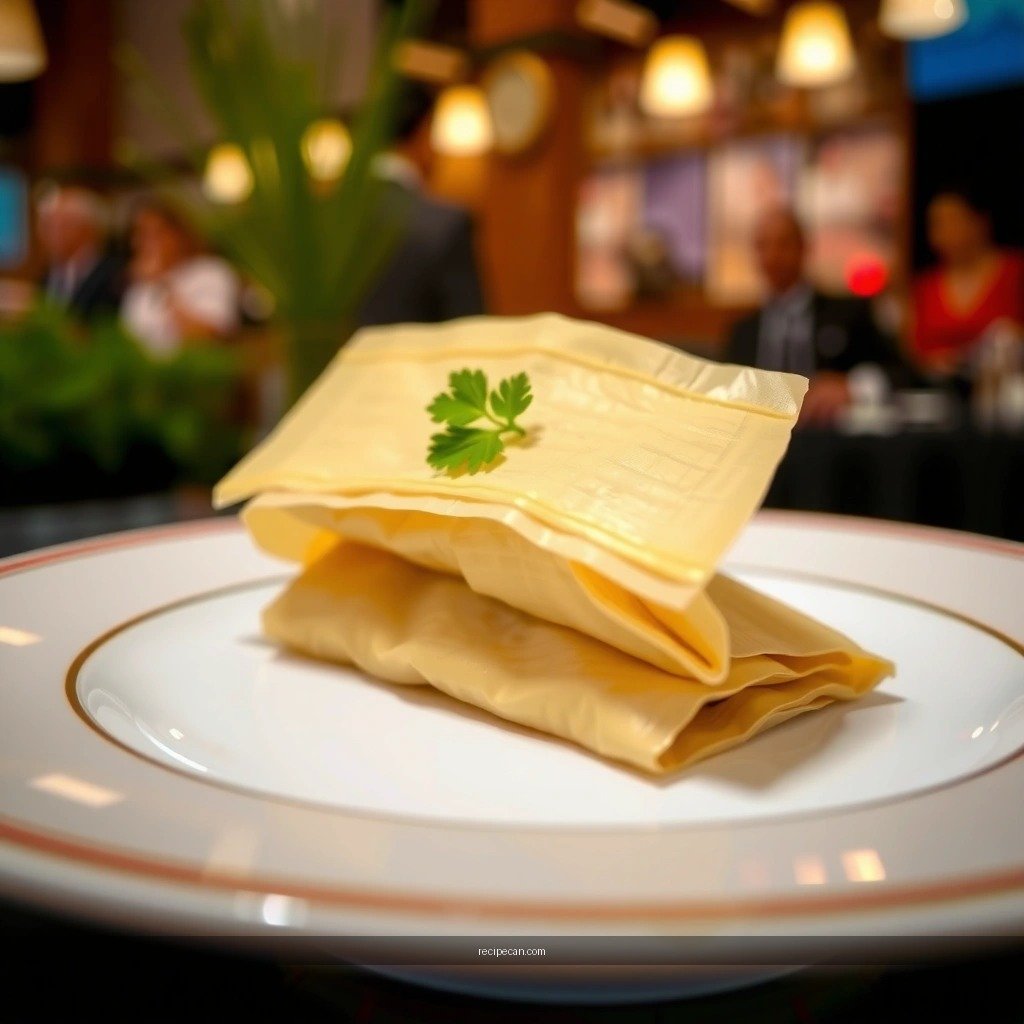
Proper mixing prevents lumps and ensures the dough hydrates evenly—two things that strongly affect final texture. If you rush hydration, you’ll end up with masa that looks smooth initially but turns grainy or uneven after steaming.
– Whisk masa harina with warm broth gradually to avoid lumps
– Stir until the dough looks smooth and cohesive
Stop when it’s cohesive and thick—fully hydrated masa should look like a soft batter that can be spread.
– Rest briefly so the masa hydrates and thickens evenly
A 10–20 minute rest gives the masa time to absorb water and develop the steamed texture you want. During rest, the dough often thickens slightly, so you may need a tiny adjustment afterward.
Practical approach (what to do):
Warm your broth/stock (not boiling). Then whisk masa harina into the liquid a few spoonfuls at a time until you get a smooth, thick consistency. Cover and rest.
How hydration changes texture
Resting isn’t optional if you want “fluffy but set” tamales. Hydrated masa creates a dough network that traps steam efficiently, which results in masa that pulls slightly from the husk rather than sticking as a wet paste.
Cream in the Lard for a Fluffy Texture
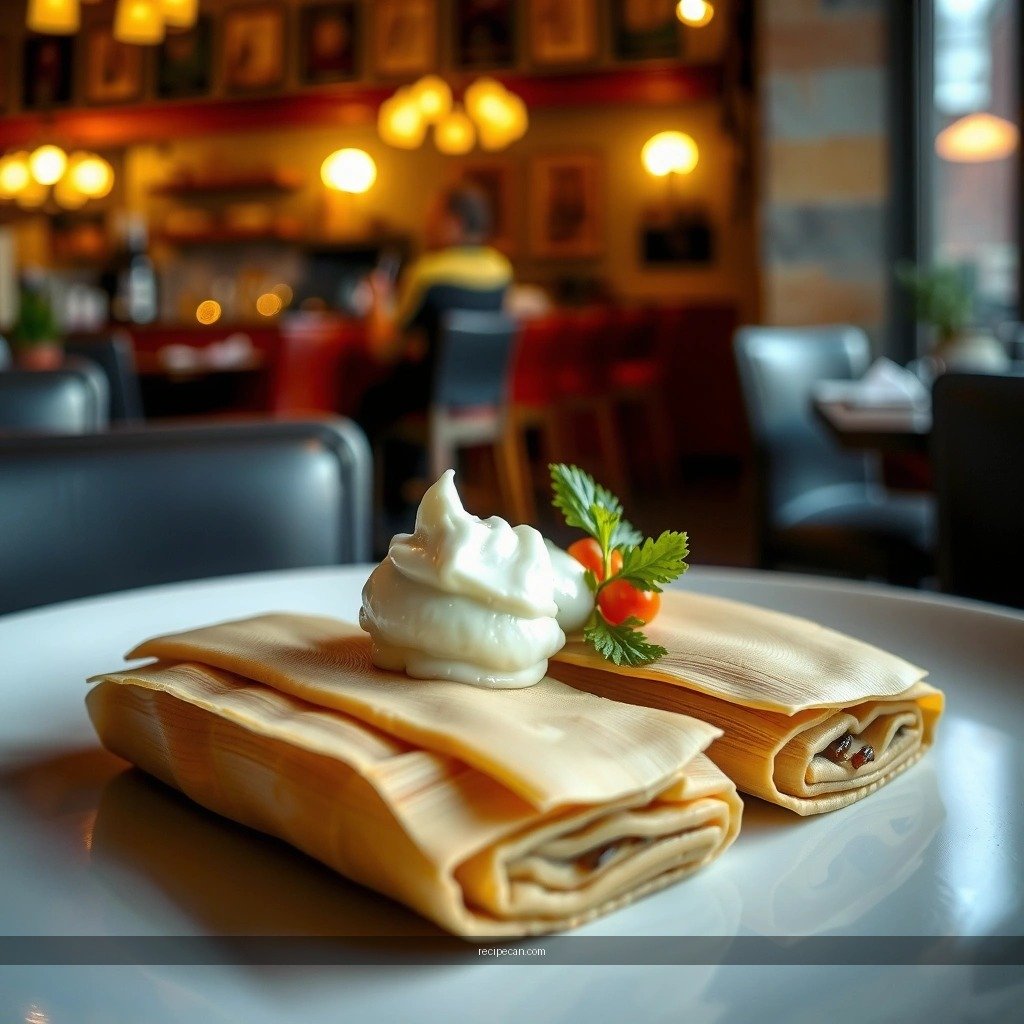
This step is where many tamales either “graduate” from homemade to restaurant-quality. Beating fat aerates it and creates a smoother, lighter masa. Even if your filling is perfect, heavy or greasy masa will make the overall tamale feel dense.
– Beat lard/shortening until creamy before mixing into masa
Softened fat creams faster and blends more evenly than melted fat. If you melt it, you can lose some of the aeration benefit.
– Fold or mix the fat in thoroughly for a lighter, smoother dough
Blend until no streaks remain. This step directly improves spreadability and reduces patchy texture.
– Aim for a dough that spreads without cracking
If your dough cracks or tears while spreading, it’s usually too dry, not yet fully hydrated, or under-fat. Fixing it is easier than starting over: add broth a teaspoon at a time, then re-mix and rest briefly.
Data-driven expectations: texture outcomes by masa behavior
Masa Dough Consistency Checks (What Cooks Typically See)
| # | Consistency cue | How it spreads | Most common cause | Adjustment |
|---|---|---|---|---|
| 1 | Holds a spoon peak | Spreads smoothly | Proper hydration + creamed fat | Proceed to wrapping |
| 2 | Slightly sticky but workable | Spreads, minimal tearing | Fat and hydration slightly under-settle | Rest 10 minutes, then wrap |
| 3 | Cracks at the edges | Tears or won’t smooth | Too thick (not enough broth) | Add broth 1 tsp at a time |
| 4 | Feels greasy and won’t cling | Smears instead of spreading | Fat melted or overmixed | Add masa harina 1 tbsp at a time |
| 5 | Dry and crumbly | Doesn’t spread, flakes | Under-hydrated masa | Add warm broth gradually, rest again |
| 6 | Very loose, almost batter-like | Slumps on husk | Too much broth | Add masa harina 1 tbsp at a time |
| 7 | Smooth, spreads well, set after steaming | Holds shape after folding | Correct fat + hydration + seasoning | Repeat ratio next batch |
Season and Adjust Consistency
Seasoning masa is not an afterthought. Corn dough can taste bland if it’s under-salted, and it can taste “flat” even with flavorful fillings. Consistency is equally critical: too thick will create dense tamales, and too soft can cause loose, paste-like masa that doesn’t fully set.
– Taste and add salt as needed for even flavor throughout
Use a small spoonful of raw masa to check salt. You’re building flavor into the dough, not just the filling.
– If too thick, add a little more warm broth; if too soft, add small amounts of masa harina
Adjust in small increments. The dough’s texture changes as the masa continues to hydrate, so quick fixes can overshoot.
– Check consistency by spooning: it should hold shape but remain spreadable
This spoon test is a reliable quality control step: lift with a spoon and observe whether it mounds and relaxes smoothly.
Common seasoning strategy (works across fillings)
Use salt as the base, then decide whether your broth already has sodium. If your stock is salted, reduce added salt accordingly.
Fill and Wrap with Ready Masa Dough
Once your masa is smooth, spreadable, and seasoned, you’re ready to wrap. Wrapping technique affects steaming uniformity and can prevent uneven texture—especially where masa thickness varies.
– Spread masa over husks evenly, leaving room at edges for sealing
Thin edges seal better and steam consistently. Avoid piling too much masa near the fold.
– Add filling in the center and fold securely
Keep filling centered so steam heats evenly through both masa and filling. Too much filling can push masa apart.
– Pack gently so the masa cooks through without becoming dense
Compressing too hard removes air pockets and can reduce the “fluffy” feel. Use firm but gentle pressure.
Pro tip: If your husks are dry, soak them (or warm them) before wrapping so they bend cleanly. Torn husks can lead to gaps, which can cause masa to leak.
Steam Until Set (and Know When They’re Done)
Steaming is where your patience pays off. Proper steam time ensures the dough fully hydrates, sets, and releases slightly from the husk—signs of a tender, fully cooked tamale.
– Steam with enough water to maintain steady heat throughout cooking
Use enough water to avoid running dry mid-cook. Consistent steam temperature is crucial for even setting.
– Expect longer cook times for thicker tamales or larger batches
Thickness and batch size both affect steaming. If you pack too many at once or spread overly thick masa, add time.
– Look for masa pulling slightly from the husk and a firm, set texture
When tamales are ready, the masa will look matte rather than wet, and it will separate subtly from the husk.
Steaming cues you can trust
You’re aiming for “set,” not dry. If masa pulls cleanly and feels springy, you’ve likely hit the sweet spot. If it still looks glossy or sticky, give it additional time in 10–15 minute increments.
[CONCLUSION PARAGRAPH – NO HEADING]
Use this masa dough recipe for tamales to achieve the right fluffy, spreadable consistency—then steam until set for tender results. Gather your masa harina, mix with warm broth, cream in fat, adjust seasoning, and check texture before wrapping. Make a batch today and test your consistency on one tamale first—you’ll get it dialed in fast.
Frequently Asked Questions
What is the best masa dough recipe for tamales?
A classic masa dough recipe for tamales uses masa harina, warm water or broth, baking powder, salt, and lard or vegetable shortening for tenderness. Mix the masa until it’s smooth and spreadable, then let it rest briefly so the flour hydrates. For best results, aim for a dough that is soft but holds shape when you spread it on the husk.
How do I make masa dough for tamales that’s fluffy and not crumbly?
Start by mixing masa harina with warm liquid (broth or water) gradually, then beat in lard or shortening until the dough becomes lighter and more elastic. Crumbly dough usually means you need more warm liquid, while dense dough often needs more whipping and fat. If your masa feels dry, sprinkle in broth a tablespoon at a time and re-mix until smooth.
Why does my tamale masa dough come out sticky or gummy?
Sticky or gummy masa often happens when too much liquid is added or when the masa is overmixed after it reaches the right consistency. Use warm liquid slowly and stop once the dough is thick and spreadable, not runny. If it’s already sticky, you can gradually fold in a little more masa harina until it firms up.
Which method is best for seasoning masa dough for tamales?
For well-seasoned masa dough for tamales, use salt and baking powder, and consider adding a small amount of broth or chicken stock for flavor depth. Many cooks also season with garlic powder, onion powder, or a pinch of chile powder depending on the tamale filling. Taste is key: if you’re using plain masa harina, don’t rely on the filling alone—season the dough itself.
How much masa dough do I need per dozen tamales?
A common guide is to use about 1 to 1¼ cups of prepared masa dough per dozen tamales, depending on how thick you spread it and the size of your corn husks. You’ll typically end up with enough dough to cover each husk with a thin, even layer once you portion consistently. If you’re unsure, measure a small batch first and adjust thickness for the next batch of masa dough.
References
- Google Scholar Google Scholar
https://scholar.google.com/scholar?q=masa+for+tamales+nixtamalization+recipe - https://scholar.google.com/scholar?q=nixtamalization+corn+dough+masa+hariNA+tamales Google Scholar
https://scholar.google.com/scholar?q=nixtamalization+corn+dough+masa+hariNA+tamales - https://scholar.google.com/scholar?q=tamale+masa+dough+hydratio+technique+properties Google Scholar
https://scholar.google.com/scholar?q=tamale+masa+dough+hydratio+technique+properties - Tamale
https://en.wikipedia.org/wiki/Tamale - Masa
https://en.wikipedia.org/wiki/Masa_harina - https://www.britannica.com/topic/tamale
https://www.britannica.com/topic/tamale - https://www.bbc.co.uk/food/recipes/tamales_68346
https://www.bbc.co.uk/food/recipes/tamales_68346 - 14 Fun Facts About Frightening Animals
https://www.smithsonianmag.com/arts-culture/inside-the-history-and-traditions-of-tamales-180976164/ - https://www.sciencedirect.com/search?qs=nixtamalization%20masa%20properties
https://www.sciencedirect.com/search?qs=nixtamalization%20masa%20properties - Google Scholar Google Scholar
https://scholar.google.com/scholar?q=masa+dough+recipe+for+tamales